• Home
  • About Us
  • Toolkit
  • Archives
  • Advertise
  • Privacy Policy

Kids Ain't Cheap

But They Sure Are Worth It

  • Parenting
    • Baby Stuff
    • Books and Reading
      • Aesops Fables
      • Comic Books
    • Education
    • Family Time
    • Green Living
    • Growing Up
    • Healthy Living & Eating
    • Holidays
    • Parenting
    • Random Musings
    • Shopping
    • Stuff to Do
  • Money
  • Product Reviews
    • Books and Magazines
    • Discount Sites
    • Furniture
    • House Keeping
    • Reviews News
    • Toys and Games
  • Contact Us
  • Our Editorial Commitment
  • Search

Child Abuse Prevention Law Expands “Mandated Reporter” Definition to Volunteers and Contractors

July 5, 2026 | Leave a Comment

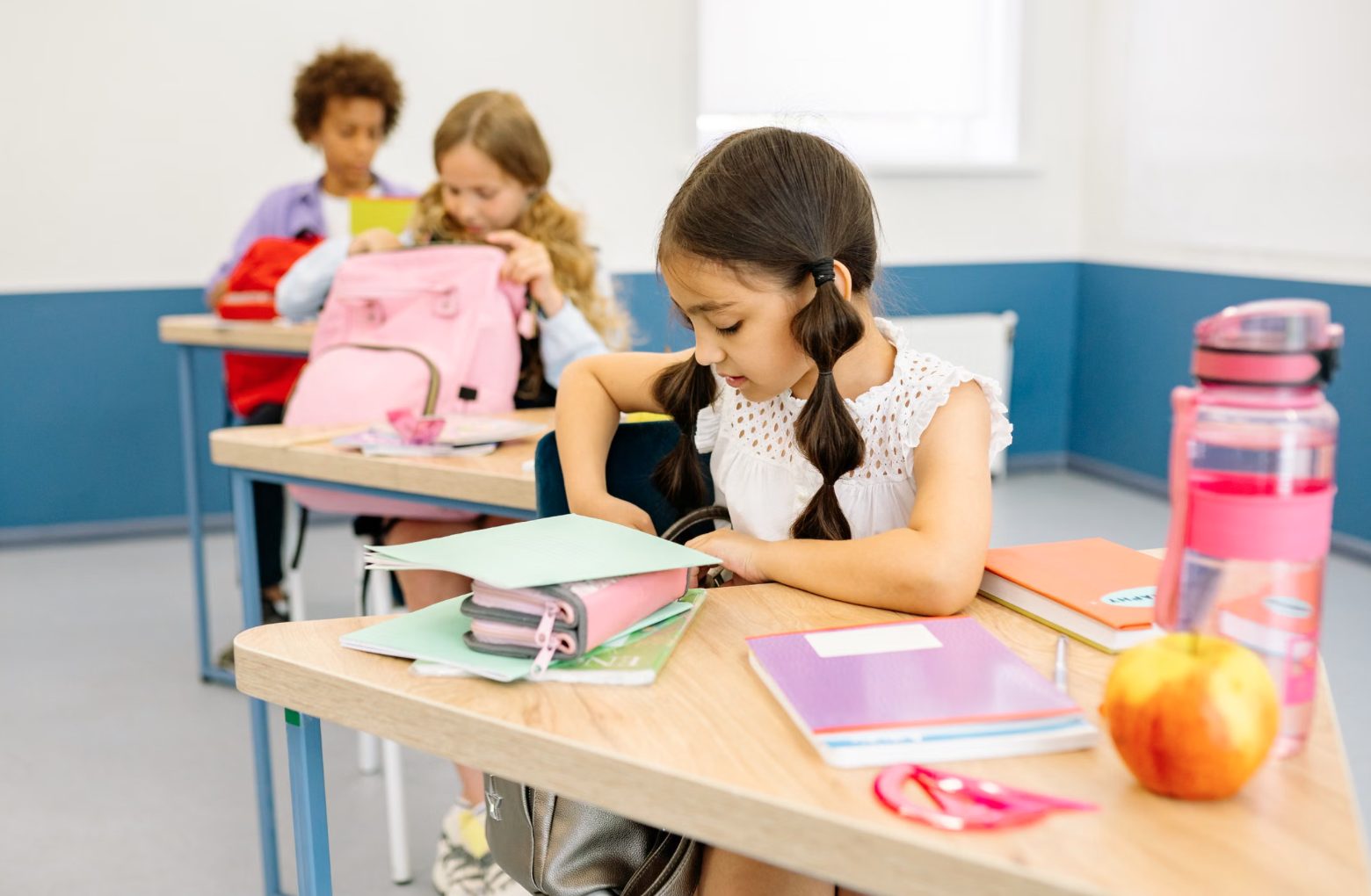
Students In Class
California’s expanded mandated reporter law now requires many school volunteers, contractors, and board members to report suspected child abuse and complete annual training. The goal is to identify warning signs earlier and better protect students. (Pexels).

Schools rely on far more than teachers to keep children safe. Volunteers, coaches, contractors, and school board members often spend significant time interacting with students, making them uniquely positioned to notice when something may be wrong. California’s Senate Bill 848 (SB 848), which took effect in phases beginning January 1, 2026, expands the definition of a mandated reporter to include many of these individuals, placing new legal responsibilities on those working around children. The change is designed to strengthen child abuse prevention by ensuring more trusted adults understand when and how to report suspected abuse before it escalates.

Why the Definition of a Mandated Reporter Is Expanding

For years, mandated reporter laws primarily applied to teachers, counselors, school administrators, and certain other education professionals. Under SB 848, many school volunteers, governing board members, and contractors who regularly interact with students are now included in that definition. For example, an adult volunteer coaching an after-school robotics club or a contracted speech therapist working on campus may now have the same reporting responsibilities as classroom teachers. The law recognizes that children often build trusting relationships with adults outside the classroom and may disclose abuse to them first. Expanding the mandated reporter definition creates additional opportunities to identify abuse early and connect children with help.

What the New Requirements Mean in Practice

Becoming a mandated reporter does not require someone to investigate abuse or determine whether it actually occurred. Instead, the legal obligation begins when there is reasonable suspicion that a child may be experiencing abuse or neglect, leaving trained investigators to determine the facts. Imagine a volunteer noticing repeated unexplained bruises on a child or hearing statements that suggest possible abuse at home. Rather than trying to verify the story personally, the volunteer is expected to report those concerns through the proper reporting channels. This approach helps prevent delays that could place children at greater risk while protecting reporters who act in good faith.

Training Is Now a Key Part of Compliance

The expanded mandated reporter law is accompanied by new training requirements for many newly covered individuals. Beginning in 2026, covered employees, volunteers, contractors, and governing board members must complete mandated reporter training within the required timeframe and renew it annually. Schools are also responsible for documenting completion to demonstrate compliance with state law. The training teaches participants how to recognize physical, emotional, and behavioral warning signs of abuse while explaining reporting procedures and legal protections. By ensuring more adults receive consistent instruction, lawmakers hope schools can create stronger layers of protection for students.

Clearing Up Common Misconceptions

Some people worry that filing a report automatically leads to a child’s removal from their home or criminal charges against a parent. In reality, a report simply alerts child welfare or law enforcement professionals, who then determine whether further investigation is necessary. Others mistakenly believe they need concrete proof before reporting, but California law generally requires only reasonable suspicion. Good-faith reporters are typically protected from liability, encouraging people to report concerns without fear of punishment if their suspicions ultimately prove unfounded. Understanding these facts helps reduce hesitation while reinforcing that the goal is protecting children rather than assigning blame.

Why Families and Schools Should Welcome the Changes

Parents often assume teachers are the only adults responsible for spotting warning signs, but students regularly interact with many trusted individuals throughout the school day. Bus drivers, coaches, volunteers, tutors, contracted therapists, and extracurricular instructors may notice changes in a child’s behavior that others never see. Expanding the mandated reporter network increases the number of trained adults watching for signs of abuse and responding appropriately. While schools must invest additional time in training and compliance, many child safety advocates view these responsibilities as worthwhile if they lead to earlier intervention. Ultimately, protecting children works best when everyone who regularly interacts with students understands their role in keeping them safe.

A Stronger Safety Net for Every Student

California’s expanded mandated reporter law reflects a growing commitment to preventing child abuse before it becomes more severe. By requiring more adults to receive training and understand their reporting responsibilities, SB 848 creates additional safeguards throughout school communities. Volunteers and contractors are no longer viewed as observers on the sidelines but as active partners in student safety. Schools that prepare early, provide quality training, and communicate expectations clearly will be better equipped to comply with the law while protecting children.

Do you believe expanding the mandated reporter definition will improve student safety, or could schools face new challenges implementing these requirements? Share your thoughts in the comments below and join the conversation.

What to Read Next

Teaching Your Child That “Family” Doesn’t Mean “Tolerate Abuse”

Stop Now! 12 Behaviors That Say You’ve Crossed The Line From Discipline to Abuse

7 Things Your Child’s Teacher is Legally Required to Report to the State

Evan Morgan

Evan Morgan has been a full-time freelance writer and editor for 10+ years. When not working, he enjoys catching the latest true crime documentary or getting lost in a good book.

Filed Under: Parenting Tagged With: California law, child abuse prevention, child welfare, contractors, education, mandated reporter, SB 848, school safety, student protection, volunteers

7 Ways Schools Fail to Hold Bullies Accountable

November 3, 2025 | Leave a Comment

7 Ways Schools Fail to Hold Bullies Accountable
Image source: shutterstock.com

Schools are supposed to be safe spaces for children to learn, grow, and build confidence. Yet too often, students who suffer from bullying find little protection or justice. Despite public awareness campaigns and anti-bullying laws, many schools continue to fall short when it comes to addressing the problem effectively. Parents and students alike are left wondering why administrators seem reluctant to act and what it truly takes to hold bullies accountable in an educational environment meant to nurture, not harm.

1. Ignoring Subtle and Emotional Bullying

Many schools only respond to visible acts of aggression while overlooking the quieter forms that can cause deeper emotional scars. Gossip, exclusion, and online harassment often fly under the radar because they leave no physical marks. Teachers and staff may dismiss these behaviors as “normal drama,” minimizing their lasting psychological effects. When schools fail to recognize emotional bullying as serious, victims are left feeling invalidated and unprotected. A comprehensive strategy to hold bullies accountable must start with acknowledging all types of abuse, not just the ones that make headlines.

2. Protecting the School’s Image Over the Student

One of the most common reasons schools fail to hold bullies accountable is the desire to protect their reputation. Administrators often fear that publicized incidents of bullying will reflect poorly on the district or affect funding and enrollment. Instead of addressing the issue transparently, they may downplay or even cover up incidents. This approach prioritizes public perception over student well-being, allowing patterns of bullying to continue unchecked. Real accountability requires courage from school leaders to prioritize truth and safety over image management.

3. Inconsistent Enforcement of Discipline

Even when anti-bullying policies exist, inconsistent enforcement undermines their effectiveness. One bully may receive suspension while another gets a simple warning for similar behavior, depending on who their parents are or how much trouble the school wants to avoid. This inconsistency sends a dangerous message that consequences are negotiable. When schools fail to apply their rules evenly, it erodes trust among students and parents alike. To genuinely hold bullies accountable, schools need clear, standardized responses that are applied fairly to everyone.

4. Overreliance on “Conflict Resolution”

Schools frequently turn to conflict resolution sessions or peer mediation as a way to address bullying. While these methods can help in certain disputes, they’re often inappropriate when there’s a power imbalance between bully and victim. Asking a child to “work it out” with their tormentor places emotional burden and responsibility on the wrong person. It implies both parties share blame when, in reality, one is being targeted. Instead of forcing reconciliation, schools should focus on protection, accountability, and prevention.

5. Lack of Staff Training and Awareness

Teachers are on the front lines but are rarely given the proper training to identify and address bullying. Without clear guidance, many staff members misinterpret warning signs or handle cases informally to avoid paperwork. Others may unknowingly escalate situations by telling victims to “toughen up” or “ignore it.” This lack of professional preparedness perpetuates harm and creates an unsafe environment. Regular training sessions and reporting systems are essential for any school that wants to truly hold bullies accountable and protect all students.

6. Failing to Support Victims After the Fact

Even when schools do intervene, many fail to provide long-term emotional or academic support for victims. Students who experience bullying often face anxiety, depression, or declining grades — yet after an initial investigation, they’re left to cope alone. The lack of counseling or follow-up care sends a message that the problem ends once discipline is administered. True accountability involves ensuring victims feel safe and supported enough to rebuild their confidence. Without that, even the best disciplinary systems fall short.

7. Dismissing Online Harassment as “Outside School Jurisdiction”

In the digital age, cyberbullying is one of the most damaging forms of abuse students endure. Yet many schools claim they can’t act if it happens off campus, even when the bullying spills over into classrooms and affects a student’s mental health. This outdated thinking allows bullies to exploit technology without consequences. Schools must update policies to reflect the modern realities of online communication. To effectively hold bullies accountable, administrators need to treat digital harassment with the same seriousness as face-to-face aggression.

Accountability Begins with Action

The failure to hold bullies accountable isn’t always due to apathy — sometimes it’s fear, denial, or outdated systems that prioritize convenience over compassion. But every time a school overlooks bullying, it teaches both the victim and the aggressor a painful lesson about power and justice. Real progress starts when schools acknowledge these failures and commit to stronger policies, staff education, and consistent enforcement. Until then, too many children will continue to suffer in silence when they deserve to feel safe.

Do you think schools are doing enough to hold bullies accountable, or have they lost sight of student safety? Share your thoughts in the comments below!

What to Read Next…

10 Kids’ TV Shows That May Be Reinforcing Bullying Behavior

8 Ways Children Are Hiding Cyberbullying From Adults

10 Signs Your Child Is Quietly Being Bullied by a Friend

Are Anti-Bullying Programs Making Kids Better or Just Sneakier?

How to Handle Bullying in Schools and Online

Catherine Reed
Catherine Reed

Catherine is a tech-savvy writer who has focused on the personal finance space for more than eight years. She has a Bachelor’s in Information Technology and enjoys showcasing how tech can simplify everyday personal finance tasks like budgeting, spending tracking, and planning for the future. Additionally, she’s explored the ins and outs of the world of side hustles and loves to share what she’s learned along the way. When she’s not working, you can find her relaxing at home in the Pacific Northwest with her two cats or enjoying a cup of coffee at her neighborhood cafe.

Filed Under: Education Tagged With: bullying prevention, education reform, hold bullies accountable, Mental Health, school safety, student protection

  • Facebook
  • Pinterest
  • RSS
  • Twitter

Basic Principles Of Good Parenting

Here some basic principles for good parenting:

  1. What You Do Matters: Your kids are watching you. So, be purposeful about what you want to accomplish.
  2. You Can’t be Too Loving: Don’t replace love with material possessions, lowered expectations or leniency.
  3. Be Involved Your Kids Life: Arrange your priorities to focus on what your kid’s needs. Be there mentally and physically.
  4. Adapt Your Parenting: Children grow quickly, so keep pace with your child’s development.
  5. Establish and Set Rules: The rules you set for children will establish the rules they set for themselves later.  Avoid harsh discipline and be consistent.
  6. Explain Your Decisions: What is obvious to you may not be evident to your child. They don’t have the experience you do.
  7. Be Respectful To Your Child: How you treat your child is how they will treat others.  Be polite, respectful and make an effort to pay attention.
Best Parenting Blogs

Most Popular

Baby

9 Unusual Baby Names That Sound Like They Belong to Future CEOs

Evan Morgan
Baby

10 Baby Names That Were Once Considered “Grandparent Names” but Feel Cool Again

Evan Morgan
Target Store

Choking Incident Prompts Recall of 49,000 Target Gigglescape “Under the Sea” Popping Toys

Evan Morgan
Frustrated Girl

Why Some Students on the Spectrum Are Labeled With ODD

Evan Morgan
Coke Bottles

12 Things Kids Took to School in the ’70s That Would Never Be Allowed Today

Evan Morgan

All content on Kids Ain’t Cheap is for entertainment purposes only. By reading this blog, you agree that Kids Ain’t Cheap is not responsible for any actions taken after reading this blog. For the full disclaimer, see our privacy policy.

Please note that Kids Ain’t Cheap has financial relationships with some of the merchants mentioned here. Kids Ain’t Cheap is funded by banner advertising, commission sales and search optimization consulting.

Copyright © 2006–2026 | District Media | All Rights Reserved | Privacy Policy

Copyright © 2026 Runway Pro Theme by Viva la Violette