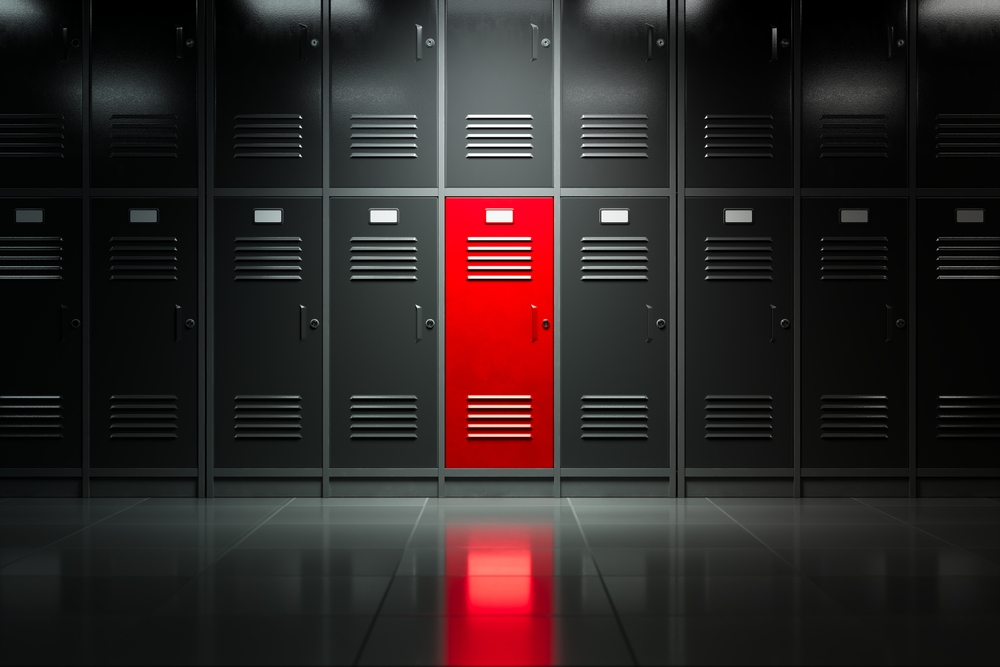
If your kid came home saying their locker “checks what’s inside,” you’d probably assume they misunderstood. But as more districts add tech to hallways, smart school lockers are becoming one more place where safety and privacy collide. Some schools say these systems help deter weapons, vaping, and theft, while families worry about quiet monitoring that never feels clearly explained. The truth usually lives in the fine print, and most parents don’t see that paperwork until a problem happens. Here’s what “scanning” can actually mean, what data may get stored, and what to ask so you’re not guessing.
What These Lockers Really Are
Schools often describe these units as upgrades, but they’re closer to a hardware-and-software package than a metal box. Some versions use digital locks, staff dashboards, audit trails of locker openings, and alerts when a door is forced. Other models add sensors, cameras in the locker bank area, or integrations with campus security systems. When a school installs smart school lockers, the system may track activity patterns even if it never “reads” the contents directly. In some cases, these lockers prevent access during specific times of day, supporting activities like phone bans during school hours by making the devices inaccessible. That’s why it helps to ask what features are enabled, not just what the locker is capable of.
Where Smart School Lockers Show Up On Campus
Most schools start in high-traffic areas like main hallways, athletic wings, or near cafeterias where supervision is already heavy. You may also see them replacing older locker banks during renovations, which makes the change feel routine. Some campuses roll them out first for middle school grades, where vaping and prank theft create constant headaches. Schools sometimes place them near cameras or staff offices to discourage tampering and speed up response times. The placement matters because it can change whether the system functions like a simple lock or part of a broader monitoring setup.
What “Scanning” Can Mean In Plain English
In everyday talk, “scanning” sounds like a machine looking through a backpack, but schools often use the word loosely. A locker can “scan” by logging openings, recording door vibration, or flagging repeated attempts to access the wrong locker. Some systems connect to tools that detect metal nearby or run weapon-detection alerts in the area, which families may interpret as checking belongings. When smart school lockers connect to student IDs or app logins, they can also link a specific kid to a specific pattern of use. Before you panic, ask whether the school means content detection or behavior tracking, because those are very different things.
What Gets Collected And Who Can Access It
Data can include timestamps, access logs, failed entry attempts, maintenance notes, and sometimes video tied to the locker area. If the system uses an app, it may also store device identifiers and login history, depending on how the vendor built it. Schools might share access with administrators, security staff, and sometimes school resource officers during investigations. With smart school lockers, the big question isn’t only what they collect, but how long they keep it and what triggers a review. If a vendor stores data off-site, ask whether the district can delete it and whether it gets used to “improve the product.”
How Privacy Works At School Versus At Home
Parents often assume a locker works like a private drawer, but schools usually treat lockers as school property. That means policies can allow searches, especially if staff believe a safety issue exists, even when they don’t notify families in advance. The details vary by district rules, state guidance, and how the school writes its handbook, so it’s worth reading the exact wording. If smart school lockers generate logs that suggest “suspicious” behavior, that information may shape how quickly staff escalate a situation. If this feels legally messy, it can be, so treat this as general guidance and consider professional advice for your specific circumstances.
What To Ask So You’re Not Left In The Dark
Start with one simple question: “What features are turned on right now, and what features are turned off?” Next, ask whether the locker system collects access logs, and whether staff review those logs routinely or only after an incident. Ask if the school uses cameras near the locker banks and whether that footage gets linked to locker access records. If the vendor runs the platform, ask where data is stored, how long it’s retained, and whether it can be shared with law enforcement without a warrant. Finally, ask what the school will tell families if it changes settings later, because smart school lockers can expand quietly over time.
The Best Outcome: Safety With Clear Boundaries
Schools want fewer emergencies, and parents want fewer surprises, so transparency is the real win. The most reasonable setups focus on secure access and theft reduction without treating every student like a suspect. If the school can explain what’s collected, who sees it, and why it exists, the system feels less like a secret and more like a safety tool. Smart school lockers don’t have to be creepy, but they become creepy when nobody explains them until a kid gets flagged. When you ask the right questions early, you help set expectations that protect both student safety and basic privacy.
What’s your take—would you accept high-tech lockers for added safety, or would you push back unless the school offered clear limits and full transparency?
What to Read Next…
Why Are Some Schools Replacing Lunch With Vending Machines?
11 School Practices That Punish Neurodivergent Children
School Safety Warning: The Real Reason Some Lockdown Drills Are Backfiring
5 Ways Bullying Apps Are Operating Without School Oversight
Why Are Public Schools Quietly Removing Librarians?

Catherine is a tech-savvy writer who has focused on the personal finance space for more than eight years. She has a Bachelor’s in Information Technology and enjoys showcasing how tech can simplify everyday personal finance tasks like budgeting, spending tracking, and planning for the future. Additionally, she’s explored the ins and outs of the world of side hustles and loves to share what she’s learned along the way. When she’s not working, you can find her relaxing at home in the Pacific Northwest with her two cats or enjoying a cup of coffee at her neighborhood cafe.
