• Home
  • About Us
  • Toolkit
  • Archives
  • Advertise
  • Privacy Policy

Kids Ain't Cheap

But They Sure Are Worth It

  • Parenting
    • Baby Stuff
    • Books and Reading
      • Aesops Fables
      • Comic Books
    • Education
    • Family Time
    • Green Living
    • Growing Up
    • Healthy Living & Eating
    • Holidays
    • Parenting
    • Random Musings
    • Shopping
    • Stuff to Do
  • Money
  • Product Reviews
    • Books and Magazines
    • Discount Sites
    • Furniture
    • House Keeping
    • Reviews News
    • Toys and Games
  • Contact Us
  • Our Editorial Commitment
  • Search

5 Ways Bullying Apps Are Operating Without School Oversight

December 22, 2025 | Leave a Comment

5 Ways Bullying Apps Are Operating Without School Oversight
Image source: shutterstock.com

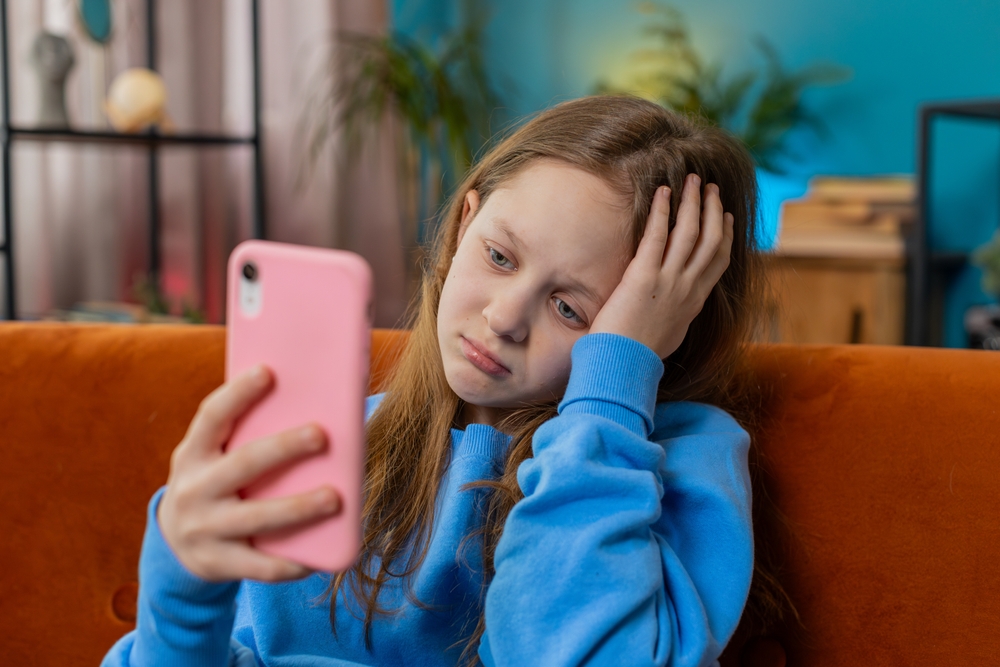
Bullying doesn’t stop when the last bell rings anymore, and that’s what makes it so exhausting for families. A lot of harm now happens in spaces schools can’t easily see, track, or respond to, even when the impact shows up in the hallway the next morning. The tricky part is that bullying apps can look like “just another chat platform” until a child is already overwhelmed, embarrassed, or scared to open their phone. The goal isn’t to panic or police every tap, but to understand the patterns so parents can spot red flags earlier and respond with a plan. Here are five ways these platforms slip past school oversight, plus what to do when something feels off.

1. They Operate Outside School-Owned Devices and Accounts

Most school monitoring tools only apply to school-issued devices, school Wi-Fi, or school-managed accounts. When kids switch to personal phones, home internet, or a new username, the visibility drops fast. That’s why bullying apps often spread through private group chats that have nothing to do with school logins. Parents can reduce the blind spots by setting clear home rules for new downloads and by checking device privacy settings together once a month. If something escalates, save screenshots, note dates, and keep a simple timeline so you’re ready to share facts instead of trying to reconstruct chaos later.

2. They Use Disappearing Messages and Rapid-Delete Features

Some platforms make it easy to send content that vanishes, which creates a perfect “no evidence” setup. Kids might be pressured to respond quickly because the message is only there for seconds, not hours. When a child says, “I can’t prove it,” that might be true, not an excuse. Parents can teach a few practical moves, like taking a screenshot right away, photographing the screen with another device, and saving any notifications that show names or partial messages. If the situation becomes serious, document what you can and contact the school with the impact on learning and safety, even if the original content is gone.

3. Bullying Apps Hide Behind Private Invites and “Secret” Groups

A lot of harm happens in invite-only spaces where adults never see the entry point. A child can be added to a group, mocked, and kicked out again before anyone notices the new icon on the phone. In these setups, bullying apps rely on social pressure, because kids may fear retaliation if they tell an adult who’s in the group. Parents can focus on behavior changes that show the impact, like sudden avoidance of school, sleep issues, or panic around notifications. If a child shares names, save them privately and bring concerns to the school as a safety issue, not a rumor.

4. They Use Code Words, Memes, and “Jokes” That Outsiders Miss

A teacher might see a harmless phrase while a targeted child sees a threat that’s been repeated for weeks. Inside jokes, meme references, and coded nicknames can hide cruelty in plain sight. That’s one reason bullying apps can feel impossible to explain, because the context is the weapon. Parents can ask calm, specific questions like “What does that word mean in your group?” and “Who usually starts it?” instead of pushing for a full story in one sitting. If it’s affecting school, share examples with a counselor or administrator and ask for support around peer conflict, supervision, and safety planning.

5. They Push Harassment Through Algorithms and Anonymous Features

Some platforms surface “nearby” users, recommended contacts, or public posts that invite pile-ons. Anonymous polls, confession prompts, and rating features can turn a single mean moment into a wave of group participation. That design makes bullying apps feel bigger than one bully, because the platform helps the cruelty spread. Parents can respond by tightening app permissions, turning off contact syncing, restricting messaging from unknown accounts, and using built-in reporting tools immediately. If threats, sexual harassment, or extortion appear, treat it as urgent and consider involving the school resource officer or local law enforcement, especially when safety is at risk.

The Oversight Gap Parents Can Close With Simple Habits

The hard truth is that schools can’t supervise every digital space, but parents can still shrink the risk window. Start by making your home the “safe reporting zone,” where kids aren’t at risk of punishment just for being honest about what they saw. When bullying apps show up, focus on documentation, mental health support, and clear boundaries rather than endless interrogation. Ask the school for a specific plan that addresses safety at school, even if the content happened off-campus. Most of all, remind your child they’re not alone, and that adults can handle the problem without making them carry it by themselves.

What’s one warning sign you’ve learned to take seriously when online drama starts spilling into school?

What to Read Next…

10 Kids’ TV Shows That May Be Reinforcing Bullying Behavior

8 Ways Children Are Hiding Cyberbullying From Adults

Are Anti-Bullying Programs Making Kids Better or Just Sneakier?

When Teasing Between Friends Becomes Bullying

12 Over the Top Ideas for Fixing Your Child’s Bullying Problem

Catherine Reed
Catherine Reed

Catherine is a tech-savvy writer who has focused on the personal finance space for more than eight years. She has a Bachelor’s in Information Technology and enjoys showcasing how tech can simplify everyday personal finance tasks like budgeting, spending tracking, and planning for the future. Additionally, she’s explored the ins and outs of the world of side hustles and loves to share what she’s learned along the way. When she’s not working, you can find her relaxing at home in the Pacific Northwest with her two cats or enjoying a cup of coffee at her neighborhood cafe.
Filed Under: Technology Tagged With: bullying prevention, Cyberbullying, digital citizenship, high school, middle school, Online Safety, Parenting, school safety, Social Media, teen mental health

11 Class Field Trips That Come With Unexpected Risks

November 20, 2025 | Leave a Comment

11 Class Field Trips That Come With Unexpected Risks
Image source: shutterstock.com

Class field trips are meant to be memorable, educational, and fun, but many parents don’t realize how easily small risks can slip into even the most thoughtfully planned outings. From new environments to unpredictable group dynamics, kids may encounter situations that teachers and chaperones don’t always anticipate. Knowing what to look out for helps parents ask the right questions, prepare their children, and feel confident about saying yes when opportunities come up. Understanding the hidden risks behind class field trips empowers families to stay proactive without feeling paranoid. With the right prep, these popular school outings can stay safe, meaningful, and stress free.

1. Nature Centers That Look Safe but Have Subtle Hazards

Nature centers are one of the most common class field trips because they feel calm and kid friendly. However, uneven trails, slippery rocks, and unmarked roots can create tripping hazards that catch kids off guard. Insect bites also become more common when children wander near standing water or tall grass. Animal encounters, even with supervised staff, may startle students who aren’t used to close wildlife interactions. Preparing kids with sturdy shoes and quick safety reminders helps prevent minor injuries.

2. Local Farms That Pose Risky Hands-On Moments

Farm visits give students an exciting look at animals and agriculture, but they come with risks teachers can’t always predict. Kids often touch animals and equipment without realizing the germs or injuries those interactions can cause. Heavy machinery, even when not in use, can tempt curious hands. Uneven terrain can make it easier for younger students to lose their balance. A quick talk about staying with the group and keeping hands to themselves goes a long way.

3. Museums With Crowded Exhibit Areas

Museums are educational, but crowded halls and narrow walkways can create issues fast. Students may wander off to see something interesting without realizing how quickly they separate from the group. Dim lighting in certain exhibits can also make supervision more challenging. Emergency exits aren’t always easy for kids to spot in large buildings. Setting up clear meeting points helps prevent confusion.

4. Zoos With Unpredictable Animal Behavior

Zoos are a classic choice for class field trips because they’re engaging and structured, but they still involve risks. Kids can lean too far over railings or try feeding animals when signs say not to. Sudden animal noises or movements can frighten younger children, causing them to run or bump into others. Hot weather also adds dehydration risks when large groups walk for long periods. Teachers often appreciate parents who send water bottles and light snacks.

5. Public Parks With Open Access to Strangers

Public parks appear harmless, but school groups often mix with everyday visitors. This means teachers must monitor not just students, but the environment around them. Open fields and playgrounds create multiple entry points where kids may accidentally wander too far. Restroom areas can also be difficult to supervise closely. Reminding kids to stay within visible range helps keep everyone accounted for.

6. Aquariums That Encourage Leaning and Touching

Aquariums create immersive experiences, but children naturally lean in closer than they should. Tanks with low walls or open-top displays make it tempting for kids to reach inside. Wet floors increase the risk of slipping. Some areas can become extremely dark, making it harder for chaperones to spot students. Reviewing simple safety rules helps keep enthusiasm in check.

7. Theaters and Live Shows With Low Lighting

Live performances capture kids’ attention, but theaters have unique challenges during class field trips. Low lighting makes it easier for students to trip or get turned around in aisles. Sudden loud noises may startle certain children, especially those sensitive to sound. Narrow stairways can become congested when large groups move at once. Teachers appreciate help from parents who quietly remind kids to walk slowly and stay close.

8. Science Centers Filled With Fragile Equipment

Science centers encourage hands-on learning, but interactive exhibits sometimes involve materials that break easily. Kids who get overly excited may push buttons or pull levers without reading instructions. Glass containers, wires, and small parts can become hazards if not handled properly. Crowded areas also make it easier for students to bump into delicate displays. Talking with kids ahead of time about respecting equipment prevents most issues.

9. Historic Sites With Steep Stairs and Confined Spaces

Historic locations seem simple, but old buildings often have steep staircases and narrow hallways. Students may feel rushed when touring in large groups, increasing the chance of slips or falls. Confined spaces can overwhelm children who dislike tight areas. Outdoor sections might include unstable stone paths or sharp edges. Teachers often welcome parents who help model calm pacing and mindful walking.

10. Amusement Parks With Distracting Environments

Even mild amusement parks or play centers can overwhelm kids because of bright lights, noise, and constant motion. It’s easy for children to wander off while looking at something interesting. Ride height requirements can cause confusion, leading kids to attempt entering restricted areas. Food courts often become crowded and difficult for supervision. Parents can help by providing bright clothing or labels for easy visibility.

11. Community Pools Where Supervision Can Be Challenging

Pool field trips can be fun but are among the highest-risk class field trips when it comes to safety. Water depth changes quickly, and even strong swimmers can become tired faster than expected. Lifeguards help, but they can’t monitor every individual child at all times. Slippery pool decks add another layer of risk for falls. Extra adult supervision makes these trips safer and more enjoyable.

Helping Kids Stay Safe Without Adding Fear

Parents can support school staff by talking openly with children about their expectations before class field trips begin. Reinforcing simple habits like staying with the group, listening to adults, and using common sense helps prevent many issues. Asking teachers about the day’s schedule also provides valuable insights and gives parents a chance to offer support. When students feel prepared instead of worried, they enjoy the experience more fully. A little awareness keeps school outings fun, memorable, and safe for everyone involved.

What field trip surprised you the most with safety concerns, and how did you handle it?

What to Read Next…

School Safety Warning: The Real Reason Some Lockdown Drills Are Backfiring

7 Ways Schools Fail to Hold Bullies Accountable

Home Alone Concerns: 6 Urgent Safety Tips For Kids Home Alone

5 School Field Trip Threads That Expose Emotional Trauma Risks

The “Safe Sleepover Talk” Every Parent Should Have (But Most Don’t)

Catherine Reed
Catherine Reed

Catherine is a tech-savvy writer who has focused on the personal finance space for more than eight years. She has a Bachelor’s in Information Technology and enjoys showcasing how tech can simplify everyday personal finance tasks like budgeting, spending tracking, and planning for the future. Additionally, she’s explored the ins and outs of the world of side hustles and loves to share what she’s learned along the way. When she’s not working, you can find her relaxing at home in the Pacific Northwest with her two cats or enjoying a cup of coffee at her neighborhood cafe.
Filed Under: Education Tagged With: child development, class field trips, parenting tips, school activities, school safety

School Safety Warning: The Real Reason Some Lockdown Drills Are Backfiring

November 9, 2025 | Leave a Comment

School Safety Warning: The Real Reason Some Lockdown Drills Are Backfiring
Image source: shutterstock.com

Across the country, schools are stepping up efforts to prepare students for emergencies, but some experts are raising a serious school safety warning. While the goal of lockdown drills is to keep children safe, the emotional effects of these rehearsals are becoming increasingly concerning. Reports show that certain types of drills are causing anxiety, nightmares, and confusion among students—especially the youngest ones. Parents, educators, and psychologists are now rethinking how these exercises are conducted and questioning whether they may be doing more harm than good. Understanding why some lockdown drills backfire is the first step in creating safer, more supportive environments for every child.

1. Simulated Fear Is Turning Real

One of the most overlooked issues behind the growing school safety warnings is that many drills mimic real-life terror too closely. Some schools use loud alarms, gunfire sound effects, or “actors” pretending to be intruders, which can leave lasting emotional scars on children. For younger students, who can’t always distinguish between pretend and reality, the fear can be overwhelming. Instead of preparing them, these intense drills may convince them that danger is always imminent. Educators and mental health professionals agree that realism should never come at the expense of a child’s sense of security.

2. Younger Children Are Internalizing Trauma

Lockdown drills can affect preschoolers and elementary students differently from older kids. When teachers tell small children to “hide” or “be silent,” many interpret that as something terrible happening around them. This type of emotional conditioning can create lasting fears of school itself. Parents have reported behavior changes, including separation anxiety, sleep disturbances, and heightened alertness after frequent drills. A more compassionate approach, experts suggest, is explaining safety measures in developmentally appropriate terms rather than through frightening reenactments.

3. Teachers Are Experiencing Secondary Stress

Lockdown drills don’t just impact students—teachers are also facing mental strain from repeated exposure to simulated crises. Many educators report increased anxiety, physical stress responses, and feelings of helplessness during and after these drills. The emotional burden of reassuring frightened students while staying composed can take a heavy toll. This kind of stress can indirectly affect classroom morale and student performance over time. A school safety warning should also apply to protecting the well-being of the adults tasked with maintaining calm in moments of chaos.

4. Overexposure Is Reducing Their Effectiveness

There’s a fine line between preparedness and desensitization. Conducting frequent or overly dramatic lockdown drills can make students less responsive during actual emergencies. When the routine becomes too familiar, kids may stop taking the instructions seriously or treat them as interruptions rather than life-saving exercises. Psychologists note that constant repetition without clear explanation can dull a child’s instinct to respond quickly in real danger. To maintain the purpose of these drills, schools must focus on quality over quantity, emphasizing calm practice and clear communication.

5. Communication Gaps Are Widening Fear

A significant reason for the latest school safety warning is poor communication between schools and families. Parents are often unaware of how lockdown drills are conducted or how intense they can be. This lack of transparency makes it difficult for families to prepare children emotionally or debrief them afterward. Without follow-up conversations, kids are left to process fear on their own, sometimes misinterpreting what happened. Schools that prioritize open dialogue with parents can help prevent unnecessary distress and build stronger trust around safety protocols.

6. The Focus Needs to Shift Toward Empowerment

Experts are urging schools to reframe the purpose of lockdown drills from a fear-based reaction to empowerment and awareness. Children respond better to calm, informative guidance than to scenarios filled with panic and noise. When students understand that safety procedures exist to protect—not frighten—them, their confidence grows. Empowering students with simple, predictable instructions helps them feel in control, even in uncertain situations. Shifting from high-stress simulations to thoughtful education is the key to creating long-term emotional and physical safety in schools.

Moving Forward with Compassionate Safety Practices

A meaningful school safety warning doesn’t have to inspire fear—it can inspire change. The goal should be to teach resilience and awareness without traumatizing the very children these drills are meant to protect. Schools can achieve this by working closely with child psychologists, being transparent with families, and tailoring drills to different age groups. When safety training prioritizes empathy and understanding, children learn to trust their environments rather than fear them. The future of school safety depends not just on preparation, but on compassion in every policy and practice.

Do you think lockdown drills are being handled effectively in schools today? Share your thoughts and suggestions in the comments below.

What to Read Next…

  • 7 Ways Schools Fail to Hold Bullies Accountable
  • 5 School Field Trip Threads That Expose Emotional Trauma Risks
  • 7 School Policies That Secretly Undermine Parental Authority
  • 8 School Rules That Should’ve Changed Decades Ago
  • 7 Preschool Programs That Might Be Hurting Kids Socially
Catherine Reed
Catherine Reed

Catherine is a tech-savvy writer who has focused on the personal finance space for more than eight years. She has a Bachelor’s in Information Technology and enjoys showcasing how tech can simplify everyday personal finance tasks like budgeting, spending tracking, and planning for the future. Additionally, she’s explored the ins and outs of the world of side hustles and loves to share what she’s learned along the way. When she’s not working, you can find her relaxing at home in the Pacific Northwest with her two cats or enjoying a cup of coffee at her neighborhood cafe.

Filed Under: Education Tagged With: Child Psychology, education, lockdown drills, Mental Health, parenting tips, school safety, student well-being

7 Ways Schools Fail to Hold Bullies Accountable

November 3, 2025 | Leave a Comment

7 Ways Schools Fail to Hold Bullies Accountable
Image source: shutterstock.com

Schools are supposed to be safe spaces for children to learn, grow, and build confidence. Yet too often, students who suffer from bullying find little protection or justice. Despite public awareness campaigns and anti-bullying laws, many schools continue to fall short when it comes to addressing the problem effectively. Parents and students alike are left wondering why administrators seem reluctant to act and what it truly takes to hold bullies accountable in an educational environment meant to nurture, not harm.

1. Ignoring Subtle and Emotional Bullying

Many schools only respond to visible acts of aggression while overlooking the quieter forms that can cause deeper emotional scars. Gossip, exclusion, and online harassment often fly under the radar because they leave no physical marks. Teachers and staff may dismiss these behaviors as “normal drama,” minimizing their lasting psychological effects. When schools fail to recognize emotional bullying as serious, victims are left feeling invalidated and unprotected. A comprehensive strategy to hold bullies accountable must start with acknowledging all types of abuse, not just the ones that make headlines.

2. Protecting the School’s Image Over the Student

One of the most common reasons schools fail to hold bullies accountable is the desire to protect their reputation. Administrators often fear that publicized incidents of bullying will reflect poorly on the district or affect funding and enrollment. Instead of addressing the issue transparently, they may downplay or even cover up incidents. This approach prioritizes public perception over student well-being, allowing patterns of bullying to continue unchecked. Real accountability requires courage from school leaders to prioritize truth and safety over image management.

3. Inconsistent Enforcement of Discipline

Even when anti-bullying policies exist, inconsistent enforcement undermines their effectiveness. One bully may receive suspension while another gets a simple warning for similar behavior, depending on who their parents are or how much trouble the school wants to avoid. This inconsistency sends a dangerous message that consequences are negotiable. When schools fail to apply their rules evenly, it erodes trust among students and parents alike. To genuinely hold bullies accountable, schools need clear, standardized responses that are applied fairly to everyone.

4. Overreliance on “Conflict Resolution”

Schools frequently turn to conflict resolution sessions or peer mediation as a way to address bullying. While these methods can help in certain disputes, they’re often inappropriate when there’s a power imbalance between bully and victim. Asking a child to “work it out” with their tormentor places emotional burden and responsibility on the wrong person. It implies both parties share blame when, in reality, one is being targeted. Instead of forcing reconciliation, schools should focus on protection, accountability, and prevention.

5. Lack of Staff Training and Awareness

Teachers are on the front lines but are rarely given the proper training to identify and address bullying. Without clear guidance, many staff members misinterpret warning signs or handle cases informally to avoid paperwork. Others may unknowingly escalate situations by telling victims to “toughen up” or “ignore it.” This lack of professional preparedness perpetuates harm and creates an unsafe environment. Regular training sessions and reporting systems are essential for any school that wants to truly hold bullies accountable and protect all students.

6. Failing to Support Victims After the Fact

Even when schools do intervene, many fail to provide long-term emotional or academic support for victims. Students who experience bullying often face anxiety, depression, or declining grades — yet after an initial investigation, they’re left to cope alone. The lack of counseling or follow-up care sends a message that the problem ends once discipline is administered. True accountability involves ensuring victims feel safe and supported enough to rebuild their confidence. Without that, even the best disciplinary systems fall short.

7. Dismissing Online Harassment as “Outside School Jurisdiction”

In the digital age, cyberbullying is one of the most damaging forms of abuse students endure. Yet many schools claim they can’t act if it happens off campus, even when the bullying spills over into classrooms and affects a student’s mental health. This outdated thinking allows bullies to exploit technology without consequences. Schools must update policies to reflect the modern realities of online communication. To effectively hold bullies accountable, administrators need to treat digital harassment with the same seriousness as face-to-face aggression.

Accountability Begins with Action

The failure to hold bullies accountable isn’t always due to apathy — sometimes it’s fear, denial, or outdated systems that prioritize convenience over compassion. But every time a school overlooks bullying, it teaches both the victim and the aggressor a painful lesson about power and justice. Real progress starts when schools acknowledge these failures and commit to stronger policies, staff education, and consistent enforcement. Until then, too many children will continue to suffer in silence when they deserve to feel safe.

Do you think schools are doing enough to hold bullies accountable, or have they lost sight of student safety? Share your thoughts in the comments below!

What to Read Next…

10 Kids’ TV Shows That May Be Reinforcing Bullying Behavior

8 Ways Children Are Hiding Cyberbullying From Adults

10 Signs Your Child Is Quietly Being Bullied by a Friend

Are Anti-Bullying Programs Making Kids Better or Just Sneakier?

How to Handle Bullying in Schools and Online

Catherine Reed
Catherine Reed

Catherine is a tech-savvy writer who has focused on the personal finance space for more than eight years. She has a Bachelor’s in Information Technology and enjoys showcasing how tech can simplify everyday personal finance tasks like budgeting, spending tracking, and planning for the future. Additionally, she’s explored the ins and outs of the world of side hustles and loves to share what she’s learned along the way. When she’s not working, you can find her relaxing at home in the Pacific Northwest with her two cats or enjoying a cup of coffee at her neighborhood cafe.
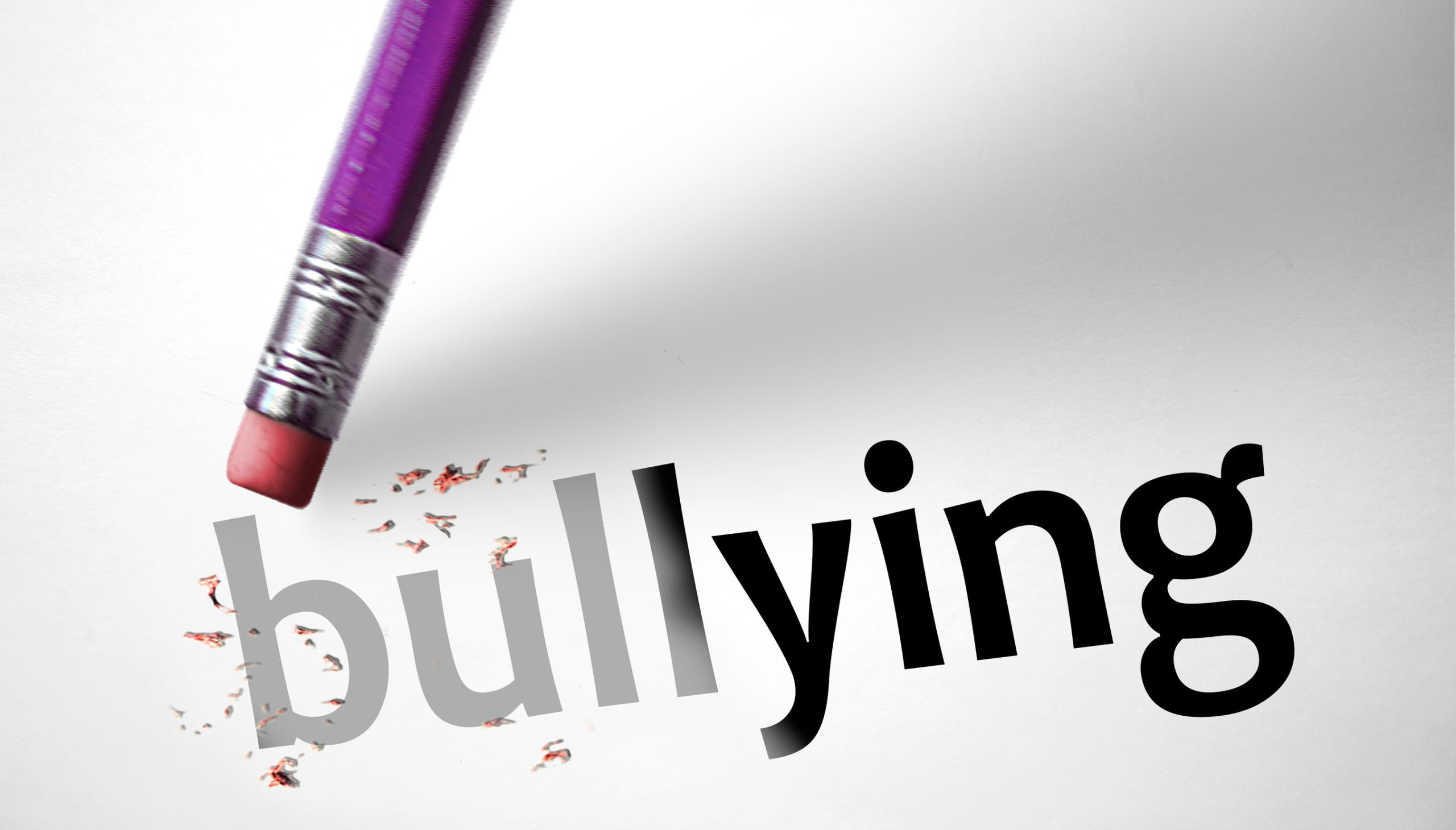
Filed Under: Education Tagged With: bullying prevention, education reform, hold bullies accountable, Mental Health, school safety, student protection

School Spies: 8 Privacy Risks of School Apps Collecting Data

July 7, 2025 | Leave a Comment

School Spies 8 Privacy Risks of School Apps Collecting Data
123rf.com

Your child’s school app might be doing more than just posting homework reminders and lunch menus. Many parents don’t realize that these apps can quietly collect data on students and families, often without clear consent or explanation. From tracking locations to scanning communications, school apps are beginning to raise red flags with privacy experts. As technology becomes more ingrained in classrooms, it’s crucial for parents to understand what’s at stake. Here are eight surprising and serious privacy risks of school apps collecting data—and what you can do to protect your family.

1. Location Tracking Beyond School Grounds

Many school apps collecting data request access to GPS or location settings on a child’s device. While this can be useful for bus tracking or safety alerts, it can also mean continuous monitoring that extends beyond school hours. Parents may not know their child’s whereabouts are being stored and potentially shared with third-party vendors. If data is mishandled, it can be vulnerable to hacking or unauthorized surveillance. Always check whether location access is truly necessary and disable it when it’s not.

2. Personal Data Shared with Third Parties

School apps often require personal information like student names, birthdays, and parent contact info—but what happens to that data? Unfortunately, many of these platforms partner with third-party marketing or analytics companies, and the data may be shared without your knowledge. This can lead to targeted advertising, unwanted solicitations, or even identity theft in worst-case scenarios. Privacy policies are often vague and hard to understand, making it tough for parents to know what they’re agreeing to. When possible, opt out of data sharing and push schools to use platforms that prioritize security.

3. Unsecured Messaging and Communication Logs

Communication features in school apps are meant to keep parents and teachers connected, but they may not be as private as you’d expect. Messages, attachments, and even reading habits can be logged and stored indefinitely. If the app lacks proper encryption, hackers or unauthorized users could gain access to sensitive conversations. This puts both student and teacher privacy at risk. Ask your school if the app encrypts its messages and how long data is retained.

4. Data Breaches and Poor Cybersecurity

Not all school apps are created by developers with strong security experience. Some platforms lack the protections needed to guard against data breaches, and unfortunately, schools often don’t have the budget or tech support to vet every tool. When school apps collecting data don’t invest in cybersecurity, they leave doors open for hackers. Even small breaches can expose sensitive student records, including addresses, grades, and behavioral information. Parents should regularly monitor for breach alerts and advocate for better safeguards.

5. Invasive Behavioral Tracking

Some educational apps claim to enhance learning by monitoring a student’s performance and behavior, but they may take it too far. From tracking keystrokes to analyzing facial expressions via device cameras, the scope of monitoring can become invasive. These features are rarely transparent and are often activated without clear parental approval. When behavioral data is stored and analyzed, it creates a digital profile that could follow a student for years. Schools should be held accountable for explaining what’s being tracked and why.

6. Lack of Parental Control and Opt-Out Options

It’s concerning how few school apps give parents a real say in how their child’s data is handled. Many platforms bundle data collection into the app’s basic functions, leaving no option to opt out without deleting the app entirely. This leaves families feeling trapped—either give up the convenience of digital access or accept unwanted surveillance. Some apps don’t even notify parents when new features are added or permissions change. Demand transparency and ask schools to consider alternatives with customizable privacy settings.

7. Children Targeted with Ads

Free apps might seem like a cost-saving option, but they often come with a hidden price: advertising. School apps collecting data may use that information to serve targeted ads to children, a practice many experts consider unethical. Even if the ads aren’t visible in the app itself, collected data may inform ads that appear on other platforms your child uses. This violates the spirit of educational tools and can expose kids to inappropriate or manipulative marketing. Look for ad-free platforms and inquire about advertising policies.

8. Permanent Digital Footprints

What’s collected today might be accessible for years to come. School apps rarely delete data promptly, meaning your child’s academic records, behavior notes, or personal identifiers may linger on servers long after graduation. These permanent digital footprints could someday affect college admissions, job applications, or credit records if data is leaked or misused. Parents should ask for clear data retention policies and request deletion of information no longer needed. A little vigilance now can protect your child’s future.

It’s Time to Read the Fine Print

School apps collecting data aren’t just tools—they’re windows into your family’s privacy. While they may offer convenience and improved communication, the risks they pose can’t be ignored. The good news is that awareness is the first step toward protection. Talk to your school administrators, read privacy policies closely, and encourage other parents to do the same. If we hold app developers and schools accountable, we can demand safer digital environments for our kids.

Have you spotted a concerning privacy feature in your child’s school app? Share your experience in the comments and help other parents stay informed.

Read More:

12 Reasons Why Your Kids are Behind Academically

7 Reasons You Shouldn’t Waste Money on Private Schools

Catherine Reed
Catherine Reed

Catherine is a tech-savvy writer who has focused on the personal finance space for more than eight years. She has a Bachelor’s in Information Technology and enjoys showcasing how tech can simplify everyday personal finance tasks like budgeting, spending tracking, and planning for the future. Additionally, she’s explored the ins and outs of the world of side hustles and loves to share what she’s learned along the way. When she’s not working, you can find her relaxing at home in the Pacific Northwest with her two cats or enjoying a cup of coffee at her neighborhood cafe.

Filed Under: Parenting Tagged With: app security, child data protection, digital parenting, educational technology, online privacy for kids, school apps, school safety, student privacy

Are Anti-Bullying Programs Making Kids Better or Just Sneakier?

June 3, 2025 | Leave a Comment

Are Anti Bullying Programs Making Kids Better or Just Sneakier

Schools across the country have poured time, money, and training into anti-bullying programs, promising safer hallways, kinder classrooms, and more inclusive playgrounds. But ask any student or parent, and you’ll still hear about subtle insults, group exclusions, and quiet manipulation that rarely get caught. Which raises a tough question: Are anti-bullying programs actually changing behavior—or just teaching kids how to hide it better? While awareness is up and public bullying has decreased in many districts, some experts worry the cruelty hasn’t stopped, it’s just gone underground. Here’s a closer look at whether these programs are truly helping or simply reshaping how bullying shows up in 2025.

1. Kids Know the “Correct” Language to Use

One effect of anti-bullying programs is that kids are now very familiar with terms like respect, kindness, and empathy. They’ve heard these words in assemblies, posters, and classroom discussions for years. But knowing the language doesn’t always mean they believe it. Some students have learned to speak the right way around adults while still engaging in exclusion or manipulation behind the scenes. Anti-bullying programs often teach vocabulary before values, and smart kids quickly figure out how to game the system.

2. Bullying Has Moved Online

As schools increase supervision on campus, more bullying has simply shifted to digital spaces. Apps, group chats, and gaming platforms have become the new battlegrounds. Anti-bullying programs sometimes overlook how fast online behavior evolves, leaving kids with tools for the classroom but no guidance for Snapchat, Discord, or TikTok. It’s not that bullying disappears—it just gets smarter and harder to trace. And by the time adults catch on, the emotional damage may already be done.

3. There’s More Focus on Appearances Than Accountability

Many anti-bullying programs rely on public pledges, spirit weeks, and posters that look great on social media but don’t always change what happens day-to-day. Schools love to say they’re proactive, but when it comes to real incidents, responses can be inconsistent. Students quickly pick up on this. They learn that saying the right things in front of teachers keeps them out of trouble, even if their behavior doesn’t change. Programs that focus on looking good rather than getting real often miss the mark.

4. Some Kids Weaponize the System

Here’s a twist: some students now use anti-bullying policies against others. They may report someone for being “mean” in retaliation, or exaggerate conflicts to get others in trouble. While rare, these false claims muddy the waters and make it harder to address genuine bullying. Anti-bullying programs need to teach critical thinking, not just tattling. Without context and honest conversations, rules can become tools for control rather than protection.

5. Relational Aggression Often Goes Unnoticed

Anti-bullying programs are great at addressing obvious issues—physical fights, name-calling, and threats. But many of today’s most damaging behaviors are subtle: eye-rolls, whispering, exclusion from group chats, or social sabotage. These acts don’t leave bruises, but they leave lasting emotional scars. Unfortunately, current programs don’t always equip teachers to spot or address this kind of quiet cruelty. That’s why your child might still come home in tears, even from a school that claims to be “bully-free.”

6. Peer Pressure Is Still Alive and Well

While kids may not be stuffing each other into lockers anymore, the pressure to conform hasn’t gone anywhere. Anti-bullying programs tend to focus on individual behavior rather than the group dynamics that allow bullying to thrive. Students are often afraid to speak up, not because they don’t understand right from wrong, but because they don’t want to become the next target. Programs need to go beyond slogans and dig into the emotional courage it takes to stand alone in a crowd. Otherwise, silence and complicity stay the norm.

7. Some Kids Still Feel Unseen

Ironically, the students most in need of help sometimes feel overlooked by anti-bullying programs. Neurodivergent kids, LGBTQ+ students, and others who don’t fit the mold may find these initiatives don’t reflect their experiences. Programs that treat bullying as a one-size-fits-all problem often miss how identity, bias, and difference shape a child’s experience at school. For these kids, it’s not just about being nicer—it’s about being truly included and understood. Real change requires more than policies; it requires listening.

8. Adults Aren’t Always Trained to Handle It

Not all staff are equipped to respond effectively when bullying happens. Some dismiss it as drama, others freeze up, and a few may unintentionally reinforce power dynamics by favoring more socially skilled students. Anti-bullying programs often provide surface-level training, but don’t prepare educators for the nuance and complexity of school culture. If the adults don’t recognize bullying or respond consistently, the programs lose credibility fast. Kids can tell when their concerns aren’t taken seriously—and that’s when they stop reporting.

9. Real Change Takes More Than Assemblies

One-time presentations or colorful posters aren’t enough to build safer schools. Anti-bullying programs must be part of a larger culture shift that includes daily modeling, emotional education, and consistent consequences. Kids learn by watching how adults handle conflict, inclusion, and fairness. When the school community lives the values it promotes, students notice. Otherwise, even the best-designed programs fall flat.

If Kindness Is Taught Like a Script, Kids Will Act—Not Change

There’s no question that anti-bullying programs raise awareness—but awareness isn’t always enough. If students are only learning how to look kind rather than be kind, they’re missing the heart of the message. For programs to work, they must go deeper than surface behaviors and address the emotional, social, and cultural roots of cruelty. Until then, some kids will get sneakier, not kinder.

Do you think anti-bullying programs are working—or just teaching kids how to avoid getting caught? Share your thoughts and stories in the comments below.

Read More:

12 Over The Top Ideas For Fixing Your Child’s Bullying Problem

6 Times Parents Should Intervene in Their Child’s Friendships

Catherine Reed
Catherine Reed

Catherine is a tech-savvy writer who has focused on the personal finance space for more than eight years. She has a Bachelor’s in Information Technology and enjoys showcasing how tech can simplify everyday personal finance tasks like budgeting, spending tracking, and planning for the future. Additionally, she’s explored the ins and outs of the world of side hustles and loves to share what she’s learned along the way. When she’s not working, you can find her relaxing at home in the Pacific Northwest with her two cats or enjoying a cup of coffee at her neighborhood cafe.

Filed Under: Safety Tagged With: anti-bullying programs, bullying prevention, child behavior, emotional intelligence, parenting and education, school bullying, school safety, student discipline

Should You Let Your Child Walk to School Alone?

March 27, 2025 | Leave a Comment

education, high school, communication and people concept - group of happy teenage students walking outdoors
Image Source: 123rf.com

Parents today face a tough balancing act between fostering independence and ensuring safety. One of the most debated milestones is whether or not to let a child walk to school alone. Some see it as a rite of passage, while others view it as a risky move in a world full of unknowns. There’s no one-size-fits-all answer—it depends on your child, your neighborhood, and your comfort level. Let’s explore the key factors you should consider before making the decision.

Is Your Child Ready for the Responsibility?

Not every child develops at the same pace when it comes to independence and awareness. Think about whether your child can follow directions, understand traffic signals, and stay alert while walking. If they tend to be easily distracted, they might not be ready for solo walks just yet. You should also assess their decision-making skills—can they handle unexpected situations calmly? If the answer is yes, they may be more prepared than you think.

How Safe Is Your Neighborhood?

The local environment plays a major role in your decision. If you live in a quiet, well-monitored area with crosswalks and friendly neighbors, the risk is lower. However, busy streets, poorly maintained sidewalks, or high-crime zones change the equation completely. Speak with other parents and check local crime reports to get a full picture. Sometimes, perception doesn’t match reality—so don’t assume safety without checking.

What Age Is Considered Appropriate?

There’s no universal age when a child is suddenly “ready” to walk alone. Some states even have legal age guidelines, but most leave it up to parental discretion. Typically, kids aged 9 to 11 may begin walking alone if they’ve demonstrated maturity and you’ve practiced with them. The key is to prepare them through routine walks where you slowly back off supervision. Age matters, but so does mindset and preparation.

Can Technology Help Ease Your Worry?

Smartphone screen displaying a gps concept
Image Source: 123rf.com

In today’s world, you don’t have to be completely hands-off. GPS-enabled watches and phones can help you track your child’s route in real time. Apps like Life360 let you know when they arrive safely. While these tools are no substitute for awareness, they offer peace of mind during the transition. Just be sure you’re using tech to empower—not spy—on your child’s growing independence.

Teach Safety Skills Before You Decide

Before you ever consider letting your child walk alone, they should be trained in basic safety rules. Teach them to make eye contact with drivers before crossing, avoid distractions like phones, and never engage with strangers. Practice common scenarios like what to do if they’re approached or feel unsafe. These lessons build confidence in both you and your child. When they know the right steps, walking alone becomes far less risky.

Trust, But Prepare

Letting your child walk to school alone is a personal decision that depends on readiness, environment, and preparation. It’s less about a magic age and more about confidence and safety training. If your child seems ready, start small and slowly increase independence. This transition can be a great way to build trust and responsibility. Just remember—it’s okay to say no if something doesn’t feel right yet.

Would you feel comfortable letting your child walk alone? Why or why not? Drop your thoughts in the comments below—we’d love to hear your take!

Read More:

12 Things Schools Will Never Be Able to Teach Your Kids About Life

Is Homeschooling Cheaper Than Public School? 10 Surprising Costs to Consider

Latrice Perez

Latrice is a dedicated professional with a rich background in social work, complemented by an Associate Degree in the field. Her journey has been uniquely shaped by the rewarding experience of being a stay-at-home mom to her two children, aged 13 and 5. This role has not only been a testament to her commitment to family but has also provided her with invaluable life lessons and insights.  As a mother, Latrice has embraced the opportunity to educate her children on essential life skills, with a special focus on financial literacy.

Filed Under: Parenting Tagged With: child safety, kids and independence, modern parenting, parenting choices, parenting decisions, school safety, walking to school

« Previous Page
  • Facebook
  • Pinterest
  • RSS
  • Twitter

Basic Principles Of Good Parenting

Here some basic principles for good parenting:

  1. What You Do Matters: Your kids are watching you. So, be purposeful about what you want to accomplish.
  2. You Can’t be Too Loving: Don’t replace love with material possessions, lowered expectations or leniency.
  3. Be Involved Your Kids Life: Arrange your priorities to focus on what your kid’s needs. Be there mentally and physically.
  4. Adapt Your Parenting: Children grow quickly, so keep pace with your child’s development.
  5. Establish and Set Rules: The rules you set for children will establish the rules they set for themselves later.  Avoid harsh discipline and be consistent.
  6. Explain Your Decisions: What is obvious to you may not be evident to your child. They don’t have the experience you do.
  7. Be Respectful To Your Child: How you treat your child is how they will treat others.  Be polite, respectful and make an effort to pay attention.
Best Parenting Blogs

Most Popular

Baby

9 Unusual Baby Names That Sound Like They Belong to Future CEOs

Evan Morgan
Baby

10 Baby Names That Were Once Considered “Grandparent Names” but Feel Cool Again

Evan Morgan
Target Store

Choking Incident Prompts Recall of 49,000 Target Gigglescape “Under the Sea” Popping Toys

Evan Morgan
Frustrated Girl

Why Some Students on the Spectrum Are Labeled With ODD

Evan Morgan
Coke Bottles

12 Things Kids Took to School in the ’70s That Would Never Be Allowed Today

Evan Morgan

All content on Kids Ain’t Cheap is for entertainment purposes only. By reading this blog, you agree that Kids Ain’t Cheap is not responsible for any actions taken after reading this blog. For the full disclaimer, see our privacy policy.

Please note that Kids Ain’t Cheap has financial relationships with some of the merchants mentioned here. Kids Ain’t Cheap is funded by banner advertising, commission sales and search optimization consulting.

Copyright © 2006–2026 | District Media | All Rights Reserved | Privacy Policy

Copyright © 2026 Runway Pro Theme by Viva la Violette