
• Home
  • About Us
  • Toolkit
  • Archives
  • Advertise
  • Privacy Policy

Kids Ain't Cheap

But They Sure Are Worth It

  • Parenting
    • Baby Stuff
    • Books and Reading
      • Aesops Fables
      • Comic Books
    • Education
    • Family Time
    • Green Living
    • Growing Up
    • Healthy Living & Eating
    • Holidays
    • Parenting
    • Random Musings
    • Shopping
    • Stuff to Do
  • Money
  • Product Reviews
    • Books and Magazines
    • Discount Sites
    • Furniture
    • House Keeping
    • Reviews News
    • Toys and Games
  • Contact Us
  • Our Editorial Commitment
  • Search

What Happens When You Let a Tween Use Group Chats Without Supervision?

January 9, 2026 | Leave a Comment

What Happens When You Let a Tween Use Group Chats Without Supervision?
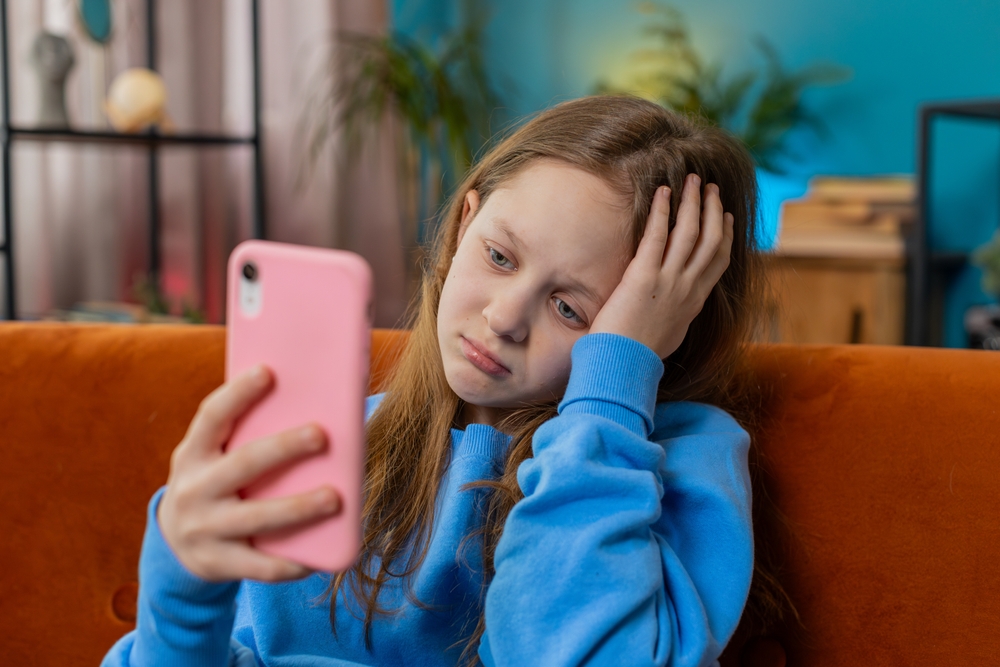
Image source: shutterstock.com

Group chats can look harmless—memes, inside jokes, weekend plans—until the tone flips and a hundred messages hit in ten minutes. When a tween gets access without guardrails, the social pressure doesn’t just follow them home, it moves into their pocket. Parents often find out late because the most important moments happen fast, in jokes that sting, screenshots that spread, or dares that feel “normal” to the group. The good news is this doesn’t have to turn into a spy mission or a constant fight. With a few clear expectations and a simple check-in system, tween group chats can stay fun without becoming the place where stress quietly piles up.

Why This Age Is Different Online

Tweens are learning social hierarchy in real time, and chat threads can turn that learning curve into a spotlight. They read silence as rejection and emojis as judgment, even when nobody meant it that way. A single awkward message can feel permanent because it sits there, re-readable and shareable. Friends also start testing boundaries, so group dynamics shift quickly from playful to performative. If tween group chats run with no guidance, a normal “trying to fit in” phase can become a daily stress loop.

What Goes Wrong When No Adult Sees the Thread

Without supervision, kids may treat the chat like a private room, even though it isn’t private at all. Screenshots turn a “temporary” moment into something that spreads, and that changes how kids take risks. The group can normalize teasing, exclusion, or dogpiling because nobody interrupts the momentum. Kids also get pulled into late-night messaging that wrecks sleep and makes school days harder. When tween group chats spiral, the problem often isn’t one mean kid—it’s the speed and volume of the crowd.

Setting Rules for Tween Group Chats

Start with three non-negotiables: no secrecy about accounts, no messaging after a set time, and no adding new people without asking first. Keep the rules simple enough that a tween can repeat them back without rolling their eyes. Explain that the goal is safety and sanity, not control, and that access depends on follow-through. Put consequences in writing, like losing group chat privileges for a day if rules get ignored, so nobody argues in the moment. When parents set expectations early, tween group chats become easier to manage because the boundaries feel normal instead of punitive.

How to Supervise Without Hovering

Use “check-ins” instead of constant monitoring by looking at the chat together once or twice a week. Ask a few steady questions: “Anything weird happen?” “Any drama I should know about?” and “Do you feel good after you read it?” Keep devices out of bedrooms at night so supervision doesn’t rely on late-night temptation. Turn on basic platform protections—like limiting who can add the child to groups—so fewer problems land in their lap. If tween group chats are part of daily life, supervision works best when it feels like routine hygiene, not a raid.

Red Flags Worth Acting On Fast

Watch for mood shifts after the phone buzzes, especially if a usually chatty kid goes quiet or snappy. Take seriously any sudden fear of school, practice, or a friend hangout, because avoidance often signals social stress. Notice sleep changes, “just five more minutes” scrolling at bedtime, or panicked checking when a message arrives. Listen for new phrases that sound rehearsed, like “everyone does it” or “it’s not a big deal,” when the behavior clearly is a big deal. When these red flags show up, respond calmly and quickly, because delays give the thread time to escalate.

The Trust-and-Safety Balance That Actually Works

Build trust by giving privacy in small ways, like not reading every single message once routines improve. Protect safety by keeping the right to step in whenever harm, secrecy, or adults appear in the chat space. Teach a simple exit plan: mute, leave, block, and tell an adult, with zero punishment for speaking up. Practice “repair” after mistakes by focusing on what to do next instead of lecturing about what already happened. With consistent routines, tween group chats can stay social without turning into a daily source of pressure for the whole family.

What rule or check-in has worked best in your house when tween group chats start getting messy?

What to Read Next…

9 Social Media Challenges Kids Are Still Doing—Even in 2025

Is Your Teen’s Social Media Putting Your Entire Family at Risk?

Social Media Use: 7 Ways Your Child’s Social Media Is Used Against Them

10 Hidden Dangers of Social Media Every Parent Should Know

Are You Underestimating? 9 Privacy Settings For Kids’ Devices To Change Immediately

Catherine Reed
Catherine Reed

Catherine is a tech-savvy writer who has focused on the personal finance space for more than eight years. She has a Bachelor’s in Information Technology and enjoys showcasing how tech can simplify everyday personal finance tasks like budgeting, spending tracking, and planning for the future. Additionally, she’s explored the ins and outs of the world of side hustles and loves to share what she’s learned along the way. When she’s not working, you can find her relaxing at home in the Pacific Northwest with her two cats or enjoying a cup of coffee at her neighborhood cafe.

Filed Under: Technology Tagged With: cyberbullying prevention, digital citizenship, family communication, group chats, Online Safety, parenting rules, Screen Time, social media boundaries, tweens

5 Ways Bullying Apps Are Operating Without School Oversight

December 22, 2025 | Leave a Comment

5 Ways Bullying Apps Are Operating Without School Oversight
Image source: shutterstock.com

Bullying doesn’t stop when the last bell rings anymore, and that’s what makes it so exhausting for families. A lot of harm now happens in spaces schools can’t easily see, track, or respond to, even when the impact shows up in the hallway the next morning. The tricky part is that bullying apps can look like “just another chat platform” until a child is already overwhelmed, embarrassed, or scared to open their phone. The goal isn’t to panic or police every tap, but to understand the patterns so parents can spot red flags earlier and respond with a plan. Here are five ways these platforms slip past school oversight, plus what to do when something feels off.

1. They Operate Outside School-Owned Devices and Accounts

Most school monitoring tools only apply to school-issued devices, school Wi-Fi, or school-managed accounts. When kids switch to personal phones, home internet, or a new username, the visibility drops fast. That’s why bullying apps often spread through private group chats that have nothing to do with school logins. Parents can reduce the blind spots by setting clear home rules for new downloads and by checking device privacy settings together once a month. If something escalates, save screenshots, note dates, and keep a simple timeline so you’re ready to share facts instead of trying to reconstruct chaos later.

2. They Use Disappearing Messages and Rapid-Delete Features

Some platforms make it easy to send content that vanishes, which creates a perfect “no evidence” setup. Kids might be pressured to respond quickly because the message is only there for seconds, not hours. When a child says, “I can’t prove it,” that might be true, not an excuse. Parents can teach a few practical moves, like taking a screenshot right away, photographing the screen with another device, and saving any notifications that show names or partial messages. If the situation becomes serious, document what you can and contact the school with the impact on learning and safety, even if the original content is gone.

3. Bullying Apps Hide Behind Private Invites and “Secret” Groups

A lot of harm happens in invite-only spaces where adults never see the entry point. A child can be added to a group, mocked, and kicked out again before anyone notices the new icon on the phone. In these setups, bullying apps rely on social pressure, because kids may fear retaliation if they tell an adult who’s in the group. Parents can focus on behavior changes that show the impact, like sudden avoidance of school, sleep issues, or panic around notifications. If a child shares names, save them privately and bring concerns to the school as a safety issue, not a rumor.

4. They Use Code Words, Memes, and “Jokes” That Outsiders Miss

A teacher might see a harmless phrase while a targeted child sees a threat that’s been repeated for weeks. Inside jokes, meme references, and coded nicknames can hide cruelty in plain sight. That’s one reason bullying apps can feel impossible to explain, because the context is the weapon. Parents can ask calm, specific questions like “What does that word mean in your group?” and “Who usually starts it?” instead of pushing for a full story in one sitting. If it’s affecting school, share examples with a counselor or administrator and ask for support around peer conflict, supervision, and safety planning.

5. They Push Harassment Through Algorithms and Anonymous Features

Some platforms surface “nearby” users, recommended contacts, or public posts that invite pile-ons. Anonymous polls, confession prompts, and rating features can turn a single mean moment into a wave of group participation. That design makes bullying apps feel bigger than one bully, because the platform helps the cruelty spread. Parents can respond by tightening app permissions, turning off contact syncing, restricting messaging from unknown accounts, and using built-in reporting tools immediately. If threats, sexual harassment, or extortion appear, treat it as urgent and consider involving the school resource officer or local law enforcement, especially when safety is at risk.

The Oversight Gap Parents Can Close With Simple Habits

The hard truth is that schools can’t supervise every digital space, but parents can still shrink the risk window. Start by making your home the “safe reporting zone,” where kids aren’t at risk of punishment just for being honest about what they saw. When bullying apps show up, focus on documentation, mental health support, and clear boundaries rather than endless interrogation. Ask the school for a specific plan that addresses safety at school, even if the content happened off-campus. Most of all, remind your child they’re not alone, and that adults can handle the problem without making them carry it by themselves.

What’s one warning sign you’ve learned to take seriously when online drama starts spilling into school?

What to Read Next…

10 Kids’ TV Shows That May Be Reinforcing Bullying Behavior

8 Ways Children Are Hiding Cyberbullying From Adults

Are Anti-Bullying Programs Making Kids Better or Just Sneakier?

When Teasing Between Friends Becomes Bullying

12 Over the Top Ideas for Fixing Your Child’s Bullying Problem

Catherine Reed
Catherine Reed

Catherine is a tech-savvy writer who has focused on the personal finance space for more than eight years. She has a Bachelor’s in Information Technology and enjoys showcasing how tech can simplify everyday personal finance tasks like budgeting, spending tracking, and planning for the future. Additionally, she’s explored the ins and outs of the world of side hustles and loves to share what she’s learned along the way. When she’s not working, you can find her relaxing at home in the Pacific Northwest with her two cats or enjoying a cup of coffee at her neighborhood cafe.

Filed Under: Technology Tagged With: bullying prevention, Cyberbullying, digital citizenship, high school, middle school, Online Safety, Parenting, school safety, Social Media, teen mental health

What Happens When Your Child Posts a Joke That the School Sees as a Threat?

November 10, 2025 | Leave a Comment

What Happens When Your Child Posts a Joke That the School Sees as a Threat?
Image source: shutterstock.com

Kids and teens often joke online without thinking twice about how their words might sound to adults in authority. But when your child posts a joke that seems threatening, schools may take it seriously—sometimes resulting in suspension, police involvement, or even lasting disciplinary records. Understanding how schools interpret these situations and what steps parents should take can protect your child’s future and teach critical lessons about digital responsibility.

When a Child Posts a Joke Online, Intent Doesn’t Always Matter

When a kid posts a joke online, the line between humor and threat can blur fast. Schools are legally obligated to investigate anything that could be perceived as a safety concern, even if your child insists it was meant as a joke. Social media platforms amplify these situations, spreading messages far beyond their intended audience. In many cases, administrators act before context is clear, erring on the side of caution. Parents must remember that intent and perception are not the same in the eyes of school policy.

Understanding How Schools Evaluate Online Threats

When your child posts a joke that worries school officials, administrators usually follow a specific threat assessment protocol. This process examines the post’s language, audience, and timing to determine whether it suggests a genuine risk. Law enforcement might also be contacted, depending on the seriousness of the post. Even if the investigation proves it was a misunderstanding, your child’s digital footprint may already have been documented. The entire ordeal can feel frightening, but remaining calm and cooperative helps schools and parents reach resolution faster.

The Legal Implications Parents Should Know

While schools often handle minor cases internally, some situations escalate into legal territory. If a kid posts a joke that uses violent or threatening imagery, police may interpret it as a criminal threat under local or federal laws. Many states treat school-related online comments as part of their zero-tolerance policies for safety. Even if charges aren’t filed, your child’s name could appear in an official report, which may follow them for years. Consulting a juvenile defense attorney can clarify your rights and help prevent long-term damage.

Helping Your Child Navigate Digital Consequences

If your child posts a joke that spirals out of control, it’s crucial to use the experience as a teachable moment rather than only a punishment. Begin by discussing how words can be misinterpreted online, especially in text where tone is missing. Encourage your child to think before posting anything that could be misunderstood or alarming. It’s also worth setting up family discussions about online privacy, humor boundaries, and accountability. A supportive approach fosters learning while reinforcing responsibility.

How to Work with the School After the Incident

Once the school becomes involved, maintaining open communication is key. Request a meeting with administrators to review the situation and understand their procedures. Ask to see any written policies related to online behavior and threats. Schools are typically willing to clarify how disciplinary decisions are made, and your involvement shows cooperation. Demonstrating accountability as a parent can help restore trust and may reduce any lasting penalties for your child.

Preventing Future Issues with Digital Awareness

Prevention is the best protection when it comes to digital mistakes. Teach your children about the concept of a permanent digital footprint—once something is posted, it can’t truly be erased. Encourage them to think about their audience before sharing jokes, memes, or comments that could be taken the wrong way. Regularly reviewing privacy settings and discussing real-life examples helps reinforce the message. When a child posts a joke responsibly, humor can stay fun without crossing serious boundaries.

Supporting Emotional Recovery After the Incident

The emotional impact of being misunderstood can be heavy for a young person. They may feel scared, embarrassed, or unfairly judged. Parents should offer reassurance that mistakes can be corrected with maturity and honesty. Encourage your child to talk about how the situation unfolded and how they felt during the process. Emotional recovery is as important as resolving disciplinary outcomes—it helps rebuild confidence and trust between your child and the adults in charge.

Building Long-Term Lessons in Digital Citizenship

Every digital interaction is an opportunity to practice empathy and awareness. When your kid posts a joke that causes trouble, it highlights the importance of digital citizenship—a modern form of responsibility that blends communication skills with ethics. Schools increasingly include this in their curriculum, but reinforcement at home makes the biggest difference. Help your child understand that humor should never come at the cost of safety or respect. By teaching discernment early, you equip them for safer, smarter online experiences.

The Takeaway: Turning a Scare into a Teachable Moment

If your child posts a joke that backfires, it can feel overwhelming—but it doesn’t have to define their record or their character. With patience, transparency, and open communication, families can work with schools to clear misunderstandings and emphasize accountability. The experience can even strengthen your child’s understanding of how powerful words can be online. In a digital age where boundaries are constantly tested, awareness and education remain the best safeguards.

How would you handle it if your child’s online joke was taken the wrong way by their school? Share your thoughts in the comments below.

What to Read Next…

Could a Simple Snapchat Post Ruin Your Kid’s Reputation Forever?

Think Before You Post: 7 Types of Photos You Should Never Post of Your Kids Online

Is Your Child Safe? 9 Red Flags That Your Child Is Being Targeted Online

Digital Safety: 6 Steps to Safeguard Your Child’s Online Identity

The Hidden Message: 9 Online Threats That Use Deepfakes Of Kids

Catherine Reed
Catherine Reed

Catherine is a tech-savvy writer who has focused on the personal finance space for more than eight years. She has a Bachelor’s in Information Technology and enjoys showcasing how tech can simplify everyday personal finance tasks like budgeting, spending tracking, and planning for the future. Additionally, she’s explored the ins and outs of the world of side hustles and loves to share what she’s learned along the way. When she’s not working, you can find her relaxing at home in the Pacific Northwest with her two cats or enjoying a cup of coffee at her neighborhood cafe.

Filed Under: Education Tagged With: digital citizenship, family communication, Online Safety, parenting tips, school discipline, social media awareness, teen behavior

  • Facebook
  • Pinterest
  • RSS
  • Twitter

Basic Principles Of Good Parenting

Here some basic principles for good parenting:

  1. What You Do Matters: Your kids are watching you. So, be purposeful about what you want to accomplish.
  2. You Can’t be Too Loving: Don’t replace love with material possessions, lowered expectations or leniency.
  3. Be Involved Your Kids Life: Arrange your priorities to focus on what your kid’s needs. Be there mentally and physically.
  4. Adapt Your Parenting: Children grow quickly, so keep pace with your child’s development.
  5. Establish and Set Rules: The rules you set for children will establish the rules they set for themselves later.  Avoid harsh discipline and be consistent.
  6. Explain Your Decisions: What is obvious to you may not be evident to your child. They don’t have the experience you do.
  7. Be Respectful To Your Child: How you treat your child is how they will treat others.  Be polite, respectful and make an effort to pay attention.
Best Parenting Blogs

Most Popular

Baby names

Teachers Admit: These 6 Baby Names Create Instant Bias in the Classroom

Latrice Perez
These Are 6 Baby Names Inspired by Vintage TV and Movies

6 Baby Names Inspired by Vintage TV and Movies

Brandon Marcus
6 Baby Names That Sound Cute Now but Cause Problems Later

6 Baby Names That Sound Cute Now but Cause Problems Later

Brandon Marcus
11 Ways Kids Are Outsmarting Parental Controls 1. Using Alternate Devices One common trick is simply turning to another device. If a child’s main phone or tablet is restricted, they may borrow a sibling’s, friend’s, or even a school laptop. This instantly gives them access to content outside of parental oversight. Parents often focus on one device, forgetting that others in the household can serve as loopholes. Knowing this tactic helps families tighten controls across all electronics. 2. Clearing Browsing Histories Many kids quickly learn that clearing browsing history hides evidence of restricted activity. With just a few clicks, they can erase any trace of websites visited. This makes it harder for parents to notice when rules are being broken. Parents may assume no history means no browsing, but the reality is often the opposite. Kids are outsmarting parental controls by making it seem like nothing happened at all. 3. Using Private Browsing Modes Most browsers offer “incognito” or private browsing features. Kids use this mode to access websites without leaving a record in the history. To parents checking later, everything looks clean and safe. This simple trick is often one of the first ways kids discover how to bypass restrictions. Conversations about private browsing can help close this gap. 4. Guessing or Resetting Passwords Children who are persistent may try to guess passwords to parental control apps or accounts. Others may find ways to reset them through email prompts or security questions. Once inside, they can disable restrictions entirely. Parents may not even realize controls have been altered until much later. Stronger, less predictable passwords can make this more difficult. 5. Using VPNs to Hide Activity Virtual private networks, or VPNs, let kids disguise their online locations. With one downloaded app, they can bypass geographic or parental restrictions. Some children learn about VPNs through friends or even social media. This makes it easy for them to reach content that should be blocked. Parents often underestimate just how simple it is for kids to use these tools. 6. Creating Fake Accounts When parents monitor social media, kids may create hidden accounts. These “finstas” or fake profiles allow them to interact freely without parental oversight. While their main account appears harmless, the secondary one tells a different story. Kids are outsmarting parental controls by playing both sides at once. Checking for duplicate accounts can help parents stay more aware. 7. Exploiting Time Zone Settings Some kids change the time zone on their devices to bypass screen time limits. This trick allows them to gain extra hours of usage undetected. Parents may assume controls are working, but in reality, the child is bending the clock. It’s a clever loophole that highlights just how resourceful kids can be. Monitoring device settings regularly can catch this tactic. 8. Disabling or Uninstalling Apps Parental control apps can be deleted or disabled with surprising ease. Some kids even reinstall them before a parent checks, making it seem like nothing changed. Others may simply restrict permissions to prevent apps from functioning properly. When apps aren’t monitored closely, parents may not notice they’ve been tampered with. This shows the importance of consistent follow-up. 9. Turning to Friends for Access If a child can’t get past restrictions on their own, they may rely on friends. Visiting a friend’s house or borrowing their phone can give them a free pass. Parents often forget that peer environments can override restrictions set at home. This kind of social workaround is especially common with gaming or social media. Open conversations about trust and responsibility are essential. 10. Hiding Apps in Plain Sight Kids sometimes download apps that look innocent but serve as gateways to hidden activity. These apps may disguise themselves as calculators or utilities. In reality, they allow file storage, private messaging, or browser access. Parents glancing at a home screen may overlook them entirely. Learning to recognize these disguised apps can help parents stay informed. 11. Outpacing Parents’ Tech Knowledge Finally, kids often know more about devices than their parents do. Whether through YouTube tutorials, TikTok hacks, or peer groups, they quickly learn advanced workarounds. This knowledge gap means controls can be bypassed before parents even realize the loophole exists. Staying informed and continually learning about new technology is the best defense. Kids are outsmarting parental controls because they adapt faster than most adults. The Real Solution Lies Beyond Restrictions While controls and filters are important, no system is perfect. Kids will always find creative ways around barriers, making communication the strongest safeguard. Setting clear expectations, building trust, and having ongoing conversations about online behavior matter more than apps alone. Parents who combine technology with open dialogue create a safer digital environment. The goal isn’t to win a battle of wits but to build a relationship that keeps kids both safe and honest. Do you think kids are outsmarting parental controls faster than parents can keep up? Share your experiences in the comments below. What to Read Next... 6 Parenting Tech Shortcuts That Can Expose Your Child to Strangers How Much Screen Time Is Too Much—Legally Speaking? Is Your Child’s School Quietly Tracking Their Location Without Your Consent? How Much Screen Time Is Quietly Reshaping Childhood Behavior? Why Some Parents Are Being Investigated Over Homeschooling Records

11 Ways Kids Are Outsmarting Parental Controls

Catherine Reed
Smiling grandfather holding a happy baby indoors.

Why Grandparents Shouldn’t Babysit Their Grandkids Every Week – The Unspoken Issue

Samantha

All content on Kids Ain’t Cheap is for entertainment purposes only. By reading this blog, you agree that Kids Ain’t Cheap is not responsible for any actions taken after reading this blog. For the full disclaimer, see our privacy policy.

Please note that Kids Ain’t Cheap has financial relationships with some of the merchants mentioned here. Kids Ain’t Cheap is funded by banner advertising, commission sales and search optimization consulting.

Copyright © 2006–2026 | District Media | All Rights Reserved | Privacy Policy

Copyright © 2026 Runway Pro Theme by Viva la Violette