• Home
  • About Us
  • Toolkit
  • Archives
  • Advertise
  • Privacy Policy

Kids Ain't Cheap

But They Sure Are Worth It

  • Parenting
    • Baby Stuff
    • Books and Reading
      • Aesops Fables
      • Comic Books
    • Education
    • Family Time
    • Green Living
    • Growing Up
    • Healthy Living & Eating
    • Holidays
    • Parenting
    • Random Musings
    • Shopping
    • Stuff to Do
  • Money
  • Product Reviews
    • Books and Magazines
    • Discount Sites
    • Furniture
    • House Keeping
    • Reviews News
    • Toys and Games
  • Contact Us
  • Our Editorial Commitment
  • Search

Soft Suspensions: How Schools Are Informally Removing Students With Disabilities

July 13, 2026 | Leave a Comment

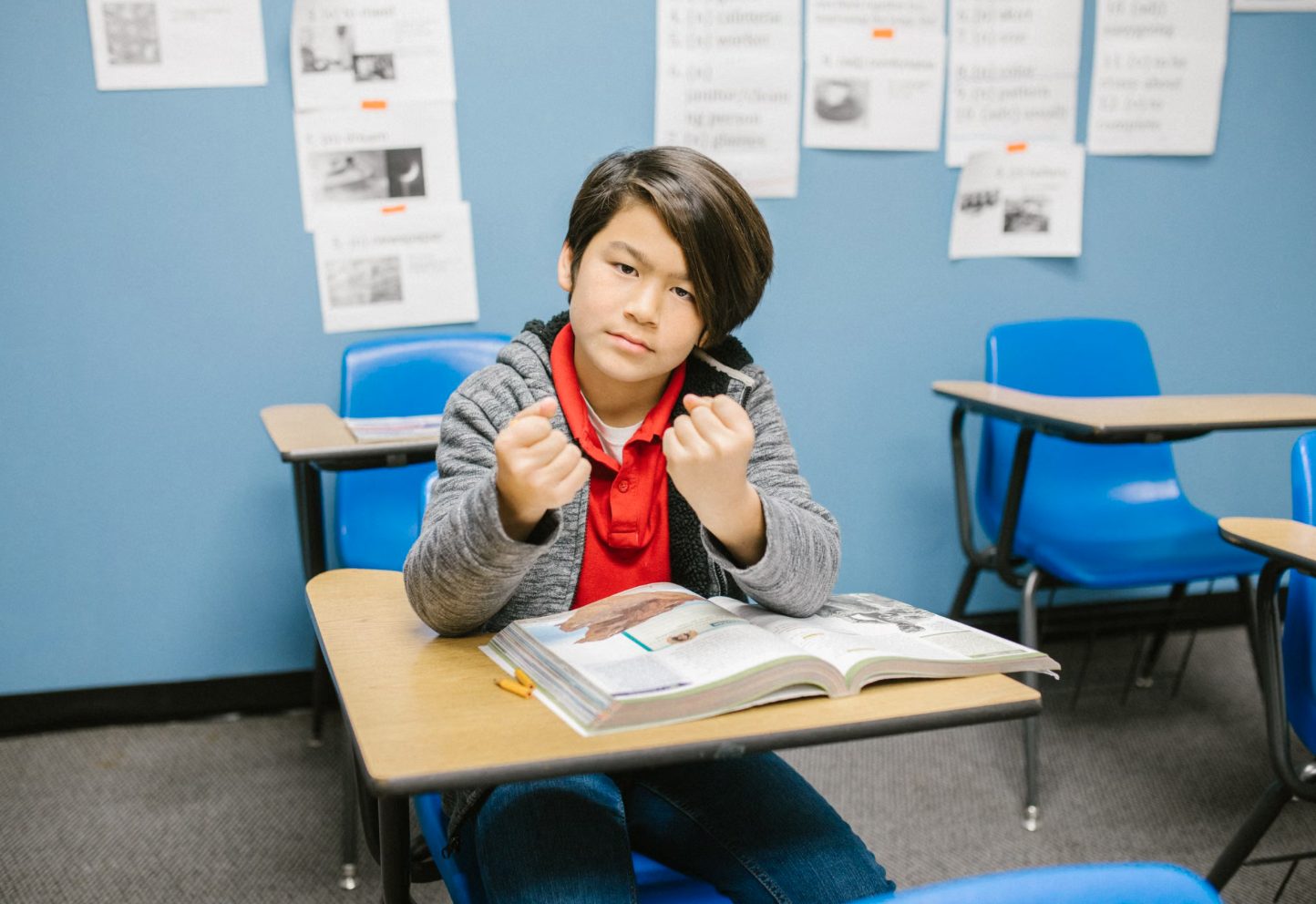
Boy In School
A student with disabilities should work alongside a supportive teacher, highlighting the importance of inclusive classrooms over informal removals that reduce learning time. (Pexels).

Parents often expect a school suspension to come with official paperwork, clear policies, and documented reasons. However, many families of children with disabilities are discovering a less visible practice known as a soft suspension. These informal removals can include repeated requests to pick up a child early, shortened school days, or being told to keep a student home without formal disciplinary action. Understanding how soft suspensions affect students with disabilities is essential because these practices can disrupt learning while avoiding the accountability that comes with formal suspensions.

What Are Soft Suspensions and Why Do They Matter?

A soft suspension occurs when a school informally removes a student from the learning environment without officially recording it as a suspension. Examples include frequent phone calls asking parents to pick up a child due to behavioral challenges, shortened schedules that were never approved through the student’s Individualized Education Program (IEP), or encouraging families to keep students home after difficult days. These informal removals may still violate students’ educational rights if they significantly reduce access to instruction. Researchers have noted that undocumented exclusionary practices often receive far less attention than formal suspensions. Understanding these practices helps families recognize when additional advocacy may be necessary.

How Soft Suspensions Affect Students With Disabilities

The effects of a soft suspension often extend well beyond the missed school day. Students with autism, ADHD, emotional disabilities, or other support needs may lose valuable instructional time, therapy services, and opportunities to build relationships with classmates. Imagine a child who is sent home early twice each week because staff members feel unprepared to manage behavioral challenges; those missed hours quickly add up over an entire school year. Families may also face lost income when parents repeatedly leave work to pick up their children on short notice. Over time, these disruptions can increase academic gaps while making students feel unwelcome in school.

Why Schools Sometimes Turn to Informal Removals

Most educators genuinely want students to succeed, but many schools struggle with limited staffing, inadequate behavioral supports, and growing classroom demands. When a student experiences repeated emotional or behavioral challenges, administrators may view an early pickup as the quickest solution instead of implementing evidence-based interventions. Students with disabilities continue to experience exclusionary discipline at higher rates than their peers. Experts recommend investing in staff training, behavioral specialists, and positive intervention strategies instead of relying on informal removals. These supports benefit both students and educators.

What Parents Can Do If They Suspect a Soft Suspension

Parents should keep detailed records whenever a school requests that their child leave early or stay home because of behavior. Saving emails, documenting phone conversations, and tracking missed instructional hours can provide valuable evidence if concerns continue. Families also have the right to request an IEP meeting to discuss additional accommodations or behavioral supports. Open communication with teachers often resolves misunderstandings before they escalate. Knowing your child’s educational rights is one of the strongest tools for protecting access to learning.

Building Schools That Include Every Student

Reducing the use of a soft suspension requires a shared commitment from educators, families, and school leaders. Schools that invest in de-escalation training, behavioral intervention plans, mental health resources, and inclusive classroom practices often see stronger outcomes for all students. When children receive consistent support instead of repeated exclusion, they are more likely to remain engaged and succeed academically. Transparency in discipline practices also helps districts identify patterns that may otherwise remain hidden. Inclusive schools create stronger relationships between educators, students, and families.

The Bigger Picture for Students and Families

Soft suspensions may be less visible than formal disciplinary actions, but their impact on students with disabilities can be just as significant. Recognizing these practices is the first step toward ensuring every child receives the educational opportunities they deserve. Families who stay informed, ask questions, and document concerns are better equipped to advocate for meaningful solutions instead of temporary fixes. Schools also benefit when they replace informal removals with proactive supports that keep students engaged in learning.

Have you or someone you know experienced a soft suspension? Share your thoughts or experiences in the comments and join the conversation about creating more inclusive schools for every student.

What to Read Next

5 Signs Your Child’s School Is Struggling With Special Ed Compliance

The “Unteachable” Label: How Some Students Are Quietly Flagged

North Carolina Schools: 5 Policy Shifts Affecting Special Needs Families

Evan Morgan

Evan Morgan has been a full-time freelance writer and editor for 10+ years. When not working, he enjoys catching the latest true crime documentary or getting lost in a good book.
Filed Under: Education Tagged With: disability rights, education, IDEA, IEP, inclusive education, Parenting, school discipline, soft suspension, special education, students with disabilities

The “Unteachable” Label: How Some Students Are Quietly Flagged

June 22, 2026 | Leave a Comment

Kid In School
A student’s classroom behavior often tells only part of the story. Early assumptions can shape expectations, making support and understanding more important than labels. (Pexels).

Every school has students who seem to receive more warnings, more hallway conversations, or more skeptical looks than their classmates. Sometimes it happens after repeated behavioral challenges, but other times it begins with a single difficult year or a misunderstanding that quietly follows a child from classroom to classroom. While no school officially labels a student as “unteachable,” many educators and parents acknowledge that informal reputations can shape expectations long before a report card does. Those early impressions matter because research shows that teacher expectations and disciplinary patterns can influence student confidence, classroom participation, and long-term academic success.

How the “Unteachable” Label Can Quietly Take Hold

The unteachable label rarely appears in official records, yet it can develop through informal conversations, cumulative behavior notes, or assumptions shared among staff members. A student who frequently interrupts class, struggles with emotional regulation, or falls behind academically may gradually become viewed through a negative lens instead of a supportive one. Once expectations change, even positive behavior may receive less recognition than similar actions from classmates. Educational researchers have long warned that expectations can influence student performance through what psychologists call the “Pygmalion Effect,” where higher expectations often lead to stronger outcomes. That does not mean teachers intentionally give up on students, but it highlights how powerful first impressions can become.

Behavior Is Often a Signal, Not the Whole Story

Many challenging behaviors have underlying causes that are easy to overlook during a busy school day. Anxiety, learning disabilities, ADHD, trauma, family stress, or sleep problems can all affect how a child behaves in class without being immediately obvious. A student who appears defiant may actually be overwhelmed by work they cannot yet understand or embarrassed about reading aloud. Research on exclusionary discipline continues to show that removing students from learning environments rarely addresses those root causes and may actually worsen academic outcomes. The most effective schools increasingly focus on identifying why behaviors occur before deciding how to respond.

Small Decisions Can Create Lasting Consequences

Being sent out of class occasionally may seem minor, but repeated exclusions can slowly disconnect students from learning and their peers. Recent education research has drawn attention to informal classroom removals that often go undocumented, making them difficult for schools to monitor or address fairly. Students who miss instruction repeatedly can develop larger academic gaps, leading to even more frustration and behavior challenges. This cycle can leave families feeling as though their child has already been judged before receiving meaningful support. Breaking that pattern requires schools to recognize when discipline begins replacing intervention.

What Effective Schools Are Doing Differently

Many schools are moving toward restorative practices, Positive Behavioral Interventions and Supports (PBIS), and stronger social-emotional learning programs. These approaches encourage educators to understand the reason behind behavior while maintaining clear expectations and classroom safety. Teachers still hold students accountable, but they also create opportunities to rebuild trust and teach replacement skills instead of relying solely on punishment. Studies have found that schools implementing evidence-based alternatives often reduce suspensions while improving school climate and student engagement. Success depends on consistent training, adequate staffing, and collaboration between teachers, counselors, and families.

Parents and Teachers Share the Same Goal

Most teachers enter education because they genuinely want students to succeed, and most parents simply want their children to feel safe, respected, and capable of learning. Open communication can prevent misunderstandings before they become lasting reputations. Parents who ask specific questions about classroom challenges, learning needs, and available support services often build stronger partnerships with educators. Likewise, teachers who share strengths alongside concerns help families see a more complete picture of their child. When everyone works from the assumption that growth is possible, students benefit the most.

The Bigger Lesson We Should Remember

No child should be defined by their hardest semester, toughest behavior, or worst day at school. The unteachable label becomes dangerous when it limits opportunities instead of encouraging solutions. Every student deserves adults who remain curious enough to ask what is driving the behavior rather than assuming they already know the answer. Building supportive classrooms does not mean lowering expectations—it means providing the right tools for students to meet them. If we want schools to help every child succeed, we must ensure that labels never become louder than potential.

Have you seen a student overcome unfair expectations, or do you believe schools need better ways to support struggling children? Share your thoughts in the comments and join the conversation.

What to Read Next

Illinois Parents Say School Behavior Policies Are Disproportionately Impacting Autistic Kids

SUN Bucks 2026: How Families of Special Needs Students Can Claim Summer EBT Grocery Benefits

New York Parents Warn About Rising Transportation Issues for Special Needs Students

Evan Morgan

Evan Morgan has been a full-time freelance writer and editor for 10+ years. When not working, he enjoys catching the latest true crime documentary or getting lost in a good book.
Filed Under: Education Tagged With: child development, classroom behavior, education, education policy, Learning, Parenting, school discipline, Schools, students, teachers, unteachable label

What Schools Legally Can’t Put in Writing About Your Child’s Behavior

May 14, 2026 | Leave a Comment

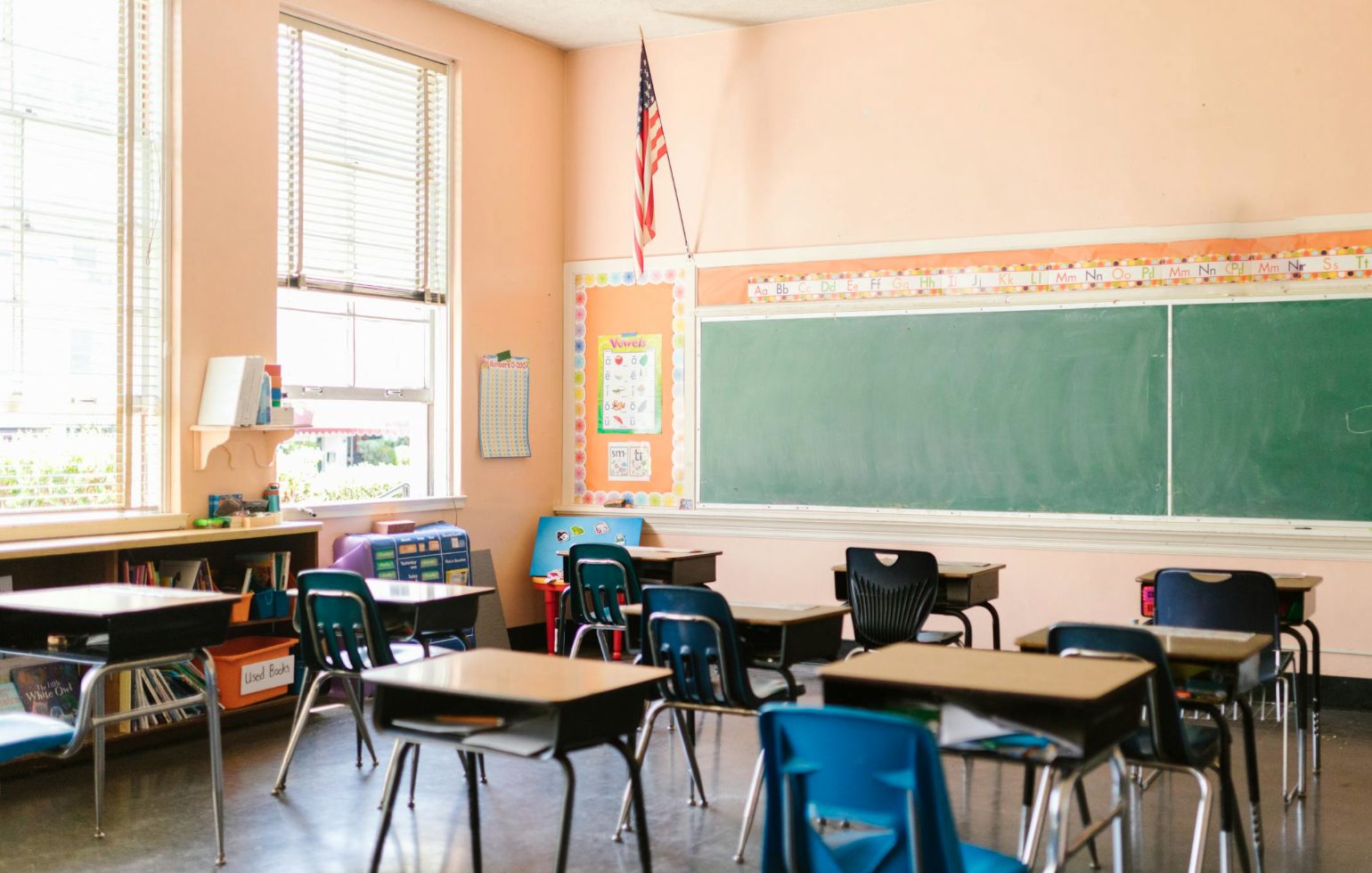
Classroom
A classroom in school – Pexels

Parents are often surprised to learn that schools face legal limits on what they can officially document about a child’s behavior. While teachers and administrators can describe incidents, patterns, and disciplinary concerns, they cannot include statements that are discriminatory, speculative, or unsupported by evidence in a student’s educational record. These protections matter because written school records can follow a child for years and potentially affect evaluations, disciplinary decisions, and even future educational opportunities. Families who understand these rights are often better prepared to advocate for fair treatment and accurate documentation. In today’s increasingly data-driven school systems, knowing what schools legally cannot put in writing has become more important than ever.

Schools Cannot Label a Child With Unofficial Diagnoses

One of the biggest legal boundaries schools face involves labeling students with medical or psychological conditions they are not qualified to diagnose. A teacher cannot legally write that a child is “bipolar,” “psychotic,” or “autistic” unless that diagnosis comes from a qualified professional and is documented appropriately. Even casually written comments in emails, behavior logs, or internal reports can become problematic if they imply a medical judgment without evidence. Under laws connected to educational privacy and disability protections, schools must avoid speculative language that could unfairly stigmatize a student. Instead, staff members are expected to describe observable behavior, such as “the student left the classroom repeatedly,” rather than assigning an unsupported mental health label.

Discriminatory Statements Are Strictly Prohibited

Federal civil rights laws prohibit schools from documenting discriminatory opinions tied to race, disability, religion, gender, or national origin. For example, a school employee cannot write that a child is “dangerous because of their disability” or imply misconduct based on ethnicity or cultural background. Courts and education agencies have repeatedly warned districts that biased documentation can become evidence of discrimination claims. In some cases, parents have successfully challenged disciplinary records after discovering comments that reflected stereotypes rather than objective observations. Schools are expected to focus on factual incidents and avoid emotionally charged language that could appear prejudiced or retaliatory.

Schools Cannot Present Opinions as Facts

Another major issue involves the difference between factual reporting and personal opinion. Teachers may document that a student disrupted class, but they generally cannot state that the child is “manipulative,” “lazy,” or “trying to cause trouble” without supporting evidence tied to specific actions. Parents often discover these kinds of comments during record reviews or special education disputes, and they can become central to legal complaints. Educational records are supposed to remain accurate, objective, and relevant to the student’s educational needs. When opinions are written as facts, families may have grounds to request corrections or challenge the record formally.

Confidential Family Information Has Legal Protections

Schools also face limits on documenting private family matters unrelated to education or safety concerns. Information about divorce disputes, financial struggles, immigration status, or medical history generally cannot be freely included in student records unless directly relevant to the child’s educational needs. Privacy protections under the Family Educational Rights and Privacy Act, commonly called FERPA, restrict how schools collect, store, and share sensitive information. For example, a teacher frustrated with repeated tardiness cannot legally document rumors about a parent’s personal life as an explanation. Schools are expected to separate verified educational concerns from gossip, assumptions, or unrelated family issues.

Disability-Related Behavior Requires Careful Documentation

Students with disabilities receive additional legal protections regarding behavioral documentation. Under the Individuals with Disabilities Education Act, schools must consider whether behavior is connected to a documented disability before framing it as misconduct. A child with ADHD, autism, or emotional disabilities may display behaviors linked directly to their condition, and schools must avoid language that ignores those protections. For example, repeatedly documenting a child as “defiant” without acknowledging disability-related triggers can create legal problems for a district. Many special education attorneys encourage parents to regularly review behavior reports to ensure descriptions remain objective and legally compliant.

Parents Have the Right to Challenge Inaccurate Records

Many parents do not realize they can request access to their child’s educational records and dispute misleading information. Under FERPA, families can formally seek corrections if they believe records are inaccurate, misleading, or violate privacy rights. This process becomes especially important when negative behavioral documentation affects discipline decisions, special education eligibility, or school placement. In real-world disputes, parents often uncover emotionally charged language that should never have appeared in official records. Keeping copies of emails, disciplinary notices, and meeting notes can help families identify patterns and advocate more effectively when concerns arise.

Why Accurate School Documentation Matters More Than Ever

School records carry long-term consequences that many families underestimate until problems emerge later. Behavioral notes can influence teacher perceptions, disciplinary outcomes, and even recommendations for specialized programs or interventions. That is why schools legally cannot put unsupported, discriminatory, or speculative statements into official documentation about your child’s behavior. Parents who understand these protections are often in a stronger position to ensure schools focus on facts rather than harmful assumptions.

Have you ever reviewed your child’s school records and found language that concerned you? Share your experience in the comments and join the conversation with other parents navigating today’s education system.

What to Read Next

7 Things Schools Are No Longer Automatically Providing to Special Ed Students

Colorado Schools: New Policies Strengthen IEP Enforcement

8 Ways Schools Are Supporting Children With Sensory Processing Issues

Evan Morgan

Evan Morgan has been a full-time freelance writer and editor for 10+ years. When not working, he enjoys catching the latest true crime documentary or getting lost in a good book.

Filed Under: Parenting Tagged With: child advocacy, disability rights, Education Law, FERPA, Parenting, school behavior records, school discipline, special education, student rights

10 Innocent Behaviors That Could Get Your Child Suspended in 2026

January 12, 2026 | Leave a Comment

10 Innocent Behaviors That Could Get Your Child Suspended in 2026
Image source: shutterstock.com

School rules can feel straightforward until a “normal kid moment” gets interpreted as defiance, disruption, or a safety issue. In 2026, many campuses are balancing stricter safety expectations, social media fallout, and packed classrooms, which can make consequences move fast. That’s how small misunderstandings sometimes snowball into discipline that surprises families. The best protection is knowing which everyday behaviors can be misread and teaching kids simple scripts that keep things calm. Here are ten common, often innocent behaviors that can get your child suspended, plus practical ways to reduce risk.

1. Play-Fighting That Looks Like Real Fighting

Kids often roughhouse without meaning harm, especially at recess. Staff may have to act quickly if other students feel unsafe or if a crowd forms. When adults see swinging arms, they may apply a “hands-on” rule without investigating intent. Teach kids to keep games non-contact at school, even if it’s normal at home. If play-fighting is a habit, it can get your child suspended after one bad angle.

2. Saying “I’m Going to Kill You” as a Joke

Many kids copy phrases from games, memes, or siblings without thinking. Schools increasingly treat violent language as a safety concern, even when it’s clearly sarcastic. A single overheard comment can trigger a report, an interview, and a mandatory response. Coach kids to replace it with something harmless like, “You’re driving me nuts.” This one phrase alone can get your child removed from class while the school investigates.

3. Bringing “Toy” Items That Resemble Weapons

A plastic keychain, a foam dart gun, or a realistic prop can set off alarms. Some schools apply strict look-alike rules because they can’t risk guessing wrong. Even if a child never points it at anyone, possession can be enough for discipline. Keep backpacks clear of novelty items and double-check pockets after weekends. When a toy looks realistic, it can get your child suspended quickly.

4. Recording Class or Hallway Moments Without Permission

Kids film everything, but schools often have policies against recording staff or students. A short clip meant to be funny can become a privacy issue or a bullying claim. Even “I was just documenting” can fall flat if someone feels targeted. Teach kids to ask first and to keep phones away during transitions. Unauthorized recording can get your child disciplined, even if the video never gets posted.

5. Refusing to Hand Over a Phone Immediately

A child may hesitate because the phone is expensive or because they feel embarrassed. Some staff interpret hesitation as defiance, especially during a tense moment. If a policy requires compliance, the refusal can escalate the consequence. Give kids a simple script: “Okay, I’ll hand it over, and my parent will follow up.” A power struggle over a device can get your child suspended when it turns into “noncompliance.”

6. Talking Back When a Child Feels Misunderstood

Kids often correct adults when they feel wrongly accused. The tone can come off sharp, even if the words are reasonable. In a crowded classroom, teachers may prioritize order over nuance. Help kids practice respectful phrases like, “I hear you, can I explain?” and “Can we talk after class?” A defensive response can get your child labeled as disruptive, even when they’re trying to clarify.

7. Wearing Clothing With “Inappropriate” Graphics or Messages

A shirt that seems silly at home can violate a dress code at school. Messages that mention alcohol, violence, or adult humor can trigger an immediate change request or a send-home. Some schools also restrict symbols that staff believe could cause conflict. Keep a backup hoodie in the backpack for surprise issues. Dress code violations can get your child pulled from class and, in repeated cases, disciplined.

8. Jokes About Self-Harm or “Not Wanting to Be Here”

Kids sometimes use dramatic language when they’re frustrated. Schools often must treat self-harm comments as urgent, even if the child insists it was a joke. That can involve counselors, documentation, and sometimes a requirement to go home. The intention may be innocent, but the process is serious. Teach kids to say, “I’m overwhelmed,” instead of using extreme phrases that can get your child flagged.

9. Throwing Food, Paper, or Small Objects “Just for Fun”

Tossing a grape, flicking an eraser, or launching a paper airplane can look harmless. In a strict environment, it can be treated as disruption or even aggression if it hits someone. The consequence often depends on whether the classroom is already tense that day. Encourage kids to keep hands calm during instruction and save play for approved times. A small toss can get your child removed if it triggers a chain reaction.

10. Leaving Class Without Permission During a Big Emotion

A child may step out to cool off, especially if they feel overloaded. Some schools treat leaving as a safety concern because they must account for every student. If staff can’t locate the student immediately, it escalates fast. Teach kids to ask, “Can I take a break?” or “Can I go to the counselor?” Walking out can get your child suspended, even when they’re trying to self-regulate.

Keep Discipline From Turning Into a Crisis at Home

Most families don’t need harsher parenting, they need clearer school navigation. When you hear about an incident, stay calm and ask for the exact policy and the exact behavior observed. Make a plan with your child that focuses on replacement behaviors, not shame. Document patterns, especially if your child has a disability or anxiety triggers that affect behavior. With the right scripts and support, you can protect your child’s record without turning school into a daily battle.

Which “innocent” school behavior surprised parents the most, and what rule do they wish schools explained better upfront?

What to Read Next…

8 School Rules That Should’ve Changed Decades Ago

11 School Practices That Punish Neurodivergent Children

5 Ways Bullying Apps Are Operating Without School Oversight

10 Clothing Choices That May Trigger Unfair School Discipline

7 School Policies That Secretly Undermine Parental Authority

Catherine Reed
Catherine Reed

Catherine is a tech-savvy writer who has focused on the personal finance space for more than eight years. She has a Bachelor’s in Information Technology and enjoys showcasing how tech can simplify everyday personal finance tasks like budgeting, spending tracking, and planning for the future. Additionally, she’s explored the ins and outs of the world of side hustles and loves to share what she’s learned along the way. When she’s not working, you can find her relaxing at home in the Pacific Northwest with her two cats or enjoying a cup of coffee at her neighborhood cafe.

Filed Under: Education Tagged With: child behavior, elementary school, middle school, parenting tips, school discipline, school rules, student suspension

10 Clothing Choices That May Trigger Unfair School Discipline

November 24, 2025 | Leave a Comment

10 Clothing Choices That May Trigger Unfair School Discipline
Image source: shutterstock.com

It surprises many parents how often clothing choices end up at the center of school discipline, leading to detentions, call-home warnings, or even suspensions. While dress codes aim for consistency, these rules are often applied unevenly, leaving some students punished for outfits others wear without issue. Families deserve to understand which clothing choices may trigger unnecessary problems so they can help their kids avoid being singled out. Below are the most common items that prompt unfair consequences and what parents can do about them.

1. Graphic Tees With Vague or Misinterpreted Messages

Some clothing choices include graphic tees featuring phrases or symbols adults may interpret differently than students intend. A harmless slogan may be labeled distracting, inappropriate, or disruptive based on personal judgment. Teens often wear shirts to express humor or identity, but inconsistent enforcement leads to unfair treatment. This unpredictability can embarrass students who had no intention of breaking rules. Parents can review tees with their kids beforehand to anticipate potential misunderstandings.

2. Ripped Jeans That Meet Style Trends

Ripped jeans remain popular, but they frequently get flagged during dress code enforcement. Rules about rip size or placement are often interpreted differently from one staff member to another. Jeans acceptable in one class may be cited as a violation elsewhere. This inconsistency leaves kids unsure of what is allowed. Families often must translate vague guidelines themselves.

3. Tank Tops or Sleeveless Shirts

Sleeveless tops appear often in discipline discussions because strap-width rules are among the most inconsistently applied. A student may receive a warning simply because fabric shifted during normal movement. These awkward moments can embarrass students and disrupt learning. Clearer standards would reduce uncertainty. Until then, layering options can help avoid unnecessary attention.

4. Hoodies Worn for Comfort or Sensory Support

Many students rely on hoodies for warmth or sensory regulation, but they are sometimes penalized when a hood is lifted or pockets are used too often. Some teachers associate hood wearing with disengagement, leading to avoidable discipline. Kids who are anxious or cold may be punished for harmless behavior. Families can request accommodations if a hoodie meets emotional or sensory needs. Consistent communication with staff can help prevent misunderstandings.

5. Leggings Paired With Longer Tops

Leggings are extremely common yet frequently spark disputes due to subjective modesty rules. Students wearing nearly identical outfits may face different outcomes depending on who notices them. This inconsistency makes clothing decisions stressful for kids. When rules rely on interpretation rather than clarity, fairness becomes difficult to maintain. Schools with more specific guidelines reduce confusion and frustration.

6. Cultural or Religious Clothing Items

Traditional garments tied to cultural identity or religious practice are sometimes mistakenly labeled as violations. These misunderstandings can make students feel excluded or disrespected. Families often must explain the meaning behind specific garments so staff can respond appropriately. Increased cultural awareness among educators prevents avoidable conflicts. Respectful dialogue helps protect students’ dignity.

7. Clothes That Look “Too Casual”

Dress codes often include vague expectations about looking professional or appropriate for learning. These unclear standards allow outfits to be judged inconsistently, creating unequal enforcement. A student may be reprimanded for sweatpants on a day when others dress similarly without issue. Kids may feel targeted rather than supported. Parents can ask administrators for clarification when patterns of discipline appear unfair.

8. Color Restrictions That Are Not Clearly Explained

Uniform policies or safety guidelines sometimes dictate approved colors, but these rules are not always communicated clearly. Clothing choices outside approved colors can lead to discipline even when students were unaware of the restriction. Jackets, hats, or layers worn for warmth can unintentionally break rules. Seasonal changes make this problem more noticeable. Consistent messaging from schools would help families prepare more effectively.

9. Accessories That Are Considered Distracting

Accessories such as bracelets, headbands, or small chains may be harmless but are sometimes viewed as distractions. These items can trigger discipline even without disrupting learning. Kids who enjoy expressing themselves through accessories may feel discouraged when creativity is misinterpreted. Enforcement often varies widely between teachers. Families can request more specific examples of what is or isn’t allowed.

10. Clothing That Doesn’t Fit Uniform Standards

Uniform schools still face disagreements over what counts as acceptable. Slight color variations or minor fabric differences may lead to unnecessary violations. Children grow quickly, and uniforms don’t always fit perfectly year-round. A too-short skirt or faded shirt should not result in harsh consequences, yet it sometimes does. Families can request flexibility when growth or wear affects compliance.

Helping Kids Navigate Unfair Dress Code Enforcement

Dress codes are intended to set expectations, but unclear or unevenly enforced rules place unfair burdens on students. Families can support kids by reviewing dress code language together, asking schools for clarification when needed, and encouraging children to speak up if something feels unfair. When schools and parents work collaboratively, kids feel more respected and prepared for the day. Understanding how clothing choices lead to discipline allows families to advocate more effectively for their children.

Which clothing choices have caused the most unexpected issues at your child’s school?

What to Read Next…

9 School Dress Code Rules That Are Now Considered Discriminatory

8 School Rules That Should’ve Changed Decades Ago

10 Surprising Facts About How Much School Uniforms Really Cost

These Ridiculous School Rules Are Actually Enforced in 2025

How Much You’re Really Spending on Kids’ Clothes Each Year

Catherine Reed
Catherine Reed

Catherine is a tech-savvy writer who has focused on the personal finance space for more than eight years. She has a Bachelor’s in Information Technology and enjoys showcasing how tech can simplify everyday personal finance tasks like budgeting, spending tracking, and planning for the future. Additionally, she’s explored the ins and outs of the world of side hustles and loves to share what she’s learned along the way. When she’s not working, you can find her relaxing at home in the Pacific Northwest with her two cats or enjoying a cup of coffee at her neighborhood cafe.

Filed Under: Education Tagged With: Back to School, clothing rules, parenting tips, school discipline, school dress code, student rights

What Happens When Your Child Posts a Joke That the School Sees as a Threat?

November 10, 2025 | Leave a Comment

What Happens When Your Child Posts a Joke That the School Sees as a Threat?
Image source: shutterstock.com

Kids and teens often joke online without thinking twice about how their words might sound to adults in authority. But when your child posts a joke that seems threatening, schools may take it seriously—sometimes resulting in suspension, police involvement, or even lasting disciplinary records. Understanding how schools interpret these situations and what steps parents should take can protect your child’s future and teach critical lessons about digital responsibility.

When a Child Posts a Joke Online, Intent Doesn’t Always Matter

When a kid posts a joke online, the line between humor and threat can blur fast. Schools are legally obligated to investigate anything that could be perceived as a safety concern, even if your child insists it was meant as a joke. Social media platforms amplify these situations, spreading messages far beyond their intended audience. In many cases, administrators act before context is clear, erring on the side of caution. Parents must remember that intent and perception are not the same in the eyes of school policy.

Understanding How Schools Evaluate Online Threats

When your child posts a joke that worries school officials, administrators usually follow a specific threat assessment protocol. This process examines the post’s language, audience, and timing to determine whether it suggests a genuine risk. Law enforcement might also be contacted, depending on the seriousness of the post. Even if the investigation proves it was a misunderstanding, your child’s digital footprint may already have been documented. The entire ordeal can feel frightening, but remaining calm and cooperative helps schools and parents reach resolution faster.

The Legal Implications Parents Should Know

While schools often handle minor cases internally, some situations escalate into legal territory. If a kid posts a joke that uses violent or threatening imagery, police may interpret it as a criminal threat under local or federal laws. Many states treat school-related online comments as part of their zero-tolerance policies for safety. Even if charges aren’t filed, your child’s name could appear in an official report, which may follow them for years. Consulting a juvenile defense attorney can clarify your rights and help prevent long-term damage.

Helping Your Child Navigate Digital Consequences

If your child posts a joke that spirals out of control, it’s crucial to use the experience as a teachable moment rather than only a punishment. Begin by discussing how words can be misinterpreted online, especially in text where tone is missing. Encourage your child to think before posting anything that could be misunderstood or alarming. It’s also worth setting up family discussions about online privacy, humor boundaries, and accountability. A supportive approach fosters learning while reinforcing responsibility.

How to Work with the School After the Incident

Once the school becomes involved, maintaining open communication is key. Request a meeting with administrators to review the situation and understand their procedures. Ask to see any written policies related to online behavior and threats. Schools are typically willing to clarify how disciplinary decisions are made, and your involvement shows cooperation. Demonstrating accountability as a parent can help restore trust and may reduce any lasting penalties for your child.

Preventing Future Issues with Digital Awareness

Prevention is the best protection when it comes to digital mistakes. Teach your children about the concept of a permanent digital footprint—once something is posted, it can’t truly be erased. Encourage them to think about their audience before sharing jokes, memes, or comments that could be taken the wrong way. Regularly reviewing privacy settings and discussing real-life examples helps reinforce the message. When a child posts a joke responsibly, humor can stay fun without crossing serious boundaries.

Supporting Emotional Recovery After the Incident

The emotional impact of being misunderstood can be heavy for a young person. They may feel scared, embarrassed, or unfairly judged. Parents should offer reassurance that mistakes can be corrected with maturity and honesty. Encourage your child to talk about how the situation unfolded and how they felt during the process. Emotional recovery is as important as resolving disciplinary outcomes—it helps rebuild confidence and trust between your child and the adults in charge.

Building Long-Term Lessons in Digital Citizenship

Every digital interaction is an opportunity to practice empathy and awareness. When your kid posts a joke that causes trouble, it highlights the importance of digital citizenship—a modern form of responsibility that blends communication skills with ethics. Schools increasingly include this in their curriculum, but reinforcement at home makes the biggest difference. Help your child understand that humor should never come at the cost of safety or respect. By teaching discernment early, you equip them for safer, smarter online experiences.

The Takeaway: Turning a Scare into a Teachable Moment

If your child posts a joke that backfires, it can feel overwhelming—but it doesn’t have to define their record or their character. With patience, transparency, and open communication, families can work with schools to clear misunderstandings and emphasize accountability. The experience can even strengthen your child’s understanding of how powerful words can be online. In a digital age where boundaries are constantly tested, awareness and education remain the best safeguards.

How would you handle it if your child’s online joke was taken the wrong way by their school? Share your thoughts in the comments below.

What to Read Next…

Could a Simple Snapchat Post Ruin Your Kid’s Reputation Forever?

Think Before You Post: 7 Types of Photos You Should Never Post of Your Kids Online

Is Your Child Safe? 9 Red Flags That Your Child Is Being Targeted Online

Digital Safety: 6 Steps to Safeguard Your Child’s Online Identity

The Hidden Message: 9 Online Threats That Use Deepfakes Of Kids

Catherine Reed
Catherine Reed

Catherine is a tech-savvy writer who has focused on the personal finance space for more than eight years. She has a Bachelor’s in Information Technology and enjoys showcasing how tech can simplify everyday personal finance tasks like budgeting, spending tracking, and planning for the future. Additionally, she’s explored the ins and outs of the world of side hustles and loves to share what she’s learned along the way. When she’s not working, you can find her relaxing at home in the Pacific Northwest with her two cats or enjoying a cup of coffee at her neighborhood cafe.

Filed Under: Education Tagged With: digital citizenship, family communication, Online Safety, parenting tips, school discipline, social media awareness, teen behavior

What Happens When Your Child Is Accused of Harassment at School?

September 23, 2025 | Leave a Comment

What Happens When Your Child Is Accused of Harassment at School?
Image source: 123rf.com

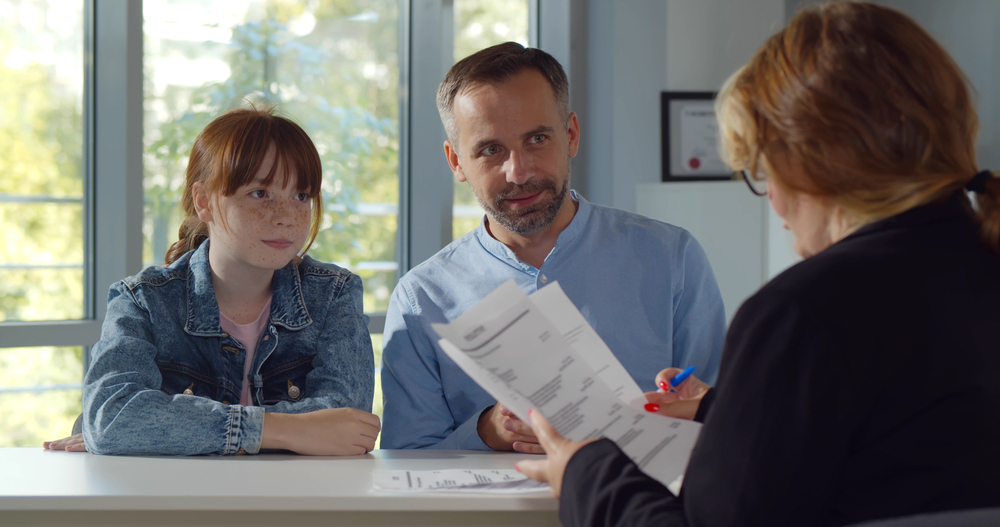
Few situations catch parents off guard quite like learning their child is accused of harassment at school. Whether the allegation involves bullying, inappropriate comments, or online behavior, emotions run high and the consequences can be serious. Parents may feel shocked, defensive, or uncertain about what steps to take. Schools treat these situations with increasing seriousness, and mishandling the response can impact your child’s education, reputation, and even future opportunities. Knowing what to expect helps you navigate the process with clarity and protect your child’s rights while ensuring accountability.

1. The Initial Notification From the School

When a child is accused of harassment, schools usually contact parents right away. This initial phone call or email can feel overwhelming, but staying calm is crucial. Administrators will outline the basic allegation and may request a meeting. It’s important to listen carefully without immediately defending or dismissing the situation. Taking notes during the conversation helps you stay organized as more details unfold.

2. Understanding the Allegations Clearly

Parents should ask for specific information about what their child is accused of harassment for. Vague claims like “inappropriate behavior” are not enough to respond effectively. Schools should provide examples, dates, and details about the reported incident. Clarity allows parents to better assess the seriousness and discuss the situation with their child. Without concrete facts, it’s nearly impossible to guide a proper response.

3. Talking to Your Child About the Situation

The next step is to have an open, non-judgmental conversation with your child. Accusations of harassment can be frightening for kids, and they may withhold details out of fear of punishment. Encourage honesty by creating a safe space to share their side of the story. Remind them that telling the truth is essential, even if it’s difficult. This discussion helps parents understand context while showing the child that they are supported.

4. Attending Meetings with School Officials

When a child is accused of harassment, parents are usually invited to attend meetings with teachers, counselors, or administrators. These sessions provide an opportunity to hear evidence, ask questions, and discuss next steps. Parents should remain professional and respectful, even if emotions run high. Bringing written notes or questions can prevent important details from being overlooked. A calm, cooperative approach often makes a positive impression on school staff.

5. Reviewing the School’s Policies and Code of Conduct

Every school has written guidelines on harassment, bullying, and disciplinary procedures. Parents should carefully review these documents to understand how accusations are handled. This step ensures that the school follows its own rules fairly. It also helps parents identify whether their child’s rights are being protected throughout the process. Familiarity with policies strengthens your position during discussions with administrators.

6. Possible Consequences for the Student

If the school determines the accusation is valid, consequences may range from warnings to suspensions or even expulsion. The severity usually depends on the nature of the behavior and whether it is a repeat offense. Parents should prepare their child for the possibility of disciplinary action while encouraging them to accept responsibility if necessary. Consequences may also involve counseling, conflict resolution programs, or behavior contracts. The goal is often both accountability and rehabilitation.

7. Considering Outside Support and Resources

Sometimes, navigating an accusation requires more than just school involvement. Parents may want to consult an educational advocate or attorney if the situation is especially complex. Counseling can also help children understand the seriousness of their actions and develop healthier behaviors. Even if the accusation is unfounded, therapy may provide emotional support during a stressful time. Seeking outside resources shows that parents take the matter seriously and are committed to positive change.

8. Monitoring Social and Emotional Impact

Accusations of harassment can damage a child’s self-esteem and social standing at school. Parents should watch for signs of anxiety, isolation, or changes in behavior. Supporting the child emotionally is just as important as addressing the disciplinary process. Encourage positive friendships, open communication, and stress-relieving activities. Keeping a strong home foundation helps children rebuild confidence after difficult experiences.

Helping Children Learn and Grow from Mistakes

When a child is accused of harassment at school, it can feel like a crisis, but it is also an opportunity for growth. Families that approach the situation with honesty, accountability, and compassion often come out stronger. Teaching children how to make better choices, respect boundaries, and take responsibility builds resilience. The key is to treat the process as a chance to guide rather than just punish. With the right approach, children can learn valuable lessons that last well beyond the classroom.

How would you handle it if your child was accused of harassment at school? Share your perspective in the comments below.

What to Read Next…

8 Legal Battles That Can Tear Apart a Co-Parenting Agreement

6 Things Kids Say That Could Be Used Against You in Court

How Much Screen Time Is Too Much—Legally Speaking?

Can You Lose Custody for Letting Your Kid Walk to the Park Alone?

When a Child’s Lie Leads to a CPS Investigation

Catherine Reed
Catherine Reed

Catherine is a tech-savvy writer who has focused on the personal finance space for more than eight years. She has a Bachelor’s in Information Technology and enjoys showcasing how tech can simplify everyday personal finance tasks like budgeting, spending tracking, and planning for the future. Additionally, she’s explored the ins and outs of the world of side hustles and loves to share what she’s learned along the way. When she’s not working, you can find her relaxing at home in the Pacific Northwest with her two cats or enjoying a cup of coffee at her neighborhood cafe.

Filed Under: Legal Tagged With: bullying, child is accused of harassment, family guidance, Parenting, school discipline, school policies, student behavior

These Ridiculous School Rules Are Actually Enforced in 2025

June 3, 2025 | 1 Comment

These Ridiculous School Rules Are Actually Enforced in 2025

Parents might think they’ve seen it all—until they get a call that their child was written up for humming too loudly or wearing a hoodie. In 2025, some schools have adopted rules that go beyond strict and cross the line into straight-up bizarre. While discipline and structure are important, the rise of ultra-controlled environments has many families scratching their heads. From rules about breathing too hard to banning birthday cupcakes, the policies some schools are enforcing today are as real as they are ridiculous. Let’s look at some of the most outrageous, over-the-top, and downright ridiculous school rules currently being enforced.

1. No Talking During Lunch—At All

One of the most common ridiculous school rules in 2025 is the no-talking lunch policy. In some schools, kids are expected to eat silently, without socializing, laughing, or even whispering. The reasoning? To keep the cafeteria calm and avoid food fights or disruptions. But for many students, lunch is the one break in the day to unwind and connect with friends. Silencing kids during their only real downtime creates unnecessary tension and makes school feel more like a detention center than a place for learning.

2. Banned From Bringing Their Own Water Bottles

Yes, this one is real. Some schools have implemented policies that forbid students from bringing their own water bottles from home. The concern is that students may hide prohibited substances or that outside bottles can’t be properly monitored. But this means students are often left relying on school fountains or approved branded bottles, which may not be clean or easily accessible. In an era where health and hydration are emphasized, banning reusable water bottles is one of the more baffling ridiculous school rules. It ends up punishing everyone instead of solving an isolated issue.

3. Hoodies = Detention

At many schools, simply wearing a hoodie—especially with the hood up—is a fast track to disciplinary action. Administrators claim it prevents hiding headphones or disrupts dress code standards, but for kids, hoodies are often about comfort, warmth, or sensory regulation. With no evidence that a hoodie affects learning outcomes, these rigid rules have left many parents and students frustrated. In colder climates and drafty classrooms, banning hoodies just seems petty. It’s a dress code choice that says more about control than classroom focus.

4. Hand-Holding Is “Public Display of Affection”

A few districts now consider hand-holding—yes, even between friends or siblings—a violation of PDA rules. In schools enforcing this, students can receive warnings or even disciplinary write-ups for what used to be considered harmless or supportive behavior. These policies are often enforced inconsistently and can make kids feel shamed for showing affection or empathy. While inappropriate behavior should be addressed, lumping hand-holding in with making out sends the wrong message. It teaches kids to suppress connection rather than express kindness.

5. No Backpacks in Classrooms

To reduce clutter or minimize the risk of contraband, some schools have implemented a no-backpacks-in-classroom policy. Students are expected to carry only what they need or use clear bags provided by the school. The problem? Kids end up juggling armfuls of supplies, losing things in the hallway, or being late to class because of extra locker trips. It’s another example of ridiculous school rules that create more hassle than safety. Organization should be taught—not made more difficult.

6. Assigned Bathroom Times

Some schools have started enforcing rigid bathroom schedules, where students are only allowed to go at designated times. Need to go between periods or during a lesson? Too bad. While the rule aims to prevent hallway roaming or phone use, it often leads to unnecessary discomfort or embarrassment. These policies ignore the fact that every child’s body is different—and that emergencies aren’t always predictable. Punishing kids for basic needs isn’t discipline, it’s micromanagement.

7. No Celebrating Birthdays

Gone are the days of cupcakes and birthday songs in some schools, which now ban all birthday celebrations during class time. The justification is to prevent food allergies, time disruption, or “exclusion.” But removing even a simple acknowledgment—like allowing a sticker or birthday pencil—has made school environments feel overly sanitized. While inclusivity matters, many parents and students feel these bans go too far. It’s a small joy that could be managed, not erased.

8. Zero-Tolerance for Pencil Dropping

Believe it or not, students in some schools have been disciplined for intentionally dropping pencils. Administrators argue that it’s used to create distractions or signal classmates during tests. While it’s true that some students use subtle antics to disrupt, treating a dropped pencil as a criminal act stretches logic. Not every action needs to be policed with zero tolerance. It’s another one of those ridiculous school rules where common sense would go a long way.

9. No Running… Even Outside

In some elementary schools, students are prohibited from running during recess. That’s right—recess, the time meant for physical play, comes with a “no running” rule. School officials cite injury prevention or crowd control, but kids are being punished for doing what comes naturally. It contradicts everything we know about child development and healthy activity. When a school bans running during free time, it’s not just ridiculous—it’s counterproductive.

10. No Talking in Hallways Between Classes

Finally, some schools have implemented silent transitions, where kids are expected to move between classes without speaking. The goal is to maintain order, but it creates a robotic and cold environment. Talking is how kids connect, decompress, and feel human between academic demands. Enforcing silence in the hallways is not only unrealistic, it’s damaging to school culture. Of all the ridiculous school rules, this one feels especially out of touch with real child behavior.

When Common Sense Gets Left Behind

Rules are supposed to keep kids safe and help them learn—but when enforcement becomes overzealous, schools risk creating joyless environments that do more harm than good. These ridiculous school rules show how policies can quickly go from reasonable to extreme, leaving students stressed and families frustrated. Parents have the power to speak up when policies don’t make sense. Because if we want kids to thrive, school needs to feel like a place built for humans, not robots.

Has your child’s school enforced a rule that made you do a double take? Share the most ridiculous school rules you’ve encountered in the comments!

Read More:

If Your Child Is an Introvert, These 7 School Rules Might Be Crushing Them

Are Parental Rights Being Ignored in Public School Curriculums?

Catherine Reed
Catherine Reed

Catherine is a tech-savvy writer who has focused on the personal finance space for more than eight years. She has a Bachelor’s in Information Technology and enjoys showcasing how tech can simplify everyday personal finance tasks like budgeting, spending tracking, and planning for the future. Additionally, she’s explored the ins and outs of the world of side hustles and loves to share what she’s learned along the way. When she’s not working, you can find her relaxing at home in the Pacific Northwest with her two cats or enjoying a cup of coffee at her neighborhood cafe.

Filed Under: Education Tagged With: Back to School, parenting and education, ridiculous school rules, school culture, school discipline, school dress code, school policies, school policy 2025

8 Legal Battles Parents Face When a Child Gets in Trouble at School

May 26, 2025 | Leave a Comment

8 Legal Battles Parents Face When a Child Gets in Trouble at School

You never expect your child to land in serious trouble at school—until it happens. One phone call from the principal’s office can quickly escalate into suspension, expulsion, or even a courtroom appearance. When a child gets in trouble at school, the legal fallout can catch families off guard, especially if school policies, law enforcement, or special education rights are involved. Knowing what legal challenges to expect can help parents protect their child’s rights, reputation, and future. Here are eight common legal battles parents may face when a child gets in trouble at school—and how to navigate them.

1. Disciplinary Hearings and School Board Appeals

When a child gets in trouble at school, especially for serious infractions like fighting, drugs, or threats, parents may be called into a disciplinary hearing. These meetings determine consequences like suspension or expulsion and can permanently impact a student’s academic record. Parents have the right to request evidence, ask questions, and advocate for their child during this process. However, many don’t realize they can also appeal the decision to the school board or bring in legal representation. Understanding your school district’s policies can make a major difference in the outcome.

2. Disputes Over Search and Seizure

Schools are allowed to search students if there’s reasonable suspicion, but that doesn’t give them unlimited power. When a child gets in trouble at school for something found during a backpack or phone search, parents often question whether the search was legal. If it wasn’t, any punishment—or even criminal charges—could be challenged in court. Knowing your child’s Fourth Amendment rights in an educational setting is critical. If school officials overstepped, a lawyer may be able to push back on how the situation was handled.

3. Involvement with School Resource Officers or Police

Some schools involve law enforcement immediately when rules are broken, especially for drug possession, physical altercations, or verbal threats. When a child gets in trouble at school and is questioned or arrested, parents need to act quickly to protect their child’s legal rights. Children may not understand their right to remain silent or to have a parent present. If police are involved, it’s time to contact an attorney and ensure your child is treated fairly. What starts as a school issue can become a legal nightmare without proper intervention.

4. Special Education Violations

Children with Individualized Education Programs (IEPs) or 504 plans are entitled to specific protections under the law. When a child gets in trouble at school, it’s important to determine whether their behavior was related to a disability. If it was, the school may be legally required to hold a manifestation determination meeting and cannot simply suspend or expel the student. Denying support services or skipping these steps is a violation of federal law. Parents should document everything and consider seeking legal help from a special education advocate or attorney.

5. Bullying and Harassment Complaints

Sometimes the legal issue isn’t what your child did—but what others did to them. If your child is being bullied, and the school fails to intervene, you may have grounds for legal action. When a child gets in trouble at school after reacting to bullying, it’s especially important to document what led up to the incident. Schools are required to provide a safe environment, and ignoring harassment can open them up to legal consequences. Don’t let your child be punished while the root cause goes unaddressed.

6. Cyberbullying and Off-Campus Behavior

Social media drama doesn’t stop at the school gates. When a child gets in trouble at school for something posted online—even outside of school hours—parents often question whether the school has the right to discipline them. If the post caused a disruption to the learning environment, schools may take action, but the lines are blurry. Students still have First Amendment rights, and overreach by the school could be challenged legally. If your child is disciplined for off-campus behavior, review district policy and seek legal guidance if necessary.

7. False Accusations and Lack of Due Process

In some cases, students are wrongly accused and denied a fair chance to explain their side. When a child gets in trouble at school but wasn’t given due process—like being informed of the charges, presenting witnesses, or having adult support—it raises legal concerns. A school must follow its own procedures and offer a fair process before issuing severe punishments. If this doesn’t happen, parents can challenge the decision and request a formal review. Keeping a paper trail and documenting conversations is essential.

8. Records, Transcripts, and Long-Term Consequences

Disciplinary actions may follow a student long after the incident. When a child gets in trouble at school and it’s added to their permanent record, it can affect college admissions or transfers. Parents can request a review of what’s included in the student file and ask for corrections or removals when appropriate. In some cases, expungement may be possible, especially if criminal charges were dropped or dismissed. Don’t assume the issue ends when the suspension does—be proactive about protecting your child’s future.

Know the Rules Before You Have to Fight Them

When a child gets in trouble at school, it’s easy to feel helpless, overwhelmed, or even blindsided. But understanding your legal rights—and your child’s—can make all the difference. Schools must follow due process, honor disability accommodations, and respect the law. With a calm approach, good documentation, and the right support, you can advocate effectively and ensure your child is treated fairly, no matter what happened.

Has your child faced serious school discipline or legal action? What advice or lessons did you learn from the experience? Share your thoughts in the comments.

Read More:

6 Parenting Decisions That Could Lead to Legal Trouble

10 Things You Should Never Say to a Police Officer

Catherine Reed
Catherine Reed

Catherine is a tech-savvy writer who has focused on the personal finance space for more than eight years. She has a Bachelor’s in Information Technology and enjoys showcasing how tech can simplify everyday personal finance tasks like budgeting, spending tracking, and planning for the future. Additionally, she’s explored the ins and outs of the world of side hustles and loves to share what she’s learned along the way. When she’s not working, you can find her relaxing at home in the Pacific Northwest with her two cats or enjoying a cup of coffee at her neighborhood cafe.

Filed Under: Parenting Tagged With: child legal rights, parent advocacy, school discipline, school legal issues, school suspensions, special education law, when a child gets in trouble at school

The School Is Calling Again: 5 Ways to Help Change a Child’s Bad Behavior at School

April 23, 2025 | Leave a Comment

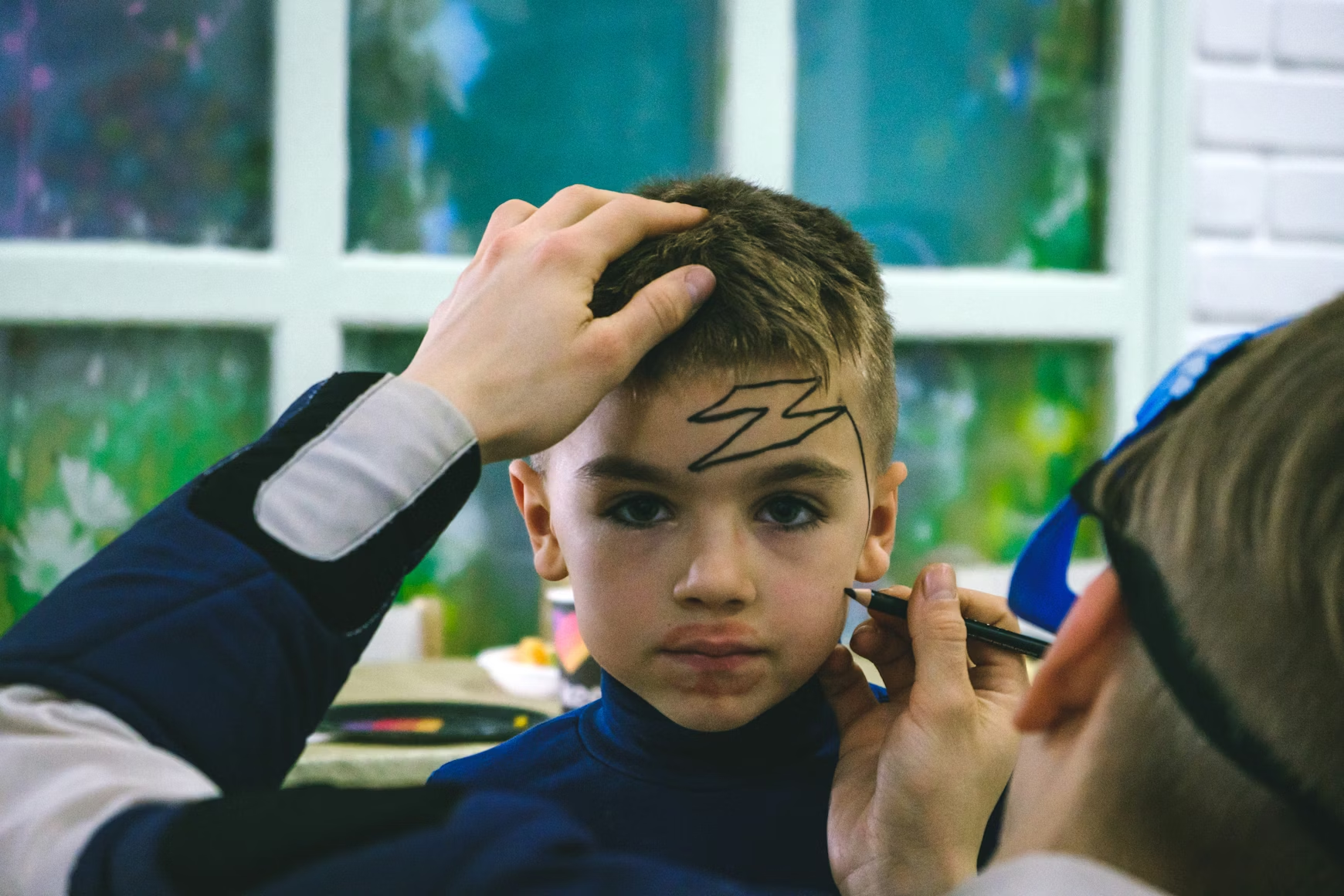
Child getting face paint, symbolizing efforts to address misbehavior in school.
Image Source: Unsplash

That mid‑morning buzz from the school office can fill any parent with dread. Another report of disruptive behavior? It’s frustrating and often isolating—but you’re not alone. Many families navigate the same terrain, and there are concrete, research‑informed steps that can encourage lasting change.

1. Establish Clear Expectations and Open Communication

When children know exactly what’s expected, they’re better positioned to succeed. Regular, friendly check‑ins with teachers—via brief emails or five‑minute conferences—build trust and keep everyone on the same page.

Here are some more tips:

  • Spell out the “how” as well as the “what.” Instead of “Behave in class,” try “Raise your hand before speaking” or “Keep hands to yourself during circle time.”
  • Create a quick‑reference card. Write three key rules on an index card and tape it inside the homework folder. Kids (and teachers) can point to it when reminders are needed.
  • Use two‑way check‑ins. Send or request a brief email every Friday summarizing wins and challenges. Respond with appreciation, not just concerns, so teachers feel valued partners.
  • Loop in your child. Review classroom rules together and ask, “Which one feels hardest? Which one do you feel confident about?” Their answers guide where to focus coaching at home.

Open, friendly communication keeps everyone aligned and reduces the chance of surprises—good or bad—mid‑semester.

2. Create a Structured Environment with Predictable Routines

Structure gives kids a sense of safety and control, which lowers anxiety and impulsive behavior.

  • Morning anchor: Same wake‑up window each day, followed by a visual checklist (teeth, uniform, breakfast, backpack).
  • Homework zone: A consistent, distraction‑free spot stocked with sharpened pencils, paper, and a timer. Starting homework within 30 minutes of arriving home helps maintain the school mindset.
  • Evening wind‑down: Dim lights an hour before bed, swap screens for quiet play or reading, and use a short “tomorrow preview” so kids know what’s coming.

Classrooms thrive on predictable procedures; mirroring that rhythm at home strengthens children’s ability to transition calmly from environment to environment.

3. Encourage Positive Behavior Through Reinforcement

Children thrive on attention; when it’s mostly negative, they often double down on unwanted actions. Instead, spotlight the good: “I noticed you finished your worksheet before recess. Nice focus!”

The Child Mind Institute confirms that specific, sincere praise paired with small privileges builds self‑esteem and sustains better choices. 

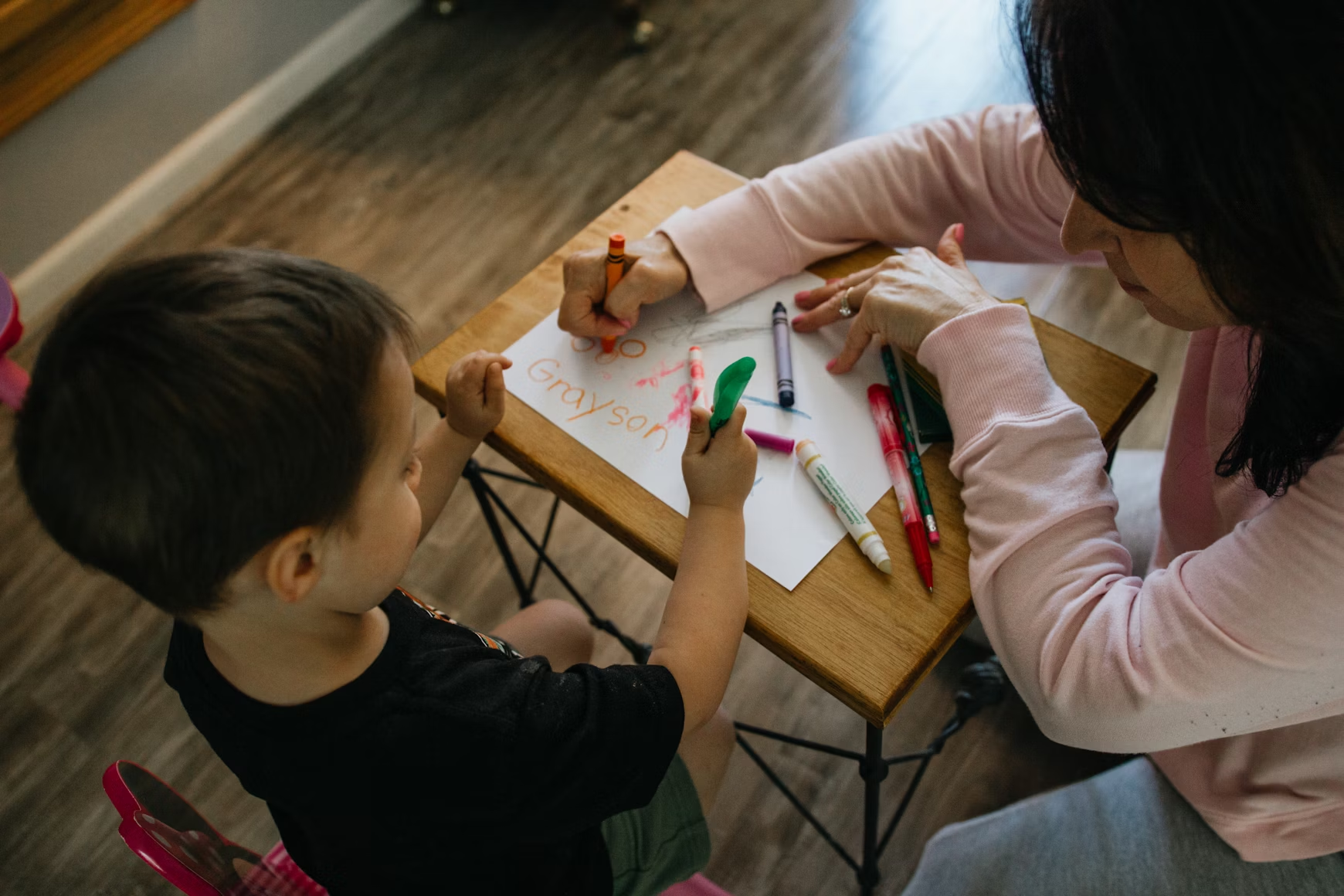
Child and adult working on an art project, illustrating adapted learning strategies.
Image Source: Unsplash

4. Adapt Learning Strategies to Your Child’s Needs

Acting out can be a signal that something in the learning process isn’t clicking.

  • Check task difficulty. Ask the teacher, “Is the work too challenging, or does my child finish early and get bored?” Adjust accordingly by simplifying or enriching assignments.
  • Break learning into chunks. Ten quick math problems can feel more achievable than a sheet of forty. Short, timed bursts followed by movement breaks often keep focus sharp.
  • Offer sensory outlets. Fidgets, wiggle cushions, or quiet stretch corners help kids who need physical input to stay regulated.
  • Leverage strengths. If your child is a visual learner, request graphic organizers or color‑coded steps. Kinesthetic? Ask for hands‑on materials or role‑play options.

When academic demands align with a child’s readiness and learning style, frustration—and misbehavior—usually fade on their own.

5. Collaborate on a Clear Behavior Management Plan

If patterns persist, a formal plan can help everyone move from reacting to proactively teaching new skills.

  • Functional Behavior Assessment (FBA): Pinpoints the triggers (time of day, task type, peer interactions) and the payoff your child gets from acting out (attention, escape, sensory input).
  • Behavior Intervention Plan (BIP): Lists replacement behaviors (“ask for a break” instead of “leave seat”), prompts adults will use, and specific rewards for success.
  • Daily or weekly data tracking: Simple smiley‑face charts or color zones let your child see progress—and help adults adjust strategies quickly.
  • Celebrate publicly, correct privately. Praise successes where peers can overhear; discuss missteps quietly to preserve dignity and motivation.
  • Schedule regular reviews. A 10‑minute check‑in every two weeks keeps goals fresh and collaboration strong.

When children feel they’re part of the team crafting solutions, they’re more likely to buy in—and to practice the new skills that replace disruptive habits.

Progress, Not Perfection

Transforming a child’s bad behavior at school is a process. Empathy, consistency, and teamwork—both at home and in the classroom—lay the groundwork for resilience and growth. Every tricky day is an opportunity to practice new skills, and every small win is worth celebrating.

Have you ever tried any of these strategies? Let us know in the comments!

Read More

  • Your Child Should Be Homeschooled If You Notice These Behaviors
  • 7 Common Types of Behavioral Disorders in Children Every Parent Should Know
Samantha Warren
Samantha

Samantha Warren is a holistic marketing strategist with 8+ years of experience partnering with startups, Fortune 500 companies, and everything in between. With an entrepreneurial mindset, she excels at shaping brand narratives through data-driven, creative content. When she’s not working, Samantha loves to travel and draws inspiration from her trips to Thailand, Spain, Costa Rica, and beyond.

Filed Under: Parenting Tagged With: behavior management, child behavior, emotional development | Parenting, parenting tips, Positive Reinforcement, school discipline, teacher communication

Are We Over‑Diagnosing Kids With ADHD Just to Keep Them in Line?

April 17, 2025 | Leave a Comment

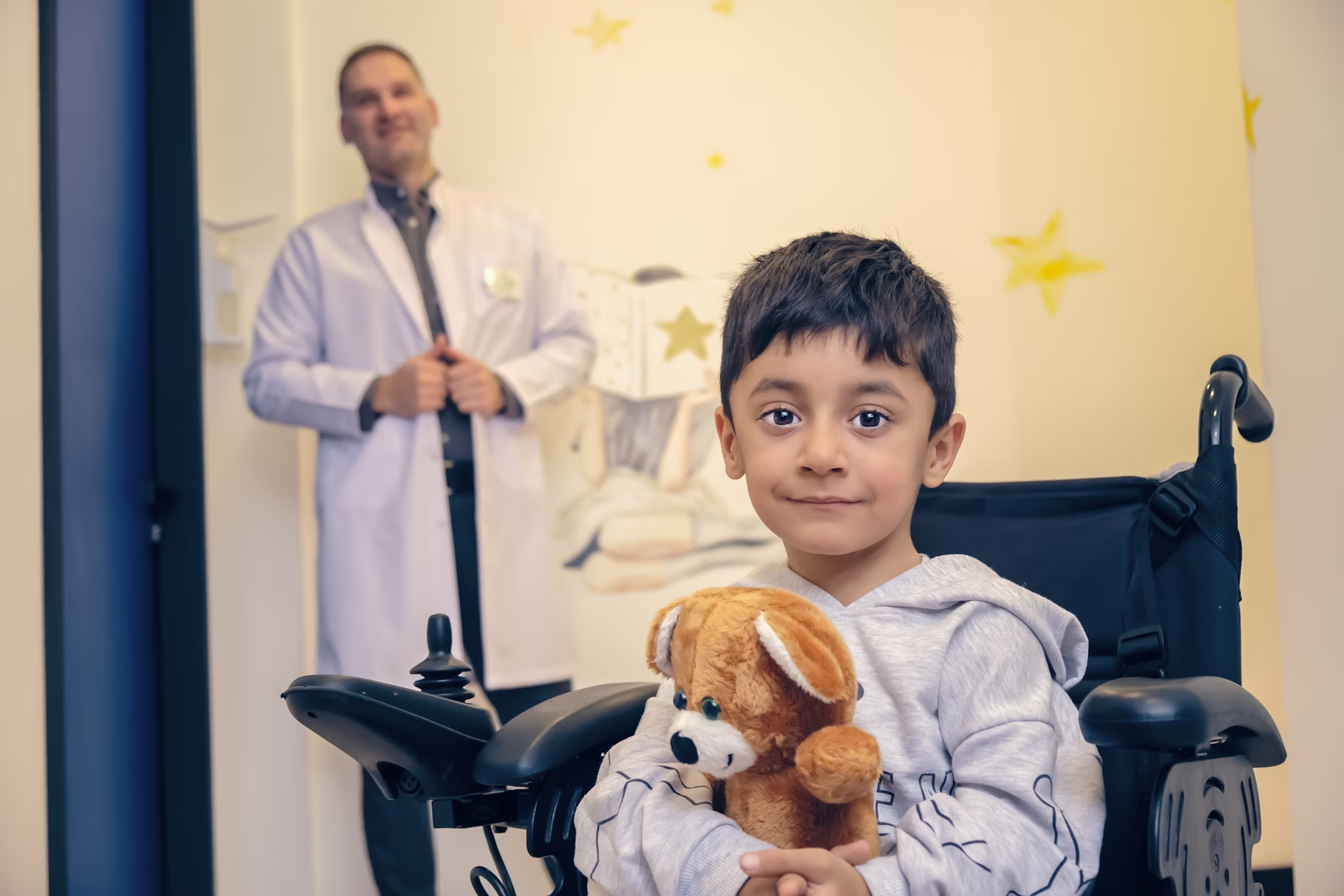
Child in hospital wheelchair, undergoing ADHD assessment
Image Source: Unsplash

Despite the rising awareness of attention‑deficit/hyperactivity disorder (ADHD), many parents wonder whether we’re labeling normal childhood energy as a disorder just to manage behavior.

ADHD diagnosis rates have surged over the past two decades. For some kids, a diagnosis opens the door to meaningful support; for others, it can mean medication and misunderstanding. Is your child struggling with a disorder, or do they simply need a different kind of attention?

Understanding What ADHD Really Means

An ADHD diagnosis requires much more than forgetfulness or an inability to sit still. According to the National Institute of Mental Health, children must show clear symptoms—such as impulsivity or hyperactivity—before age 12, and those symptoms must disrupt everyday life in multiple settings. A fidgety child isn’t automatically ADHD if they’re calm and focused at home but struggle only in one classroom. ADHD is a clinical condition, not a judgment on personality or parenting.

Diagnosis Is Complex—And It Should Be

When behavior feels outside the norm, it’s natural to want answers. A proper ADHD diagnosis should never hinge on a single checklist. We recommend a comprehensive evaluation that includes input from teachers, parents, and medical professionals while ruling out anxiety, depression, or learning disorders. Each of these conditions can mimic ADHD symptoms, and mistaking one for the other can lead to the wrong treatment.

Not Every Wiggly Kid Has ADHD

Researchers warn that ADHD is sometimes overdiagnosed—especially in children with mild symptoms. A large‑scale NIH review found growing evidence of overdiagnosis and overtreatment, leading to unnecessary medication use. Some kids who simply need more movement, hands‑on learning, or emotional guidance may instead receive a clinical label. The goal is to recognize genuine disorder while avoiding the quick pathologizing of normal development.

a closer look with a baby
Image Source: Unsplash

A Closer Look at Inequities in Diagnosis

Diagnosis isn’t evenly distributed. A Penn State study found white children—particularly high achievers—are more likely to be overdiagnosed, while children of color may be overlooked even with clear symptoms. Diagnostic rates also vary widely across regions; kids in rural areas are more frequently labeled than those in urban schools. Bias, access, and cultural misunderstandings all influence who receives an ADHD diagnosis.

Why One Label Can Change Everything

Once a child receives an ADHD diagnosis, it can become their defining trait. Labels can guide school support, shape peer perceptions, and affect self‑esteem. For some families, the diagnosis brings relief and resources; for others it feels like a box that doesn’t fit. A label should start a conversation about tailored support, not end it.

What You Can Do as a Parent

  1. Observe, don’t panic. Track when behaviors appear and what triggers them.
  2. Gather perspectives. Ask teachers, pediatricians, and caregivers what they notice.
  3. Question the process. Ensure evaluations include rating scales, interviews, and developmental history.
  4. Look for underlying needs. Boredom, stress, or grief can mimic ADHD symptoms.
  5. Advocate. If a plan feels off, seek a second opinion.

Choosing Thoughtful Paths Over Quick Fixes

Peer reactions can sting more than any academic hurdle. Role‑play common scenarios—blurting out in class, impatience during games—and brainstorm calmer responses.

Encourage friendship circles built around shared interests (Robotics Club, dance team) where focus morphs into passion. When mistakes happen, model non‑shaming language: “Looks like your brain was on turbo mode—how can we hit reset together?” Repairing quickly helps children view slip‑ups as data, not defects.

Parents need clear, compassionate guidance—rooted in evidence and empathy. ADHD is real, but so is overdiagnosis. Let’s aim for assessments that fit each unique child, not just the system.

Has your family navigated an ADHD diagnosis? Share your story in the comments.

Read More

  • When The Kids Are Sick
  • How to Afford Raising a Child with Special Needs

Samantha Warren
Samantha

Samantha Warren is a holistic marketing strategist with 8+ years of experience partnering with startups, Fortune 500 companies, and everything in between. With an entrepreneurial mindset, she excels at shaping brand narratives through data-driven, creative content. When she’s not working, Samantha loves to travel and draws inspiration from her trips to Thailand, Spain, Costa Rica, and beyond.

Filed Under: Parenting Tagged With: ADHD diagnosis, child behavior, children’s mental health, overdiagnosis in kids, parenting advice, parenting support, school discipline

  • Facebook
  • Pinterest
  • RSS
  • Twitter

Basic Principles Of Good Parenting

Here some basic principles for good parenting:

  1. What You Do Matters: Your kids are watching you. So, be purposeful about what you want to accomplish.
  2. You Can’t be Too Loving: Don’t replace love with material possessions, lowered expectations or leniency.
  3. Be Involved Your Kids Life: Arrange your priorities to focus on what your kid’s needs. Be there mentally and physically.
  4. Adapt Your Parenting: Children grow quickly, so keep pace with your child’s development.
  5. Establish and Set Rules: The rules you set for children will establish the rules they set for themselves later.  Avoid harsh discipline and be consistent.
  6. Explain Your Decisions: What is obvious to you may not be evident to your child. They don’t have the experience you do.
  7. Be Respectful To Your Child: How you treat your child is how they will treat others.  Be polite, respectful and make an effort to pay attention.
Best Parenting Blogs

Most Popular

Baby

9 Unusual Baby Names That Sound Like They Belong to Future CEOs

Evan Morgan
Baby

10 Baby Names That Were Once Considered “Grandparent Names” but Feel Cool Again

Evan Morgan
Target Store

Choking Incident Prompts Recall of 49,000 Target Gigglescape “Under the Sea” Popping Toys

Evan Morgan
Frustrated Girl

Why Some Students on the Spectrum Are Labeled With ODD

Evan Morgan
Coke Bottles

12 Things Kids Took to School in the ’70s That Would Never Be Allowed Today

Evan Morgan

All content on Kids Ain’t Cheap is for entertainment purposes only. By reading this blog, you agree that Kids Ain’t Cheap is not responsible for any actions taken after reading this blog. For the full disclaimer, see our privacy policy.

Please note that Kids Ain’t Cheap has financial relationships with some of the merchants mentioned here. Kids Ain’t Cheap is funded by banner advertising, commission sales and search optimization consulting.

Copyright © 2006–2026 | District Media | All Rights Reserved | Privacy Policy

Copyright © 2026 Runway Pro Theme by Viva la Violette