• Home
  • About Us
  • Toolkit
  • Archives
  • Advertise
  • Privacy Policy

Kids Ain't Cheap

But They Sure Are Worth It

  • Parenting
    • Baby Stuff
    • Books and Reading
      • Aesops Fables
      • Comic Books
    • Education
    • Family Time
    • Green Living
    • Growing Up
    • Healthy Living & Eating
    • Holidays
    • Parenting
    • Random Musings
    • Shopping
    • Stuff to Do
  • Money
  • Product Reviews
    • Books and Magazines
    • Discount Sites
    • Furniture
    • House Keeping
    • Reviews News
    • Toys and Games
  • Contact Us
  • Our Editorial Commitment
  • Search

The “Unteachable” Label: How Some Students Are Quietly Flagged

June 22, 2026 | Leave a Comment

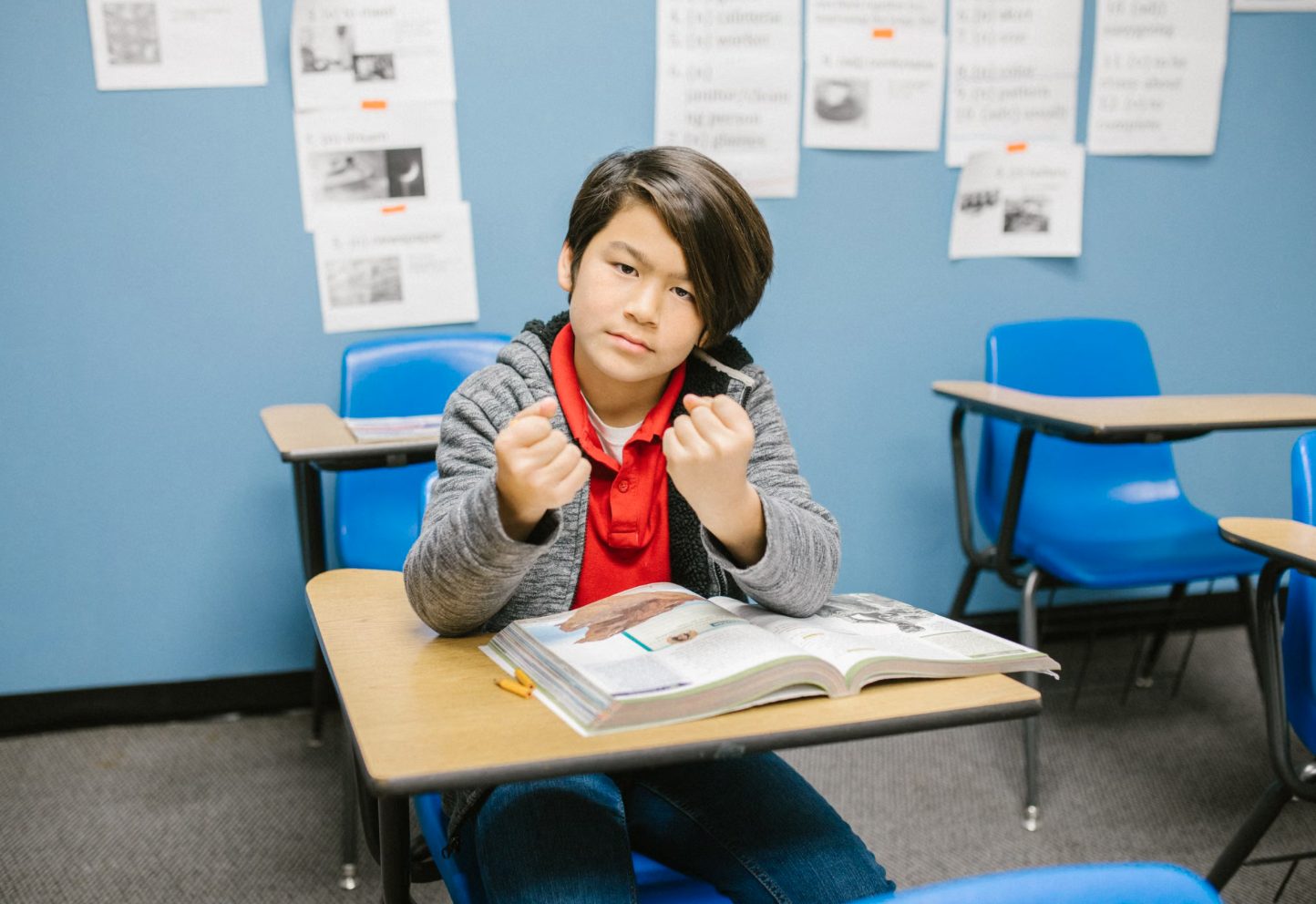
Kid In School
A student’s classroom behavior often tells only part of the story. Early assumptions can shape expectations, making support and understanding more important than labels. (Pexels).

Every school has students who seem to receive more warnings, more hallway conversations, or more skeptical looks than their classmates. Sometimes it happens after repeated behavioral challenges, but other times it begins with a single difficult year or a misunderstanding that quietly follows a child from classroom to classroom. While no school officially labels a student as “unteachable,” many educators and parents acknowledge that informal reputations can shape expectations long before a report card does. Those early impressions matter because research shows that teacher expectations and disciplinary patterns can influence student confidence, classroom participation, and long-term academic success.

How the “Unteachable” Label Can Quietly Take Hold

The unteachable label rarely appears in official records, yet it can develop through informal conversations, cumulative behavior notes, or assumptions shared among staff members. A student who frequently interrupts class, struggles with emotional regulation, or falls behind academically may gradually become viewed through a negative lens instead of a supportive one. Once expectations change, even positive behavior may receive less recognition than similar actions from classmates. Educational researchers have long warned that expectations can influence student performance through what psychologists call the “Pygmalion Effect,” where higher expectations often lead to stronger outcomes. That does not mean teachers intentionally give up on students, but it highlights how powerful first impressions can become.

Behavior Is Often a Signal, Not the Whole Story

Many challenging behaviors have underlying causes that are easy to overlook during a busy school day. Anxiety, learning disabilities, ADHD, trauma, family stress, or sleep problems can all affect how a child behaves in class without being immediately obvious. A student who appears defiant may actually be overwhelmed by work they cannot yet understand or embarrassed about reading aloud. Research on exclusionary discipline continues to show that removing students from learning environments rarely addresses those root causes and may actually worsen academic outcomes. The most effective schools increasingly focus on identifying why behaviors occur before deciding how to respond.

Small Decisions Can Create Lasting Consequences

Being sent out of class occasionally may seem minor, but repeated exclusions can slowly disconnect students from learning and their peers. Recent education research has drawn attention to informal classroom removals that often go undocumented, making them difficult for schools to monitor or address fairly. Students who miss instruction repeatedly can develop larger academic gaps, leading to even more frustration and behavior challenges. This cycle can leave families feeling as though their child has already been judged before receiving meaningful support. Breaking that pattern requires schools to recognize when discipline begins replacing intervention.

What Effective Schools Are Doing Differently

Many schools are moving toward restorative practices, Positive Behavioral Interventions and Supports (PBIS), and stronger social-emotional learning programs. These approaches encourage educators to understand the reason behind behavior while maintaining clear expectations and classroom safety. Teachers still hold students accountable, but they also create opportunities to rebuild trust and teach replacement skills instead of relying solely on punishment. Studies have found that schools implementing evidence-based alternatives often reduce suspensions while improving school climate and student engagement. Success depends on consistent training, adequate staffing, and collaboration between teachers, counselors, and families.

Parents and Teachers Share the Same Goal

Most teachers enter education because they genuinely want students to succeed, and most parents simply want their children to feel safe, respected, and capable of learning. Open communication can prevent misunderstandings before they become lasting reputations. Parents who ask specific questions about classroom challenges, learning needs, and available support services often build stronger partnerships with educators. Likewise, teachers who share strengths alongside concerns help families see a more complete picture of their child. When everyone works from the assumption that growth is possible, students benefit the most.

The Bigger Lesson We Should Remember

No child should be defined by their hardest semester, toughest behavior, or worst day at school. The unteachable label becomes dangerous when it limits opportunities instead of encouraging solutions. Every student deserves adults who remain curious enough to ask what is driving the behavior rather than assuming they already know the answer. Building supportive classrooms does not mean lowering expectations—it means providing the right tools for students to meet them. If we want schools to help every child succeed, we must ensure that labels never become louder than potential.

Have you seen a student overcome unfair expectations, or do you believe schools need better ways to support struggling children? Share your thoughts in the comments and join the conversation.

What to Read Next

Illinois Parents Say School Behavior Policies Are Disproportionately Impacting Autistic Kids

SUN Bucks 2026: How Families of Special Needs Students Can Claim Summer EBT Grocery Benefits

New York Parents Warn About Rising Transportation Issues for Special Needs Students

Evan Morgan

Evan Morgan has been a full-time freelance writer and editor for 10+ years. When not working, he enjoys catching the latest true crime documentary or getting lost in a good book.

Filed Under: Education Tagged With: child development, classroom behavior, education, education policy, Learning, Parenting, school discipline, Schools, students, teachers, unteachable label

6 Behavioral Trends School Psychologists Are Seeing This Year

June 22, 2026 | Leave a Comment

Therapist
School psychologists are seeing growing concerns involving anxiety, emotional regulation, attention, and social skills as students navigate today’s classroom environment. (Pexels).

School psychologists are on the front lines of student mental health, behavior, and learning challenges every day. As classrooms continue to evolve, they are noticing several behavioral trends that are affecting students across elementary, middle, and high schools. While every child is different, many of these patterns are appearing consistently in schools nationwide and are shaping how educators respond. Understanding these behavioral trends can help parents, teachers, and caregivers better support students before small concerns become bigger problems.

1. Emotional Regulation Challenges Are Becoming More Common

One of the most noticeable behavioral trends involves students struggling to manage frustration, disappointment, and stress. School psychologists report that younger children, in particular, are showing more emotional outbursts, difficulty calming themselves, and lower frustration tolerance than they did several years ago. The American Psychological Association has noted that educators continue to see increases in emotional dysregulation, disruptive behavior, and bullying among younger students. These behaviors often appear after routine classroom setbacks rather than major conflicts. Early intervention through emotional coaching, social-emotional learning, and consistent routines can make a significant difference before behaviors escalate.

2. Anxiety Is Affecting Everyday School Life

Anxiety is no longer limited to major tests or presentations. School psychologists increasingly see students who worry about friendships, grades, family issues, social media, and even everyday classroom participation. Some children visit the nurse frequently, avoid group activities, or become unusually quiet instead of expressing their concerns directly. Parents sometimes mistake these behaviors for shyness when they may actually reflect significant anxiety that deserves attention. Identifying anxiety early allows families and schools to work together before it begins interfering with academic success or attendance.

3. Chronic Absenteeism and Disengagement Continue to Rise

Another important behavioral trend involves students becoming emotionally disconnected from school. Educators are reporting that chronic absenteeism, frequent tardiness, and reduced classroom participation remain ongoing concerns even as schools return to more typical routines. Missing school consistently often leads to weaker peer relationships, learning gaps, and declining confidence that becomes harder to reverse over time. School psychologists frequently work with families to uncover the underlying reasons, which may include anxiety, bullying, transportation issues, or family stress. Addressing the root cause instead of simply enforcing attendance policies produces much better long-term outcomes.

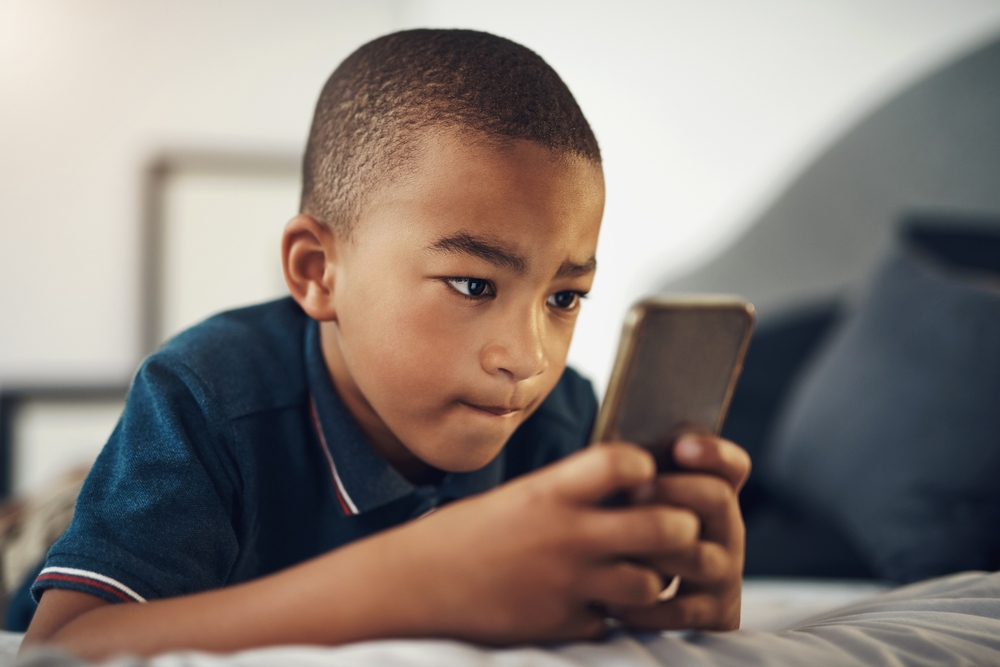
4. Technology Is Shortening Attention Spans

Digital devices have transformed learning, but they have also created new behavioral challenges inside classrooms. School psychologists increasingly observe students struggling to maintain attention during lessons without frequent digital stimulation or instant feedback. Constant notifications, entertainment, and multitasking outside school can make traditional classroom instruction feel less engaging for some students. Many schools are responding with cellphone restrictions and more structured classroom routines that encourage sustained focus. These changes are helping many students rebuild attention skills while creating healthier boundaries around technology use.

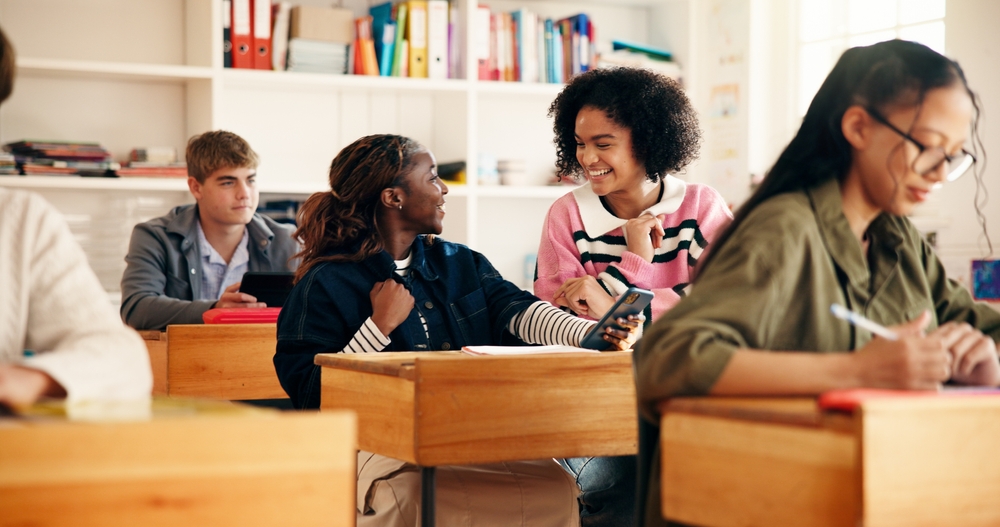
5. Social Skills Need More Practice Than Before

Many students are finding face-to-face communication more difficult than in previous years. School psychologists report seeing increased misunderstandings between classmates, conflict resolution challenges, and difficulty interpreting social cues during everyday interactions. Students who spend more time communicating through screens may have fewer opportunities to practice reading body language or resolving disagreements in person. Small group activities, peer mentoring, and cooperative classroom projects give students valuable opportunities to strengthen these important life skills. Developing healthy relationships remains just as essential as academic achievement.

6. Students Are More Willing to Talk About Mental Health

One encouraging behavioral trend is that many students are becoming more comfortable discussing their emotions and asking for help. School psychologists say today’s students are generally more aware of mental health than previous generations and often recognize when they or their friends need support. While increased awareness does not eliminate challenges, it reduces stigma and encourages earlier intervention. Schools are expanding counseling services, peer support programs, and social-emotional learning initiatives to meet this growing need whenever resources allow. Open conversations between students, parents, teachers, and mental health professionals create stronger support systems that benefit everyone involved.

Why These Behavioral Trends Matter for Every Family

Behavioral trends are not predictions about every child, but they do provide valuable insight into the challenges many students currently face. Parents should remember that behavioral changes often communicate unmet emotional or developmental needs rather than simple misbehavior. Staying engaged with teachers, asking open-ended questions after school, and seeking professional guidance when concerns persist can make a lasting difference. Early support is often the most effective intervention, helping students develop resilience, confidence, and healthier coping skills.

Which of these behavioral trends have you noticed in your child’s school or community? Share your thoughts and experiences in the comments to help continue the conversation.

What to Read Next

5 Therapy Options That May Help Children With Behavioral Challenges

Illinois Parents Say School Behavior Policies Are Disproportionately Impacting Autistic Kids

New Jersey Autism Support: Behavioral Therapy Resources Increase

Evan Morgan

Evan Morgan has been a full-time freelance writer and editor for 10+ years. When not working, he enjoys catching the latest true crime documentary or getting lost in a good book.
Filed Under: Education Tagged With: anxiety, behavioral trends, child development, classroom behavior, education, Parenting, school psychology, student mental health

The 5 “Educational” Apps That Teachers Say Are Actually Hurting Grades

February 1, 2026 | Leave a Comment

The 5
Image Source: Shutterstock.com

Parents download them with the best intentions, kids love them instantly, and the marketing promises smarter, faster, better learning. The problem? Teachers across classrooms are noticing a growing disconnect between what these “educational” apps promise and what students actually bring into school.

Many of these platforms look productive on the surface, but they quietly train habits that work against real learning—short attention spans, shallow thinking, and dependence on instant feedback. Grades don’t drop overnight, but teachers say the long-term effects show up in focus, effort, and resilience.

1. Gamified Learning Apps That Reward Speed Over Thinking

Gamified learning apps turn education into points, badges, streaks, and dopamine loops, which sounds great until students stop caring about understanding. Teachers say kids often rush through questions just to keep their streaks alive, clicking answers instead of thinking critically.

Over time, students associate learning with speed, not depth, and accuracy becomes secondary to rewards. This creates classroom habits where students expect constant stimulation and instant validation. When real schoolwork requires patience, revision, and struggle, frustration kicks in fast. A healthier approach is using these apps as occasional practice tools, not daily learning replacements, and pairing them with slower, deeper offline learning.

2. Video-Based Learning Platforms That Encourage Passive Watching

Video learning platforms feel productive because students are “watching lessons,” but teachers report a growing problem with passive consumption. Kids often let videos play without processing, pausing, or applying the information.

Learning turns into background noise instead of active engagement. Teachers notice that students who rely heavily on video apps struggle with recall, problem-solving, and independent thinking. Real learning requires interaction, not just exposure to information. Parents can help by encouraging note-taking, discussion, and application after videos instead of treating watching as learning.

3. Homework Helper Apps That Do Too Much Of The Work

Some apps promise help with homework but end up doing the thinking for the student. Teachers see assignments completed correctly but with no understanding behind the answers. This creates a dangerous illusion of learning where grades may look fine temporarily, but skills collapse during tests and in-class work.

Students lose problem-solving confidence because they rely on tools instead of their own thinking. Over time, academic independence disappears. If kids use help apps, they should explain the reasoning out loud or write out the steps, turning help into learning instead of shortcuts.

4. Study Apps Built On Constant Notifications And Alerts

Many “productivity” and study apps flood students with reminders, streak alerts, and achievement pop-ups. Teachers say this trains kids to depend on external prompts instead of building internal discipline. Focus becomes fragmented because students constantly switch attention between tasks and notifications.

This weakens sustained concentration, which is critical for reading, writing, and complex problem-solving. In class, this shows up as restlessness, distraction, and low mental stamina. Turning off notifications and setting specific app usage times helps rebuild attention control.

The 5
Image Source: Shutterstock.com

5. Educational Games That Blur Learning With Entertainment

Some apps blend games and learning so closely that kids engage more with the entertainment than the education. Teachers report students who love the games but can’t explain what they learned. The brain remembers rewards, characters, and animations, not concepts. This creates surface-level familiarity without deep understanding.

When tested on real material, performance drops because the learning never fully formed. Parents can balance this by pairing educational games with real-world application, like discussing concepts or practicing skills offline.

The Real Issue Isn’t Technology—It’s How It Trains The Brain

Teachers don’t hate educational apps, and most don’t want screens banned from learning. The real issue is how certain apps train attention, motivation, and thinking patterns that clash with how real learning works. Apps that reward speed, shortcuts, and constant stimulation make classrooms harder for students to navigate. Learning requires patience, effort, boredom tolerance, and focus—skills that many apps quietly weaken.

Which app does your child love that you’re now questioning—and what changes are you willing to make to protect their focus and learning long-term? Let’s hear about it below.

You May Also Like…

8 Children’s Apps That Are Secretly Tracking More Than Location

5 Ways Bullying Apps Are Operating Without School Oversight

Should Parents Be Tracking Their Teens with AI-Powered Apps?

How Your Child’s Cell Phone Could Now Ruin Them In School

Should You Let Your Child Keep Their Smartphone Overnight?

Brandon Marcus
Brandon Marcus
Brandon Marcus is a writer who has been sharing the written word since a very young age. His interests include sports, history, pop culture, and so much more. When he isn’t writing, he spends his time jogging, drinking coffee, or attempting to read a long book he may never complete.

Filed Under: Education Tagged With: classroom behavior, digital learning, education apps, homework habits, kids and tech, learning technology, parenting tips, school success, Screen Time, student focus, student performance

10 Baby Name Combinations That Are Quietly Ridiculed in Classrooms

November 8, 2025 | Leave a Comment

10 Baby Name Combinations That Are Quietly Ridiculed in Classrooms
Image source: shutterstock.com

Choosing a baby’s name is one of the most exciting parts of becoming a parent. But sometimes, even well-intentioned parents unknowingly create baby name combinations that don’t age well outside of cute social media posts. Once school starts, those names can take on an entirely different life—especially when kids start to notice rhymes, initials, or unintended meanings. Here are 10 baby name combos that tend to raise eyebrows or giggles in classrooms, along with insights on how to avoid future playground teasing.

1. Names That Sound Like Phrases

Some baby name combinations end up sounding like common sayings or accidental jokes. For example, names like “Justin Case” or “Ella Vator” might seem clever at first, but can turn into punchlines in grade school. Teachers and classmates often catch the pun before the parents realize it. Kids are quick to point out these quirks, which can lead to teasing during roll call. When planning baby name combos, always say the full name out loud to ensure it doesn’t sound like a phrase or pun.

2. Unfortunate Initials

While most parents focus on how a name sounds, few think about the initials that come with it. Combinations like “Ashley Sarah Stevens” (A.S.S.) or “Brian Andrew Thompson” (B.A.T.) might look innocent on paper, but can become a running joke once kids spot the pattern. Children love spotting acronyms, especially when they’re unintentionally funny. Avoiding awkward initials is one of the easiest ways to protect your child from unnecessary embarrassment. Always write out the full initials before finalizing baby name combinations.

3. Rhyming Surnames and First Names

Rhyming can be sweet for storybooks, but not for real life. Names like “Gary Barry” or “Lily Tilly” might sound whimsical at first, but can feel overly silly as a child grows up. In a classroom setting, those rhymes often make it easy for other kids to come up with teasing nicknames. A name that’s too rhythmic can also feel more like a joke than a real identity. Before deciding, parents should test how naturally the name flows when paired with the last name.

4. Matching Twin or Sibling Names

Parents who love symmetry sometimes choose names that are almost identical, like “Jaden and Jayden” or “Emma and Emily.” While the similarity might feel cute for toddlers, it can create confusion in classrooms and frustration for teachers. Siblings may struggle to develop individual identities when their baby name combos are nearly interchangeable. Classmates may also tease them for being “copy and paste” versions of each other. Choosing distinct names helps each child stand out and fosters a stronger sense of individuality.

5. Names That Spell Words Backward

Some parents have fun experimenting with reversals, creating names like “Nevaeh” (Heaven spelled backward). While creative, these choices can often become overused or subject to quiet jokes among peers. Kids in school tend to notice when a name has an unconventional origin story, especially one that’s easy to decode. Teachers might even mention it, unintentionally drawing attention. If you’re exploring inventive baby name combinations, test how they sound and whether they might invite teasing later on.

6. Pop Culture Pairings

Naming children after famous duos—like “Harry and Hermione” or “Luke and Leia”—may seem fun to fans but can quickly lose its charm in a classroom. Kids who share names with iconic characters often face nonstop references to movies or memes. Even well-loved franchises can make a child feel defined by pop culture rather than personality. Baby name combinations that rely too heavily on current media trends can date quickly. Consider whether the connection will still feel special ten years from now.

7. Double Word Names

Names that sound like two nouns or verbs—such as “Summer Rain” or “River Stone”—have gained popularity in recent years. While poetic, these baby name combinations can sometimes come across as overly dramatic or “made up” in school settings. Children might mimic or exaggerate them during introductions or classroom activities. What feels spiritual or unique at birth might later seem pretentious or confusing to peers. A balanced name that feels natural in everyday conversation can make all the difference.

8. Gender-Ambiguous Pairings

Some parents intentionally choose gender-neutral names, which can be empowering. However, when both first and last names are ambiguous—like “Taylor Jordan” or “Cameron Riley”—teachers and classmates might misgender the child repeatedly. While not inherently negative, repeated confusion can become frustrating for kids who crave clear recognition. If you prefer gender-neutral baby name combinations, consider adding a middle name that provides balance or context. That small step can help avoid unnecessary confusion.

9. Cultural or Spelling Confusion

Names with unconventional spellings or those borrowed from unfamiliar cultures can lead to repeated mispronunciations in class. For instance, “Aayleigh” instead of “Aly” or “Djoseph” instead of “Joseph” can challenge both teachers and peers. Children with unique baby name combinations often tire of correcting others, which can impact their confidence over time. It’s important to strike a balance between originality and accessibility. A name that celebrates heritage or creativity should still feel approachable in daily use.

10. Overly “Matchy” Middle Names

Middle names are often chosen for sentimental reasons, but when paired too closely with the first name, they can sound repetitive or overly cute. Examples like “Ella Bella” or “Mason Jason” can quickly draw snickers in classrooms. The sing-song quality makes these baby name combinations sound like nursery rhymes rather than serious names. Children tend to be sensitive about how they’re perceived, especially as they grow older. Choosing a middle name with a contrasting tone or rhythm can prevent unwanted teasing.

Naming with Care and Confidence

Names shape first impressions, self-image, and even how children interact with their peers. The goal isn’t to avoid creativity—it’s to ensure your baby’s name fits comfortably in every setting, from the playground to future job interviews. Baby name combinations should feel intentional, balanced, and timeless rather than trendy or overly coordinated. Taking a few extra moments to test your choices aloud, check initials, and imagine how classmates might react can save years of awkward laughter later. A name that grows with your child is the ultimate gift of thoughtfulness.

Have you ever known a child whose name got unexpected reactions at school? Share your thoughts or funny stories in the comments below.

What to Read Next…

  • Does Following Current Name Trends Mean Your Child Will Be Picked on in 2035?
  • Why Some States Are Pushing Back Against Trendy Baby Names
  • How One Baby Name Choice Could Affect College Admissions
  • These 10 Baby Names Are So Overused They Now Sound Tacky
  • These Baby Names Are Only Given to Children of Famous People (For Good Reason)
Catherine Reed
Catherine Reed

Catherine is a tech-savvy writer who has focused on the personal finance space for more than eight years. She has a Bachelor’s in Information Technology and enjoys showcasing how tech can simplify everyday personal finance tasks like budgeting, spending tracking, and planning for the future. Additionally, she’s explored the ins and outs of the world of side hustles and loves to share what she’s learned along the way. When she’s not working, you can find her relaxing at home in the Pacific Northwest with her two cats or enjoying a cup of coffee at her neighborhood cafe.

Filed Under: Baby Names Tagged With: baby names, child development, classroom behavior, modern parenting, naming advice, parenting tips

  • Facebook
  • Pinterest
  • RSS
  • Twitter

Basic Principles Of Good Parenting

Here some basic principles for good parenting:

  1. What You Do Matters: Your kids are watching you. So, be purposeful about what you want to accomplish.
  2. You Can’t be Too Loving: Don’t replace love with material possessions, lowered expectations or leniency.
  3. Be Involved Your Kids Life: Arrange your priorities to focus on what your kid’s needs. Be there mentally and physically.
  4. Adapt Your Parenting: Children grow quickly, so keep pace with your child’s development.
  5. Establish and Set Rules: The rules you set for children will establish the rules they set for themselves later.  Avoid harsh discipline and be consistent.
  6. Explain Your Decisions: What is obvious to you may not be evident to your child. They don’t have the experience you do.
  7. Be Respectful To Your Child: How you treat your child is how they will treat others.  Be polite, respectful and make an effort to pay attention.
Best Parenting Blogs

Most Popular

Baby

9 Unusual Baby Names That Sound Like They Belong to Future CEOs

Evan Morgan
Baby

10 Baby Names That Were Once Considered “Grandparent Names” but Feel Cool Again

Evan Morgan
Target Store

Choking Incident Prompts Recall of 49,000 Target Gigglescape “Under the Sea” Popping Toys

Evan Morgan
Frustrated Girl

Why Some Students on the Spectrum Are Labeled With ODD

Evan Morgan
Coke Bottles

12 Things Kids Took to School in the ’70s That Would Never Be Allowed Today

Evan Morgan

All content on Kids Ain’t Cheap is for entertainment purposes only. By reading this blog, you agree that Kids Ain’t Cheap is not responsible for any actions taken after reading this blog. For the full disclaimer, see our privacy policy.

Please note that Kids Ain’t Cheap has financial relationships with some of the merchants mentioned here. Kids Ain’t Cheap is funded by banner advertising, commission sales and search optimization consulting.

Copyright © 2006–2026 | District Media | All Rights Reserved | Privacy Policy

Copyright © 2026 Runway Pro Theme by Viva la Violette