
• Home
  • About Us
  • Toolkit
  • Archives
  • Advertise
  • Privacy Policy

Kids Ain't Cheap

But They Sure Are Worth It

  • Parenting
    • Baby Stuff
    • Books and Reading
      • Aesops Fables
      • Comic Books
    • Education
    • Family Time
    • Green Living
    • Growing Up
    • Healthy Living & Eating
    • Holidays
    • Parenting
    • Random Musings
    • Shopping
    • Stuff to Do
  • Money
  • Product Reviews
    • Books and Magazines
    • Discount Sites
    • Furniture
    • House Keeping
    • Reviews News
    • Toys and Games
  • Contact Us
  • Our Editorial Commitment
  • Search

The Growing Parent Revolt Against School-Issued Devices

June 2, 2026 | Leave a Comment

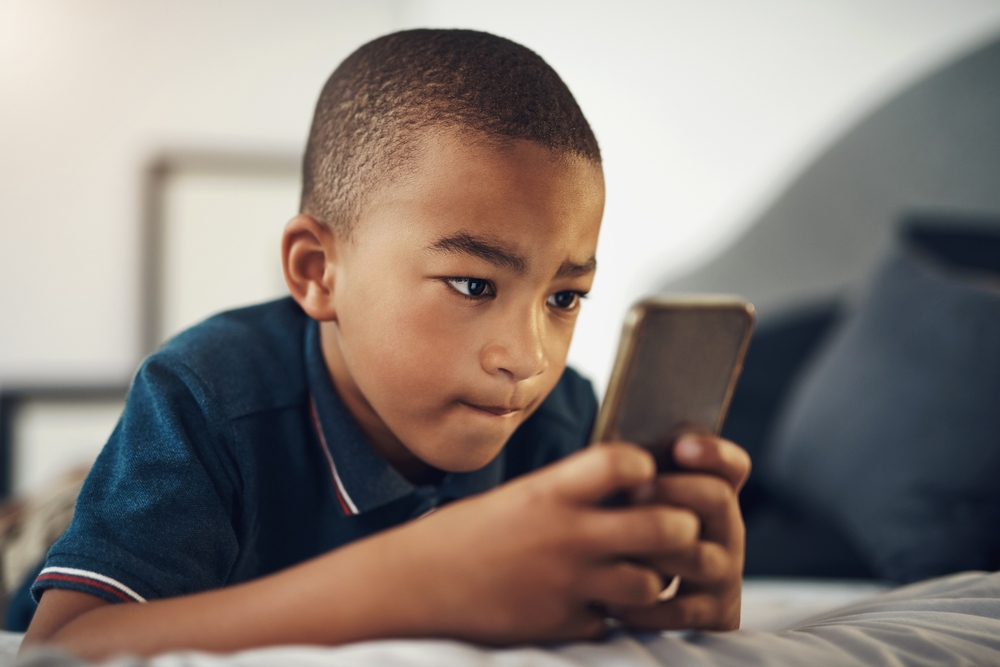
Child Using Tablet
More parents are questioning whether school-issued laptops and tablets are helping or hurting students as concerns grow over excessive screen time, attention problems, sleep disruption, and digital overload. Some schools are now scaling back device programs and reconsidering how much technology children truly need in the classroom. Pexels

For years, schools promoted laptops, tablets, and Chromebooks as essential learning tools. But across the U.S., a growing number of parents are pushing back against school-issued devices, arguing that constant screen exposure is hurting focus, sleep, behavior, and family life. What began as support for digital learning during the pandemic has evolved into a deeper debate about how much technology children actually need in the classroom. Increasingly, parents are asking a once-unthinkable question: Did schools go too far with screens?

Why Parents Are Questioning School-Issued Devices

Many families say school-issued devices have quietly expanded children’s daily screen time beyond what parents intended. A child who already uses screens for homework, entertainment, and communication may now spend six to eight hours using a school laptop before even getting home. Some parents describe a familiar struggle: they enforce screen limits at home, only to discover assignments, quizzes, and even reading time are locked behind digital platforms. The concern is not simply about technology itself but about losing control over how, when, and why children use it. For many households, the classroom screen has become a kitchen conflict.

The Pandemic Changed Everything About Classroom Technology

Before 2020, one-to-one device programs were growing steadily, but the pandemic dramatically accelerated adoption. Schools rushed to distribute laptops and tablets so students could attend virtual classes, submit work, and stay connected. According to the National Center for Education Statistics, by the 2021–2022 school year, 96% of public schools reported providing digital devices to students who needed them. That emergency solution helped millions of children continue learning during lockdowns. Now, however, parents and educators are reexamining whether pandemic-era technology habits should remain the default in traditional classrooms.

Parents Are Raising Concerns About Learning, Attention, and Mental Health

Critics of school-issued devices are not arguing that technology has no educational value. Instead, many question whether heavy daily screen use improves learning outcomes, especially for younger students. Parents report seeing children distracted by games, YouTube, chat functions, and endless browser tabs during lessons that were supposed to be educational. Some also worry about reduced handwriting practice, weaker reading stamina, and growing dependence on digital shortcuts like answer-generating apps. Pediatric experts and researchers have long linked excessive screen use with concerns involving sleep disruption, attention problems, and emotional regulation, making the classroom debate feel more urgent for families already struggling with screen overload.

Some Schools Are Beginning to Pull Back

Interestingly, the backlash is not coming only from parents. Some school districts are starting to scale back school-issued devices for younger grades, limit take-home programs, or return to more paper-based instruction. Other districts have cited rising repair costs, inappropriate device use, and concerns about educational effectiveness when adjusting their policies. These shifts suggest the conversation is moving beyond a simple “technology versus no technology” debate and toward finding a healthier balance. Schools are increasingly under pressure to prove that classroom technology truly supports learning outcomes.

The Bigger Question Parents Want Schools to Answer

The growing parent revolt against school-issued devices reflects a larger concern about childhood, learning, and digital life. Families want evidence that classroom technology genuinely improves education rather than simply replacing paper with pixels. They also want transparency about screen-time expectations, data privacy, and how schools evaluate whether these programs are working. As schools rethink post-pandemic education models, parents are demanding a stronger voice in decisions that affect their children every day. The future of classroom technology may not be less digital, but it will likely face far more scrutiny.

The Real Challenge Is Finding a Smarter Digital Balance

The debate over school-issued devices is not likely to disappear anytime soon. Parents, teachers, and administrators all want students prepared for a digital world, but they may disagree on how much screen exposure is necessary to get there. The strongest solutions will probably combine thoughtful technology use with proven traditional learning methods instead of treating screens as automatic upgrades.

If your child uses school-issued devices every day, do you think they are helping education, hurting focus, or doing a little of both? What changes would you like schools to make regarding classroom technology? Share your thoughts and experiences in the comments — your perspective could help drive an important conversation.

What to Read Next

Why Schools Are Quietly Replacing Librarians with ‘Digital Media Specialists’

6 Ways to Entertain a Toddler for Free Without a Tablet

7 Winter Boredom Busters Under $10 That Teachers Recommend Over Tablets

Evan Morgan

Evan Morgan has been a full-time freelance writer and editor for 10+ years. When not working, he enjoys catching the latest true crime documentary or getting lost in a good book.

Filed Under: Parenting Tagged With: Chromebooks, classroom technology, digital learning, edtech, education, Parenting, school technology, school-issued devices, Screen Time, student mental health

The 5 “Educational” Apps That Teachers Say Are Actually Hurting Grades

February 1, 2026 | Leave a Comment

The 5
Image Source: Shutterstock.com

Parents download them with the best intentions, kids love them instantly, and the marketing promises smarter, faster, better learning. The problem? Teachers across classrooms are noticing a growing disconnect between what these “educational” apps promise and what students actually bring into school.

Many of these platforms look productive on the surface, but they quietly train habits that work against real learning—short attention spans, shallow thinking, and dependence on instant feedback. Grades don’t drop overnight, but teachers say the long-term effects show up in focus, effort, and resilience.

1. Gamified Learning Apps That Reward Speed Over Thinking

Gamified learning apps turn education into points, badges, streaks, and dopamine loops, which sounds great until students stop caring about understanding. Teachers say kids often rush through questions just to keep their streaks alive, clicking answers instead of thinking critically.

Over time, students associate learning with speed, not depth, and accuracy becomes secondary to rewards. This creates classroom habits where students expect constant stimulation and instant validation. When real schoolwork requires patience, revision, and struggle, frustration kicks in fast. A healthier approach is using these apps as occasional practice tools, not daily learning replacements, and pairing them with slower, deeper offline learning.

2. Video-Based Learning Platforms That Encourage Passive Watching

Video learning platforms feel productive because students are “watching lessons,” but teachers report a growing problem with passive consumption. Kids often let videos play without processing, pausing, or applying the information.

Learning turns into background noise instead of active engagement. Teachers notice that students who rely heavily on video apps struggle with recall, problem-solving, and independent thinking. Real learning requires interaction, not just exposure to information. Parents can help by encouraging note-taking, discussion, and application after videos instead of treating watching as learning.

3. Homework Helper Apps That Do Too Much Of The Work

Some apps promise help with homework but end up doing the thinking for the student. Teachers see assignments completed correctly but with no understanding behind the answers. This creates a dangerous illusion of learning where grades may look fine temporarily, but skills collapse during tests and in-class work.

Students lose problem-solving confidence because they rely on tools instead of their own thinking. Over time, academic independence disappears. If kids use help apps, they should explain the reasoning out loud or write out the steps, turning help into learning instead of shortcuts.

4. Study Apps Built On Constant Notifications And Alerts

Many “productivity” and study apps flood students with reminders, streak alerts, and achievement pop-ups. Teachers say this trains kids to depend on external prompts instead of building internal discipline. Focus becomes fragmented because students constantly switch attention between tasks and notifications.

This weakens sustained concentration, which is critical for reading, writing, and complex problem-solving. In class, this shows up as restlessness, distraction, and low mental stamina. Turning off notifications and setting specific app usage times helps rebuild attention control.

The 5
Image Source: Shutterstock.com

5. Educational Games That Blur Learning With Entertainment

Some apps blend games and learning so closely that kids engage more with the entertainment than the education. Teachers report students who love the games but can’t explain what they learned. The brain remembers rewards, characters, and animations, not concepts. This creates surface-level familiarity without deep understanding.

When tested on real material, performance drops because the learning never fully formed. Parents can balance this by pairing educational games with real-world application, like discussing concepts or practicing skills offline.

The Real Issue Isn’t Technology—It’s How It Trains The Brain

Teachers don’t hate educational apps, and most don’t want screens banned from learning. The real issue is how certain apps train attention, motivation, and thinking patterns that clash with how real learning works. Apps that reward speed, shortcuts, and constant stimulation make classrooms harder for students to navigate. Learning requires patience, effort, boredom tolerance, and focus—skills that many apps quietly weaken.

Which app does your child love that you’re now questioning—and what changes are you willing to make to protect their focus and learning long-term? Let’s hear about it below.

You May Also Like…

8 Children’s Apps That Are Secretly Tracking More Than Location

5 Ways Bullying Apps Are Operating Without School Oversight

Should Parents Be Tracking Their Teens with AI-Powered Apps?

How Your Child’s Cell Phone Could Now Ruin Them In School

Should You Let Your Child Keep Their Smartphone Overnight?

Brandon Marcus
Brandon Marcus
Brandon Marcus is a writer who has been sharing the written word since a very young age. His interests include sports, history, pop culture, and so much more. When he isn’t writing, he spends his time jogging, drinking coffee, or attempting to read a long book he may never complete.

Filed Under: Education Tagged With: classroom behavior, digital learning, education apps, homework habits, kids and tech, learning technology, parenting tips, school success, Screen Time, student focus, student performance

9 Ways Modern Classrooms Are Disrupting Childhood Focus

September 22, 2025 | Leave a Comment

9 Ways Modern Classrooms Are Disrupting Childhood Focus
Image source: 123rf.com

School is supposed to be a place where kids learn, grow, and develop strong attention skills. Yet many parents and teachers are noticing that children today struggle more with focus than ever before. Modern classrooms, filled with new technologies, teaching methods, and constant changes, may be part of the problem. While innovation has benefits, it also introduces distractions that compete for students’ attention. Understanding how these issues play out can help parents and educators create better strategies for learning.

1. Overreliance on Digital Devices

One of the most significant ways modern classrooms impact childhood focus is through constant exposure to screens. Tablets, laptops, and smartboards are often used for lessons, but they come with endless distractions. Notifications, games, and internet access can pull a child’s attention away from the teacher. Even when used correctly, switching between apps and platforms reduces concentration. The digital environment can unintentionally encourage multitasking rather than deep learning.

2. Frequent Curriculum Changes

Curriculums today often change quickly to adapt to new educational trends. While flexibility can be positive, it sometimes creates inconsistency that disrupts childhood focus. Children thrive on routine, and constant shifts can leave them confused about expectations. Teachers, too, may struggle to adjust, which trickles down to their students. A lack of stability makes it harder for kids to settle into focused learning habits.

3. Larger Class Sizes

Another challenge in modern classrooms is the increase in class size. With more students to manage, teachers have less time to give individual attention. This environment can cause children who need extra support to lose focus more easily. Noise levels and distractions also rise as classrooms become more crowded. The sheer number of competing voices makes it difficult for any student to concentrate fully.

4. Shortened Attention Spans from Technology

Constant exposure to fast-paced digital media affects how long children can focus. When modern classrooms mirror this environment, kids expect quick stimulation rather than extended concentration. Lessons broken into bite-sized activities may keep attention temporarily but don’t always build endurance. Over time, students lose the ability to stay with one task for longer periods. This shift in learning style can weaken critical thinking and problem-solving skills.

5. Standardized Testing Pressure

High stakes testing plays a major role in education today. Teachers often spend weeks preparing students for exams, creating a stressful atmosphere. The emphasis on test performance can overshadow creative learning opportunities. Many children lose focus because the constant drilling feels repetitive and unengaging. Modern classrooms risk prioritizing scores over curiosity, which damages long-term learning motivation.

6. Constant Multitasking Expectations

Modern education often asks kids to juggle multiple subjects, assignments, and projects at once. This multitasking environment fragments attention and prevents deep learning. Children may complete tasks quickly but without true understanding. The pressure to keep up with everything leaves little room for reflection or focused study. In the end, students are trained to skim rather than master information.

7. Increased Noise and Sensory Overload

Modern classrooms are filled with bright visuals, technology sounds, and constant movement. For some children, especially those sensitive to sensory input, this environment is overwhelming. Sensory overload reduces the ability to focus on lessons. Even simple background noises can derail concentration for several minutes. Creating calmer, quieter spaces could help balance stimulation with focus.

8. Reduced Physical Activity During School Hours

Children learn best when their bodies are active as well as their minds. However, modern classrooms often limit physical activity due to packed schedules and academic pressure. Fewer recess breaks and shorter physical education classes leave kids restless. That pent-up energy translates into reduced attention during lessons. Physical movement is not just exercise; it’s a crucial tool for building focus.

9. Social Media Influence Seeping into School

Even when phones are restricted, the influence of social media is felt inside modern classrooms. Kids carry the weight of online drama, peer comparisons, and the urge to check notifications. These distractions spill over into lessons, pulling focus away from academics. The culture of instant gratification reinforces short attention spans. Without boundaries, social media continues to chip away at children’s ability to concentrate.

Protecting Childhood Focus in a Distracting World

While modern classrooms bring innovation, they also pose unique challenges to children’s ability to focus. Overloaded schedules, digital distractions, and constant changes create an environment where attention struggles to thrive. Parents and teachers can help by setting boundaries around technology, encouraging routine, and making time for physical activity. Supporting focus requires more than academic strategies—it calls for rethinking how we balance innovation with stability. By addressing these issues, we can give kids the tools to truly concentrate and succeed.

Do you think modern classrooms help or hurt children’s ability to focus? Share your thoughts in the comments below.

What to Read Next…

7 Reasons You Shouldn’t Waste Money on Private Schools

Are Parental Rights Being Ignored in Public School Curriculums?

8 School Rules That Should’ve Changed Decades Ago

Here’s Why School Supplies Continue to Cost More and More Every Year

Is Your Child’s School Quietly Tracking Their Location Without Your Consent?

Catherine Reed
Catherine Reed

Catherine is a tech-savvy writer who has focused on the personal finance space for more than eight years. She has a Bachelor’s in Information Technology and enjoys showcasing how tech can simplify everyday personal finance tasks like budgeting, spending tracking, and planning for the future. Additionally, she’s explored the ins and outs of the world of side hustles and loves to share what she’s learned along the way. When she’s not working, you can find her relaxing at home in the Pacific Northwest with her two cats or enjoying a cup of coffee at her neighborhood cafe.

Filed Under: Education Tagged With: childhood focus, classroom challenges, digital learning, education, modern classrooms, Parenting, student attention

  • Facebook
  • Pinterest
  • RSS
  • Twitter

Basic Principles Of Good Parenting

Here some basic principles for good parenting:

  1. What You Do Matters: Your kids are watching you. So, be purposeful about what you want to accomplish.
  2. You Can’t be Too Loving: Don’t replace love with material possessions, lowered expectations or leniency.
  3. Be Involved Your Kids Life: Arrange your priorities to focus on what your kid’s needs. Be there mentally and physically.
  4. Adapt Your Parenting: Children grow quickly, so keep pace with your child’s development.
  5. Establish and Set Rules: The rules you set for children will establish the rules they set for themselves later.  Avoid harsh discipline and be consistent.
  6. Explain Your Decisions: What is obvious to you may not be evident to your child. They don’t have the experience you do.
  7. Be Respectful To Your Child: How you treat your child is how they will treat others.  Be polite, respectful and make an effort to pay attention.
Best Parenting Blogs

Most Popular

11 Ways Kids Are Outsmarting Parental Controls 1. Using Alternate Devices One common trick is simply turning to another device. If a child’s main phone or tablet is restricted, they may borrow a sibling’s, friend’s, or even a school laptop. This instantly gives them access to content outside of parental oversight. Parents often focus on one device, forgetting that others in the household can serve as loopholes. Knowing this tactic helps families tighten controls across all electronics. 2. Clearing Browsing Histories Many kids quickly learn that clearing browsing history hides evidence of restricted activity. With just a few clicks, they can erase any trace of websites visited. This makes it harder for parents to notice when rules are being broken. Parents may assume no history means no browsing, but the reality is often the opposite. Kids are outsmarting parental controls by making it seem like nothing happened at all. 3. Using Private Browsing Modes Most browsers offer “incognito” or private browsing features. Kids use this mode to access websites without leaving a record in the history. To parents checking later, everything looks clean and safe. This simple trick is often one of the first ways kids discover how to bypass restrictions. Conversations about private browsing can help close this gap. 4. Guessing or Resetting Passwords Children who are persistent may try to guess passwords to parental control apps or accounts. Others may find ways to reset them through email prompts or security questions. Once inside, they can disable restrictions entirely. Parents may not even realize controls have been altered until much later. Stronger, less predictable passwords can make this more difficult. 5. Using VPNs to Hide Activity Virtual private networks, or VPNs, let kids disguise their online locations. With one downloaded app, they can bypass geographic or parental restrictions. Some children learn about VPNs through friends or even social media. This makes it easy for them to reach content that should be blocked. Parents often underestimate just how simple it is for kids to use these tools. 6. Creating Fake Accounts When parents monitor social media, kids may create hidden accounts. These “finstas” or fake profiles allow them to interact freely without parental oversight. While their main account appears harmless, the secondary one tells a different story. Kids are outsmarting parental controls by playing both sides at once. Checking for duplicate accounts can help parents stay more aware. 7. Exploiting Time Zone Settings Some kids change the time zone on their devices to bypass screen time limits. This trick allows them to gain extra hours of usage undetected. Parents may assume controls are working, but in reality, the child is bending the clock. It’s a clever loophole that highlights just how resourceful kids can be. Monitoring device settings regularly can catch this tactic. 8. Disabling or Uninstalling Apps Parental control apps can be deleted or disabled with surprising ease. Some kids even reinstall them before a parent checks, making it seem like nothing changed. Others may simply restrict permissions to prevent apps from functioning properly. When apps aren’t monitored closely, parents may not notice they’ve been tampered with. This shows the importance of consistent follow-up. 9. Turning to Friends for Access If a child can’t get past restrictions on their own, they may rely on friends. Visiting a friend’s house or borrowing their phone can give them a free pass. Parents often forget that peer environments can override restrictions set at home. This kind of social workaround is especially common with gaming or social media. Open conversations about trust and responsibility are essential. 10. Hiding Apps in Plain Sight Kids sometimes download apps that look innocent but serve as gateways to hidden activity. These apps may disguise themselves as calculators or utilities. In reality, they allow file storage, private messaging, or browser access. Parents glancing at a home screen may overlook them entirely. Learning to recognize these disguised apps can help parents stay informed. 11. Outpacing Parents’ Tech Knowledge Finally, kids often know more about devices than their parents do. Whether through YouTube tutorials, TikTok hacks, or peer groups, they quickly learn advanced workarounds. This knowledge gap means controls can be bypassed before parents even realize the loophole exists. Staying informed and continually learning about new technology is the best defense. Kids are outsmarting parental controls because they adapt faster than most adults. The Real Solution Lies Beyond Restrictions While controls and filters are important, no system is perfect. Kids will always find creative ways around barriers, making communication the strongest safeguard. Setting clear expectations, building trust, and having ongoing conversations about online behavior matter more than apps alone. Parents who combine technology with open dialogue create a safer digital environment. The goal isn’t to win a battle of wits but to build a relationship that keeps kids both safe and honest. Do you think kids are outsmarting parental controls faster than parents can keep up? Share your experiences in the comments below. What to Read Next... 6 Parenting Tech Shortcuts That Can Expose Your Child to Strangers How Much Screen Time Is Too Much—Legally Speaking? Is Your Child’s School Quietly Tracking Their Location Without Your Consent? How Much Screen Time Is Quietly Reshaping Childhood Behavior? Why Some Parents Are Being Investigated Over Homeschooling Records

11 Ways Kids Are Outsmarting Parental Controls

Catherine Reed
Smiling grandfather holding a happy baby indoors.

Why Grandparents Shouldn’t Babysit Their Grandkids Every Week – The Unspoken Issue

Samantha
Girl getting makeup done, referencing psychologist-approved age.

Wearing Makeup: Here Is the Age That Psychologists Agree It’s Okay for Girls to Wear Makeup

Samantha
birthday gifts

7 Birthday Gifts Your Child Should Never Bring to a Party

Latrice Perez

Babysitting Without Cash: 10 Ways to Barter Your Way Out of Childcare Costs

Ashleigh Clyde

All content on Kids Ain’t Cheap is for entertainment purposes only. By reading this blog, you agree that Kids Ain’t Cheap is not responsible for any actions taken after reading this blog. For the full disclaimer, see our privacy policy.

Please note that Kids Ain’t Cheap has financial relationships with some of the merchants mentioned here. Kids Ain’t Cheap is funded by banner advertising, commission sales and search optimization consulting.

Copyright © 2006–2026 | District Media | All Rights Reserved | Privacy Policy

Copyright © 2026 Runway Pro Theme by Viva la Violette