• Home
  • About Us
  • Toolkit
  • Archives
  • Advertise
  • Privacy Policy

Kids Ain't Cheap

But They Sure Are Worth It

  • Parenting
    • Baby Stuff
    • Books and Reading
      • Aesops Fables
      • Comic Books
    • Education
    • Family Time
    • Green Living
    • Growing Up
    • Healthy Living & Eating
    • Holidays
    • Parenting
    • Random Musings
    • Shopping
    • Stuff to Do
  • Money
  • Product Reviews
    • Books and Magazines
    • Discount Sites
    • Furniture
    • House Keeping
    • Reviews News
    • Toys and Games
  • Contact Us
  • Our Editorial Commitment
  • Search

School Counselors Report a Rise in Severe Anxiety Among Younger Students

June 27, 2026 | Leave a Comment

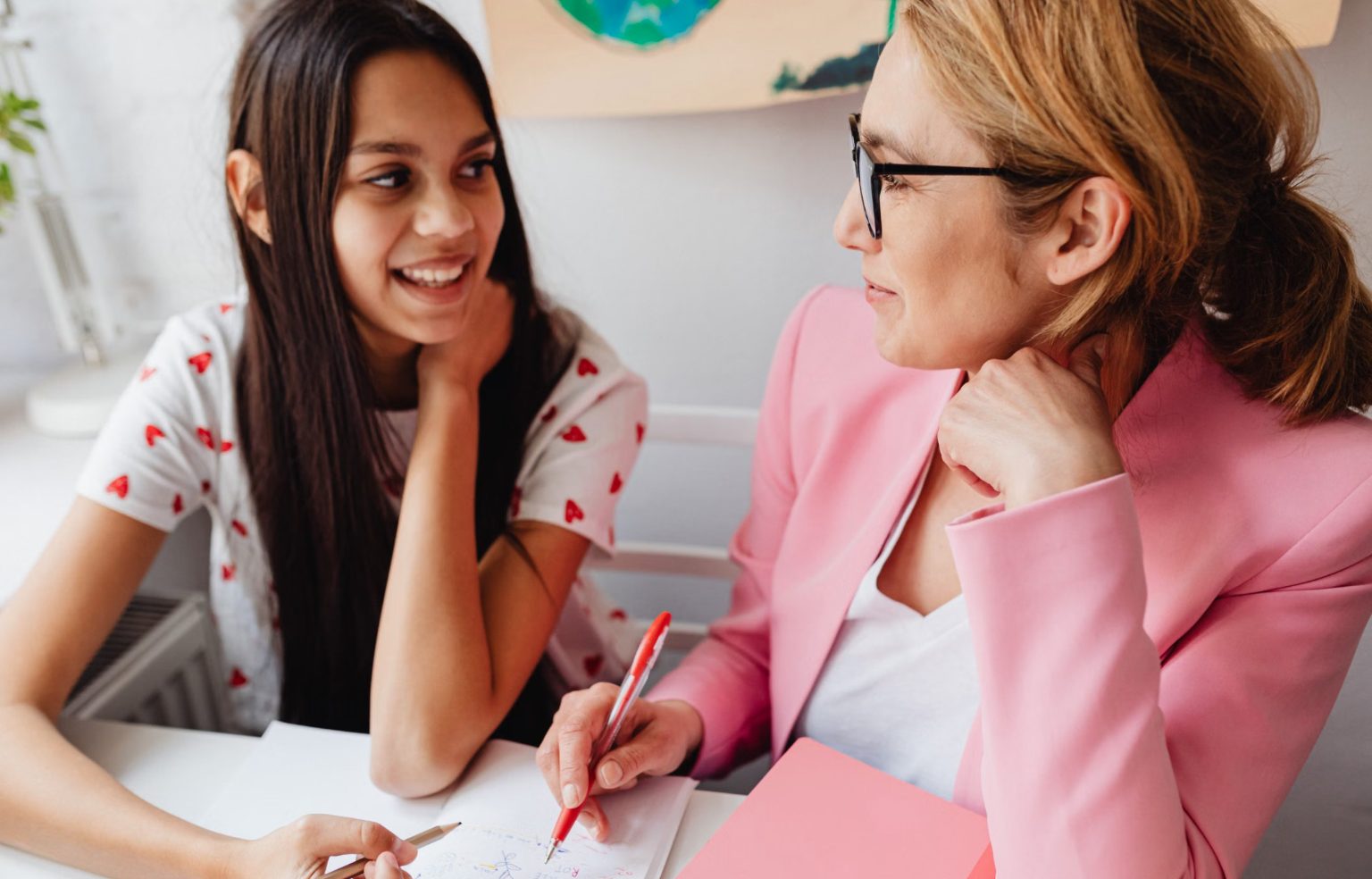
School Counselor With Student
School counselors say more elementary students are seeking help for severe anxiety, highlighting the importance of early support from families, schools, and mental health professionals. (Pexels).

Elementary school counselors across the country say they’re seeing severe anxiety in children at younger ages than they did even a decade ago, with persistent fears now interfering with learning, friendships, and everyday life for many elementary students. National data show that anxiety has become one of the most common mental health conditions affecting children, while schools continue to report growing demand for counseling services. Parents, teachers, and mental health professionals are increasingly working together to recognize the warning signs before anxiety begins to disrupt a child’s development.

School districts across the country continue reporting growing demand for student mental health services, while counselor caseloads often exceed recommended levels. As a result, school counselors are frequently among the first professionals to recognize when ordinary childhood worries have developed into anxiety that affects learning and daily functioning.

Younger Children Are Facing Bigger Emotional Challenges

School counselors say anxiety is no longer limited to middle or high school students, with elementary-aged children increasingly seeking emotional support. Some children worry excessively about school performance, family finances, social situations, or world events they hear about online. Others experience physical symptoms such as stomachaches, headaches, trouble sleeping, or school refusal without an obvious medical cause.

According to the Centers for Disease Control and Prevention, about 11% of U.S. children ages 3 to 17 have a current diagnosed anxiety disorder, although many more experience symptoms without receiving a formal diagnosis. Mental health experts emphasize that early recognition often leads to better long-term outcomes. Experts note that occasional nervousness before a test or a new experience is a normal part of childhood. The concern arises when fear becomes persistent, difficult to control, or begins interfering with school, friendships, sleep, or everyday activities.

Why Counselors Are Seeing More Severe Anxiety

Experts believe several factors are contributing to the increase in childhood anxiety. Academic expectations have grown, while children are exposed to more information through smartphones, social media, and around-the-clock news coverage than previous generations. Many students are also still coping with lingering social and emotional effects from the pandemic, even years after classrooms fully reopened.

Mental health experts caution that anxiety rarely has a single cause. Instead, it often develops through a combination of temperament, family history, stressful experiences, academic pressure, and environmental factors.

Family stress, economic uncertainty, and reduced opportunities for unstructured play may further increase emotional strain. Research also shows that schools nationwide are reporting higher demand for school-based mental health services than in previous years.

Recognizing the Warning Signs Early

An anxious child does not always appear nervous or withdrawn. Some become irritable, avoid classroom participation, complain of frequent physical discomfort, or have emotional outbursts over small changes in routine. For example, a second-grade student who once loved school may suddenly beg to stay home every morning because anxiety feels overwhelming rather than because of behavioral problems.

Counselors say some younger students become overwhelmed by routine events that once felt manageable, such as classroom presentations, fire drills, standardized testing, or even saying goodbye to a parent at morning drop-off.

Parents should pay attention when worries persist for weeks, interfere with normal activities, or significantly affect sleep, appetite, or friendships. Seeking guidance early from a pediatrician, school counselor, or licensed mental health professional can help prevent symptoms from becoming more severe.

Helping Children Feel Safe Starts With Listening

The growing rise in childhood anxiety reminds us that emotional health deserves the same attention as physical health. Children often communicate distress through behavior before they have the words to explain what they are feeling, making patient listening especially important. Experts recommend maintaining predictable routines, encouraging open conversations about worries, acknowledging children’s fears without reinforcing them through repeated reassurance, and seeking professional help if anxiety begins interfering with school, sleep, friendships, or daily activities.

When parents and educators respond with understanding instead of dismissal, children are more likely to develop healthy coping skills and seek help when needed. Anxiety is highly treatable, especially when it’s recognized early. The sooner children receive appropriate support, the more likely they are to develop healthy coping skills, build resilience, and carry those strengths with them into adolescence and adulthood.

What changes have you noticed in children’s emotional well-being over the past few years, and what strategies have worked for your family or community? Share your thoughts in the comments and join the conversation.

What to Read Next

School Counselors Say More Children Are Masking Autism Symptoms Until Burnout Hits

Counselors Say This ‘Normal’ Social Habit Is Fueling Anxiety in Kids — And Parents Are Missing It

School Counselors Flag a Growing Social Trend Raising Anxiety in Kids Under 12

Evan Morgan

Evan Morgan has been a full-time freelance writer and editor for 10+ years. When not working, he enjoys catching the latest true crime documentary or getting lost in a good book.

Filed Under: Education Tagged With: anxiety in children, childhood anxiety, education, elementary school, emotional wellness, family health, Mental Health, Parenting, school counselors, student mental health

6 Behavioral Trends School Psychologists Are Seeing This Year

June 22, 2026 | Leave a Comment

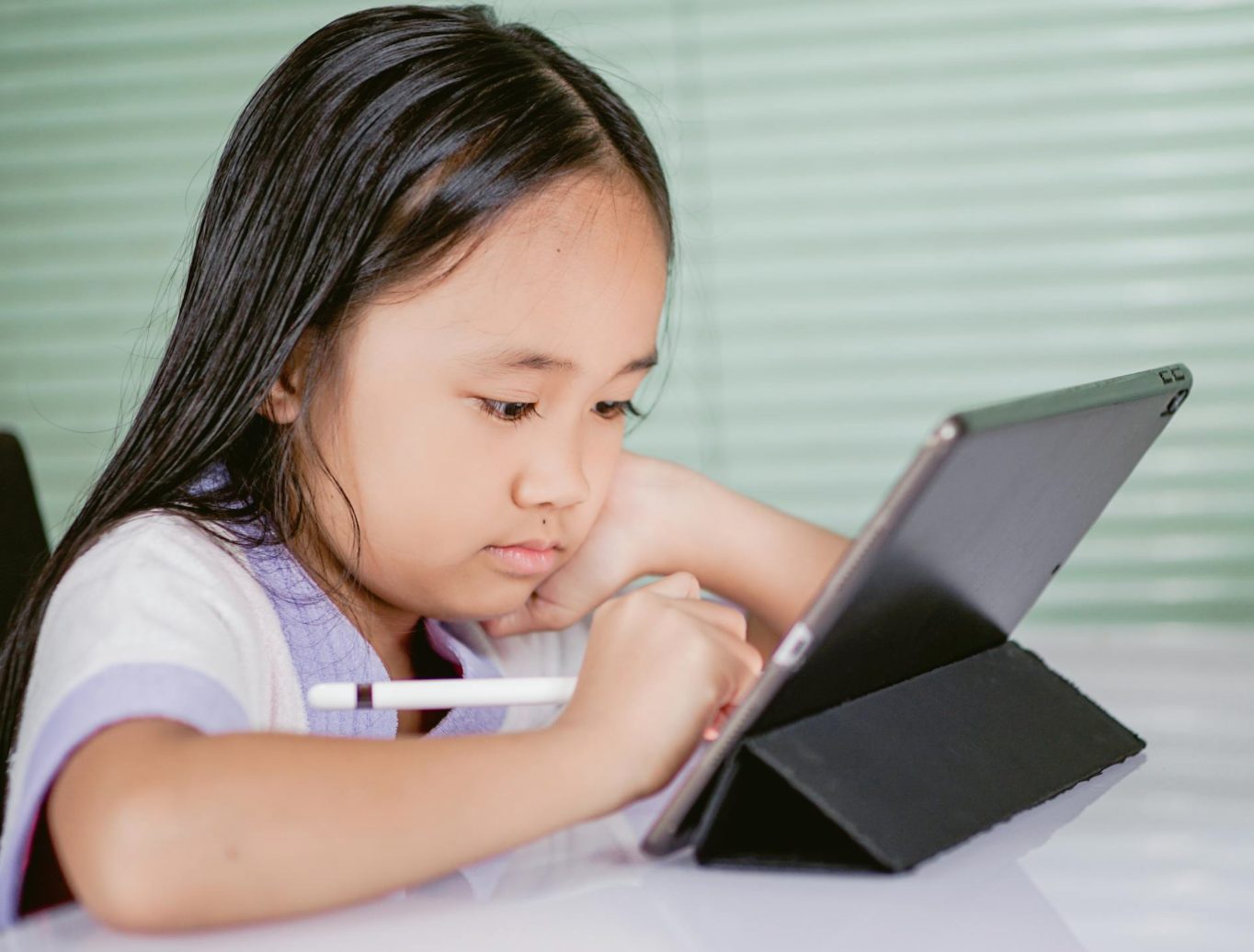
Therapist
School psychologists are seeing growing concerns involving anxiety, emotional regulation, attention, and social skills as students navigate today’s classroom environment. (Pexels).

School psychologists are on the front lines of student mental health, behavior, and learning challenges every day. As classrooms continue to evolve, they are noticing several behavioral trends that are affecting students across elementary, middle, and high schools. While every child is different, many of these patterns are appearing consistently in schools nationwide and are shaping how educators respond. Understanding these behavioral trends can help parents, teachers, and caregivers better support students before small concerns become bigger problems.

1. Emotional Regulation Challenges Are Becoming More Common

One of the most noticeable behavioral trends involves students struggling to manage frustration, disappointment, and stress. School psychologists report that younger children, in particular, are showing more emotional outbursts, difficulty calming themselves, and lower frustration tolerance than they did several years ago. The American Psychological Association has noted that educators continue to see increases in emotional dysregulation, disruptive behavior, and bullying among younger students. These behaviors often appear after routine classroom setbacks rather than major conflicts. Early intervention through emotional coaching, social-emotional learning, and consistent routines can make a significant difference before behaviors escalate.

2. Anxiety Is Affecting Everyday School Life

Anxiety is no longer limited to major tests or presentations. School psychologists increasingly see students who worry about friendships, grades, family issues, social media, and even everyday classroom participation. Some children visit the nurse frequently, avoid group activities, or become unusually quiet instead of expressing their concerns directly. Parents sometimes mistake these behaviors for shyness when they may actually reflect significant anxiety that deserves attention. Identifying anxiety early allows families and schools to work together before it begins interfering with academic success or attendance.

3. Chronic Absenteeism and Disengagement Continue to Rise

Another important behavioral trend involves students becoming emotionally disconnected from school. Educators are reporting that chronic absenteeism, frequent tardiness, and reduced classroom participation remain ongoing concerns even as schools return to more typical routines. Missing school consistently often leads to weaker peer relationships, learning gaps, and declining confidence that becomes harder to reverse over time. School psychologists frequently work with families to uncover the underlying reasons, which may include anxiety, bullying, transportation issues, or family stress. Addressing the root cause instead of simply enforcing attendance policies produces much better long-term outcomes.

4. Technology Is Shortening Attention Spans

Digital devices have transformed learning, but they have also created new behavioral challenges inside classrooms. School psychologists increasingly observe students struggling to maintain attention during lessons without frequent digital stimulation or instant feedback. Constant notifications, entertainment, and multitasking outside school can make traditional classroom instruction feel less engaging for some students. Many schools are responding with cellphone restrictions and more structured classroom routines that encourage sustained focus. These changes are helping many students rebuild attention skills while creating healthier boundaries around technology use.

5. Social Skills Need More Practice Than Before

Many students are finding face-to-face communication more difficult than in previous years. School psychologists report seeing increased misunderstandings between classmates, conflict resolution challenges, and difficulty interpreting social cues during everyday interactions. Students who spend more time communicating through screens may have fewer opportunities to practice reading body language or resolving disagreements in person. Small group activities, peer mentoring, and cooperative classroom projects give students valuable opportunities to strengthen these important life skills. Developing healthy relationships remains just as essential as academic achievement.

6. Students Are More Willing to Talk About Mental Health

One encouraging behavioral trend is that many students are becoming more comfortable discussing their emotions and asking for help. School psychologists say today’s students are generally more aware of mental health than previous generations and often recognize when they or their friends need support. While increased awareness does not eliminate challenges, it reduces stigma and encourages earlier intervention. Schools are expanding counseling services, peer support programs, and social-emotional learning initiatives to meet this growing need whenever resources allow. Open conversations between students, parents, teachers, and mental health professionals create stronger support systems that benefit everyone involved.

Why These Behavioral Trends Matter for Every Family

Behavioral trends are not predictions about every child, but they do provide valuable insight into the challenges many students currently face. Parents should remember that behavioral changes often communicate unmet emotional or developmental needs rather than simple misbehavior. Staying engaged with teachers, asking open-ended questions after school, and seeking professional guidance when concerns persist can make a lasting difference. Early support is often the most effective intervention, helping students develop resilience, confidence, and healthier coping skills.

Which of these behavioral trends have you noticed in your child’s school or community? Share your thoughts and experiences in the comments to help continue the conversation.

What to Read Next

5 Therapy Options That May Help Children With Behavioral Challenges

Illinois Parents Say School Behavior Policies Are Disproportionately Impacting Autistic Kids

New Jersey Autism Support: Behavioral Therapy Resources Increase

Evan Morgan

Evan Morgan has been a full-time freelance writer and editor for 10+ years. When not working, he enjoys catching the latest true crime documentary or getting lost in a good book.
Filed Under: Education Tagged With: anxiety, behavioral trends, child development, classroom behavior, education, Parenting, school psychology, student mental health

The Growing Parent Revolt Against School-Issued Devices

June 2, 2026 | Leave a Comment

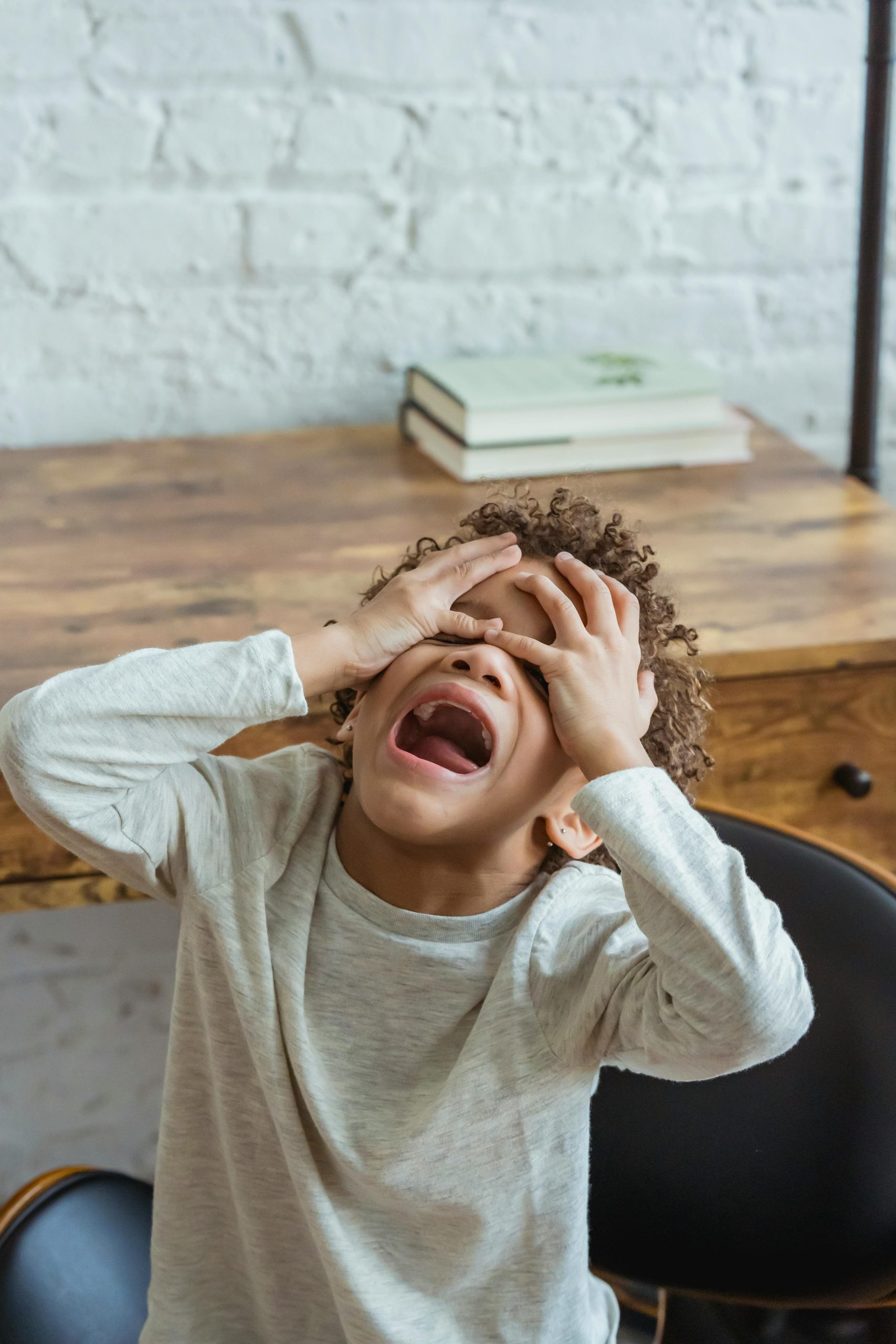
Child Using Tablet
More parents are questioning whether school-issued laptops and tablets are helping or hurting students as concerns grow over excessive screen time, attention problems, sleep disruption, and digital overload. Some schools are now scaling back device programs and reconsidering how much technology children truly need in the classroom. Pexels

For years, schools promoted laptops, tablets, and Chromebooks as essential learning tools. But across the U.S., a growing number of parents are pushing back against school-issued devices, arguing that constant screen exposure is hurting focus, sleep, behavior, and family life. What began as support for digital learning during the pandemic has evolved into a deeper debate about how much technology children actually need in the classroom. Increasingly, parents are asking a once-unthinkable question: Did schools go too far with screens?

Why Parents Are Questioning School-Issued Devices

Many families say school-issued devices have quietly expanded children’s daily screen time beyond what parents intended. A child who already uses screens for homework, entertainment, and communication may now spend six to eight hours using a school laptop before even getting home. Some parents describe a familiar struggle: they enforce screen limits at home, only to discover assignments, quizzes, and even reading time are locked behind digital platforms. The concern is not simply about technology itself but about losing control over how, when, and why children use it. For many households, the classroom screen has become a kitchen conflict.

The Pandemic Changed Everything About Classroom Technology

Before 2020, one-to-one device programs were growing steadily, but the pandemic dramatically accelerated adoption. Schools rushed to distribute laptops and tablets so students could attend virtual classes, submit work, and stay connected. According to the National Center for Education Statistics, by the 2021–2022 school year, 96% of public schools reported providing digital devices to students who needed them. That emergency solution helped millions of children continue learning during lockdowns. Now, however, parents and educators are reexamining whether pandemic-era technology habits should remain the default in traditional classrooms.

Parents Are Raising Concerns About Learning, Attention, and Mental Health

Critics of school-issued devices are not arguing that technology has no educational value. Instead, many question whether heavy daily screen use improves learning outcomes, especially for younger students. Parents report seeing children distracted by games, YouTube, chat functions, and endless browser tabs during lessons that were supposed to be educational. Some also worry about reduced handwriting practice, weaker reading stamina, and growing dependence on digital shortcuts like answer-generating apps. Pediatric experts and researchers have long linked excessive screen use with concerns involving sleep disruption, attention problems, and emotional regulation, making the classroom debate feel more urgent for families already struggling with screen overload.

Some Schools Are Beginning to Pull Back

Interestingly, the backlash is not coming only from parents. Some school districts are starting to scale back school-issued devices for younger grades, limit take-home programs, or return to more paper-based instruction. Other districts have cited rising repair costs, inappropriate device use, and concerns about educational effectiveness when adjusting their policies. These shifts suggest the conversation is moving beyond a simple “technology versus no technology” debate and toward finding a healthier balance. Schools are increasingly under pressure to prove that classroom technology truly supports learning outcomes.

The Bigger Question Parents Want Schools to Answer

The growing parent revolt against school-issued devices reflects a larger concern about childhood, learning, and digital life. Families want evidence that classroom technology genuinely improves education rather than simply replacing paper with pixels. They also want transparency about screen-time expectations, data privacy, and how schools evaluate whether these programs are working. As schools rethink post-pandemic education models, parents are demanding a stronger voice in decisions that affect their children every day. The future of classroom technology may not be less digital, but it will likely face far more scrutiny.

The Real Challenge Is Finding a Smarter Digital Balance

The debate over school-issued devices is not likely to disappear anytime soon. Parents, teachers, and administrators all want students prepared for a digital world, but they may disagree on how much screen exposure is necessary to get there. The strongest solutions will probably combine thoughtful technology use with proven traditional learning methods instead of treating screens as automatic upgrades.

If your child uses school-issued devices every day, do you think they are helping education, hurting focus, or doing a little of both? What changes would you like schools to make regarding classroom technology? Share your thoughts and experiences in the comments — your perspective could help drive an important conversation.

What to Read Next

Why Schools Are Quietly Replacing Librarians with ‘Digital Media Specialists’

6 Ways to Entertain a Toddler for Free Without a Tablet

7 Winter Boredom Busters Under $10 That Teachers Recommend Over Tablets

Evan Morgan

Evan Morgan has been a full-time freelance writer and editor for 10+ years. When not working, he enjoys catching the latest true crime documentary or getting lost in a good book.

Filed Under: Parenting Tagged With: Chromebooks, classroom technology, digital learning, edtech, education, Parenting, school technology, school-issued devices, Screen Time, student mental health

School Counselors Flag a Growing Social Trend Raising Anxiety in Kids Under 12

February 23, 2026 | Leave a Comment

social trend raising anxiety
Image source: Pexels.com

A simple request for a smartphone often ends with children feeling judged before middle school. We are witnessing a quiet crisis of anxiety among children under twelve. These stress levels once belonged only in high-stakes corporate environments. School counselors now flag a specific digital comparison cycle that rewires how kids interact. This shift means every social move is documented and debated. You must understand these hidden mechanisms before pressure breaks your child’s confidence.

The Digital Mirror Shattering Self-Esteem

The average age for a first social media interaction continues to drop. This trend brings an endless loop of judgment and perfectionism. Counselors see nine-year-olds obsessed with their digital image. Such obsession leads to a new form of performance anxiety. In 2026, the pressure to be enough is a 24/7 digital reality. It follows children into their bedrooms and haunts their private spaces.

Constant exposure to idealized peer lives makes real-world connection feel risky. Our current digital systems optimize for engagement rather than emotional care. Algorithms often push kids into isolation because they fear they do not measure up. Counselors notice this trend manifests as executive dysfunction in the classroom. Students are not lazy; they are simply exhausted from a social race they cannot win.

The Trap of Avoidance in Schools

Systems designed to help anxious children might actually worsen the problem. Many schools now remove stressors like public speaking or group projects. However, experts argue this robs children of the chance to build resilience. Anxiety feeds on avoidance. By accommodating every nervous feeling, we teach kids that the world is dangerous. This creates a cycle where children feel less capable over time.

Persistent hopelessness among youth has reached an all-time high. Almost one in three students now reports chronic sadness. Taking away the phone is not the only solution. We must rebuild the social-emotional skills eroded by digital immersion. Counselors urge a shift toward primary prevention. This means teaching resilience before a crisis hits. Kids need tools to handle real-world discomfort rather than reasons to hide from it.

Building Resilience in a Connected World

Your child’s strength is greater than their anxiety suggests. To combat this trend, prioritize low-stakes opportunities for real-world belonging. Kids need to practice relationship skills without a camera present. Modeling a willingness to face your own fears helps your child find courage. We must shift from a culture of comparison to a culture of competence.

Setting clear digital boundaries encourages face-to-face vulnerability. This helps your child reclaim a childhood defined by growth. You can replace fear with connection through intentional daily habits. Supporting their offline interests builds a foundation that digital likes cannot provide. Focus on progress rather than perfection to foster genuine self-esteem.

Have you noticed your child becoming more anxious about their social image lately? Share your observations in the comments so we can support each other.

What to Read Next…

  • Therapists Warn: The 5 Conversation Mistakes Making Your Child Withdraw
  • How Your Childs Cell Phone Could Now Ruin Them In School
  • The Trump Account for Kids: How to Get the $1,000 Pilot Contribution for Your Child
Latrice Perez

Latrice is a dedicated professional with a rich background in social work, complemented by an Associate Degree in the field. Her journey has been uniquely shaped by the rewarding experience of being a stay-at-home mom to her two children, aged 13 and 5. This role has not only been a testament to her commitment to family but has also provided her with invaluable life lessons and insights.  As a mother, Latrice has embraced the opportunity to educate her children on essential life skills, with a special focus on financial literacy.

Filed Under: Parenting Tagged With: building resilience, childhood anxiety, digital mental health, digital wellness, parenting tips, school counseling, social comparison, social media impact, student mental health, youth anxiety trends

Why Are So Many Kids With Good Grades Feeling Depressed?

October 26, 2025 | Leave a Comment

Why Are So Many Kids With Good Grades Feeling Depressed?
Image source: shutterstock.com

It’s easy to assume that straight-A students are thriving. After all, high achievement often looks like a sign of confidence, stability, and success. But behind the honor rolls and scholarships, a growing number of kids with good grades are quietly struggling with anxiety, exhaustion, and depression. The pressure to perform, combined with social expectations and emotional burnout, can make academic success feel more like a burden than an accomplishment. Understanding what’s driving this trend is essential for helping students find balance and genuine well-being.

The Pressure of Constant Performance

Many kids with good grades who feel depressed are overwhelmed by the nonstop demand to excel. School systems, parents, and even peers often equate academic success with self-worth. This creates an environment where students feel like every test or project defines their value. Instead of learning for curiosity or enjoyment, they study to avoid failure or disappointment. The relentless cycle of competition leaves little room for rest, creativity, or self-acceptance, causing mental and emotional strain to build over time.

The Fear of Failure and Perfectionism

Perfectionism is another major factor behind kids with good grades feeling depressed. For some students, anything less than an A feels like personal failure. They internalize mistakes as reflections of character rather than natural parts of learning. This mindset can lead to chronic stress, sleep deprivation, and self-criticism, even when they’re achieving more than most of their peers. Over time, the fear of slipping up can overshadow their accomplishments, turning success into a source of anxiety instead of pride.

Social Comparison in the Age of Achievement

Social media has intensified the emotional pressure that already comes with being high-achieving. Kids with good grades who feel depressed often compare their performance, activities, and accomplishments to those of others online. Seeing peers post about awards, college acceptances, or “perfect” study routines can create a sense of inadequacy, even when they’re doing well. This constant exposure to comparison can make students feel like they’re never doing enough. The result is a quiet, pervasive sense of failure despite visible success.

Lack of Emotional Outlets and Balance

For many students, academic success comes at the cost of emotional and physical balance. Kids with good grades who feel depressed may have schedules packed with AP classes, extracurriculars, and part-time jobs, leaving no time to relax or reflect. Hobbies, social connections, and downtime—key parts of emotional health—often take a back seat. When every minute of the day is tied to productivity, burnout becomes inevitable. Without emotional outlets, even minor setbacks can feel like insurmountable failures.

Limited Support for Mental Health in Schools

Schools often celebrate achievement more than well-being. Counselors may be overworked or focused primarily on college preparation rather than emotional support. Kids with good grades who feel depressed can go unnoticed because they don’t display obvious warning signs. Teachers and parents may assume that because grades are strong, everything else must be fine. The lack of proactive mental health education and accessible counseling leaves high-achieving students without the tools to manage stress in healthy ways.

Family Expectations and Unspoken Pressure

Parents naturally want their children to succeed, but high expectations can sometimes turn into unspoken pressure. Kids with good grades who feel depressed often feel responsible for maintaining family pride or meeting standards that seem impossible to relax. Even well-meaning encouragement—like celebrating every success—can make students fear disappointing their parents. The pressure to “make everyone proud” can cause them to hide their struggles to avoid appearing ungrateful or weak. Over time, this isolation deepens their emotional distress.

The Disconnect Between External Success and Inner Fulfillment

Perhaps the most painful reason kids with good grades are feeling depressed is that success doesn’t always lead to happiness. Achieving goals that others set—or that no longer align with personal values—can leave students feeling empty. They might realize that high grades aren’t solving deeper questions about purpose, belonging, or identity. When effort stops feeling meaningful, motivation fades, and depression can take hold. Helping students reconnect with intrinsic purpose rather than performance metrics is key to breaking this cycle.

Creating a Healthier Definition of Success

Academic excellence should never come at the expense of mental health. Parents, teachers, and communities can help by redefining success as balance, curiosity, and resilience rather than perfection. Encouraging kids to rest, explore, and fail safely teaches them that worth isn’t tied to GPA. It’s also crucial to talk openly about stress and emotions, even with students who appear to be “doing great.” True success comes when kids feel supported, understood, and free to pursue growth without fear.

Have you noticed kids with good grades struggling emotionally? What do you think schools and families can do to help them find balance? Share your thoughts in the comments below!

What to Read Next…

  • What If They’re Not Fine? 4 Critical Questions To Ask Your Child’s Mental Health Professional
  • 7 Signs Your Kids Are Struggling With Anxiety You Keep Calling “Just a Phase”
  • The Curse of Wealth: 15 Reasons Why Wealthy Kids Struggle with Mental Health and Happiness
  • Mental Health Crisis: 4 Critical Questions About Your Child’s Mental Health
  • How to Help a Teen With Depression – Tips for Parents
Catherine Reed
Catherine Reed

Catherine is a tech-savvy writer who has focused on the personal finance space for more than eight years. She has a Bachelor’s in Information Technology and enjoys showcasing how tech can simplify everyday personal finance tasks like budgeting, spending tracking, and planning for the future. Additionally, she’s explored the ins and outs of the world of side hustles and loves to share what she’s learned along the way. When she’s not working, you can find her relaxing at home in the Pacific Northwest with her two cats or enjoying a cup of coffee at her neighborhood cafe.

Filed Under: Mental Health Tagged With: academic pressure, education and well-being, emotional wellness, parenting advice, school stress, student mental health, teen depression

  • Facebook
  • Pinterest
  • RSS
  • Twitter

Basic Principles Of Good Parenting

Here some basic principles for good parenting:

  1. What You Do Matters: Your kids are watching you. So, be purposeful about what you want to accomplish.
  2. You Can’t be Too Loving: Don’t replace love with material possessions, lowered expectations or leniency.
  3. Be Involved Your Kids Life: Arrange your priorities to focus on what your kid’s needs. Be there mentally and physically.
  4. Adapt Your Parenting: Children grow quickly, so keep pace with your child’s development.
  5. Establish and Set Rules: The rules you set for children will establish the rules they set for themselves later.  Avoid harsh discipline and be consistent.
  6. Explain Your Decisions: What is obvious to you may not be evident to your child. They don’t have the experience you do.
  7. Be Respectful To Your Child: How you treat your child is how they will treat others.  Be polite, respectful and make an effort to pay attention.
Best Parenting Blogs

Most Popular

Baby

9 Baby Names That Sound Rare Without Being Hard to Spell

Evan Morgan
Baby

9 Unusual Baby Names That Sound Like They Belong to Future CEOs

Evan Morgan
Target Store

Choking Incident Prompts Recall of 49,000 Target Gigglescape “Under the Sea” Popping Toys

Evan Morgan
Frustrated Girl

Why Some Students on the Spectrum Are Labeled With ODD

Evan Morgan
Coke Bottles

12 Things Kids Took to School in the ’70s That Would Never Be Allowed Today

Evan Morgan

All content on Kids Ain’t Cheap is for entertainment purposes only. By reading this blog, you agree that Kids Ain’t Cheap is not responsible for any actions taken after reading this blog. For the full disclaimer, see our privacy policy.

Please note that Kids Ain’t Cheap has financial relationships with some of the merchants mentioned here. Kids Ain’t Cheap is funded by banner advertising, commission sales and search optimization consulting.

Copyright © 2006–2026 | District Media | All Rights Reserved | Privacy Policy

Copyright © 2026 Runway Pro Theme by Viva la Violette