• Home
  • About Us
  • Toolkit
  • Archives
  • Advertise
  • Privacy Policy

Kids Ain't Cheap

But They Sure Are Worth It

  • Parenting
    • Baby Stuff
    • Books and Reading
      • Aesops Fables
      • Comic Books
    • Education
    • Family Time
    • Green Living
    • Growing Up
    • Healthy Living & Eating
    • Holidays
    • Parenting
    • Random Musings
    • Shopping
    • Stuff to Do
  • Money
  • Product Reviews
    • Books and Magazines
    • Discount Sites
    • Furniture
    • House Keeping
    • Reviews News
    • Toys and Games
  • Contact Us
  • Our Editorial Commitment
  • Search

Psychology Warning: Why Paying Cash for “A” Grades Creates Anxiety, Not Success

February 4, 2026 | Leave a Comment

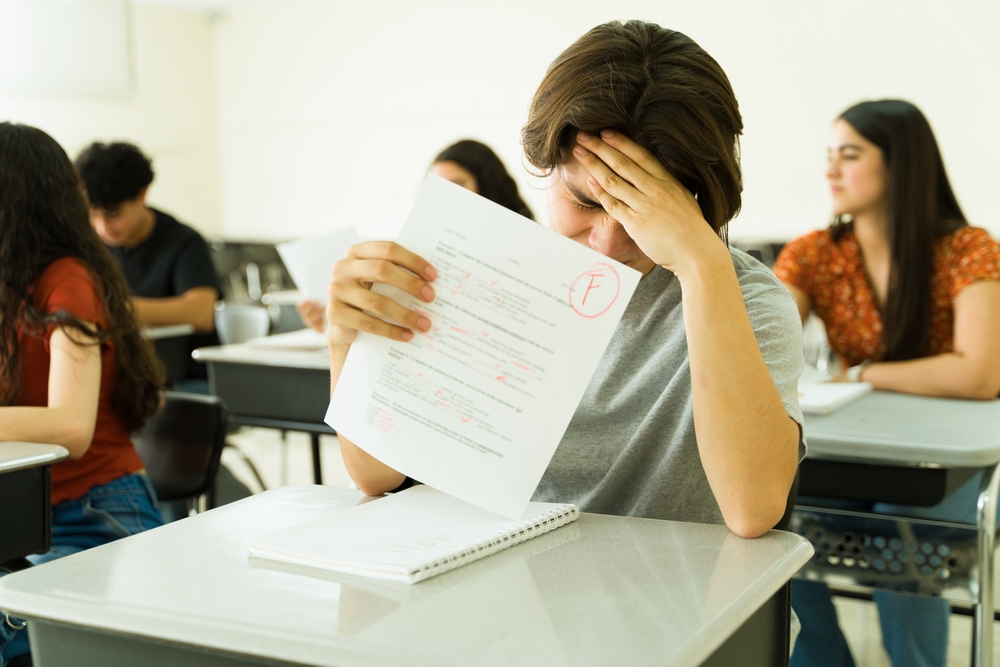
Why Paying Cash for
Image Source: Shutterstock.com

It sounds like a simple, well-meaning deal: “Get an A, get cash.” No yelling, no grounding, no lectures—just a clean transaction between effort and reward.

On the surface, it feels smart, modern, even motivational. Who wouldn’t work harder if there’s money on the table? But psychology has been quietly waving a red flag for decades, and the message is clear: paying students for grades doesn’t build confident learners—it often builds anxious performers.

Instead of creating long-term success, this system can rewire how kids see learning, achievement, and even their own self-worth. And once that wiring sets in, it’s surprisingly hard to undo.

The Brain Doesn’t Learn for Cash, It Learns for Meaning

The human brain doesn’t naturally learn for external rewards. It learns for meaning, curiosity, and mastery. Psychologists call this intrinsic motivation—the internal drive to understand, explore, and improve because the activity itself feels valuable. When you attach money to grades, you replace that internal motivation with extrinsic motivation, which is driven by rewards and punishments instead of interest and purpose.

This matters because research consistently shows that when external rewards dominate, intrinsic motivation tends to shrink. Students start asking, “What do I get for this?” instead of “What can I learn from this?” Learning becomes a transaction, not a journey. That shift can make school feel hollow, mechanical, and stressful rather than meaningful and engaging. It’s not that kids stop working—it’s that they stop caring in a healthy way.

When Achievement Becomes a Transaction, Anxiety Takes Over

Cash-for-grades systems quietly change how students experience pressure. Instead of seeing school as a place to grow, they begin to see it as a performance arena where every mistake has a price tag. That creates a psychological environment where fear replaces curiosity.

Anxiety thrives in transactional systems because failure stops being feedback and becomes a personal loss. A low grade isn’t just information about learning gaps—it’s lost money, disappointment, and sometimes shame. This pressure can push students toward perfectionism, fear of risk-taking, and avoidance of challenging subjects. They may choose easier classes, safer paths, and predictable outcomes just to protect their reward system.

Why Paying Cash for
Image Source: Shutterstock.com

Short-Term Results, Long-Term Damage

Yes, paying for grades can boost performance in the short term. That’s not a myth. Behavioral psychology shows that rewards can increase specific behaviors quickly. The problem is what happens next. Once the reward disappears, so does the motivation.

This creates a dangerous dependency loop: students begin to associate effort only with compensation. Without payment, the work feels pointless. Over time, they struggle to self-motivate, procrastinate more, and feel disconnected from learning unless there’s a tangible reward attached. This doesn’t prepare them for college, careers, or adulthood—because real life doesn’t pay you for effort, only for outcomes, persistence, and long-term growth.

What Actually Builds Motivation Without Anxiety

Motivation that lasts comes from autonomy, mastery, and purpose. When students feel some control over their learning, see themselves improving, and understand why what they’re learning matters, motivation becomes internal and stable.

Practical alternatives work better than cash. Praise their effort, strategy, and persistence instead of result. Also, reward learning behaviors (study habits, consistency, improvement) rather than the grades themselves.

These approaches don’t eliminate pressure—but they transform it into healthy challenge instead of fear-based stress. Students still care about success, but they don’t collapse when things go wrong.

Why “Success” Without Emotional Stability Isn’t Real Success

A student with perfect grades and constant anxiety isn’t thriving—they’re surviving. Emotional stability, confidence, adaptability, and self-trust matter just as much as academic performance. When motivation is built on money and fear of failure, success becomes fragile.

Real success looks like resilience, curiosity, persistence, and emotional regulation. It looks like students who can fail, adjust, and try again without spiraling. It looks like young people who believe effort matters even when no one is watching. Grades matter, yes—but mental health, identity, and motivation systems matter more in the long run.

Raising Learners, Not Performers

The goal isn’t to raise kids who chase rewards. It’s to raise humans who know how to learn, adapt, and grow in a changing world. Paying for grades creates performers. Building intrinsic motivation creates learners. One survives systems. The other thrives in them.

If you want lasting success, trade transactions for trust. Trade fear for growth. Trade pressure for purpose. The grades will follow—but the confidence, resilience, and emotional health will last much longer than any cash reward ever could.

So what do you think—should motivation come from money, meaning, or something in between? Share your thoughts in the comments.

You May Also Like…

Nutritionists Warn: 6 “Healthy” Lunchbox Staples That Spike Sugar Crashes at School

Teachers Beg Parents: Stop Buying These 7 Expensive School Supplies

Parenting Hacks for College Students: 8 Tips to Juggle Studies and Kids

4 (More) Great Part Time Job Options for College Students

The 5 “Educational” Apps That Teachers Say Are Actually Hurting Grades

Brandon Marcus
Brandon Marcus
Brandon Marcus is a writer who has been sharing the written word since a very young age. His interests include sports, history, pop culture, and so much more. When he isn’t writing, he spends his time jogging, drinking coffee, or attempting to read a long book he may never complete.

Filed Under: Education Tagged With: academic pressure, anxiety, child development, education, family dynamics, intrinsic motivation, learning science, Mental Health, Motivation, Parenting, psychology, student success

Why Are So Many Kids With Good Grades Feeling Depressed?

October 26, 2025 | Leave a Comment

Why Are So Many Kids With Good Grades Feeling Depressed?
Image source: shutterstock.com

It’s easy to assume that straight-A students are thriving. After all, high achievement often looks like a sign of confidence, stability, and success. But behind the honor rolls and scholarships, a growing number of kids with good grades are quietly struggling with anxiety, exhaustion, and depression. The pressure to perform, combined with social expectations and emotional burnout, can make academic success feel more like a burden than an accomplishment. Understanding what’s driving this trend is essential for helping students find balance and genuine well-being.

The Pressure of Constant Performance

Many kids with good grades who feel depressed are overwhelmed by the nonstop demand to excel. School systems, parents, and even peers often equate academic success with self-worth. This creates an environment where students feel like every test or project defines their value. Instead of learning for curiosity or enjoyment, they study to avoid failure or disappointment. The relentless cycle of competition leaves little room for rest, creativity, or self-acceptance, causing mental and emotional strain to build over time.

The Fear of Failure and Perfectionism

Perfectionism is another major factor behind kids with good grades feeling depressed. For some students, anything less than an A feels like personal failure. They internalize mistakes as reflections of character rather than natural parts of learning. This mindset can lead to chronic stress, sleep deprivation, and self-criticism, even when they’re achieving more than most of their peers. Over time, the fear of slipping up can overshadow their accomplishments, turning success into a source of anxiety instead of pride.

Social Comparison in the Age of Achievement

Social media has intensified the emotional pressure that already comes with being high-achieving. Kids with good grades who feel depressed often compare their performance, activities, and accomplishments to those of others online. Seeing peers post about awards, college acceptances, or “perfect” study routines can create a sense of inadequacy, even when they’re doing well. This constant exposure to comparison can make students feel like they’re never doing enough. The result is a quiet, pervasive sense of failure despite visible success.

Lack of Emotional Outlets and Balance

For many students, academic success comes at the cost of emotional and physical balance. Kids with good grades who feel depressed may have schedules packed with AP classes, extracurriculars, and part-time jobs, leaving no time to relax or reflect. Hobbies, social connections, and downtime—key parts of emotional health—often take a back seat. When every minute of the day is tied to productivity, burnout becomes inevitable. Without emotional outlets, even minor setbacks can feel like insurmountable failures.

Limited Support for Mental Health in Schools

Schools often celebrate achievement more than well-being. Counselors may be overworked or focused primarily on college preparation rather than emotional support. Kids with good grades who feel depressed can go unnoticed because they don’t display obvious warning signs. Teachers and parents may assume that because grades are strong, everything else must be fine. The lack of proactive mental health education and accessible counseling leaves high-achieving students without the tools to manage stress in healthy ways.

Family Expectations and Unspoken Pressure

Parents naturally want their children to succeed, but high expectations can sometimes turn into unspoken pressure. Kids with good grades who feel depressed often feel responsible for maintaining family pride or meeting standards that seem impossible to relax. Even well-meaning encouragement—like celebrating every success—can make students fear disappointing their parents. The pressure to “make everyone proud” can cause them to hide their struggles to avoid appearing ungrateful or weak. Over time, this isolation deepens their emotional distress.

The Disconnect Between External Success and Inner Fulfillment

Perhaps the most painful reason kids with good grades are feeling depressed is that success doesn’t always lead to happiness. Achieving goals that others set—or that no longer align with personal values—can leave students feeling empty. They might realize that high grades aren’t solving deeper questions about purpose, belonging, or identity. When effort stops feeling meaningful, motivation fades, and depression can take hold. Helping students reconnect with intrinsic purpose rather than performance metrics is key to breaking this cycle.

Creating a Healthier Definition of Success

Academic excellence should never come at the expense of mental health. Parents, teachers, and communities can help by redefining success as balance, curiosity, and resilience rather than perfection. Encouraging kids to rest, explore, and fail safely teaches them that worth isn’t tied to GPA. It’s also crucial to talk openly about stress and emotions, even with students who appear to be “doing great.” True success comes when kids feel supported, understood, and free to pursue growth without fear.

Have you noticed kids with good grades struggling emotionally? What do you think schools and families can do to help them find balance? Share your thoughts in the comments below!

What to Read Next…

  • What If They’re Not Fine? 4 Critical Questions To Ask Your Child’s Mental Health Professional
  • 7 Signs Your Kids Are Struggling With Anxiety You Keep Calling “Just a Phase”
  • The Curse of Wealth: 15 Reasons Why Wealthy Kids Struggle with Mental Health and Happiness
  • Mental Health Crisis: 4 Critical Questions About Your Child’s Mental Health
  • How to Help a Teen With Depression – Tips for Parents
Catherine Reed
Catherine Reed

Catherine is a tech-savvy writer who has focused on the personal finance space for more than eight years. She has a Bachelor’s in Information Technology and enjoys showcasing how tech can simplify everyday personal finance tasks like budgeting, spending tracking, and planning for the future. Additionally, she’s explored the ins and outs of the world of side hustles and loves to share what she’s learned along the way. When she’s not working, you can find her relaxing at home in the Pacific Northwest with her two cats or enjoying a cup of coffee at her neighborhood cafe.

Filed Under: Mental Health Tagged With: academic pressure, education and well-being, emotional wellness, parenting advice, school stress, student mental health, teen depression

Can School Be Bad For Your Child?

March 27, 2025 | Leave a Comment

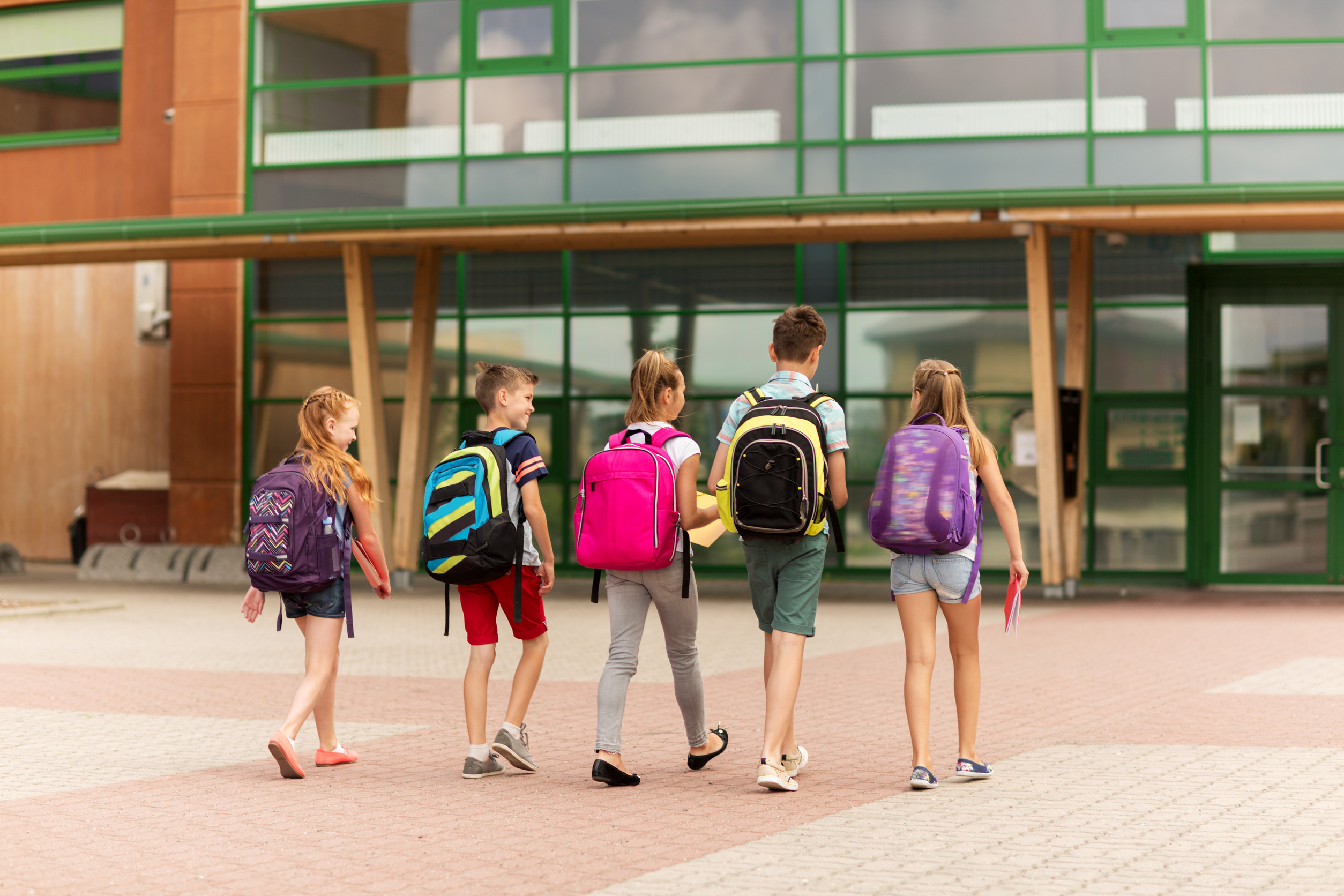
primary education, friendship, childhood and people concept - group of happy elementary school students with backpacks walking outdoors from back
Image Source: 123rf.com

School is often viewed as the cornerstone of a child’s future success, yet for some, the traditional educational environment can have unintended negative effects. Academic pressure, social challenges, and a one-size-fits-all approach to learning can leave some children feeling stressed and undervalued. This article explores how school might sometimes be detrimental to a child’s development and overall well-being. By examining the potential drawbacks of conventional schooling, parents can become better advocates for their children’s needs. Let’s delve into the challenges and explore potential solutions.

Academic Pressure and Mental Health

The drive for academic excellence can place enormous stress on children, often leading to anxiety and burnout. High expectations and heavy workloads leave little time for creative exploration or relaxation. This constant pressure can diminish a child’s love of learning and impair their mental health. When academic demands are too intense, children may feel overwhelmed and unmotivated. Balancing rigorous academics with emotional support is crucial for a healthy educational experience.

Social Challenges and Bullying

Schools are complex social environments where children learn to navigate friendships and peer pressure. Unfortunately, bullying and social exclusion are common issues that can significantly impact a child’s self-esteem. Negative interactions with peers can lead to long-lasting emotional distress and hinder social development. Addressing these challenges requires proactive measures from educators and parents alike. Creating a safe and inclusive environment is essential for fostering both academic and social well-being.

The One-Size-Fits-All Approach

Young schoolgirls and schoolboys studying in classroom during their lesson.
Image Source: 123rf.com

Traditional schooling often relies on a standardized curriculum that may not suit every child’s learning style. This rigid approach can leave some students feeling bored or overwhelmed, particularly if they struggle to keep up with the pace. Recognizing and accommodating individual differences is key to effective education. Personalized learning plans can better cater to each child’s unique needs. Adapting the system to be more flexible benefits not only individual students but society as a whole.

Impact on Creativity and Curiosity

Overemphasis on standardized testing and rote memorization can stifle a child’s natural curiosity and creativity. When the focus is solely on getting the right answers, children may be less inclined to explore new ideas or ask questions. This can hinder the development of critical thinking and innovation. Encouraging creative problem-solving is vital for personal growth and long-term success. Schools that nurture curiosity help students build a robust foundation for lifelong learning.

Physical Health Considerations

The sedentary nature of traditional classroom settings can negatively affect a child’s physical health. Extended periods of sitting, combined with limited physical activity, can contribute to issues like obesity and poor fitness. Incorporating regular physical activity and outdoor time into the school day is essential. A healthy balance between academics and physical movement can enhance overall well-being and concentration. Schools that prioritize physical health help children thrive both mentally and physically.

Balanced Education

While school is a critical component of a child’s development, it’s important to acknowledge its potential drawbacks. By addressing issues such as academic pressure, social challenges, and the need for personalized learning, parents and educators can work together to create a more balanced educational experience. This approach not only supports academic success but also fosters emotional and physical well-being.

What changes do you believe could improve your child’s school experience? Share your thoughts and suggestions in the comments below.

Read More:

Is Homeschooling Cheaper Than Public School? 10 Surprising Costs to Consider

Get to Know the Expenses of Private School Programs for Your Children

Tamila McDonald
Tamila McDonald

Tamila McDonald is a U.S. Army veteran with 20 years of service, including five years as a military financial advisor. After retiring from the Army, she spent eight years as an AFCPE-certified personal financial advisor for wounded warriors and their families. Now she writes about personal finance and benefits programs for numerous financial websites.

Filed Under: Parenting Tagged With: academic pressure, alternative education, child development, education, school environment

  • Facebook
  • Pinterest
  • RSS
  • Twitter

Basic Principles Of Good Parenting

Here some basic principles for good parenting:

  1. What You Do Matters: Your kids are watching you. So, be purposeful about what you want to accomplish.
  2. You Can’t be Too Loving: Don’t replace love with material possessions, lowered expectations or leniency.
  3. Be Involved Your Kids Life: Arrange your priorities to focus on what your kid’s needs. Be there mentally and physically.
  4. Adapt Your Parenting: Children grow quickly, so keep pace with your child’s development.
  5. Establish and Set Rules: The rules you set for children will establish the rules they set for themselves later.  Avoid harsh discipline and be consistent.
  6. Explain Your Decisions: What is obvious to you may not be evident to your child. They don’t have the experience you do.
  7. Be Respectful To Your Child: How you treat your child is how they will treat others.  Be polite, respectful and make an effort to pay attention.
Best Parenting Blogs

Most Popular

Baby names

Teachers Admit: These 6 Baby Names Create Instant Bias in the Classroom

Latrice Perez
6 Baby Names That Sound Cute Now but Cause Problems Later

6 Baby Names That Sound Cute Now but Cause Problems Later

Brandon Marcus
11 Ways Kids Are Outsmarting Parental Controls 1. Using Alternate Devices One common trick is simply turning to another device. If a child’s main phone or tablet is restricted, they may borrow a sibling’s, friend’s, or even a school laptop. This instantly gives them access to content outside of parental oversight. Parents often focus on one device, forgetting that others in the household can serve as loopholes. Knowing this tactic helps families tighten controls across all electronics. 2. Clearing Browsing Histories Many kids quickly learn that clearing browsing history hides evidence of restricted activity. With just a few clicks, they can erase any trace of websites visited. This makes it harder for parents to notice when rules are being broken. Parents may assume no history means no browsing, but the reality is often the opposite. Kids are outsmarting parental controls by making it seem like nothing happened at all. 3. Using Private Browsing Modes Most browsers offer “incognito” or private browsing features. Kids use this mode to access websites without leaving a record in the history. To parents checking later, everything looks clean and safe. This simple trick is often one of the first ways kids discover how to bypass restrictions. Conversations about private browsing can help close this gap. 4. Guessing or Resetting Passwords Children who are persistent may try to guess passwords to parental control apps or accounts. Others may find ways to reset them through email prompts or security questions. Once inside, they can disable restrictions entirely. Parents may not even realize controls have been altered until much later. Stronger, less predictable passwords can make this more difficult. 5. Using VPNs to Hide Activity Virtual private networks, or VPNs, let kids disguise their online locations. With one downloaded app, they can bypass geographic or parental restrictions. Some children learn about VPNs through friends or even social media. This makes it easy for them to reach content that should be blocked. Parents often underestimate just how simple it is for kids to use these tools. 6. Creating Fake Accounts When parents monitor social media, kids may create hidden accounts. These “finstas” or fake profiles allow them to interact freely without parental oversight. While their main account appears harmless, the secondary one tells a different story. Kids are outsmarting parental controls by playing both sides at once. Checking for duplicate accounts can help parents stay more aware. 7. Exploiting Time Zone Settings Some kids change the time zone on their devices to bypass screen time limits. This trick allows them to gain extra hours of usage undetected. Parents may assume controls are working, but in reality, the child is bending the clock. It’s a clever loophole that highlights just how resourceful kids can be. Monitoring device settings regularly can catch this tactic. 8. Disabling or Uninstalling Apps Parental control apps can be deleted or disabled with surprising ease. Some kids even reinstall them before a parent checks, making it seem like nothing changed. Others may simply restrict permissions to prevent apps from functioning properly. When apps aren’t monitored closely, parents may not notice they’ve been tampered with. This shows the importance of consistent follow-up. 9. Turning to Friends for Access If a child can’t get past restrictions on their own, they may rely on friends. Visiting a friend’s house or borrowing their phone can give them a free pass. Parents often forget that peer environments can override restrictions set at home. This kind of social workaround is especially common with gaming or social media. Open conversations about trust and responsibility are essential. 10. Hiding Apps in Plain Sight Kids sometimes download apps that look innocent but serve as gateways to hidden activity. These apps may disguise themselves as calculators or utilities. In reality, they allow file storage, private messaging, or browser access. Parents glancing at a home screen may overlook them entirely. Learning to recognize these disguised apps can help parents stay informed. 11. Outpacing Parents’ Tech Knowledge Finally, kids often know more about devices than their parents do. Whether through YouTube tutorials, TikTok hacks, or peer groups, they quickly learn advanced workarounds. This knowledge gap means controls can be bypassed before parents even realize the loophole exists. Staying informed and continually learning about new technology is the best defense. Kids are outsmarting parental controls because they adapt faster than most adults. The Real Solution Lies Beyond Restrictions While controls and filters are important, no system is perfect. Kids will always find creative ways around barriers, making communication the strongest safeguard. Setting clear expectations, building trust, and having ongoing conversations about online behavior matter more than apps alone. Parents who combine technology with open dialogue create a safer digital environment. The goal isn’t to win a battle of wits but to build a relationship that keeps kids both safe and honest. Do you think kids are outsmarting parental controls faster than parents can keep up? Share your experiences in the comments below. What to Read Next... 6 Parenting Tech Shortcuts That Can Expose Your Child to Strangers How Much Screen Time Is Too Much—Legally Speaking? Is Your Child’s School Quietly Tracking Their Location Without Your Consent? How Much Screen Time Is Quietly Reshaping Childhood Behavior? Why Some Parents Are Being Investigated Over Homeschooling Records

11 Ways Kids Are Outsmarting Parental Controls

Catherine Reed
Smiling grandfather holding a happy baby indoors.

Why Grandparents Shouldn’t Babysit Their Grandkids Every Week – The Unspoken Issue

Samantha
birthday gifts

7 Birthday Gifts Your Child Should Never Bring to a Party

Latrice Perez

All content on Kids Ain’t Cheap is for entertainment purposes only. By reading this blog, you agree that Kids Ain’t Cheap is not responsible for any actions taken after reading this blog. For the full disclaimer, see our privacy policy.

Please note that Kids Ain’t Cheap has financial relationships with some of the merchants mentioned here. Kids Ain’t Cheap is funded by banner advertising, commission sales and search optimization consulting.

Copyright © 2006–2026 | District Media | All Rights Reserved | Privacy Policy

Copyright © 2026 Runway Pro Theme by Viva la Violette