• Home
  • About Us
  • Toolkit
  • Archives
  • Advertise
  • Privacy Policy

Kids Ain't Cheap

But They Sure Are Worth It

  • Parenting
    • Baby Stuff
    • Books and Reading
      • Aesops Fables
      • Comic Books
    • Education
    • Family Time
    • Green Living
    • Growing Up
    • Healthy Living & Eating
    • Holidays
    • Parenting
    • Random Musings
    • Shopping
    • Stuff to Do
  • Money
  • Product Reviews
    • Books and Magazines
    • Discount Sites
    • Furniture
    • House Keeping
    • Reviews News
    • Toys and Games
  • Contact Us
  • Our Editorial Commitment
  • Search

6 Behavioral Trends School Psychologists Are Seeing This Year

June 22, 2026 | Leave a Comment

Therapist
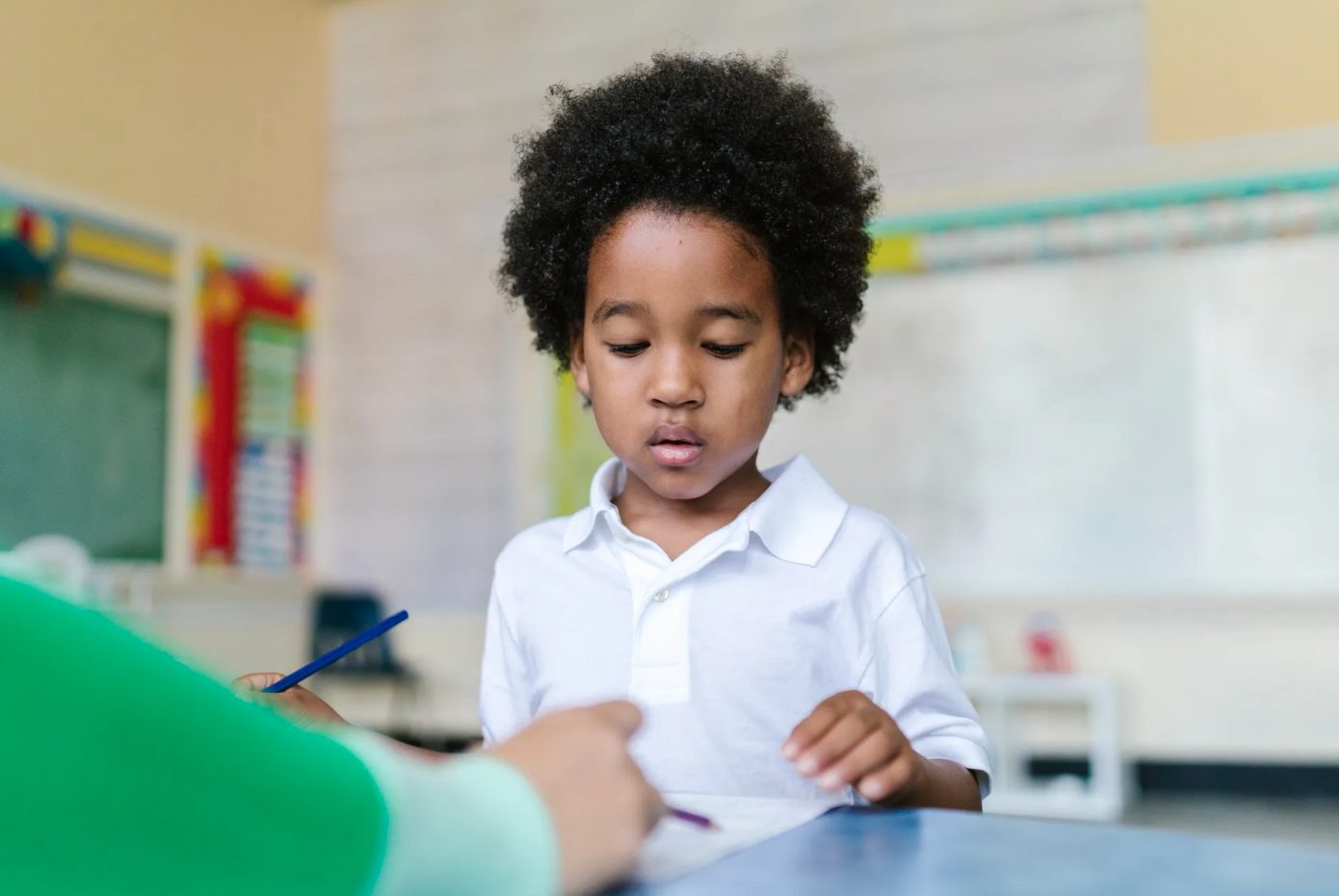
School psychologists are seeing growing concerns involving anxiety, emotional regulation, attention, and social skills as students navigate today’s classroom environment. (Pexels).

School psychologists are on the front lines of student mental health, behavior, and learning challenges every day. As classrooms continue to evolve, they are noticing several behavioral trends that are affecting students across elementary, middle, and high schools. While every child is different, many of these patterns are appearing consistently in schools nationwide and are shaping how educators respond. Understanding these behavioral trends can help parents, teachers, and caregivers better support students before small concerns become bigger problems.

1. Emotional Regulation Challenges Are Becoming More Common

One of the most noticeable behavioral trends involves students struggling to manage frustration, disappointment, and stress. School psychologists report that younger children, in particular, are showing more emotional outbursts, difficulty calming themselves, and lower frustration tolerance than they did several years ago. The American Psychological Association has noted that educators continue to see increases in emotional dysregulation, disruptive behavior, and bullying among younger students. These behaviors often appear after routine classroom setbacks rather than major conflicts. Early intervention through emotional coaching, social-emotional learning, and consistent routines can make a significant difference before behaviors escalate.

2. Anxiety Is Affecting Everyday School Life

Anxiety is no longer limited to major tests or presentations. School psychologists increasingly see students who worry about friendships, grades, family issues, social media, and even everyday classroom participation. Some children visit the nurse frequently, avoid group activities, or become unusually quiet instead of expressing their concerns directly. Parents sometimes mistake these behaviors for shyness when they may actually reflect significant anxiety that deserves attention. Identifying anxiety early allows families and schools to work together before it begins interfering with academic success or attendance.

3. Chronic Absenteeism and Disengagement Continue to Rise

Another important behavioral trend involves students becoming emotionally disconnected from school. Educators are reporting that chronic absenteeism, frequent tardiness, and reduced classroom participation remain ongoing concerns even as schools return to more typical routines. Missing school consistently often leads to weaker peer relationships, learning gaps, and declining confidence that becomes harder to reverse over time. School psychologists frequently work with families to uncover the underlying reasons, which may include anxiety, bullying, transportation issues, or family stress. Addressing the root cause instead of simply enforcing attendance policies produces much better long-term outcomes.

4. Technology Is Shortening Attention Spans

Digital devices have transformed learning, but they have also created new behavioral challenges inside classrooms. School psychologists increasingly observe students struggling to maintain attention during lessons without frequent digital stimulation or instant feedback. Constant notifications, entertainment, and multitasking outside school can make traditional classroom instruction feel less engaging for some students. Many schools are responding with cellphone restrictions and more structured classroom routines that encourage sustained focus. These changes are helping many students rebuild attention skills while creating healthier boundaries around technology use.

5. Social Skills Need More Practice Than Before

Many students are finding face-to-face communication more difficult than in previous years. School psychologists report seeing increased misunderstandings between classmates, conflict resolution challenges, and difficulty interpreting social cues during everyday interactions. Students who spend more time communicating through screens may have fewer opportunities to practice reading body language or resolving disagreements in person. Small group activities, peer mentoring, and cooperative classroom projects give students valuable opportunities to strengthen these important life skills. Developing healthy relationships remains just as essential as academic achievement.

6. Students Are More Willing to Talk About Mental Health

One encouraging behavioral trend is that many students are becoming more comfortable discussing their emotions and asking for help. School psychologists say today’s students are generally more aware of mental health than previous generations and often recognize when they or their friends need support. While increased awareness does not eliminate challenges, it reduces stigma and encourages earlier intervention. Schools are expanding counseling services, peer support programs, and social-emotional learning initiatives to meet this growing need whenever resources allow. Open conversations between students, parents, teachers, and mental health professionals create stronger support systems that benefit everyone involved.

Why These Behavioral Trends Matter for Every Family

Behavioral trends are not predictions about every child, but they do provide valuable insight into the challenges many students currently face. Parents should remember that behavioral changes often communicate unmet emotional or developmental needs rather than simple misbehavior. Staying engaged with teachers, asking open-ended questions after school, and seeking professional guidance when concerns persist can make a lasting difference. Early support is often the most effective intervention, helping students develop resilience, confidence, and healthier coping skills.

Which of these behavioral trends have you noticed in your child’s school or community? Share your thoughts and experiences in the comments to help continue the conversation.

What to Read Next

5 Therapy Options That May Help Children With Behavioral Challenges

Illinois Parents Say School Behavior Policies Are Disproportionately Impacting Autistic Kids

New Jersey Autism Support: Behavioral Therapy Resources Increase

Evan Morgan

Evan Morgan has been a full-time freelance writer and editor for 10+ years. When not working, he enjoys catching the latest true crime documentary or getting lost in a good book.
Filed Under: Education Tagged With: anxiety, behavioral trends, child development, classroom behavior, education, Parenting, school psychology, student mental health

The ‘Good at School, Meltdown at Home’ Pattern More Families Are Talking About

May 25, 2026 | Leave a Comment

Kid In School
Many children nowadays function during school but crash when they get home – Pexels

Some children walk into school smiling, follow directions, finish assignments, and even get praised as “easy students.” Then they come home and everything changes. A simple question about homework can trigger tears, yelling, or total emotional shutdown. The good at school meltdown at home pattern is becoming a familiar conversation among parents, teachers, and mental health professionals trying to understand what is happening behind closed doors.

Why Some Kids Hold It Together All Day — Then Fall Apart at Home

For many children, school demands intense emotional effort that adults do not always see. They may spend six or seven hours managing noise, social rules, academic expectations, sensory overload, or anxiety while trying to appear calm and capable. By the time they get home, their emotional “battery” is empty, and home becomes the safest place to release built-up stress. Pediatric therapists often describe this as restraint collapse, a phenomenon where children suppress emotions in structured environments and decompress later. This good at school meltdown at home experience does not automatically mean a child is manipulative, spoiled, or behaving differently on purpose.

The Pattern Often Shows Up in Surprisingly High-Functioning Kids

Many parents are shocked because their child earns good grades, follows classroom routines, and receives glowing teacher reports. Yet strong school performance does not cancel out emotional strain, especially for children with anxiety, ADHD, autism, learning differences, or perfectionist tendencies. A child who spends all day masking worries or sensory discomfort may appear “fine” to others while struggling internally. Research published by organizations like the Child Mind Institute and ADDitude has highlighted how emotional regulation challenges can hide behind academic success. The good at school meltdown at home pattern is not limited to one diagnosis, personality type, or parenting style.

What Meltdowns at Home Can Really Be Signaling

A meltdown is not always defiance or bad behavior, even when it looks intense. It can signal emotional overload, unmet sensory needs, social exhaustion, fear of failure, or difficulty transitioning from structured to unstructured time. Imagine an eight-year-old who spends all day worrying about saying the wrong thing in class, then explodes over the “wrong” snack after school. The snack is rarely the real issue. Understanding the root cause helps families respond with curiosity instead of shame, punishment, or confusion.

How Parents Can Respond Without Making Things Worse

When emotions are already running high, jumping immediately into lectures, consequences, or homework reminders can unintentionally escalate the situation. Many child psychologists recommend building a decompression routine after school, such as quiet time, snacks, movement, screen-free downtime, or sensory-friendly activities. Parents can also look for patterns by tracking when meltdowns happen, what preceded them, and how long recovery takes. These observations can help uncover triggers that are easy to miss during stressful moments. Supporting a child through the good at school meltdown at home cycle often starts with reducing pressure before addressing behavior.

When Families Should Consider Professional Support

Occasional emotional blowups are part of childhood, but persistent, intense meltdowns that affect daily functioning deserve attention. If a child shows ongoing anxiety, sleep problems, school avoidance, aggression, severe emotional swings, or distress that impacts family life, a pediatrician or licensed mental health professional can help. Early support matters because emotional regulation challenges do not always disappear with age. Parents should not wait for a crisis or assume they must “fix” everything alone. Seeking help is a practical step toward understanding what a child may not yet have words to explain.

The Message Behind This Growing Family Conversation

The good at school meltdown at home pattern reminds families that outward success does not always reflect inner well-being. Children can be capable, bright, cooperative, and still quietly overwhelmed by the demands of daily life. Looking beyond behavior to understand stress, emotional exhaustion, and hidden struggles can strengthen trust between parents and children. Compassion does not mean lowering expectations; it means responding with better information and clearer support.

Have you seen this pattern in your home or community, and what helped? Share your thoughts in the comments — your experience could help another family feel less alone.

What to Read Next

School Counselors Say More Children Are Masking Autism Symptoms Until Burnout Hits

Florida Families Report Longer Delays for School-Based Autism Services

Experts Say Girls With Autism Are Still Being Missed at Alarming Rates

Evan Morgan

Evan Morgan has been a full-time freelance writer and editor for 10+ years. When not working, he enjoys catching the latest true crime documentary or getting lost in a good book.

Filed Under: Parenting Tagged With: ADHD, anxiety, child behavior, child mental health, Emotional Regulation, family life, mental wellness, Parenting, parenting advice, school stress

Psychology Warning: Why Paying Cash for “A” Grades Creates Anxiety, Not Success

February 4, 2026 | Leave a Comment

Why Paying Cash for
Image Source: Shutterstock.com

It sounds like a simple, well-meaning deal: “Get an A, get cash.” No yelling, no grounding, no lectures—just a clean transaction between effort and reward.

On the surface, it feels smart, modern, even motivational. Who wouldn’t work harder if there’s money on the table? But psychology has been quietly waving a red flag for decades, and the message is clear: paying students for grades doesn’t build confident learners—it often builds anxious performers.

Instead of creating long-term success, this system can rewire how kids see learning, achievement, and even their own self-worth. And once that wiring sets in, it’s surprisingly hard to undo.

The Brain Doesn’t Learn for Cash, It Learns for Meaning

The human brain doesn’t naturally learn for external rewards. It learns for meaning, curiosity, and mastery. Psychologists call this intrinsic motivation—the internal drive to understand, explore, and improve because the activity itself feels valuable. When you attach money to grades, you replace that internal motivation with extrinsic motivation, which is driven by rewards and punishments instead of interest and purpose.

This matters because research consistently shows that when external rewards dominate, intrinsic motivation tends to shrink. Students start asking, “What do I get for this?” instead of “What can I learn from this?” Learning becomes a transaction, not a journey. That shift can make school feel hollow, mechanical, and stressful rather than meaningful and engaging. It’s not that kids stop working—it’s that they stop caring in a healthy way.

When Achievement Becomes a Transaction, Anxiety Takes Over

Cash-for-grades systems quietly change how students experience pressure. Instead of seeing school as a place to grow, they begin to see it as a performance arena where every mistake has a price tag. That creates a psychological environment where fear replaces curiosity.

Anxiety thrives in transactional systems because failure stops being feedback and becomes a personal loss. A low grade isn’t just information about learning gaps—it’s lost money, disappointment, and sometimes shame. This pressure can push students toward perfectionism, fear of risk-taking, and avoidance of challenging subjects. They may choose easier classes, safer paths, and predictable outcomes just to protect their reward system.

Why Paying Cash for
Image Source: Shutterstock.com

Short-Term Results, Long-Term Damage

Yes, paying for grades can boost performance in the short term. That’s not a myth. Behavioral psychology shows that rewards can increase specific behaviors quickly. The problem is what happens next. Once the reward disappears, so does the motivation.

This creates a dangerous dependency loop: students begin to associate effort only with compensation. Without payment, the work feels pointless. Over time, they struggle to self-motivate, procrastinate more, and feel disconnected from learning unless there’s a tangible reward attached. This doesn’t prepare them for college, careers, or adulthood—because real life doesn’t pay you for effort, only for outcomes, persistence, and long-term growth.

What Actually Builds Motivation Without Anxiety

Motivation that lasts comes from autonomy, mastery, and purpose. When students feel some control over their learning, see themselves improving, and understand why what they’re learning matters, motivation becomes internal and stable.

Practical alternatives work better than cash. Praise their effort, strategy, and persistence instead of result. Also, reward learning behaviors (study habits, consistency, improvement) rather than the grades themselves.

These approaches don’t eliminate pressure—but they transform it into healthy challenge instead of fear-based stress. Students still care about success, but they don’t collapse when things go wrong.

Why “Success” Without Emotional Stability Isn’t Real Success

A student with perfect grades and constant anxiety isn’t thriving—they’re surviving. Emotional stability, confidence, adaptability, and self-trust matter just as much as academic performance. When motivation is built on money and fear of failure, success becomes fragile.

Real success looks like resilience, curiosity, persistence, and emotional regulation. It looks like students who can fail, adjust, and try again without spiraling. It looks like young people who believe effort matters even when no one is watching. Grades matter, yes—but mental health, identity, and motivation systems matter more in the long run.

Raising Learners, Not Performers

The goal isn’t to raise kids who chase rewards. It’s to raise humans who know how to learn, adapt, and grow in a changing world. Paying for grades creates performers. Building intrinsic motivation creates learners. One survives systems. The other thrives in them.

If you want lasting success, trade transactions for trust. Trade fear for growth. Trade pressure for purpose. The grades will follow—but the confidence, resilience, and emotional health will last much longer than any cash reward ever could.

So what do you think—should motivation come from money, meaning, or something in between? Share your thoughts in the comments.

You May Also Like…

Nutritionists Warn: 6 “Healthy” Lunchbox Staples That Spike Sugar Crashes at School

Teachers Beg Parents: Stop Buying These 7 Expensive School Supplies

Parenting Hacks for College Students: 8 Tips to Juggle Studies and Kids

4 (More) Great Part Time Job Options for College Students

The 5 “Educational” Apps That Teachers Say Are Actually Hurting Grades

Brandon Marcus
Brandon Marcus
Brandon Marcus is a writer who has been sharing the written word since a very young age. His interests include sports, history, pop culture, and so much more. When he isn’t writing, he spends his time jogging, drinking coffee, or attempting to read a long book he may never complete.

Filed Under: Education Tagged With: academic pressure, anxiety, child development, education, family dynamics, intrinsic motivation, learning science, Mental Health, Motivation, Parenting, psychology, student success

10 Signs You’re Holding onto Something That’s Hurting You

March 28, 2025 | Leave a Comment

Red heart in the palm of your hand against the background of a medical card.
Image Source: 123rf.com

We’ve all held onto something too long—whether it’s a relationship, job, habit, or even a belief. Sometimes we stay because it’s familiar. Other times, we convince ourselves we can’t walk away, even when it’s clearly hurting us. But pain doesn’t always show up as screaming chaos—it can quietly settle into your daily life. If something keeps you stuck, drained, or doubting yourself, it may be time to let go.

Here are ten signs that what you’re holding onto is hurting more than it’s helping.

1. You Feel Drained, Not Energized

Your body often knows before your mind does. If you feel emotionally or physically exhausted after engaging with a person, task, or environment, take notice. Healthy things bring energy—even when they’re challenging. Constant tiredness can be a signal that something (or someone) is silently weighing you down. Don’t ignore the fatigue that lingers without a medical explanation.

2. You Keep Replaying the Past

Do you keep mentally revisiting a decision, conversation, or situation over and over? When your mind is stuck in replay mode, it’s often because there’s unresolved pain. It could be guilt, regret, or grief—but living in the past can block your present. If your thoughts are stuck on something that already happened, it may be time to heal and move forward. Peace doesn’t live in rewind.

3. You Make Excuses for Someone’s Behavior

If you find yourself constantly justifying someone else’s actions—especially when they hurt, you—that’s a red flag. Love shouldn’t require ignoring your needs or boundaries. When you minimize your own feelings to make space for theirs, you shrink yourself. You deserve relationships where your voice is heard and respected. Let go of people who only show up halfway.

4. Your Self-Esteem Has Dropped

Toxic situations often erode your self-worth without you realizing it. If you used to feel confident and now question your value, something may be off. Healthy environments lift you up, not break you down. Pay attention to any dynamic that makes you doubt your intelligence, beauty, or capabilities. You’re not the problem—what you’re holding onto might be.

5. You Feel Anxious When You Should Feel at Peace

Human brains with words anxiety worry and panic. Stress at work concept.
Image Source: 123rf.com

Your gut never lies. If you get nervous before seeing someone or dread going to work each morning, your inner peace is trying to speak up. Anxiety isn’t always about fear—it’s often about your body resisting what your mind keeps choosing. Don’t ignore the tension. You deserve peace that feels natural, not forced.

6. You’re Always Waiting for Things to Get Better

Holding onto hope can be powerful—but not when it becomes self-neglect. If you keep telling yourself, “It’ll get better when…” over and over with no change in sight, that’s a pattern. Sometimes we use hope to avoid hard decisions. But waiting too long can keep you in pain. Growth happens when you take action, not just when you wish things would change.

7. You’ve Stopped Growing

If you feel stuck, stagnant, or uninspired, your environment might be stunting your growth. Growth doesn’t mean constant success—but it does mean you’re learning, evolving, and becoming more of who you are. When something you’re holding onto stops you from expanding, it becomes a cage. You were never meant to shrink yourself to fit a space you’ve outgrown.

8. You Feel Isolated or Alone

Sometimes, what you’re holding onto actually distances you from the people who care. Toxic relationships or environments can make you feel cut off from your support system. You might not talk about your pain because you’re embarrassed or afraid. But isolation feeds suffering. Pay attention to what makes you feel lonely—even when you’re not alone.

9. You Keep Ignoring Your Intuition

That little voice inside? It’s not just anxiety or overthinking—it’s your intuition. When something doesn’t feel right, your body often knows before you can explain it. If you’re constantly pushing down that inner warning, you’re silencing your own wisdom. Trusting yourself is the first step toward letting go. Your inner voice wants you to be safe and free.

10. You Can’t Picture a Future With It

Close your eyes and imagine your future five years from now. Does this situation, person, or habit fit into the life you want to create? If it’s hard to picture joy, peace, or purpose with it still in your life, that’s a sign. Don’t confuse comfort with alignment. The things meant for you won’t require constant struggle to keep them.

Letting Go Is an Act of Self-Respect

Releasing something that hurts you doesn’t mean you failed—it means you’re finally choosing you. It’s okay to outgrow people, jobs, cities, and versions of yourself. You’re allowed to walk away from anything that costs you your peace. Letting go is brave, healing, and often the first step toward something better. You don’t have to carry what’s breaking you.

Have you ever held on too long to something that wasn’t serving you? Drop a comment and share what helped you finally let go—we might help someone else do the same.

Read More:

Are You a Good Enough Parent or Striving for Impossible Perfection?

7 Reasons Parents Must Enforce Chores

Latrice Perez

Latrice is a dedicated professional with a rich background in social work, complemented by an Associate Degree in the field. Her journey has been uniquely shaped by the rewarding experience of being a stay-at-home mom to her two children, aged 13 and 5. This role has not only been a testament to her commitment to family but has also provided her with invaluable life lessons and insights.  As a mother, Latrice has embraced the opportunity to educate her children on essential life skills, with a special focus on financial literacy.

Filed Under: Mental Health Tagged With: anxiety, emotional healing, intuition, letting go, Mental Health, personal growth, self-care, self-esteem, toxic relationships

  • Facebook
  • Pinterest
  • RSS
  • Twitter

Basic Principles Of Good Parenting

Here some basic principles for good parenting:

  1. What You Do Matters: Your kids are watching you. So, be purposeful about what you want to accomplish.
  2. You Can’t be Too Loving: Don’t replace love with material possessions, lowered expectations or leniency.
  3. Be Involved Your Kids Life: Arrange your priorities to focus on what your kid’s needs. Be there mentally and physically.
  4. Adapt Your Parenting: Children grow quickly, so keep pace with your child’s development.
  5. Establish and Set Rules: The rules you set for children will establish the rules they set for themselves later.  Avoid harsh discipline and be consistent.
  6. Explain Your Decisions: What is obvious to you may not be evident to your child. They don’t have the experience you do.
  7. Be Respectful To Your Child: How you treat your child is how they will treat others.  Be polite, respectful and make an effort to pay attention.
Best Parenting Blogs

Most Popular

Baby

9 Unusual Baby Names That Sound Like They Belong to Future CEOs

Evan Morgan
Baby

10 Baby Names That Were Once Considered “Grandparent Names” but Feel Cool Again

Evan Morgan
Target Store

Choking Incident Prompts Recall of 49,000 Target Gigglescape “Under the Sea” Popping Toys

Evan Morgan
Frustrated Girl

Why Some Students on the Spectrum Are Labeled With ODD

Evan Morgan
Coke Bottles

12 Things Kids Took to School in the ’70s That Would Never Be Allowed Today

Evan Morgan

All content on Kids Ain’t Cheap is for entertainment purposes only. By reading this blog, you agree that Kids Ain’t Cheap is not responsible for any actions taken after reading this blog. For the full disclaimer, see our privacy policy.

Please note that Kids Ain’t Cheap has financial relationships with some of the merchants mentioned here. Kids Ain’t Cheap is funded by banner advertising, commission sales and search optimization consulting.

Copyright © 2006–2026 | District Media | All Rights Reserved | Privacy Policy

Copyright © 2026 Runway Pro Theme by Viva la Violette