• Home
  • About Us
  • Toolkit
  • Archives
  • Advertise
  • Privacy Policy

Kids Ain't Cheap

But They Sure Are Worth It

  • Parenting
    • Baby Stuff
    • Books and Reading
      • Aesops Fables
      • Comic Books
    • Education
    • Family Time
    • Green Living
    • Growing Up
    • Healthy Living & Eating
    • Holidays
    • Parenting
    • Random Musings
    • Shopping
    • Stuff to Do
  • Money
  • Product Reviews
    • Books and Magazines
    • Discount Sites
    • Furniture
    • House Keeping
    • Reviews News
    • Toys and Games
  • Contact Us
  • Our Editorial Commitment
  • Search

Therapists Warn More Kids Are Showing Signs of “Masking Fatigue” After School

May 29, 2026 | Leave a Comment

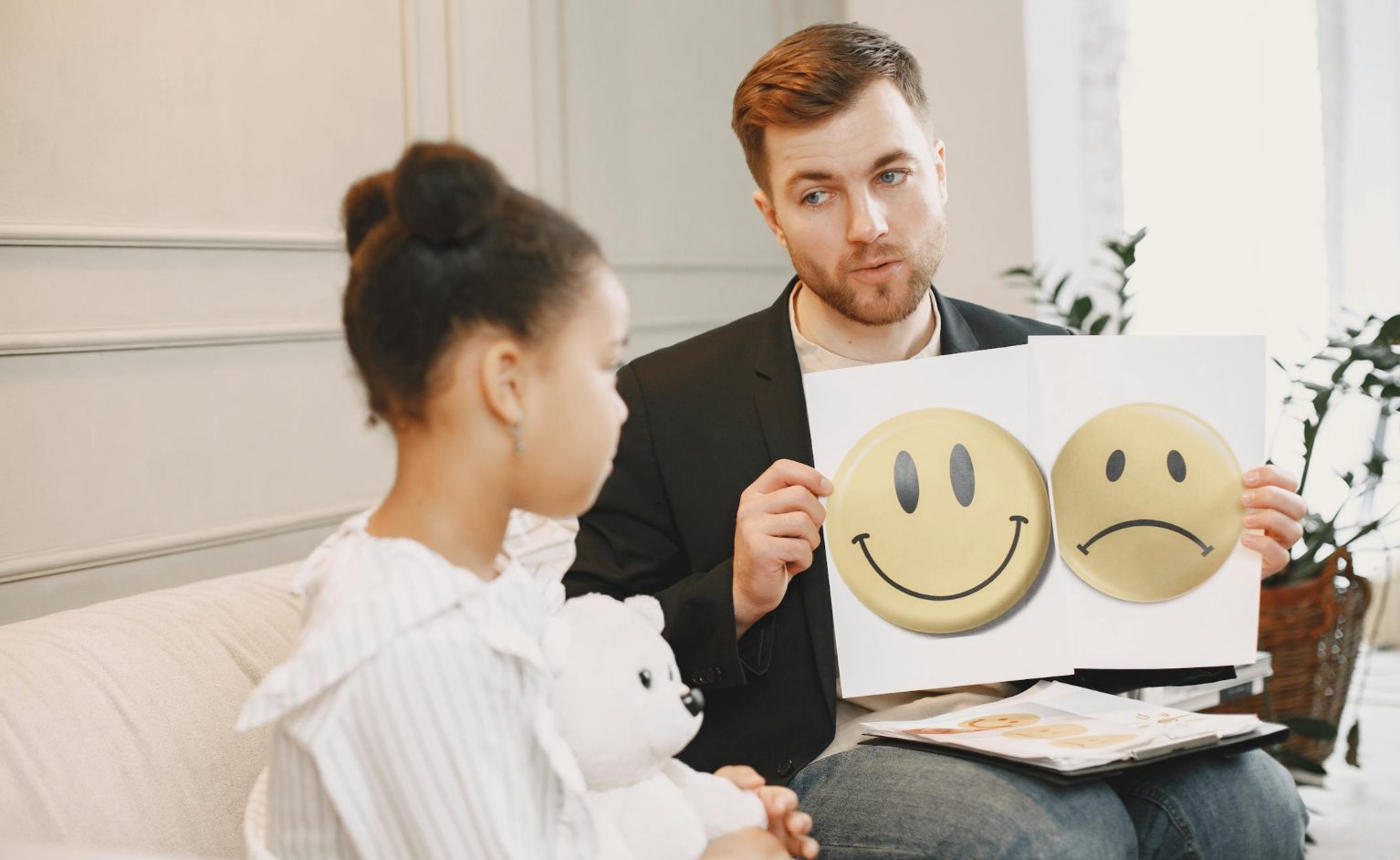
Child With Therapist
Therapists are warning that more children today are suffering from “masking fatigue” – Pexels

Parents often expect a cheerful reunion after school, but many are seeing something very different. Their child comes home irritable, withdrawn, exhausted, or suddenly emotional after seeming “fine” all day. Therapists say this pattern may reflect masking fatigue in kids, a growing concern linked to the pressure of hiding stress, sensory overwhelm, or social struggles during the school day. While commonly discussed in neurodivergent children, experts note that more kids across different backgrounds are showing signs of emotional exhaustion after hours of trying to meet expectations.

Why Some Kids Seem Fine at School but Fall Apart at Home

Many children spend the school day carefully managing behavior, emotions, and social interactions to fit in or avoid negative attention. Therapists describe masking as suppressing natural reactions, forcing social engagement, or hiding discomfort to appear “okay.” A child may hold in sensory overload, anxiety, frustration, or confusion until they reach a place that feels emotionally safe. That safe place is often home, which is why parents sometimes witness the emotional crash. Research and clinical observations increasingly connect this pattern to masking fatigue in kids and elevated emotional stress.

The Signs of Masking Fatigue Parents Should Not Ignore

Masking fatigue in kids does not always look dramatic. Some children melt down after school, while others shut down, retreat to their room, or complain of headaches and stomachaches. You might notice extreme tiredness after social events, a sudden need for silence, or a child who seems unusually emotional over small frustrations. Therapists also warn against assuming a well-behaved child is automatically coping well internally. Kids who appear high-functioning in structured environments may still be carrying an invisible emotional load.

Why Therapists Say Social Pressure Is Playing a Bigger Role

Today’s school environments demand constant social navigation, fast transitions, and heavy performance expectations. Children are managing academics, friendships, extracurricular activities, and in many cases, digital social pressure that follows them home. For neurodivergent children, masking can include forcing eye contact, suppressing stimming, or copying peer behavior to avoid standing out. But therapists note that even non-neurodivergent kids may hide anxiety, sadness, or overwhelm to avoid judgment. Over time, that nonstop self-monitoring can fuel masking fatigue in kids and make after-school hours emotionally volatile.

What Parents Can Do When the After-School Crash Happens

Experts say the first step is not punishment or immediate problem-solving. A child who explodes after school may not be acting out against family members; they may be releasing hours of accumulated stress. Creating a calmer transition home can help, whether that means a quiet snack, sensory-friendly downtime, music, movement, or reduced demands for the first 30 minutes. Parents can also ask gentle questions like, “What part of today took the most energy?” instead of “Why are you in a bad mood?” When masking fatigue in kids becomes frequent, persistent, or disruptive to sleep, mood, or school attendance, therapists recommend seeking professional guidance.

The Bigger Message Behind After-School Emotional Exhaustion

One common misconception is that children who mask are simply being dramatic or manipulative at home. Therapists strongly push back on that belief, explaining that many kids unravel where they finally feel secure enough to stop performing. That does not mean parents caused the behavior; in fact, it can mean the child trusts the environment enough to release pent-up emotions. Understanding masking fatigue in kids helps shift the conversation from discipline to emotional support and curiosity. When adults recognize the hidden work some children do to navigate daily life, they are often better equipped to build routines that support healthier emotional recovery.

What This Trend May Be Telling Us About Childhood Today

The rise in conversations around masking fatigue in kids points to a larger question about modern childhood and emotional well-being. Are children getting enough space to decompress, express discomfort, and be imperfect without fear of judgment? Therapists say recognizing masking early can help families address anxiety, sensory stress, burnout, and unmet emotional needs before they escalate. A child who looks “fine” all day may still be carrying more than adults realize.

Have you noticed an after-school personality shift in your child or someone you know? Share your thoughts and experiences in the comments — your story could help another parent feel less alone.

What to Read Next

School Counselors Say More Children Are Masking Autism Symptoms Until Burnout Hits

Illinois Parents Say School Behavior Policies Are Disproportionately Impacting Autistic Kids

Why Are Toddlers Suddenly Being Diagnosed With Social Fatigue?

Evan Morgan

Evan Morgan has been a full-time freelance writer and editor for 10+ years. When not working, he enjoys catching the latest true crime documentary or getting lost in a good book.

Filed Under: Parenting Tagged With: autism awareness, Child Psychology, emotional wellness, masking fatigue in kids, Mental Health, neurodiversity, Parenting, school stress

The ‘Good at School, Meltdown at Home’ Pattern More Families Are Talking About

May 25, 2026 | Leave a Comment

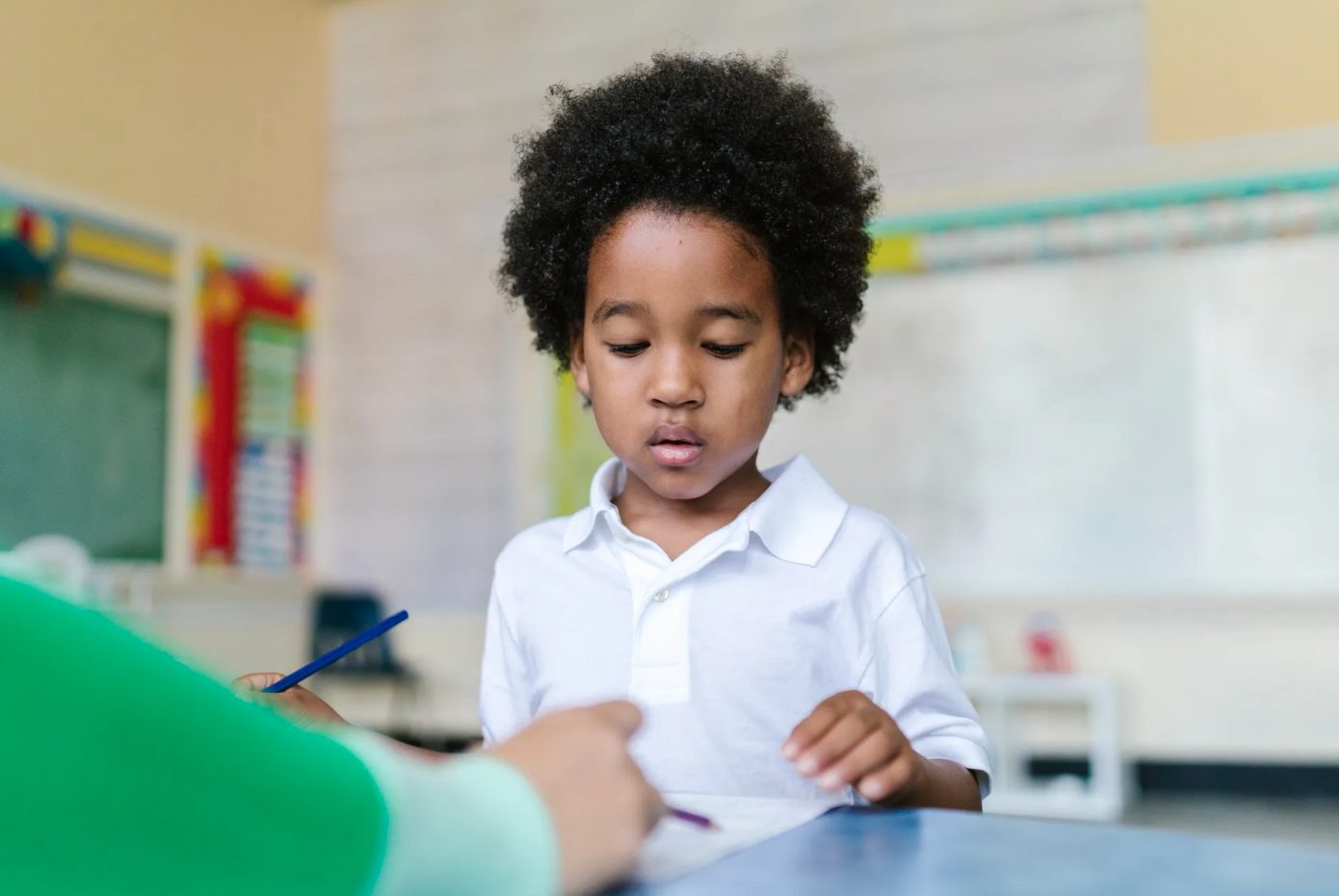
Kid In School
Many children nowadays function during school but crash when they get home – Pexels

Some children walk into school smiling, follow directions, finish assignments, and even get praised as “easy students.” Then they come home and everything changes. A simple question about homework can trigger tears, yelling, or total emotional shutdown. The good at school meltdown at home pattern is becoming a familiar conversation among parents, teachers, and mental health professionals trying to understand what is happening behind closed doors.

Why Some Kids Hold It Together All Day — Then Fall Apart at Home

For many children, school demands intense emotional effort that adults do not always see. They may spend six or seven hours managing noise, social rules, academic expectations, sensory overload, or anxiety while trying to appear calm and capable. By the time they get home, their emotional “battery” is empty, and home becomes the safest place to release built-up stress. Pediatric therapists often describe this as restraint collapse, a phenomenon where children suppress emotions in structured environments and decompress later. This good at school meltdown at home experience does not automatically mean a child is manipulative, spoiled, or behaving differently on purpose.

The Pattern Often Shows Up in Surprisingly High-Functioning Kids

Many parents are shocked because their child earns good grades, follows classroom routines, and receives glowing teacher reports. Yet strong school performance does not cancel out emotional strain, especially for children with anxiety, ADHD, autism, learning differences, or perfectionist tendencies. A child who spends all day masking worries or sensory discomfort may appear “fine” to others while struggling internally. Research published by organizations like the Child Mind Institute and ADDitude has highlighted how emotional regulation challenges can hide behind academic success. The good at school meltdown at home pattern is not limited to one diagnosis, personality type, or parenting style.

What Meltdowns at Home Can Really Be Signaling

A meltdown is not always defiance or bad behavior, even when it looks intense. It can signal emotional overload, unmet sensory needs, social exhaustion, fear of failure, or difficulty transitioning from structured to unstructured time. Imagine an eight-year-old who spends all day worrying about saying the wrong thing in class, then explodes over the “wrong” snack after school. The snack is rarely the real issue. Understanding the root cause helps families respond with curiosity instead of shame, punishment, or confusion.

How Parents Can Respond Without Making Things Worse

When emotions are already running high, jumping immediately into lectures, consequences, or homework reminders can unintentionally escalate the situation. Many child psychologists recommend building a decompression routine after school, such as quiet time, snacks, movement, screen-free downtime, or sensory-friendly activities. Parents can also look for patterns by tracking when meltdowns happen, what preceded them, and how long recovery takes. These observations can help uncover triggers that are easy to miss during stressful moments. Supporting a child through the good at school meltdown at home cycle often starts with reducing pressure before addressing behavior.

When Families Should Consider Professional Support

Occasional emotional blowups are part of childhood, but persistent, intense meltdowns that affect daily functioning deserve attention. If a child shows ongoing anxiety, sleep problems, school avoidance, aggression, severe emotional swings, or distress that impacts family life, a pediatrician or licensed mental health professional can help. Early support matters because emotional regulation challenges do not always disappear with age. Parents should not wait for a crisis or assume they must “fix” everything alone. Seeking help is a practical step toward understanding what a child may not yet have words to explain.

The Message Behind This Growing Family Conversation

The good at school meltdown at home pattern reminds families that outward success does not always reflect inner well-being. Children can be capable, bright, cooperative, and still quietly overwhelmed by the demands of daily life. Looking beyond behavior to understand stress, emotional exhaustion, and hidden struggles can strengthen trust between parents and children. Compassion does not mean lowering expectations; it means responding with better information and clearer support.

Have you seen this pattern in your home or community, and what helped? Share your thoughts in the comments — your experience could help another family feel less alone.

What to Read Next

School Counselors Say More Children Are Masking Autism Symptoms Until Burnout Hits

Florida Families Report Longer Delays for School-Based Autism Services

Experts Say Girls With Autism Are Still Being Missed at Alarming Rates

Evan Morgan

Evan Morgan has been a full-time freelance writer and editor for 10+ years. When not working, he enjoys catching the latest true crime documentary or getting lost in a good book.

Filed Under: Parenting Tagged With: ADHD, anxiety, child behavior, child mental health, Emotional Regulation, family life, mental wellness, Parenting, parenting advice, school stress

Teachers Admit: These 6 Classroom Habits are Making 2026 Students More Anxious

March 27, 2026 | Leave a Comment

2026 students more anxious
Image source: shutterstock.com

You drop your child off at school hoping they will find a sense of belonging and academic growth. Instead, many parents are noticing their children return home with high levels of stress and unexplained irritability. It is easy to blame social media or a lack of sleep for this modern epidemic of childhood worry. However, teachers are finally revealing that the structure of the school day itself is a major contributor. The hidden system of high-stakes testing and constant comparison is breaking the spirit of our youth. You are not failing as a parent because your child is struggling to cope. The environment they spend seven hours in is often designed for efficiency rather than emotional health. Understanding why 2026 students are more anxious is the first step toward a solution.

1. The Pressure of Constant Digital Feedback

Students today are monitored through digital gradebooks that update in real-time for both parents and administrators. Surprisingly, this level of surveillance prevents children from learning how to fail gracefully in a private setting. They feel the weight of every missed assignment or low quiz score before they even leave the building. On the other hand, traditional education allowed for a period of growth and correction before a final grade was issued. This shift toward instant data makes students feel constant pressure regarding their perceived worth in a digital system. You can explore the psychological impact of digital monitoring at Edutopia’s student wellness resources. We must return to a model that values the process over the immediate data point.

2. The Loss of Unstructured Play

Recess and passing periods have been drastically shortened to make more room for standardized curriculum blocks. This removal of free time forces children to stay in a state of high cognitive load for hours on end. Furthermore, the lack of unstructured play prevents them from developing the natural conflict resolution skills they need. Without these social buffers, minor peer disagreements escalate into major sources of daily dread. Teachers report that students are increasingly unable to handle small setbacks without a significant emotional breakdown. Research on the necessity of play for emotional regulation is available from the American Academy of Pediatrics. A school without play is a pressure cooker for the developing mind.

3. High-Stakes Environment and Competitive Ranking

Classroom walls are often covered with data charts that publicly rank students based on their reading or math progress. This public display of ability creates a culture of shame for those who are struggling to keep up. Children as young as six are now aware of where they stand in relation to their peers’ test scores. Additionally, the focus on college readiness in elementary school removes the joy of discovery from the learning process. This competitive atmosphere ensures that 2026 students feel anxious and validated by their environment every single day. We are trading the curiosity of childhood for the metrics of a corporate office. Taking these charts down is a simple way to restore a sense of safety to the classroom.

4. The Impact of Standardized Testing Fatigue

The modern school calendar is often dictated by the proximity to the next state-mandated assessment. This narrow focus forces teachers to skip enrichment activities that build confidence and critical thinking. When the curriculum becomes a race to cover material rather than a journey to understand it, students feel left behind. This fatigue leads to a lack of engagement and a sense of hopelessness among those who do not test well. You can find more information on the effects of over-testing at the National Education Association. Your child is more than a bar graph on a bulletin board.

5. Reclaiming the Emotional Heart of the Classroom

The reality that classroom habits are making 2026 students more anxious is a call to action for every parent. You have the right to demand a school environment that prioritizes the human heart over a standardized score. It is not your child’s fault that they are struggling to navigate a system that feels increasingly cold and data-driven. We must advocate for more downtime and less surveillance to let our children breathe again. Protecting their mental health is far more important than any grade they will ever receive. By identifying these toxic habits, we can begin to rebuild a school experience that nurtures rather than drains.

6. Restoring Balance for the Next Generation

Advocating for change starts with small conversations between parents and educators. We need to focus on building resilience through supportive environments rather than through increased pressure. When schools prioritize emotional safety, academic success often follows naturally without the cost of a child’s mental well-being. Keeping a close eye on how your child talks about their day can reveal the hidden stressors they face. By working together, we can ensure that the school day becomes a source of inspiration again.

Creating a Healthier Future Together

Transitioning away from a culture of comparison requires a united front from both the home and the classroom. We must empower our children to see themselves as more than just a collection of data points or test scores. By fostering an environment where emotional safety is the foundation of learning, we give them the tools to thrive in an unpredictable world. The goal is to raise individuals who are confident in their unique abilities rather than fearful of falling behind. Every small adjustment in how we talk about grades or success makes a massive difference in their daily mental health.

How has the school system affected your child’s stress levels this year? Please think about your recent experiences and leave a comment below so we can share ideas on how to advocate for our kids.

What to Read Next…

  • The Childcare Cliff Is Hitting Hard—How Some Families Are Saving With Co-Ops
  • The 5 Educational Apps That Teachers Say Are Actually Hurting Grades
  • Before You Pay: 6 Classroom Requests That Are Now Being Sent as Supply Lists
Latrice Perez

Latrice is a dedicated professional with a rich background in social work, complemented by an Associate Degree in the field. Her journey has been uniquely shaped by the rewarding experience of being a stay-at-home mom to her two children, aged 13 and 5. This role has not only been a testament to her commitment to family but has also provided her with invaluable life lessons and insights.  As a mother, Latrice has embraced the opportunity to educate her children on essential life skills, with a special focus on financial literacy.

Filed Under: Education, Parenting Tagged With: 2026 education, childhood stress, classroom habits, Mental Health, parenting tips, school stress, student anxiety, teaching insights

10 Warning Signs Of Childhood Burnout (Yes, It’s a Thing Now)

December 18, 2025 | Leave a Comment

10 Warning Signs Of Childhood Burnout (Yes, It’s a Thing Now)
Image source: shutterstock.com

If your kid keeps it together all day and unravels at home, you’re not alone. childhood burnout can hide behind crankiness, aches, or sudden “I’m done” energy. These signs help you spot overload early so you can lower the pressure before it turns into a bigger crash. You don’t need a perfect plan, just a few smart pivots that give your child room to breathe.

1. When Childhood Burnout Shows Up As Constant Exhaustion

Your child looks tired even after a decent night of sleep. Mornings feel harder, and they drag through routines that used to be easy. You may see more zoning out or more requests to quit early. Check bedtime, after-school load, and how much real downtime they get. If rest never helps, talk with your pediatrician.

2. Big Reactions To Tiny Problems

A minor inconvenience sparks tears, yelling, or a full shutdown. When a kid’s stress meter is stuck near max, one more thing tips them over. In the moment, calm first and save lessons for later. When they’re regulated, ask what felt toughest that day and listen without arguing. Then remove one pressure point for a week and see what changes.

3. They Stop Enjoying Favorite Activities

A kid who loved art, dance, or soccer suddenly wants out. Sometimes fun starts to feel like another place to perform. Look for dread before practice, harsh self-talk, or perfectionism. Offer a short break, a lower level, or a just-for-fun version at home. Remind them joy matters more than constant progress.

4. School Avoidance Keeps Growing

You hear more stalling and more “I can’t” before school. Homework drags because they freeze, overthink, or panic about mistakes. Power struggles usually add fuel, so aim for a reset instead. Try snack, movement, then a short work block with a clear stopping point. If it keeps happening, loop in the teacher to adjust support.

5. Sleep Changes Out Of Nowhere

Bedtime becomes a fight, or they wake up and can’t settle back down. You might see more nightmares, restlessness, or clinginess at night. Stress can hijack sleep even when kids act tough in daylight. Dim screens early and keep a predictable wind-down routine. If worries keep running the nights, consider a kid-focused counselor.

6. More Headaches And Stomachaches

They complain about their stomach, head, or “not feeling good” more often. The symptoms can be real even when tests don’t show a clear cause. Big feelings often land in the body when they’re hard to explain. Track when it hits and what comes right before it, like tests or crowded practices. Share the pattern with your pediatrician and, if needed, the school nurse.

7. They Avoid Challenges They Used To Try

A curious kid starts choosing the easiest option or refusing anything new. They may say they’re “bad at everything” or ask for constant reassurance. That’s often self-protection, not defiance. Break tasks into tiny steps and praise effort that shows up, even briefly. Make sure they also get daily time that’s totally ungraded.

8. Their Mood Turns Flat Or Distant

Instead of blowing up, they go quiet, blank, or checked out. They shrug at questions and seem less interested in family time. childhood burnout can look calm on the outside while a kid feels numb inside. Create low-pressure connection, like a walk, a game, or cooking together. Watch for ongoing sadness that deserves professional support.

9. Noise And Busy Places Feel Unbearable

Crowded rooms, loud sounds, or scratchy clothes suddenly bother them more. Their tolerance drops, so normal sensory input feels like too much. Give them tools like headphones, a quiet corner, or an exit plan at events. Teach a quick reset, like slow breaths or squeezing a stress ball. Use what you learn to plan calmer days when possible.

10. Motivation Disappears Everywhere

They resist school, friends, chores, and even things they requested last month. When the tank is empty, consequences won’t refill it. Shrink the load by pausing optional commitments and simplifying routines. Help them pick one priority and let the rest wait. Then rebuild confidence with small wins and predictable downtime.

How To Help Kids Come Back To Themselves

Guard the basics: sleep, meals, movement, and unstructured play. Cut one thing that drains more than it gives, even if it looks impressive on paper. Use quick check-ins at calm times, not long interrogations at bedtime. Coordinate with teachers and coaches so expectations match your child’s capacity right now. Childhood burnout gets easier to manage when home becomes the place where pressure comes down, not where it piles up.

What’s one pressure you could remove this week to give your kid more breathing room when experiencing childhood burnout?

What to Read Next…

Digital Parenting: The Mistake That’s Making Teen Anxiety Skyrocket

Why Is “Overpraising” Creating Anxiety in Kids?

Mental Health for Kids: Why It’s the Biggest Parental Concern in 2025

7 Signs Your Kids Are Struggling With Anxiety You Keep Calling “Just a Phase”

10 Mistakes Parents Make When Kids Are Dealing With Anxiety

Catherine Reed
Catherine Reed

Catherine is a tech-savvy writer who has focused on the personal finance space for more than eight years. She has a Bachelor’s in Information Technology and enjoys showcasing how tech can simplify everyday personal finance tasks like budgeting, spending tracking, and planning for the future. Additionally, she’s explored the ins and outs of the world of side hustles and loves to share what she’s learned along the way. When she’s not working, you can find her relaxing at home in the Pacific Northwest with her two cats or enjoying a cup of coffee at her neighborhood cafe.

Filed Under: Mental Health Tagged With: burnout signs, child well-being, childhood stress, Emotional Regulation, family routines, kids mental health, Parenting, school stress

8 Signs Your Child Is Struggling but Pretending to Be Fine

November 28, 2025 | Leave a Comment

8 Signs Your Child Is Struggling but Pretending to Be Fine
Image source: shutterstock.com

Kids are often better actors than we realize. They can crack jokes, get good grades, and insist they’re “fine” even when big feelings are building under the surface. As a parent, it’s easy to second-guess yourself and wonder if you’re imagining things or overreacting. The truth is, many children hide their worries because they don’t want to disappoint you, cause problems, or seem “dramatic.” Learning to spot the quiet signs that your child is struggling gives you the chance to step in early with calm support, before those feelings turn into bigger behavior or mental health issues.

1. Sudden Changes When Your Child Is Struggling

Sometimes the first sign that something is off is a sudden shift in your child’s usual behavior. A bubbly kid might become quiet, or a laid-back child might start snapping at everyone. You may notice new clinginess, more eye-rolling, or a general edge that’s hard to describe but easy to feel. These changes can show up at home long before teachers or coaches notice anything different. Paying attention to sudden shifts helps you gently ask what’s really going on when your child is struggling instead of waiting for a meltdown.

2. Over-Perfect Behavior and People-Pleasing

Not all struggling kids act out; some lean hard into being “perfect.” They may push themselves to get every answer right, avoid making waves, and become extra helpful so no one worries about them. On the outside, it can look like maturity or responsibility, especially if they’re the “easy” child in the family. Inside, they might be terrified of letting you down, losing control, or being seen as a problem. When a child seems almost too low-maintenance, it’s worth checking in on how they’re really feeling.

3. Headaches, Stomachaches, and Mystery Aches

Frequent stomachaches, headaches, or vague “I don’t feel good” complaints can be a quiet red flag. Of course, kids get sick and have off days, and medical issues should always be ruled out with a pediatrician. But stress and worry often show up in kids’ bodies before they show up in words or behavior. You might notice these complaints show up most often before school, social events, or specific activities. It’s common for these physical complaints to show up when your child is struggling but doesn’t have the words yet.

4. Sleep Patterns That Signal Deeper Worries

Sleep is one of the clearest windows into how your child is struggling on the inside. Some kids have trouble falling asleep because their brains are racing with worries they never say out loud. Others start waking up with nightmares, crawling into your bed more often, or waking for the day much earlier than usual. You might also notice they’re suddenly begging to stay up late, stalling or arguing more at bedtime. Any big sleep change that sticks around for more than a week or two is worth a curious, caring conversation.

5. Pulling Away From Friends and Activities

When kids are overwhelmed, they often pull back from the people and activities that used to bring them joy. Maybe they stop asking for playdates, or they suddenly “hate” the sport, club, or hobby they used to love. You might hear more “I don’t care” or “It’s boring” and less excitement about outings or special plans. Sometimes this withdrawal is about anxiety, low mood, or feeling like they don’t fit in with certain peers anymore. Gently asking what changed, instead of forcing them to push through, can open the door to an honest talk.

6. Big Emotions Over Small Problems

Another subtle sign is when your child starts having big reactions to tiny triggers. A broken pencil, a small sibling disagreement, or a simple homework mistake can lead to tears, yelling, or dramatic statements like “I’m the worst” or “Nothing ever goes right.” These moments aren’t about the pencil or the sibling; they’re about a full emotional cup spilling over. Kids often hold it together all day at school and then fall apart at home where they feel safer. Treating these episodes as signals instead of “bad behavior” helps you respond with connection when your child is struggling before you jump to correction.

7. School Clues You Shouldn’t Ignore

Sometimes the earliest hints come from school: slipping grades, missing assignments, or teachers noting that your child seems distracted or unusually quiet. Even if their report card still looks okay, comments about daydreaming, zoning out, or talking less than usual can be meaningful. Your child may insist everything is fine because they’re embarrassed, confused, or worried about getting in trouble. A calm conversation that starts with “Your teacher and I are on your team” can make it feel safer for them to open up. When home and school share information, it’s easier to see the full picture.

8. When Their Words and Energy Don’t Match

One of the clearest signs your child needs extra support is when their words and energy don’t line up. They might say “I’m fine” while looking drained, irritable, or checked out. You may notice they seem spaced out at dinner, less playful with siblings, or not as interested in family traditions they usually enjoy. Some kids become extra jokey or sarcastic to hide how overwhelmed they feel. When your child’s “I’m okay” doesn’t match what you see, it’s a good moment to say, “I believe you, but I’m also noticing you seem a little off—want to talk about it?”

Turning Awareness Into Gentle Support

Catching these quiet signs doesn’t mean you need to panic; it means you get to show up earlier with steady, loving support. Start with simple, open-ended questions, calm listening, and reassurance that everyone struggles sometimes, including grown-ups. Let your child know that you’re a safe place for big feelings and that there’s no trouble for telling the truth. If their struggle seems intense, long-lasting, or is impacting daily life, talk with your pediatrician and consider a school counselor or child therapist for extra help. Trust that noticing when your child is struggling is an act of love, not overreacting.

Have you ever realized your child was hiding big feelings behind “I’m fine,” and what helped you finally get them to open up?

What to Read Next…

8 Parent-Teacher Conversations That Can Hurt a Child’s Mental Health

5 Signs a Child Is Hiding Stress From Parents

Mental Health for Kids: Why It’s the Biggest Parental Concern in 2025

8 Children’s Activities That Cause More Stress Than Joy

What If They’re Not Fine? 4 Critical Questions To Ask Your Child’s Mental Health Professional

Catherine Reed
Catherine Reed

Catherine is a tech-savvy writer who has focused on the personal finance space for more than eight years. She has a Bachelor’s in Information Technology and enjoys showcasing how tech can simplify everyday personal finance tasks like budgeting, spending tracking, and planning for the future. Additionally, she’s explored the ins and outs of the world of side hustles and loves to share what she’s learned along the way. When she’s not working, you can find her relaxing at home in the Pacific Northwest with her two cats or enjoying a cup of coffee at her neighborhood cafe.

Filed Under: Mental Health Tagged With: anxiety in children, child mental health, emotional wellness, family communication, kids behavior, kids’ emotions, parenting tips, school stress

Why Are So Many Kids With Good Grades Feeling Depressed?

October 26, 2025 | Leave a Comment

Why Are So Many Kids With Good Grades Feeling Depressed?
Image source: shutterstock.com

It’s easy to assume that straight-A students are thriving. After all, high achievement often looks like a sign of confidence, stability, and success. But behind the honor rolls and scholarships, a growing number of kids with good grades are quietly struggling with anxiety, exhaustion, and depression. The pressure to perform, combined with social expectations and emotional burnout, can make academic success feel more like a burden than an accomplishment. Understanding what’s driving this trend is essential for helping students find balance and genuine well-being.

The Pressure of Constant Performance

Many kids with good grades who feel depressed are overwhelmed by the nonstop demand to excel. School systems, parents, and even peers often equate academic success with self-worth. This creates an environment where students feel like every test or project defines their value. Instead of learning for curiosity or enjoyment, they study to avoid failure or disappointment. The relentless cycle of competition leaves little room for rest, creativity, or self-acceptance, causing mental and emotional strain to build over time.

The Fear of Failure and Perfectionism

Perfectionism is another major factor behind kids with good grades feeling depressed. For some students, anything less than an A feels like personal failure. They internalize mistakes as reflections of character rather than natural parts of learning. This mindset can lead to chronic stress, sleep deprivation, and self-criticism, even when they’re achieving more than most of their peers. Over time, the fear of slipping up can overshadow their accomplishments, turning success into a source of anxiety instead of pride.

Social Comparison in the Age of Achievement

Social media has intensified the emotional pressure that already comes with being high-achieving. Kids with good grades who feel depressed often compare their performance, activities, and accomplishments to those of others online. Seeing peers post about awards, college acceptances, or “perfect” study routines can create a sense of inadequacy, even when they’re doing well. This constant exposure to comparison can make students feel like they’re never doing enough. The result is a quiet, pervasive sense of failure despite visible success.

Lack of Emotional Outlets and Balance

For many students, academic success comes at the cost of emotional and physical balance. Kids with good grades who feel depressed may have schedules packed with AP classes, extracurriculars, and part-time jobs, leaving no time to relax or reflect. Hobbies, social connections, and downtime—key parts of emotional health—often take a back seat. When every minute of the day is tied to productivity, burnout becomes inevitable. Without emotional outlets, even minor setbacks can feel like insurmountable failures.

Limited Support for Mental Health in Schools

Schools often celebrate achievement more than well-being. Counselors may be overworked or focused primarily on college preparation rather than emotional support. Kids with good grades who feel depressed can go unnoticed because they don’t display obvious warning signs. Teachers and parents may assume that because grades are strong, everything else must be fine. The lack of proactive mental health education and accessible counseling leaves high-achieving students without the tools to manage stress in healthy ways.

Family Expectations and Unspoken Pressure

Parents naturally want their children to succeed, but high expectations can sometimes turn into unspoken pressure. Kids with good grades who feel depressed often feel responsible for maintaining family pride or meeting standards that seem impossible to relax. Even well-meaning encouragement—like celebrating every success—can make students fear disappointing their parents. The pressure to “make everyone proud” can cause them to hide their struggles to avoid appearing ungrateful or weak. Over time, this isolation deepens their emotional distress.

The Disconnect Between External Success and Inner Fulfillment

Perhaps the most painful reason kids with good grades are feeling depressed is that success doesn’t always lead to happiness. Achieving goals that others set—or that no longer align with personal values—can leave students feeling empty. They might realize that high grades aren’t solving deeper questions about purpose, belonging, or identity. When effort stops feeling meaningful, motivation fades, and depression can take hold. Helping students reconnect with intrinsic purpose rather than performance metrics is key to breaking this cycle.

Creating a Healthier Definition of Success

Academic excellence should never come at the expense of mental health. Parents, teachers, and communities can help by redefining success as balance, curiosity, and resilience rather than perfection. Encouraging kids to rest, explore, and fail safely teaches them that worth isn’t tied to GPA. It’s also crucial to talk openly about stress and emotions, even with students who appear to be “doing great.” True success comes when kids feel supported, understood, and free to pursue growth without fear.

Have you noticed kids with good grades struggling emotionally? What do you think schools and families can do to help them find balance? Share your thoughts in the comments below!

What to Read Next…

  • What If They’re Not Fine? 4 Critical Questions To Ask Your Child’s Mental Health Professional
  • 7 Signs Your Kids Are Struggling With Anxiety You Keep Calling “Just a Phase”
  • The Curse of Wealth: 15 Reasons Why Wealthy Kids Struggle with Mental Health and Happiness
  • Mental Health Crisis: 4 Critical Questions About Your Child’s Mental Health
  • How to Help a Teen With Depression – Tips for Parents
Catherine Reed
Catherine Reed

Catherine is a tech-savvy writer who has focused on the personal finance space for more than eight years. She has a Bachelor’s in Information Technology and enjoys showcasing how tech can simplify everyday personal finance tasks like budgeting, spending tracking, and planning for the future. Additionally, she’s explored the ins and outs of the world of side hustles and loves to share what she’s learned along the way. When she’s not working, you can find her relaxing at home in the Pacific Northwest with her two cats or enjoying a cup of coffee at her neighborhood cafe.

Filed Under: Mental Health Tagged With: academic pressure, education and well-being, emotional wellness, parenting advice, school stress, student mental health, teen depression

8 Signs Your Child Is Hiding Stress

May 10, 2025 | Leave a Comment

8 Signs Your Child Is Hiding Stress

Kids experience stress just like adults—but they don’t always know how to talk about it. Children can internalize stress in surprising ways, whether it’s school pressure, social challenges, or big life changes. Instead of saying “I’m stressed,” they may act out, shut down, or change their daily habits. That’s why it’s so important for parents to recognize the subtle signs that something might be wrong. The earlier you spot these cues, the sooner you can step in with the support and reassurance your child needs.

1. Changes in Sleep Patterns

Sleep and stress are closely connected, and one of the first signs something’s wrong is disrupted rest. Stress might be the culprit if your child suddenly struggles to fall asleep, wakes up frequently, or starts having nightmares. You may also notice them wanting to sleep much more than usual as a way of avoiding anxious feelings. Pay attention to any shifts in bedtime routines or energy levels during the day. Even young children can suffer from stress-induced sleep problems.

2. Physical Complaints With No Clear Cause

Frequent headaches, stomachaches, or general aches and pains can sometimes point to emotional stress rather than physical illness. When a child says they feel sick but tests and checkups don’t show anything, it may be their body’s way of signaling emotional overload. These symptoms are real and deserve attention, even if the root isn’t a virus or bacteria. Kids often don’t have the words to explain their feelings, so stress shows up in their bodies instead. If the pattern continues, it’s worth gently exploring what might be weighing on them.

3. Sudden Mood Swings or Irritability

If your usually upbeat child is now snapping, sulking, or crying at the drop of a hat, they could be carrying stress they don’t know how to release. Emotional volatility is often a sign that kids are overwhelmed and unsure how to express themselves. They may lash out at siblings, withdraw from family time, or seem hypersensitive to minor frustrations. Instead of punishing the mood, try connecting with compassion. Ask open-ended questions and offer a calm space for them to share when they’re ready.

4. Loss of Interest in Favorite Activities

Kids who are struggling emotionally often lose interest in the things they usually enjoy. If your child suddenly quits a favorite hobby, stops playing with friends, or becomes indifferent to things that used to bring them joy, stress may be playing a role. This withdrawal can signal that they’re emotionally drained or preoccupied. Keep an eye on how long the disinterest lasts and whether it affects multiple areas of their life. A lack of excitement or curiosity can be one of the quietest but most telling signs of internal struggle.

5. Regression in Behavior

Sometimes stress causes kids to return to earlier developmental behaviors like thumb-sucking, bedwetting, clinginess, or tantrums. These regressions are their brain’s way of coping with feelings that feel too big to manage in age-appropriate ways. It’s not manipulation—it’s an emotional SOS. Instead of scolding or expressing frustration, try to meet the underlying need for comfort and safety. Regression isn’t failure—it’s a signal that your child is looking for reassurance during uncertain times.

6. Avoidance of School or Social Activities

If your child suddenly starts dreading school, faking sick, or begging to stay home, something deeper may be going on. School stress, friendship issues, or even bullying can all lead to anxiety that kids try to avoid. Sometimes they can’t quite explain why they don’t want to go—they just feel uncomfortable or unsafe. Rather than forcing attendance right away, try to explore the root of the resistance. You may uncover something they’ve been too scared or unsure to say out loud.

7. Overachievement or Perfectionism

While slipping grades can signal stress, the opposite can also be true. A child who suddenly becomes obsessed with getting everything “just right” may be feeling pressure to stay in control. Perfectionism is a common stress response, especially in kids who fear disappointing others. You might notice them redoing homework, panicking over small mistakes, or getting stuck on minor details. Gently remind them that it’s okay to try their best without being perfect, and that mistakes are part of learning.

8. Excessive Reassurance-Seeking

Stress can make kids feel uncertain about their safety, relationships, or abilities. They may ask the same questions repeatedly—“Are you mad at me?” “Do I have to go?” “What if I mess up?” This constant need for reassurance can become exhausting, but it’s rooted in anxiety and self-doubt. Rather than brushing it off, offer consistent support and help them develop tools for managing worry. The goal is to shift from external validation to inner confidence gradually.

Stress Can Hide Behind the Sweetest Smile

Children don’t always cry for help when they’re overwhelmed—instead, they show us in quiet, roundabout ways. By tuning in to behavioral shifts and offering consistent emotional support, we can create space for our kids to open up and feel safe. Whether it’s through extra snuggles, calm conversations, or professional help when needed, stress doesn’t have to stay hidden. Every child deserves to know they’re not alone with their feelings. And every parent deserves to feel confident in recognizing the signs.
Have you ever uncovered hidden stress in your child? What helped you support them through it? Share your experience in the comments below!

Read More:

Fear Isn’t Always Bad: Teaching Kids to Manage Anxiety

10 Mistakes Parents Make When Kids Are Anxious

Catherine Reed
Catherine Reed

Catherine is a tech-savvy writer who has focused on the personal finance space for more than eight years. She has a Bachelor’s in Information Technology and enjoys showcasing how tech can simplify everyday personal finance tasks like budgeting, spending tracking, and planning for the future. Additionally, she’s explored the ins and outs of the world of side hustles and loves to share what she’s learned along the way. When she’s not working, you can find her relaxing at home in the Pacific Northwest with her two cats or enjoying a cup of coffee at her neighborhood cafe.

Filed Under: Child behavior Tagged With: anxiety in kids, behavior changes, child development, child stress signs, emotional wellness, kids mental health, parenting awareness, parenting tips, school stress, stress in children

  • Facebook
  • Pinterest
  • RSS
  • Twitter

Basic Principles Of Good Parenting

Here some basic principles for good parenting:

  1. What You Do Matters: Your kids are watching you. So, be purposeful about what you want to accomplish.
  2. You Can’t be Too Loving: Don’t replace love with material possessions, lowered expectations or leniency.
  3. Be Involved Your Kids Life: Arrange your priorities to focus on what your kid’s needs. Be there mentally and physically.
  4. Adapt Your Parenting: Children grow quickly, so keep pace with your child’s development.
  5. Establish and Set Rules: The rules you set for children will establish the rules they set for themselves later.  Avoid harsh discipline and be consistent.
  6. Explain Your Decisions: What is obvious to you may not be evident to your child. They don’t have the experience you do.
  7. Be Respectful To Your Child: How you treat your child is how they will treat others.  Be polite, respectful and make an effort to pay attention.
Best Parenting Blogs

Most Popular

Baby

9 Unusual Baby Names That Sound Like They Belong to Future CEOs

Evan Morgan
Baby

10 Baby Names That Were Once Considered “Grandparent Names” but Feel Cool Again

Evan Morgan
Target Store

Choking Incident Prompts Recall of 49,000 Target Gigglescape “Under the Sea” Popping Toys

Evan Morgan
Frustrated Girl

Why Some Students on the Spectrum Are Labeled With ODD

Evan Morgan
Coke Bottles

12 Things Kids Took to School in the ’70s That Would Never Be Allowed Today

Evan Morgan

All content on Kids Ain’t Cheap is for entertainment purposes only. By reading this blog, you agree that Kids Ain’t Cheap is not responsible for any actions taken after reading this blog. For the full disclaimer, see our privacy policy.

Please note that Kids Ain’t Cheap has financial relationships with some of the merchants mentioned here. Kids Ain’t Cheap is funded by banner advertising, commission sales and search optimization consulting.

Copyright © 2006–2026 | District Media | All Rights Reserved | Privacy Policy

Copyright © 2026 Runway Pro Theme by Viva la Violette