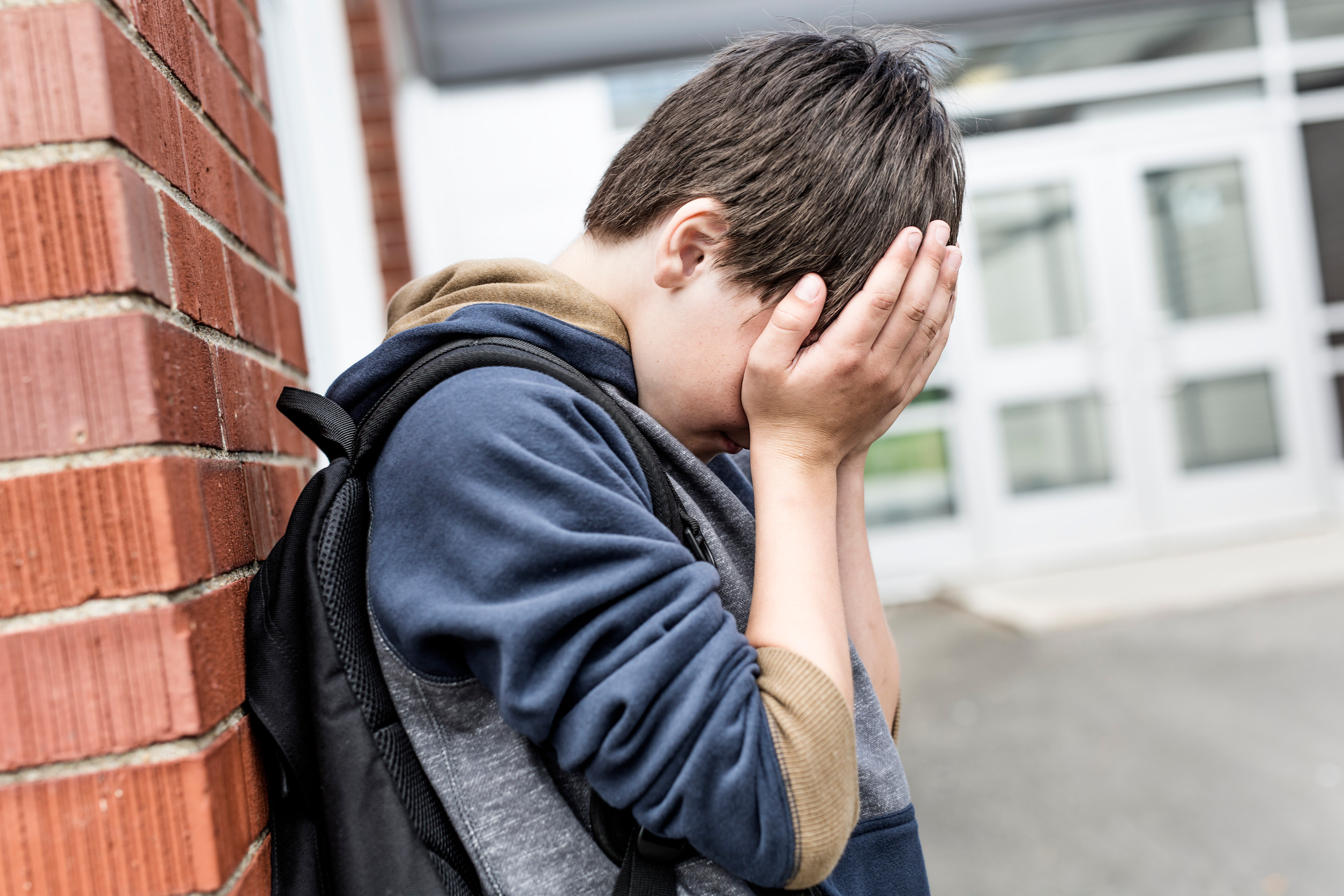
Kids experience stress just like adults—but they don’t always know how to talk about it. Children can internalize stress in surprising ways, whether it’s school pressure, social challenges, or big life changes. Instead of saying “I’m stressed,” they may act out, shut down, or change their daily habits. That’s why it’s so important for parents to recognize the subtle signs that something might be wrong. The earlier you spot these cues, the sooner you can step in with the support and reassurance your child needs.
1. Changes in Sleep Patterns
Sleep and stress are closely connected, and one of the first signs something’s wrong is disrupted rest. Stress might be the culprit if your child suddenly struggles to fall asleep, wakes up frequently, or starts having nightmares. You may also notice them wanting to sleep much more than usual as a way of avoiding anxious feelings. Pay attention to any shifts in bedtime routines or energy levels during the day. Even young children can suffer from stress-induced sleep problems.
2. Physical Complaints With No Clear Cause
Frequent headaches, stomachaches, or general aches and pains can sometimes point to emotional stress rather than physical illness. When a child says they feel sick but tests and checkups don’t show anything, it may be their body’s way of signaling emotional overload. These symptoms are real and deserve attention, even if the root isn’t a virus or bacteria. Kids often don’t have the words to explain their feelings, so stress shows up in their bodies instead. If the pattern continues, it’s worth gently exploring what might be weighing on them.
3. Sudden Mood Swings or Irritability
If your usually upbeat child is now snapping, sulking, or crying at the drop of a hat, they could be carrying stress they don’t know how to release. Emotional volatility is often a sign that kids are overwhelmed and unsure how to express themselves. They may lash out at siblings, withdraw from family time, or seem hypersensitive to minor frustrations. Instead of punishing the mood, try connecting with compassion. Ask open-ended questions and offer a calm space for them to share when they’re ready.
4. Loss of Interest in Favorite Activities
Kids who are struggling emotionally often lose interest in the things they usually enjoy. If your child suddenly quits a favorite hobby, stops playing with friends, or becomes indifferent to things that used to bring them joy, stress may be playing a role. This withdrawal can signal that they’re emotionally drained or preoccupied. Keep an eye on how long the disinterest lasts and whether it affects multiple areas of their life. A lack of excitement or curiosity can be one of the quietest but most telling signs of internal struggle.
5. Regression in Behavior
Sometimes stress causes kids to return to earlier developmental behaviors like thumb-sucking, bedwetting, clinginess, or tantrums. These regressions are their brain’s way of coping with feelings that feel too big to manage in age-appropriate ways. It’s not manipulation—it’s an emotional SOS. Instead of scolding or expressing frustration, try to meet the underlying need for comfort and safety. Regression isn’t failure—it’s a signal that your child is looking for reassurance during uncertain times.
6. Avoidance of School or Social Activities
If your child suddenly starts dreading school, faking sick, or begging to stay home, something deeper may be going on. School stress, friendship issues, or even bullying can all lead to anxiety that kids try to avoid. Sometimes they can’t quite explain why they don’t want to go—they just feel uncomfortable or unsafe. Rather than forcing attendance right away, try to explore the root of the resistance. You may uncover something they’ve been too scared or unsure to say out loud.
7. Overachievement or Perfectionism
While slipping grades can signal stress, the opposite can also be true. A child who suddenly becomes obsessed with getting everything “just right” may be feeling pressure to stay in control. Perfectionism is a common stress response, especially in kids who fear disappointing others. You might notice them redoing homework, panicking over small mistakes, or getting stuck on minor details. Gently remind them that it’s okay to try their best without being perfect, and that mistakes are part of learning.
8. Excessive Reassurance-Seeking
Stress can make kids feel uncertain about their safety, relationships, or abilities. They may ask the same questions repeatedly—“Are you mad at me?” “Do I have to go?” “What if I mess up?” This constant need for reassurance can become exhausting, but it’s rooted in anxiety and self-doubt. Rather than brushing it off, offer consistent support and help them develop tools for managing worry. The goal is to shift from external validation to inner confidence gradually.
Stress Can Hide Behind the Sweetest Smile
Children don’t always cry for help when they’re overwhelmed—instead, they show us in quiet, roundabout ways. By tuning in to behavioral shifts and offering consistent emotional support, we can create space for our kids to open up and feel safe. Whether it’s through extra snuggles, calm conversations, or professional help when needed, stress doesn’t have to stay hidden. Every child deserves to know they’re not alone with their feelings. And every parent deserves to feel confident in recognizing the signs.
Have you ever uncovered hidden stress in your child? What helped you support them through it? Share your experience in the comments below!
Read More:
Fear Isn’t Always Bad: Teaching Kids to Manage Anxiety
10 Mistakes Parents Make When Kids Are Anxious

Catherine is a tech-savvy writer who has focused on the personal finance space for more than eight years. She has a Bachelor’s in Information Technology and enjoys showcasing how tech can simplify everyday personal finance tasks like budgeting, spending tracking, and planning for the future. Additionally, she’s explored the ins and outs of the world of side hustles and loves to share what she’s learned along the way. When she’s not working, you can find her relaxing at home in the Pacific Northwest with her two cats or enjoying a cup of coffee at her neighborhood cafe.
