
• Home
  • About Us
  • Archives
  • Contact Us
  • Advertise
  • Privacy Policy

Kids Ain't Cheap

But They Sure Are Worth It

  • Home
  • Toolkit
  • Parenting
    • Baby Stuff
    • Books and Reading
      • Aesops Fables
      • Comic Books
    • Education
    • Family Time
    • Green Living
    • Growing Up
    • Healthy Living & Eating
    • Holidays
    • Parenting
    • Random Musings
    • Shopping
    • Stuff to Do
  • Money
  • Product Reviews
    • Books and Magazines
    • Discount Sites
    • Furniture
    • House Keeping
    • Reviews News
    • Toys and Games
  • Search

10 Signs Your Child Is Quietly Being Bullied by a Friend

October 5, 2025 | Leave a Comment

10 Signs Your Child Is Quietly Being Bullied by a Friend

Image source: 123rf.com

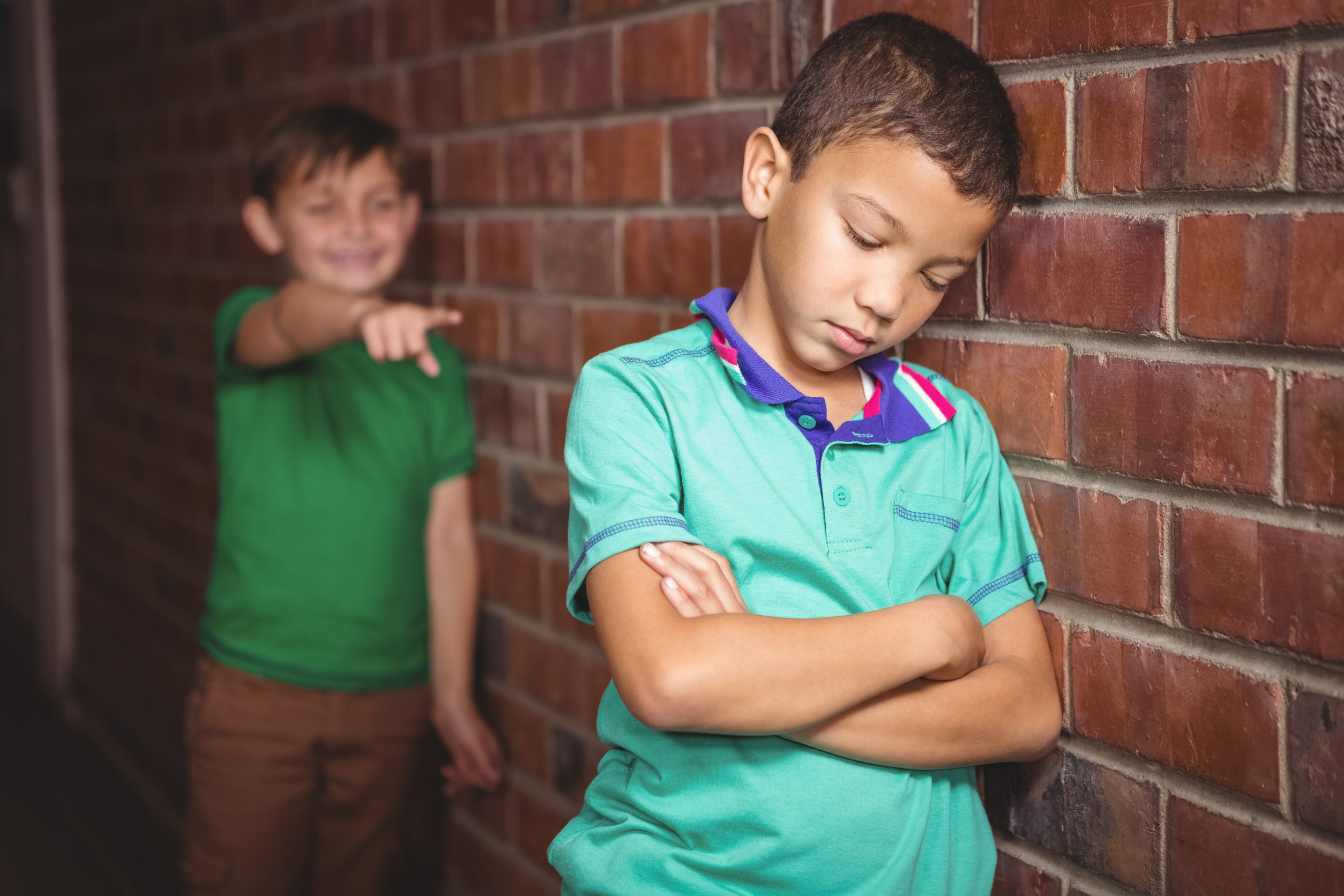
Friendships are supposed to bring joy, comfort, and support, but sometimes they can become harmful without parents noticing. When a child is quietly being bullied by a friend, the signs are often subtle and easy to dismiss as normal friendship ups and downs. These situations can be especially confusing for kids, because they want to maintain their social connections but may not understand that they are being mistreated. Parents who know what to look for can step in early and help protect their child’s emotional well-being. Recognizing these warning signs is the first step toward creating healthier, more supportive relationships.

1. Sudden Changes in Mood After Seeing a Friend

If your child comes home upset, withdrawn, or irritable after spending time with a friend, it could be more than simple tiredness. Frequent mood swings linked to certain social interactions may signal emotional harm. While occasional disagreements are normal, consistent sadness after playdates is a red flag. Pay attention to whether your child dreads upcoming meetups or expresses relief when plans are canceled. These shifts may indicate your child is quietly being bullied by a friend.

2. Loss of Confidence in Themselves

Bullying often chips away at a child’s self-esteem. You may notice your child suddenly questioning their abilities or putting themselves down more frequently. They might express doubt about talents they once enjoyed or stop trying activities they previously loved. Negative comments from a so-called friend can leave lasting impressions. This decline in confidence is a key sign your child is quietly being bullied by a friend.

3. Reluctance to Share Details About Time Together

Children normally enjoy talking about fun times with friends, but secrecy can signal that something is wrong. If your child avoids discussing what they did or becomes vague about their experiences, they might be protecting themselves from embarrassment or shame. This silence is often a coping mechanism when they don’t want to admit hurtful things were said or done. It’s especially concerning if your child once loved sharing stories about this friend. Their reluctance may be a sign your child is quietly being bullied by a friend.

4. Constant Apologizing Around the Friend

Pay attention if your child seems overly apologetic when spending time with a certain friend. Excessive apologies can mean they’ve been conditioned to feel responsible for everything, even minor accidents or misunderstandings. This behavior often develops when a friend uses guilt or criticism as control. Children who apologize too much may be trying to avoid conflict or further mistreatment. This is another subtle indicator that your child is quietly being bullied by a friend.

5. Declining Academic Performance

Bullying doesn’t just affect social life—it can spill into academics. If your child’s grades drop suddenly without other explanations, emotional stress may be interfering with their focus. Anxiety about friendship problems can consume mental energy, making it hard to concentrate in school. Teachers may notice the child seems distracted, anxious, or unusually quiet. This academic shift can be one of the signs your child is quietly being bullied by a friend.

6. Exclusion From Group Activities

Friends who bully often use exclusion as a tactic. If your child complains about not being invited to group events or consistently finds out about gatherings after the fact, this could be intentional isolation. Feeling left out can hurt more deeply when it comes from someone considered a close friend. Repeated exclusion is a form of social bullying that undermines confidence. Watch carefully for these patterns, as they may show your child is quietly being bullied by a friend.

7. Physical Complaints Before Seeing the Friend

Sometimes emotional stress shows up in physical ways. Children who dread spending time with a friend may suddenly complain of stomachaches, headaches, or fatigue right before scheduled meetups. These symptoms can be their body’s way of signaling distress. While kids sometimes avoid activities they dislike, consistent complaints connected to one person are concerning. This avoidance behavior often means your child is quietly being bullied by a friend.

8. Increased Dependence on Parents for Reassurance

Children who feel unsafe in friendships may cling more tightly to their parents. They might ask repeated questions about whether they are loved, valued, or “good enough.” This sudden increase in reassurance-seeking often comes from emotional harm caused by criticism or manipulation. Parents may notice their child needing more hugs, encouragement, or verbal affirmations than usual. These changes can indicate your child is quietly being bullied by a friend.

9. Frequent Arguments That Only Go One Way

It’s normal for kids to have occasional disagreements, but pay attention if your child always seems to be the one apologizing or compromising. If the friend never takes responsibility and your child always gives in, the power balance is unhealthy. These one-sided conflicts often wear down self-esteem and create long-term anxiety. A pattern of lopsided arguments can be a strong clue your child is quietly being bullied by a friend.

10. Hesitation to End the Friendship

Perhaps the most heartbreaking sign is when a child knows they’re being mistreated but still doesn’t want to walk away. They may fear losing social standing, being alone, or making things worse. This hesitation is common when the bullying comes from someone they trust deeply. Children often convince themselves they can fix the relationship if they just try harder. This internal conflict reveals how difficult it can be to see when a child is quietly being bullied by a friend.

Helping Children Build Healthier Friendships

Friendships should make children feel valued and supported, not anxious or small. When a child is quietly being bullied by a friend, it’s important for parents to listen carefully, validate their feelings, and step in with guidance. Teaching children about healthy boundaries and self-worth equips them to choose better relationships in the future. Open communication at home makes it easier for kids to share struggles before they escalate. By staying observant, parents can help their children break free from harmful friendships and find the support they deserve.

Have you ever spotted these subtle signs in your child’s friendships? Share your insights and advice with other parents in the comments below.

What to Read Next…

  • 10 Kids’ TV Shows That May Be Reinforcing Bullying Behavior
  • 8 Ways Children Are Hiding Cyberbullying From Adults
  • Are Anti-Bullying Programs Making Kids Better or Just Sneakier?
  • When Teasing Between Friends Becomes Bullying
  • How to Handle Bullying in Schools and Online
Catherine Reed
Catherine Reed

Catherine is a tech-savvy writer who has focused on the personal finance space for more than eight years. She has a Bachelor’s in Information Technology and enjoys showcasing how tech can simplify everyday personal finance tasks like budgeting, spending tracking, and planning for the future. Additionally, she’s explored the ins and outs of the world of side hustles and loves to share what she’s learned along the way. When she’s not working, you can find her relaxing at home in the Pacific Northwest with her two cats or enjoying a cup of coffee at her neighborhood cafe.

Filed Under: Parenting Tagged With: bullying awareness, child bullying, child development, emotional health, friendships, kids mental health, parenting advice, parenting tips

Their Future Selves: 12 Ways To Build Resilience In Your Kids

July 30, 2025 | Leave a Comment

Their Future Selves 12 Ways To Build Resilience In Your Kids

Image source: 123rf.com

Life is unpredictable, and our kids won’t be little forever. What we do today shapes how they handle challenges, setbacks, and tough emotions as they grow. When we intentionally build resilience, we’re giving them tools that last far beyond childhood. From how they manage friendships to how they respond to failure, resilient kids grow into confident adults who bounce back instead of breaking down. These practical tips can help you raise emotionally strong, capable children ready for whatever life throws their way.

1. Model Calm in Stressful Moments

Kids are always watching how we respond to pressure. When they see you stay calm, breathe deeply, and think things through, they learn to do the same. This is one of the most direct ways to build resilience without even saying a word. Try talking through your own stress responses aloud so they understand the process. Staying steady doesn’t mean hiding emotions—it means showing how to manage them well.

2. Encourage Problem-Solving

Instead of jumping in to fix every issue, ask your child what they think they should do. Giving them a chance to brainstorm solutions teaches them how to navigate hard situations independently. It’s a small but powerful way to build resilience over time. You can guide them, but let their ideas lead the way. Even if the solution isn’t perfect, the process matters more than the result.

3. Let Them Fail Safely

Failure is not the enemy—avoiding it entirely is. Kids who never experience setbacks miss the chance to learn how to recover. To build resilience, allow them to stumble in low-stakes situations, like losing a game or forgetting homework. Be there to support and reflect, not rescue. Learning that failure is part of growth prepares them to take healthy risks later in life.

4. Praise Effort, Not Just Results

When you praise your child, focus on the hard work, persistence, and creativity they showed—not just the final outcome. This mindset encourages them to keep trying, even when success isn’t immediate. You build resilience by showing them that progress matters more than perfection. Say things like “You worked so hard on that” instead of “You’re so smart.” This helps them develop a growth mindset that thrives on challenge.

5. Teach Emotional Vocabulary

Resilient kids can name what they’re feeling and express it in healthy ways. Expand your child’s emotional vocabulary by regularly talking about feelings, both yours and theirs. This emotional awareness makes it easier for them to process difficult experiences. It’s one more way to build resilience by equipping them to deal with emotions rather than ignore them. Books and visual charts can be helpful tools for younger children.

6. Promote a Support Network

Let your child know it’s okay to ask for help and lean on others. Whether it’s family, teachers, or friends, strong relationships provide safety and encouragement. You can build resilience by creating a home environment where your child feels heard, valued, and supported. Remind them that even strong people need connection. This foundation can keep them steady during life’s storms.

7. Set Realistic Expectations

Kids feel more confident when they know what’s expected and believe they can achieve it. Avoid setting the bar too high or constantly shifting the goalposts. To build resilience, help them see that effort and improvement are more important than being the best. Celebrate progress, not perfection. The right expectations boost motivation without adding pressure.

8. Keep Routines Consistent

Routines provide a sense of safety and predictability that helps children thrive. Even in chaotic seasons, having a few daily anchors—like bedtime stories or mealtime together—can ground a child. This structure supports mental and emotional regulation. When kids know what to expect, they’re more prepared to handle the unexpected. That emotional stability is a key piece in efforts to build resilience.

9. Encourage Physical Activity

Exercise does more than strengthen the body—it also boosts mood, confidence, and stress tolerance. Make movement a regular part of your child’s life through sports, outdoor play, or even dance parties at home. These moments help them release tension and build emotional flexibility. Regular activity supports resilience by increasing overall well-being. Plus, it’s fun and great bonding time.

10. Foster Optimism

Teach your kids to look for the good, even when things go wrong. This doesn’t mean ignoring hard feelings but rather balancing them with hope. Phrases like “What’s one good thing that happened today?” or “What can we learn from this?” shift their mindset. You can build resilience by encouraging a habit of looking forward instead of staying stuck in disappointment. Optimism becomes a powerful coping tool.

11. Let Them Take on Responsibility

Giving your child age-appropriate responsibilities builds confidence and capability. It might be something as small as feeding the pet or helping pack their lunch. When they follow through, they feel capable and proud. These small acts build resilience by reinforcing the idea that they can contribute and handle challenges. Just make sure to praise the process and support them as needed.

12. Normalize Asking for Help

One of the strongest things a person can do is ask for help when they need it. Make this a regular part of your family’s culture so your child never feels ashamed for needing support. Let them see you reach out, too—it shows them that strength isn’t about doing it all alone. This mindset builds resilience by reinforcing that connection is part of coping. Strong kids know they don’t have to carry everything by themselves.

Raising Tomorrow’s Strongest Adults Starts Today

To build resilience in your kids is to plant seeds that bloom over a lifetime. These habits don’t require perfection—just consistency and intention. When you create a home filled with trust, communication, and opportunity, your child learns to bend without breaking. The world won’t always be easy, but your child will know how to meet it with confidence, strength, and courage. And it all starts with the love and lessons you give them now.

Which of these strategies have worked in your home? Share your own tips for helping kids build resilience in the comments below!

Read More:

8 Tiny Phrases That Build Big Confidence in Kids

5 Tiny Habits That Build Emotional Resilience in Children

Catherine Reed
Catherine Reed

Catherine is a tech-savvy writer who has focused on the personal finance space for more than eight years. She has a Bachelor’s in Information Technology and enjoys showcasing how tech can simplify everyday personal finance tasks like budgeting, spending tracking, and planning for the future. Additionally, she’s explored the ins and outs of the world of side hustles and loves to share what she’s learned along the way. When she’s not working, you can find her relaxing at home in the Pacific Northwest with her two cats or enjoying a cup of coffee at her neighborhood cafe.

Filed Under: Parenting Tagged With: build resilience, child development, emotional strength, family connection, Growth Mindset, kids mental health, parenting tips, raising strong kids

Inactivity Risk: 7 Health Problems Worsening Without Activity in Kids

July 14, 2025 | Leave a Comment

Inactivity Risk 7 Health Problems Worsening Without Activity in Kids

123rf.com

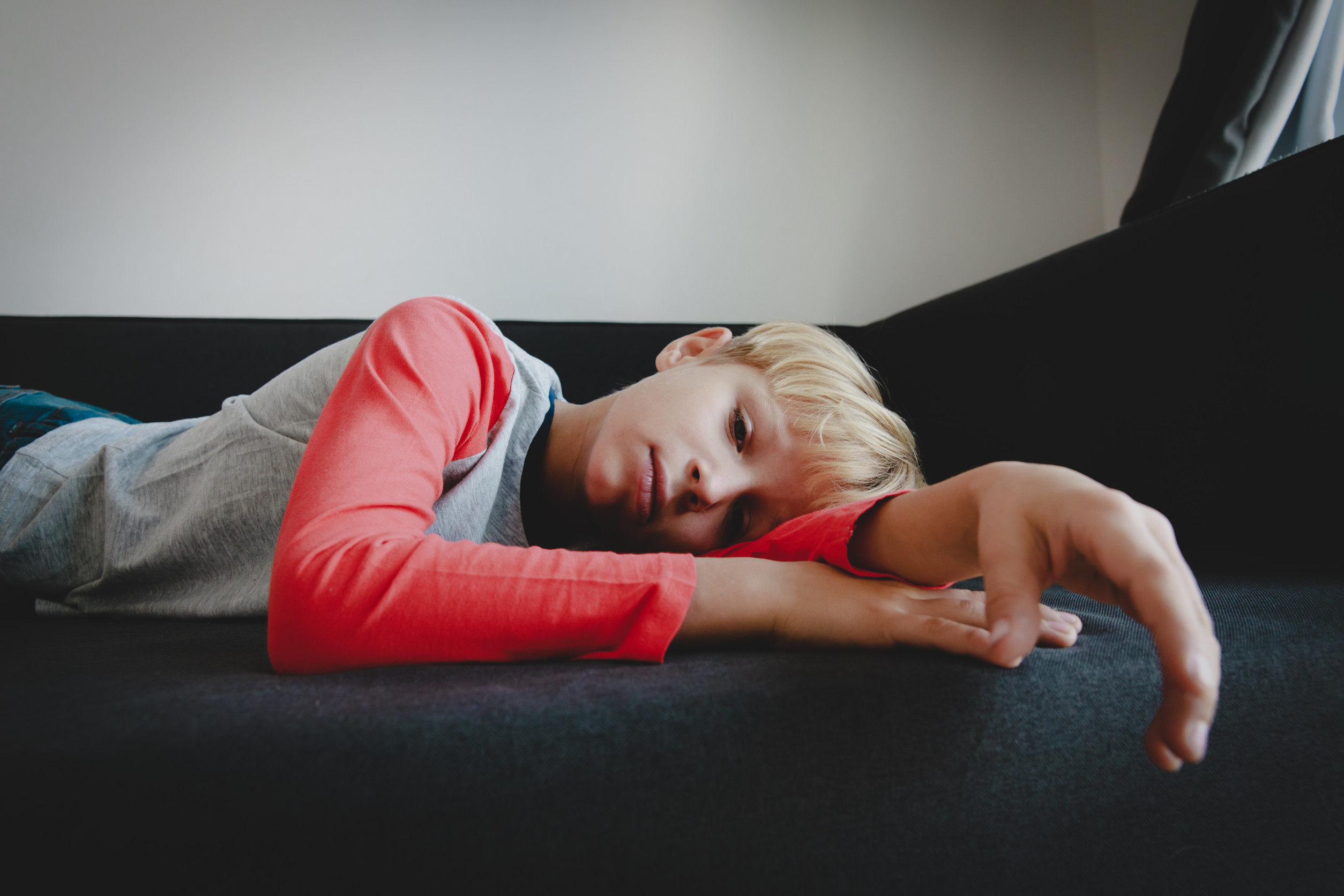
With screens replacing playgrounds and busy schedules taking over free time, today’s kids are moving less than ever before. But physical activity isn’t just about burning energy or staying fit—it’s essential for overall health, both now and in the long run. The inactivity risk for children can quietly snowball into real problems that affect their development, mood, and ability to thrive. From weakened muscles to emotional struggles, the effects of too much sitting and too little movement are deeper than many parents realize. Let’s break down the biggest health problems that tend to worsen when kids aren’t active—and why it’s never too late to help them get moving again.

1. Obesity and Unhealthy Weight Gain

One of the most obvious consequences of inactivity is an increase in body fat and overall weight. When kids consume more calories than they burn, excess weight often follows. This isn’t just about appearance—childhood obesity increases the risk of diabetes, joint issues, and even social challenges like bullying or low self-esteem. Without regular movement, metabolism slows, and even small indulgences can lead to long-term health issues. Encouraging active play and limiting sedentary time is one of the most powerful ways to help kids maintain a healthy weight.

2. Weak Muscles and Poor Posture

The inactivity risk extends to your child’s physical development, particularly their strength and posture. Without regular use, muscles—especially in the core, legs, and back—can weaken over time. This often leads to slouched shoulders, back pain, and poor balance. Kids who don’t move enough may also struggle with physical tasks like climbing stairs, carrying backpacks, or participating in sports. Keeping them, active helps strengthen growing bodies and supports better physical confidence.

3. Heart and Lung Health Decline

Even young hearts and lungs need regular workouts to stay strong and efficient. A lack of movement means these organs don’t get the stimulation they need, leading to lower cardiovascular endurance. Over time, the inactivity risk may raise blood pressure and cholesterol levels, even in kids. Children may also get winded more easily or have less stamina for everyday activities. Simple activities like biking or playing tag can go a long way toward protecting long-term heart health.

4. Poor Sleep Quality

Inactivity often leads to trouble falling asleep or staying asleep, which becomes a frustrating cycle. Kids who don’t burn off their energy during the day may feel restless at night, resulting in cranky mornings and sluggish days. Physical activity helps regulate the body’s internal clock and encourages deeper, more restful sleep. It also reduces stress and anxiety, which can interfere with sleep patterns. Making sure your child gets time to move each day can improve not just bedtime routines but their overall mood.

5. Emotional and Mental Health Struggles

Physical activity is a natural mood booster, so when kids don’t move enough, their mental health can take a hit. Regular exercise helps release endorphins, which fight stress and improve focus. Without it, children may be more prone to anxiety, depression, or difficulty concentrating. The inactivity risk can also increase feelings of isolation, especially if screen time replaces social play. Activities that involve movement and interaction—like sports, dance, or even playing outside with friends—are crucial for emotional resilience.

6. Delayed Motor Skills and Coordination

Movement is a big part of how kids learn to control their bodies. When children don’t have regular opportunities to run, jump, skip, or throw, their coordination and motor skills may fall behind. This can affect not just sports performance but also classroom tasks like writing or sitting upright for long periods. Active kids tend to develop better reflexes and body awareness. Making movement part of their everyday routine supports both physical and cognitive development.

7. Increased Risk of Chronic Conditions Later in Life

The effects of childhood inactivity don’t always stop in childhood. The habits kids form now can impact their future, including a higher risk for chronic conditions like type 2 diabetes, arthritis, and even certain cancers. The longer children stay inactive, the harder it becomes to break that pattern as adults. Instilling a love for movement early helps build lifelong habits of wellness. It’s never just about today—it’s about helping kids build a healthier tomorrow.

Little Changes Make a Big Difference

You don’t need a gym membership or a rigid routine to counteract the inactivity risk in your child’s life. Something as simple as a family walk, a game of hide and seek, or a backyard obstacle course can add the movement their growing bodies and minds need. The key is consistency and variety—find ways to make activity fun, not a chore. Your encouragement plays a powerful role in how your child values movement. Help them see being active not as a task, but as a joyful part of daily life.

What activities help your kids stay moving and happy? Share your favorite family fitness ideas in the comments!

Read More:

6 Food Items That We Think Are Healthy but Are Bad for Our Children

The Dangers of Screen Addiction and How to Set Healthy Limits

Catherine Reed
Catherine Reed

Catherine is a tech-savvy writer who has focused on the personal finance space for more than eight years. She has a Bachelor’s in Information Technology and enjoys showcasing how tech can simplify everyday personal finance tasks like budgeting, spending tracking, and planning for the future. Additionally, she’s explored the ins and outs of the world of side hustles and loves to share what she’s learned along the way. When she’s not working, you can find her relaxing at home in the Pacific Northwest with her two cats or enjoying a cup of coffee at her neighborhood cafe.
Filed Under: Healthy Living & Eating Tagged With: active kids, child health, Childhood Obesity, family fitness, inactivity risk, kids mental health, parenting tips, screen time alternatives

8 Signs Your Child Is Hiding Stress

May 10, 2025 | Leave a Comment

8 Signs Your Child Is Hiding Stress

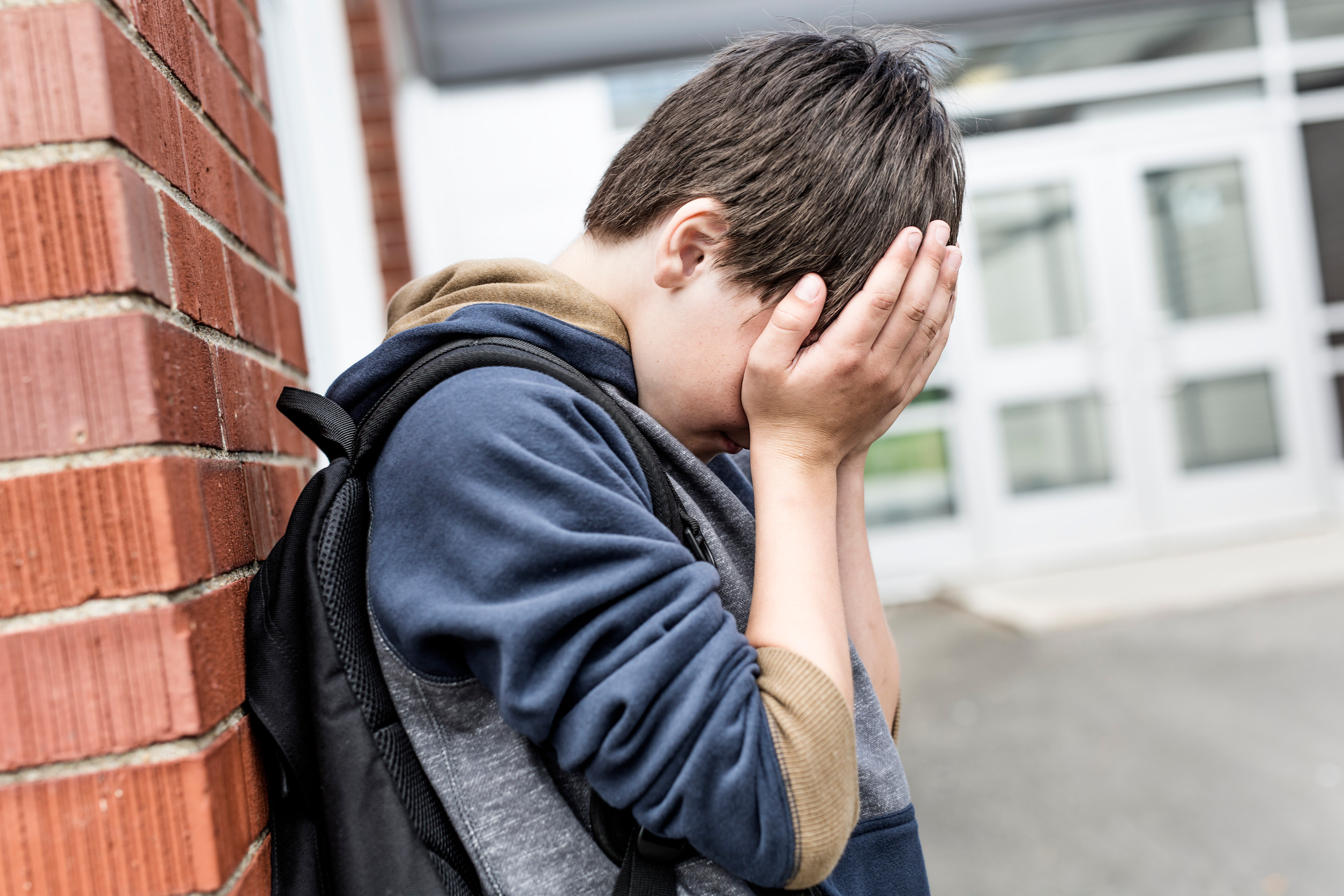
Kids experience stress just like adults—but they don’t always know how to talk about it. Children can internalize stress in surprising ways, whether it’s school pressure, social challenges, or big life changes. Instead of saying “I’m stressed,” they may act out, shut down, or change their daily habits. That’s why it’s so important for parents to recognize the subtle signs that something might be wrong. The earlier you spot these cues, the sooner you can step in with the support and reassurance your child needs.

1. Changes in Sleep Patterns

Sleep and stress are closely connected, and one of the first signs something’s wrong is disrupted rest. Stress might be the culprit if your child suddenly struggles to fall asleep, wakes up frequently, or starts having nightmares. You may also notice them wanting to sleep much more than usual as a way of avoiding anxious feelings. Pay attention to any shifts in bedtime routines or energy levels during the day. Even young children can suffer from stress-induced sleep problems.

2. Physical Complaints With No Clear Cause

Frequent headaches, stomachaches, or general aches and pains can sometimes point to emotional stress rather than physical illness. When a child says they feel sick but tests and checkups don’t show anything, it may be their body’s way of signaling emotional overload. These symptoms are real and deserve attention, even if the root isn’t a virus or bacteria. Kids often don’t have the words to explain their feelings, so stress shows up in their bodies instead. If the pattern continues, it’s worth gently exploring what might be weighing on them.

3. Sudden Mood Swings or Irritability

If your usually upbeat child is now snapping, sulking, or crying at the drop of a hat, they could be carrying stress they don’t know how to release. Emotional volatility is often a sign that kids are overwhelmed and unsure how to express themselves. They may lash out at siblings, withdraw from family time, or seem hypersensitive to minor frustrations. Instead of punishing the mood, try connecting with compassion. Ask open-ended questions and offer a calm space for them to share when they’re ready.

4. Loss of Interest in Favorite Activities

Kids who are struggling emotionally often lose interest in the things they usually enjoy. If your child suddenly quits a favorite hobby, stops playing with friends, or becomes indifferent to things that used to bring them joy, stress may be playing a role. This withdrawal can signal that they’re emotionally drained or preoccupied. Keep an eye on how long the disinterest lasts and whether it affects multiple areas of their life. A lack of excitement or curiosity can be one of the quietest but most telling signs of internal struggle.

5. Regression in Behavior

Sometimes stress causes kids to return to earlier developmental behaviors like thumb-sucking, bedwetting, clinginess, or tantrums. These regressions are their brain’s way of coping with feelings that feel too big to manage in age-appropriate ways. It’s not manipulation—it’s an emotional SOS. Instead of scolding or expressing frustration, try to meet the underlying need for comfort and safety. Regression isn’t failure—it’s a signal that your child is looking for reassurance during uncertain times.

6. Avoidance of School or Social Activities

If your child suddenly starts dreading school, faking sick, or begging to stay home, something deeper may be going on. School stress, friendship issues, or even bullying can all lead to anxiety that kids try to avoid. Sometimes they can’t quite explain why they don’t want to go—they just feel uncomfortable or unsafe. Rather than forcing attendance right away, try to explore the root of the resistance. You may uncover something they’ve been too scared or unsure to say out loud.

7. Overachievement or Perfectionism

While slipping grades can signal stress, the opposite can also be true. A child who suddenly becomes obsessed with getting everything “just right” may be feeling pressure to stay in control. Perfectionism is a common stress response, especially in kids who fear disappointing others. You might notice them redoing homework, panicking over small mistakes, or getting stuck on minor details. Gently remind them that it’s okay to try their best without being perfect, and that mistakes are part of learning.

8. Excessive Reassurance-Seeking

Stress can make kids feel uncertain about their safety, relationships, or abilities. They may ask the same questions repeatedly—“Are you mad at me?” “Do I have to go?” “What if I mess up?” This constant need for reassurance can become exhausting, but it’s rooted in anxiety and self-doubt. Rather than brushing it off, offer consistent support and help them develop tools for managing worry. The goal is to shift from external validation to inner confidence gradually.

Stress Can Hide Behind the Sweetest Smile

Children don’t always cry for help when they’re overwhelmed—instead, they show us in quiet, roundabout ways. By tuning in to behavioral shifts and offering consistent emotional support, we can create space for our kids to open up and feel safe. Whether it’s through extra snuggles, calm conversations, or professional help when needed, stress doesn’t have to stay hidden. Every child deserves to know they’re not alone with their feelings. And every parent deserves to feel confident in recognizing the signs.
Have you ever uncovered hidden stress in your child? What helped you support them through it? Share your experience in the comments below!

Read More:

Fear Isn’t Always Bad: Teaching Kids to Manage Anxiety

10 Mistakes Parents Make When Kids Are Anxious

Catherine Reed
Catherine Reed

Catherine is a tech-savvy writer who has focused on the personal finance space for more than eight years. She has a Bachelor’s in Information Technology and enjoys showcasing how tech can simplify everyday personal finance tasks like budgeting, spending tracking, and planning for the future. Additionally, she’s explored the ins and outs of the world of side hustles and loves to share what she’s learned along the way. When she’s not working, you can find her relaxing at home in the Pacific Northwest with her two cats or enjoying a cup of coffee at her neighborhood cafe.
Filed Under: Child behavior Tagged With: anxiety in kids, behavior changes, child development, child stress signs, emotional wellness, kids mental health, parenting awareness, parenting tips, school stress, stress in children

When Teasing Between Friends Becomes Bullying

May 3, 2025 | Leave a Comment

Image by Ashton Bingham 

Friendships are supposed to feel safe and supportive. Laughter, jokes, and the occasional playful jab are all part of growing up and bonding. But sometimes, teasing between friends starts to feel different. It cuts deeper. It happens too often. It makes your child feel small instead of seen. That’s when it may have crossed the line from teasing to bullying.

Understanding the difference between harmless fun and emotional harm is key to protecting your child’s well-being. While kids (and adults) often brush it off as “just joking,” repeated, targeted teasing, especially when it’s one-sided or hurtful, can do real emotional damage.

The Fine Line Between Teasing and Bullying

Teasing, when done with mutual trust and care, can be part of a healthy friendship. It might involve silly nicknames, light sarcasm, or jokes that both people laugh at and understand.

Bullying, however, is very different. It involves power, repetition, and the intent (or effect) of causing harm. Even if the person doing the teasing claims it’s “just a joke,” if one child consistently feels hurt, excluded, or belittled, it’s no longer harmless. It’s emotional bullying.

Some red flags that teasing has crossed the line include:

  • The same child is always the target.
  • The teasing is about sensitive or personal topics.
  • It causes visible anxiety, sadness, or withdrawal.
  • The friend doesn’t stop when asked.
  • The laughter is one-sided.

How Kids Experience This Gray Area

One of the hardest parts about teasing-turned-bullying is that kids may not realize it’s happening or they might be afraid to admit it. It’s not uncommon for kids to stay in unhealthy friendships because they fear being left out or labeled “too sensitive.”

They might rationalize the behavior (“They pick on everyone,” or “That’s just how we joke”), especially if the teasing happens in front of others who laugh along. This internal conflict, wanting to fit in but feeling hurt, can seriously impact their self-esteem and mental health over time.

How Parents Can Spot the Shift

As a parent, it’s important to stay attuned to subtle changes in your child’s behavior. Look for patterns that might indicate something deeper than typical friendship squabbles:

  • Hesitation or dread when talking about a particular friend or group.
  • Withdrawal from activities or social events they once enjoyed.
  • Complaints about feeling “left out” or being the butt of jokes.
  • Sudden drops in mood, confidence, or academic performance.
  • Refusal to share details about social situations.

It’s also helpful to observe how your child talks about themselves. Do they repeat put-downs they’ve heard? Are they starting to believe negative things about their abilities or worth? That could be a sign the teasing is sinking in more than they realize.

teach your kids to fight
Image Source: 123rf.com

How to Talk to Your Child About It

If you suspect your child is being bullied by a friend, approach the topic gently and without judgment. Start with open-ended questions:

  • “How do you feel when your friends joke around?”
  • “Do you ever feel like someone goes too far?”
  • “What do you do when a joke makes you uncomfortable?”

Validate their feelings and avoid brushing off their concerns as “normal kid stuff.” Let them know it’s okay to feel upset—and that real friends don’t make each other feel small.

You can also help your child come up with phrases to set boundaries, like:

  • “That wasn’t funny to me.”
  • “I don’t like being joked about like that.”
  • “Can you not say that again?”

Teaching them to speak up assertively (but safely) is a powerful step toward self-respect.

When to Step In

If the teasing continues and your child feels stuck, it’s time to intervene. This may mean contacting a teacher, school counselor, or even the other child’s parent, especially if the behavior happens repeatedly at school or in group settings.

Keep documentation of what your child tells you and encourage them to write down what happened, when, and how it made them feel. This helps build a clear picture for adults in authority to take meaningful action.

You’re not “making it worse” by stepping in. You’re showing your child that their emotional safety matters more than social politics.

Strengthening Healthy Friendships

One of the best antidotes to toxic friendships is helping your child nurture the good ones. Encourage connections with friends who are kind, respectful, and supportive. Talk about what healthy friendship looks like: mutual respect, kindness, fun without cruelty, and feeling accepted.

It’s also okay for friendships to end, especially when one side isn’t showing up with care. Remind your child that outgrowing someone doesn’t mean they’re mean or dramatic. It means they’re learning to value themselves.

Sometimes, the biggest bullies aren’t on the playground. They’re the people we call friends. But kids can learn to draw boundaries, trust their feelings, and choose relationships that truly lift them up.

Have you ever seen teasing cross the line in your child’s friendships? How did you handle it, or how do you wish you had?

Read More:

12 Over the Top Ideas for Fixing Your Child’s Bullying Problem

How to Handle Bullying in Schools and Online 

Filed Under: Parenting Tagged With: bullying awareness, child confidence, child friendships, emotional bullying, friendship boundaries, kids mental health, parenting advice, social safety for children, teasing vs bullying, toxic friendships

  • Facebook
  • Pinterest
  • RSS
  • Twitter

Basic Principles Of Good Parenting

Here some basic principles for good parenting:

  1. What You Do Matters: Your kids are watching you. So, be purposeful about what you want to accomplish.
  2. You Can’t be Too Loving: Don’t replace love with material possessions, lowered expectations or leniency.
  3. Be Involved Your Kids Life: Arrange your priorities to focus on what your kid’s needs. Be there mentally and physically.
  4. Adapt Your Parenting: Children grow quickly, so keep pace with your child’s development.
  5. Establish and Set Rules: The rules you set for children will establish the rules they set for themselves later.  Avoid harsh discipline and be consistent.
  6. Explain Your Decisions: What is obvious to you may not be evident to your child. They don’t have the experience you do.
  7. Be Respectful To Your Child: How you treat your child is how they will treat others.  Be polite, respectful and make an effort to pay attention.
Best Parenting Blogs

Copyright © 2025 Runway Pro Theme by Viva la Violette