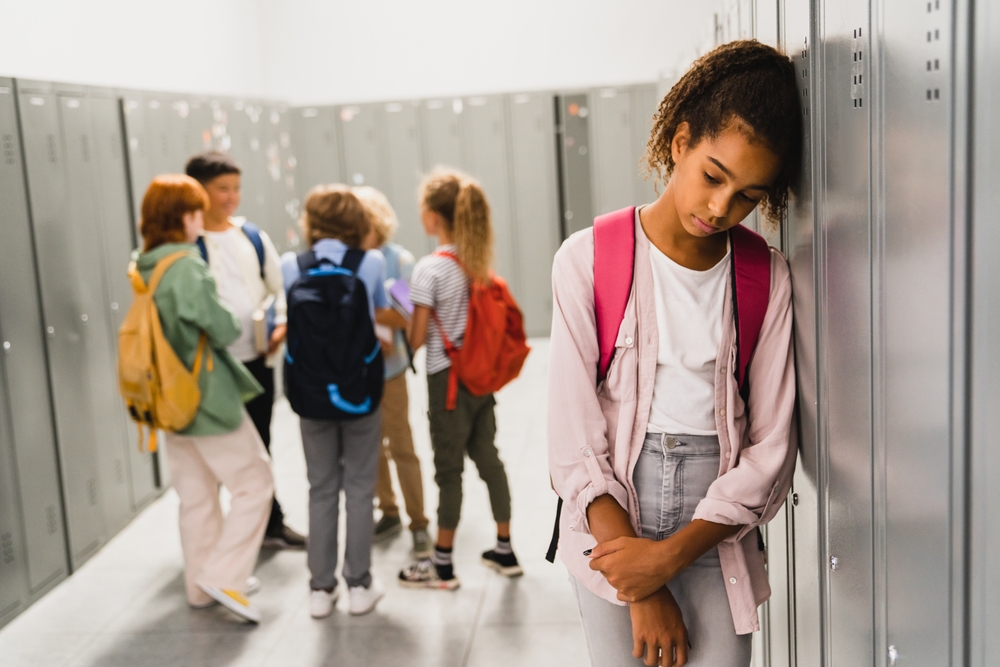
Moving can look like a clean reset for adults, but kids often experience it as a repeated breakup with everything familiar. New homes come with new rules, new social maps, and new expectations they didn’t choose. Even when the move is “for the best,” children can carry stress that shows up later as mood shifts, school resistance, or clinginess that seems to come out of nowhere. The hardest part is that many families don’t connect those reactions to the move itself until patterns repeat. Once you understand the psychological costs that stack up over time, you can build buffers that protect your kids’ sense of safety and identity.
1. The Psychological Costs Begin With Lost Predictability
Kids relax when life feels patterned and easy to predict. Frequent moves disrupt routines, neighborhoods, and the small comforts that make a day feel normal. When everything changes at once, children can become hyper-alert, watching for what might disappear next. That stress can show up as irritability, perfectionism, or constant “what if” questions. A simple help is to keep the same bedtime rhythm, the same morning playlist, and the same family phrases, even in a brand-new place.
2. Friendships Become Harder to Trust
When kids keep losing friends, they start protecting themselves by not going all-in. Over time, the psychological costs can include social guardedness that looks like shyness, sarcasm, or “I don’t care” energy. Some kids stop initiating play because they assume it won’t last anyway. Others cling tightly and feel crushed by normal friendship bumps because they fear abandonment. You can support them by planning consistent ways to stay connected, like scheduled video calls, postcards, or a yearly visit when possible.
3. Identity Gets Reset Too Often
Kids build identity through belonging, shared memories, and being known by the same people over time. With frequent moves, they may feel like they’re always the “new kid” who has to explain themselves. The psychological costs can include feeling unsure about who they are, because their social role keeps changing. A confident kid at one school might become quiet at the next simply because the context changed. Help by giving them continuity anchors, like a hobby that travels well, a team they can join quickly, or a personal “story” they practice telling about themselves.
4. Anxiety Rises Around Transitions and Goodbyes
Some kids start to dread the packing stage, even if they like the idea of a new home. The psychological costs often show up as stomachaches, sleep trouble, or meltdowns that spike whenever routines shift. They aren’t being dramatic; their body is remembering that change has meant loss before. Even small changes, like switching classrooms or joining a new club, can feel bigger than they should. Use a simple transition plan: name the timeline, show them pictures of the new place, and let them choose a few “first week” comforts like bedding, snacks, or a room setup.
5. School Confidence Can Take a Hit
Every move asks kids to learn a new curriculum pace, new classroom norms, and new teacher expectations. The psychological costs can include academic insecurity, especially if they land in a school that’s ahead or behind their last one. Some kids stop raising their hand because they don’t want to look behind, while others act silly to cover embarrassment. If you notice a slide, request a short teacher check-in early instead of waiting for grades to drop. At home, keep the message steady: “We’re figuring this out together,” and celebrate effort before outcomes.
6. Sibling Dynamics Can Get Tense
When friends disappear, siblings can become each other’s entire social world, which sounds sweet but can also feel suffocating. The psychological costs may show up as more fighting, more comparison, or one child becoming “the responsible one” to keep peace. Kids can also resent a sibling who adapts faster, because it highlights their own struggle. Build in separate time for each child so they don’t feel like they have to compete for comfort and attention. Also protect quiet decompression time after school, because constant newness drains emotional energy fast.
7. Grief Gets Ignored Because the Move Was “Necessary”
Parents often focus on logistics, budgets, and getting settled, which makes sense. But kids can experience real grief when they lose a favorite park, a teacher who got them, or the neighbor who always waved. The psychological costs increase when children feel like they aren’t allowed to be sad because the move was “a good opportunity.” Make space for a small goodbye ritual, like a photo walk of favorite places, a farewell note, or a memory box that stays accessible. When you treat the loss as real, kids feel less alone and bounce back faster.
Build Stability Even If You Still Have to Move
Some families have reasons they can’t avoid relocating, and guilt doesn’t help anyone. What helps is reducing surprises and increasing continuity wherever you can. Keep family rules consistent, protect a few routines like they’re sacred, and give your kids a clear role in the transition so they feel some control. Watch for behavior changes after a move and treat them as signals, not character flaws. The goal isn’t to make moving painless, but to make your child feel safe and seen through every change.
If your family has moved a lot, what’s one thing that helped your kids settle faster—and what made it harder than you expected?
What to Read Next…
What If They’re Not Fine? 4 Critical Questions To Ask Your Child’s Mental Health Professional
A Child Psychologist Reveals 6 Compliments That Do More Harm Than Good
Mental Health Crisis: 4 Critical Questions About Your Child’s Mental Health
The Top 15 Parenting Myths Debunked by Child Psychologists
Why Is “Overpraising” Creating Anxiety in Kids?

Catherine is a tech-savvy writer who has focused on the personal finance space for more than eight years. She has a Bachelor’s in Information Technology and enjoys showcasing how tech can simplify everyday personal finance tasks like budgeting, spending tracking, and planning for the future. Additionally, she’s explored the ins and outs of the world of side hustles and loves to share what she’s learned along the way. When she’s not working, you can find her relaxing at home in the Pacific Northwest with her two cats or enjoying a cup of coffee at her neighborhood cafe.
