• Home
  • About Us
  • Toolkit
  • Archives
  • Advertise
  • Privacy Policy

Kids Ain't Cheap

But They Sure Are Worth It

  • Parenting
    • Baby Stuff
    • Books and Reading
      • Aesops Fables
      • Comic Books
    • Education
    • Family Time
    • Green Living
    • Growing Up
    • Healthy Living & Eating
    • Holidays
    • Parenting
    • Random Musings
    • Shopping
    • Stuff to Do
  • Money
  • Product Reviews
    • Books and Magazines
    • Discount Sites
    • Furniture
    • House Keeping
    • Reviews News
    • Toys and Games
  • Contact Us
  • Our Editorial Commitment
  • Search

Experts Say Girls With Autism Are Still Being Missed at Alarming Rates

May 19, 2026 | Leave a Comment

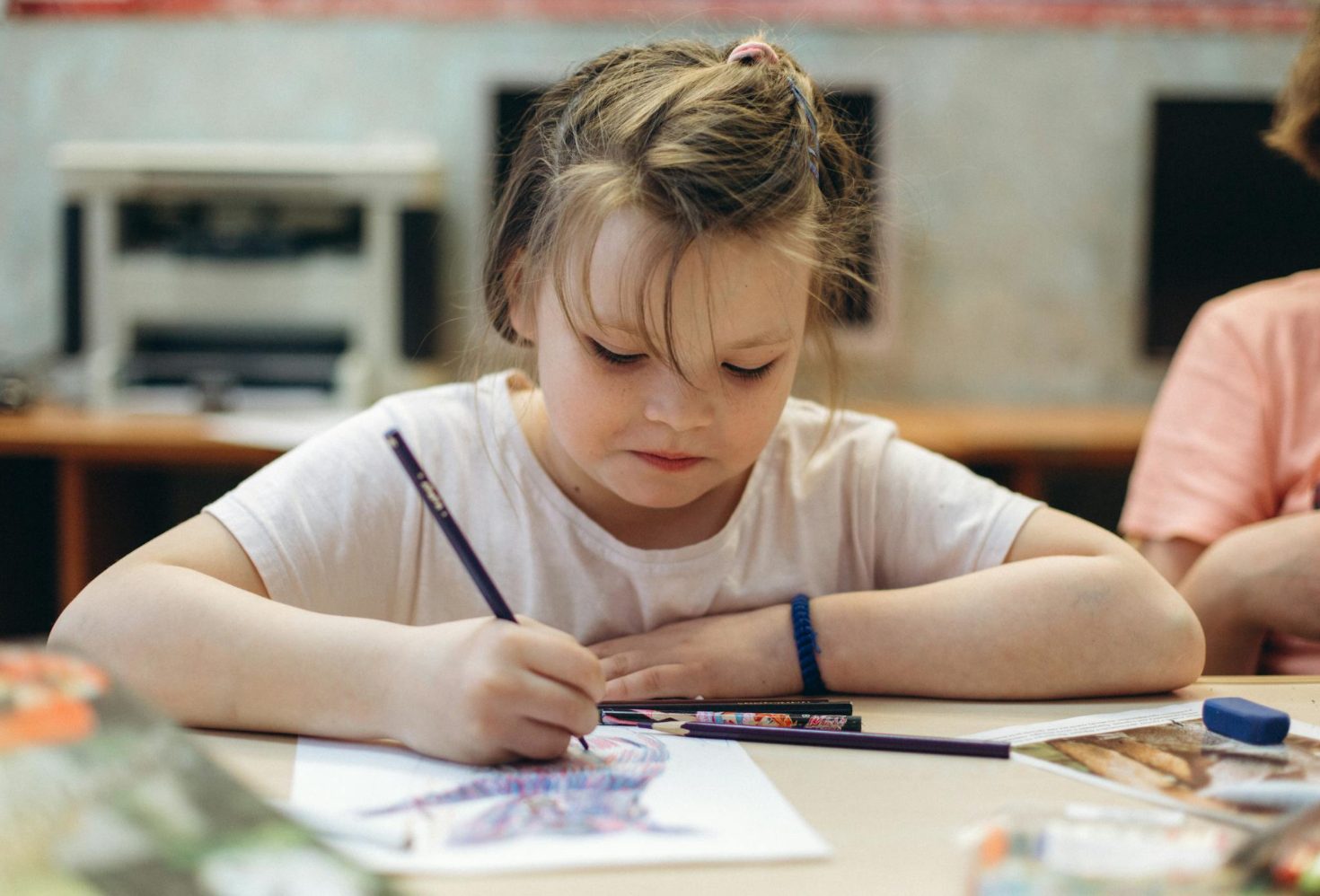
Girl In School
Experts say that many girls get missed in terms of an autism diagnosis – Pexels

For years, autism research and diagnosis patterns centered largely on boys, leaving many families unaware that girls can present very differently. Experts now warn that girls with autism are still being overlooked at troubling rates, often delaying support during critical developmental years. A girl who appears socially engaged, academically capable, or emotionally sensitive may still struggle with sensory overload, anxiety, burnout, or hidden communication challenges. That growing recognition is changing conversations around the diagnosis of girls with autism, but many experts say the system still has work to do.

Why Girls With Autism Often Look Different Than Boys

One major reason girls with autism are missed is that their traits can appear less obvious than traditional diagnostic stereotypes. Instead of repetitive interests involving trains, numbers, or technology, a girl may develop intense interests in books, animals, celebrities, or fictional worlds that seem socially acceptable. Some girls also become skilled at “masking,” meaning they consciously copy social behaviors to blend in with peers. According to research highlighted by the Simons Foundation Autism Research Initiative, this masking behavior can make the diagnosis of girls with autism significantly harder because their struggles remain hidden in plain sight.

The Hidden Cost of Late Diagnosis

A delayed diagnosis for girls with autism can carry real emotional and mental health consequences. Many women diagnosed later in life describe years of confusion, anxiety, depression, or feeling fundamentally different without understanding why. Imagine a teenager who excels academically but comes home exhausted from spending all day rehearsing conversations, suppressing sensory discomfort, and trying to fit in socially. Experts from organizations like the Child Mind Institute note that when autism goes unrecognized, girls are sometimes misdiagnosed with anxiety disorders, ADHD, eating disorders, or personality conditions instead of receiving appropriate autism support.

Parents and Teachers May Miss the Warning Signs

The diagnosis of girls with autism can also be delayed because parents and educators may not recognize less stereotypical signs. A quiet student who follows classroom rules, prefers one close friendship, or seems unusually mature may not raise immediate concerns. Yet that same child might struggle intensely with routine changes, social misunderstandings, sensory sensitivities, or emotional shutdowns after school. Experts encourage adults to look beyond surface behavior and pay closer attention to patterns of exhaustion, rigid thinking, emotional overwhelm, or unusually intense interests that interfere with daily life.

Better Awareness Is Improving Outcomes for Girls

The encouraging news is that awareness around girls with autism has improved dramatically in recent years. More clinicians now recognize that autism can present differently across gender, and newer conversations around neurodiversity are helping families seek evaluations earlier. Research published in autism-focused medical journals continues to challenge outdated assumptions that autism has one recognizable profile. Early identification matters because children who receive tailored support often gain stronger coping skills, better educational accommodations, and a deeper understanding of their own needs.

The Question Families Should Be Asking Now

If a child constantly feels overwhelmed, socially drained, intensely perfectionistic, or chronically misunderstood, families should not dismiss those experiences simply because she does not match an outdated autism stereotype. The diagnosis for girls with autism is evolving, and many experts believe broader awareness could help thousands receive answers earlier. Seeking guidance from clinicians experienced in female autism presentation can make a meaningful difference when concerns persist.

Have you noticed signs in a child, student, or family member that challenged what you thought autism looked like? Share your thoughts or experiences in the comments — your story could help another reader feel seen.

What to Read Next

7 Things Insurance Still Refuses to Cover for Many Autistic Children

Why Some Children Lose SSI Benefits After Turning 18 — Even With an Autism Diagnosis

Why More Families Are Going Into Debt Over Autism Evaluations

Evan Morgan

Evan Morgan has been a full-time freelance writer and editor for 10+ years. When not working, he enjoys catching the latest true crime documentary or getting lost in a good book.

Filed Under: Child behavior Tagged With: autism, autism awareness, autism diagnosis, child development, education, girls with autism, health, Mental Health, neurodiversity, Parenting

8 Reasons Your Kids Prefer Staying with Grandma—And It’s Not Just the Snacks

October 14, 2025 | Leave a Comment

my child is obsessed with her grandma
Image Source: Shutterstock

You’ve packed the overnight bag, double-checked the toothbrush, and kissed your kid goodbye as they practically sprint into Grandma’s house. And while it warms your heart to see them so excited, there’s also a tiny voice in your head asking, My child is obsessed with her grandma, why? The truth is, there’s something undeniably magical about time spent at Grandma’s. It’s more than extra cookies and late bedtimes—it’s about the bond, the attention, and the sense of safety she provides. If your kids can’t wait to sleep over at Grandma’s, here’s why.

1. Grandma Makes Them Feel Like the Center of the Universe

Let’s face it—Grandma has fewer distractions. While you’re juggling work emails, laundry, and a grocery list, Grandma is tuned in to every giggle and story. She listens intently, remembers little details, and often gives her full attention without multitasking. That kind of focus makes kids feel important in a way that’s hard to match during busy weekdays. When they’re with her, they feel seen, heard, and completely valued.

2. Rules Are Looser and Bedtimes Are Flexible

One of the biggest perks for kids is the break from structure. Bedtimes get pushed back, dessert sometimes comes before dinner, and screen time isn’t monitored down to the minute. It’s not that Grandma doesn’t care—she just has a different approach, one built around making memories rather than enforcing routines. That flexibility feels like freedom to kids, especially if they’re used to strict schedules at home. It’s not chaos; it’s Grandma-style comfort.

3. Nostalgia Lives in Her Home

There’s something cozy and comforting about Grandma’s house. It smells familiar, the furniture feels lived-in, and there’s probably a candy dish that’s been in the same spot for a decade. Even if your kids can’t articulate it, there’s a deep sense of security in that environment. It’s a place filled with stories, history, and the feeling of belonging. Grandma’s house doesn’t just offer snacks—it offers emotional warmth.

4. Grandma Has Endless Patience

Kids test limits. They push buttons. And after a long day, your patience might be running on fumes. But Grandma? She somehow finds the energy to laugh off the whining, answer the millionth question, and sit through the same bedtime book again. That gentleness makes kids feel accepted, even when they’re not at their best. Her patience gives them the space to be themselves without fear of frustration.

5. She Knows the Power of a Good Treat

Sure, it’s not just about the snacks—but let’s not pretend they don’t help. Grandma knows how to bake the best cookies, pour the right amount of chocolate syrup in the milk, and keep the snack cabinet stocked with things you swore off years ago. Treats are more than just sugar—they’re symbols of fun and indulgence. When treats come with love and storytelling, they leave a lasting impression.

6. She Shares Family Stories That Spark Connection

Kids love hearing about when their parents were little. Grandma often serves as the family historian, passing down funny, wild, or sweet stories from the past. These tales help children feel connected to something bigger than themselves. They learn where they come from and how they fit into the family tree. That sense of identity is comforting, and it builds a special bond that lasts for life.

7. Grandma Doesn’t Rush the Day

Where your mornings might be a blur of brushing teeth, packing lunches, and beating the clock, Grandma’s pace is slower. She lets kids linger over pancakes or spend a full hour building a pillow fort. That slower rhythm creates space for imagination, conversation, and calm. It gives kids the time to just be, without constantly transitioning from one thing to the next. That feeling of unhurried time is a gift in a fast-paced world.

8. She Gives Love Without Conditions

Grandma’s love feels simple. There’s no pressure to perform, behave perfectly, or meet expectations. While she may still teach life lessons, the tone is gentler, and the love never feels conditional. That unconditional affection makes Grandma a safe landing place when kids feel overwhelmed, misunderstood, or unsure. It’s the kind of emotional safety net that makes kids want to return again and again.

Strengthening the Bond With Grandparents

The bond between grandparents and grandchildren is one of life’s most special connections—rooted in love, wisdom, and shared experiences. Grandparents often play the role of storytellers and keepers of family history, passing down traditions, values, and lessons that shape a child’s sense of identity. Their unconditional love offers a sense of stability and comfort that helps grandchildren feel grounded, while their life experiences provide perspective and guidance that parents may not always have the time or distance to give. In many families, grandparents are also emotional anchors, offering reassurance and calm in a fast-paced, ever-changing world.

Appreciating this bond can be as simple as making time for intentional togetherness. Grandparents can share meaningful activities like cooking family recipes, gardening, or looking through old photo albums—each one an opportunity for connection and storytelling. Grandchildren, in turn, can show appreciation by helping with technology, teaching their grandparents new hobbies, or simply asking about their life experiences. These shared moments create lasting memories and mutual respect, bridging generational gaps.

To strengthen this bond, families should encourage regular contact—whether through in-person visits, phone calls, or video chats. Setting aside “grandparent days,” writing letters, or starting a shared journal can keep the connection alive even across distances. The key is consistency and genuine engagement. When grandparents and grandchildren make time to listen, laugh, and learn from each other, it nurtures a lifelong relationship built on trust, love, and gratitude that benefits every generation involved.

It’s Not a Competition—It’s a Compliment

When your kids run toward Grandma’s house with joy, it doesn’t mean you’re not doing a great job. It means your child is lucky enough to have another trusted adult who makes them feel cherished and safe. Instead of seeing it as a comparison, see it as an extension of the love you’ve helped foster. Grandma isn’t replacing you—she’s reinforcing everything good you’re already giving your child.

Why do you think kids feel so at home with Grandma? Share your sweetest stories in the comments!

What to Read Next

  • Why Grandparents Are Being Blocked From Visiting After Divorce
  • Grandparent Rights: 10 Legal Powers for Your Child’s Grandparents
  • 7 Ways Grandparents Are Making Parenting Harder—Without Knowing It
  • 12 Things Baby Boomer Grandparents Must Avoid
  • Why Toddlers Love Early Mornings (and Parents Dread Them)
Catherine Reed
Catherine Reed

Catherine is a tech-savvy writer who has focused on the personal finance space for more than eight years. She has a Bachelor’s in Information Technology and enjoys showcasing how tech can simplify everyday personal finance tasks like budgeting, spending tracking, and planning for the future. Additionally, she’s explored the ins and outs of the world of side hustles and loves to share what she’s learned along the way. When she’s not working, you can find her relaxing at home in the Pacific Northwest with her two cats or enjoying a cup of coffee at her neighborhood cafe.

Filed Under: Child behavior Tagged With: child development, emotional security, Family bonding, family relationships, grandparents, kids and grandparents, parenting help, parenting support

Why Are So Many Teenagers Avoiding Driver’s Licenses Now?

October 6, 2025 | Leave a Comment

Why Are So Many Teenagers Avoiding Driver’s Licenses Now?
Image source: 123rf.com

For decades, getting a driver’s license was seen as a rite of passage for American teenagers. It represented freedom, independence, and the first big step into adulthood. But in recent years, the trend has shifted dramatically, with fewer young people rushing to the DMV the moment they turn 16. Instead, many are waiting until later—or skipping the process altogether. So, why are so many teenagers avoiding driver’s licenses now, and what does this say about the changing priorities of the next generation?

1. The Rise of Ridesharing Apps

One of the most obvious reasons for teenagers avoiding driver’s licenses is the availability of ridesharing services like Uber and Lyft. With just a smartphone, teens can get a ride anywhere without the stress of driving. Parents often find this option safer since it avoids risky teen driving behaviors. It also reduces the need for owning a car, which can be expensive. This convenience makes having a license feel less urgent than it once was.

2. The High Cost of Driving

Driving is far from cheap, and this plays a major role in teenagers avoiding driver’s licenses. Between gas prices, insurance premiums, maintenance, and car payments, the costs add up quickly. Teens, who may only have part-time jobs or allowances, often find these expenses unrealistic. Parents, too, may be reluctant to take on the added financial burden. For many families, delaying or skipping licenses makes more economic sense.

3. Greater Access to Public Transportation

In cities and suburban areas with reliable public transit, driving isn’t as essential as it once was. Teenagers avoiding driver’s licenses may rely on buses, subways, or commuter trains to get where they need to go. Public transit also offers an eco-friendly appeal, aligning with the values of younger generations concerned about sustainability. For many, the independence they gain from transit rivals that of driving. This accessibility makes holding off on a license much more practical.

4. Increased Academic and Extracurricular Demands

Today’s teens face packed schedules filled with school, sports, and extracurricular activities. With parents often providing rides or schools offering activity buses, the urgency to drive decreases. Teenagers avoiding driver’s licenses may view driving as one more responsibility they don’t have time for. They prioritize studies, college prep, or part-time work over adding the stress of learning to drive. In this context, driving feels less like a necessity and more like a distraction.

5. The Impact of Social Media and Digital Connection

Another factor is the way teens socialize today. Instead of needing a car to meet friends, many hang out online through social media, gaming, or video calls. This reduces the pressure to get behind the wheel just to maintain a social life. Teenagers avoiding driver’s licenses may not see driving as essential to connecting with their peers. Their sense of independence comes digitally rather than physically.

6. Anxiety and Safety Concerns

Driving can be intimidating, and rising awareness of road accidents contributes to hesitation. Teenagers avoiding driver’s licenses often cite fear of accidents, distracted driving, or simply feeling unprepared. With constant news of crashes or unsafe driving behaviors, some prefer to wait until they feel more confident. Parents may also delay licenses due to safety concerns. For many, caution outweighs the perceived benefits of early driving.

7. Changing Cultural Priorities

Culturally, the meaning of independence has shifted. While past generations saw driving as essential, today’s teens may find empowerment in other ways, such as entrepreneurship, creative projects, or online communities. Teenagers avoiding driver’s licenses are often choosing priorities that don’t revolve around cars. For them, freedom is defined differently, whether through technology, education, or lifestyle choices. Driving is no longer the universal symbol of adulthood it once was.

8. Delayed Milestones in Adulthood

Many young people are reaching traditional life milestones later, such as moving out, getting married, or buying a house. In that same vein, driving has become another milestone that can wait. Teenagers avoiding driver’s licenses may see no need to rush if they’re still living at home or relying on family support. This cultural shift toward delayed independence aligns with the broader trend of young adults pacing their journey into adulthood more slowly.

9. Parental Influence and Control

Parents play a significant role in whether teens pursue driving. Some parents prefer to maintain control over transportation for safety reasons, choosing to provide rides instead. Others worry about liability or costs tied to teen drivers. Teenagers avoiding driver’s licenses often reflect parental hesitations more than their own. Family dynamics and preferences strongly shape this modern trend.

10. Environmental Awareness

Finally, many teens are motivated by environmental concerns. With climate change at the forefront of global discussions, cars are often seen as contributors to pollution. Teenagers avoiding driver’s licenses may prefer biking, walking, or using public transit to reduce their carbon footprint. Driving less aligns with their values and gives them a sense of contributing to a greener future. This perspective highlights a growing shift in priorities across generations.

Freedom Looks Different for Today’s Teens

The reasons behind teenagers avoiding driver’s licenses reveal much more than just disinterest in cars. They reflect changing financial realities, technological advances, and shifting cultural values. For today’s teens, freedom isn’t defined by a set of car keys—it’s found in flexibility, connection, and choices that align with their lifestyle. Understanding this shift helps parents and society better support the next generation in defining independence on their own terms.

Do you think teenagers avoiding driver’s licenses are missing out on independence, or are they simply redefining freedom? Share your thoughts in the comments.

What to Read Next…

Are You Still Legally Responsible If Your Teen Damages Someone’s Car?

Is Your Teen’s Social Media Putting Your Entire Family at Risk?

How Much Should You Legally Pay Your Teen for Helping Around the House?

Don’t Lend This: 10 Things You Should Never Lend To Your Teenager

The Real Talk: 6 Hard Conversations Parents Need To Have With Their Teens

Catherine Reed
Catherine Reed

Catherine is a tech-savvy writer who has focused on the personal finance space for more than eight years. She has a Bachelor’s in Information Technology and enjoys showcasing how tech can simplify everyday personal finance tasks like budgeting, spending tracking, and planning for the future. Additionally, she’s explored the ins and outs of the world of side hustles and loves to share what she’s learned along the way. When she’s not working, you can find her relaxing at home in the Pacific Northwest with her two cats or enjoying a cup of coffee at her neighborhood cafe.

Filed Under: Child behavior Tagged With: driving trends, financial planning, generational shifts, teen culture, teen independence, teenagers avoiding driver’s licenses, transportation choices

8 Emotional Red Flags in Kids That Show Up During the Holidays

October 1, 2025 | Leave a Comment

8 Emotional Red Flags in Kids That Show Up During the Holidays
Image source: 123rf.com

The holiday season often brings joy, excitement, and family togetherness. Yet for many children, this time of year also introduces stress, overstimulation, and emotional strain. Between disrupted routines, heightened expectations, and the pressures of family gatherings, kids may show signs that they are struggling more than they let on. Knowing the emotional red flags in kids during the holidays can help parents intervene early, ease their stress, and foster a healthier, happier season. By paying close attention, families can ensure that children feel supported instead of overwhelmed.

1. Sudden Withdrawal from Family Activities

If a child who usually enjoys decorating the tree or baking cookies suddenly prefers to stay in their room, it may be an early sign of stress. This withdrawal often signals that they are feeling overstimulated or anxious about the social demands of the season. While kids sometimes need alone time, persistent avoidance is an emotional red flag in kids that parents should not ignore. It can indicate that the child feels overwhelmed by too many expectations. Parents can respond by offering quiet alternatives and reassuring them that it’s okay to step back.

2. Increased Irritability or Outbursts

The holidays can magnify emotions, and some children express their stress through anger or defiance. Frequent meltdowns, shouting matches, or irritability over small issues can be emotional red flags in kids struggling to cope. These reactions often reflect a sense of being out of control amid chaotic schedules. Parents can help by maintaining consistent routines where possible and allowing children to express their frustrations safely. Offering calm reassurance can make it easier for them to manage holiday stress.

3. Changes in Sleep Patterns

Excitement and holiday events can disrupt sleep, but chronic insomnia, nightmares, or oversleeping may point to deeper emotional struggles. Sleep changes are one of the most telling emotional red flags in kids because rest is tied closely to emotional regulation. A child who isn’t sleeping well is more likely to become anxious, irritable, or withdrawn. Parents can encourage restful nights by creating calm evening routines and limiting late-night screen use. Addressing sleep disruptions early can prevent escalating emotional difficulties.

4. Heightened Separation Anxiety

The holiday season often means travel or visits from extended family, which can intensify feelings of insecurity in children. A sudden reluctance to leave a parent’s side or extreme clinginess is another emotional red flag in kids. This anxiety can make transitions like attending school holiday programs or staying with relatives stressful. Parents can support children by preparing them in advance, explaining what to expect, and offering extra reassurance. Building predictability into an unpredictable season helps children feel safer.

5. Overeating or Loss of Appetite

Food plays a central role in holiday celebrations, but major shifts in eating habits can be a warning sign. Some kids may overeat as a coping mechanism, while others may lose interest in food entirely. Both patterns are emotional red flags in kids and suggest that they are using food to manage stress or are too anxious to eat. Parents should watch for these changes and encourage balanced meals without creating added pressure. Gentle conversations about how they are feeling can reveal the underlying cause.

6. Excessive Perfectionism

The pressure to perform at school holiday concerts, make perfect gifts, or behave well around extended family can spark unhealthy perfectionism. When a child becomes extremely critical of themselves or refuses to try new things for fear of failing, it’s an emotional red flag in kids. This mindset can lead to anxiety and erode self-esteem during what should be a joyful season. Parents can ease the burden by praising effort over outcomes and reminding children that mistakes are normal. Encouraging them to embrace imperfection helps restore balance.

7. Physical Complaints Without Medical Cause

Headaches, stomachaches, or fatigue that lack a clear medical explanation often surface when children feel emotionally distressed. These psychosomatic symptoms are another subtle but important emotional red flag in kids. The body can manifest stress in physical ways, particularly during high-pressure times like the holidays. Parents should validate the discomfort without dismissing it and explore whether underlying worries might be contributing. Supporting both the body and mind creates a sense of holistic care.

8. Loss of Interest in Favorite Activities

If a child no longer shows excitement for hobbies they normally love, such as playing games, drawing, or sports, it’s worth paying attention. This sudden disinterest is a clear emotional red flag in kids that may point to sadness or even depression. The holidays can amplify feelings of isolation if children sense they are different from others or if family stress overshadows celebrations. Parents can reintroduce favorite activities gently while encouraging open discussions about feelings. Restoring joy in familiar pastimes can be a powerful step toward healing.

Protecting Children’s Emotional Well-Being During the Holidays

The holiday season is meant to bring connection, not emotional strain, yet it’s easy for kids to feel overwhelmed. By recognizing emotional red flags in kids early, parents can offer timely support and create an environment where children feel secure and valued. Small adjustments to routines, open conversations, and reassurance can make a big difference in how children experience this time of year. Parents who remain attentive and proactive give their kids the best chance to enjoy the season fully. Ultimately, protecting emotional well-being is just as important as holiday traditions themselves.

What emotional red flags in kids have you noticed during past holidays, and how did you help your child through them? Share your experiences in the comments!

What to Read Next…

Beyond The Report Card: 11 Discipline Methods That Secretly Backfire On Parents

Do Family Screen Time Rules Invite Emotional Manipulation?

6 Innocent Parenting Habits That Lead to Big Therapy Bills Later

Toxic Relatives and Kids: How to Protect Their Emotional Health

What’s Causing So Many Children to Fear Sleepovers Again?

Catherine Reed
Catherine Reed

Catherine is a tech-savvy writer who has focused on the personal finance space for more than eight years. She has a Bachelor’s in Information Technology and enjoys showcasing how tech can simplify everyday personal finance tasks like budgeting, spending tracking, and planning for the future. Additionally, she’s explored the ins and outs of the world of side hustles and loves to share what she’s learned along the way. When she’s not working, you can find her relaxing at home in the Pacific Northwest with her two cats or enjoying a cup of coffee at her neighborhood cafe.

Filed Under: Child behavior Tagged With: child anxiety, emotional red flags in kids, family stress, holiday parenting tips, holiday season kids, kids emotional health, parenting advice

9 Toddler Behaviors That Could Signal Deeper Issues

September 25, 2025 | Leave a Comment

9 Toddler Behaviors That Could Signal Deeper Issues
Image source: 123rf.com

Parenting toddlers comes with its fair share of tantrums, meltdowns, and unpredictable moments. Most of the time, these outbursts are perfectly normal parts of child development. However, some toddler behaviors go beyond the typical ups and downs and may indicate deeper issues worth paying attention to. Knowing the difference between what’s normal and what could be a red flag helps parents seek support early. Here are nine toddler behaviors that could signal deeper issues and why they matter.

1. Extreme Aggression Toward Others

Toddlers are known for testing boundaries, but consistent aggression can be a warning sign. If hitting, biting, or pushing becomes a daily occurrence, it may reflect underlying emotional regulation struggles. Occasional conflicts are normal, yet patterns of extreme aggression shouldn’t be ignored. Such toddler behaviors may signal difficulty managing frustration or even developmental challenges. Early intervention can help children learn healthier ways to express themselves.

2. Lack of Eye Contact

Eye contact is a basic part of communication, even for toddlers. When a child consistently avoids looking at parents, siblings, or caregivers, it could indicate social or developmental concerns. While some kids are naturally shy, a complete lack of eye contact may point to deeper issues like autism spectrum disorder. This toddler behavior is often noticed when children do not engage during play or conversations. Seeking guidance from a pediatrician can provide clarity and support.

3. Delayed Speech Development

Every child develops at their own pace, but significantly delayed speech may be a red flag. If a toddler is not using words, gestures, or simple sentences when expected, it could indicate speech or hearing problems. Limited communication can also cause frustration, which shows up in tantrums or withdrawal. This toddler behavior is especially concerning when paired with limited social interaction. Early speech therapy can make a big difference in long-term development.

4. Obsessive Repetitive Movements

It’s common for toddlers to repeat actions they find fun, like spinning in circles or clapping. However, obsessive repetitive movements such as constant rocking, hand flapping, or lining up objects may suggest deeper concerns. These toddler behaviors could be signs of sensory processing challenges or autism spectrum conditions. The key is noticing whether the repetition interferes with play or learning. When behavior becomes rigid and inflexible, it may warrant professional evaluation.

5. Difficulty Adjusting to Change

Toddlers often prefer routine, but extreme distress over small changes can raise concerns. If a child melts down every time their environment shifts, it may indicate anxiety or regulation struggles. This toddler behavior can limit their ability to adapt to new experiences, making transitions very challenging. Occasional resistance is expected, but constant rigidity is not. Helping children practice flexibility early can reduce long-term stress.

6. Lack of Interest in Play

Play is how toddlers explore the world and learn new skills. A lack of interest in toys, games, or interactions with peers can be a concerning toddler behavior. Children who withdraw from play may be experiencing social, emotional, or developmental issues. Play avoidance can also connect to speech delays or difficulty connecting with others. Encouraging engagement and consulting with professionals can help uncover what’s going on.

7. Regression in Skills

It’s natural for toddlers to have ups and downs, but losing previously learned skills can signal deeper problems. For example, a child who suddenly stops using words, feeding themselves, or showing interest in toilet training may be regressing. This toddler behavior is often linked to stress, trauma, or developmental conditions. Parents should take regression seriously, especially if it continues over time. Early recognition helps address the root cause effectively.

8. Unusual Sensory Reactions

Some toddlers show extreme sensitivity to sounds, textures, or lights. Others may seek excessive stimulation, like crashing into objects or constantly touching everything. These toddler behaviors may indicate sensory processing issues. While some sensitivity is normal, extreme or disruptive reactions suggest the need for further evaluation. Understanding sensory differences early helps families create supportive environments.

9. Intense and Prolonged Tantrums

Tantrums are part of toddlerhood, but when they last much longer than expected, they may point to deeper challenges. A typical tantrum may last a few minutes, while concerning ones stretch into half an hour or more. These toddler behaviors often leave children inconsolable and unable to calm down without significant intervention. Long, intense tantrums may be linked to emotional regulation issues. Identifying the triggers and seeking guidance can help improve coping skills.

Supporting Your Toddler with Awareness

Parenting toddlers means balancing what’s typical with what may need extra attention. While many behaviors are part of normal growth, consistent or extreme patterns can be signals of deeper issues. Paying close attention and seeking professional advice when needed helps ensure children receive support early. With awareness and action, parents can give their toddlers the tools they need to thrive. Being proactive today can prevent bigger challenges tomorrow.

Have you ever noticed toddler behaviors that made you wonder if something deeper was going on? Share your experiences in the comments below.

What to Read Next…

Is Your Child’s Behavior the Reason They Were Rejected From Private School?

6 Innocent Parenting Habits That Lead to Big Therapy Bills Later

Beyond The Report Card: 11 Discipline Methods That Secretly Backfire On Parents

Do Family Screen Time Rules Invite Emotional Manipulation?

9 Children’s Books That Quietly Reinforce Harmful Stereotypes

Catherine Reed
Catherine Reed

Catherine is a tech-savvy writer who has focused on the personal finance space for more than eight years. She has a Bachelor’s in Information Technology and enjoys showcasing how tech can simplify everyday personal finance tasks like budgeting, spending tracking, and planning for the future. Additionally, she’s explored the ins and outs of the world of side hustles and loves to share what she’s learned along the way. When she’s not working, you can find her relaxing at home in the Pacific Northwest with her two cats or enjoying a cup of coffee at her neighborhood cafe.

Filed Under: Child behavior Tagged With: child development, Child Psychology, early intervention, Parenting, toddler behaviors, toddler milestones

Behavioral Red Flags: How Kids Silently Signal They Don’t Feel Safe at Home

August 29, 2025 | Leave a Comment

Behavioral Red Flags: How Kids Silently Signal They Don’t Feel Safe at Home
Image source: 123rf.com

Children often express their emotions and experiences in ways that aren’t immediately obvious to adults. When a child doesn’t feel safe at home, they might not always voice their concerns directly, but their actions and behaviors can provide crucial clues. Recognizing behavioral red flags can help parents, caregivers, and community members step in before the issues grow more severe. Understanding these subtle signals is an important step in protecting children’s well-being and building a secure environment where they can thrive.

1. Sudden Withdrawal from Normal Activities

One of the earliest behavioral red flags is when children pull away from activities they once enjoyed. A child who suddenly avoids sports, clubs, or even playtime with friends may be showing signs of deeper distress. This withdrawal is not simply about losing interest, but rather about feeling unsafe or emotionally overwhelmed. Adults who notice these changes should gently ask open-ended questions to understand the underlying reasons. Taking these moments seriously can uncover situations at home that need immediate attention.

2. Frequent Unexplained Illnesses

Children sometimes use physical complaints as a way to avoid stressful or unsafe environments. Frequent headaches, stomachaches, or other vague illnesses may be a behavioral red flag signaling they don’t feel safe at home. While occasional complaints are normal, a recurring pattern should not be ignored. These physical symptoms often vanish when the child feels secure in another environment, such as school or with trusted relatives. Paying attention to these patterns can reveal emotional stress that requires support.

3. Heightened Fearfulness or Anxiety

Anxiety that seems disproportionate to everyday situations can be another important indicator. A child might become overly jumpy at loud noises or excessively fearful of making mistakes. This kind of heightened fearfulness suggests that home may not feel like a safe space. In some cases, children may cling to teachers, neighbors, or extended family as a way of finding stability. Recognizing these behavioral red flags early can help adults connect children with safe and supportive resources.

4. Aggressive or Defiant Behavior

Not all children show their distress by withdrawing; some act out instead. Aggression toward siblings, classmates, or even pets can be a way of communicating unspoken fears. Defiance, rule-breaking, or sudden outbursts may be linked to a child’s attempt to assert control in an environment where they feel powerless. While it’s tempting to view such actions as simple misbehavior, they can be behavioral red flags pointing to a lack of safety at home. Responding with patience and curiosity, rather than punishment alone, can uncover the root cause.

5. Regression to Earlier Childhood Behaviors

When children suddenly return to habits they had outgrown, such as bedwetting, thumb-sucking, or clinginess, it can signal distress. Regression is often a coping mechanism used to feel safe in uncertain or frightening situations. Adults may dismiss these behaviors as phases, but in the context of other warning signs, they become behavioral red flags worth noting. These regressions are the child’s way of signaling a need for comfort and security. Providing reassurance and professional guidance can make a critical difference.

6. Reluctance to Go Home

One of the most direct behavioral red flags is when a child hesitates or refuses to return home. Whether it’s lingering at school after hours or seeking invitations to friends’ houses, this reluctance can reveal a deeper fear. Such behavior should never be brushed off as simple stubbornness. It’s often a clear sign that the child associates home with discomfort or danger. Observing these patterns consistently is an important step in identifying when a child does not feel safe.

7. Sudden Decline in School Performance

A noticeable drop in grades, missed homework, or frequent absences can be strong signals that something is wrong at home. School often becomes a reflection of what a child experiences outside the classroom. When safety and stability are missing, concentration and motivation naturally suffer. Teachers are often the first to notice these changes and should treat them as potential behavioral red flags. By addressing these academic declines with compassion, adults can uncover whether the issue is rooted in the home environment.

8. Overly Mature or Caretaking Behavior

In some cases, children respond to unsafe homes by taking on adult roles prematurely. They may appear unusually responsible, protective of younger siblings, or overly concerned with household tasks. While maturity might seem positive on the surface, it can be a behavioral red flag when it appears suddenly or seems unnatural for their age. This forced caretaking often masks underlying fear or neglect. Recognizing this behavior can help adults intervene and restore balance to the child’s development.

Listening Beyond Words

Children don’t always have the vocabulary to say they feel unsafe, so their behaviors become their language. By tuning into these behavioral red flags, adults can respond with empathy, provide necessary support, and ensure the child is not left to struggle in silence. Every small signal matters and noticing these changes could be the turning point that brings safety and healing back into a child’s life.

What other subtle signs have you noticed that might reveal when a child doesn’t feel safe? Share your thoughts in the comments below.

What to Read Next…

10 Ways Parents Are Accidentally Teaching Entitlement

No Respect? 13 Ways to Recognize Disrespectful Behavior in Kids

How Much Screen Time Is Quietly Reshaping Childhood Behavior?

Beyond The Report Card: 11 Discipline Methods That Secretly Backfire On Parents

8 Things Kids Say That Seem Harmless—But Are Actually Warning Signs

Catherine Reed
Catherine Reed

Catherine is a tech-savvy writer who has focused on the personal finance space for more than eight years. She has a Bachelor’s in Information Technology and enjoys showcasing how tech can simplify everyday personal finance tasks like budgeting, spending tracking, and planning for the future. Additionally, she’s explored the ins and outs of the world of side hustles and loves to share what she’s learned along the way. When she’s not working, you can find her relaxing at home in the Pacific Northwest with her two cats or enjoying a cup of coffee at her neighborhood cafe.

Filed Under: Child behavior Tagged With: behavioral red flags, child behavior, child safety, emotional well-being, family support, parenting tips

Is Your Child’s “Tantrum” Really a Sensory Issue?

August 25, 2025 | Leave a Comment

Is Your Child’s “Tantrum” Really a Sensory Issue?
Image source: 123rf.com

Every parent has faced those tough moments when a child melts down in public, at school, or even at home for what seems like no reason at all. While it’s easy to label these moments as a tantrum, there may be something deeper going on. Many children actually struggle with how they process sights, sounds, textures, or even smells, leading to overwhelming feelings that look like misbehavior. Recognizing the difference between a typical tantrum and a sensory issue can change how parents respond, reduce frustration, and give children the tools they need to thrive. Understanding these differences helps families offer the right support instead of just discipline.

1. What Makes a Sensory Issue Different from a Tantrum?

A tantrum is usually triggered when a child wants attention or something they cannot have. It tends to stop once the child gets what they want or realizes it isn’t working. A sensory issue, on the other hand, happens when a child’s nervous system becomes overloaded by certain experiences like bright lights, loud noises, or scratchy clothing. Unlike a tantrum, no amount of reasoning or bribing will stop the reaction until the child feels calmer. Parents who spot these differences can respond with patience rather than frustration.

2. Common Triggers That Point to a Sensory Issue

Children who experience sensory challenges often react strongly to everyday situations. The sound of a vacuum, the feel of certain fabrics, or even the brightness of a classroom can cause an outburst. These reactions aren’t choices but genuine discomfort caused by the way their bodies process stimuli. By observing when and where outbursts happen, parents can often identify clear patterns. Once triggers are understood, families can work on strategies to reduce or manage exposure.

3. Why Sensory Overload Feels Overwhelming

Imagine trying to focus while an alarm blares in your ear or flashing lights blind your eyes. For a child with a sensory issue, that’s what normal environments can feel like. Their brains struggle to filter out what most people would consider background noise or minor irritation. This overload can quickly lead to anxiety, fear, or emotional outbursts. Recognizing that these behaviors come from distress rather than defiance changes how we respond as caregivers.

4. Practical Ways to Support Your Child During Episodes

When a child experiences a sensory issue, keeping calm is key. Parents can try offering a quiet space, noise-canceling headphones, or even a soft blanket that brings comfort. Gentle reassurance often works better than punishment or arguments. Sometimes, a predictable routine or transition warnings can reduce the chance of overload. Over time, these small adjustments can make a big difference in helping children feel secure and understood.

5. Long-Term Strategies to Address Sensory Needs

Managing sensory challenges goes beyond the moment of meltdown. Occupational therapy is one helpful option that can teach children coping tools and gradually improve their ability to process sensory input. Parents can also collaborate with teachers to create supportive classroom environments. At home, simple changes like dimming lights, reducing clutter, or offering clothing choices can minimize stress. Building awareness of sensory needs ensures children feel accepted and set up for success.

6. How to Talk to Others About Your Child’s Sensory Issue

Explaining a sensory issue to relatives, teachers, or even other parents isn’t always easy. Some may dismiss behaviors as misbehavior without realizing the underlying cause. Having clear examples of what triggers your child and how to help can make conversations smoother. Sharing strategies that work at home allows others to respond with the same level of support. When everyone is on the same page, children are more likely to feel understood rather than judged.

7. Looking Beyond the Label of Tantrum

Labeling every outburst as a tantrum can prevent parents from seeing the bigger picture. While some children do throw tantrums for attention, others are genuinely struggling with how they experience the world. Identifying a sensory issue helps shift the response from discipline to compassion. Parents who make this adjustment often see improvements in their child’s confidence and overall happiness. The key is learning to ask why before reacting to the behavior.

Raising Awareness Creates Better Futures

When parents recognize the signs of a sensory issue, they give their children the gift of understanding and support. These kids aren’t being difficult on purpose—they’re navigating a world that often feels too loud, too bright, or too overwhelming. With patience, strategies, and awareness, families can transform stressful moments into learning opportunities. By replacing frustration with empathy, parents teach resilience and create a nurturing environment. In the end, awareness leads to better outcomes for both children and families.

Have you ever realized your child’s “tantrum” was actually tied to a sensory issue? How did you handle the situation? Share your experience in the comments!

Read More:

No Respect? 13 Ways to Recognize Disrespectful Behavior in Kids

8 Things Kids Say That Seem Harmless—But Are Actually Warning Signs

Catherine Reed
Catherine Reed

Catherine is a tech-savvy writer who has focused on the personal finance space for more than eight years. She has a Bachelor’s in Information Technology and enjoys showcasing how tech can simplify everyday personal finance tasks like budgeting, spending tracking, and planning for the future. Additionally, she’s explored the ins and outs of the world of side hustles and loves to share what she’s learned along the way. When she’s not working, you can find her relaxing at home in the Pacific Northwest with her two cats or enjoying a cup of coffee at her neighborhood cafe.

Filed Under: Child behavior Tagged With: child behavior, child development, family support, parenting tips, sensory issue, tantrums vs sensory

How Much Screen Time Is Quietly Reshaping Childhood Behavior?

August 24, 2025 | Leave a Comment

How Much Screen Time Is Quietly Reshaping Childhood Behavior?
Image source: 123rf.com

It’s hard to deny that technology has become a daily companion for today’s kids. Tablets, smartphones, and televisions aren’t just tools for learning and entertainment—they’re shaping how children think, interact, and behave. Parents everywhere are beginning to notice changes, both subtle and obvious, that link directly to the hours spent in front of screens. While some effects can be positive, too much screen time is quietly altering developmental paths in ways many families don’t fully realize. Understanding these shifts can help parents make smarter choices about how technology fits into their children’s lives.

The Emotional Impact of Screen Time

Children’s emotional responses are increasingly influenced by their digital interactions. For some, too much exposure to videos or games creates heightened frustration or irritability when devices are taken away. Others may rely on screens to self-soothe, which can make it harder to manage real-world stress. Studies show that long stretches of screen time may reduce opportunities for kids to practice emotional regulation in face-to-face situations. Parents who set healthy boundaries often find their children are better at managing emotions in everyday life.

How Screen Time Shapes Social Skills

Developing social skills requires practice in real interactions, but screens often take time away from these opportunities. Many children become more comfortable communicating through text or games than in person. Over time, this reliance can reduce confidence when dealing with peers, teachers, or family members. In some cases, excessive screen time is linked to struggles with empathy, since kids miss out on reading subtle cues like tone of voice or facial expressions. Encouraging balanced use helps children strengthen both digital and real-world communication.

The Link Between Screen Time and Sleep Struggles

Parents may not always connect bedtime battles with screen habits, but the link is strong. Exposure to blue light from screens can disrupt natural sleep cycles, making it harder for children to fall asleep. Kids who use devices right before bed often report feeling tired the next morning, which can affect focus and mood. Over time, poor sleep impacts school performance and general well-being. By reducing screen time in the evening, parents can help restore healthier sleep routines for their children.

Academic Effects of Too Much Screen Time

Screen time can be a double-edged sword when it comes to learning. On one hand, educational apps and programs can reinforce skills and expand knowledge. On the other hand, too much passive viewing or gaming can reduce focus and attention spans in the classroom. Teachers increasingly report that children struggle to concentrate for extended periods, a shift many link to digital overstimulation. Creating balance means encouraging interactive, learning-focused content while limiting endless scrolling or mindless entertainment.

The Physical Side of Screen Time

Spending hours in front of screens affects more than just the mind. Children who sit for long periods often experience less physical activity, which can contribute to health issues like obesity. Eye strain, headaches, and posture problems are also common side effects of excessive device use. In contrast, kids who have clear limits on screen time often engage more in sports, outdoor play, or hands-on hobbies. These physical activities support not only better health but also stronger cognitive development.

Setting Boundaries That Actually Work

Many parents struggle with enforcing screen limits, but simple strategies can help. Consistent schedules, like no screens during meals or before bedtime, provide structure kids can understand. Co-viewing content with children also creates opportunities to discuss what they see, turning screen time into a shared activity. Introducing fun, non-digital alternatives makes it easier to replace device use with play, reading, or family activities. With clear rules, children learn that technology is a tool, not the centerpiece of daily life.

Finding Balance in a Digital World

It’s not realistic to remove technology completely, but balance is possible. Families who openly discuss the effects of screen time often make more intentional choices about when and how devices are used. Small changes—like replacing half an hour of scrolling with a board game or outdoor play—can have a big impact. Children who grow up with balanced screen habits are more likely to carry healthy patterns into adulthood. The goal isn’t to reject technology but to guide kids toward healthier, mindful use.

A Future Shaped by Today’s Choices

Every parent wants their child to thrive, and understanding the role of screen time is an important part of that goal. The habits children develop now will influence how they handle relationships, learning, and well-being for years to come. Parents who step in early with guidance create an environment where screens enhance rather than control childhood. It’s about teaching kids to use technology wisely while still making room for play, creativity, and real connections. In the end, shaping how screen time is managed today helps protect the childhood every child deserves.

How do you manage screen time in your household, and what strategies have worked best for your family? Share your thoughts in the comments!

Read More:

The Dark Side of Kids’ YouTube You Didn’t See Coming

10 Kids’ TV Shows That Undermine Parental Authority

Catherine Reed
Catherine Reed

Catherine is a tech-savvy writer who has focused on the personal finance space for more than eight years. She has a Bachelor’s in Information Technology and enjoys showcasing how tech can simplify everyday personal finance tasks like budgeting, spending tracking, and planning for the future. Additionally, she’s explored the ins and outs of the world of side hustles and loves to share what she’s learned along the way. When she’s not working, you can find her relaxing at home in the Pacific Northwest with her two cats or enjoying a cup of coffee at her neighborhood cafe.

Filed Under: Child behavior Tagged With: childhood behavior, digital parenting, family health, kids and technology, parenting tips, Screen Time

The Hidden Messages in Your Teen’s Silence: 6 Things They Might Be Telling You

June 18, 2025 | Leave a Comment

The Hidden Messages in Your Teens Silence 6 Things They Might Be Telling You
123rf.com

Teenagers have a way of going quiet just when you most want to hear what’s on their minds. One-word answers, shoulder shrugs, or entire afternoons spent in their rooms can leave parents feeling confused, frustrated, or even hurt. But don’t let the silence fool you—there’s often more being said than you think. Your teen’s silence can carry powerful emotional messages, and learning how to read between the lines is key to staying connected. Understanding what’s beneath the quiet can help you respond with empathy, not assumptions.

1. “I’m Overwhelmed and Don’t Know Where to Start”

When everything feels too much—school pressure, friend drama, family expectations—many teens shut down instead of speaking up. Your teen’s silence could mean their thoughts are too tangled to explain, or they fear saying something wrong. Rather than pushing for details, offer calm, open-ended questions and reassurance. Remind them they don’t have to have everything figured out to talk. Creating space without pressure can help them open up when they’re ready.

2. “I Need You, But I Don’t Know How to Ask”

One of the most confusing parts of parenting teens is watching them act distant while still deeply needing connection. Your teen’s silence may actually be an invitation—they’re hoping you’ll notice, show up, and offer comfort, even if they don’t know how to say it. Sometimes a quiet presence or a low-pressure activity like driving or folding laundry together can create the opening they need. Don’t assume their withdrawal means they want to be left alone. Check in gently and often.

3. “I’m Processing Big Emotions”

Teens experience strong emotions but don’t always have the words or tools to express them. Your teen’s silence might mean they’re trying to make sense of something painful, confusing, or embarrassing. Give them room to feel without rushing to fix it. You can say things like, “I know you might not want to talk right now, but I’m here when you do.” Sometimes the best support is simply staying available while they work through what they’re feeling.

4. “I Don’t Think You’ll Understand”

Teens can hesitate to open up if they think they’ll be judged, lectured, or misunderstood. If your teen’s silence follows a disagreement or difficult situation, they may worry that sharing more will only make things worse. Think about how you respond when they do talk—are you truly listening, or just reacting? Show that you’re willing to hear their side, even when it’s hard. Respect and validation build trust, and trust leads to more communication.

5. “I’m Trying to Be Independent”

Part of growing up is figuring things out on their own, and sometimes silence is a way of creating that space. Your teen’s silence might not be about pushing you away—it could be their way of testing boundaries or exploring who they are outside of your influence. While it’s tough to take a step back, allowing for healthy independence helps your teen build confidence. Let them know you believe in their ability to handle things, and they’ll be more likely to come to you when they really need help.

6. “I’m Afraid of Disappointing You”

Perfectionism, fear of failure, or simply wanting to live up to your expectations can keep teens from opening up about struggles. If they think they’ll let you down, they might stay silent to avoid your disappointment. Reassure them that your love isn’t based on grades, choices, or outcomes. Emphasize that mistakes are part of learning and growing. When teens feel safe admitting failure, they’re more likely to ask for support before things spiral.

Listening to What Isn’t Said

Your teen’s silence isn’t an empty space—it’s filled with feelings, fears, and sometimes even quiet hope. Instead of demanding answers or taking it personally, approach the silence with curiosity, compassion, and patience. Your steady presence lets them know they don’t have to face things alone, even when they don’t have the words. Over time, the door to communication opens wider—not because you forced it, but because you waited, listened, and made them feel safe enough to walk through.

Have you ever uncovered something important behind your teen’s silence? Share your insights or challenges in the comments—we’d love to hear from you.

Read More:

9 Money Moves Every Teen Should Know Before They Turn 18

How to Help Your Teen Save Up to Buy Their First Car

Catherine Reed
Catherine Reed

Catherine is a tech-savvy writer who has focused on the personal finance space for more than eight years. She has a Bachelor’s in Information Technology and enjoys showcasing how tech can simplify everyday personal finance tasks like budgeting, spending tracking, and planning for the future. Additionally, she’s explored the ins and outs of the world of side hustles and loves to share what she’s learned along the way. When she’s not working, you can find her relaxing at home in the Pacific Northwest with her two cats or enjoying a cup of coffee at her neighborhood cafe.

Filed Under: Child behavior Tagged With: emotional intelligence, family connection, parenting struggles, parenting teens, teen communication, teen mental health, teenage emotions, your teen's silence

8 Unexpected Benefits of Boredom in Children

June 9, 2025 | Leave a Comment

8 Unexpected Benefits of Boredom in Children

Parents often feel pressure to keep their children entertained around the clock—enrolling them in activities, handing over screens, or planning elaborate outings. But what if one of the greatest gifts we can give our kids is boredom? While it might sound counterintuitive, boredom can actually spark growth, creativity, and emotional strength in ways constant stimulation cannot. The benefits of boredom in children go far beyond simply filling time. It encourages self-discovery, resilience, and independence in ways that structured activities rarely do.

1. Boredom Sparks Creativity

When kids aren’t handed ready-made entertainment, their brains kick into gear to create it on their own. Whether it’s building a fort out of couch cushions or inventing a new game, unstructured time gives children room to stretch their imagination. Without the noise of schedules and screens, they start thinking outside the box. This kind of spontaneous creativity plays a crucial role in problem-solving and innovation. The benefits of boredom in children often start with something as simple as an idle afternoon and a cardboard box.

2. It Builds Problem-Solving Skills

When children are bored, they’re faced with a question: What now? That’s where problem-solving skills begin to grow. Instead of waiting for someone else to provide entertainment, kids start to look around and assess their options. This kind of independent thinking teaches them how to explore solutions, experiment, and adapt. Boredom pushes children to take initiative—an essential life skill that helps them succeed both academically and socially.

3. Boredom Teaches Patience

We live in a world of instant gratification, which makes patience harder to come by. But boredom gives kids a natural opportunity to practice waiting and managing discomfort. When there’s nothing exciting happening right away, they learn that not every moment needs to be filled. Over time, this strengthens their tolerance for delayed rewards and frustration. Building patience now sets the stage for better emotional regulation later in life.

4. It Fosters Independence

A bored child learns to rely on themselves for entertainment and engagement, not an adult or a device. That autonomy nurtures independence and builds confidence in their own decision-making. Instead of being spoon-fed activities, kids begin to understand their own interests and preferences. The freedom to explore their imagination without constant direction can be incredibly empowering. One of the quieter benefits of boredom in children is the way it helps them grow into more capable, self-directed individuals.

5. Boredom Can Support Emotional Growth

Children who experience boredom have the chance to sit with their thoughts, feelings, and frustrations. This helps them develop a deeper sense of emotional awareness and self-understanding. Instead of being constantly distracted, they learn how to process emotions naturally, which is vital for healthy mental development. While it may not always be comfortable, this inner stillness is where emotional resilience begins. Encouraging boredom isn’t ignoring your child—it’s trusting them to grow through quiet moments.

6. It Encourages Mindful Play

When children are bored, they often turn to play that’s slower, deeper, and more immersive. They may revisit toys they haven’t used in a while or explore nature with new curiosity. This kind of mindful, open-ended play is different than passive screen time or structured activities. It allows kids to focus, explore at their own pace, and truly engage with their surroundings. Mindful play supports longer attention spans and a stronger connection to the present moment.

7. Boredom Boosts Self-Motivation

Children who learn how to cope with boredom often become more intrinsically motivated. Instead of doing something because they were told to, they do it because they chose it for themselves. This internal drive is a powerful trait that supports academic performance, personal goals, and long-term success. Boredom creates the space for children to discover what genuinely interests them. The more they pursue these interests on their own, the more self-driven they become.

8. It Teaches the Value of Simplicity

In a world full of noise and busyness, boredom reminds children that joy can come from simple things. A stick in the backyard, a notebook and pencil, or even just lying on the floor daydreaming—these moments may seem uneventful, but they hold tremendous value. Kids don’t always need new toys or scheduled activities to feel fulfilled. Learning to appreciate simplicity builds gratitude and reduces the constant craving for more. Among the many benefits of boredom in children is the chance to discover that less really can be more.

The Gift of Letting Them Be Bored

Boredom isn’t something to fear—it’s something to embrace. In fact, it might be one of the most valuable tools we have in raising creative, resilient, emotionally healthy kids. The next time your child says, “I’m bored,” consider it an opportunity rather than a problem to fix. Trust that they have what they need to fill the silence and grow in the process. Sometimes, the best way to help kids thrive is to step back and give them space to figure things out on their own.

How do you handle boredom in your home? Have you noticed any surprising benefits when your child has to make their own fun? Share your thoughts in the comments!

Read More:

5 Innocent Mistakes That Turn Into Lifelong Bad Habits

6 Modern Parenting Trends That Might Be Doing More Harm Than Good

Catherine Reed
Catherine Reed

Catherine is a tech-savvy writer who has focused on the personal finance space for more than eight years. She has a Bachelor’s in Information Technology and enjoys showcasing how tech can simplify everyday personal finance tasks like budgeting, spending tracking, and planning for the future. Additionally, she’s explored the ins and outs of the world of side hustles and loves to share what she’s learned along the way. When she’s not working, you can find her relaxing at home in the Pacific Northwest with her two cats or enjoying a cup of coffee at her neighborhood cafe.

Filed Under: Child behavior Tagged With: benefits of boredom in children, child development, creative play, emotional growth, parenting advice, parenting tips, raising independent kids, unstructured play

10 Surprising Ways to Tame Toddler Tantrums—Fast!

June 8, 2025 | Leave a Comment

10 Surprising Ways to Tame Toddler Tantrums Fast

Your toddler’s face turns red, the wailing begins, and suddenly you’re in the middle of a meltdown that seems to come from nowhere. Whether it’s because you cut their toast the wrong way or dared to offer the blue cup instead of the green one, tantrums can feel impossible to predict and even harder to stop. But not all tantrum-taming tactics involve timeouts and deep breaths. With the right tools, you can learn to tame toddler tantrums quickly—and sometimes even prevent them before they begin. Here are 10 surprising and effective strategies that help calm chaos fast.

1. Get Down to Their Level

When a tantrum starts, crouch down so you’re eye-to-eye with your child. This simple move instantly reduces the power imbalance and shows them you’re listening, not looming. Toddlers respond better to calm authority than raised voices. By lowering your body, you’re also lowering the emotional temperature of the moment. It’s a non-verbal way to begin to tame toddler tantrums before words even come into play.

2. Whisper Instead of Yell

Raising your voice is often instinctive, but it tends to escalate the chaos. Whispering, on the other hand, forces your toddler to pause and focus. It’s unexpected, disarming, and oddly effective. Whispering shows you’re in control—and that calms a child faster than shouting ever will. If you want to tame toddler tantrums quickly, try lowering your tone instead of raising it.

3. Use a Distraction That Requires Movement

If your toddler is losing it, redirect their energy by asking them to help you with something physical. Say, “Can you race me to the couch?” or “Let’s jump like frogs to the kitchen!” Movement helps regulate emotions and pulls them out of the tantrum spiral. Toddlers respond well to playful redirection. It’s a fast way to tame toddler tantrums without confrontation.

4. Offer Two Choices

Tantrums often come from a lack of control, so give it back, just a little. Say, “Do you want to put on your socks first or your shirt?” Even tiny choices help a toddler feel empowered and heard. This reduces frustration and invites cooperation. It’s a classic way to tame toddler tantrums by steering their focus toward problem-solving instead of screaming.

5. Name the Emotion Out Loud

Toddlers don’t always have the words to express what they’re feeling. When you say, “You’re feeling really mad right now because we had to leave the park,” you help them feel seen. Naming the emotion gives it a container and teaches them emotional vocabulary. It also builds trust by showing that you understand. This empathy-driven approach can tame toddler tantrums before they grow too big.

6. Try the “Yes” Sandwich

Start and end your response with a “yes,” even if you’re holding a boundary. For example: “Yes, I know you love cookies. And we’re not having cookies before dinner. Yes, you can have one afterward.” This technique helps your toddler feel heard while still enforcing limits. It’s a surprising yet effective way to tame toddler tantrums without giving in.

7. Mirror Their Movements (Briefly)

Sometimes, toddlers just want to be understood—even in their most dramatic moments. If they’re stomping or flailing, try mirroring a small part of their movement for a moment, then slowly settle down. This shows you’re tuned in and can help guide them back to calm. It may sound odd, but it often works like magic. When used intentionally, this technique can tame toddler tantrums in seconds.

8. Use a “Calm-Down Basket”

Have a small box or bin with soothing toys or items like a soft blanket, sensory bottles, or picture books. When emotions start rising, invite your child to sit and explore the basket with you. The goal isn’t punishment—it’s emotional regulation. Over time, they’ll learn to use the basket as a tool instead of relying on meltdowns. It’s a creative and comforting way to tame toddler tantrums and teach healthy coping skills.

9. Change the Environment

If all else fails, move to a different room or take a quick walk outside. Sometimes, a new environment is enough to snap your child out of the emotional spiral. A change of scenery can disrupt the tantrum pattern and provide a sensory reset. Fresh air, a change in lighting, or even a new toy can work wonders. When the tantrum just won’t quit, this strategy can help tame toddler tantrums fast.

10. Stay Silent and Stay Close

Not every tantrum needs words. Sometimes, being a steady, silent presence is more powerful than anything you could say. Sit nearby without scolding, shaming, or offering solutions. Your calm presence sends the message that they’re safe, even in emotional chaos. When they’re ready, they’ll come to you, and you’ll already be there to tame toddler tantrums with love.

Toddlers Don’t Want to Lose Control—They Just Don’t Know How to Stay in It

Tantrums aren’t a sign that your child is “bad” or that you’ve failed. They’re a natural part of learning to navigate big emotions in a very small body. When you respond with calm, creativity, and compassion, you teach your child that they’re not alone—and that even big feelings can be managed. The goal isn’t perfection. It’s connection.

What surprising tricks have helped you tame toddler tantrums in your home? Share your favorite calming strategies in the comments!

Read More:

From Chaos to Calm: Strategies for Difficult Toddler Behavior

Is Your Toddler Already Experiencing Burnout?

Catherine Reed
Catherine Reed

Catherine is a tech-savvy writer who has focused on the personal finance space for more than eight years. She has a Bachelor’s in Information Technology and enjoys showcasing how tech can simplify everyday personal finance tasks like budgeting, spending tracking, and planning for the future. Additionally, she’s explored the ins and outs of the world of side hustles and loves to share what she’s learned along the way. When she’s not working, you can find her relaxing at home in the Pacific Northwest with her two cats or enjoying a cup of coffee at her neighborhood cafe.

Filed Under: Child behavior Tagged With: calming strategies for kids, Emotional Regulation, parenting hacks, parenting toddlers, tame toddler tantrums, toddler behavior tips, toddler meltdowns, toddler tantrum tips

Kids Lie More Than You Think—And What They’re Really Trying to Tell You

June 6, 2025 | Leave a Comment

Kids Lie More Than You Think And What Theyre Really Trying to Tell You

Your child may look you in the eye and insist they brushed their teeth, even though the toothbrush is bone dry. Before you assume it’s just mischievous behavior, it’s worth digging deeper. The truth is, kids lie more than you think, and the reason why often has less to do with being “bad” and more to do with trying to manage emotions, fear, or expectations. Understanding why children stretch the truth—and how to respond without overreacting—can help build trust, encourage honesty, and reveal what they truly need.

They’re Avoiding Punishment, Not Morality

One of the most common reasons kids lie more than you think is fear of punishment. Whether it’s a broken vase or a failed test, children often lie to avoid the consequences they believe will follow. This kind of lying usually stems from anxiety or past experiences with harsh reactions. When children think the truth equals trouble, they’re more likely to cover it up. Responding with calm curiosity instead of immediate anger can help them feel safe enough to be honest.

They Want to Protect Your Feelings

Children pick up on emotional cues more than adults realize. If your child senses that a truth might make you upset, sad, or disappointed, they may fib to spare your feelings. For example, a child might say they had fun at Grandma’s even if they were bored or uncomfortable, simply because they know you wanted them to enjoy it. Kids lie more than you think to avoid hurting the people they care about, which ironically shows their empathy—even if their delivery is flawed.

They’re Trying to Fit In

Social pressure starts young. Children may lie about what toys they have, what shows they’re allowed to watch, or how good they are at a game to impress their friends. These lies aren’t about defiance; they’re about belonging. When children feel insecure or left out, they may bend the truth to match what they think others expect. It’s important to recognize this as a signal that your child may be craving acceptance or struggling with self-esteem.

They’re Not Sure Where Imagination Ends

Young children often live in a world where pretend and reality blend together. That’s why kids lie more than you think, especially in the preschool and early elementary years. If your child insists a dragon ate their homework, they may not be trying to deceive—they may be expressing something emotionally significant in a way that feels safer or more fun. Rather than accusing them of lying, gently guide them to separate fantasy from facts.

They’re Practicing Independence

As children grow, they test boundaries. Lying can become part of that experimentation, especially when they’re figuring out how much control they have over their own lives. Telling you they don’t have homework (when they do) or sneaking extra screen time may be about asserting autonomy more than anything else. Recognizing that kids lie more than you think as a way of claiming independence helps parents set firmer, more respectful boundaries without shaming.

They’re Seeking Attention

Sometimes kids lie simply to get a reaction. If they feel overlooked or ignored, an outrageous or dramatic story might be their way of grabbing your attention. These lies are often easy to spot—they might involve celebrity sightings, wild achievements, or impossible events. Responding with interest in what they’re trying to express, rather than just correcting the facts, helps meet the underlying emotional need.

They Don’t Fully Understand Truth Yet

Especially for younger kids, the concept of lying is still forming. They may tell falsehoods without realizing it, particularly when recalling events or explaining something they don’t fully grasp. When kids lie more than you think, it’s not always about manipulation—it can be about development. Encouraging truth-telling through modeling and gentle correction is more effective than labeling them as liars.

They’re Trying to Avoid Embarrassment

Nobody likes to feel foolish, and kids are no exception. If they don’t know the answer to a question, forgot an assignment, or had an accident at school, they may lie out of sheer embarrassment. These lies aren’t meant to deceive but to protect their pride. When we approach these situations with empathy instead of criticism, we create space for honesty to flourish.

They’re Copying What They See

Kids watch everything. If they see adults tell white lies (“Tell them I’m not home” or “That outfit looks great” when it doesn’t), they learn that lying is an acceptable social tool. Even media can influence how often and in what contexts children bend the truth. If you’ve noticed that kids lie more than you think, look at the behavior being modeled around them—it’s often where the habit starts.

Honesty Is Built, Not Demanded

Lying is a normal part of childhood, but it’s also a developmental signal. When kids lie more than you think, it’s an invitation to look at what’s really going on underneath. Are they anxious? Seeking love or autonomy? Feeling afraid or ashamed? Every fib is a clue. With empathy, open dialogue, and consistent modeling, you can help your child grow into an honest and emotionally secure individual.

What’s the most unexpected lie your child has told—and what did it reveal? Share your stories (and parenting wisdom) in the comments below!

Read More:

10 Things Parents Should NEVER Ignore About Their Child’s Behavior

8 Things Kids Do to Hide Their Bad Behavior from You

Catherine Reed
Catherine Reed

Catherine is a tech-savvy writer who has focused on the personal finance space for more than eight years. She has a Bachelor’s in Information Technology and enjoys showcasing how tech can simplify everyday personal finance tasks like budgeting, spending tracking, and planning for the future. Additionally, she’s explored the ins and outs of the world of side hustles and loves to share what she’s learned along the way. When she’s not working, you can find her relaxing at home in the Pacific Northwest with her two cats or enjoying a cup of coffee at her neighborhood cafe.

Filed Under: Child behavior Tagged With: child behavior, child development, emotional intelligence, kids and honesty, parenting communication, parenting tips, trust and parenting, why kids lie

Next Page »
  • Facebook
  • Pinterest
  • RSS
  • Twitter
Best Parenting Blogs

Most Popular

Baby

9 Unusual Baby Names That Sound Like They Belong to Future CEOs

Evan Morgan
Baby

10 Baby Names That Were Once Considered “Grandparent Names” but Feel Cool Again

Evan Morgan
Target Store

Choking Incident Prompts Recall of 49,000 Target Gigglescape “Under the Sea” Popping Toys

Evan Morgan
Frustrated Girl

Why Some Students on the Spectrum Are Labeled With ODD

Evan Morgan
Coke Bottles

12 Things Kids Took to School in the ’70s That Would Never Be Allowed Today

Evan Morgan

All content on Kids Ain’t Cheap is for entertainment purposes only. By reading this blog, you agree that Kids Ain’t Cheap is not responsible for any actions taken after reading this blog. For the full disclaimer, see our privacy policy.

Please note that Kids Ain’t Cheap has financial relationships with some of the merchants mentioned here. Kids Ain’t Cheap is funded by banner advertising, commission sales and search optimization consulting.

Copyright © 2006–2026 | District Media | All Rights Reserved | Privacy Policy

Copyright © 2026 Runway Pro Theme by Viva la Violette