• Home
  • About Us
  • Toolkit
  • Archives
  • Advertise
  • Privacy Policy

Kids Ain't Cheap

But They Sure Are Worth It

  • Parenting
    • Baby Stuff
    • Books and Reading
      • Aesops Fables
      • Comic Books
    • Education
    • Family Time
    • Green Living
    • Growing Up
    • Healthy Living & Eating
    • Holidays
    • Parenting
    • Random Musings
    • Shopping
    • Stuff to Do
  • Money
  • Product Reviews
    • Books and Magazines
    • Discount Sites
    • Furniture
    • House Keeping
    • Reviews News
    • Toys and Games
  • Contact Us
  • Our Editorial Commitment
  • Search

Here Are The Real Reasons Your Children Aren’t Able to Sleep At Night

June 6, 2025 | Leave a Comment

Here Are The Real Reasons Your Children Arent Able to Sleep At Night

You’ve done the bedtime routine. The lights are dim, the stuffed animals are tucked in, and the bedtime stories are finished. So why is your child still wide awake? If you’re wondering why sleep just won’t come easily, you’re not alone. The truth is, there are several hidden reasons your children aren’t able to sleep at night, and understanding them can be the key to giving your entire household more peaceful evenings—and better mornings.

1. Too Much Screen Time Before Bed

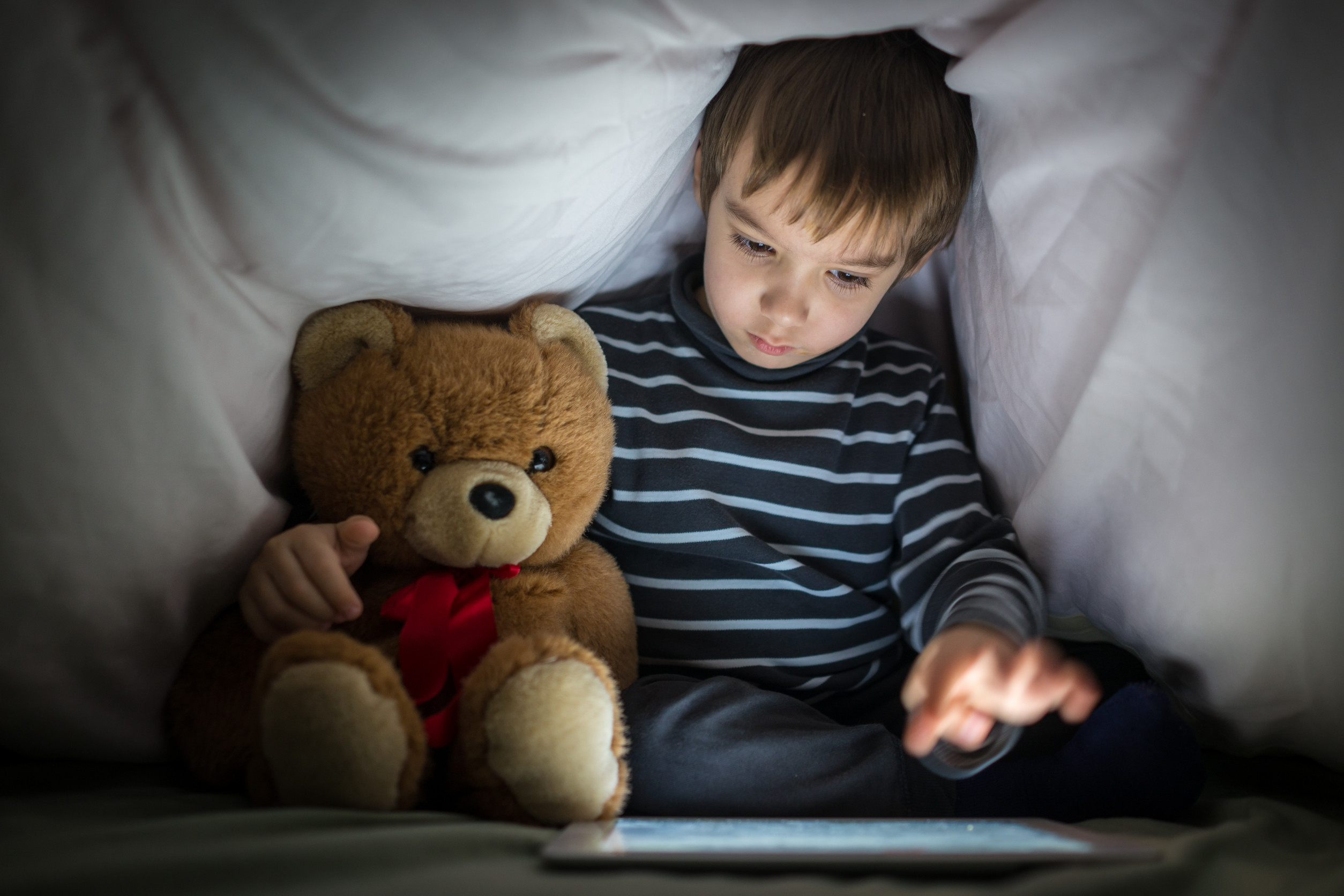
Blue light from tablets, phones, and even TVs can seriously interfere with your child’s natural sleep cycle. These devices suppress melatonin—the hormone responsible for helping the body wind down and feel sleepy. When kids are using screens too close to bedtime, their brains are still in alert mode. One of the biggest reasons your children aren’t able to sleep at night is simply that they’ve been overstimulated by digital input. Try turning off screens at least an hour before bed to help them unwind.

2. An Overloaded Schedule

Busy days filled with school, homework, sports, and extracurricular activities can take a toll on kids’ ability to fall asleep. It may seem like they’d be tired enough to crash easily, but constant stimulation without time to decompress often backfires. Children need calm, unstructured time in the evening to settle their minds. Without it, they may struggle to process the day or shift into rest mode. Overscheduling is one of the most overlooked reasons your children aren’t able to sleep at night—and one of the easiest to address with better balance.

3. Anxiety or Racing Thoughts

Even younger children can carry stress and anxiety to bed with them. Worries about school, friendships, family changes, or general fears can keep their minds spinning long after the lights are out. Instead of assuming kids have “nothing to worry about,” it helps to ask gentle, open-ended questions at bedtime. Anxiety is one of the more emotional reasons your children aren’t able to sleep at night, and it often requires a consistent routine and lots of reassurance to ease. Calming activities like journaling, meditation, or quiet conversation can help them feel safe and grounded.

4. Poor Sleep Environment

The room your child sleeps in plays a major role in how well they rest. Factors like too much noise, an uncomfortable mattress, or a room that’s too hot or too cold can prevent quality sleep. Even small things like clutter or bright night lights can make it harder to relax. When looking for reasons your children aren’t able to sleep at night, don’t overlook their physical space. Aim for a cool, dark, quiet room with cozy bedding and minimal distractions to support better rest.

5. Lack of a Consistent Routine

Bedtime routines aren’t just cute traditions—they’re essential for regulating sleep patterns. Kids thrive on consistency, and when their bedtime changes from night to night, it confuses their internal clock. This unpredictability can make falling asleep a battle. One of the most fixable reasons your children aren’t able to sleep at night is the absence of a predictable sequence of events that signals it’s time to rest. Try setting a regular wind-down routine that includes the same steps every night: bath, story, cuddles, and lights out.

6. Eating Too Late (or Too Little)

A full belly right before bed can lead to indigestion, while going to sleep hungry can cause tossing and turning. Finding the right balance with evening meals and snacks is important. Heavy meals or sugary treats too close to bedtime can disrupt sleep, especially if your child is sensitive to certain foods. Nutrition-related discomfort is one of those sneaky reasons your children aren’t able to sleep at night that often gets overlooked. Offer a light, healthy snack like a banana, yogurt, or toast if they need something before bed.

7. Sleep Disorders or Health Issues

If your child consistently struggles with sleep despite a solid routine and good habits, it might be time to consider a medical reason. Conditions like sleep apnea, restless leg syndrome, or chronic allergies can all disrupt restful sleep. These issues may show up as snoring, frequent waking, or daytime fatigue. Health-related reasons your children aren’t able to sleep at night should be addressed with your pediatrician to rule out underlying problems. Sometimes, the fix requires more than a routine tweak.

8. They’re Just Going to Bed Too Late

Sometimes it really is as simple as timing. Overtired kids often have a harder time falling asleep than those who go to bed before they hit that “wired” stage. Staying up too late can trigger a second wind that’s tough to reverse. One of the most common reasons your children aren’t able to sleep at night is that they’ve passed the optimal sleep window. Experiment with moving bedtime earlier by 15-30 minutes to see if it helps.

A Tired Kid Isn’t Always a Sleepy One

There’s nothing more frustrating than watching an exhausted child struggle to fall asleep. But sleep resistance often comes from things happening before they ever hit the pillow. Understanding the real reasons your children aren’t able to sleep at night gives you the power to make small, effective changes. With the right mix of routine, environment, and support, restful nights are closer than you think.

What’s helped your child sleep better at night—or what struggles are you still facing? Share your bedtime wins and challenges in the comments!

Read More:

7 Tools to Use When Your Baby Won’t Sleep Through the Night

Sleep Struggles Might Be the Reason You Hate Your Job

Catherine Reed
Catherine Reed

Catherine is a tech-savvy writer who has focused on the personal finance space for more than eight years. She has a Bachelor’s in Information Technology and enjoys showcasing how tech can simplify everyday personal finance tasks like budgeting, spending tracking, and planning for the future. Additionally, she’s explored the ins and outs of the world of side hustles and loves to share what she’s learned along the way. When she’s not working, you can find her relaxing at home in the Pacific Northwest with her two cats or enjoying a cup of coffee at her neighborhood cafe.


Filed Under: Child behavior Tagged With: bedtime anxiety, child bedtime tips, children’s health, kids and sleep, parenting struggles, screen time and sleep, sleep problems in kids, sleep routine

7 Lies Kids Tell To Get Your Money (No, They Didn’t Clean Their Room)

June 6, 2025 | Leave a Comment

7 Lies Kids Tell To Get Your Money No They Didnt Clean Their Room

Kids are clever—sometimes a little too clever when they want something. Whether it’s an emergency need for snacks, a school fundraiser that mysteriously popped up, or a sudden urge to “invest” in slime supplies, children can get creative when it comes to accessing your wallet. While honesty is a value most parents try hard to instill, there are some common fibs that pop up again and again. And let’s be honest: you’ve probably heard a few of these already. These are seven of the most common lies kids tell to get your money, and what you can do to stop the habit before it becomes a routine.

1. “Everyone Else Got One”

This classic peer-pressure line is designed to make you feel like the only unreasonable parent on the planet. Whether they’re talking about new shoes, a gaming headset, or lunch money for a food truck day, the idea is that saying “no” will leave them tragically left out. But unless you’re in a group chat with every other parent, it’s hard to verify. This is one of the most manipulative lies kids tell to get your money because it plays on guilt and your desire for them to fit in. A good response? “Let me check with another parent first.”

2. “It’s for School”

Suddenly they need $20—for school. No details, no teacher note, just vague urgency and a backpack that definitely doesn’t have any paperwork in it. While some school-related expenses are legitimate, this fib is frequently used to mask snack runs or extra money for vending machines. It’s one of the more believable lies kids tell to get your money, which makes it harder to call out. Request proof or ask follow-up questions like what class it’s for, when it’s due, and if it’s listed on the school calendar.

3. “I Lost My Lunch Money”

Sometimes this one’s true, but when it happens every other week, your wallet starts to wonder. Claiming to have lost lunch money is an easy cover for spending it elsewhere—on candy, apps, or lending it to friends. It’s one of those lies kids tell to get your money that parents often give in to out of concern. Instead of handing over more cash, offer to pack lunch for the next day or set up a prepaid cafeteria account with limits.

4. “I’ll Pay You Back”

This little promise sounds so responsible and grown-up. But unless your child has a steady income (or an unusually reliable allowance history), “I’ll pay you back” often translates to “you’ll forget I owe you.” While it might start small, this habit can lead to poor money management skills later in life. If you’re hearing this lie kids tell to get your money too often, consider setting clear borrowing rules or using an app to track IOUs. It’s also a great moment to teach about earning money before spending it.

5. “I Need It for a Gift”

Wanting to buy a friend a birthday gift is a thoughtful gesture—but sometimes, it’s just an excuse to get spending money. Kids may ask for funds to buy something “for a friend,” only to turn up with snacks or toys for themselves. It’s one of the sneakier lies kids tell to get your money because it sounds generous and kind. Ask where they plan to shop, how much the item costs, and offer to help them pick something out—this usually separates truth from fiction quickly.

6. “You Said I Could”

Unless you write every financial agreement down in blood (or at least in your Notes app), this one is hard to argue. Kids are known for selective memory, and “you said I could” is often code for “I hoped you would.” This lie kids tell to get your money usually pops up when they’re trying to make a quick purchase without checking back in. A good counter? “Then I’m sure you won’t mind waiting until I remember saying that.”

7. “It’s Only a Few Dollars”

This one is dangerous because it sounds harmless. But those “few dollars” quickly add up when you hear it every week. Whether it’s for an extra snack, a tip for a delivery, or something small from the school store, this lie kids tell to get your money minimizes the ask to avoid a “no.” Teach them to treat every dollar as valuable. If you want to curb the behavior, give a set weekly amount and let them manage it—no top-ups, no exceptions.

Raising Smart Spenders Starts with Honest Conversations

Kids learn from trial and error—and sometimes from pushing their luck. Spotting the lies kids tell to get your money isn’t about catching them in a trap, it’s about using those moments to teach integrity, budgeting, and healthy communication. If you give them the tools to manage money wisely and reinforce the value of trust, they’ll eventually stop trying to hustle you for snacks and start asking you for tips on saving.

Which fib have you heard the most from your child when they want money? How did you handle it? Share your stories in the comments—we’d love to hear them!

Read More:

The First Time They Lied to You: How Innocence Really Ends

8 Things Kids Do to Hide Their Bad Behavior from You

Catherine Reed
Catherine Reed

Catherine is a tech-savvy writer who has focused on the personal finance space for more than eight years. She has a Bachelor’s in Information Technology and enjoys showcasing how tech can simplify everyday personal finance tasks like budgeting, spending tracking, and planning for the future. Additionally, she’s explored the ins and outs of the world of side hustles and loves to share what she’s learned along the way. When she’s not working, you can find her relaxing at home in the Pacific Northwest with her two cats or enjoying a cup of coffee at her neighborhood cafe.
Filed Under: Child behavior Tagged With: Allowance, child behavior, family finances, kids and money, kids and spending, money habits, parenting advice, parenting tips, teaching honesty

Why More Kids Are Being Misdiagnosed With These 5 Conditions

June 5, 2025 | Leave a Comment

Why More Kids Are Being Misdiagnosed With These 5 Conditions

When your child is struggling, getting a diagnosis can feel like a relief—until it turns out to be wrong. Misdiagnosis in children is surprisingly common, especially as schools and doctors face increasing pressure to identify and treat issues quickly. With overlapping symptoms, changing behavior, and inconsistent access to specialized care, more kids are being misdiagnosed than ever before. These labels can follow them for years, affecting how they’re taught, treated, and even how they see themselves. Let’s look at five conditions that are most frequently misdiagnosed in children—and how to make sure your child gets the right support.

1. ADHD (Attention-Deficit/Hyperactivity Disorder)

ADHD tops the list of conditions where kids are being misdiagnosed, and the reasons are complex. Many of the core symptoms—like distractibility, fidgeting, and impulsiveness—can also be signs of anxiety, trauma, or even a lack of sleep. Some kids are misdiagnosed simply because they’re more active than their peers or don’t fit into a traditional classroom mold. A rushed evaluation without input from teachers, parents, and psychologists can lead to unnecessary medication or stigma. If ADHD is suggested, seek a comprehensive assessment and consider multiple opinions before moving forward.

2. Autism Spectrum Disorder (ASD)

Autism spectrum disorder is another condition where early intervention is vital, but misdiagnosis is becoming more frequent. Some children with sensory issues, speech delays, or social anxiety may be inaccurately diagnosed with autism when another explanation fits better. On the flip side, some girls and children of color are underdiagnosed because they don’t match the “classic” profile. The rise in awareness is positive, but it’s also led to quicker labeling in some cases. Accurate diagnosis requires time, careful observation, and expertise from professionals familiar with how autism presents across different populations.

3. Pediatric Bipolar Disorder

It’s scary for any parent to hear the word “bipolar” used in relation to a child, especially since this diagnosis is often based on extreme mood swings or behavior outbursts. However, more kids are being misdiagnosed with pediatric bipolar disorder when they may actually have ADHD, depression, or even a trauma-related condition. The symptoms can overlap, but the treatments are very different—and the wrong medication can worsen things. A thorough psychiatric evaluation is crucial before accepting a diagnosis of bipolar disorder in a child under 12. Look for a provider who specializes in pediatric mental health and not just general behavior issues.

4. Oppositional Defiant Disorder (ODD)

ODD is commonly diagnosed when a child is consistently defiant, angry, or argumentative with authority figures. But what if the real issue is that the child is dealing with undiagnosed anxiety, sensory processing challenges, or problems at home? Unfortunately, kids are being misdiagnosed with ODD when their behavior is a response to something deeper. This label can lead to punishment-based interventions rather than compassionate care. Instead of focusing solely on the behavior, professionals should look at the emotional and environmental context behind it.

5. Learning Disabilities

Learning disabilities like dyslexia, dyscalculia, and dysgraphia are real—and more recognized than ever—but they’re also tricky to diagnose accurately. Sometimes kids who are simply behind due to lack of instruction or support get labeled with a learning disability. Other times, a child with an undiagnosed hearing or vision issue is assumed to have a cognitive delay. Misdiagnosing a learning disability can lead to the wrong kind of help—or no help at all. Always request a full psychoeducational evaluation before accepting a diagnosis, and consider retesting as your child grows.

A Label Shouldn’t Define a Child—But Accuracy Matters

It’s important to remember that a diagnosis can open doors to support, but a wrong diagnosis can close them just as fast. With more kids being misdiagnosed, parents need to become active participants in the evaluation process. That means asking questions, getting second opinions, and checking in regularly to make sure the label still fits. Your child is more than any diagnosis, and they deserve care that reflects their full, complex self.

Have you ever questioned a diagnosis your child received? What steps did you take to find answers? Share your story in the comments to help other parents navigate the same journey.

Read More:

10 Reasons You Should Have a Copy of Your Child’s Medical Records

8 Snacks That Kids Love and Doctors Hate

Catherine Reed
Catherine Reed

Catherine is a tech-savvy writer who has focused on the personal finance space for more than eight years. She has a Bachelor’s in Information Technology and enjoys showcasing how tech can simplify everyday personal finance tasks like budgeting, spending tracking, and planning for the future. Additionally, she’s explored the ins and outs of the world of side hustles and loves to share what she’s learned along the way. When she’s not working, you can find her relaxing at home in the Pacific Northwest with her two cats or enjoying a cup of coffee at her neighborhood cafe.

Filed Under: Child behavior Tagged With: ADHD, autism, child behavior, child diagnosis, Child Psychology, learning disabilities, Mental Health, misdiagnosis in kids, Parenting

9 Bad Habits That Kids Are Picking Up From Their Aunts and Uncles (And How to Stop It)

June 5, 2025 | Leave a Comment

9 Bad Habits That Kids Are Picking Up From Their Aunts and Uncles And How to Stop It

Family bonds are incredibly important, and most kids light up at the mention of their favorite aunt or uncle. These grown-up playmates often bring fun, treats, and a break from routine—but sometimes they bring more than you bargained for. Without realizing it, even the most well-meaning relatives can model behaviors that clash with your parenting goals. The truth is, there are several bad habits that kids are picking up from their aunts and uncles—and they tend to stick unless addressed early. Here’s what to watch for and how to tackle it without starting a family feud.

1. Ignoring Boundaries Around Food

Whether it’s sneaking extra candy or letting dessert come before dinner, many aunts and uncles think bending food rules is part of the fun. While occasional treats aren’t a big deal, repeated boundary-breaking teaches kids that your rules are flexible if the right adult is around. This creates confusion and power struggles during regular meals. It can also contribute to poor eating habits or emotional attachment to food. Make sure relatives know your expectations clearly—and don’t be afraid to enforce them.

2. Overusing Screens as Babysitters

Many relatives love to bond with kids over movies or games, but when screens become the go-to distraction every visit, it sets a precedent. If your child comes home expecting unlimited YouTube time or a new game every time they’re bored, the issue may be what’s happening during those visits. Excessive screen time is one of the most common bad habits that kids are picking up from others, even in short bursts. Have a chat about balance and suggest more interactive ways they can spend time together.

3. Using Sarcasm or Inappropriate Humor

Some aunts and uncles think teasing is harmless fun, but kids often don’t pick up on tone or sarcasm the way adults do. What’s meant as a joke can feel confusing or even hurtful, and children may start copying the same snarky or edgy comments at home. It’s especially problematic if it includes language or topics that don’t align with your household values. Set gentle boundaries around humor, especially if it involves name-calling, “roasting,” or inappropriate topics.

4. Encouraging Secrets or “Don’t Tell Your Parents” Moments

When a fun day out ends with “just don’t tell your mom,” it might seem innocent—but it subtly undermines trust between you and your child. Encouraging secrecy, even with good intentions, is one of the more serious bad habits that kids are picking up. It normalizes hiding things from parents and teaches kids that honesty is optional in certain relationships. Let family members know that transparency matters and that you want your child to feel safe telling you everything.

5. Modeling Disrespect for Authority

If an aunt or uncle frequently badmouths bosses, teachers, or other authority figures in front of your child, don’t be surprised if your kid starts doing the same. Kids mimic what they hear, and disrespectful commentary can influence how they speak about adults. This habit can show up at school, in public, or during family conversations, often at the worst possible moment. Encourage relatives to keep adult complaints out of earshot or reframe criticism in more respectful language.

6. Ignoring Bedtimes or Routines

Sleepovers at Auntie’s house might mean midnight snacks, endless cartoons, and no bedtime rules. While that sounds magical for kids, it can wreak havoc when routines need to be reestablished at home. Lack of structure becomes one of the sneakiest bad habits that kids are picking up—because it’s so hard to undo once it’s normalized. Communicate in advance about your child’s bedtime and any non-negotiables so the fun doesn’t come at the expense of sleep and stability.

7. Using Guilt or Bribery to Get Affection

Sometimes aunts and uncles use guilt to coax hugs or bribe kids with gifts for attention. While it may seem sweet on the surface, it teaches children that affection is something to be bought or earned. This can confuse your child’s sense of emotional boundaries and consent. Help relatives understand that genuine connection builds naturally and doesn’t need a trade-off. Model and encourage respectful, mutual affection instead.

8. Swearing or Using Inappropriate Language

Kids are like little parrots—they’ll repeat words and phrases whether they fully understand them or not. If an uncle lets an f-bomb slip every few minutes or throws around slang you’ve been actively avoiding, chances are your kid will pick it up. And probably at the worst time. Language habits are one of the most obvious bad habits that kids are picking up—and one of the hardest to correct once they take hold. Ask relatives to mind their language when little ears are nearby.

9. Dismissing Feelings or Telling Kids to “Toughen Up”

If a child expresses fear or sadness and is met with “you’re fine” or “don’t be a baby,” it can teach them to suppress emotions. While not always intentional, these dismissals can prevent kids from developing emotional intelligence or feeling safe expressing themselves. Encourage your child’s aunts and uncles to validate feelings, even if they don’t fully understand them. Emotional support is a habit that’s just as contagious—and far more valuable.

Creating Boundaries Without Burning Bridges

It’s tough to navigate family dynamics, especially when you’re trying to protect your child without creating tension. The key is to be clear, kind, and consistent. Most aunts and uncles don’t mean harm—they just need a little guidance on what matters most to you as a parent. When everyone’s on the same page, your child gets the love and fun of extended family without the extra habits you don’t want tagging along.

Have you noticed any surprising bad habits that kids are picking up from extended family? How did you handle it? Share your stories in the comments!

Read More:

10 Places Your Kids Are Picking Up Bad Habits—And You Didn’t Even Notice

5 Innocent Mistakes That Turn Into Lifelong Bad Habits

Catherine Reed
Catherine Reed

Catherine is a tech-savvy writer who has focused on the personal finance space for more than eight years. She has a Bachelor’s in Information Technology and enjoys showcasing how tech can simplify everyday personal finance tasks like budgeting, spending tracking, and planning for the future. Additionally, she’s explored the ins and outs of the world of side hustles and loves to share what she’s learned along the way. When she’s not working, you can find her relaxing at home in the Pacific Northwest with her two cats or enjoying a cup of coffee at her neighborhood cafe.
Filed Under: Child behavior Tagged With: bad habits in kids, child behavior, emotional development, extended family, family boundaries, kids and relatives, Parenting, parenting advice, Screen Time

When a Child’s Apology Is Just Another Power Play

June 4, 2025 | Leave a Comment

When a Childs Apology Is Just Another Power Play

Most parents are relieved when a child finally mutters “I’m sorry” after a conflict—but what if that apology feels hollow, sarcastic, or strategic? There are times when a child’s apology isn’t about remorse at all—it’s about control. Knowing when a child’s apology is just another power play can help you navigate tricky behavior patterns that aren’t really about making amends. Kids are smart, and they often test boundaries by using language not to repair relationships, but to manipulate outcomes. Recognizing these moments is the first step to teaching genuine accountability and emotional awareness.

1. The Sarcastic or Forced Apology

One of the clearest signs that a child’s apology is just another power play is when it’s said with a smirk, an eye roll, or exaggerated tone. These performative “sorries” aren’t rooted in empathy—they’re about meeting a requirement with the least amount of sincerity possible. Children quickly learn that saying the right words can end a conversation, avoid a consequence, or get an adult off their back. But when parents accept these insincere apologies without addressing the underlying attitude, the real lesson gets lost. Instead, take a moment to pause, acknowledge the tone, and talk about what apologies are meant to do.

2. Apologies That Come with a “But”

“I’m sorry, but she started it.” “I said I was sorry, but I didn’t mean to.” These are common examples of when a child’s apology is just another power play disguised as accountability. The “but” often shifts the blame, deflects responsibility, or minimizes the impact of their actions. While it’s normal for children to struggle with owning up to mistakes, consistent use of this pattern can signal manipulation. Helping kids recognize the difference between explaining and excusing is key to breaking this habit.

3. The Rapid-Fire “Sorry” to Avoid Consequences

Sometimes a child will blurt out “sorry” the instant they sense they’re in trouble—not because they feel regret, but because they hope to escape a consequence. This is another version of when a child’s apology is just another power play, especially if it happens frequently and is followed by the same behavior later. While it’s tempting to accept the apology and move on, it’s important to show that words alone don’t erase actions. Reinforce that sincere apologies must come with effort to do better, not just a get-out-of-jail-free card.

4. Using Apologies to Shift the Focus

A more subtle form of manipulation happens when a child uses an apology to redirect the conversation or guilt the adult into dropping the issue. For instance, they might apologize dramatically to appear extra hurt or emotionally fragile in hopes of avoiding further discussion. This type of behavior falls squarely into the category of when a child’s apology is just another power play, because it’s being used to control the emotional temperature of the room. Parents should respond calmly and remind their child that emotional honesty and growth come from working through discomfort—not just ending it.

5. Repeated Apologies Without Changed Behavior

“I’m sorry” loses meaning if it’s said again and again without any sign of changed behavior. When a child keeps apologizing for the same action but makes no effort to stop doing it, that’s a classic case of when a child’s apology is just another power play. They may believe the words are enough to smooth things over, even when their actions show otherwise. Addressing this pattern means talking not just about what was done, but what can be done differently next time. True apologies are tied to growth—not just getting out of trouble.

Teaching Real Apology Skills

If you recognize any of these patterns, it doesn’t mean your child is manipulative in a malicious way. It means they’re still learning emotional regulation and the true purpose of an apology. Instead of demanding “Say you’re sorry,” try asking, “What do you think you could say or do to make things right?” This shifts the focus from automatic words to meaningful repair. Encourage reflection, not just a recitation. Over time, children can learn that a real apology includes acknowledgment, empathy, and change—not just a shortcut through accountability.

Have you ever felt like your child’s apology was more about escaping trouble than making things right? Share your experience in the comments—we’d love to hear how you handled it.

Read More:

Should Parents Force Kids to Apologize?

Building Strong Character in Your Children: Simple Steps

Catherine Reed
Catherine Reed

Catherine is a tech-savvy writer who has focused on the personal finance space for more than eight years. She has a Bachelor’s in Information Technology and enjoys showcasing how tech can simplify everyday personal finance tasks like budgeting, spending tracking, and planning for the future. Additionally, she’s explored the ins and outs of the world of side hustles and loves to share what she’s learned along the way. When she’s not working, you can find her relaxing at home in the Pacific Northwest with her two cats or enjoying a cup of coffee at her neighborhood cafe.

Filed Under: Child behavior Tagged With: apologies, child behavior, child communication, child discipline, emotional development, family dynamics, parenting strategies, parenting tips

5 Toys Kids Are No Longer Playing With In Daycare

June 3, 2025 | Leave a Comment

5 Toys Kids Are No Longer Playing With In Daycare

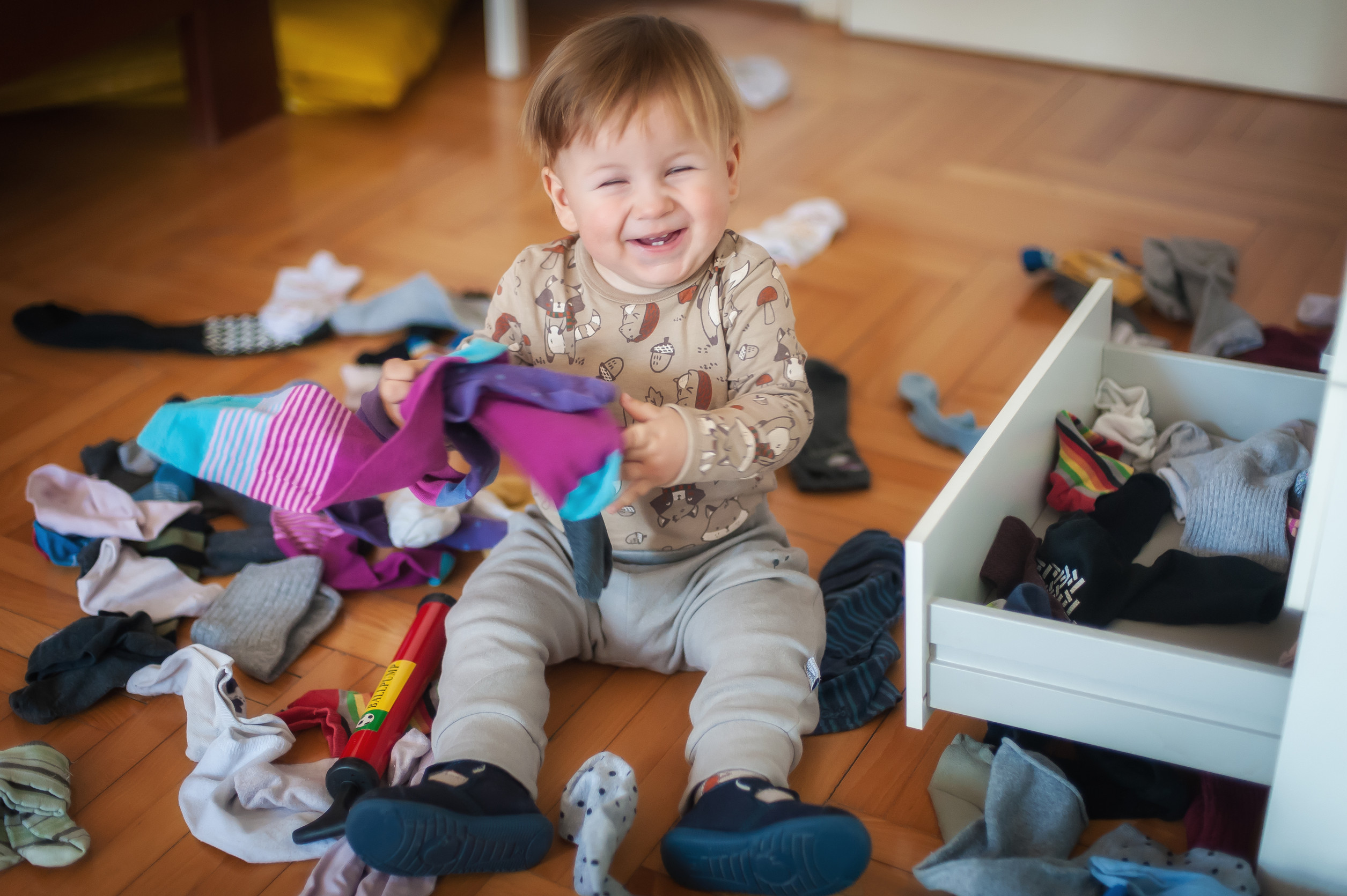
Walk into a daycare in 2025, and you might notice a few dusty bins or untouched shelves where old favorite toys used to dominate the playroom. Tastes have changed, attention spans have shifted, and even the youngest kids have moved on from some once-popular classics. While some toys are still daycare staples, others have fallen completely out of favor—left behind in favor of interactive, imaginative, or sensory-friendly alternatives. Whether it’s because they’re too noisy, too limiting, or just don’t spark engagement anymore, there are clear trends emerging. Here are five toys kids are no longer playing with in daycare—and what’s replacing them instead.

1. Battery-Powered Talking Toys

At one point, these flashy, noisy gadgets were everywhere—alphabet singing turtles, talking puppies, and soundboard books with plastic buttons. But they’ve quickly become some of the top toys kids are no longer playing with in daycare. Why? Many children find them overstimulating, and educators find them distracting. The repetitive sound loops wear out their welcome fast, and they rarely offer open-ended play. Today’s early childhood educators prefer toys that encourage creativity over button-pushing.

2. Plastic Dress-Up Shoes

They used to be a favorite during pretend play time, clacking loudly across the floor as toddlers stomped around playing “grown-up.” But plastic dress-up shoes are officially on the list of toys kids are no longer playing with in daycare settings. Not only are they uncomfortable and difficult for little feet to walk in, they’re also considered a tripping hazard. Many centers have swapped them out for soft costumes, felt crowns, or fabric capes that let kids play pretend without sacrificing safety or comfort. These new options inspire the same imaginative play without the bumps and bruises.

3. Stackable Plastic Rings

They were once the symbol of early childhood toys—a rainbow-colored ring stacker sitting on nearly every shelf. But in many daycare centers, these are now among the toys kids are no longer playing with in daycare environments. They offer limited engagement after a certain developmental stage, and kids quickly move on to more dynamic sensory toys. For modern toddlers, stackers that light up, change texture, or double as teethers hold their attention much longer. Traditional ring toys just don’t compete with multi-sensory learning experiences.

4. Wooden Puzzles with Peg Handles

These puzzles have long been a go-to for fine motor skill development, featuring farm animals, shapes, or alphabet letters with little knobs to grasp. But lately, they’re among the toys kids are no longer playing with in daycare. Many children lose interest quickly because these puzzles often offer only one way to play. Once the pieces are placed, the fun is over. Newer options like magnetic puzzles, reusable sticker scenes, or themed matching games are gaining popularity for their interactive appeal and replay value.

5. Toy Cash Registers

It’s not that pretend play has gone out of style—far from it—but toy cash registers specifically have fallen off the radar. Many kids are more interested in swipe cards, tablets, and “scanning” items than pushing big colorful buttons on an outdated register. These have quietly become one of the toys kids are no longer playing with in daycare settings, as they don’t reflect how kids see transactions happening in real life anymore. In their place, you’ll often find grocery playsets with self-checkout scanners, touchscreens, or mini vending machines. It’s a shift from imaginative retro to tech-savvy realism.

What This Says About How Kids Learn Today

These changes in toy preferences aren’t just about trends—they reflect how early learning is evolving. The toys kids are no longer playing with in daycare often lack the engagement, realism, or sensory experience that modern children are drawn to. Today’s kids want toys that do more than make noise or stack—they want to experiment, imagine, and interact. Parents and caregivers can learn a lot by watching which toys get used and which collect dust. Updating the playroom might be as important as updating the lesson plan.

Have you noticed your child ignoring toys they used to love? What would you say belongs on the “no longer played with” list? Share your thoughts in the comments!

Read More:

5 Toys That Were Never Designed to Be Used by Children

These 7 Trending Toys Are on Every Kid’s Wish List

Catherine Reed
Catherine Reed

Catherine is a tech-savvy writer who has focused on the personal finance space for more than eight years. She has a Bachelor’s in Information Technology and enjoys showcasing how tech can simplify everyday personal finance tasks like budgeting, spending tracking, and planning for the future. Additionally, she’s explored the ins and outs of the world of side hustles and loves to share what she’s learned along the way. When she’s not working, you can find her relaxing at home in the Pacific Northwest with her two cats or enjoying a cup of coffee at her neighborhood cafe.
Filed Under: Child behavior Tagged With: daycare toys, early childhood trends, playroom tips, preschool activities, toddler play, toy trends 2025, toys kids are no longer playing with in daycare

8 Things Kids Say That Seem Harmless—But Are Actually Warning Signs

May 30, 2025 | Leave a Comment

8 Things Kids Say That Seem Harmless But Are Actually Warning Signs

Most parents hear their kids say things that seem quirky, silly, or dramatic—and often brush them off without a second thought. But every now and then, there’s a deeper message hiding in those offhand comments. Some of the things kids say that seem harmless can actually be quiet cries for help, frustration, or confusion. The key is learning how to listen between the lines, because kids don’t always know how to articulate big emotions directly. If you’ve ever second-guessed whether a passing comment meant something more, you’re not alone—these eight phrases deserve a second listen.

1. “I’m just tired all the time.”

Fatigue might seem like a basic complaint, but when it becomes chronic, it could signal more than just a poor night’s sleep. Kids who are emotionally overwhelmed, anxious, or even depressed often express their feelings physically. Saying they’re “just tired” could be their way of avoiding deeper conversations they aren’t sure how to start. It’s one of those things kids say that seem harmless, but it can be an early indicator of mental health struggles. Pay attention to patterns, energy changes, and mood alongside this phrase.

2. “Nobody likes me.”

This one might sound like typical school drama, but it can reveal painful feelings of isolation or rejection. If a child repeatedly says “nobody likes me,” it’s worth exploring whether they’re struggling with friendships, bullying, or low self-esteem. Kids often lack the vocabulary to say, “I feel left out,” so they default to extreme statements. When this comment surfaces, don’t dismiss it—instead, dig deeper to find out what’s really going on in their social world. Validating their feelings while offering guidance can make a huge difference.

3. “I don’t care.”

“I don’t care” can sound like a throwaway comment or even disrespectful defiance. But in many cases, it’s a mask for discouragement or fear of failure. If a child starts saying this about things they used to enjoy—school, sports, friendships—it might mean they’re feeling powerless or emotionally shut down. When “I don’t care” becomes a regular phrase, it’s time to ask gentle questions and offer support without pushing too hard. This is one of the most overlooked things kids say that seem harmless but may reveal burnout or emotional overload.

4. “I’m just joking.”

Sometimes, jokes aren’t really jokes—they’re disguised messages. Kids may use humor or sarcasm to express real concerns while protecting themselves from criticism or rejection. A child who makes “jokes” about hating school, being ugly, or being unwanted might be revealing painful beliefs underneath the punchline. Watch for repeated patterns and topics in their humor. When “I’m just joking” is attached to something potentially serious, it deserves attention and a follow-up conversation.

5. “I wish I wasn’t here.”

This statement should never be ignored, even if it sounds vague or fleeting. It can be a red flag for depression or feelings of worthlessness, and it requires immediate care and conversation. Sometimes kids don’t know how to say, “I’m overwhelmed,” so they express it in the only way they can. Saying they “wish they weren’t here” is one of the most serious things kids say that seem harmless—but is anything but. Don’t wait—reach out to a mental health professional if your child ever expresses this.

6. “You never listen to me.”

This phrase may feel like an exaggeration in the heat of an argument, but it often reflects a deeper issue. When kids say this, they may feel unheard, invalidated, or dismissed—even if it wasn’t your intention. Feeling chronically ignored can impact their self-esteem and trust in family communication. Instead of snapping back, ask them to help you understand what they were trying to say. Showing genuine interest can repair the disconnect and prevent bigger issues from building up.

7. “I’m fine.”

This one might be the most common—and most misleading—statement kids make. If a child seems upset but insists they’re “fine,” it’s often because they don’t feel safe enough or ready to open up. Kids might use this phrase to avoid conflict, minimize their emotions, or brush past something uncomfortable. If “I’m fine” is accompanied by a change in behavior, withdrawal, or silence, take it as your cue to gently circle back later. This is one of the most deceptively simple things kids say that seem harmless but could signal something important.

8. “Don’t worry about it.”

On the surface, this phrase sounds mature—almost reassuring. But many kids say this when they’re struggling alone and don’t want to burden anyone. It can point to anxiety, shame, or a desire to hide their problems to protect others. Teaching your child that they can share anything with you, no matter how small, helps reduce the instinct to self-censor. A child saying “don’t worry about it” might be inviting you to worry just enough to ask again later.

Listen With Your Heart, Not Just Your Ears

The words kids choose don’t always match the emotions they’re feeling. That’s why some things kids say that seem harmless are actually quiet distress signals. Learning to spot the difference takes practice, patience, and a willingness to sit with discomfort. But when you lean in and really listen, you show your child that their voice matters—and that you’re there no matter what. Behind every passing comment is a chance to connect more deeply.

Have you ever uncovered something serious behind a simple phrase your child said? Share your experience or insight in the comments to help other parents tune in, too.

Read More:

10 Things Parents Should NEVER Ignore About Their Child’s Behavior

8 Things Kids Do to Hide Their Bad Behavior from You

Catherine Reed
Catherine Reed

Catherine is a tech-savvy writer who has focused on the personal finance space for more than eight years. She has a Bachelor’s in Information Technology and enjoys showcasing how tech can simplify everyday personal finance tasks like budgeting, spending tracking, and planning for the future. Additionally, she’s explored the ins and outs of the world of side hustles and loves to share what she’s learned along the way. When she’s not working, you can find her relaxing at home in the Pacific Northwest with her two cats or enjoying a cup of coffee at her neighborhood cafe.
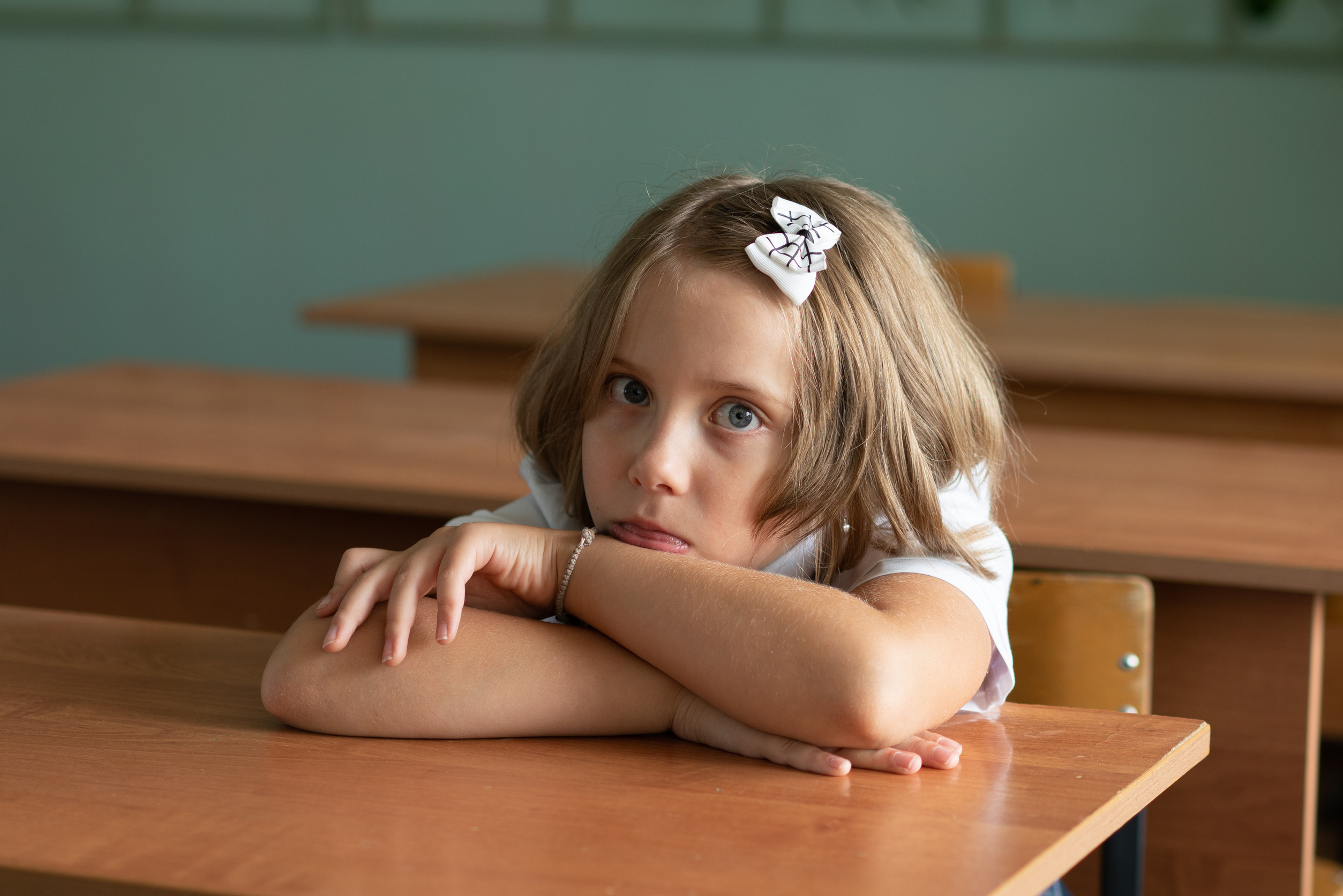
Filed Under: Child behavior Tagged With: child behavior, child development, emotional health, kids and communication, mental health in children, parenting awareness, parenting tips, things kids say, warning signs

Managing the Early Morning Toddler Tornado

May 27, 2025 | Leave a Comment

Managing the Early Morning Toddler Tornado

Some mornings feel like a full-body workout before you’ve even had your coffee. If you have a toddler, you know the early morning toddler tornado is real—complete with flying cereal, mismatched shoes, and a tiny human shouting about bananas. That blur between waking up and getting out the door can feel like chaos in motion, but it doesn’t have to stay that way. With the right routines, mindset, and a touch of humor, you can tame the storm and start your day on steadier ground. Here’s how to make mornings less overwhelming and more manageable for everyone in the house.

1. Create a Predictable Morning Routine

Toddlers thrive on routine, especially during the whirlwind of the early morning toddler tornado. A consistent sequence—like waking up, going potty, brushing teeth, getting dressed, and eating breakfast—gives your child a sense of control. Using a picture-based chart can help your toddler see what comes next without constant reminders. When expectations are clear, meltdowns tend to shrink, and cooperation increases. Sticking to the same order each morning builds confidence and reduces chaos for both child and parent.

2. Prep the Night Before for a Smoother Start

Getting ahead of the early morning toddler tornado starts the night before. Set out clothes, prep breakfast items, and pack bags before bedtime so you’re not scrambling in the morning. Lay out shoes and coats near the door to avoid last-minute searches that fuel frustration. Even your toddler can help with these tasks to foster independence and reduce morning resistance. With fewer decisions to make when you’re half-awake, you’ll feel calmer and more in control from the start.

3. Offer Choices to Reduce Power Struggles

Toddlers love to feel in charge, and giving them choices is a great way to prevent the storm from brewing. Let your child choose between two shirts or decide which fruit to eat with breakfast. These small decisions can help prevent major standoffs while still guiding them toward your preferred outcomes. When toddlers feel heard and respected, their cooperation tends to go up. Managing the early morning toddler tornado often comes down to avoiding unnecessary battles.

4. Keep Breakfast Simple but Satisfying

A hungry toddler is rarely a calm one, so breakfast plays a big role in keeping the peace. Stick with easy, familiar foods your child enjoys and can eat quickly—think yogurt, toast, or fruit. Avoid introducing new foods during the morning rush when time and patience are limited. Make breakfast part of the routine, not a power struggle, and keep a few grab-and-go options on hand for days when everything runs late. A full belly can quickly turn storm clouds into sunshine.

5. Use Music or Timers to Keep Things Moving

Toddlers aren’t naturally aware of time, so turning routines into games can help them stay on track. Play an upbeat “get ready” playlist or set a visual timer for brushing teeth and getting dressed. Music can energize sleepy little bodies while timers add a playful sense of urgency. These tools shift the focus from nagging to fun, making morning transitions smoother. When the early morning toddler tornado starts to spin, rhythm and routine can help ground it.

6. Practice Patience and Keep Expectations Realistic

There will be spills. There will be tantrums. Some days, despite your best planning, the early morning toddler tornado will still throw everything off course. The key is to keep your cool and remember that toddlers are still learning how to function in the world. Lowering your expectations just a little—and giving yourself grace—can make the difference between a rough morning and a recoverable one.

7. Build in Extra Time for the Unexpected

Toddlers move at their own speed, and it’s usually not yours. Adding just ten extra minutes to your morning routine can create enough buffer to handle delays without feeling rushed. Whether it’s a last-minute diaper change or a meltdown over the wrong color cup, having wiggle room helps everyone stay calmer. Being early is better than being frazzled. Planning for the unexpected is one of the smartest ways to weather the early morning toddler tornado.

8. Model Calm Behavior to Set the Tone

Your child picks up on your energy, and how you respond can either escalate or defuse the chaos. If you stay calm, your toddler is more likely to follow your lead. Speak in a soothing tone, move with intention, and try not to let your stress spill over. This doesn’t mean bottling up your feelings—just showing your child how to handle emotions constructively. Leading by example teaches valuable coping skills that can carry over into the rest of their day.

Even the Stormiest Mornings Can Turn Around

Managing the early morning toddler tornado isn’t about perfection—it’s about preparation, patience, and picking your battles. Toddlers will be toddlers, and that often means unpredictable behavior paired with lots of emotions before 8 a.m. But with structure, flexibility, and a little creativity, you can transform mornings from chaotic to (mostly) calm. And when all else fails, there’s always coffee.

What tricks or routines help calm the morning chaos in your house? Share your toddler-taming tips in the comments below!

Read More:

From Chaos to Calm: Strategies for Difficult Toddler Behavior

7 Secrets to Stopping Toddler Tantrums

Catherine Reed
Catherine Reed

Catherine is a tech-savvy writer who has focused on the personal finance space for more than eight years. She has a Bachelor’s in Information Technology and enjoys showcasing how tech can simplify everyday personal finance tasks like budgeting, spending tracking, and planning for the future. Additionally, she’s explored the ins and outs of the world of side hustles and loves to share what she’s learned along the way. When she’s not working, you can find her relaxing at home in the Pacific Northwest with her two cats or enjoying a cup of coffee at her neighborhood cafe.

Filed Under: Child behavior Tagged With: early childhood, family life, morning routine tips, parenting hacks, parenting stress, parenting toddlers, toddler behavior, toddler routine

If Your Child Is an Introvert, These 7 School Rules Might Be Crushing Them

May 26, 2025 | Leave a Comment

If Your Child Is an Introvert These 7 School Rules Might Be Crushing Them

Schools are often built to reward the loudest voices, the fastest hands, and the most outgoing personalities. But not every student fits neatly into that mold. If your child is an introvert, they may be quietly struggling under rules that value participation over reflection and constant interaction over solitude. While these policies might seem harmless—or even helpful—they can feel overwhelming to a child who prefers to think before speaking or recharge in silence. Here are seven common school rules that might be hurting your introverted child more than helping them.

1. Mandatory Class Participation Grades

Teachers often encourage students to speak up in class as a sign of engagement. But for introverted kids, being forced to raise their hand or talk in front of the group can feel like a punishment. If your child is an introvert, this rule might make them dread class even when they understand the material well. Instead of recognizing thoughtful listening and written expression, this policy equates silence with disengagement. It’s important for schools to provide alternative ways for quieter students to show they’re learning.

2. Group Projects for Every Subject

Working in teams can build collaboration skills—but not all the time. Constant group assignments can overwhelm introverted students, especially when they’re paired with dominant personalities or given little personal space. If your child is an introvert, they may feel drained or overshadowed in settings where they’re expected to contribute verbally and frequently. While group work has value, a balanced approach that includes solo projects can give all students a chance to shine. Learning styles vary, and assignments should reflect that.

3. “No Sitting Alone” Lunch Rules

On the surface, this rule is designed to promote inclusion and discourage social isolation. But for kids who actually want some quiet time during lunch, being forced to socialize can feel invasive. If your child is an introvert, those 20 minutes of silence might be the only break from stimulation they get all day. Being required to join a group or make small talk can increase anxiety and lead to exhaustion. True inclusion means respecting the needs of different personalities—not pushing everyone to behave the same way.

4. Constant Participation in School Events

From spirit weeks to pep rallies to assemblies, schools are packed with high-energy events meant to build community. But if your child is an introvert, the nonstop noise, crowds, and attention can be overstimulating. Some introverted kids enjoy participating, but others find these events overwhelming and disorienting. Unfortunately, sitting out is sometimes seen as “unfriendly” or “unengaged.” Schools should offer low-key alternatives or allow students to opt out without judgment to support diverse comfort levels.

5. Rewarding “Enthusiasm” Over Substance

Many classroom cultures reward students who are outwardly enthusiastic—smiling, chatting, volunteering—while overlooking those who are quietly engaged. If your child is an introvert, they might be internalizing their excitement or reflecting deeply instead of reacting quickly. This difference is often mistaken for boredom or laziness, which can hurt their confidence. Schools should learn to recognize and praise different forms of engagement. Not every learner is a cheerleader, and that’s okay.

6. Limited Time for Independent Work

Busy, structured days leave little room for independent reading, writing, or reflection. Introverted students often thrive in quiet, self-directed environments where they can focus deeply without constant interruption. If your child is an introvert, they might struggle to find peace during the school day and go home feeling mentally exhausted. More flexible periods during the day could help restore their energy and improve their performance. Kids shouldn’t have to wait until after school to be in their ideal learning environment.

7. Public Recognition and Awards

While some kids love being called to the stage or spotlighted during assemblies, introverted kids might find it embarrassing or anxiety-inducing. If your child is an introvert, a well-meaning “Student of the Month” announcement could leave them dreading future recognition. Praise is important, but not every child enjoys the same kind. Schools should consider offering private affirmations, handwritten notes, or low-key recognition that still celebrates achievements without putting kids on display.

Creating Space for Quiet Strength

Not every child is meant to be the loudest voice in the room—and that’s a good thing. If your child is an introvert, what they need most from school isn’t more stimulation—it’s more understanding. With small changes in policy and perspective, schools can become places where quiet thinkers are just as valued as talkative leaders. Helping educators recognize the quiet strengths of introverts can lead to better learning environments for all students—not just the outgoing ones.

Has your child struggled with school rules that don’t match their personality? Share your experience or advice in the comments below!

Read More:

11 False Myths About Introverts That Need to Go Away

10 Things Parents Should NEVER Ignore About Their Child’s Behavior

Catherine Reed
Catherine Reed

Catherine is a tech-savvy writer who has focused on the personal finance space for more than eight years. She has a Bachelor’s in Information Technology and enjoys showcasing how tech can simplify everyday personal finance tasks like budgeting, spending tracking, and planning for the future. Additionally, she’s explored the ins and outs of the world of side hustles and loves to share what she’s learned along the way. When she’s not working, you can find her relaxing at home in the Pacific Northwest with her two cats or enjoying a cup of coffee at her neighborhood cafe.

Filed Under: Child behavior Tagged With: child development, classroom challenges, education policy, introverted kids, parenting advice, parenting introverts, school rules

No Home Training: 7 Behaviors That Show Your Child Has No Manners

May 26, 2025 | Leave a Comment

No Home Training 7 Behaviors That Show Your Child Has No Manners

We’ve all witnessed those uncomfortable moments—kids interrupting adult conversations, ignoring basic politeness, or acting like the rules simply don’t apply to them. While every child has off days, consistent displays of rude or disrespectful behavior can signal a bigger problem. The phrase no home training often comes up when kids seem completely unaware of social expectations. And while that term may sound harsh, it reflects a very real concern: manners aren’t automatic—they’re taught at home. Here are seven behaviors that may indicate your child is missing essential guidance and what you can do to turn it around.

1. Interrupting Adults Without Hesitation

One of the clearest signs of no home training is when a child constantly interrupts conversations. Kids may be eager to speak, but if they haven’t been taught to wait their turn or say “excuse me,” they’ll talk over others without thinking twice. This habit can become especially frustrating in group settings where adults or teachers are trying to focus. It shows a lack of respect for others’ time and space and can quickly become disruptive. Teaching simple cues like placing a hand on your arm to signal they need you can help them learn to wait respectfully.

2. No “Please” or “Thank You”

Basic courtesies like “please” and “thank you” are foundational to polite interactions. When kids don’t use these phrases, it gives off the impression of entitlement or lack of appreciation. If your child routinely forgets or refuses to say them, it may reflect no home training in social etiquette. These phrases should be reinforced at home during everyday interactions—whether asking for snacks or receiving help with homework. The goal isn’t robotic repetition, but genuine awareness of how to treat others kindly and respectfully.

3. Talking Back to Adults

A child who constantly argues, mocks, or dismisses adult instruction is showing more than just strong opinions. Frequent backtalk is one of the more glaring signs of no home training and often indicates a lack of clear boundaries at home. While it’s natural for kids to push limits, they still need to understand the difference between self-expression and disrespect. Teaching respectful disagreement—phrases like “Can I share my opinion?” or “I feel differently”—can go a long way. Consistent correction and modeling respectful dialogue are key to curbing this behavior.

4. Ignoring Personal Space

Children who stand too close, touch others’ belongings without permission, or invade people’s space without noticing may not understand personal boundaries. This isn’t always malicious—it could simply be a lack of guidance on physical etiquette. However, when left unchecked, it can lead to uncomfortable situations with peers, teachers, and even strangers. No home training often shows up when kids haven’t learned how to “read the room” or practice self-awareness. Role-playing common scenarios can help them understand appropriate physical boundaries.

5. Refusing to Greet or Acknowledge Others

A child who avoids saying hello, makes no eye contact, or flat-out ignores someone addressing them may come across as rude, even if they’re shy. While introversion and social anxiety should always be considered, kids still need to learn the basics of polite greetings. If a child consistently avoids these interactions, it may reflect no home training in basic social behavior. A simple “Hi,” nod, or wave is usually enough and can be taught in a way that feels comfortable for their personality. Practicing greetings at home can build their confidence and reduce awkwardness.

6. Bad Table Manners

Whether it’s chewing with their mouth open, interrupting during meals, or refusing to help clear the table, poor table manners are often learned—or unlearned—at home. While occasional slips are normal, consistent disregard for mealtime etiquette is a common sign of no home training. Mealtimes are a natural opportunity to practice conversation, patience, and cleanliness. Kids should be taught how to hold utensils, wait their turn to speak, and show gratitude when being served. Reinforcing these habits daily turns them into second nature.

7. Disrespecting Rules or Adults in Public Spaces

When a child runs wild in a store, talks back to teachers, or completely ignores rules at events, it reflects a lack of structure that often begins at home. No home training shows itself in how children behave when no one’s watching—or when they think rules don’t apply. Respect for public spaces, authority figures, and shared environments has to be modeled and taught early. Consistent consequences and follow-through help children understand the importance of accountability. Teaching them to be mindful of their surroundings shows respect for others and builds maturity.

Manners Are a Daily Practice, Not a One-Time Lesson

No home training doesn’t mean your child is bad—it means they need more guidance, structure, and modeling from the adults in their life. Kids aren’t born knowing how to behave in every situation; they learn through repetition, correction, and praise. It’s never too late to reinforce good habits and raise a child who’s thoughtful, respectful, and well-mannered. Manners don’t just reflect parenting—they shape your child’s future relationships, confidence, and success.

Have you noticed certain manners missing in your child—or in others? What do you think helps kids learn social respect best? Share your thoughts in the comments!

Read More:

10 Places Your Kids Are Picking Up Bad Habits—And You Didn’t Even Notice

7 Critical Life Skills Most Parents Never Teach Their Children

Catherine Reed
Catherine Reed

Catherine is a tech-savvy writer who has focused on the personal finance space for more than eight years. She has a Bachelor’s in Information Technology and enjoys showcasing how tech can simplify everyday personal finance tasks like budgeting, spending tracking, and planning for the future. Additionally, she’s explored the ins and outs of the world of side hustles and loves to share what she’s learned along the way. When she’s not working, you can find her relaxing at home in the Pacific Northwest with her two cats or enjoying a cup of coffee at her neighborhood cafe.
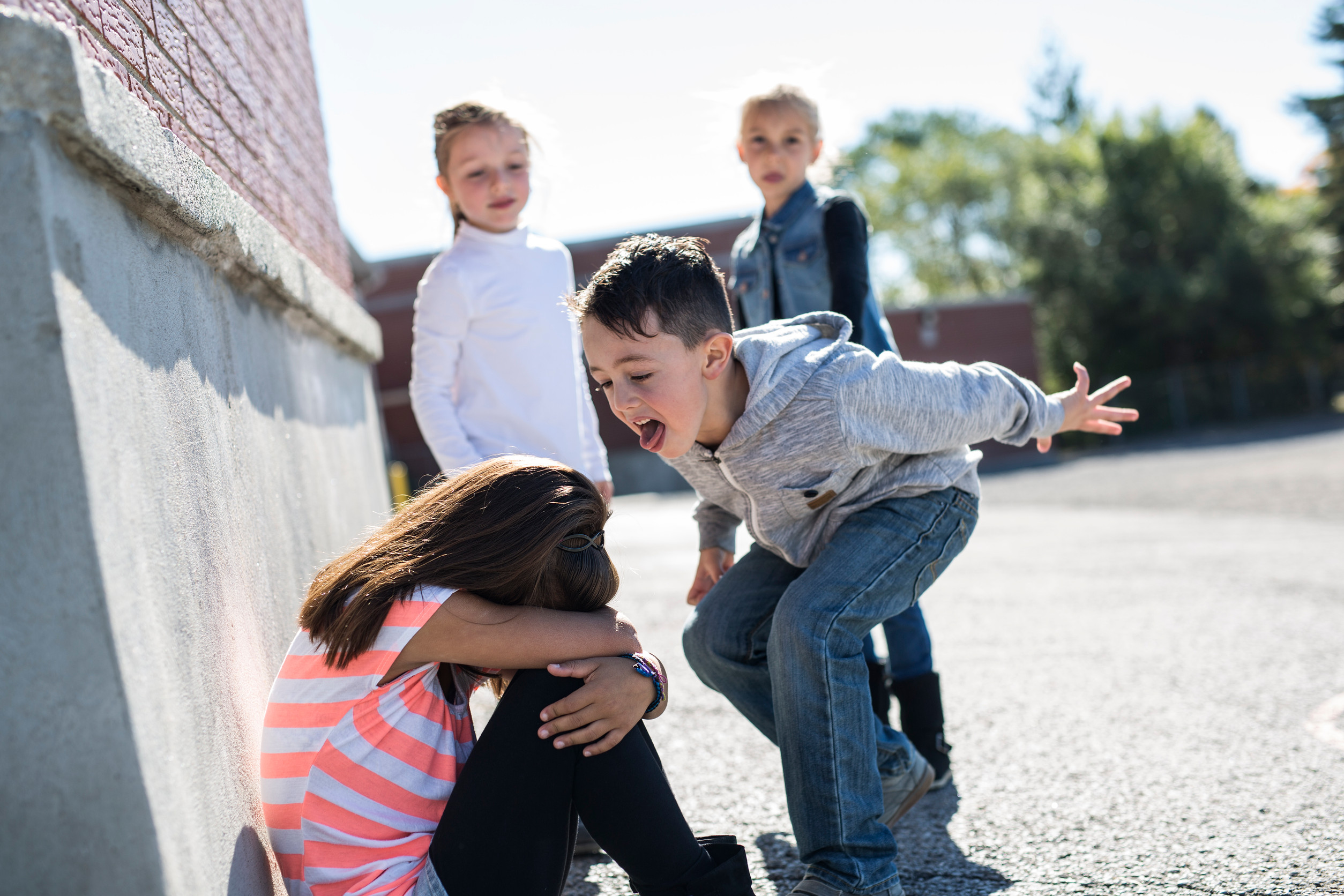
Filed Under: Child behavior Tagged With: child manners, family discipline, no home training, parenting tips, raising respectful kids, Social Skills, teaching etiquette

If Your Child Is an Extrovert These Are the 5 Places They Might Quickly Get Into Trouble

May 26, 2025 | Leave a Comment

If Your Child Is an Extrovert These Are the 5 Places They Might Quickly Get Into Trouble

Outgoing, high-energy, and always ready to talk—extroverted kids bring a lot of life to any room. But that same spirited personality can also get them into sticky situations if they aren’t given the right tools and guidance. If your child is an extrovert, you may already know that their natural love of people and excitement can sometimes lead to impulsive behavior or boundary-pushing. While these traits aren’t bad, they can cause problems in certain settings where self-regulation and awareness are key. Here are five common places where extroverted kids may quickly get into trouble and how parents can help them thrive.

1. The Classroom

While schools encourage participation, not every classroom is built for the extrovert’s constant chatter and enthusiasm. If your child is an extrovert, they may find it hard to sit still, wait their turn, or avoid blurting out answers during lessons. Their social energy might be mistaken for lack of discipline or respect, even though their intentions are positive. Teachers may struggle with managing their behavior if it disrupts the flow of the class. Helping your child understand when it’s time to speak and when it’s time to listen can make a big difference in their school success.

2. After-School Programs and Clubs

Extracurricular settings are designed for fun and connection, but they still have structure and expectations. If your child is an extrovert, they might dominate group activities or ignore instructions in their eagerness to lead. This can lead to conflict with peers, especially those who are more reserved or rule-oriented. Coaches and club leaders may interpret their enthusiasm as disruptive rather than engaged. Encourage your child to recognize group dynamics and develop self-awareness about how their energy affects others.

3. Playdates and Sleepovers

Unstructured social time seems like the perfect fit for extroverted kids, but it can sometimes go off the rails. If your child is an extrovert, they might overwhelm their peers with constant talking, high-energy games, or boundary-testing behavior. This can result in hurt feelings, arguments, or being left out of future invitations. Teaching them to check in with friends, share leadership roles during play, and respect others’ comfort levels will lead to more positive social interactions. A quick talk before a playdate can help set the tone for respectful, balanced fun.

4. Public Places Like Stores and Restaurants

Busy, stimulating environments can amp up an extroverted child’s desire to explore, interact, and express themselves. If your child is an extrovert, they may be more likely to approach strangers, wander off, or get loud without realizing how disruptive they’re being. While their curiosity is natural, it can cause safety concerns and public frustration. Set clear expectations ahead of time about behavior in public spaces and involve them in small responsibilities, like helping you shop or ordering their food politely. Keeping them engaged can reduce impulsive behavior and help them practice social awareness.

5. Online and Social Media Spaces

As kids get older, their extroverted nature often transfers into digital spaces. If your child is an extrovert, they may be drawn to constant chatting, posting, or joining online communities—but without proper boundaries, this can lead to oversharing or risky interactions. Extroverted kids may be more likely to trust strangers online, fall for scams, or seek validation from unhealthy sources. Ongoing conversations about digital safety, privacy, and respectful communication are essential. Teaching them to think before they post and reminding them that not all attention is good attention can protect their well-being in the long run.

Channeling Energy Without Crushing Spirit

It’s a gift when a child is naturally social, expressive, and full of life. But if your child is an extrovert, they’ll need guidance to navigate settings where impulse control and empathy matter. The goal isn’t to quiet them down—it’s to equip them with emotional tools that help them shine without causing disruption or conflict. With a little coaching, your extroverted child can learn to balance their energy with awareness and become the kind of person others genuinely want to be around.

Do you have an extroverted child at home? What strategies have helped you guide their energy in the right direction? Share your stories in the comments!

Read More:

7 Tips for Patience With an Extremely Active Child

The Difference Between High-Energy and Overwhelmed Kids

Catherine Reed
Catherine Reed

Catherine is a tech-savvy writer who has focused on the personal finance space for more than eight years. She has a Bachelor’s in Information Technology and enjoys showcasing how tech can simplify everyday personal finance tasks like budgeting, spending tracking, and planning for the future. Additionally, she’s explored the ins and outs of the world of side hustles and loves to share what she’s learned along the way. When she’s not working, you can find her relaxing at home in the Pacific Northwest with her two cats or enjoying a cup of coffee at her neighborhood cafe.

Filed Under: Child behavior Tagged With: child behavior, child development, classroom challenges, extroverted kids, parenting extroverts, parenting tips, Social Skills

9 Warning Signs Parents Often Miss Until It’s Too Late

May 25, 2025 | Leave a Comment

9 Warning Signs Parents Often Miss Until Its Too Late

Kids are resilient, but they’re also masters at hiding what they don’t want adults to see. Whether it’s emotional distress, social struggles, or early signs of burnout, some red flags are easy to dismiss until they’ve snowballed into bigger issues. As parents, we’re juggling a lot—meals, school schedules, work, and everything in between—so it’s no surprise that subtle shifts in our children’s behavior can slip through the cracks. But noticing those early clues can make all the difference when it comes to emotional well-being and development. Recognizing warning signs before the issue becomes a crisis is one of the most important things a parent can do.

1. Sudden Changes in Sleep Patterns

Sleep is a window into your child’s overall well-being. If they’re suddenly having trouble falling asleep, waking up frequently, or sleeping far more than usual, it could be more than a phase. Stress, anxiety, and even depression can first show up in disrupted sleep patterns. Unfortunately, many parents write it off as “just being a kid.” Paying attention to sleep changes early on can help you catch emotional issues before they become deeply rooted.

2. Increased Irritability or Explosive Reactions

Every child has meltdowns now and then, but a consistent increase in irritability or over-the-top emotional responses can signal deeper struggles. If small things lead to big outbursts on a regular basis, your child may be overwhelmed and not know how to cope. Often, kids express anxiety or sadness through anger because they lack the words to explain their feelings. These reactions might be dismissed as “bad behavior” when they’re actually cries for help. Looking past the behavior to the cause is key to addressing the real issue.

3. Avoiding Friends or Social Activities

Kids are naturally social, even if they’re shy or introverted. If your child starts declining playdates, skipping after-school clubs, or avoiding the friends they once enjoyed, it’s time to take notice. Social withdrawal is a common early sign of anxiety, bullying, or depression. Sometimes it’s gradual, which makes it harder to spot until the isolation becomes extreme. Don’t assume it’s just a phase—ask gentle questions and stay connected.

4. Changes in Eating Habits

Sudden changes in appetite—eating much more or far less than usual—can be an important signal that something’s off. Emotional distress, stress, and anxiety often affect appetite before children can even articulate what’s bothering them. You might notice your child skipping meals, hiding food, or asking for snacks constantly. Because eating habits naturally change as kids grow, this warning sign is easy to brush aside. But consistent shifts in eating are worth exploring with curiosity and care.

5. Declining School Performance

It’s not unusual for kids to hit academic rough patches, but if grades start slipping and they stop caring about school, it may be time to look deeper. Avoiding homework, lying about assignments, or acting out in class can be signs of emotional overload or low self-esteem. These red flags often get chalked up to laziness or defiance, but they’re usually symptoms of something more. Reaching out to teachers and checking in regularly can give you important insight. The earlier school-related issues are addressed, the better the long-term outcome.

6. Loss of Interest in Hobbies

Children usually have strong interests, whether it’s Legos, dance, drawing, or sports. If those passions suddenly fade or your child stops engaging with the things they once loved, it’s time to pause. A loss of interest in favorite activities is a common sign of emotional fatigue or depression. It’s easy to overlook this change if your schedule is already packed, but it’s worth slowing down to notice. Reigniting joy can be as important as addressing what’s causing it to disappear.

7. Frequent Physical Complaints Without a Clear Cause

When children repeatedly complain of headaches, stomachaches, or other physical symptoms without an obvious reason, it’s often a sign of emotional distress. These physical complaints are sometimes the only way kids can express anxiety or sadness, especially if they don’t have the vocabulary to talk about feelings. It’s natural to think they’re trying to avoid school or responsibilities, but the pain may be very real. Tracking these complaints and connecting them to daily events can uncover patterns worth addressing.

8. Increased Need for Reassurance

Asking for constant hugs, seeking approval, or expressing fears over seemingly small things can point to underlying insecurity or anxiety. While affection is healthy, a dramatic increase in clinginess or worry may signal that your child is feeling unsafe or overwhelmed. Parents often interpret this behavior as simply being “needy,” but it’s often more than that. Offering reassurance is good, but identifying the root of the fear helps break the cycle. Emotional support should come with boundaries and conversations.

9. Hiding or Withholding Information

If your child suddenly becomes secretive or avoids talking about their day, especially if they were previously open, it could be a red flag. This shift can point to shame, fear, or experiences they don’t know how to handle—like bullying or online issues. It’s easy to dismiss it as growing independence, but too much secrecy may mean they’re struggling. Keeping open lines of communication, free from judgment, helps kids feel safe coming to you when they need help most.

What You Notice Now Matters Later

Catching early warning signs doesn’t require perfection—it just requires paying attention and trusting your gut. Kids may not always have the words to explain what’s going on, but their behavior often tells the story. When something feels off, it’s okay to lean in and ask questions, even if the answers aren’t immediate. Spotting the signs now can spare your child deeper struggles later, and let them know they don’t have to face hard things alone.

Have you ever caught a warning sign just in time? What helped you recognize it? Share your experience in the comments below.

Read More:

Warning: Don’t Let Your Teen Move Out Before Reading This

8 Dangers of Running Away You Need to Teach Your Child

Catherine Reed
Catherine Reed

Catherine is a tech-savvy writer who has focused on the personal finance space for more than eight years. She has a Bachelor’s in Information Technology and enjoys showcasing how tech can simplify everyday personal finance tasks like budgeting, spending tracking, and planning for the future. Additionally, she’s explored the ins and outs of the world of side hustles and loves to share what she’s learned along the way. When she’s not working, you can find her relaxing at home in the Pacific Northwest with her two cats or enjoying a cup of coffee at her neighborhood cafe.

Filed Under: Child behavior Tagged With: child behavior, child mental health, early warning signs, emotional well-being, parenting awareness, parenting tips, raising emotionally healthy kids

« Previous Page
Next Page »
  • Facebook
  • Pinterest
  • RSS
  • Twitter
Best Parenting Blogs

Most Popular

Baby

9 Unusual Baby Names That Sound Like They Belong to Future CEOs

Evan Morgan
Baby

10 Baby Names That Were Once Considered “Grandparent Names” but Feel Cool Again

Evan Morgan
Target Store

Choking Incident Prompts Recall of 49,000 Target Gigglescape “Under the Sea” Popping Toys

Evan Morgan
Frustrated Girl

Why Some Students on the Spectrum Are Labeled With ODD

Evan Morgan
Coke Bottles

12 Things Kids Took to School in the ’70s That Would Never Be Allowed Today

Evan Morgan

All content on Kids Ain’t Cheap is for entertainment purposes only. By reading this blog, you agree that Kids Ain’t Cheap is not responsible for any actions taken after reading this blog. For the full disclaimer, see our privacy policy.

Please note that Kids Ain’t Cheap has financial relationships with some of the merchants mentioned here. Kids Ain’t Cheap is funded by banner advertising, commission sales and search optimization consulting.

Copyright © 2006–2026 | District Media | All Rights Reserved | Privacy Policy

Copyright © 2026 Runway Pro Theme by Viva la Violette