• Home
  • About Us
  • Toolkit
  • Archives
  • Advertise
  • Privacy Policy

Kids Ain't Cheap

But They Sure Are Worth It

  • Parenting
    • Baby Stuff
    • Books and Reading
      • Aesops Fables
      • Comic Books
    • Education
    • Family Time
    • Green Living
    • Growing Up
    • Healthy Living & Eating
    • Holidays
    • Parenting
    • Random Musings
    • Shopping
    • Stuff to Do
  • Money
  • Product Reviews
    • Books and Magazines
    • Discount Sites
    • Furniture
    • House Keeping
    • Reviews News
    • Toys and Games
  • Contact Us
  • Our Editorial Commitment
  • Search

10 Reasons Your Child’s Sleep Habits Might Be Hurting Their Brain

June 17, 2025 | Leave a Comment

10 Reasons Your Childs Sleep Habits Might Be Hurting Their Brain
123rf.com

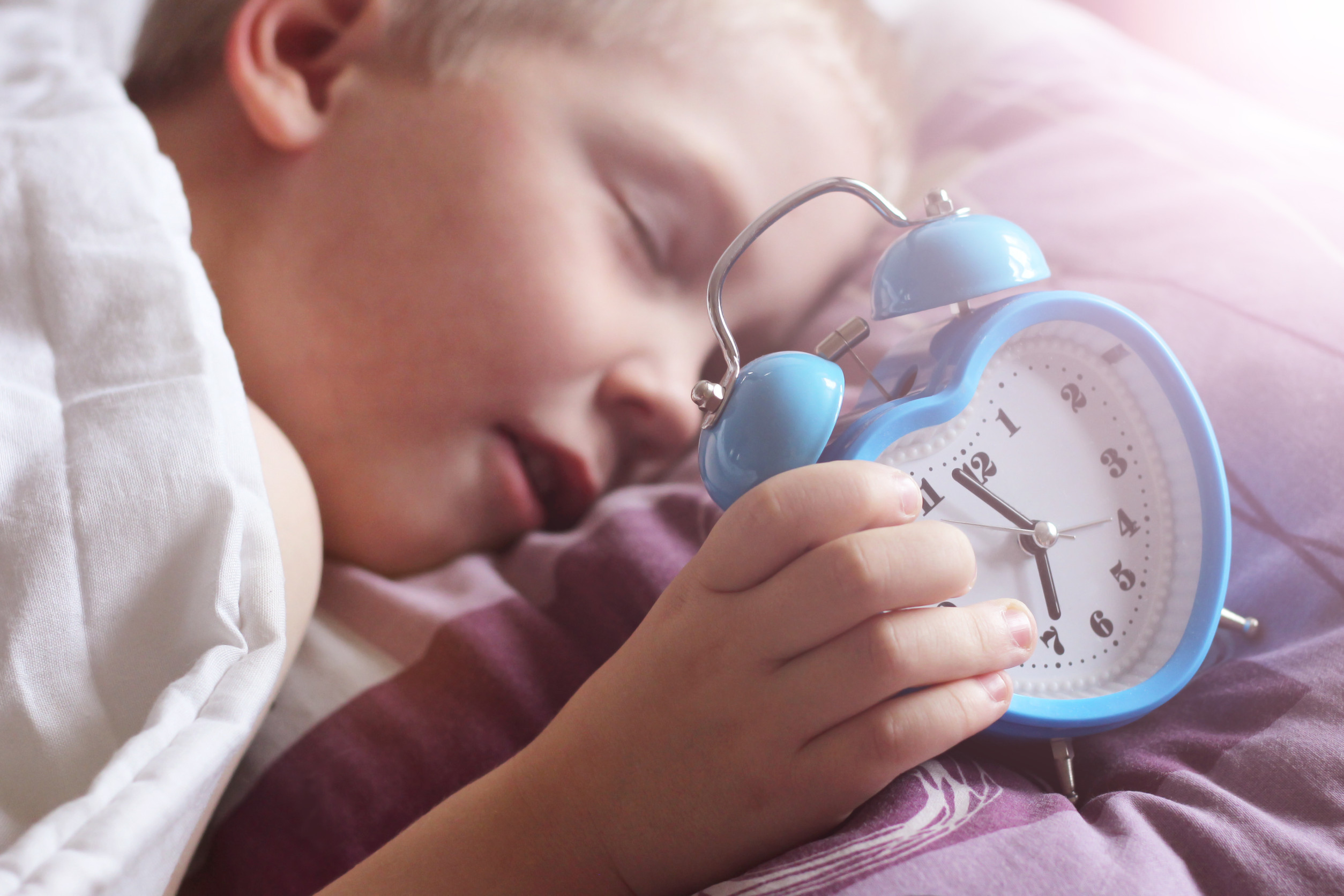
Sleep isn’t just about recharging energy—it’s a critical part of how a child’s brain grows, processes information, and regulates emotions. Unfortunately, many families overlook the impact of inconsistent routines, late bedtimes, and screen time right before bed. If your child’s sleep habits are off track, they could be quietly affecting behavior, learning, and even long-term brain development. Understanding these risks can help parents make small but meaningful changes that support a healthier, sharper, and more focused child. Here are ten ways poor sleep habits might be doing more damage than you think.

1. Inconsistent Bedtimes Disrupt Brain Development

Children’s brains thrive on routine, and when bedtimes are all over the place, it disrupts the body’s natural circadian rhythm. This irregularity can confuse the brain’s internal clock, making it harder for kids to fall asleep and wake up refreshed. Studies show that inconsistent sleep patterns are linked to slower cognitive development, particularly in younger children. Over time, this can affect memory, attention, and even school readiness. One of the easiest ways to support your child’s sleep habits is by sticking to a predictable bedtime—even on weekends.

2. Too Little Sleep Impairs Learning and Memory

Sleep plays a major role in memory consolidation, the process where the brain stores and organizes what it learned during the day. If your child is consistently getting less sleep than they need, their brain may be unable to hold onto new information. That means all those hours spent on homework or in class might not stick. Kids who are sleep-deprived often show lower academic performance and slower problem-solving skills. More rest leads to better retention, plain and simple.

3. Screen Time Before Bed Blocks Melatonin

Bright screens from phones, tablets, or TVs emit blue light, which interferes with the brain’s production of melatonin—the hormone that signals it’s time to sleep. This makes it harder for kids to fall asleep and stay asleep. If your child is winding down with a device, it could be throwing off their sleep cycle without anyone realizing it. Over time, this delay adds up, cutting into valuable hours of deep sleep. Creating a screen-free bedtime routine can help reset your child’s sleep habits and protect their developing brain.

4. Poor Sleep Impacts Emotional Regulation

Ever noticed how your child is more irritable or prone to meltdowns after a rough night’s sleep? That’s because sleep plays a vital role in regulating mood and emotional responses. When your child’s sleep habits are inconsistent or insufficient, they may struggle more with anger, frustration, and anxiety. This can affect relationships at home and school. A well-rested brain is much better equipped to handle life’s emotional ups and downs.

5. Snoring or Breathing Issues Might Signal a Bigger Problem

While occasional snoring might seem harmless, frequent or loud snoring could indicate sleep-disordered breathing like sleep apnea. This condition disrupts oxygen flow to the brain and can cause multiple micro-awakenings throughout the night. Left untreated, it may impair concentration, memory, and behavioral development. If your child snores regularly or gasps in their sleep, it’s worth talking to a pediatrician. Good sleep isn’t just about duration—it’s about quality too.

6. Late Bedtimes Reduce Deep Sleep Cycles

Children need deep, restorative sleep to support physical growth and brain development. Late bedtimes often shorten the window for this vital deep sleep, especially if kids still have to wake up early for school or daycare. Without enough deep sleep, the brain may not fully process emotions or store new knowledge. Over time, this can lead to increased forgetfulness and emotional reactivity. Early bedtimes help ensure your child’s brain gets the rest it truly needs.

7. Sleep Loss Worsens Attention Span

One of the first cognitive functions to suffer from lack of sleep is attention. If your child struggles to focus in class or seems hyperactive, their sleep habits could be part of the cause. In fact, sleep-deprived kids often exhibit symptoms similar to ADHD, even if they don’t have the diagnosis. Better sleep can improve concentration and help them stay on task during the day. It’s a simple fix with a powerful payoff.

8. Irregular Naps in Young Kids Disrupt Brain Growth

For toddlers and preschoolers, skipping naps or having unpredictable nap times can interrupt essential brain development. Naps support learning, memory retention, and emotional processing—especially during rapid growth phases. Irregular napping may lead to overtiredness, poor nighttime sleep, and cranky afternoons. A consistent nap schedule helps reinforce the healthy sleep patterns your child needs. Don’t underestimate the power of daytime rest.

9. Chronic Sleep Deprivation Can Affect IQ Scores

Over time, the effects of sleep deprivation go beyond crankiness and forgetfulness—they can influence actual intellectual performance. Several studies have found links between poor sleep and lower IQ scores in children. The brain simply doesn’t function at its full capacity when it’s constantly under-rested. Prioritizing sleep is just as important as studying or structured learning time. It’s the foundation of cognitive success.

10. Bad Sleep Habits Set the Stage for Lifelong Struggles

Your child’s sleep habits aren’t just affecting them today—they could be shaping their lifelong relationship with rest. Kids who grow up with poor sleep hygiene often carry those patterns into adulthood, increasing their risk for anxiety, depression, and chronic illness. Teaching healthy sleep practices now builds a lifetime of benefits. It’s never too early—or too late—to make better choices about bedtime.

Small Changes, Big Brain Boost

When it comes to your child’s brain health, sleep is one of the most overlooked yet essential building blocks. By paying attention to your child’s sleep habits and making thoughtful adjustments, you’re giving them a better shot at emotional balance, academic success, and long-term wellness. Good sleep isn’t just a luxury—it’s brain fuel. And your child deserves plenty of it.

Have you made any bedtime changes that improved your child’s sleep and behavior? Share your experience and tips in the comments below!

Read More:

Here Are The Real Reasons Your Children Aren’t Able to Sleep at Night

7 Tools to Use When Your Baby Won’t Sleep Through the Night

Catherine Reed
Catherine Reed

Catherine is a tech-savvy writer who has focused on the personal finance space for more than eight years. She has a Bachelor’s in Information Technology and enjoys showcasing how tech can simplify everyday personal finance tasks like budgeting, spending tracking, and planning for the future. Additionally, she’s explored the ins and outs of the world of side hustles and loves to share what she’s learned along the way. When she’s not working, you can find her relaxing at home in the Pacific Northwest with her two cats or enjoying a cup of coffee at her neighborhood cafe.


Filed Under: Parenting Tagged With: bedtime routine, child behavior and sleep, child brain development, kids and sleep, parenting advice, sleep and learning, sleep tips for kids, your child's sleep habits

Here Are The Real Reasons Your Children Aren’t Able to Sleep At Night

June 6, 2025 | Leave a Comment

Here Are The Real Reasons Your Children Arent Able to Sleep At Night

You’ve done the bedtime routine. The lights are dim, the stuffed animals are tucked in, and the bedtime stories are finished. So why is your child still wide awake? If you’re wondering why sleep just won’t come easily, you’re not alone. The truth is, there are several hidden reasons your children aren’t able to sleep at night, and understanding them can be the key to giving your entire household more peaceful evenings—and better mornings.

1. Too Much Screen Time Before Bed

Blue light from tablets, phones, and even TVs can seriously interfere with your child’s natural sleep cycle. These devices suppress melatonin—the hormone responsible for helping the body wind down and feel sleepy. When kids are using screens too close to bedtime, their brains are still in alert mode. One of the biggest reasons your children aren’t able to sleep at night is simply that they’ve been overstimulated by digital input. Try turning off screens at least an hour before bed to help them unwind.

2. An Overloaded Schedule

Busy days filled with school, homework, sports, and extracurricular activities can take a toll on kids’ ability to fall asleep. It may seem like they’d be tired enough to crash easily, but constant stimulation without time to decompress often backfires. Children need calm, unstructured time in the evening to settle their minds. Without it, they may struggle to process the day or shift into rest mode. Overscheduling is one of the most overlooked reasons your children aren’t able to sleep at night—and one of the easiest to address with better balance.

3. Anxiety or Racing Thoughts

Even younger children can carry stress and anxiety to bed with them. Worries about school, friendships, family changes, or general fears can keep their minds spinning long after the lights are out. Instead of assuming kids have “nothing to worry about,” it helps to ask gentle, open-ended questions at bedtime. Anxiety is one of the more emotional reasons your children aren’t able to sleep at night, and it often requires a consistent routine and lots of reassurance to ease. Calming activities like journaling, meditation, or quiet conversation can help them feel safe and grounded.

4. Poor Sleep Environment

The room your child sleeps in plays a major role in how well they rest. Factors like too much noise, an uncomfortable mattress, or a room that’s too hot or too cold can prevent quality sleep. Even small things like clutter or bright night lights can make it harder to relax. When looking for reasons your children aren’t able to sleep at night, don’t overlook their physical space. Aim for a cool, dark, quiet room with cozy bedding and minimal distractions to support better rest.

5. Lack of a Consistent Routine

Bedtime routines aren’t just cute traditions—they’re essential for regulating sleep patterns. Kids thrive on consistency, and when their bedtime changes from night to night, it confuses their internal clock. This unpredictability can make falling asleep a battle. One of the most fixable reasons your children aren’t able to sleep at night is the absence of a predictable sequence of events that signals it’s time to rest. Try setting a regular wind-down routine that includes the same steps every night: bath, story, cuddles, and lights out.

6. Eating Too Late (or Too Little)

A full belly right before bed can lead to indigestion, while going to sleep hungry can cause tossing and turning. Finding the right balance with evening meals and snacks is important. Heavy meals or sugary treats too close to bedtime can disrupt sleep, especially if your child is sensitive to certain foods. Nutrition-related discomfort is one of those sneaky reasons your children aren’t able to sleep at night that often gets overlooked. Offer a light, healthy snack like a banana, yogurt, or toast if they need something before bed.

7. Sleep Disorders or Health Issues

If your child consistently struggles with sleep despite a solid routine and good habits, it might be time to consider a medical reason. Conditions like sleep apnea, restless leg syndrome, or chronic allergies can all disrupt restful sleep. These issues may show up as snoring, frequent waking, or daytime fatigue. Health-related reasons your children aren’t able to sleep at night should be addressed with your pediatrician to rule out underlying problems. Sometimes, the fix requires more than a routine tweak.

8. They’re Just Going to Bed Too Late

Sometimes it really is as simple as timing. Overtired kids often have a harder time falling asleep than those who go to bed before they hit that “wired” stage. Staying up too late can trigger a second wind that’s tough to reverse. One of the most common reasons your children aren’t able to sleep at night is that they’ve passed the optimal sleep window. Experiment with moving bedtime earlier by 15-30 minutes to see if it helps.

A Tired Kid Isn’t Always a Sleepy One

There’s nothing more frustrating than watching an exhausted child struggle to fall asleep. But sleep resistance often comes from things happening before they ever hit the pillow. Understanding the real reasons your children aren’t able to sleep at night gives you the power to make small, effective changes. With the right mix of routine, environment, and support, restful nights are closer than you think.

What’s helped your child sleep better at night—or what struggles are you still facing? Share your bedtime wins and challenges in the comments!

Read More:

7 Tools to Use When Your Baby Won’t Sleep Through the Night

Sleep Struggles Might Be the Reason You Hate Your Job

Catherine Reed
Catherine Reed

Catherine is a tech-savvy writer who has focused on the personal finance space for more than eight years. She has a Bachelor’s in Information Technology and enjoys showcasing how tech can simplify everyday personal finance tasks like budgeting, spending tracking, and planning for the future. Additionally, she’s explored the ins and outs of the world of side hustles and loves to share what she’s learned along the way. When she’s not working, you can find her relaxing at home in the Pacific Northwest with her two cats or enjoying a cup of coffee at her neighborhood cafe.

Filed Under: Child behavior Tagged With: bedtime anxiety, child bedtime tips, children’s health, kids and sleep, parenting struggles, screen time and sleep, sleep problems in kids, sleep routine

8 Challenges Every Kid Faces During Summer Break

June 6, 2025 | Leave a Comment

8 Challenges Every Kid Faces During Summer Break

Summer break is every kid’s dream—until it isn’t. Sure, school’s out, the sun is shining, and there’s no homework in sight, but beneath the popsicles and pool days, kids often face some surprising hurdles. From boredom to social shifts, this long stretch of unstructured time can bring its own unique stressors. Understanding the challenges every kid faces during summer break helps parents prepare, support, and create a more balanced and meaningful season. Because summer should be fun—but it doesn’t have to be flawless.

1. Feeling Bored (Even with a House Full of Toys)

One of the most common challenges every kid faces during summer break is boredom. With no school structure and hours to fill, even kids surrounded by entertainment options will inevitably complain, “There’s nothing to do!” This boredom can lead to irritability, lack of motivation, or overuse of screens. It’s not a sign your child is lazy—it’s a sign they need a little guidance or variety. Creating a flexible routine with a mix of free play, creative activities, and outdoor time can help keep things fresh.

2. Missing School Friends

While summer is packed with freedom, it can also come with unexpected loneliness. During the school year, kids are surrounded by peers, but once break hits, those daily interactions disappear. Not every child has access to playdates, camps, or neighborhood buddies. For social kids, this is one of the tougher challenges every kid faces during summer break, and it can lead to feelings of isolation or sadness. Making an effort to schedule time with friends or involve kids in group activities can go a long way.

3. Losing Learning Momentum

The dreaded “summer slide” is real. Without regular reading, math practice, or intellectual engagement, kids often forget what they learned during the school year. This academic regression is one of the sneakier challenges every kid faces during summer break, and it becomes more noticeable when school starts back up. Luckily, it doesn’t take much to keep skills sharp—just a few minutes of reading, puzzles, or brain games each day can make a difference. You don’t need a full curriculum, just a consistent spark of learning.

4. Unstable Sleep Routines

Later bedtimes, unscheduled mornings, and screen time before bed can wreak havoc on a child’s sleep. During summer, routines often get tossed out the window, and while flexibility is fun, it can also lead to fatigue and crankiness. Sleep problems are a hidden but powerful challenge every kid faces during summer break and can affect mood, behavior, and even health. Try to maintain some consistency in wake-up and bedtimes, especially during the week, to keep kids rested and regulated.

5. Constant Screen Time Temptation

When boredom strikes, the easiest fix is a screen. And with no school to interrupt the fun, kids often default to video games, YouTube, or social media for hours at a time. Too much screen time is a major challenge every kid faces during summer break, and it can lead to sleep disruption, irritability, and a decline in physical activity. Setting daily limits, encouraging tech-free hours, and offering engaging offline options can help strike a healthier balance.

6. Dealing with Heat and Overexposure

While summer means more time outdoors, it also brings heat exhaustion, sunburns, and general discomfort from high temperatures. Not all kids are great at recognizing when it’s time to hydrate or take a break from the sun. This physical strain is another under-the-radar challenge every kid faces during summer break—and one that can be easily prevented. Remind them to drink water often, wear sunscreen, and take cooling breaks indoors when needed.

7. Sibling Tension from Too Much Togetherness

Without school to separate them, siblings may spend long days together—and not always harmoniously. Arguments over space, toys, and attention can increase, especially when there’s no structured distraction. Managing sibling relationships becomes one of the more exhausting challenges every kid faces during summer break—for kids and parents alike. Rotating individual time, setting clear boundaries, and offering chances to cool off separately can help maintain peace at home.

8. Pressure to Always Be Having Fun

Summer is marketed as the best time of the year, which can create unrealistic expectations. If every moment isn’t filled with adventure, travel, or constant excitement, kids may feel like they’re missing out or not doing “summer” right. This emotional pressure is a surprising challenge every kid faces during summer break, especially when they compare their experience to others’. Reassure your child that quiet days, slow mornings, and downtime are just as valuable as big trips and camps.

Helping Kids Enjoy the Ups and Downs of Summer

Summer break isn’t always carefree—and that’s okay. By recognizing the challenges every kid faces during summer break, parents can offer the support kids need to enjoy their time off without added stress. A little structure, open communication, and thoughtful planning can turn this season into a truly rewarding experience for everyone.

What summer challenges have popped up in your home—and how are you handling them? Share your summer survival tips in the comments!

Read More:

When Summer Freedom Turns Risky: What Time Should Kids Be Home?

15 Outdoor Adventures to Transform Your Kids’ Summer

Catherine Reed
Catherine Reed

Catherine is a tech-savvy writer who has focused on the personal finance space for more than eight years. She has a Bachelor’s in Information Technology and enjoys showcasing how tech can simplify everyday personal finance tasks like budgeting, spending tracking, and planning for the future. Additionally, she’s explored the ins and outs of the world of side hustles and loves to share what she’s learned along the way. When she’s not working, you can find her relaxing at home in the Pacific Northwest with her two cats or enjoying a cup of coffee at her neighborhood cafe.

Filed Under: Parenting Tagged With: child development, family routines, kids and screen time, kids and sleep, parenting tips, summer boredom, summer break, summer parenting struggles

  • Facebook
  • Pinterest
  • RSS
  • Twitter

Basic Principles Of Good Parenting

Here some basic principles for good parenting:

  1. What You Do Matters: Your kids are watching you. So, be purposeful about what you want to accomplish.
  2. You Can’t be Too Loving: Don’t replace love with material possessions, lowered expectations or leniency.
  3. Be Involved Your Kids Life: Arrange your priorities to focus on what your kid’s needs. Be there mentally and physically.
  4. Adapt Your Parenting: Children grow quickly, so keep pace with your child’s development.
  5. Establish and Set Rules: The rules you set for children will establish the rules they set for themselves later.  Avoid harsh discipline and be consistent.
  6. Explain Your Decisions: What is obvious to you may not be evident to your child. They don’t have the experience you do.
  7. Be Respectful To Your Child: How you treat your child is how they will treat others.  Be polite, respectful and make an effort to pay attention.
Best Parenting Blogs

Most Popular

Baby names

Teachers Admit: These 6 Baby Names Create Instant Bias in the Classroom

Latrice Perez
6 Baby Names That Sound Cute Now but Cause Problems Later

6 Baby Names That Sound Cute Now but Cause Problems Later

Brandon Marcus
11 Ways Kids Are Outsmarting Parental Controls 1. Using Alternate Devices One common trick is simply turning to another device. If a child’s main phone or tablet is restricted, they may borrow a sibling’s, friend’s, or even a school laptop. This instantly gives them access to content outside of parental oversight. Parents often focus on one device, forgetting that others in the household can serve as loopholes. Knowing this tactic helps families tighten controls across all electronics. 2. Clearing Browsing Histories Many kids quickly learn that clearing browsing history hides evidence of restricted activity. With just a few clicks, they can erase any trace of websites visited. This makes it harder for parents to notice when rules are being broken. Parents may assume no history means no browsing, but the reality is often the opposite. Kids are outsmarting parental controls by making it seem like nothing happened at all. 3. Using Private Browsing Modes Most browsers offer “incognito” or private browsing features. Kids use this mode to access websites without leaving a record in the history. To parents checking later, everything looks clean and safe. This simple trick is often one of the first ways kids discover how to bypass restrictions. Conversations about private browsing can help close this gap. 4. Guessing or Resetting Passwords Children who are persistent may try to guess passwords to parental control apps or accounts. Others may find ways to reset them through email prompts or security questions. Once inside, they can disable restrictions entirely. Parents may not even realize controls have been altered until much later. Stronger, less predictable passwords can make this more difficult. 5. Using VPNs to Hide Activity Virtual private networks, or VPNs, let kids disguise their online locations. With one downloaded app, they can bypass geographic or parental restrictions. Some children learn about VPNs through friends or even social media. This makes it easy for them to reach content that should be blocked. Parents often underestimate just how simple it is for kids to use these tools. 6. Creating Fake Accounts When parents monitor social media, kids may create hidden accounts. These “finstas” or fake profiles allow them to interact freely without parental oversight. While their main account appears harmless, the secondary one tells a different story. Kids are outsmarting parental controls by playing both sides at once. Checking for duplicate accounts can help parents stay more aware. 7. Exploiting Time Zone Settings Some kids change the time zone on their devices to bypass screen time limits. This trick allows them to gain extra hours of usage undetected. Parents may assume controls are working, but in reality, the child is bending the clock. It’s a clever loophole that highlights just how resourceful kids can be. Monitoring device settings regularly can catch this tactic. 8. Disabling or Uninstalling Apps Parental control apps can be deleted or disabled with surprising ease. Some kids even reinstall them before a parent checks, making it seem like nothing changed. Others may simply restrict permissions to prevent apps from functioning properly. When apps aren’t monitored closely, parents may not notice they’ve been tampered with. This shows the importance of consistent follow-up. 9. Turning to Friends for Access If a child can’t get past restrictions on their own, they may rely on friends. Visiting a friend’s house or borrowing their phone can give them a free pass. Parents often forget that peer environments can override restrictions set at home. This kind of social workaround is especially common with gaming or social media. Open conversations about trust and responsibility are essential. 10. Hiding Apps in Plain Sight Kids sometimes download apps that look innocent but serve as gateways to hidden activity. These apps may disguise themselves as calculators or utilities. In reality, they allow file storage, private messaging, or browser access. Parents glancing at a home screen may overlook them entirely. Learning to recognize these disguised apps can help parents stay informed. 11. Outpacing Parents’ Tech Knowledge Finally, kids often know more about devices than their parents do. Whether through YouTube tutorials, TikTok hacks, or peer groups, they quickly learn advanced workarounds. This knowledge gap means controls can be bypassed before parents even realize the loophole exists. Staying informed and continually learning about new technology is the best defense. Kids are outsmarting parental controls because they adapt faster than most adults. The Real Solution Lies Beyond Restrictions While controls and filters are important, no system is perfect. Kids will always find creative ways around barriers, making communication the strongest safeguard. Setting clear expectations, building trust, and having ongoing conversations about online behavior matter more than apps alone. Parents who combine technology with open dialogue create a safer digital environment. The goal isn’t to win a battle of wits but to build a relationship that keeps kids both safe and honest. Do you think kids are outsmarting parental controls faster than parents can keep up? Share your experiences in the comments below. What to Read Next... 6 Parenting Tech Shortcuts That Can Expose Your Child to Strangers How Much Screen Time Is Too Much—Legally Speaking? Is Your Child’s School Quietly Tracking Their Location Without Your Consent? How Much Screen Time Is Quietly Reshaping Childhood Behavior? Why Some Parents Are Being Investigated Over Homeschooling Records

11 Ways Kids Are Outsmarting Parental Controls

Catherine Reed
Smiling grandfather holding a happy baby indoors.

Why Grandparents Shouldn’t Babysit Their Grandkids Every Week – The Unspoken Issue

Samantha
birthday gifts

7 Birthday Gifts Your Child Should Never Bring to a Party

Latrice Perez

All content on Kids Ain’t Cheap is for entertainment purposes only. By reading this blog, you agree that Kids Ain’t Cheap is not responsible for any actions taken after reading this blog. For the full disclaimer, see our privacy policy.

Please note that Kids Ain’t Cheap has financial relationships with some of the merchants mentioned here. Kids Ain’t Cheap is funded by banner advertising, commission sales and search optimization consulting.

Copyright © 2006–2026 | District Media | All Rights Reserved | Privacy Policy

Copyright © 2026 Runway Pro Theme by Viva la Violette