
• Home
  • About Us
  • Toolkit
  • Archives
  • Advertise
  • Privacy Policy

Kids Ain't Cheap

But They Sure Are Worth It

  • Parenting
    • Baby Stuff
    • Books and Reading
      • Aesops Fables
      • Comic Books
    • Education
    • Family Time
    • Green Living
    • Growing Up
    • Healthy Living & Eating
    • Holidays
    • Parenting
    • Random Musings
    • Shopping
    • Stuff to Do
  • Money
  • Product Reviews
    • Books and Magazines
    • Discount Sites
    • Furniture
    • House Keeping
    • Reviews News
    • Toys and Games
  • Contact Us
  • Our Editorial Commitment
  • Search

7 Children’s Shows That Experts Say Spike Anxiety Levels

January 12, 2026 | Leave a Comment

7 Children’s Shows That Experts Say Spike Anxiety Levels
Image source: shutterstock.com

Some kids can watch almost anything and shrug it off, while others carry a tense scene straight into bedtime. When a show is loud, fast, or packed with peril, it can quietly crank up anxiety levels even if the story ends happy. That doesn’t mean a family has to ban every exciting series, but it does mean paying attention to patterns like nightmares, clinginess, or sudden worries after screen time. The goal is to match what’s on the screen to what a child can handle right now, not what their age “should” handle. These seven popular shows often hit common anxiety triggers, along with simple ways to soften the impact.

1. Scooby-Doo: Friendly Spooks That Still Feel Real

Even silly monsters can feel intense when a child is sensitive to suspense. This show uses chase music, shadowy settings, and surprise reveals that can raise anxiety levels for kids who already fear the dark. Some episodes also build tension for a long stretch before the “mask comes off,” which keeps little bodies on high alert. Co-watching helps because an adult can narrate what’s happening and remind kids it’s pretend. If it’s a trigger, try daytime viewing and stop before the final chase so the nervous system has time to settle.

2. Goosebumps: Creepy Stories With Sticky Images

Anthology-style scares can be tough because each episode introduces a new fear. The makeup, jumpy sound cues, and “what if that happened to me?” plots can spike anxiety levels, especially for kids with vivid imaginations. Many stories also center on kids being powerless, which can feel extra unsettling. Previewing an episode first lets parents flag scenes that might linger later. If a child loves the vibe but struggles, choose lighter episodes and follow with a calming routine like a snack, a joke, and a predictable bedtime.

3. Courage the Cowardly Dog: Surreal Fear That Sneaks Up

This show mixes comedy with bizarre visuals that can feel dreamlike and confusing. The villains can look unsettling in a way that doesn’t match typical “cartoon scary,” which catches some kids off guard. Because the fear is stylized, children may have trouble explaining what bothered them. If a child seems edgy afterward, take it as useful data instead of pushing through. Swap to gentler choices for a while and revisit later if the interest returns.

4. Gravity Falls: Mystery Plots That Build Real Suspense

Mystery arcs can be exciting, but cliffhangers can also leave kids stuck in “what happens next?” mode. The show includes monsters, possession themes, and eerie moments that may raise anxiety levels for kids who get mentally locked into unfinished stories. Some episodes also play with distrust and danger in ways that feel more intense than typical comedy cartoons. A practical fix is to avoid ending on a cliffhanger and choose self-contained episodes first. After watching, ask one grounding question like, “What was the funniest part?” to help the brain switch gears.

5. The Owl House: Dark Themes Wrapped in Bright Animation

Fantasy worlds can be beautiful, but they often include threats that feel constant. This series deals with villains, betrayal, and high-stakes danger that can push anxiety levels higher for kids who worry about separation or losing control. Even when the characters are brave, the tone can stay tense across multiple episodes. If a child loves it, consider spacing episodes out instead of bingeing, because marathoning keeps adrenaline humming. Pair viewing with a decompression habit like drawing a favorite character or doing a quick “body reset” stretch.

6. Pokémon: Battles, Loss, And Big Feelings

Some kids get amped up by constant battles and competition. The themes of winning, losing, and characters getting hurt can increase anxiety levels for children who take conflict personally. There’s also a repeating pattern of near-misses and danger that can make the world feel unpredictable. If it leads to agitation, set a clear stop point and transition to something quiet right after. Parents can also name the pattern out loud, like “This is the tense part, and it always cools down soon,” to make it feel less overwhelming.

7. Jurassic World: Camp Cretaceous: Peril That Doesn’t Let Up

Dinosaur danger sounds fun until a child feels hunted right alongside the characters. The show keeps suspense high with chase scenes, survival stakes, and looming threats that can stick in a kid’s mind. Even confident kids may start worrying about “what if” scenarios after watching. If a child reacts strongly, don’t dismiss it as being dramatic, because their body is telling the truth. Choose a calmer show for a bit, and if they still want dinosaurs, try books or documentaries that feel informative instead of scary.

Build a Calmer Watch List Without Banning Everything

A show doesn’t have to be “bad” to be a bad fit for a particular stage. When parents notice rising anxiety levels after screen time, small tweaks like co-watching, earlier viewing, and shorter sessions can help fast. It also helps to balance tense shows with predictable comfort picks that feel safe and familiar. Kids often do best when adults treat their reactions as normal information, not a problem to fix. Over time, families can build a watch list that keeps the fun while protecting sleep, mood, and confidence.

Which children’s show surprised parents by making their child more anxious, and what helped most afterward?

What to Read Next…

10 Kids’ TV Shows That Undermine Parental Authority

7 Children’s Shows on Netflix That Are Better Left to Adult Watching

10 Kids’ TV Shows That May Be Reinforcing Bullying Behavior

7 Damaging Reasons Children Shouldn’t Participate in Reality TV Shows

10 TV Shows That Every Parent Should Watch With Their Kids

Catherine Reed
Catherine Reed

Catherine is a tech-savvy writer who has focused on the personal finance space for more than eight years. She has a Bachelor’s in Information Technology and enjoys showcasing how tech can simplify everyday personal finance tasks like budgeting, spending tracking, and planning for the future. Additionally, she’s explored the ins and outs of the world of side hustles and loves to share what she’s learned along the way. When she’s not working, you can find her relaxing at home in the Pacific Northwest with her two cats or enjoying a cup of coffee at her neighborhood cafe.
Filed Under: Mental Health Tagged With: bedtime routine, childhood anxiety, children’s tv shows, Emotional Regulation, family media rules, kids screen time, parenting tips

10 Reasons Your Child’s Sleep Habits Might Be Hurting Their Brain

June 17, 2025 | Leave a Comment

10 Reasons Your Childs Sleep Habits Might Be Hurting Their Brain
123rf.com

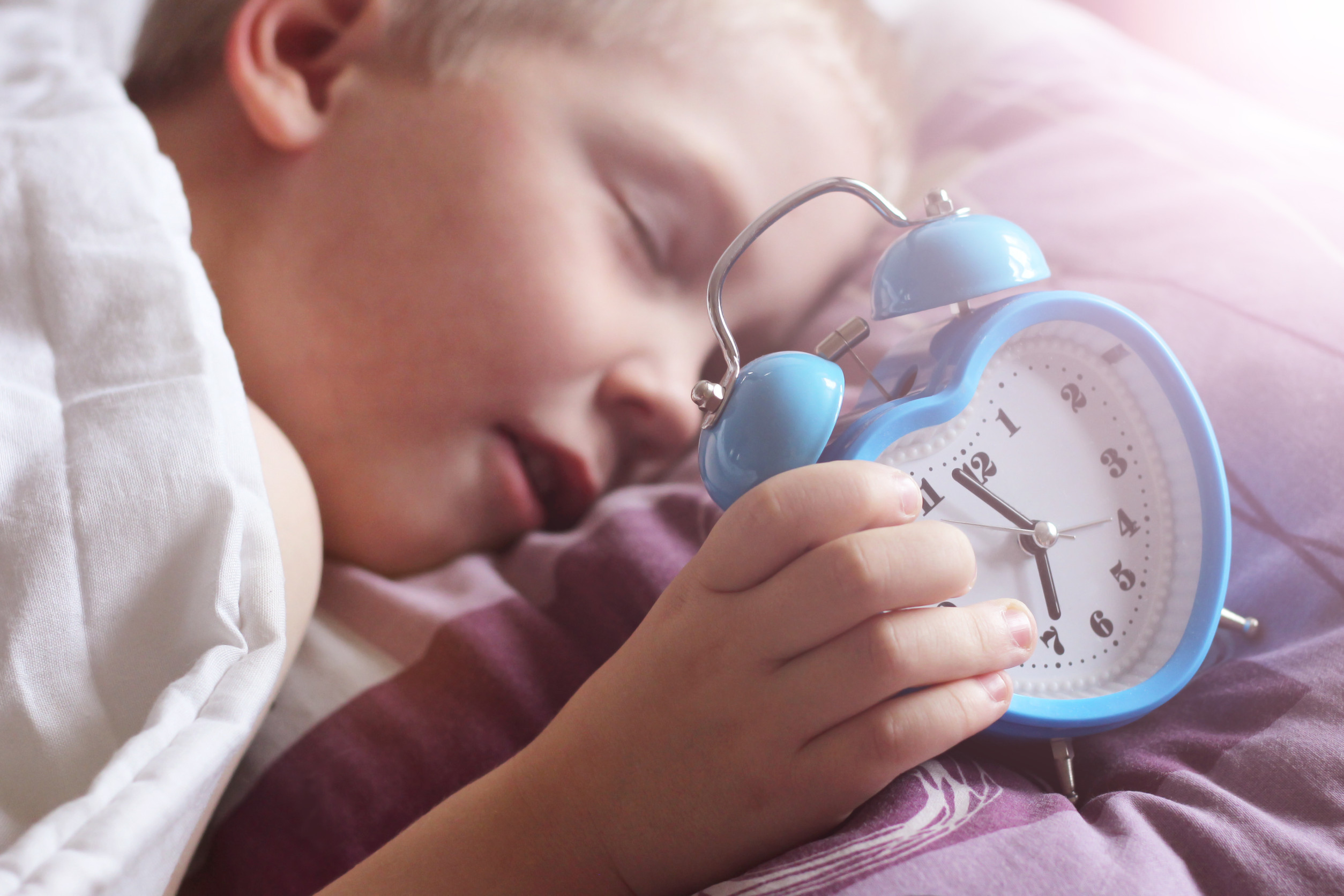
Sleep isn’t just about recharging energy—it’s a critical part of how a child’s brain grows, processes information, and regulates emotions. Unfortunately, many families overlook the impact of inconsistent routines, late bedtimes, and screen time right before bed. If your child’s sleep habits are off track, they could be quietly affecting behavior, learning, and even long-term brain development. Understanding these risks can help parents make small but meaningful changes that support a healthier, sharper, and more focused child. Here are ten ways poor sleep habits might be doing more damage than you think.

1. Inconsistent Bedtimes Disrupt Brain Development

Children’s brains thrive on routine, and when bedtimes are all over the place, it disrupts the body’s natural circadian rhythm. This irregularity can confuse the brain’s internal clock, making it harder for kids to fall asleep and wake up refreshed. Studies show that inconsistent sleep patterns are linked to slower cognitive development, particularly in younger children. Over time, this can affect memory, attention, and even school readiness. One of the easiest ways to support your child’s sleep habits is by sticking to a predictable bedtime—even on weekends.

2. Too Little Sleep Impairs Learning and Memory

Sleep plays a major role in memory consolidation, the process where the brain stores and organizes what it learned during the day. If your child is consistently getting less sleep than they need, their brain may be unable to hold onto new information. That means all those hours spent on homework or in class might not stick. Kids who are sleep-deprived often show lower academic performance and slower problem-solving skills. More rest leads to better retention, plain and simple.

3. Screen Time Before Bed Blocks Melatonin

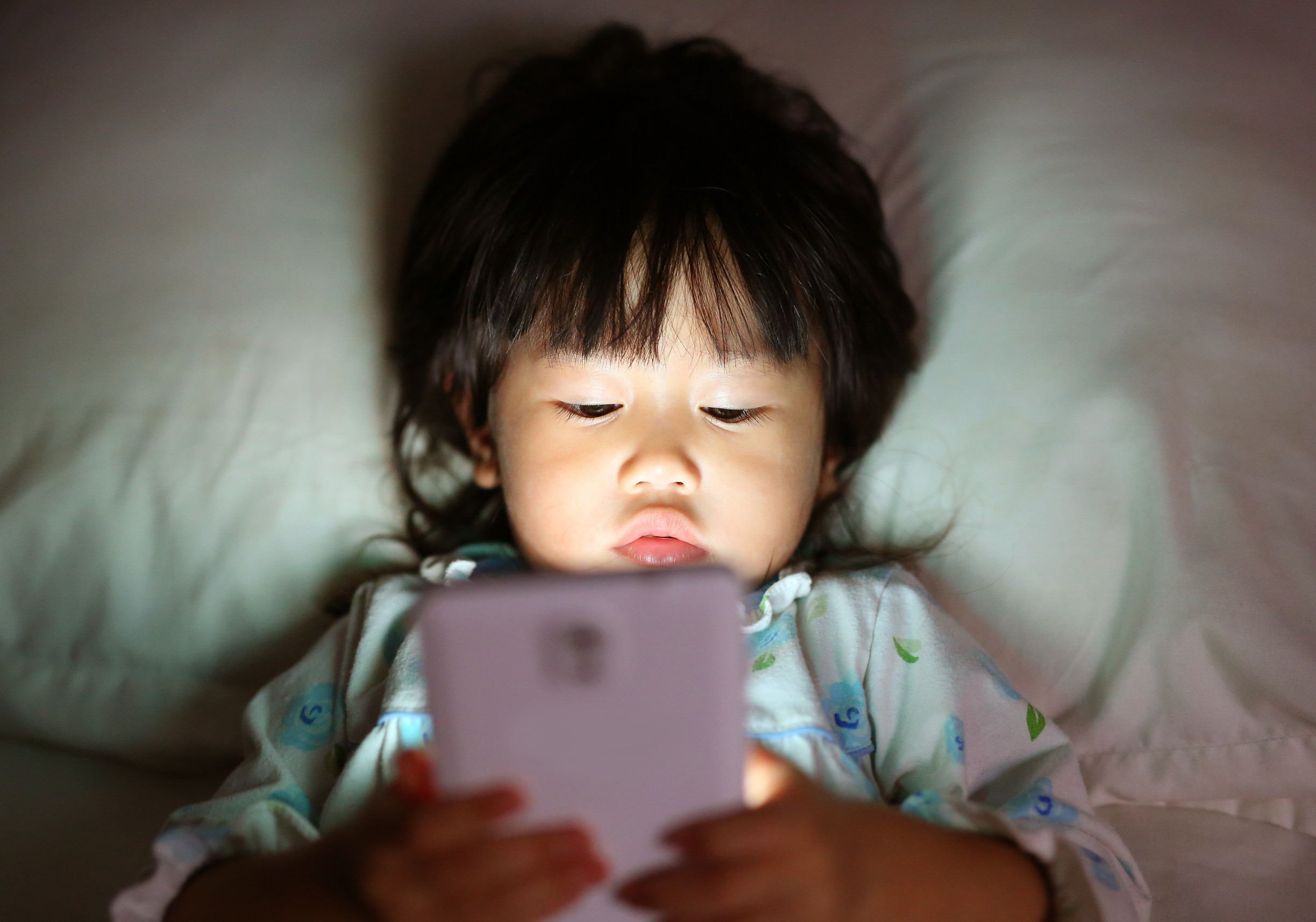
Bright screens from phones, tablets, or TVs emit blue light, which interferes with the brain’s production of melatonin—the hormone that signals it’s time to sleep. This makes it harder for kids to fall asleep and stay asleep. If your child is winding down with a device, it could be throwing off their sleep cycle without anyone realizing it. Over time, this delay adds up, cutting into valuable hours of deep sleep. Creating a screen-free bedtime routine can help reset your child’s sleep habits and protect their developing brain.

4. Poor Sleep Impacts Emotional Regulation

Ever noticed how your child is more irritable or prone to meltdowns after a rough night’s sleep? That’s because sleep plays a vital role in regulating mood and emotional responses. When your child’s sleep habits are inconsistent or insufficient, they may struggle more with anger, frustration, and anxiety. This can affect relationships at home and school. A well-rested brain is much better equipped to handle life’s emotional ups and downs.

5. Snoring or Breathing Issues Might Signal a Bigger Problem

While occasional snoring might seem harmless, frequent or loud snoring could indicate sleep-disordered breathing like sleep apnea. This condition disrupts oxygen flow to the brain and can cause multiple micro-awakenings throughout the night. Left untreated, it may impair concentration, memory, and behavioral development. If your child snores regularly or gasps in their sleep, it’s worth talking to a pediatrician. Good sleep isn’t just about duration—it’s about quality too.

6. Late Bedtimes Reduce Deep Sleep Cycles

Children need deep, restorative sleep to support physical growth and brain development. Late bedtimes often shorten the window for this vital deep sleep, especially if kids still have to wake up early for school or daycare. Without enough deep sleep, the brain may not fully process emotions or store new knowledge. Over time, this can lead to increased forgetfulness and emotional reactivity. Early bedtimes help ensure your child’s brain gets the rest it truly needs.

7. Sleep Loss Worsens Attention Span

One of the first cognitive functions to suffer from lack of sleep is attention. If your child struggles to focus in class or seems hyperactive, their sleep habits could be part of the cause. In fact, sleep-deprived kids often exhibit symptoms similar to ADHD, even if they don’t have the diagnosis. Better sleep can improve concentration and help them stay on task during the day. It’s a simple fix with a powerful payoff.

8. Irregular Naps in Young Kids Disrupt Brain Growth

For toddlers and preschoolers, skipping naps or having unpredictable nap times can interrupt essential brain development. Naps support learning, memory retention, and emotional processing—especially during rapid growth phases. Irregular napping may lead to overtiredness, poor nighttime sleep, and cranky afternoons. A consistent nap schedule helps reinforce the healthy sleep patterns your child needs. Don’t underestimate the power of daytime rest.

9. Chronic Sleep Deprivation Can Affect IQ Scores

Over time, the effects of sleep deprivation go beyond crankiness and forgetfulness—they can influence actual intellectual performance. Several studies have found links between poor sleep and lower IQ scores in children. The brain simply doesn’t function at its full capacity when it’s constantly under-rested. Prioritizing sleep is just as important as studying or structured learning time. It’s the foundation of cognitive success.

10. Bad Sleep Habits Set the Stage for Lifelong Struggles

Your child’s sleep habits aren’t just affecting them today—they could be shaping their lifelong relationship with rest. Kids who grow up with poor sleep hygiene often carry those patterns into adulthood, increasing their risk for anxiety, depression, and chronic illness. Teaching healthy sleep practices now builds a lifetime of benefits. It’s never too early—or too late—to make better choices about bedtime.

Small Changes, Big Brain Boost

When it comes to your child’s brain health, sleep is one of the most overlooked yet essential building blocks. By paying attention to your child’s sleep habits and making thoughtful adjustments, you’re giving them a better shot at emotional balance, academic success, and long-term wellness. Good sleep isn’t just a luxury—it’s brain fuel. And your child deserves plenty of it.

Have you made any bedtime changes that improved your child’s sleep and behavior? Share your experience and tips in the comments below!

Read More:

Here Are The Real Reasons Your Children Aren’t Able to Sleep at Night

7 Tools to Use When Your Baby Won’t Sleep Through the Night

Catherine Reed
Catherine Reed

Catherine is a tech-savvy writer who has focused on the personal finance space for more than eight years. She has a Bachelor’s in Information Technology and enjoys showcasing how tech can simplify everyday personal finance tasks like budgeting, spending tracking, and planning for the future. Additionally, she’s explored the ins and outs of the world of side hustles and loves to share what she’s learned along the way. When she’s not working, you can find her relaxing at home in the Pacific Northwest with her two cats or enjoying a cup of coffee at her neighborhood cafe.

Filed Under: Parenting Tagged With: bedtime routine, child behavior and sleep, child brain development, kids and sleep, parenting advice, sleep and learning, sleep tips for kids, your child's sleep habits

8 Reasons Your Kids Prefer TikTok Over Bedtime Stories

May 17, 2025 | Leave a Comment

8 Reasons Your Kids Prefer TikTok Over Bedtime Stories

Once upon a time, bedtime stories were a treasured part of the nightly routine. Now, you’re more likely to find your child clutching a tablet, scrolling through TikTok, than reaching for a picture book. And no, it’s not just your family. Kids everywhere are trading lullabies and fairy tales for looping dance videos, trending challenges, and mini-comedy skits. It’s fast, flashy, and—let’s be honest—hard to compete with.

But the shift from storytime to screen time isn’t just about technology taking over. It reveals a lot about how kids are wired, what captures their attention, and how modern routines are changing. Understanding why TikTok wins over traditional bedtime stories can help parents find smarter ways to connect, unwind, and still hold onto some of that old-school magic. Here are eight reasons your kids might be choosing TikTok over a good book before bed.

1. Instant Gratification Feels Better Than Slow Pacing

TikTok videos are fast, fun, and over in a matter of seconds. For kids used to constant stimulation, the idea of waiting through a slow-moving bedtime story can feel like a chore. Stories require attention, imagination, and patience—skills that don’t naturally align with the swipe-and-scroll nature of modern media. TikTok gives instant laughs or shocks with zero effort. Unsurprisingly, kids choose what feels easier and more rewarding in the moment.

2. Peer Culture Drives Screen Choices

Kids today are growing up in a world where popularity, trends, and friend circles often revolve around what’s happening online. If everyone in their class is watching certain TikTok creators, they want to be part of the conversation. Bedtime stories don’t get you clout at recess. Social media gives kids shared content, inside jokes, and a feeling of inclusion. That social connection is powerful and hard to ignore.

3. TikTok Is Designed to Be Addictive

Let’s not underestimate the power of the algorithm. TikTok uses complex data to deliver a personalized stream of content that keeps users engaged for hours. Kids get exactly what they want—whether it’s animals, jokes, or influencers who talk just like them. Unlike a bedtime story, TikTok changes constantly to keep attention hooked. Books don’t shift to your preferences or “read your mind” the way a curated feed does.

4. Stories Require Effort (and Adult Involvement)

Reading a story often means a parent must pause their nighttime routine. And while that one-on-one time is valuable, kids can sense when it’s rushed or half-hearted. TikTok, on the other hand, doesn’t rely on anyone else. They can watch on their own terms, with total control. If storytime feels forced or inconsistent, the allure of screens becomes even stronger.

5. Visuals and Sound Effects Beat Words on a Page

Books are quiet and calm by design, but that can feel underwhelming for a generation raised on YouTube and TikTok. Flashing lights, sound effects, and fast transitions keep kids glued to their screens. It’s not that stories are boring, but they don’t stand a chance against a constant sensory buffet. To compete, parents may need to get more animated, creative, and invested in the storytelling process.

6. TikTok Reflects Modern Humor and Pop Culture

The humor in bedtime stories often feels outdated to kids raised on viral trends and meme culture. TikTok content mirrors how kids talk, joke, and think today. It’s more relatable than a talking bear trying to find his lost scarf. Books with timeless messages are still important, but they might not hold the same appeal when kids crave content that feels modern and relevant.

7. Sleep Routines Are Less Structured Than They Used to Be

In many households, bedtime doesn’t look like it did a generation ago. Work schedules, screen time, and shifting routines have pushed storytime to the back burner. Tablets often fill the gap, especially when parents are stretched thin or just trying to get everyone to sleep. Without a clear, consistent bedtime ritual, kids default to what’s easiest, and screens win that battle every time.

8. They Haven’t Experienced the Magic of Storytime (Yet)

For some kids, bedtime stories were never part of the routine to begin with. They may not know what they’re missing if they didn’t grow up with a strong storytelling tradition. A few viral videos will always feel more exciting than something unfamiliar. But that doesn’t mean it’s too late. Reintroducing stories in small, engaging ways—like silly voices, interactive books, or audiobook snuggles—can start to shift the balance.

Reclaiming the Calm in a TikTok World

You’re not wrong for noticing a shift in your child’s bedtime habits. And you’re not alone in wanting to reclaim that quiet, connected time at the end of the day. While you may not be able to compete with the flash of TikTok, you can offer something it doesn’t: undivided attention, shared laughter, and real connection. The key is not banning screens entirely but balancing them with bedtime rituals that bring your child back to the simple joy of stories.

Has TikTok taken over bedtime in your home? What helps you bring storytime back into the routine? Share your thoughts in the comments!

Read More:

10 Baby Names Inspired by TikTok Trends (Yes, Really)

12 Viral TikTok Products That Are Actually Worth The Hype

Catherine Reed
Catherine Reed

Catherine is a tech-savvy writer who has focused on the personal finance space for more than eight years. She has a Bachelor’s in Information Technology and enjoys showcasing how tech can simplify everyday personal finance tasks like budgeting, spending tracking, and planning for the future. Additionally, she’s explored the ins and outs of the world of side hustles and loves to share what she’s learned along the way. When she’s not working, you can find her relaxing at home in the Pacific Northwest with her two cats or enjoying a cup of coffee at her neighborhood cafe.

Filed Under: Parenting Tagged With: bedtime routine, bedtime stories, child development, digital parenting, kids and screen time, parenting tips, reading habits, TikTok and kids

  • Facebook
  • Pinterest
  • RSS
  • Twitter

Basic Principles Of Good Parenting

Here some basic principles for good parenting:

  1. What You Do Matters: Your kids are watching you. So, be purposeful about what you want to accomplish.
  2. You Can’t be Too Loving: Don’t replace love with material possessions, lowered expectations or leniency.
  3. Be Involved Your Kids Life: Arrange your priorities to focus on what your kid’s needs. Be there mentally and physically.
  4. Adapt Your Parenting: Children grow quickly, so keep pace with your child’s development.
  5. Establish and Set Rules: The rules you set for children will establish the rules they set for themselves later.  Avoid harsh discipline and be consistent.
  6. Explain Your Decisions: What is obvious to you may not be evident to your child. They don’t have the experience you do.
  7. Be Respectful To Your Child: How you treat your child is how they will treat others.  Be polite, respectful and make an effort to pay attention.
Best Parenting Blogs

Most Popular

Baby names

Teachers Admit: These 6 Baby Names Create Instant Bias in the Classroom

Latrice Perez
6 Baby Names That Sound Cute Now but Cause Problems Later

6 Baby Names That Sound Cute Now but Cause Problems Later

Brandon Marcus
11 Ways Kids Are Outsmarting Parental Controls 1. Using Alternate Devices One common trick is simply turning to another device. If a child’s main phone or tablet is restricted, they may borrow a sibling’s, friend’s, or even a school laptop. This instantly gives them access to content outside of parental oversight. Parents often focus on one device, forgetting that others in the household can serve as loopholes. Knowing this tactic helps families tighten controls across all electronics. 2. Clearing Browsing Histories Many kids quickly learn that clearing browsing history hides evidence of restricted activity. With just a few clicks, they can erase any trace of websites visited. This makes it harder for parents to notice when rules are being broken. Parents may assume no history means no browsing, but the reality is often the opposite. Kids are outsmarting parental controls by making it seem like nothing happened at all. 3. Using Private Browsing Modes Most browsers offer “incognito” or private browsing features. Kids use this mode to access websites without leaving a record in the history. To parents checking later, everything looks clean and safe. This simple trick is often one of the first ways kids discover how to bypass restrictions. Conversations about private browsing can help close this gap. 4. Guessing or Resetting Passwords Children who are persistent may try to guess passwords to parental control apps or accounts. Others may find ways to reset them through email prompts or security questions. Once inside, they can disable restrictions entirely. Parents may not even realize controls have been altered until much later. Stronger, less predictable passwords can make this more difficult. 5. Using VPNs to Hide Activity Virtual private networks, or VPNs, let kids disguise their online locations. With one downloaded app, they can bypass geographic or parental restrictions. Some children learn about VPNs through friends or even social media. This makes it easy for them to reach content that should be blocked. Parents often underestimate just how simple it is for kids to use these tools. 6. Creating Fake Accounts When parents monitor social media, kids may create hidden accounts. These “finstas” or fake profiles allow them to interact freely without parental oversight. While their main account appears harmless, the secondary one tells a different story. Kids are outsmarting parental controls by playing both sides at once. Checking for duplicate accounts can help parents stay more aware. 7. Exploiting Time Zone Settings Some kids change the time zone on their devices to bypass screen time limits. This trick allows them to gain extra hours of usage undetected. Parents may assume controls are working, but in reality, the child is bending the clock. It’s a clever loophole that highlights just how resourceful kids can be. Monitoring device settings regularly can catch this tactic. 8. Disabling or Uninstalling Apps Parental control apps can be deleted or disabled with surprising ease. Some kids even reinstall them before a parent checks, making it seem like nothing changed. Others may simply restrict permissions to prevent apps from functioning properly. When apps aren’t monitored closely, parents may not notice they’ve been tampered with. This shows the importance of consistent follow-up. 9. Turning to Friends for Access If a child can’t get past restrictions on their own, they may rely on friends. Visiting a friend’s house or borrowing their phone can give them a free pass. Parents often forget that peer environments can override restrictions set at home. This kind of social workaround is especially common with gaming or social media. Open conversations about trust and responsibility are essential. 10. Hiding Apps in Plain Sight Kids sometimes download apps that look innocent but serve as gateways to hidden activity. These apps may disguise themselves as calculators or utilities. In reality, they allow file storage, private messaging, or browser access. Parents glancing at a home screen may overlook them entirely. Learning to recognize these disguised apps can help parents stay informed. 11. Outpacing Parents’ Tech Knowledge Finally, kids often know more about devices than their parents do. Whether through YouTube tutorials, TikTok hacks, or peer groups, they quickly learn advanced workarounds. This knowledge gap means controls can be bypassed before parents even realize the loophole exists. Staying informed and continually learning about new technology is the best defense. Kids are outsmarting parental controls because they adapt faster than most adults. The Real Solution Lies Beyond Restrictions While controls and filters are important, no system is perfect. Kids will always find creative ways around barriers, making communication the strongest safeguard. Setting clear expectations, building trust, and having ongoing conversations about online behavior matter more than apps alone. Parents who combine technology with open dialogue create a safer digital environment. The goal isn’t to win a battle of wits but to build a relationship that keeps kids both safe and honest. Do you think kids are outsmarting parental controls faster than parents can keep up? Share your experiences in the comments below. What to Read Next... 6 Parenting Tech Shortcuts That Can Expose Your Child to Strangers How Much Screen Time Is Too Much—Legally Speaking? Is Your Child’s School Quietly Tracking Their Location Without Your Consent? How Much Screen Time Is Quietly Reshaping Childhood Behavior? Why Some Parents Are Being Investigated Over Homeschooling Records

11 Ways Kids Are Outsmarting Parental Controls

Catherine Reed
Smiling grandfather holding a happy baby indoors.

Why Grandparents Shouldn’t Babysit Their Grandkids Every Week – The Unspoken Issue

Samantha
birthday gifts

7 Birthday Gifts Your Child Should Never Bring to a Party

Latrice Perez

All content on Kids Ain’t Cheap is for entertainment purposes only. By reading this blog, you agree that Kids Ain’t Cheap is not responsible for any actions taken after reading this blog. For the full disclaimer, see our privacy policy.

Please note that Kids Ain’t Cheap has financial relationships with some of the merchants mentioned here. Kids Ain’t Cheap is funded by banner advertising, commission sales and search optimization consulting.

Copyright © 2006–2026 | District Media | All Rights Reserved | Privacy Policy

Copyright © 2026 Runway Pro Theme by Viva la Violette