
• Home
  • About Us
  • Toolkit
  • Archives
  • Advertise
  • Privacy Policy

Kids Ain't Cheap

But They Sure Are Worth It

  • Parenting
    • Baby Stuff
    • Books and Reading
      • Aesops Fables
      • Comic Books
    • Education
    • Family Time
    • Green Living
    • Growing Up
    • Healthy Living & Eating
    • Holidays
    • Parenting
    • Random Musings
    • Shopping
    • Stuff to Do
  • Money
  • Product Reviews
    • Books and Magazines
    • Discount Sites
    • Furniture
    • House Keeping
    • Reviews News
    • Toys and Games
  • Contact Us
  • Our Editorial Commitment
  • Search

Brain Drain: 7 Everyday Habits Hurting Your Child’s Brain Development

July 15, 2025 | Leave a Comment

Brain Drain 7 Everyday Habits Hurting Your Childs Brain Development
123rf.com

You want the best for your child—especially when it comes to their learning, creativity, and ability to thrive. But what if some of the routines that seem harmless (or even helpful) are quietly holding them back? From screen time to sleep schedules, your child’s brain development is influenced by small, daily habits that can either support or hinder their growth. The brain is especially sensitive in the early years, and negative patterns can have long-lasting effects. To raise a confident, capable thinker, it’s worth taking a closer look at what could be standing in the way.

1. Too Much Screen Time

One of the biggest threats to your child’s brain development is unregulated screen use. While digital devices can offer educational content, excessive exposure can delay language skills, shorten attention spans, and reduce face-to-face interactions. The brain develops best through real-world engagement—touching, exploring, asking questions—not passive scrolling. Screens also interfere with sleep, which is essential for memory and emotional regulation. Set limits, encourage interactive play, and model healthy screen habits yourself.

2. Skipping Breakfast or Poor Nutrition

The brain needs consistent fuel to function properly, and skipping breakfast or feeding kids sugar-loaded meals can lead to dips in concentration and mood. Nutrients like iron, omega-3 fatty acids, and protein are essential for your child’s brain development. A diet lacking in whole foods may slow cognitive progress, especially in younger children. Kids who start the day with a balanced meal tend to perform better in school and stay focused longer. Prioritizing brain-friendly foods like eggs, oats, berries, and leafy greens makes a noticeable difference.

3. Not Enough Sleep

Sleep isn’t just rest—it’s when the brain consolidates learning, stores memory, and repairs itself. A chronic lack of sleep can impair problem-solving skills, emotional regulation, and overall cognitive development. Many kids today fall short of the recommended 9–12 hours due to late-night screen time or inconsistent routines. Helping your child stick to a predictable bedtime and wind down without electronics is critical for supporting brain growth. Tired brains can’t think clearly, no matter how smart the child.

4. Lack of Physical Activity

Physical movement directly supports your child’s brain development by increasing blood flow, improving focus, and boosting mood. Active play helps build neural connections, especially in the parts of the brain related to decision-making and memory. A sedentary lifestyle can lead to delayed motor skills, poor self-regulation, and lower academic performance. Even simple activities like jumping, running, or dancing make a big impact. Aim for at least an hour of active play every day to support a healthy, growing brain.

5. Over-Scheduling Without Downtime

Parents often feel pressure to enroll kids in nonstop lessons, sports, and enrichment programs. But too much structure without time to relax or play freely can actually interfere with your child’s brain development. Downtime helps kids process what they’ve learned, build creativity, and problem-solve independently. Overscheduled children may become stressed, anxious, or burned out at an early age. A healthy balance of guided activity and unstructured time is key to fostering both emotional and cognitive resilience.

6. Constant Background Noise

Background noise from the TV, loud music, or even frequent conversations can make it harder for young brains to process language and focus. The brain needs quiet periods to absorb information, especially for toddlers and preschoolers still developing speech. Constant audio stimulation can lead to delayed language development or difficulty following directions. While the occasional TV show is fine, keeping the volume low or turning off devices during meals and homework helps create a brain-friendly environment. Silence isn’t just peaceful—it’s productive.

7. Not Talking or Reading Enough

The simple act of talking to your child—and reading with them—has one of the biggest impacts on your child’s brain development. Children build vocabulary, language comprehension, empathy, and memory through regular conversation and storytelling. If they aren’t spoken to often or engaged with in meaningful ways, critical language centers in the brain may not fully develop. Even babies benefit from being read to daily, hearing new words, and learning patterns of communication. Carve out time each day to read, ask questions, and truly listen to what your child has to say.

Building a Brain-Friendly Routine, One Habit at a Time

You don’t need a degree in neuroscience to support your child’s brain development—you just need to be present, curious, and willing to adjust the small things. Simple shifts in routine can have a powerful effect, from choosing a better breakfast to turning off background noise during play. It’s not about being perfect, but about being aware of how everyday choices shape growing minds. When you focus on habits that support brain health, you’re setting your child up not just for academic success, but for emotional strength and lifelong learning.

What changes have you made to support your child’s brain development? We’d love to hear your tips in the comments below!

Read More:

8 Parenting Trends That Sound Great (But Might Be Hurting Your Kids)

9 Fun Ways to Teach Kids Emotional Intelligence (That Actually Work)

Catherine Reed
Catherine Reed

Catherine is a tech-savvy writer who has focused on the personal finance space for more than eight years. She has a Bachelor’s in Information Technology and enjoys showcasing how tech can simplify everyday personal finance tasks like budgeting, spending tracking, and planning for the future. Additionally, she’s explored the ins and outs of the world of side hustles and loves to share what she’s learned along the way. When she’s not working, you can find her relaxing at home in the Pacific Northwest with her two cats or enjoying a cup of coffee at her neighborhood cafe.
Filed Under: Parenting Tagged With: brain health, child development, Early Childhood Education, healthy habits for kids, parenting tips, screen time limits, sleep and learning, your child's brain development

10 Reasons Your Child’s Sleep Habits Might Be Hurting Their Brain

June 17, 2025 | Leave a Comment

10 Reasons Your Childs Sleep Habits Might Be Hurting Their Brain
123rf.com

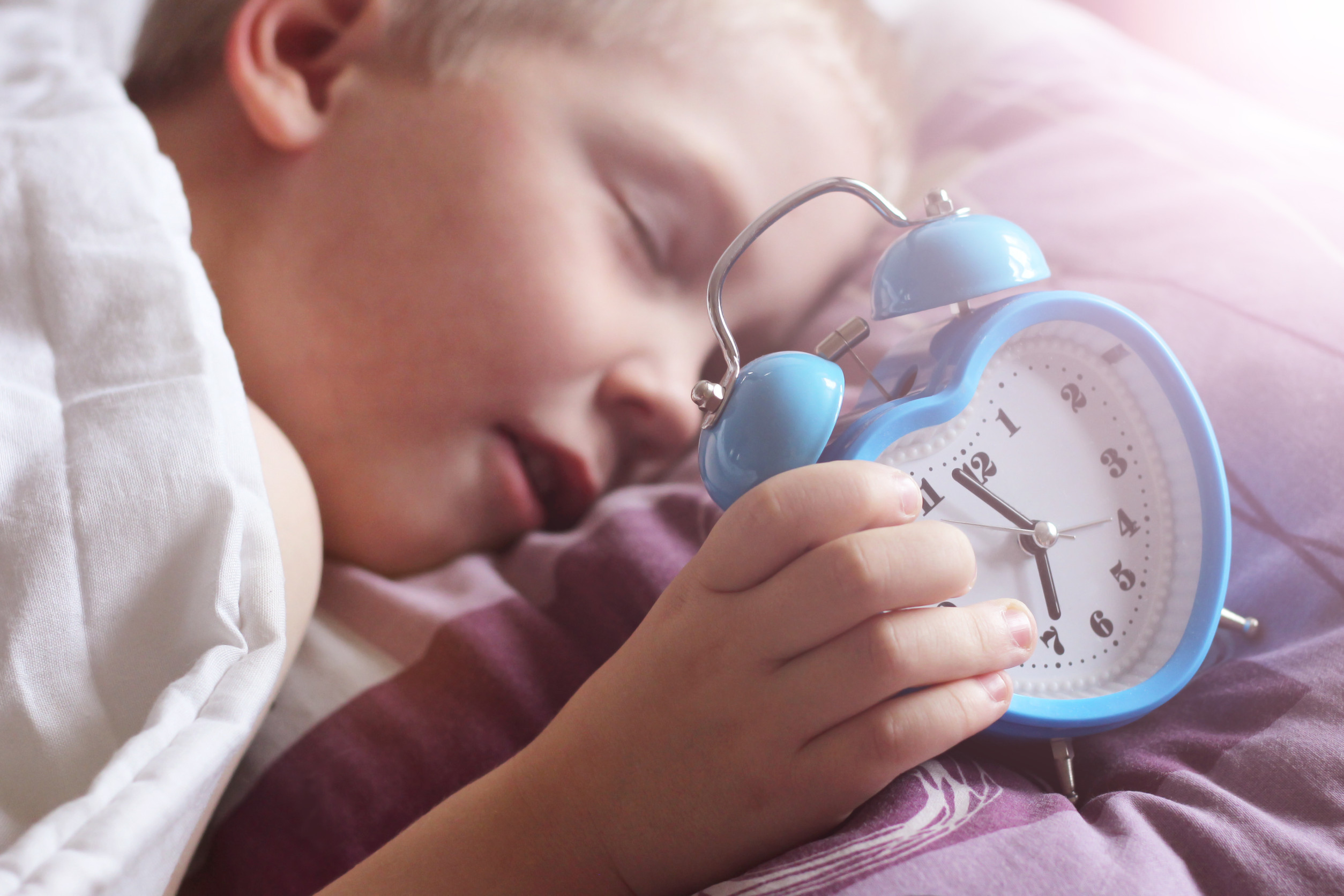
Sleep isn’t just about recharging energy—it’s a critical part of how a child’s brain grows, processes information, and regulates emotions. Unfortunately, many families overlook the impact of inconsistent routines, late bedtimes, and screen time right before bed. If your child’s sleep habits are off track, they could be quietly affecting behavior, learning, and even long-term brain development. Understanding these risks can help parents make small but meaningful changes that support a healthier, sharper, and more focused child. Here are ten ways poor sleep habits might be doing more damage than you think.

1. Inconsistent Bedtimes Disrupt Brain Development

Children’s brains thrive on routine, and when bedtimes are all over the place, it disrupts the body’s natural circadian rhythm. This irregularity can confuse the brain’s internal clock, making it harder for kids to fall asleep and wake up refreshed. Studies show that inconsistent sleep patterns are linked to slower cognitive development, particularly in younger children. Over time, this can affect memory, attention, and even school readiness. One of the easiest ways to support your child’s sleep habits is by sticking to a predictable bedtime—even on weekends.

2. Too Little Sleep Impairs Learning and Memory

Sleep plays a major role in memory consolidation, the process where the brain stores and organizes what it learned during the day. If your child is consistently getting less sleep than they need, their brain may be unable to hold onto new information. That means all those hours spent on homework or in class might not stick. Kids who are sleep-deprived often show lower academic performance and slower problem-solving skills. More rest leads to better retention, plain and simple.

3. Screen Time Before Bed Blocks Melatonin

Bright screens from phones, tablets, or TVs emit blue light, which interferes with the brain’s production of melatonin—the hormone that signals it’s time to sleep. This makes it harder for kids to fall asleep and stay asleep. If your child is winding down with a device, it could be throwing off their sleep cycle without anyone realizing it. Over time, this delay adds up, cutting into valuable hours of deep sleep. Creating a screen-free bedtime routine can help reset your child’s sleep habits and protect their developing brain.

4. Poor Sleep Impacts Emotional Regulation

Ever noticed how your child is more irritable or prone to meltdowns after a rough night’s sleep? That’s because sleep plays a vital role in regulating mood and emotional responses. When your child’s sleep habits are inconsistent or insufficient, they may struggle more with anger, frustration, and anxiety. This can affect relationships at home and school. A well-rested brain is much better equipped to handle life’s emotional ups and downs.

5. Snoring or Breathing Issues Might Signal a Bigger Problem

While occasional snoring might seem harmless, frequent or loud snoring could indicate sleep-disordered breathing like sleep apnea. This condition disrupts oxygen flow to the brain and can cause multiple micro-awakenings throughout the night. Left untreated, it may impair concentration, memory, and behavioral development. If your child snores regularly or gasps in their sleep, it’s worth talking to a pediatrician. Good sleep isn’t just about duration—it’s about quality too.

6. Late Bedtimes Reduce Deep Sleep Cycles

Children need deep, restorative sleep to support physical growth and brain development. Late bedtimes often shorten the window for this vital deep sleep, especially if kids still have to wake up early for school or daycare. Without enough deep sleep, the brain may not fully process emotions or store new knowledge. Over time, this can lead to increased forgetfulness and emotional reactivity. Early bedtimes help ensure your child’s brain gets the rest it truly needs.

7. Sleep Loss Worsens Attention Span

One of the first cognitive functions to suffer from lack of sleep is attention. If your child struggles to focus in class or seems hyperactive, their sleep habits could be part of the cause. In fact, sleep-deprived kids often exhibit symptoms similar to ADHD, even if they don’t have the diagnosis. Better sleep can improve concentration and help them stay on task during the day. It’s a simple fix with a powerful payoff.

8. Irregular Naps in Young Kids Disrupt Brain Growth

For toddlers and preschoolers, skipping naps or having unpredictable nap times can interrupt essential brain development. Naps support learning, memory retention, and emotional processing—especially during rapid growth phases. Irregular napping may lead to overtiredness, poor nighttime sleep, and cranky afternoons. A consistent nap schedule helps reinforce the healthy sleep patterns your child needs. Don’t underestimate the power of daytime rest.

9. Chronic Sleep Deprivation Can Affect IQ Scores

Over time, the effects of sleep deprivation go beyond crankiness and forgetfulness—they can influence actual intellectual performance. Several studies have found links between poor sleep and lower IQ scores in children. The brain simply doesn’t function at its full capacity when it’s constantly under-rested. Prioritizing sleep is just as important as studying or structured learning time. It’s the foundation of cognitive success.

10. Bad Sleep Habits Set the Stage for Lifelong Struggles

Your child’s sleep habits aren’t just affecting them today—they could be shaping their lifelong relationship with rest. Kids who grow up with poor sleep hygiene often carry those patterns into adulthood, increasing their risk for anxiety, depression, and chronic illness. Teaching healthy sleep practices now builds a lifetime of benefits. It’s never too early—or too late—to make better choices about bedtime.

Small Changes, Big Brain Boost

When it comes to your child’s brain health, sleep is one of the most overlooked yet essential building blocks. By paying attention to your child’s sleep habits and making thoughtful adjustments, you’re giving them a better shot at emotional balance, academic success, and long-term wellness. Good sleep isn’t just a luxury—it’s brain fuel. And your child deserves plenty of it.

Have you made any bedtime changes that improved your child’s sleep and behavior? Share your experience and tips in the comments below!

Read More:

Here Are The Real Reasons Your Children Aren’t Able to Sleep at Night

7 Tools to Use When Your Baby Won’t Sleep Through the Night

Catherine Reed
Catherine Reed

Catherine is a tech-savvy writer who has focused on the personal finance space for more than eight years. She has a Bachelor’s in Information Technology and enjoys showcasing how tech can simplify everyday personal finance tasks like budgeting, spending tracking, and planning for the future. Additionally, she’s explored the ins and outs of the world of side hustles and loves to share what she’s learned along the way. When she’s not working, you can find her relaxing at home in the Pacific Northwest with her two cats or enjoying a cup of coffee at her neighborhood cafe.

Filed Under: Parenting Tagged With: bedtime routine, child behavior and sleep, child brain development, kids and sleep, parenting advice, sleep and learning, sleep tips for kids, your child's sleep habits

  • Facebook
  • Pinterest
  • RSS
  • Twitter

Basic Principles Of Good Parenting

Here some basic principles for good parenting:

  1. What You Do Matters: Your kids are watching you. So, be purposeful about what you want to accomplish.
  2. You Can’t be Too Loving: Don’t replace love with material possessions, lowered expectations or leniency.
  3. Be Involved Your Kids Life: Arrange your priorities to focus on what your kid’s needs. Be there mentally and physically.
  4. Adapt Your Parenting: Children grow quickly, so keep pace with your child’s development.
  5. Establish and Set Rules: The rules you set for children will establish the rules they set for themselves later.  Avoid harsh discipline and be consistent.
  6. Explain Your Decisions: What is obvious to you may not be evident to your child. They don’t have the experience you do.
  7. Be Respectful To Your Child: How you treat your child is how they will treat others.  Be polite, respectful and make an effort to pay attention.
Best Parenting Blogs

Most Popular

Baby

9 Unusual Baby Names That Sound Like They Belong to Future CEOs

Evan Morgan
Baby

10 Baby Names That Were Once Considered “Grandparent Names” but Feel Cool Again

Evan Morgan
Target Store

Choking Incident Prompts Recall of 49,000 Target Gigglescape “Under the Sea” Popping Toys

Evan Morgan
Frustrated Girl

Why Some Students on the Spectrum Are Labeled With ODD

Evan Morgan
Coke Bottles

12 Things Kids Took to School in the ’70s That Would Never Be Allowed Today

Evan Morgan

All content on Kids Ain’t Cheap is for entertainment purposes only. By reading this blog, you agree that Kids Ain’t Cheap is not responsible for any actions taken after reading this blog. For the full disclaimer, see our privacy policy.

Please note that Kids Ain’t Cheap has financial relationships with some of the merchants mentioned here. Kids Ain’t Cheap is funded by banner advertising, commission sales and search optimization consulting.

Copyright © 2006–2026 | District Media | All Rights Reserved | Privacy Policy

Copyright © 2026 Runway Pro Theme by Viva la Violette