• Home
  • About Us
  • Toolkit
  • Archives
  • Advertise
  • Privacy Policy

Kids Ain't Cheap

But They Sure Are Worth It

  • Parenting
    • Baby Stuff
    • Books and Reading
      • Aesops Fables
      • Comic Books
    • Education
    • Family Time
    • Green Living
    • Growing Up
    • Healthy Living & Eating
    • Holidays
    • Parenting
    • Random Musings
    • Shopping
    • Stuff to Do
  • Money
  • Product Reviews
    • Books and Magazines
    • Discount Sites
    • Furniture
    • House Keeping
    • Reviews News
    • Toys and Games
  • Contact Us
  • Our Editorial Commitment
  • Search

Don’t Ignore This: 7 Health Warnings Your Child’s Feet Are Telling You

July 24, 2025 | Leave a Comment

Dont Ignore This 7 Health Warnings Your Childs Feet Are Telling You
Image source: 123rf.com

Kids run, climb, and bounce through life on some of the hardest-working parts of their bodies—their feet. But while it’s easy to focus on bumps and bruises elsewhere, many parents overlook the signs hiding below the socks. From pain and posture issues to signs of bigger health concerns, there are health warnings your child’s feet are telling you that you should never ignore. Paying attention to how your child walks, stands, or even complains about their shoes can offer early clues that something’s not right. Catching these signs early can prevent long-term discomfort, improve mobility, and even protect their overall well-being.

1. Constant Complaints of Foot Pain

While the occasional sore foot isn’t unusual, repeated complaints of pain should be taken seriously. Persistent discomfort could be a sign of flat feet, poor arch support, or even growing conditions like Sever’s disease. Children may not always have the vocabulary to explain what they feel, so listen carefully when they mention foot pain more than once. Watch how they move—limping, tiptoeing, or avoiding activity could be quiet signs of a bigger issue. If pain is consistent or impacts their daily play, it’s time for a professional evaluation.

2. Uneven Shoe Wear

Flip over your child’s shoes and look at the soles—do they wear down evenly? If one side of the shoe shows significantly more wear, it may signal a problem with gait or posture. This could be related to issues like overpronation, leg length differences, or even spinal alignment. Left unaddressed, uneven wear can lead to knee, hip, or back problems later on. This is one of the most overlooked health warnings your child’s feet are telling you, and it’s easy to catch early with regular shoe checks.

3. Frequent Tripping or Clumsiness

Kids are naturally energetic and wobbly, but frequent tripping or unusual clumsiness may point to foot or leg issues. Conditions like in-toeing (pigeon toes) or out-toeing can affect how a child moves and balances. If your child falls more than expected or struggles with coordination, it’s worth checking their foot alignment. A podiatrist or pediatric physical therapist can evaluate whether their walking pattern is age-appropriate. Early intervention can improve stability and confidence in movement.

4. Swelling or Redness

Redness, swelling, or inflammation in the feet can mean more than just a stubbed toe. These signs could be linked to infections, overuse injuries, or joint issues like juvenile arthritis. Swelling that lingers or returns regularly shouldn’t be brushed off as minor. Pay attention to whether the swelling is in one foot or both, and note any warmth, tenderness, or limited movement. When in doubt, a quick check by a healthcare provider can rule out serious concerns.

5. Unusual Foot Odor or Skin Issues

Feet that consistently smell bad or show signs of cracking, peeling, or fungal infection may be signaling hygiene issues or something deeper. Persistent athlete’s foot, nail discoloration, or excessive sweating can be a sign of compromised skin health or immune response. While foot odor might seem like a simple hygiene fix, it could also point to improperly fitting shoes that trap moisture. Monitoring skin health is one of the easier ways to catch early signs of discomfort or infection. These subtle health warnings your child’s feet are telling you often show up before your child even realizes something’s wrong.

6. Avoiding Barefoot Time

If your child avoids going barefoot when others seem fine, they might be experiencing discomfort or sensitivity. Some kids feel sharp pain from walking barefoot due to issues like plantar fasciitis, overly tight tendons, or weak arches. Avoidance behavior can also hint at sensory processing issues that make bare feet feel overstimulating. It’s not just about preference—watch how they respond when walking on different surfaces. A pattern of avoidance may be your clue that foot pain or sensitivity is being quietly ignored.

7. Stiffness First Thing in the Morning

A child who complains of stiff feet in the morning or after sitting still for long periods could be dealing with early inflammation. This type of stiffness is not typical growing pain and could indicate underlying joint or autoimmune issues. If they hobble, wince, or need to “walk it off” after periods of rest, take note. These kinds of early-morning symptoms deserve attention from your pediatrician. Stiffness may seem minor, but it’s one of those quiet health warnings your child’s feet are telling you before a bigger issue develops.

Don’t Let Little Feet Suffer in Silence

Feet may be small, but they carry big responsibilities—and often big messages. The health warnings your child’s feet are telling you can serve as an early alert system for physical discomfort or larger medical concerns. From worn-out shoes to subtle signs like morning stiffness, each clue matters. As parents, the more we tune into these small signs, the better we can support our children’s growth and comfort. A quick foot check today might spare your child years of aches tomorrow.

Have you noticed any unusual signs in your child’s feet? Share your experience or tips in the comments to help other parents stay alert.

Read More:

Clothes From Shein and Temu Could Be Hazardous To Your Child’s Health

Toxic Relatives and Kids: How to Protect Their Emotional Health

Catherine Reed
Catherine Reed

Catherine is a tech-savvy writer who has focused on the personal finance space for more than eight years. She has a Bachelor’s in Information Technology and enjoys showcasing how tech can simplify everyday personal finance tasks like budgeting, spending tracking, and planning for the future. Additionally, she’s explored the ins and outs of the world of side hustles and loves to share what she’s learned along the way. When she’s not working, you can find her relaxing at home in the Pacific Northwest with her two cats or enjoying a cup of coffee at her neighborhood cafe.
Filed Under: Parenting Tagged With: child development signs, child foot health, children’s health, foot pain in kids, health warnings your child's feet are telling you, kids foot care, parenting tips, pediatric podiatry, signs of foot problems

Here Are The Real Reasons Your Children Aren’t Able to Sleep At Night

June 6, 2025 | Leave a Comment

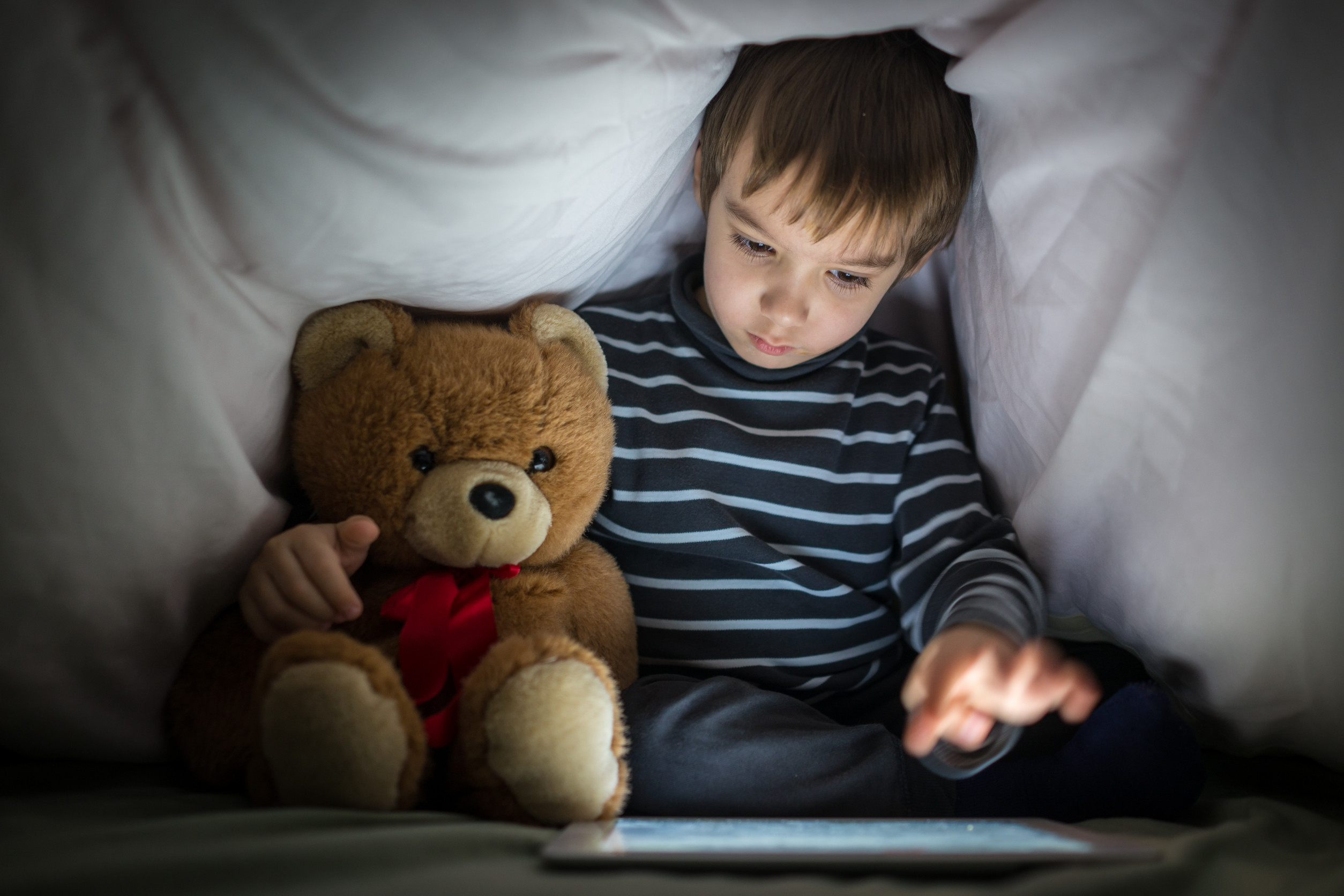
Here Are The Real Reasons Your Children Arent Able to Sleep At Night

You’ve done the bedtime routine. The lights are dim, the stuffed animals are tucked in, and the bedtime stories are finished. So why is your child still wide awake? If you’re wondering why sleep just won’t come easily, you’re not alone. The truth is, there are several hidden reasons your children aren’t able to sleep at night, and understanding them can be the key to giving your entire household more peaceful evenings—and better mornings.

1. Too Much Screen Time Before Bed

Blue light from tablets, phones, and even TVs can seriously interfere with your child’s natural sleep cycle. These devices suppress melatonin—the hormone responsible for helping the body wind down and feel sleepy. When kids are using screens too close to bedtime, their brains are still in alert mode. One of the biggest reasons your children aren’t able to sleep at night is simply that they’ve been overstimulated by digital input. Try turning off screens at least an hour before bed to help them unwind.

2. An Overloaded Schedule

Busy days filled with school, homework, sports, and extracurricular activities can take a toll on kids’ ability to fall asleep. It may seem like they’d be tired enough to crash easily, but constant stimulation without time to decompress often backfires. Children need calm, unstructured time in the evening to settle their minds. Without it, they may struggle to process the day or shift into rest mode. Overscheduling is one of the most overlooked reasons your children aren’t able to sleep at night—and one of the easiest to address with better balance.

3. Anxiety or Racing Thoughts

Even younger children can carry stress and anxiety to bed with them. Worries about school, friendships, family changes, or general fears can keep their minds spinning long after the lights are out. Instead of assuming kids have “nothing to worry about,” it helps to ask gentle, open-ended questions at bedtime. Anxiety is one of the more emotional reasons your children aren’t able to sleep at night, and it often requires a consistent routine and lots of reassurance to ease. Calming activities like journaling, meditation, or quiet conversation can help them feel safe and grounded.

4. Poor Sleep Environment

The room your child sleeps in plays a major role in how well they rest. Factors like too much noise, an uncomfortable mattress, or a room that’s too hot or too cold can prevent quality sleep. Even small things like clutter or bright night lights can make it harder to relax. When looking for reasons your children aren’t able to sleep at night, don’t overlook their physical space. Aim for a cool, dark, quiet room with cozy bedding and minimal distractions to support better rest.

5. Lack of a Consistent Routine

Bedtime routines aren’t just cute traditions—they’re essential for regulating sleep patterns. Kids thrive on consistency, and when their bedtime changes from night to night, it confuses their internal clock. This unpredictability can make falling asleep a battle. One of the most fixable reasons your children aren’t able to sleep at night is the absence of a predictable sequence of events that signals it’s time to rest. Try setting a regular wind-down routine that includes the same steps every night: bath, story, cuddles, and lights out.

6. Eating Too Late (or Too Little)

A full belly right before bed can lead to indigestion, while going to sleep hungry can cause tossing and turning. Finding the right balance with evening meals and snacks is important. Heavy meals or sugary treats too close to bedtime can disrupt sleep, especially if your child is sensitive to certain foods. Nutrition-related discomfort is one of those sneaky reasons your children aren’t able to sleep at night that often gets overlooked. Offer a light, healthy snack like a banana, yogurt, or toast if they need something before bed.

7. Sleep Disorders or Health Issues

If your child consistently struggles with sleep despite a solid routine and good habits, it might be time to consider a medical reason. Conditions like sleep apnea, restless leg syndrome, or chronic allergies can all disrupt restful sleep. These issues may show up as snoring, frequent waking, or daytime fatigue. Health-related reasons your children aren’t able to sleep at night should be addressed with your pediatrician to rule out underlying problems. Sometimes, the fix requires more than a routine tweak.

8. They’re Just Going to Bed Too Late

Sometimes it really is as simple as timing. Overtired kids often have a harder time falling asleep than those who go to bed before they hit that “wired” stage. Staying up too late can trigger a second wind that’s tough to reverse. One of the most common reasons your children aren’t able to sleep at night is that they’ve passed the optimal sleep window. Experiment with moving bedtime earlier by 15-30 minutes to see if it helps.

A Tired Kid Isn’t Always a Sleepy One

There’s nothing more frustrating than watching an exhausted child struggle to fall asleep. But sleep resistance often comes from things happening before they ever hit the pillow. Understanding the real reasons your children aren’t able to sleep at night gives you the power to make small, effective changes. With the right mix of routine, environment, and support, restful nights are closer than you think.

What’s helped your child sleep better at night—or what struggles are you still facing? Share your bedtime wins and challenges in the comments!

Read More:

7 Tools to Use When Your Baby Won’t Sleep Through the Night

Sleep Struggles Might Be the Reason You Hate Your Job

Catherine Reed
Catherine Reed

Catherine is a tech-savvy writer who has focused on the personal finance space for more than eight years. She has a Bachelor’s in Information Technology and enjoys showcasing how tech can simplify everyday personal finance tasks like budgeting, spending tracking, and planning for the future. Additionally, she’s explored the ins and outs of the world of side hustles and loves to share what she’s learned along the way. When she’s not working, you can find her relaxing at home in the Pacific Northwest with her two cats or enjoying a cup of coffee at her neighborhood cafe.

Filed Under: Child behavior Tagged With: bedtime anxiety, child bedtime tips, children’s health, kids and sleep, parenting struggles, screen time and sleep, sleep problems in kids, sleep routine

  • Facebook
  • Pinterest
  • RSS
  • Twitter

Basic Principles Of Good Parenting

Here some basic principles for good parenting:

  1. What You Do Matters: Your kids are watching you. So, be purposeful about what you want to accomplish.
  2. You Can’t be Too Loving: Don’t replace love with material possessions, lowered expectations or leniency.
  3. Be Involved Your Kids Life: Arrange your priorities to focus on what your kid’s needs. Be there mentally and physically.
  4. Adapt Your Parenting: Children grow quickly, so keep pace with your child’s development.
  5. Establish and Set Rules: The rules you set for children will establish the rules they set for themselves later.  Avoid harsh discipline and be consistent.
  6. Explain Your Decisions: What is obvious to you may not be evident to your child. They don’t have the experience you do.
  7. Be Respectful To Your Child: How you treat your child is how they will treat others.  Be polite, respectful and make an effort to pay attention.
Best Parenting Blogs

Most Popular

Baby names

Teachers Admit: These 6 Baby Names Create Instant Bias in the Classroom

Latrice Perez
6 Baby Names That Sound Cute Now but Cause Problems Later

6 Baby Names That Sound Cute Now but Cause Problems Later

Brandon Marcus
11 Ways Kids Are Outsmarting Parental Controls 1. Using Alternate Devices One common trick is simply turning to another device. If a child’s main phone or tablet is restricted, they may borrow a sibling’s, friend’s, or even a school laptop. This instantly gives them access to content outside of parental oversight. Parents often focus on one device, forgetting that others in the household can serve as loopholes. Knowing this tactic helps families tighten controls across all electronics. 2. Clearing Browsing Histories Many kids quickly learn that clearing browsing history hides evidence of restricted activity. With just a few clicks, they can erase any trace of websites visited. This makes it harder for parents to notice when rules are being broken. Parents may assume no history means no browsing, but the reality is often the opposite. Kids are outsmarting parental controls by making it seem like nothing happened at all. 3. Using Private Browsing Modes Most browsers offer “incognito” or private browsing features. Kids use this mode to access websites without leaving a record in the history. To parents checking later, everything looks clean and safe. This simple trick is often one of the first ways kids discover how to bypass restrictions. Conversations about private browsing can help close this gap. 4. Guessing or Resetting Passwords Children who are persistent may try to guess passwords to parental control apps or accounts. Others may find ways to reset them through email prompts or security questions. Once inside, they can disable restrictions entirely. Parents may not even realize controls have been altered until much later. Stronger, less predictable passwords can make this more difficult. 5. Using VPNs to Hide Activity Virtual private networks, or VPNs, let kids disguise their online locations. With one downloaded app, they can bypass geographic or parental restrictions. Some children learn about VPNs through friends or even social media. This makes it easy for them to reach content that should be blocked. Parents often underestimate just how simple it is for kids to use these tools. 6. Creating Fake Accounts When parents monitor social media, kids may create hidden accounts. These “finstas” or fake profiles allow them to interact freely without parental oversight. While their main account appears harmless, the secondary one tells a different story. Kids are outsmarting parental controls by playing both sides at once. Checking for duplicate accounts can help parents stay more aware. 7. Exploiting Time Zone Settings Some kids change the time zone on their devices to bypass screen time limits. This trick allows them to gain extra hours of usage undetected. Parents may assume controls are working, but in reality, the child is bending the clock. It’s a clever loophole that highlights just how resourceful kids can be. Monitoring device settings regularly can catch this tactic. 8. Disabling or Uninstalling Apps Parental control apps can be deleted or disabled with surprising ease. Some kids even reinstall them before a parent checks, making it seem like nothing changed. Others may simply restrict permissions to prevent apps from functioning properly. When apps aren’t monitored closely, parents may not notice they’ve been tampered with. This shows the importance of consistent follow-up. 9. Turning to Friends for Access If a child can’t get past restrictions on their own, they may rely on friends. Visiting a friend’s house or borrowing their phone can give them a free pass. Parents often forget that peer environments can override restrictions set at home. This kind of social workaround is especially common with gaming or social media. Open conversations about trust and responsibility are essential. 10. Hiding Apps in Plain Sight Kids sometimes download apps that look innocent but serve as gateways to hidden activity. These apps may disguise themselves as calculators or utilities. In reality, they allow file storage, private messaging, or browser access. Parents glancing at a home screen may overlook them entirely. Learning to recognize these disguised apps can help parents stay informed. 11. Outpacing Parents’ Tech Knowledge Finally, kids often know more about devices than their parents do. Whether through YouTube tutorials, TikTok hacks, or peer groups, they quickly learn advanced workarounds. This knowledge gap means controls can be bypassed before parents even realize the loophole exists. Staying informed and continually learning about new technology is the best defense. Kids are outsmarting parental controls because they adapt faster than most adults. The Real Solution Lies Beyond Restrictions While controls and filters are important, no system is perfect. Kids will always find creative ways around barriers, making communication the strongest safeguard. Setting clear expectations, building trust, and having ongoing conversations about online behavior matter more than apps alone. Parents who combine technology with open dialogue create a safer digital environment. The goal isn’t to win a battle of wits but to build a relationship that keeps kids both safe and honest. Do you think kids are outsmarting parental controls faster than parents can keep up? Share your experiences in the comments below. What to Read Next... 6 Parenting Tech Shortcuts That Can Expose Your Child to Strangers How Much Screen Time Is Too Much—Legally Speaking? Is Your Child’s School Quietly Tracking Their Location Without Your Consent? How Much Screen Time Is Quietly Reshaping Childhood Behavior? Why Some Parents Are Being Investigated Over Homeschooling Records

11 Ways Kids Are Outsmarting Parental Controls

Catherine Reed
Smiling grandfather holding a happy baby indoors.

Why Grandparents Shouldn’t Babysit Their Grandkids Every Week – The Unspoken Issue

Samantha
birthday gifts

7 Birthday Gifts Your Child Should Never Bring to a Party

Latrice Perez

All content on Kids Ain’t Cheap is for entertainment purposes only. By reading this blog, you agree that Kids Ain’t Cheap is not responsible for any actions taken after reading this blog. For the full disclaimer, see our privacy policy.

Please note that Kids Ain’t Cheap has financial relationships with some of the merchants mentioned here. Kids Ain’t Cheap is funded by banner advertising, commission sales and search optimization consulting.

Copyright © 2006–2026 | District Media | All Rights Reserved | Privacy Policy

Copyright © 2026 Runway Pro Theme by Viva la Violette