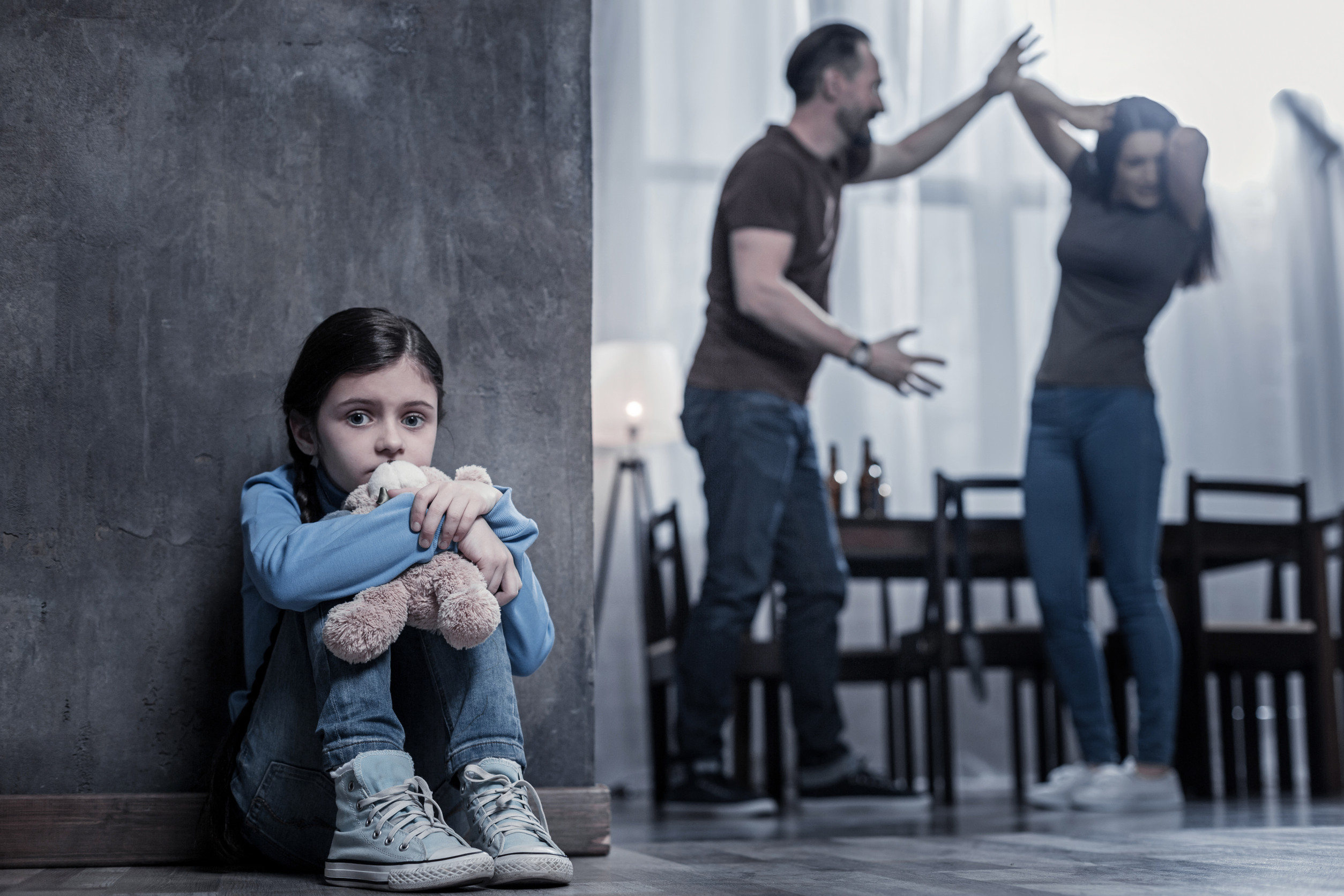
Children often express their emotions and experiences in ways that aren’t immediately obvious to adults. When a child doesn’t feel safe at home, they might not always voice their concerns directly, but their actions and behaviors can provide crucial clues. Recognizing behavioral red flags can help parents, caregivers, and community members step in before the issues grow more severe. Understanding these subtle signals is an important step in protecting children’s well-being and building a secure environment where they can thrive.
1. Sudden Withdrawal from Normal Activities
One of the earliest behavioral red flags is when children pull away from activities they once enjoyed. A child who suddenly avoids sports, clubs, or even playtime with friends may be showing signs of deeper distress. This withdrawal is not simply about losing interest, but rather about feeling unsafe or emotionally overwhelmed. Adults who notice these changes should gently ask open-ended questions to understand the underlying reasons. Taking these moments seriously can uncover situations at home that need immediate attention.
2. Frequent Unexplained Illnesses
Children sometimes use physical complaints as a way to avoid stressful or unsafe environments. Frequent headaches, stomachaches, or other vague illnesses may be a behavioral red flag signaling they don’t feel safe at home. While occasional complaints are normal, a recurring pattern should not be ignored. These physical symptoms often vanish when the child feels secure in another environment, such as school or with trusted relatives. Paying attention to these patterns can reveal emotional stress that requires support.
3. Heightened Fearfulness or Anxiety
Anxiety that seems disproportionate to everyday situations can be another important indicator. A child might become overly jumpy at loud noises or excessively fearful of making mistakes. This kind of heightened fearfulness suggests that home may not feel like a safe space. In some cases, children may cling to teachers, neighbors, or extended family as a way of finding stability. Recognizing these behavioral red flags early can help adults connect children with safe and supportive resources.
4. Aggressive or Defiant Behavior
Not all children show their distress by withdrawing; some act out instead. Aggression toward siblings, classmates, or even pets can be a way of communicating unspoken fears. Defiance, rule-breaking, or sudden outbursts may be linked to a child’s attempt to assert control in an environment where they feel powerless. While it’s tempting to view such actions as simple misbehavior, they can be behavioral red flags pointing to a lack of safety at home. Responding with patience and curiosity, rather than punishment alone, can uncover the root cause.
5. Regression to Earlier Childhood Behaviors
When children suddenly return to habits they had outgrown, such as bedwetting, thumb-sucking, or clinginess, it can signal distress. Regression is often a coping mechanism used to feel safe in uncertain or frightening situations. Adults may dismiss these behaviors as phases, but in the context of other warning signs, they become behavioral red flags worth noting. These regressions are the child’s way of signaling a need for comfort and security. Providing reassurance and professional guidance can make a critical difference.
6. Reluctance to Go Home
One of the most direct behavioral red flags is when a child hesitates or refuses to return home. Whether it’s lingering at school after hours or seeking invitations to friends’ houses, this reluctance can reveal a deeper fear. Such behavior should never be brushed off as simple stubbornness. It’s often a clear sign that the child associates home with discomfort or danger. Observing these patterns consistently is an important step in identifying when a child does not feel safe.
7. Sudden Decline in School Performance
A noticeable drop in grades, missed homework, or frequent absences can be strong signals that something is wrong at home. School often becomes a reflection of what a child experiences outside the classroom. When safety and stability are missing, concentration and motivation naturally suffer. Teachers are often the first to notice these changes and should treat them as potential behavioral red flags. By addressing these academic declines with compassion, adults can uncover whether the issue is rooted in the home environment.
8. Overly Mature or Caretaking Behavior
In some cases, children respond to unsafe homes by taking on adult roles prematurely. They may appear unusually responsible, protective of younger siblings, or overly concerned with household tasks. While maturity might seem positive on the surface, it can be a behavioral red flag when it appears suddenly or seems unnatural for their age. This forced caretaking often masks underlying fear or neglect. Recognizing this behavior can help adults intervene and restore balance to the child’s development.
Listening Beyond Words
Children don’t always have the vocabulary to say they feel unsafe, so their behaviors become their language. By tuning into these behavioral red flags, adults can respond with empathy, provide necessary support, and ensure the child is not left to struggle in silence. Every small signal matters and noticing these changes could be the turning point that brings safety and healing back into a child’s life.
What other subtle signs have you noticed that might reveal when a child doesn’t feel safe? Share your thoughts in the comments below.
What to Read Next…
10 Ways Parents Are Accidentally Teaching Entitlement
No Respect? 13 Ways to Recognize Disrespectful Behavior in Kids
How Much Screen Time Is Quietly Reshaping Childhood Behavior?
Beyond The Report Card: 11 Discipline Methods That Secretly Backfire On Parents
8 Things Kids Say That Seem Harmless—But Are Actually Warning Signs

Catherine is a tech-savvy writer who has focused on the personal finance space for more than eight years. She has a Bachelor’s in Information Technology and enjoys showcasing how tech can simplify everyday personal finance tasks like budgeting, spending tracking, and planning for the future. Additionally, she’s explored the ins and outs of the world of side hustles and loves to share what she’s learned along the way. When she’s not working, you can find her relaxing at home in the Pacific Northwest with her two cats or enjoying a cup of coffee at her neighborhood cafe.
