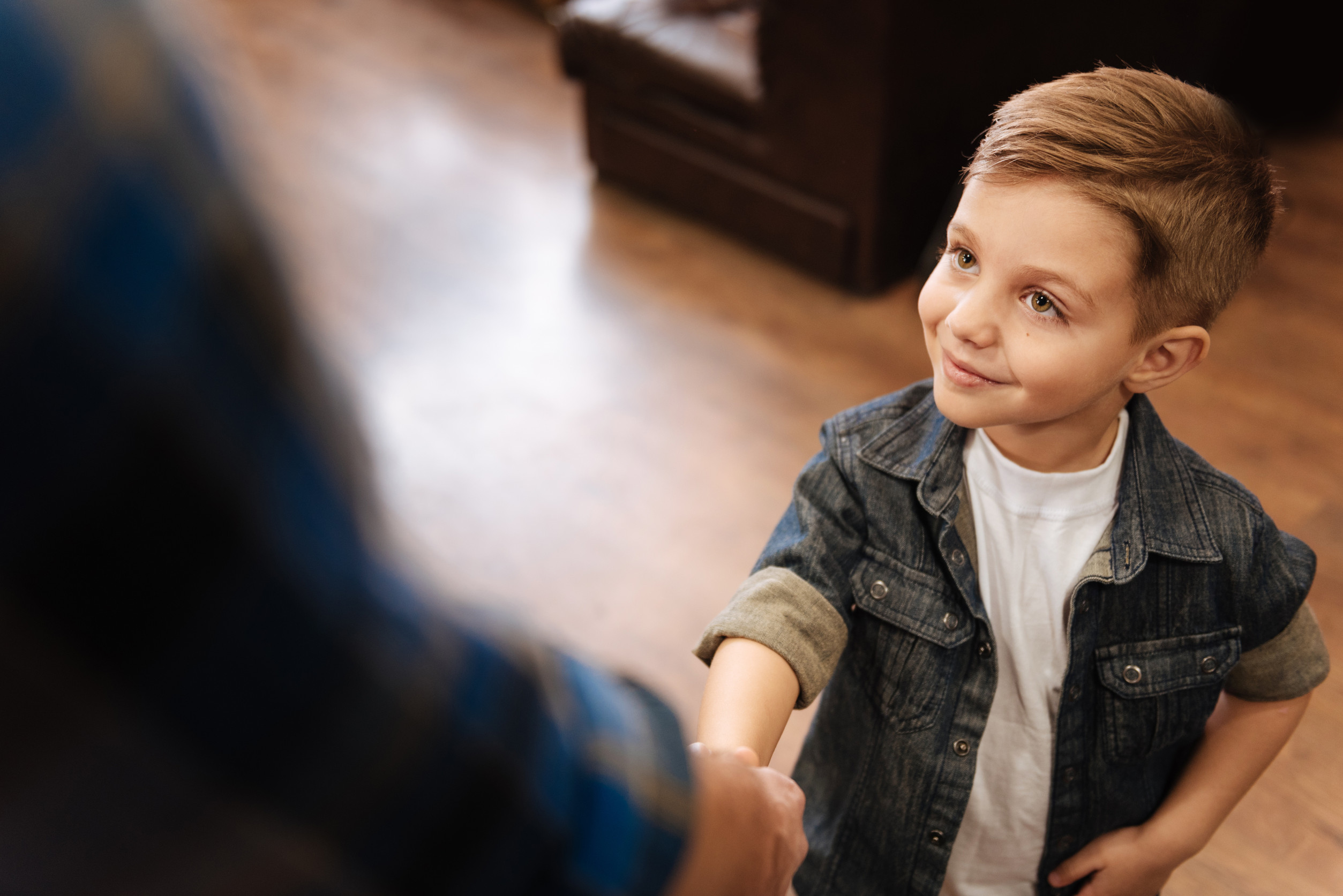
Your child may look you in the eye and insist they brushed their teeth, even though the toothbrush is bone dry. Before you assume it’s just mischievous behavior, it’s worth digging deeper. The truth is, kids lie more than you think, and the reason why often has less to do with being “bad” and more to do with trying to manage emotions, fear, or expectations. Understanding why children stretch the truth—and how to respond without overreacting—can help build trust, encourage honesty, and reveal what they truly need.
They’re Avoiding Punishment, Not Morality
One of the most common reasons kids lie more than you think is fear of punishment. Whether it’s a broken vase or a failed test, children often lie to avoid the consequences they believe will follow. This kind of lying usually stems from anxiety or past experiences with harsh reactions. When children think the truth equals trouble, they’re more likely to cover it up. Responding with calm curiosity instead of immediate anger can help them feel safe enough to be honest.
They Want to Protect Your Feelings
Children pick up on emotional cues more than adults realize. If your child senses that a truth might make you upset, sad, or disappointed, they may fib to spare your feelings. For example, a child might say they had fun at Grandma’s even if they were bored or uncomfortable, simply because they know you wanted them to enjoy it. Kids lie more than you think to avoid hurting the people they care about, which ironically shows their empathy—even if their delivery is flawed.
They’re Trying to Fit In
Social pressure starts young. Children may lie about what toys they have, what shows they’re allowed to watch, or how good they are at a game to impress their friends. These lies aren’t about defiance; they’re about belonging. When children feel insecure or left out, they may bend the truth to match what they think others expect. It’s important to recognize this as a signal that your child may be craving acceptance or struggling with self-esteem.
They’re Not Sure Where Imagination Ends
Young children often live in a world where pretend and reality blend together. That’s why kids lie more than you think, especially in the preschool and early elementary years. If your child insists a dragon ate their homework, they may not be trying to deceive—they may be expressing something emotionally significant in a way that feels safer or more fun. Rather than accusing them of lying, gently guide them to separate fantasy from facts.
They’re Practicing Independence
As children grow, they test boundaries. Lying can become part of that experimentation, especially when they’re figuring out how much control they have over their own lives. Telling you they don’t have homework (when they do) or sneaking extra screen time may be about asserting autonomy more than anything else. Recognizing that kids lie more than you think as a way of claiming independence helps parents set firmer, more respectful boundaries without shaming.
They’re Seeking Attention
Sometimes kids lie simply to get a reaction. If they feel overlooked or ignored, an outrageous or dramatic story might be their way of grabbing your attention. These lies are often easy to spot—they might involve celebrity sightings, wild achievements, or impossible events. Responding with interest in what they’re trying to express, rather than just correcting the facts, helps meet the underlying emotional need.
They Don’t Fully Understand Truth Yet
Especially for younger kids, the concept of lying is still forming. They may tell falsehoods without realizing it, particularly when recalling events or explaining something they don’t fully grasp. When kids lie more than you think, it’s not always about manipulation—it can be about development. Encouraging truth-telling through modeling and gentle correction is more effective than labeling them as liars.
They’re Trying to Avoid Embarrassment
Nobody likes to feel foolish, and kids are no exception. If they don’t know the answer to a question, forgot an assignment, or had an accident at school, they may lie out of sheer embarrassment. These lies aren’t meant to deceive but to protect their pride. When we approach these situations with empathy instead of criticism, we create space for honesty to flourish.
They’re Copying What They See
Kids watch everything. If they see adults tell white lies (“Tell them I’m not home” or “That outfit looks great” when it doesn’t), they learn that lying is an acceptable social tool. Even media can influence how often and in what contexts children bend the truth. If you’ve noticed that kids lie more than you think, look at the behavior being modeled around them—it’s often where the habit starts.
Honesty Is Built, Not Demanded
Lying is a normal part of childhood, but it’s also a developmental signal. When kids lie more than you think, it’s an invitation to look at what’s really going on underneath. Are they anxious? Seeking love or autonomy? Feeling afraid or ashamed? Every fib is a clue. With empathy, open dialogue, and consistent modeling, you can help your child grow into an honest and emotionally secure individual.
What’s the most unexpected lie your child has told—and what did it reveal? Share your stories (and parenting wisdom) in the comments below!
Read More:
10 Things Parents Should NEVER Ignore About Their Child’s Behavior
8 Things Kids Do to Hide Their Bad Behavior from You

Catherine is a tech-savvy writer who has focused on the personal finance space for more than eight years. She has a Bachelor’s in Information Technology and enjoys showcasing how tech can simplify everyday personal finance tasks like budgeting, spending tracking, and planning for the future. Additionally, she’s explored the ins and outs of the world of side hustles and loves to share what she’s learned along the way. When she’s not working, you can find her relaxing at home in the Pacific Northwest with her two cats or enjoying a cup of coffee at her neighborhood cafe.
