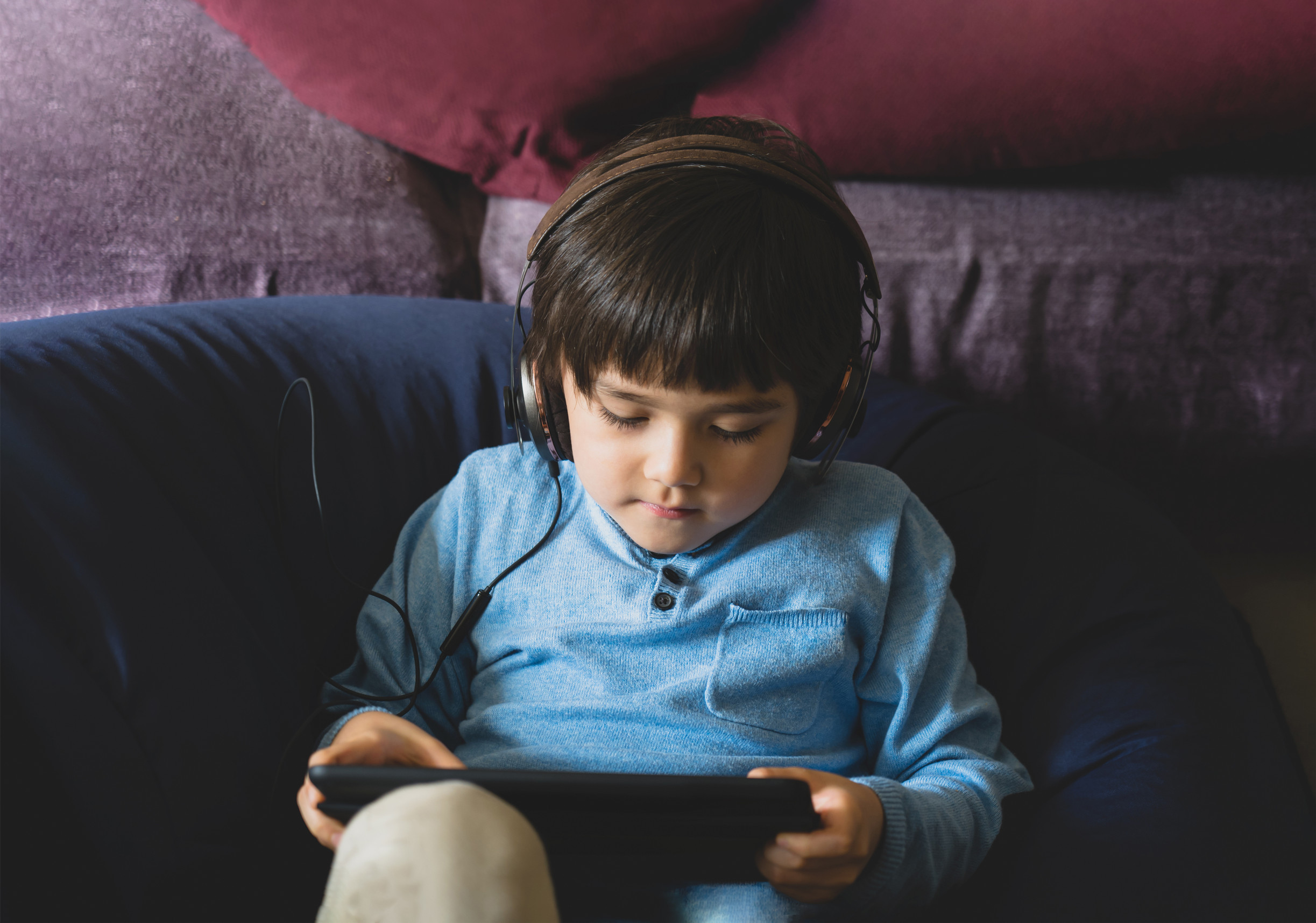
It’s hard to deny that technology has become a daily companion for today’s kids. Tablets, smartphones, and televisions aren’t just tools for learning and entertainment—they’re shaping how children think, interact, and behave. Parents everywhere are beginning to notice changes, both subtle and obvious, that link directly to the hours spent in front of screens. While some effects can be positive, too much screen time is quietly altering developmental paths in ways many families don’t fully realize. Understanding these shifts can help parents make smarter choices about how technology fits into their children’s lives.
The Emotional Impact of Screen Time
Children’s emotional responses are increasingly influenced by their digital interactions. For some, too much exposure to videos or games creates heightened frustration or irritability when devices are taken away. Others may rely on screens to self-soothe, which can make it harder to manage real-world stress. Studies show that long stretches of screen time may reduce opportunities for kids to practice emotional regulation in face-to-face situations. Parents who set healthy boundaries often find their children are better at managing emotions in everyday life.
How Screen Time Shapes Social Skills
Developing social skills requires practice in real interactions, but screens often take time away from these opportunities. Many children become more comfortable communicating through text or games than in person. Over time, this reliance can reduce confidence when dealing with peers, teachers, or family members. In some cases, excessive screen time is linked to struggles with empathy, since kids miss out on reading subtle cues like tone of voice or facial expressions. Encouraging balanced use helps children strengthen both digital and real-world communication.
The Link Between Screen Time and Sleep Struggles
Parents may not always connect bedtime battles with screen habits, but the link is strong. Exposure to blue light from screens can disrupt natural sleep cycles, making it harder for children to fall asleep. Kids who use devices right before bed often report feeling tired the next morning, which can affect focus and mood. Over time, poor sleep impacts school performance and general well-being. By reducing screen time in the evening, parents can help restore healthier sleep routines for their children.
Academic Effects of Too Much Screen Time
Screen time can be a double-edged sword when it comes to learning. On one hand, educational apps and programs can reinforce skills and expand knowledge. On the other hand, too much passive viewing or gaming can reduce focus and attention spans in the classroom. Teachers increasingly report that children struggle to concentrate for extended periods, a shift many link to digital overstimulation. Creating balance means encouraging interactive, learning-focused content while limiting endless scrolling or mindless entertainment.
The Physical Side of Screen Time
Spending hours in front of screens affects more than just the mind. Children who sit for long periods often experience less physical activity, which can contribute to health issues like obesity. Eye strain, headaches, and posture problems are also common side effects of excessive device use. In contrast, kids who have clear limits on screen time often engage more in sports, outdoor play, or hands-on hobbies. These physical activities support not only better health but also stronger cognitive development.
Setting Boundaries That Actually Work
Many parents struggle with enforcing screen limits, but simple strategies can help. Consistent schedules, like no screens during meals or before bedtime, provide structure kids can understand. Co-viewing content with children also creates opportunities to discuss what they see, turning screen time into a shared activity. Introducing fun, non-digital alternatives makes it easier to replace device use with play, reading, or family activities. With clear rules, children learn that technology is a tool, not the centerpiece of daily life.
Finding Balance in a Digital World
It’s not realistic to remove technology completely, but balance is possible. Families who openly discuss the effects of screen time often make more intentional choices about when and how devices are used. Small changes—like replacing half an hour of scrolling with a board game or outdoor play—can have a big impact. Children who grow up with balanced screen habits are more likely to carry healthy patterns into adulthood. The goal isn’t to reject technology but to guide kids toward healthier, mindful use.
A Future Shaped by Today’s Choices
Every parent wants their child to thrive, and understanding the role of screen time is an important part of that goal. The habits children develop now will influence how they handle relationships, learning, and well-being for years to come. Parents who step in early with guidance create an environment where screens enhance rather than control childhood. It’s about teaching kids to use technology wisely while still making room for play, creativity, and real connections. In the end, shaping how screen time is managed today helps protect the childhood every child deserves.
How do you manage screen time in your household, and what strategies have worked best for your family? Share your thoughts in the comments!
Read More:
The Dark Side of Kids’ YouTube You Didn’t See Coming
10 Kids’ TV Shows That Undermine Parental Authority

Catherine is a tech-savvy writer who has focused on the personal finance space for more than eight years. She has a Bachelor’s in Information Technology and enjoys showcasing how tech can simplify everyday personal finance tasks like budgeting, spending tracking, and planning for the future. Additionally, she’s explored the ins and outs of the world of side hustles and loves to share what she’s learned along the way. When she’s not working, you can find her relaxing at home in the Pacific Northwest with her two cats or enjoying a cup of coffee at her neighborhood cafe.
