• Home
  • About Us
  • Toolkit
  • Archives
  • Advertise
  • Privacy Policy

Kids Ain't Cheap

But They Sure Are Worth It

  • Parenting
    • Baby Stuff
    • Books and Reading
      • Aesops Fables
      • Comic Books
    • Education
    • Family Time
    • Green Living
    • Growing Up
    • Healthy Living & Eating
    • Holidays
    • Parenting
    • Random Musings
    • Shopping
    • Stuff to Do
  • Money
  • Product Reviews
    • Books and Magazines
    • Discount Sites
    • Furniture
    • House Keeping
    • Reviews News
    • Toys and Games
  • Contact Us
  • Our Editorial Commitment
  • Search

9 Traditional Family Routines That Help Kids Feel Secure

January 28, 2026 | Leave a Comment

These 9 Traditional Family Routines That Help Kids Feel Secure
Image Source: Shutterstock.com

Kids do not need perfectly curated childhoods to thrive, but they do need predictability, connection, and a sense of belonging. In a world that feels loud, rushed, and often unpredictable, simple family routines can quietly anchor children emotionally. Research consistently shows that routines support emotional regulation, behavior, and resilience, especially during times of stress or change.

According to parenting experts, family routines for kids create a reliable framework that helps children understand what comes next and where they fit. The following traditional routines may seem old-fashioned, yet they continue to shape emotionally secure kids in powerful, lasting ways.

1. Regular Family Mealtimes

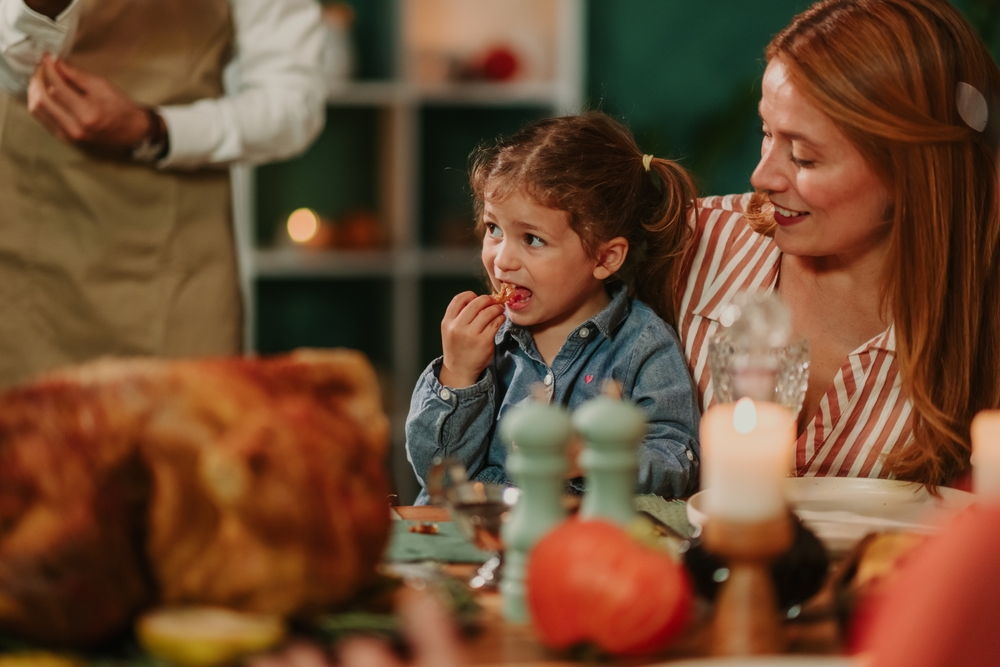
Sitting down together for meals gives kids a daily reminder that they matter and belong. These moments offer consistency while creating space for conversation, storytelling, and emotional check-ins.

Predictable routines like shared meals strengthen family relationships and emotional safety. Even short meals can reinforce stability when they happen regularly. For family routines for kids, mealtime connection remains one of the most effective and accessible habits.
These Are 9 Traditional Family Routines That Help Kids Feel Secure
Image Source: Shutterstock.com

2. Consistent Bedtime Rituals

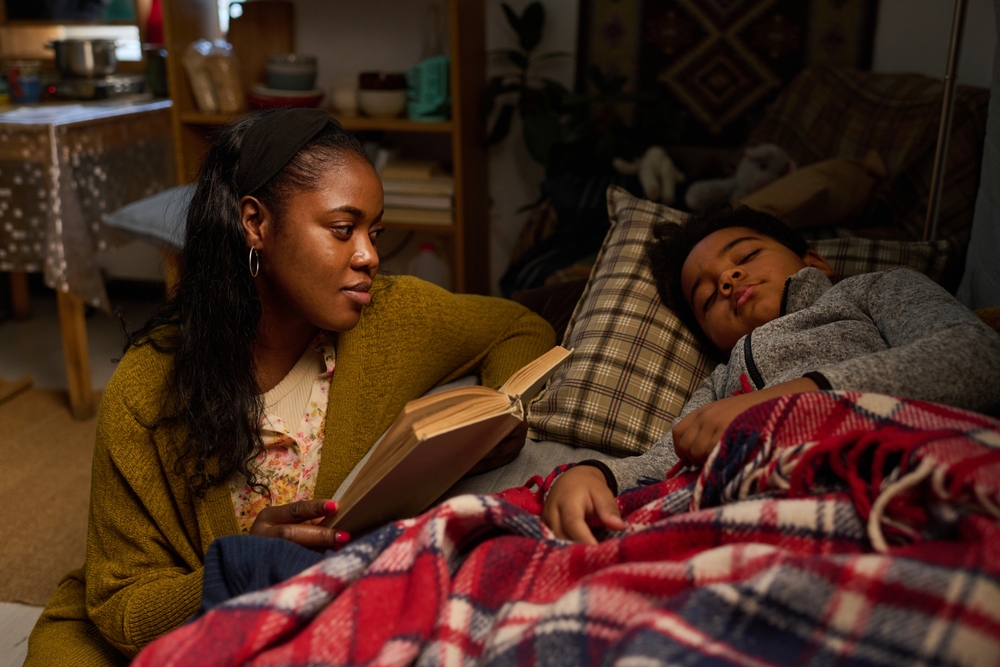
A predictable bedtime routine helps children transition from stimulation to rest with greater ease. Activities like reading, bathing, or quiet conversation signal safety and closure to the day.

Calming routines before sleep support emotional regulation and reduce anxiety. When bedtime follows a familiar pattern, kids fall asleep feeling secure rather than rushed or unsettled. This consistency reinforces trust in their environment and caregivers.

3. Morning Routines That Set The Tone

Mornings often feel hectic, but consistent rituals can change the emotional energy of the day. Simple habits like eating breakfast together or sharing a quick check-in help kids feel grounded before heading out. Predictable mornings reduce stress and help children mentally prepare for transitions.

Experts emphasize that routines provide emotional reassurance even when days feel challenging. Family routines for kids work best when they start and end the day with intention.

4. Weekly Family Traditions

Weekly traditions give children something reliable to look forward to amid busy schedules. Movie nights, game nights, or weekend walks become emotional touchpoints over time. These rituals build shared identity and strengthen family bonds.

Repeated shared experiences reinforce emotional stability. Kids often remember these small traditions long after childhood ends.

5. Shared Chores And Responsibilities

Involving kids in household tasks builds competence and belonging. When chores follow predictable routines, children understand expectations and feel trusted. Research shows that contributing to family life supports self-esteem and responsibility. These routines also teach teamwork rather than punishment-based compliance. Family routines for kids should include opportunities to participate meaningfully.

6. Rituals For Transitions And Goodbyes

Transitions can feel unsettling for children, especially younger ones. Simple goodbye rituals, such as hugs or special phrases, provide emotional reassurance. Predictable rituals help kids manage separation and change. These moments reduce anxiety and increase emotional confidence. Over time, children internalize these routines as emotional safety cues.

7. Celebrating Milestones Together

Acknowledging birthdays, achievements, and seasonal events reinforces a sense of continuity. These celebrations help kids understand time, growth, and belonging within the family unit. Rituals around milestones show children that their experiences matter.

According to experts, shared celebrations strengthen emotional memory and connection. Family routines for kids thrive when life events feel meaningful and shared.

8. Daily Emotional Check-Ins

Regular emotional check-ins normalize talking about feelings without pressure. Asking simple questions about highs and lows builds emotional literacy over time. Routines supporting emotional expression increase resilience. When check-ins happen consistently, kids feel heard rather than interrogated. Emotional safety grows when children know someone will listen.

9. Predictable Family Time Without Distractions

Unstructured time together creates space for genuine connection. Turning off devices during designated family time signals presence and attention. Consistency matters more than duration when building trust. Research shows children feel more secure when caregivers are emotionally available. Family routines for kids flourish when attention feels intentional.

Why Simple Routines Create Lifelong Emotional Safety

Children do not need constant novelty to feel fulfilled; they need reliability and connection. Traditional routines offer emotional anchors that help kids navigate uncertainty. These habits quietly teach trust, regulation, and belonging. Over time, family routines for kids shape how children experience relationships beyond the home. Small, repeated moments often create the strongest sense of security.

What family routines have made the biggest difference in your household, and which ones would you like to strengthen next?

You May Also Like…

7 Boomer-Era Family Traditions That Lower Household Stress

How to Build a Family Emergency Fun Jar for Unexpected Winter Activities

Are Parents Ignoring Early Signs of Anxiety in Elementary Kids?

How to Create a Family Savings Jar with Kids That Feels Like a Game

After-School Routines That Help Your Kids Wind Down And Save You Stress

Brandon Marcus
Brandon Marcus
Brandon Marcus is a writer who has been sharing the written word since a very young age. His interests include sports, history, pop culture, and so much more. When he isn’t writing, he spends his time jogging, drinking coffee, or attempting to read a long book he may never complete.

Filed Under: Family Tagged With: child development, emotional security, family life, family routines, kids and routines, Parenting

8 Reasons Your Kids Prefer Staying with Grandma—And It’s Not Just the Snacks

October 14, 2025 | Leave a Comment

my child is obsessed with her grandma
Image Source: Shutterstock

You’ve packed the overnight bag, double-checked the toothbrush, and kissed your kid goodbye as they practically sprint into Grandma’s house. And while it warms your heart to see them so excited, there’s also a tiny voice in your head asking, My child is obsessed with her grandma, why? The truth is, there’s something undeniably magical about time spent at Grandma’s. It’s more than extra cookies and late bedtimes—it’s about the bond, the attention, and the sense of safety she provides. If your kids can’t wait to sleep over at Grandma’s, here’s why.

1. Grandma Makes Them Feel Like the Center of the Universe

Let’s face it—Grandma has fewer distractions. While you’re juggling work emails, laundry, and a grocery list, Grandma is tuned in to every giggle and story. She listens intently, remembers little details, and often gives her full attention without multitasking. That kind of focus makes kids feel important in a way that’s hard to match during busy weekdays. When they’re with her, they feel seen, heard, and completely valued.

2. Rules Are Looser and Bedtimes Are Flexible

One of the biggest perks for kids is the break from structure. Bedtimes get pushed back, dessert sometimes comes before dinner, and screen time isn’t monitored down to the minute. It’s not that Grandma doesn’t care—she just has a different approach, one built around making memories rather than enforcing routines. That flexibility feels like freedom to kids, especially if they’re used to strict schedules at home. It’s not chaos; it’s Grandma-style comfort.

3. Nostalgia Lives in Her Home

There’s something cozy and comforting about Grandma’s house. It smells familiar, the furniture feels lived-in, and there’s probably a candy dish that’s been in the same spot for a decade. Even if your kids can’t articulate it, there’s a deep sense of security in that environment. It’s a place filled with stories, history, and the feeling of belonging. Grandma’s house doesn’t just offer snacks—it offers emotional warmth.

4. Grandma Has Endless Patience

Kids test limits. They push buttons. And after a long day, your patience might be running on fumes. But Grandma? She somehow finds the energy to laugh off the whining, answer the millionth question, and sit through the same bedtime book again. That gentleness makes kids feel accepted, even when they’re not at their best. Her patience gives them the space to be themselves without fear of frustration.

5. She Knows the Power of a Good Treat

Sure, it’s not just about the snacks—but let’s not pretend they don’t help. Grandma knows how to bake the best cookies, pour the right amount of chocolate syrup in the milk, and keep the snack cabinet stocked with things you swore off years ago. Treats are more than just sugar—they’re symbols of fun and indulgence. When treats come with love and storytelling, they leave a lasting impression.

6. She Shares Family Stories That Spark Connection

Kids love hearing about when their parents were little. Grandma often serves as the family historian, passing down funny, wild, or sweet stories from the past. These tales help children feel connected to something bigger than themselves. They learn where they come from and how they fit into the family tree. That sense of identity is comforting, and it builds a special bond that lasts for life.

7. Grandma Doesn’t Rush the Day

Where your mornings might be a blur of brushing teeth, packing lunches, and beating the clock, Grandma’s pace is slower. She lets kids linger over pancakes or spend a full hour building a pillow fort. That slower rhythm creates space for imagination, conversation, and calm. It gives kids the time to just be, without constantly transitioning from one thing to the next. That feeling of unhurried time is a gift in a fast-paced world.

8. She Gives Love Without Conditions

Grandma’s love feels simple. There’s no pressure to perform, behave perfectly, or meet expectations. While she may still teach life lessons, the tone is gentler, and the love never feels conditional. That unconditional affection makes Grandma a safe landing place when kids feel overwhelmed, misunderstood, or unsure. It’s the kind of emotional safety net that makes kids want to return again and again.

Strengthening the Bond With Grandparents

The bond between grandparents and grandchildren is one of life’s most special connections—rooted in love, wisdom, and shared experiences. Grandparents often play the role of storytellers and keepers of family history, passing down traditions, values, and lessons that shape a child’s sense of identity. Their unconditional love offers a sense of stability and comfort that helps grandchildren feel grounded, while their life experiences provide perspective and guidance that parents may not always have the time or distance to give. In many families, grandparents are also emotional anchors, offering reassurance and calm in a fast-paced, ever-changing world.

Appreciating this bond can be as simple as making time for intentional togetherness. Grandparents can share meaningful activities like cooking family recipes, gardening, or looking through old photo albums—each one an opportunity for connection and storytelling. Grandchildren, in turn, can show appreciation by helping with technology, teaching their grandparents new hobbies, or simply asking about their life experiences. These shared moments create lasting memories and mutual respect, bridging generational gaps.

To strengthen this bond, families should encourage regular contact—whether through in-person visits, phone calls, or video chats. Setting aside “grandparent days,” writing letters, or starting a shared journal can keep the connection alive even across distances. The key is consistency and genuine engagement. When grandparents and grandchildren make time to listen, laugh, and learn from each other, it nurtures a lifelong relationship built on trust, love, and gratitude that benefits every generation involved.

It’s Not a Competition—It’s a Compliment

When your kids run toward Grandma’s house with joy, it doesn’t mean you’re not doing a great job. It means your child is lucky enough to have another trusted adult who makes them feel cherished and safe. Instead of seeing it as a comparison, see it as an extension of the love you’ve helped foster. Grandma isn’t replacing you—she’s reinforcing everything good you’re already giving your child.

Why do you think kids feel so at home with Grandma? Share your sweetest stories in the comments!

What to Read Next

  • Why Grandparents Are Being Blocked From Visiting After Divorce
  • Grandparent Rights: 10 Legal Powers for Your Child’s Grandparents
  • 7 Ways Grandparents Are Making Parenting Harder—Without Knowing It
  • 12 Things Baby Boomer Grandparents Must Avoid
  • Why Toddlers Love Early Mornings (and Parents Dread Them)
Catherine Reed
Catherine Reed

Catherine is a tech-savvy writer who has focused on the personal finance space for more than eight years. She has a Bachelor’s in Information Technology and enjoys showcasing how tech can simplify everyday personal finance tasks like budgeting, spending tracking, and planning for the future. Additionally, she’s explored the ins and outs of the world of side hustles and loves to share what she’s learned along the way. When she’s not working, you can find her relaxing at home in the Pacific Northwest with her two cats or enjoying a cup of coffee at her neighborhood cafe.

Filed Under: Child behavior Tagged With: child development, emotional security, Family bonding, family relationships, grandparents, kids and grandparents, parenting help, parenting support

  • Facebook
  • Pinterest
  • RSS
  • Twitter

Basic Principles Of Good Parenting

Here some basic principles for good parenting:

  1. What You Do Matters: Your kids are watching you. So, be purposeful about what you want to accomplish.
  2. You Can’t be Too Loving: Don’t replace love with material possessions, lowered expectations or leniency.
  3. Be Involved Your Kids Life: Arrange your priorities to focus on what your kid’s needs. Be there mentally and physically.
  4. Adapt Your Parenting: Children grow quickly, so keep pace with your child’s development.
  5. Establish and Set Rules: The rules you set for children will establish the rules they set for themselves later.  Avoid harsh discipline and be consistent.
  6. Explain Your Decisions: What is obvious to you may not be evident to your child. They don’t have the experience you do.
  7. Be Respectful To Your Child: How you treat your child is how they will treat others.  Be polite, respectful and make an effort to pay attention.
Best Parenting Blogs

Most Popular

Baby

9 Unusual Baby Names That Sound Like They Belong to Future CEOs

Evan Morgan
Baby

10 Baby Names That Were Once Considered “Grandparent Names” but Feel Cool Again

Evan Morgan
Target Store

Choking Incident Prompts Recall of 49,000 Target Gigglescape “Under the Sea” Popping Toys

Evan Morgan
Frustrated Girl

Why Some Students on the Spectrum Are Labeled With ODD

Evan Morgan
Coke Bottles

12 Things Kids Took to School in the ’70s That Would Never Be Allowed Today

Evan Morgan

All content on Kids Ain’t Cheap is for entertainment purposes only. By reading this blog, you agree that Kids Ain’t Cheap is not responsible for any actions taken after reading this blog. For the full disclaimer, see our privacy policy.

Please note that Kids Ain’t Cheap has financial relationships with some of the merchants mentioned here. Kids Ain’t Cheap is funded by banner advertising, commission sales and search optimization consulting.

Copyright © 2006–2026 | District Media | All Rights Reserved | Privacy Policy

Copyright © 2026 Runway Pro Theme by Viva la Violette