• Home
  • About Us
  • Toolkit
  • Archives
  • Advertise
  • Privacy Policy

Kids Ain't Cheap

But They Sure Are Worth It

  • Parenting
    • Baby Stuff
    • Books and Reading
      • Aesops Fables
      • Comic Books
    • Education
    • Family Time
    • Green Living
    • Growing Up
    • Healthy Living & Eating
    • Holidays
    • Parenting
    • Random Musings
    • Shopping
    • Stuff to Do
  • Money
  • Product Reviews
    • Books and Magazines
    • Discount Sites
    • Furniture
    • House Keeping
    • Reviews News
    • Toys and Games
  • Contact Us
  • Our Editorial Commitment
  • Search

9 Traditional Family Routines That Help Kids Feel Secure

January 28, 2026 | Leave a Comment

These 9 Traditional Family Routines That Help Kids Feel Secure
Image Source: Shutterstock.com

Kids do not need perfectly curated childhoods to thrive, but they do need predictability, connection, and a sense of belonging. In a world that feels loud, rushed, and often unpredictable, simple family routines can quietly anchor children emotionally. Research consistently shows that routines support emotional regulation, behavior, and resilience, especially during times of stress or change.

According to parenting experts, family routines for kids create a reliable framework that helps children understand what comes next and where they fit. The following traditional routines may seem old-fashioned, yet they continue to shape emotionally secure kids in powerful, lasting ways.

1. Regular Family Mealtimes

Sitting down together for meals gives kids a daily reminder that they matter and belong. These moments offer consistency while creating space for conversation, storytelling, and emotional check-ins.

Predictable routines like shared meals strengthen family relationships and emotional safety. Even short meals can reinforce stability when they happen regularly. For family routines for kids, mealtime connection remains one of the most effective and accessible habits.

These Are 9 Traditional Family Routines That Help Kids Feel Secure
Image Source: Shutterstock.com

2. Consistent Bedtime Rituals

A predictable bedtime routine helps children transition from stimulation to rest with greater ease. Activities like reading, bathing, or quiet conversation signal safety and closure to the day.

Calming routines before sleep support emotional regulation and reduce anxiety. When bedtime follows a familiar pattern, kids fall asleep feeling secure rather than rushed or unsettled. This consistency reinforces trust in their environment and caregivers.

3. Morning Routines That Set The Tone

Mornings often feel hectic, but consistent rituals can change the emotional energy of the day. Simple habits like eating breakfast together or sharing a quick check-in help kids feel grounded before heading out. Predictable mornings reduce stress and help children mentally prepare for transitions.

Experts emphasize that routines provide emotional reassurance even when days feel challenging. Family routines for kids work best when they start and end the day with intention.

4. Weekly Family Traditions

Weekly traditions give children something reliable to look forward to amid busy schedules. Movie nights, game nights, or weekend walks become emotional touchpoints over time. These rituals build shared identity and strengthen family bonds.

Repeated shared experiences reinforce emotional stability. Kids often remember these small traditions long after childhood ends.

5. Shared Chores And Responsibilities

Involving kids in household tasks builds competence and belonging. When chores follow predictable routines, children understand expectations and feel trusted. Research shows that contributing to family life supports self-esteem and responsibility. These routines also teach teamwork rather than punishment-based compliance. Family routines for kids should include opportunities to participate meaningfully.

6. Rituals For Transitions And Goodbyes

Transitions can feel unsettling for children, especially younger ones. Simple goodbye rituals, such as hugs or special phrases, provide emotional reassurance. Predictable rituals help kids manage separation and change. These moments reduce anxiety and increase emotional confidence. Over time, children internalize these routines as emotional safety cues.

7. Celebrating Milestones Together

Acknowledging birthdays, achievements, and seasonal events reinforces a sense of continuity. These celebrations help kids understand time, growth, and belonging within the family unit. Rituals around milestones show children that their experiences matter.

According to experts, shared celebrations strengthen emotional memory and connection. Family routines for kids thrive when life events feel meaningful and shared.

8. Daily Emotional Check-Ins

Regular emotional check-ins normalize talking about feelings without pressure. Asking simple questions about highs and lows builds emotional literacy over time. Routines supporting emotional expression increase resilience. When check-ins happen consistently, kids feel heard rather than interrogated. Emotional safety grows when children know someone will listen.

9. Predictable Family Time Without Distractions

Unstructured time together creates space for genuine connection. Turning off devices during designated family time signals presence and attention. Consistency matters more than duration when building trust. Research shows children feel more secure when caregivers are emotionally available. Family routines for kids flourish when attention feels intentional.

Why Simple Routines Create Lifelong Emotional Safety

Children do not need constant novelty to feel fulfilled; they need reliability and connection. Traditional routines offer emotional anchors that help kids navigate uncertainty. These habits quietly teach trust, regulation, and belonging. Over time, family routines for kids shape how children experience relationships beyond the home. Small, repeated moments often create the strongest sense of security.

What family routines have made the biggest difference in your household, and which ones would you like to strengthen next?

You May Also Like…

7 Boomer-Era Family Traditions That Lower Household Stress

How to Build a Family Emergency Fun Jar for Unexpected Winter Activities

Are Parents Ignoring Early Signs of Anxiety in Elementary Kids?

How to Create a Family Savings Jar with Kids That Feels Like a Game

After-School Routines That Help Your Kids Wind Down And Save You Stress

Brandon Marcus
Brandon Marcus
Brandon Marcus is a writer who has been sharing the written word since a very young age. His interests include sports, history, pop culture, and so much more. When he isn’t writing, he spends his time jogging, drinking coffee, or attempting to read a long book he may never complete.

Filed Under: Family Tagged With: child development, emotional security, family life, family routines, kids and routines, Parenting

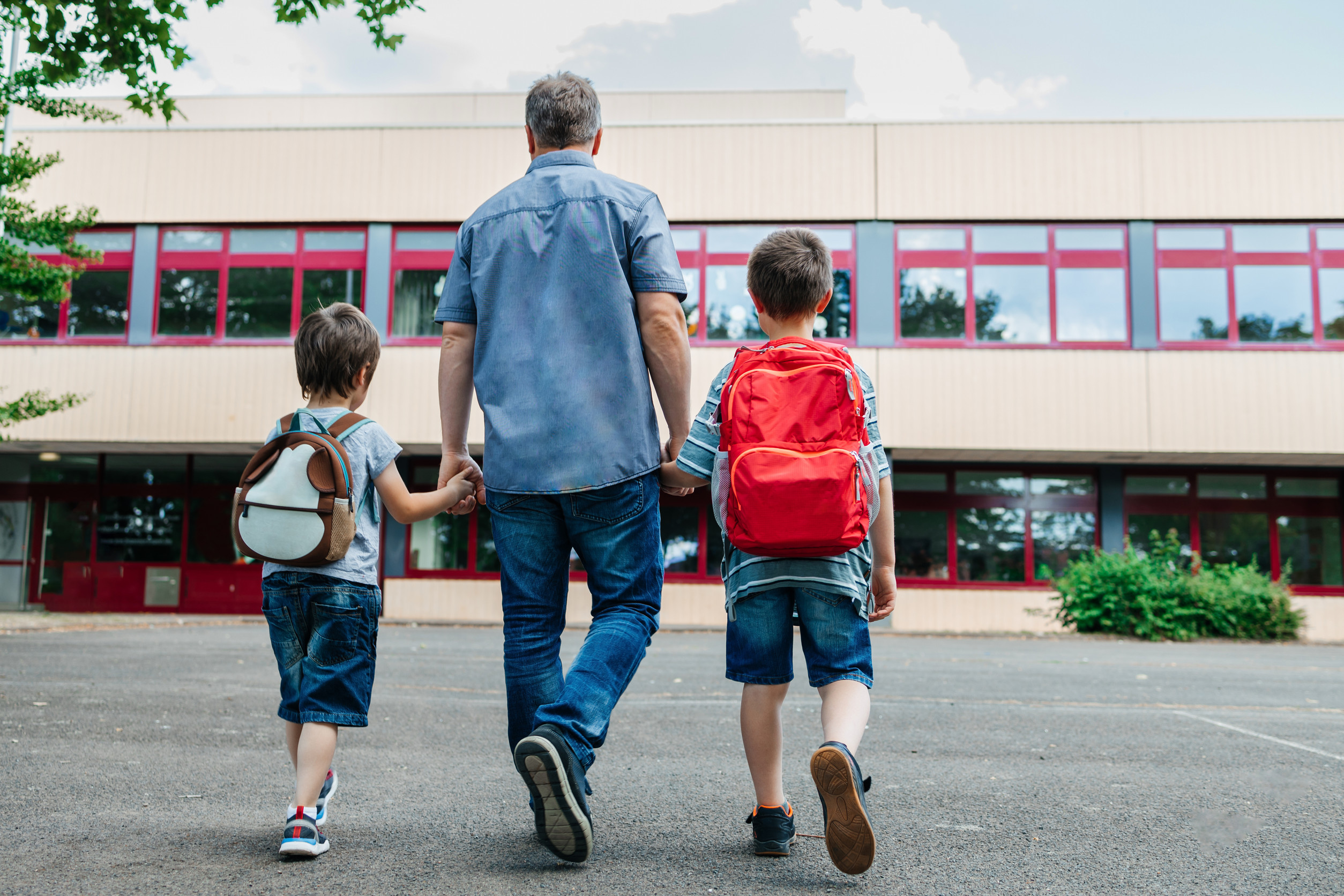
7 Things That Make School Drop-Offs a Daily Disaster

June 16, 2025 | Leave a Comment

7 Things That Make School Drop Offs a Daily Disaster
123rf.com

There’s something about school drop-offs that can turn even the calmest morning into complete chaos. Between missing shoes, spilled cereal, and emotionally-charged goodbyes, the routine feels anything but routine. If your mornings look like a cross between a fire drill and a hostage negotiation, you’re not alone. Many families face the same stumbling blocks that turn what should be a simple task into a daily disaster. The good news? Identifying the root of the madness is the first step toward reclaiming your mornings.

1. No One Can Find Anything

It’s amazing how many essential items disappear between bedtime and morning. Backpacks, lunchboxes, water bottles, and homework all seem to vanish like magic. When nothing has a designated place, school drop-offs become a scavenger hunt instead of a send-off. Kids wander aimlessly while you tear through closets and under couch cushions. Setting up a launch pad area the night before can save you serious time and stress.

2. Everyone’s Running on Empty

A lack of sleep affects everything—patience, organization, and motivation. When kids (and parents) are running on fumes, tempers flare and cooperation goes out the window. Morning grumpiness leads to dawdling, arguing, and sluggishness that slows the entire routine. Making bedtime a higher priority might be the secret weapon you didn’t know you needed. A well-rested child is a much more cooperative traveler during school drop-offs.

3. There’s No Real Routine

If every morning feels like a free-for-all, you’re missing the magic of predictability. Kids thrive on routine, and when they don’t know what to expect, anxiety and resistance often follow. From when to get dressed to when to brush teeth, having a set order helps kids move from task to task with less resistance. A visual chart can help younger children follow along. A clear, consistent structure minimizes morning surprises and boosts cooperation.

4. Breakfast Becomes a Battleground

One kid wants waffles, another suddenly hates cereal, and someone spills juice across the counter. Without a simple breakfast plan, mornings can quickly devolve into chaos and crumbs. Too many choices lead to conflict, while last-minute food prep leads to stress. Having a few easy go-to meals like yogurt, muffins, or overnight oats can make mornings smoother. Fueling up should feel calm, not catastrophic.

5. Backpacks Aren’t Packed Ahead of Time

If packing lunch and digging for library books happens five minutes before you’re supposed to leave, disaster is almost guaranteed. School drop-offs become frantic when everyone is scrambling to get ready at the last minute. Encourage kids to pack their own bags the night before (with supervision for younger ones). A quick checklist taped near the door can help make sure nothing gets left behind. A little prep goes a long way toward a peaceful exit.

6. Transitions Are Too Abrupt

Kids don’t always go from sleep to school mode gracefully. If they’re being rushed out the door without time to wake up or adjust, resistance is likely. Build in buffer time with music, a snuggle, or a few minutes of quiet play before the hustle begins. Transitions become smoother when kids have a moment to feel grounded. Even five extra minutes can make school drop-offs feel less like a rush and more like a rhythm.

7. Emotions Run High and No One Talks About It

School drop-offs aren’t just logistical—they’re emotional, too. Whether it’s separation anxiety, social stress, or just not wanting to leave home, kids sometimes act out because they can’t explain what they’re feeling. When emotions go unacknowledged, they often erupt in tantrums, whining, or refusal to cooperate. Take a moment to check in and validate what your child might be feeling, even if you still have to move things along. A little empathy can go a long way toward diffusing drop-off drama.

Smoother Starts Begin with Simple Shifts

If school drop-offs have become a daily disaster, it’s not a sign that you’re failing—it’s just a signal that something needs adjusting. Small changes like a set routine, earlier bedtimes, or packing bags the night before can completely change the tone of your morning. And when you approach the process with a little more empathy and a little less urgency, your kids will feel it. Every calm goodbye plants the seed for a better day ahead.

What’s the biggest challenge during your morning routine? Share your school drop-off struggles and solutions in the comments!

Read More:

These Ridiculous School Rules Are Actually Enforced in 2025

7 Reasons You Shouldn’t Waste Money on Private Schools

Catherine Reed
Catherine Reed

Catherine is a tech-savvy writer who has focused on the personal finance space for more than eight years. She has a Bachelor’s in Information Technology and enjoys showcasing how tech can simplify everyday personal finance tasks like budgeting, spending tracking, and planning for the future. Additionally, she’s explored the ins and outs of the world of side hustles and loves to share what she’s learned along the way. When she’s not working, you can find her relaxing at home in the Pacific Northwest with her two cats or enjoying a cup of coffee at her neighborhood cafe.

Filed Under: Parenting Tagged With: back-to-school, family organization, getting kids to school, kids and routines, morning routine, parenting struggles, parenting tips, school drop-offs, school mornings

9 Common Parenting Mistakes That Are Actually Holding Your Kids Back

May 10, 2025 | Leave a Comment

Common Parenting Mistakes That Are Holding Your Kids Back

Parenting doesn’t come with a handbook, and we’re all bound to slip up now and then. But some everyday missteps—often made out of love or convenience—can actually keep kids from developing independence, resilience, and confidence. Spotting these patterns early greatly affects how your child grows emotionally, socially, and even academically. Let’s take a closer look at common parenting mistakes that could be doing more harm than good—and how to fix them with simple, practical shifts.

1. Doing Everything for Your Child

It’s tempting to jump in when your child struggles, whether it’s tying shoes or finishing a school project. But when kids aren’t given the chance to try, fail, and try again, they miss out on critical life skills. Helping too much sends the message that they can’t handle things on their own. Instead, give them age-appropriate responsibilities and encourage problem-solving. Independence doesn’t develop overnight—it’s built through small moments of trust and patience.

2. Avoiding the Word “No”

Wanting to keep your child happy is natural, but always saying yes can backfire. Kids need healthy boundaries to feel secure and to learn self-discipline. When everything becomes negotiable, children struggle to accept disappointment or respect rules. Saying “no” doesn’t make you a bad parent—it helps your child build emotional strength. Teach them that limits are part of life, not a punishment.

3. Solving Every Conflict for Them

Jumping into fix playground fights or classroom drama might seem helpful, but it robs kids of the chance to learn conflict resolution. Children benefit from learning how to handle disagreements, speak up respectfully, and compromise. Step in only when truly necessary—most of the time, coaching from the sidelines is enough. Ask guiding questions like, “What could you say to fix this?” instead of dictating solutions. These are the skills they’ll need far beyond the sandbox.

4. Overpraising Basic Effort

Encouragement is great, but constant praise for every small task can lead to a fragile sense of self-worth. When praised excessively, kids may become praise-dependent or fear taking on harder challenges. Focus on specific, meaningful feedback instead—acknowledge effort, not just outcomes. Celebrate persistence, problem-solving, and improvement. Teaching kids to value hard work over gold stars builds intrinsic motivation.

5. Shielding Them from All Failure

No one likes to see their child disappointed, but shielding them from every setback keeps them from learning how to bounce back. Failure is a natural part of learning and growth. If kids never experience it, they won’t develop resilience or the ability to adapt. Let them stumble sometimes, and be there to support—not rescue—them. Help them reflect on what they can do differently next time,e rather than pretending the failure didn’t happen.

6. Comparing Them to Other Kids

It might seem harmless to point out how a sibling or classmate does things differently, but comparisons can hurt more than they help. Every child has their own pace, strengths, and challenges. Constantly measuring them against others can damage self-esteem and create anxiety. Instead, celebrate your child’s unique progress and personality. Growth is a personal journey, not a competition.

7. Dismissing Their Big Feelings

When a child cries over something that seems small, it’s easy to say, “That’s not a big deal.” But to them, it is a big deal. Dismissing their emotions teaches them to suppress feelings instead of working through them. Validate their experience, even if you don’t understand it completely. Teaching emotional awareness builds better communication and stronger coping skills.

8. Hovering Too Much (Hello, Helicopter Parenting)

Being involved in your child’s life is important, but hovering over every decision, assignment, or interaction stunts their independence. Over-parenting often stems from fear, but it can lead to anxiety, perfectionism, or indecision in kids. Allow them to try new things, even if they mess up. Trust them to make small choices and learn from mistakes. They can’t develop self-confidence without room to grow.

9. Ignoring the Importance of Routine

Flexible days are great, but too little structure can lead to chaos and stress. Routines help kids feel safe and teach time management, responsibility, and predictability. Children may feel uncertain or overwhelmed without clear routines, even if they don’t show it. Simple daily habits—like bedtime, homework time, and screen time limits—create consistency. Structure doesn’t have to be rigid to be effective.

Letting Go of “Perfect” Parenting—And Embracing What Works

Every parent has moments they’d take back in a heartbeat, but it’s never too late to course-correct. The truth is, parenting isn’t about perfection—it’s about progress. When you recognize patterns that might be holding your child back, you give yourself the chance to grow right alongside them. Small changes in your approach can lead to big leaps in their confidence and development. What is the most powerful parenting tool you have? Your willingness to learn and adjust.

Have you caught yourself making any of these parenting mistakes? Which one are you working on letting go of right now? Let’s chat in the comments!

Read More:

6 Silent Signs of Parental Burnout You Might Be Missing

Why Your Child Needs to Learn the Hard Way – Financially

Catherine Reed
Catherine Reed

Catherine is a tech-savvy writer who has focused on the personal finance space for more than eight years. She has a Bachelor’s in Information Technology and enjoys showcasing how tech can simplify everyday personal finance tasks like budgeting, spending tracking, and planning for the future. Additionally, she’s explored the ins and outs of the world of side hustles and loves to share what she’s learned along the way. When she’s not working, you can find her relaxing at home in the Pacific Northwest with her two cats or enjoying a cup of coffee at her neighborhood cafe.

Filed Under: Parenting Tagged With: child development, emotional resilience, healthy boundaries, kids and routines, modern parenting, parenting advice, parenting mistakes, parenting tips, positive discipline, raising confident kids

  • Facebook
  • Pinterest
  • RSS
  • Twitter

Basic Principles Of Good Parenting

Here some basic principles for good parenting:

  1. What You Do Matters: Your kids are watching you. So, be purposeful about what you want to accomplish.
  2. You Can’t be Too Loving: Don’t replace love with material possessions, lowered expectations or leniency.
  3. Be Involved Your Kids Life: Arrange your priorities to focus on what your kid’s needs. Be there mentally and physically.
  4. Adapt Your Parenting: Children grow quickly, so keep pace with your child’s development.
  5. Establish and Set Rules: The rules you set for children will establish the rules they set for themselves later.  Avoid harsh discipline and be consistent.
  6. Explain Your Decisions: What is obvious to you may not be evident to your child. They don’t have the experience you do.
  7. Be Respectful To Your Child: How you treat your child is how they will treat others.  Be polite, respectful and make an effort to pay attention.
Best Parenting Blogs

Most Popular

Baby

9 Baby Names That Sound Rare Without Being Hard to Spell

Evan Morgan
Baby

9 Unusual Baby Names That Sound Like They Belong to Future CEOs

Evan Morgan
Target Store

Choking Incident Prompts Recall of 49,000 Target Gigglescape “Under the Sea” Popping Toys

Evan Morgan
Frustrated Girl

Why Some Students on the Spectrum Are Labeled With ODD

Evan Morgan
Coke Bottles

12 Things Kids Took to School in the ’70s That Would Never Be Allowed Today

Evan Morgan

All content on Kids Ain’t Cheap is for entertainment purposes only. By reading this blog, you agree that Kids Ain’t Cheap is not responsible for any actions taken after reading this blog. For the full disclaimer, see our privacy policy.

Please note that Kids Ain’t Cheap has financial relationships with some of the merchants mentioned here. Kids Ain’t Cheap is funded by banner advertising, commission sales and search optimization consulting.

Copyright © 2006–2026 | District Media | All Rights Reserved | Privacy Policy

Copyright © 2026 Runway Pro Theme by Viva la Violette