
• Home
  • About Us
  • Toolkit
  • Archives
  • Advertise
  • Privacy Policy

Kids Ain't Cheap

But They Sure Are Worth It

  • Parenting
    • Baby Stuff
    • Books and Reading
      • Aesops Fables
      • Comic Books
    • Education
    • Family Time
    • Green Living
    • Growing Up
    • Healthy Living & Eating
    • Holidays
    • Parenting
    • Random Musings
    • Shopping
    • Stuff to Do
  • Money
  • Product Reviews
    • Books and Magazines
    • Discount Sites
    • Furniture
    • House Keeping
    • Reviews News
    • Toys and Games
  • Contact Us
  • Our Editorial Commitment
  • Search

Are Parents Ignoring Early Signs of Anxiety in Elementary Kids?

January 17, 2026 | Leave a Comment

Are Parents Ignoring Early Signs of Anxiety in Elementary Kids?
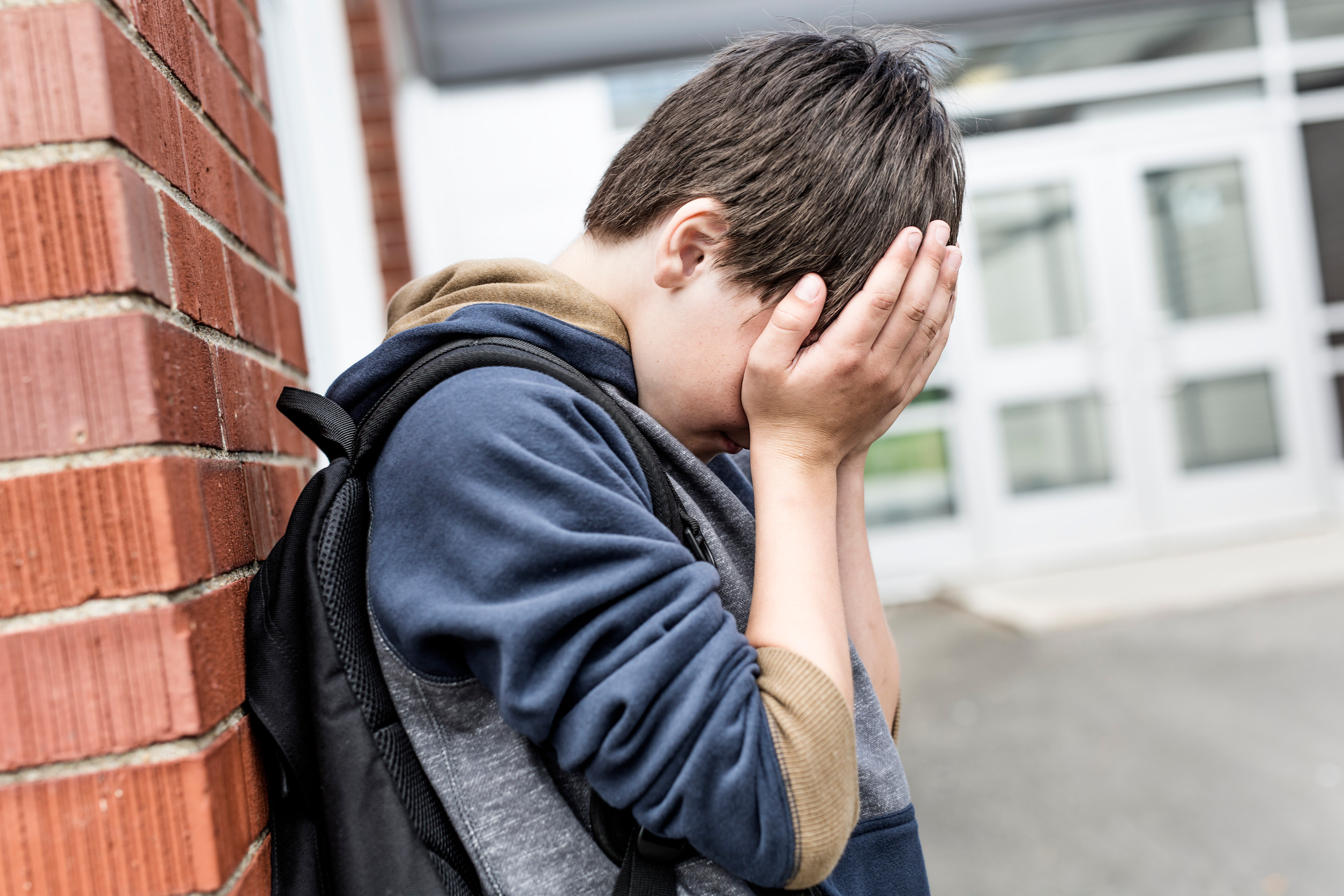
Image source: shutterstock.com

Anxiety in elementary kids doesn’t always look like panic or tears, and that’s why it gets missed so often. A child can seem “fine” at school, follow rules, and still carry a heavy knot of worry that shows up at home in confusing ways. Parents are juggling a lot, so it’s easy to chalk changes up to personality, mood, or a “phase.” But noticing patterns early can make a real difference, because kids feel safer when adults name what’s happening and offer steady support. This isn’t about blaming parents, it’s about spotting what kids can’t always explain.

Why The Early Signs Often Look Like Normal Kid Stuff

Elementary kids change fast, and that makes it tricky to tell what’s typical and what’s a signal. One week they love school, the next week they complain about their stomach, and it’s easy to assume it’s just growing pains. Kids also don’t usually say, “I feel anxious,” because they may not have the words for it. Instead, early signs can hide inside everyday behaviors like clinginess, irritability, or perfectionism. The goal is to watch for patterns that repeat, not one-off rough days.

When “Big Feelings” Show Up As Body Complaints

A lot of kids feel worry in their bodies before they feel it in their thoughts. Stomachaches, headaches, nausea, and sudden fatigue can be a child’s way of saying, “Something feels unsafe,” even when nothing obvious is happening. These complaints often show up on school mornings, before practices, or right before bedtime. Parents can feel stuck because the pain seems real, but tests come back normal. If the same complaints keep popping up in the same situations, early signs may be waving a flag for stress.

The School-Related Clues Parents Might Dismiss

School anxiety doesn’t always look like refusing to go. It can look like repeated questions about the day, needing constant reassurance, or melting down after holding it together in class. Some kids become extra controlling about homework because they’re scared of making mistakes. Others suddenly hate activities they used to enjoy because the pressure feels bigger than the fun. When kids worry, they often try to avoid the thing that triggers the worry, even in small ways. Paying attention to these shifts helps you catch early signs before they grow louder.

How Sleep Changes Can Signal Hidden Worry

Sleep is one of the first places anxiety shows up, even for kids who seem calm during the day. A child might struggle to fall asleep, wake up frequently, or ask for extra check-ins after lights out. Nightmares can increase, or bedtime can turn into a long negotiation filled with “one more question” and “one more hug.” Some kids start insisting a parent stays in the room, even if they used to sleep independently. When sleep patterns shift for weeks, early signs may be telling you your child’s brain can’t fully power down.

What Anxiety Can Look Like In Behavior And Attitude

Not all anxious kids look worried, some look angry or “defiant.” Anxiety can show up as irritability, big reactions to small problems, or tears that seem to come out of nowhere. A child might snap at siblings, refuse simple tasks, or shut down when asked a question. Some kids become extremely perfectionistic and panic if they can’t do something perfectly the first time. These behaviors can get mislabeled as attitude when they’re really coping strategies. If the behavior feels out of character and keeps repeating, early signs may be underneath the surface.

Practical Ways To Respond Without Making It Bigger

The best support often starts with calm curiosity instead of quick fixes. Try naming what you notice: “I see mornings feel hard lately,” or “Homework seems stressful this week,” and then pause. Offer simple choices that give kids a sense of control, like picking clothes the night before or choosing a quiet break after school. Keep routines predictable, because predictability helps kids feel safe when their emotions feel messy. If your child opens up, reflect back what you hear rather than rushing to solve it. When you respond steadily, kids learn they can handle the feeling and don’t have to hide it.

When To Loop In The Teacher Or The Pediatrician

You don’t have to diagnose anything to ask for help and support. Teachers can share what they see at school, which helps you understand if the stress happens in one setting or across the day. Pediatricians can rule out medical concerns and point you toward resources if anxiety seems likely. If worry is affecting sleep, friendships, schoolwork, or family life for weeks, it’s a strong reason to reach out. You can also ask the school counselor about general strategies even if your child doesn’t need formal services. Catching early signs with a team approach can prevent bigger struggles later.

Small Daily Habits That Build Emotional Resilience

Kids do better when they practice calming skills before they’re overwhelmed. Teach simple tools like slow breathing, a “worry box” where they can write worries down, or a short daily check-in at dinner. Movement helps too, even a walk after school can lower stress and open conversation. Praise effort and bravery, not perfection, because anxious kids often feel trapped by “getting it right.” Keep screen time boundaries when you can, since overstimulation can make bedtime and transitions harder. These tiny habits won’t erase anxiety overnight, but they make kids feel supported and capable.

Spotting Early Signs Is A Kind Of Parenting Superpower

Parents aren’t ignoring kids on purpose, they’re doing their best in a loud, busy world. The tricky part is that anxiety can disguise itself as sleep trouble, tummy aches, or “bad attitude,” especially in elementary years. When you watch patterns and respond with calm support, your child learns that feelings are safe to share. You don’t need perfect words, you just need a steady presence and a willingness to notice. Over time, that can turn worry into a skill your child learns to manage instead of a secret they carry alone.

What’s one behavior you’ve noticed that might be anxiety-related, and what helps your child feel calm when they’re overwhelmed?

What to Read Next…

Mental Health Crisis: 4 Critical Questions About Your Child’s Mental Health

7 Children’s Shows That Experts Say Spike Anxiety Levels

Are Winter Mornings Quietly Wrecking Your Child’s Emotional Health?

10 Mistakes Parents Make When Kids Are Dealing With Anxiety

After-School Routines That Help Your Kids Wind Down And Save You Stress

Catherine Reed
Catherine Reed

Catherine is a tech-savvy writer who has focused on the personal finance space for more than eight years. She has a Bachelor’s in Information Technology and enjoys showcasing how tech can simplify everyday personal finance tasks like budgeting, spending tracking, and planning for the future. Additionally, she’s explored the ins and outs of the world of side hustles and loves to share what she’s learned along the way. When she’s not working, you can find her relaxing at home in the Pacific Northwest with her two cats or enjoying a cup of coffee at her neighborhood cafe.
Filed Under: Parenting Tagged With: behavior changes, childhood anxiety, elementary school kids, emotional health, kids stress, parenting support, school anxiety, sleep and kids

8 Signs Your Child Is Hiding Stress

May 10, 2025 | Leave a Comment

8 Signs Your Child Is Hiding Stress

Kids experience stress just like adults—but they don’t always know how to talk about it. Children can internalize stress in surprising ways, whether it’s school pressure, social challenges, or big life changes. Instead of saying “I’m stressed,” they may act out, shut down, or change their daily habits. That’s why it’s so important for parents to recognize the subtle signs that something might be wrong. The earlier you spot these cues, the sooner you can step in with the support and reassurance your child needs.

1. Changes in Sleep Patterns

Sleep and stress are closely connected, and one of the first signs something’s wrong is disrupted rest. Stress might be the culprit if your child suddenly struggles to fall asleep, wakes up frequently, or starts having nightmares. You may also notice them wanting to sleep much more than usual as a way of avoiding anxious feelings. Pay attention to any shifts in bedtime routines or energy levels during the day. Even young children can suffer from stress-induced sleep problems.

2. Physical Complaints With No Clear Cause

Frequent headaches, stomachaches, or general aches and pains can sometimes point to emotional stress rather than physical illness. When a child says they feel sick but tests and checkups don’t show anything, it may be their body’s way of signaling emotional overload. These symptoms are real and deserve attention, even if the root isn’t a virus or bacteria. Kids often don’t have the words to explain their feelings, so stress shows up in their bodies instead. If the pattern continues, it’s worth gently exploring what might be weighing on them.

3. Sudden Mood Swings or Irritability

If your usually upbeat child is now snapping, sulking, or crying at the drop of a hat, they could be carrying stress they don’t know how to release. Emotional volatility is often a sign that kids are overwhelmed and unsure how to express themselves. They may lash out at siblings, withdraw from family time, or seem hypersensitive to minor frustrations. Instead of punishing the mood, try connecting with compassion. Ask open-ended questions and offer a calm space for them to share when they’re ready.

4. Loss of Interest in Favorite Activities

Kids who are struggling emotionally often lose interest in the things they usually enjoy. If your child suddenly quits a favorite hobby, stops playing with friends, or becomes indifferent to things that used to bring them joy, stress may be playing a role. This withdrawal can signal that they’re emotionally drained or preoccupied. Keep an eye on how long the disinterest lasts and whether it affects multiple areas of their life. A lack of excitement or curiosity can be one of the quietest but most telling signs of internal struggle.

5. Regression in Behavior

Sometimes stress causes kids to return to earlier developmental behaviors like thumb-sucking, bedwetting, clinginess, or tantrums. These regressions are their brain’s way of coping with feelings that feel too big to manage in age-appropriate ways. It’s not manipulation—it’s an emotional SOS. Instead of scolding or expressing frustration, try to meet the underlying need for comfort and safety. Regression isn’t failure—it’s a signal that your child is looking for reassurance during uncertain times.

6. Avoidance of School or Social Activities

If your child suddenly starts dreading school, faking sick, or begging to stay home, something deeper may be going on. School stress, friendship issues, or even bullying can all lead to anxiety that kids try to avoid. Sometimes they can’t quite explain why they don’t want to go—they just feel uncomfortable or unsafe. Rather than forcing attendance right away, try to explore the root of the resistance. You may uncover something they’ve been too scared or unsure to say out loud.

7. Overachievement or Perfectionism

While slipping grades can signal stress, the opposite can also be true. A child who suddenly becomes obsessed with getting everything “just right” may be feeling pressure to stay in control. Perfectionism is a common stress response, especially in kids who fear disappointing others. You might notice them redoing homework, panicking over small mistakes, or getting stuck on minor details. Gently remind them that it’s okay to try their best without being perfect, and that mistakes are part of learning.

8. Excessive Reassurance-Seeking

Stress can make kids feel uncertain about their safety, relationships, or abilities. They may ask the same questions repeatedly—“Are you mad at me?” “Do I have to go?” “What if I mess up?” This constant need for reassurance can become exhausting, but it’s rooted in anxiety and self-doubt. Rather than brushing it off, offer consistent support and help them develop tools for managing worry. The goal is to shift from external validation to inner confidence gradually.

Stress Can Hide Behind the Sweetest Smile

Children don’t always cry for help when they’re overwhelmed—instead, they show us in quiet, roundabout ways. By tuning in to behavioral shifts and offering consistent emotional support, we can create space for our kids to open up and feel safe. Whether it’s through extra snuggles, calm conversations, or professional help when needed, stress doesn’t have to stay hidden. Every child deserves to know they’re not alone with their feelings. And every parent deserves to feel confident in recognizing the signs.
Have you ever uncovered hidden stress in your child? What helped you support them through it? Share your experience in the comments below!

Read More:

Fear Isn’t Always Bad: Teaching Kids to Manage Anxiety

10 Mistakes Parents Make When Kids Are Anxious

Catherine Reed
Catherine Reed

Catherine is a tech-savvy writer who has focused on the personal finance space for more than eight years. She has a Bachelor’s in Information Technology and enjoys showcasing how tech can simplify everyday personal finance tasks like budgeting, spending tracking, and planning for the future. Additionally, she’s explored the ins and outs of the world of side hustles and loves to share what she’s learned along the way. When she’s not working, you can find her relaxing at home in the Pacific Northwest with her two cats or enjoying a cup of coffee at her neighborhood cafe.

Filed Under: Child behavior Tagged With: anxiety in kids, behavior changes, child development, child stress signs, emotional wellness, kids mental health, parenting awareness, parenting tips, school stress, stress in children

  • Facebook
  • Pinterest
  • RSS
  • Twitter

Basic Principles Of Good Parenting

Here some basic principles for good parenting:

  1. What You Do Matters: Your kids are watching you. So, be purposeful about what you want to accomplish.
  2. You Can’t be Too Loving: Don’t replace love with material possessions, lowered expectations or leniency.
  3. Be Involved Your Kids Life: Arrange your priorities to focus on what your kid’s needs. Be there mentally and physically.
  4. Adapt Your Parenting: Children grow quickly, so keep pace with your child’s development.
  5. Establish and Set Rules: The rules you set for children will establish the rules they set for themselves later.  Avoid harsh discipline and be consistent.
  6. Explain Your Decisions: What is obvious to you may not be evident to your child. They don’t have the experience you do.
  7. Be Respectful To Your Child: How you treat your child is how they will treat others.  Be polite, respectful and make an effort to pay attention.
Best Parenting Blogs

Most Popular

Baby

9 Unusual Baby Names That Sound Like They Belong to Future CEOs

Evan Morgan
Baby

10 Baby Names That Were Once Considered “Grandparent Names” but Feel Cool Again

Evan Morgan
Target Store

Choking Incident Prompts Recall of 49,000 Target Gigglescape “Under the Sea” Popping Toys

Evan Morgan
Frustrated Girl

Why Some Students on the Spectrum Are Labeled With ODD

Evan Morgan
Coke Bottles

12 Things Kids Took to School in the ’70s That Would Never Be Allowed Today

Evan Morgan

All content on Kids Ain’t Cheap is for entertainment purposes only. By reading this blog, you agree that Kids Ain’t Cheap is not responsible for any actions taken after reading this blog. For the full disclaimer, see our privacy policy.

Please note that Kids Ain’t Cheap has financial relationships with some of the merchants mentioned here. Kids Ain’t Cheap is funded by banner advertising, commission sales and search optimization consulting.

Copyright © 2006–2026 | District Media | All Rights Reserved | Privacy Policy

Copyright © 2026 Runway Pro Theme by Viva la Violette