
• Home
  • About Us
  • Toolkit
  • Archives
  • Advertise
  • Privacy Policy

Kids Ain't Cheap

But They Sure Are Worth It

  • Parenting
    • Baby Stuff
    • Books and Reading
      • Aesops Fables
      • Comic Books
    • Education
    • Family Time
    • Green Living
    • Growing Up
    • Healthy Living & Eating
    • Holidays
    • Parenting
    • Random Musings
    • Shopping
    • Stuff to Do
  • Money
  • Product Reviews
    • Books and Magazines
    • Discount Sites
    • Furniture
    • House Keeping
    • Reviews News
    • Toys and Games
  • Contact Us
  • Our Editorial Commitment
  • Search

10 Snacks That Are Making Your Kids Overweight and Unhealthy

October 14, 2025 | Leave a Comment

unhealthy snacks for kids
Image Source: Shutterstock

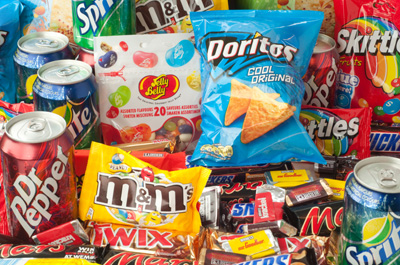
Kids love snacks—and let’s be honest, parents love the convenience. But not every grab-and-go option is doing your child’s body any favors. Some of the most popular “kid-friendly” snacks are packed with added sugar, artificial ingredients, and unhealthy fats, contributing to weight gain, energy crashes, and long-term health concerns. It’s not about banning snacks altogether but becoming more mindful of what’s really fueling your child’s day. If you’ve been tossing these common items in the lunchbox without a second thought, it may be time to reevaluate what snack time looks like.

1. Flavored Yogurts

Yogurt might seem like a healthy snack, but many flavored varieties are loaded with added sugar. Some single-serving containers contain more sugar than a doughnut, especially those marketed toward kids with bright packaging and candy mix-ins. While yogurt offers calcium and probiotics, those benefits are often overshadowed by the sugar overload. Kids who regularly consume sugary yogurts may face increased cravings and unwanted weight gain. A better option is plain Greek yogurt sweetened with a drizzle of honey or fresh fruit.

What to eat instead: Try some plain yogurt with natural sweeteners like fruit or applesauce. You can also opt for alternative dairy-free options like coconut or soy yogurt. 

2. Granola Bars

Granola bars sound like a wholesome choice, but most are little more than candy bars in disguise. Many store-bought versions are packed with corn syrup, chocolate chips, and artificial flavors. These snacks provide quick calories but lack the fiber and protein needed to keep kids full. The result? More snacking and less balanced eating throughout the day. Look for bars with whole food ingredients or consider making your own at home.

What to eat instead: Sub granola bars for fresh fruits and vegetables, cheese sticks, or crackers with toppings like hummus or peanut butter. 

3. Fruit Snacks

Despite the word “fruit” in the name, fruit snacks are typically made from processed sugars, gelatin, and dyes—not real fruit. These chewy treats offer almost no nutritional value and can contribute to both weight gain and dental problems. Kids often eat multiple packs without realizing how many calories and grams of sugar they’re consuming. Dried fruit can be a better option, but even that should be given in moderation. Real, fresh fruit will always be the best snack choice.

What to eat instead: The best option is always to opt for fresh fruit, but you can also make your own fruit snacks that are typically much healthier than store-bought. 

4. Juice Boxes

Juice may come from fruit, but the concentrated sugars in juice boxes can rival those of soda. Most lack the fiber of whole fruit and spike blood sugar quickly, leaving kids hungry again soon after. Drinking calories instead of eating them can also contribute to weight gain, especially when paired with other sugary snacks. Water or milk is a healthier beverage option at snack time. If you do serve juice, dilute it with water to reduce the sugar content.

What to eat instead: Healthier drink options include fruit-infused water, milk or plant-based milk, coconut water, smoothies, or yogurt drinks. If you decide to give your child juice, you can also dilute it with water to make it a bit healthier. 

5. Cheese Crackers

They’re salty, crunchy, and easy to love—but cheese-flavored crackers often contain refined flour, artificial colors, and very little actual cheese. These snacks offer minimal protein or fiber and are easy to overeat by the handful. Many kids munch on them mindlessly, racking up calories without ever feeling full. While occasional crackers are fine, they shouldn’t be an everyday go-to. Pair whole grain options with real cheese for a more balanced bite.

What to eat instead: Most kids like the “crunch” of cheese crackers. Some good alternatives are veggie sticks with hummus, popcorn, and roasted chickpeas. 

6. Packaged Muffins

Mini muffins and bakery-style treats might seem like a fun snack, but they’re often sugar bombs in disguise. Many are made with white flour, hydrogenated oils, and sweeteners that push their calorie count sky high. Despite their small size, these snacks provide little nutrition and lead to energy crashes. Some contain as much sugar as a cupcake—without the frosting. Homemade muffins with oats and fruit can be a smarter alternative.

What to eat instead: Try making your own homemade muffins with whole grains and less sugar. Homemade is always a bit healthier. 

7. Potato Chips

It’s no surprise that potato chips made the list. High in sodium, fat, and empty calories, they’re one of the least satisfying snacks for growing bodies. Chips don’t offer any fiber or protein, so they leave kids feeling hungry again soon after eating. Regularly snacking on chips can quickly lead to excess calorie intake and poor eating habits. Swap them out for air-popped popcorn or baked veggie chips when cravings strike.

What to eat instead: Encourage your child to eat “crunchy” healthy foods like cucumbers and carrot sticks. Popcorn, baked sweet potato chips, and apple chips are also good swaps. 

8. Frozen Snack Foods

Pizza bites, bagel dogs, and mini sliders are freezer staples in many households, but they’re far from healthy. These snacks are often made with refined grains, preservatives, and unhealthy fats. They’re calorie-dense without being nutrient-dense, meaning kids eat a lot but gain very little in terms of health benefits. Heating them up is easy, but so is roasting some sweet potato fries or prepping turkey roll-ups. Convenience doesn’t have to come at a cost to your child’s health.

What to eat instead: Fresh foods are always best. Always try to encourage your child to opt for fresh fruits, vegetables, and some of the other healthier options discussed above. However, an occasional pizza bite won’t hurt! 

9. Sugary Breakfast Cereals as Snacks

Many parents offer breakfast cereal as a snack because it’s quick and portable. But sugary cereals marketed to kids often have more sugar than dessert and almost no fiber or protein. Eating cereal dry doesn’t make it any healthier—it just makes it easier to eat more. Over time, these small bowls of cereal contribute to blood sugar spikes and increased cravings. Choose whole grain cereals with low sugar if cereal is on the menu.

What to eat instead: Look for brands that have less sugar. Magic Spoon cereals are a good swap. Cheerios also offers some good fruit and veggie blend cereals that are lower in sugar. 

10. Sweetened Applesauce Cups

While applesauce may sound healthy, many pre-packaged versions are sweetened with extra sugar or high-fructose corn syrup. This turns a simple fruit-based snack into a dessert-level sugar bomb. Even the “natural” versions can be overly processed and stripped of nutrients. Whole apples contain fiber and help regulate blood sugar in a way applesauce doesn’t. When in doubt, stick to fruit in its original form.

What to eat instead: Unsweetened applesauce is always optimal or… even better, the whole apple! 

Don’t Panic, Just Get Pickier About Snacks

No parent gets it perfect every time, and snacks are bound to include convenience items now and then. But by becoming more aware of what your kids are actually eating between meals, you can help them build better lifelong habits. Healthy snacks don’t have to be boring—they just need to be thoughtful. Reading labels, swapping out processed items, and choosing whole foods more often can make a big difference. After all, it’s not just about weight—it’s about energy, focus, and feeling their best every day.

What go-to snack have you cut from your kid’s routine? Or what healthy swap worked better than you expected? Share your snack wins in the comments!

What to Read Next 

  • Eat More, Weigh Less: 15 Foods That Are Perfect for Snacking
  • Food Choking Hazards: What Parents Should Watch Out For
  • 7 Popular Lunch Snacks That Were Quietly Recalled
  • The Truth About “Organic”: 8 Common Kid Snacks With Dangerous Allergens
  • Beyond The Brand: 8 Common Kid Snacks With Dangerous Allergens
Catherine Reed
Catherine Reed

Catherine is a tech-savvy writer who has focused on the personal finance space for more than eight years. She has a Bachelor’s in Information Technology and enjoys showcasing how tech can simplify everyday personal finance tasks like budgeting, spending tracking, and planning for the future. Additionally, she’s explored the ins and outs of the world of side hustles and loves to share what she’s learned along the way. When she’s not working, you can find her relaxing at home in the Pacific Northwest with her two cats or enjoying a cup of coffee at her neighborhood cafe.

Filed Under: Healthy Living & Eating Tagged With: Childhood Obesity, healthy eating, kids nutrition, mindful eating, parenting tips, snack alternatives, unhealthy snacks

Inactivity Risk: 7 Health Problems Worsening Without Activity in Kids

July 14, 2025 | Leave a Comment

Inactivity Risk 7 Health Problems Worsening Without Activity in Kids
123rf.com

With screens replacing playgrounds and busy schedules taking over free time, today’s kids are moving less than ever before. But physical activity isn’t just about burning energy or staying fit—it’s essential for overall health, both now and in the long run. The inactivity risk for children can quietly snowball into real problems that affect their development, mood, and ability to thrive. From weakened muscles to emotional struggles, the effects of too much sitting and too little movement are deeper than many parents realize. Let’s break down the biggest health problems that tend to worsen when kids aren’t active—and why it’s never too late to help them get moving again.

1. Obesity and Unhealthy Weight Gain

One of the most obvious consequences of inactivity is an increase in body fat and overall weight. When kids consume more calories than they burn, excess weight often follows. This isn’t just about appearance—childhood obesity increases the risk of diabetes, joint issues, and even social challenges like bullying or low self-esteem. Without regular movement, metabolism slows, and even small indulgences can lead to long-term health issues. Encouraging active play and limiting sedentary time is one of the most powerful ways to help kids maintain a healthy weight.

2. Weak Muscles and Poor Posture

The inactivity risk extends to your child’s physical development, particularly their strength and posture. Without regular use, muscles—especially in the core, legs, and back—can weaken over time. This often leads to slouched shoulders, back pain, and poor balance. Kids who don’t move enough may also struggle with physical tasks like climbing stairs, carrying backpacks, or participating in sports. Keeping them, active helps strengthen growing bodies and supports better physical confidence.

3. Heart and Lung Health Decline

Even young hearts and lungs need regular workouts to stay strong and efficient. A lack of movement means these organs don’t get the stimulation they need, leading to lower cardiovascular endurance. Over time, the inactivity risk may raise blood pressure and cholesterol levels, even in kids. Children may also get winded more easily or have less stamina for everyday activities. Simple activities like biking or playing tag can go a long way toward protecting long-term heart health.

4. Poor Sleep Quality

Inactivity often leads to trouble falling asleep or staying asleep, which becomes a frustrating cycle. Kids who don’t burn off their energy during the day may feel restless at night, resulting in cranky mornings and sluggish days. Physical activity helps regulate the body’s internal clock and encourages deeper, more restful sleep. It also reduces stress and anxiety, which can interfere with sleep patterns. Making sure your child gets time to move each day can improve not just bedtime routines but their overall mood.

5. Emotional and Mental Health Struggles

Physical activity is a natural mood booster, so when kids don’t move enough, their mental health can take a hit. Regular exercise helps release endorphins, which fight stress and improve focus. Without it, children may be more prone to anxiety, depression, or difficulty concentrating. The inactivity risk can also increase feelings of isolation, especially if screen time replaces social play. Activities that involve movement and interaction—like sports, dance, or even playing outside with friends—are crucial for emotional resilience.

6. Delayed Motor Skills and Coordination

Movement is a big part of how kids learn to control their bodies. When children don’t have regular opportunities to run, jump, skip, or throw, their coordination and motor skills may fall behind. This can affect not just sports performance but also classroom tasks like writing or sitting upright for long periods. Active kids tend to develop better reflexes and body awareness. Making movement part of their everyday routine supports both physical and cognitive development.

7. Increased Risk of Chronic Conditions Later in Life

The effects of childhood inactivity don’t always stop in childhood. The habits kids form now can impact their future, including a higher risk for chronic conditions like type 2 diabetes, arthritis, and even certain cancers. The longer children stay inactive, the harder it becomes to break that pattern as adults. Instilling a love for movement early helps build lifelong habits of wellness. It’s never just about today—it’s about helping kids build a healthier tomorrow.

Little Changes Make a Big Difference

You don’t need a gym membership or a rigid routine to counteract the inactivity risk in your child’s life. Something as simple as a family walk, a game of hide and seek, or a backyard obstacle course can add the movement their growing bodies and minds need. The key is consistency and variety—find ways to make activity fun, not a chore. Your encouragement plays a powerful role in how your child values movement. Help them see being active not as a task, but as a joyful part of daily life.

What activities help your kids stay moving and happy? Share your favorite family fitness ideas in the comments!

Read More:

6 Food Items That We Think Are Healthy but Are Bad for Our Children

The Dangers of Screen Addiction and How to Set Healthy Limits

Catherine Reed
Catherine Reed

Catherine is a tech-savvy writer who has focused on the personal finance space for more than eight years. She has a Bachelor’s in Information Technology and enjoys showcasing how tech can simplify everyday personal finance tasks like budgeting, spending tracking, and planning for the future. Additionally, she’s explored the ins and outs of the world of side hustles and loves to share what she’s learned along the way. When she’s not working, you can find her relaxing at home in the Pacific Northwest with her two cats or enjoying a cup of coffee at her neighborhood cafe.

Filed Under: Healthy Living & Eating Tagged With: active kids, child health, Childhood Obesity, family fitness, inactivity risk, kids mental health, parenting tips, screen time alternatives

Is Junk Food Tax the Answer to Childhood Obesity?

February 5, 2013 | 6 Comments

Junk FoodI re-joined Weight Watchers this weekend (bye-bye baby weight!). At the meeting there was a 18-year-old girl who was a returning lifetime member trying to lose the 50lbs that has found her over the past three years. The first time she joined she was just 11 years old. This post isn’t about Weight Watchers or whether or not I agree with young children doing a structured diet program, I’m looking into WHY an 11-year-old would need such a program.


The Rise of Childhood Obesity

Childhood obesity is no secret. It is completely plaguing the developed world. There has been a lot of discussion in our local news about whether or not a ‘junk food’ or ‘fat’ tax is the answer to helping this growing problem. The logic being that parents will be forced to make different, ideally smarter, food choices for their family’s diet. Foods singled out are pop (soda), oils, cheeses, candy, chips, basically anything is highly processed or saturated fat-laden.

Do we really need this? Isn’t a tax just a way for the government to capitalize on our, albeit bad,  food choices? Shouldn’t we be forcing more education instead of punishing?

Thoughts on a Junk Food Tax

These are the types of questions that are running through my head. Instead of punishing a family’s food choices, why don’t we start at the very beginning and encourage affordable healthy eating habits in elementary school? Start the education when they’re young and don’t stop! If we drill it into our kids heads and explain the choices they have to make there could be an entire generational change. I know things in this area are improving but we’re not there yet. We need to educate our kids as well as their families. Some families may be reluctant to initiate the changes required or ask the required questions. If help was available in the form of things like healthy family nights, held at your child’s school, where a nutritionist could come in and do presentations aimed at the specific demographic, the framework for better decision making could be laid down.

Life is about choices, junk food included. We need to teach our children how to make good food choices through our knowledge and counter balance the not-so-good ones. We need to get this junk food tax idea out of our minds. It won’t work, mark my words.

What are your thoughts on a junk food tax?

Catherine
Catherine

Catherine is a first time momma to a rambunctious toddler. When she isn’t soaking up all that motherhood has to offer, you can find her blogging over at Plunged in Debt where she chronicles her and her husbands journey out of debt. You can also follow her on Twitter.

plungedindebt.com

Filed Under: Healthy Living & Eating Tagged With: Childhood Obesity, Food, Junk Food, Junk Food Tax

  • Facebook
  • Pinterest
  • RSS
  • Twitter

Basic Principles Of Good Parenting

Here some basic principles for good parenting:

  1. What You Do Matters: Your kids are watching you. So, be purposeful about what you want to accomplish.
  2. You Can’t be Too Loving: Don’t replace love with material possessions, lowered expectations or leniency.
  3. Be Involved Your Kids Life: Arrange your priorities to focus on what your kid’s needs. Be there mentally and physically.
  4. Adapt Your Parenting: Children grow quickly, so keep pace with your child’s development.
  5. Establish and Set Rules: The rules you set for children will establish the rules they set for themselves later.  Avoid harsh discipline and be consistent.
  6. Explain Your Decisions: What is obvious to you may not be evident to your child. They don’t have the experience you do.
  7. Be Respectful To Your Child: How you treat your child is how they will treat others.  Be polite, respectful and make an effort to pay attention.
Best Parenting Blogs

Most Popular

Baby names

Teachers Admit: These 6 Baby Names Create Instant Bias in the Classroom

Latrice Perez
6 Baby Names That Sound Cute Now but Cause Problems Later

6 Baby Names That Sound Cute Now but Cause Problems Later

Brandon Marcus
11 Ways Kids Are Outsmarting Parental Controls 1. Using Alternate Devices One common trick is simply turning to another device. If a child’s main phone or tablet is restricted, they may borrow a sibling’s, friend’s, or even a school laptop. This instantly gives them access to content outside of parental oversight. Parents often focus on one device, forgetting that others in the household can serve as loopholes. Knowing this tactic helps families tighten controls across all electronics. 2. Clearing Browsing Histories Many kids quickly learn that clearing browsing history hides evidence of restricted activity. With just a few clicks, they can erase any trace of websites visited. This makes it harder for parents to notice when rules are being broken. Parents may assume no history means no browsing, but the reality is often the opposite. Kids are outsmarting parental controls by making it seem like nothing happened at all. 3. Using Private Browsing Modes Most browsers offer “incognito” or private browsing features. Kids use this mode to access websites without leaving a record in the history. To parents checking later, everything looks clean and safe. This simple trick is often one of the first ways kids discover how to bypass restrictions. Conversations about private browsing can help close this gap. 4. Guessing or Resetting Passwords Children who are persistent may try to guess passwords to parental control apps or accounts. Others may find ways to reset them through email prompts or security questions. Once inside, they can disable restrictions entirely. Parents may not even realize controls have been altered until much later. Stronger, less predictable passwords can make this more difficult. 5. Using VPNs to Hide Activity Virtual private networks, or VPNs, let kids disguise their online locations. With one downloaded app, they can bypass geographic or parental restrictions. Some children learn about VPNs through friends or even social media. This makes it easy for them to reach content that should be blocked. Parents often underestimate just how simple it is for kids to use these tools. 6. Creating Fake Accounts When parents monitor social media, kids may create hidden accounts. These “finstas” or fake profiles allow them to interact freely without parental oversight. While their main account appears harmless, the secondary one tells a different story. Kids are outsmarting parental controls by playing both sides at once. Checking for duplicate accounts can help parents stay more aware. 7. Exploiting Time Zone Settings Some kids change the time zone on their devices to bypass screen time limits. This trick allows them to gain extra hours of usage undetected. Parents may assume controls are working, but in reality, the child is bending the clock. It’s a clever loophole that highlights just how resourceful kids can be. Monitoring device settings regularly can catch this tactic. 8. Disabling or Uninstalling Apps Parental control apps can be deleted or disabled with surprising ease. Some kids even reinstall them before a parent checks, making it seem like nothing changed. Others may simply restrict permissions to prevent apps from functioning properly. When apps aren’t monitored closely, parents may not notice they’ve been tampered with. This shows the importance of consistent follow-up. 9. Turning to Friends for Access If a child can’t get past restrictions on their own, they may rely on friends. Visiting a friend’s house or borrowing their phone can give them a free pass. Parents often forget that peer environments can override restrictions set at home. This kind of social workaround is especially common with gaming or social media. Open conversations about trust and responsibility are essential. 10. Hiding Apps in Plain Sight Kids sometimes download apps that look innocent but serve as gateways to hidden activity. These apps may disguise themselves as calculators or utilities. In reality, they allow file storage, private messaging, or browser access. Parents glancing at a home screen may overlook them entirely. Learning to recognize these disguised apps can help parents stay informed. 11. Outpacing Parents’ Tech Knowledge Finally, kids often know more about devices than their parents do. Whether through YouTube tutorials, TikTok hacks, or peer groups, they quickly learn advanced workarounds. This knowledge gap means controls can be bypassed before parents even realize the loophole exists. Staying informed and continually learning about new technology is the best defense. Kids are outsmarting parental controls because they adapt faster than most adults. The Real Solution Lies Beyond Restrictions While controls and filters are important, no system is perfect. Kids will always find creative ways around barriers, making communication the strongest safeguard. Setting clear expectations, building trust, and having ongoing conversations about online behavior matter more than apps alone. Parents who combine technology with open dialogue create a safer digital environment. The goal isn’t to win a battle of wits but to build a relationship that keeps kids both safe and honest. Do you think kids are outsmarting parental controls faster than parents can keep up? Share your experiences in the comments below. What to Read Next... 6 Parenting Tech Shortcuts That Can Expose Your Child to Strangers How Much Screen Time Is Too Much—Legally Speaking? Is Your Child’s School Quietly Tracking Their Location Without Your Consent? How Much Screen Time Is Quietly Reshaping Childhood Behavior? Why Some Parents Are Being Investigated Over Homeschooling Records

11 Ways Kids Are Outsmarting Parental Controls

Catherine Reed
Smiling grandfather holding a happy baby indoors.

Why Grandparents Shouldn’t Babysit Their Grandkids Every Week – The Unspoken Issue

Samantha
birthday gifts

7 Birthday Gifts Your Child Should Never Bring to a Party

Latrice Perez

All content on Kids Ain’t Cheap is for entertainment purposes only. By reading this blog, you agree that Kids Ain’t Cheap is not responsible for any actions taken after reading this blog. For the full disclaimer, see our privacy policy.

Please note that Kids Ain’t Cheap has financial relationships with some of the merchants mentioned here. Kids Ain’t Cheap is funded by banner advertising, commission sales and search optimization consulting.

Copyright © 2006–2026 | District Media | All Rights Reserved | Privacy Policy

Copyright © 2026 Runway Pro Theme by Viva la Violette