• Home
  • About Us
  • Toolkit
  • Archives
  • Advertise
  • Privacy Policy

Kids Ain't Cheap

But They Sure Are Worth It

  • Parenting
    • Baby Stuff
    • Books and Reading
      • Aesops Fables
      • Comic Books
    • Education
    • Family Time
    • Green Living
    • Growing Up
    • Healthy Living & Eating
    • Holidays
    • Parenting
    • Random Musings
    • Shopping
    • Stuff to Do
  • Money
  • Product Reviews
    • Books and Magazines
    • Discount Sites
    • Furniture
    • House Keeping
    • Reviews News
    • Toys and Games
  • Contact Us
  • Our Editorial Commitment
  • Search

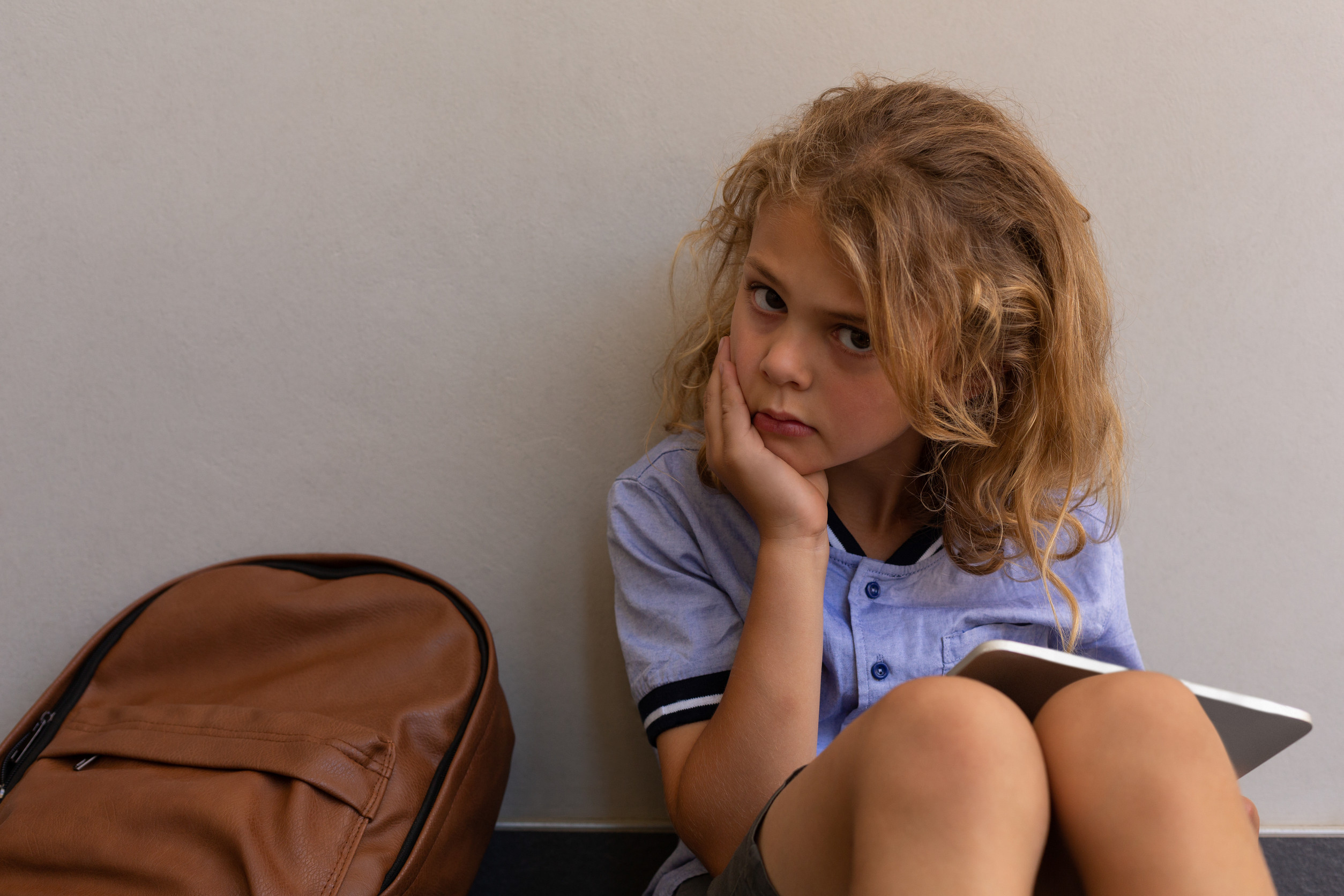
Teachers Admit: These 6 Classroom Habits are Making 2026 Students More Anxious

March 27, 2026 | Leave a Comment

2026 students more anxious
Image source: shutterstock.com

You drop your child off at school hoping they will find a sense of belonging and academic growth. Instead, many parents are noticing their children return home with high levels of stress and unexplained irritability. It is easy to blame social media or a lack of sleep for this modern epidemic of childhood worry. However, teachers are finally revealing that the structure of the school day itself is a major contributor. The hidden system of high-stakes testing and constant comparison is breaking the spirit of our youth. You are not failing as a parent because your child is struggling to cope. The environment they spend seven hours in is often designed for efficiency rather than emotional health. Understanding why 2026 students are more anxious is the first step toward a solution.

1. The Pressure of Constant Digital Feedback

Students today are monitored through digital gradebooks that update in real-time for both parents and administrators. Surprisingly, this level of surveillance prevents children from learning how to fail gracefully in a private setting. They feel the weight of every missed assignment or low quiz score before they even leave the building. On the other hand, traditional education allowed for a period of growth and correction before a final grade was issued. This shift toward instant data makes students feel constant pressure regarding their perceived worth in a digital system. You can explore the psychological impact of digital monitoring at Edutopia’s student wellness resources. We must return to a model that values the process over the immediate data point.

2. The Loss of Unstructured Play

Recess and passing periods have been drastically shortened to make more room for standardized curriculum blocks. This removal of free time forces children to stay in a state of high cognitive load for hours on end. Furthermore, the lack of unstructured play prevents them from developing the natural conflict resolution skills they need. Without these social buffers, minor peer disagreements escalate into major sources of daily dread. Teachers report that students are increasingly unable to handle small setbacks without a significant emotional breakdown. Research on the necessity of play for emotional regulation is available from the American Academy of Pediatrics. A school without play is a pressure cooker for the developing mind.

3. High-Stakes Environment and Competitive Ranking

Classroom walls are often covered with data charts that publicly rank students based on their reading or math progress. This public display of ability creates a culture of shame for those who are struggling to keep up. Children as young as six are now aware of where they stand in relation to their peers’ test scores. Additionally, the focus on college readiness in elementary school removes the joy of discovery from the learning process. This competitive atmosphere ensures that 2026 students feel anxious and validated by their environment every single day. We are trading the curiosity of childhood for the metrics of a corporate office. Taking these charts down is a simple way to restore a sense of safety to the classroom.

4. The Impact of Standardized Testing Fatigue

The modern school calendar is often dictated by the proximity to the next state-mandated assessment. This narrow focus forces teachers to skip enrichment activities that build confidence and critical thinking. When the curriculum becomes a race to cover material rather than a journey to understand it, students feel left behind. This fatigue leads to a lack of engagement and a sense of hopelessness among those who do not test well. You can find more information on the effects of over-testing at the National Education Association. Your child is more than a bar graph on a bulletin board.

5. Reclaiming the Emotional Heart of the Classroom

The reality that classroom habits are making 2026 students more anxious is a call to action for every parent. You have the right to demand a school environment that prioritizes the human heart over a standardized score. It is not your child’s fault that they are struggling to navigate a system that feels increasingly cold and data-driven. We must advocate for more downtime and less surveillance to let our children breathe again. Protecting their mental health is far more important than any grade they will ever receive. By identifying these toxic habits, we can begin to rebuild a school experience that nurtures rather than drains.

6. Restoring Balance for the Next Generation

Advocating for change starts with small conversations between parents and educators. We need to focus on building resilience through supportive environments rather than through increased pressure. When schools prioritize emotional safety, academic success often follows naturally without the cost of a child’s mental well-being. Keeping a close eye on how your child talks about their day can reveal the hidden stressors they face. By working together, we can ensure that the school day becomes a source of inspiration again.

Creating a Healthier Future Together

Transitioning away from a culture of comparison requires a united front from both the home and the classroom. We must empower our children to see themselves as more than just a collection of data points or test scores. By fostering an environment where emotional safety is the foundation of learning, we give them the tools to thrive in an unpredictable world. The goal is to raise individuals who are confident in their unique abilities rather than fearful of falling behind. Every small adjustment in how we talk about grades or success makes a massive difference in their daily mental health.

How has the school system affected your child’s stress levels this year? Please think about your recent experiences and leave a comment below so we can share ideas on how to advocate for our kids.

What to Read Next…

  • The Childcare Cliff Is Hitting Hard—How Some Families Are Saving With Co-Ops
  • The 5 Educational Apps That Teachers Say Are Actually Hurting Grades
  • Before You Pay: 6 Classroom Requests That Are Now Being Sent as Supply Lists
Latrice Perez

Latrice is a dedicated professional with a rich background in social work, complemented by an Associate Degree in the field. Her journey has been uniquely shaped by the rewarding experience of being a stay-at-home mom to her two children, aged 13 and 5. This role has not only been a testament to her commitment to family but has also provided her with invaluable life lessons and insights.  As a mother, Latrice has embraced the opportunity to educate her children on essential life skills, with a special focus on financial literacy.

Filed Under: Education, Parenting Tagged With: 2026 education, childhood stress, classroom habits, Mental Health, parenting tips, school stress, student anxiety, teaching insights

10 Warning Signs Of Childhood Burnout (Yes, It’s a Thing Now)

December 18, 2025 | Leave a Comment

10 Warning Signs Of Childhood Burnout (Yes, It’s a Thing Now)
Image source: shutterstock.com

If your kid keeps it together all day and unravels at home, you’re not alone. childhood burnout can hide behind crankiness, aches, or sudden “I’m done” energy. These signs help you spot overload early so you can lower the pressure before it turns into a bigger crash. You don’t need a perfect plan, just a few smart pivots that give your child room to breathe.

1. When Childhood Burnout Shows Up As Constant Exhaustion

Your child looks tired even after a decent night of sleep. Mornings feel harder, and they drag through routines that used to be easy. You may see more zoning out or more requests to quit early. Check bedtime, after-school load, and how much real downtime they get. If rest never helps, talk with your pediatrician.

2. Big Reactions To Tiny Problems

A minor inconvenience sparks tears, yelling, or a full shutdown. When a kid’s stress meter is stuck near max, one more thing tips them over. In the moment, calm first and save lessons for later. When they’re regulated, ask what felt toughest that day and listen without arguing. Then remove one pressure point for a week and see what changes.

3. They Stop Enjoying Favorite Activities

A kid who loved art, dance, or soccer suddenly wants out. Sometimes fun starts to feel like another place to perform. Look for dread before practice, harsh self-talk, or perfectionism. Offer a short break, a lower level, or a just-for-fun version at home. Remind them joy matters more than constant progress.

4. School Avoidance Keeps Growing

You hear more stalling and more “I can’t” before school. Homework drags because they freeze, overthink, or panic about mistakes. Power struggles usually add fuel, so aim for a reset instead. Try snack, movement, then a short work block with a clear stopping point. If it keeps happening, loop in the teacher to adjust support.

5. Sleep Changes Out Of Nowhere

Bedtime becomes a fight, or they wake up and can’t settle back down. You might see more nightmares, restlessness, or clinginess at night. Stress can hijack sleep even when kids act tough in daylight. Dim screens early and keep a predictable wind-down routine. If worries keep running the nights, consider a kid-focused counselor.

6. More Headaches And Stomachaches

They complain about their stomach, head, or “not feeling good” more often. The symptoms can be real even when tests don’t show a clear cause. Big feelings often land in the body when they’re hard to explain. Track when it hits and what comes right before it, like tests or crowded practices. Share the pattern with your pediatrician and, if needed, the school nurse.

7. They Avoid Challenges They Used To Try

A curious kid starts choosing the easiest option or refusing anything new. They may say they’re “bad at everything” or ask for constant reassurance. That’s often self-protection, not defiance. Break tasks into tiny steps and praise effort that shows up, even briefly. Make sure they also get daily time that’s totally ungraded.

8. Their Mood Turns Flat Or Distant

Instead of blowing up, they go quiet, blank, or checked out. They shrug at questions and seem less interested in family time. childhood burnout can look calm on the outside while a kid feels numb inside. Create low-pressure connection, like a walk, a game, or cooking together. Watch for ongoing sadness that deserves professional support.

9. Noise And Busy Places Feel Unbearable

Crowded rooms, loud sounds, or scratchy clothes suddenly bother them more. Their tolerance drops, so normal sensory input feels like too much. Give them tools like headphones, a quiet corner, or an exit plan at events. Teach a quick reset, like slow breaths or squeezing a stress ball. Use what you learn to plan calmer days when possible.

10. Motivation Disappears Everywhere

They resist school, friends, chores, and even things they requested last month. When the tank is empty, consequences won’t refill it. Shrink the load by pausing optional commitments and simplifying routines. Help them pick one priority and let the rest wait. Then rebuild confidence with small wins and predictable downtime.

How To Help Kids Come Back To Themselves

Guard the basics: sleep, meals, movement, and unstructured play. Cut one thing that drains more than it gives, even if it looks impressive on paper. Use quick check-ins at calm times, not long interrogations at bedtime. Coordinate with teachers and coaches so expectations match your child’s capacity right now. Childhood burnout gets easier to manage when home becomes the place where pressure comes down, not where it piles up.

What’s one pressure you could remove this week to give your kid more breathing room when experiencing childhood burnout?

What to Read Next…

Digital Parenting: The Mistake That’s Making Teen Anxiety Skyrocket

Why Is “Overpraising” Creating Anxiety in Kids?

Mental Health for Kids: Why It’s the Biggest Parental Concern in 2025

7 Signs Your Kids Are Struggling With Anxiety You Keep Calling “Just a Phase”

10 Mistakes Parents Make When Kids Are Dealing With Anxiety

Catherine Reed
Catherine Reed

Catherine is a tech-savvy writer who has focused on the personal finance space for more than eight years. She has a Bachelor’s in Information Technology and enjoys showcasing how tech can simplify everyday personal finance tasks like budgeting, spending tracking, and planning for the future. Additionally, she’s explored the ins and outs of the world of side hustles and loves to share what she’s learned along the way. When she’s not working, you can find her relaxing at home in the Pacific Northwest with her two cats or enjoying a cup of coffee at her neighborhood cafe.

Filed Under: Mental Health Tagged With: burnout signs, child well-being, childhood stress, Emotional Regulation, family routines, kids mental health, Parenting, school stress

7 Reasons Kids Are Getting Burned Out Before Age 10

September 26, 2025 | Leave a Comment

7 Reasons Kids Are Getting Burned Out Before Age 10
Image source: 123rf.com

Childhood is supposed to be filled with curiosity, fun, and imagination, yet more and more kids are getting burned out at surprisingly young ages. By the time some children reach middle school, they already feel the weight of exhaustion, stress, and pressure. Parents and educators often wonder what is fueling this shift and how to protect children from becoming overwhelmed. Understanding the key factors can help families step back, reevaluate priorities, and create healthier environments that allow children to thrive.

1. Overloaded Schedules Are Exhausting Young Kids

One major reason kids are getting burned out before age 10 is that many have schedules that look like those of busy adults. School hours are often followed by multiple extracurriculars, leaving little time for rest or free play. While structured activities can build skills, too many commitments quickly become overwhelming. Children benefit from unstructured downtime, which allows their minds to recharge and creativity to flourish. Without this balance, they can feel drained and irritable far too early in life.

2. Academic Pressure Starts Earlier Than Ever

Expectations around academics are starting much earlier, which adds to why kids are getting burned out. Kindergarten once emphasized play-based learning, but now it often resembles first grade, with a focus on reading, writing, and math. Parents and schools sometimes push children to hit milestones sooner than necessary. The result is that many young students feel constant pressure to perform instead of enjoying the learning process. When kids feel judged on achievement instead of effort, they lose motivation and energy quickly.

3. Lack of Sleep Leads to Chronic Fatigue

Children need significantly more sleep than adults, yet many are not getting enough due to packed schedules and screen time. Sleep deprivation contributes to irritability, difficulty concentrating, and physical health issues. A tired child is far more likely to become frustrated with school, sports, and daily routines. When exhaustion is constant, kids are getting burned out much earlier than previous generations. Setting consistent bedtime routines and limiting screens before bed can make a big difference.

4. Technology Overload Creates Mental Strain

Screens dominate modern childhood, from tablets to smartphones to gaming consoles. While technology can provide educational benefits, overexposure often leads to mental and emotional fatigue. Kids may struggle with overstimulation, anxiety, and difficulty focusing after spending too much time on devices. The constant input leaves little room for relaxation or imaginative play. Without limits, this overload contributes heavily to why kids are getting burned out so quickly.

5. Too Little Time for Play and Relaxation

Free play used to be a cornerstone of childhood, but now it often takes a back seat to academics, organized sports, and digital entertainment. Play is essential for building social skills, problem-solving abilities, and emotional resilience. When children don’t get enough of it, stress builds without healthy outlets for release. This lack of playtime accelerates feelings of exhaustion and disinterest in everyday activities. Ensuring kids have daily unstructured time is critical to reducing burnout.

6. Parental Expectations Add Extra Pressure

Parents naturally want the best for their children, but sometimes high expectations create unintended stress. Pushing for straight A’s, top performance in sports, or constant participation in enrichment activities can backfire. Kids may internalize the idea that love, and approval are tied to success rather than who they are as individuals. This pressure makes kids more anxious and less joyful in their activities. Over time, the constant push contributes to the trend where kids are getting burned out earlier than ever.

7. Emotional Skills Are Overlooked in Development

While academic and physical development often receive priority, emotional well-being sometimes gets overlooked. Children may not have the coping strategies needed to handle stress, disappointment, or failure. Without guidance in these areas, even small setbacks feel overwhelming. This lack of resilience is a major factor in why kids are getting burned out before reaching double digits. Teaching emotional awareness, mindfulness, and coping strategies equips children with tools to handle challenges in healthier ways.

Protecting Childhood from Burnout

Recognizing the reasons kids are getting burned out before age 10 gives families a chance to make meaningful changes. Allowing children more rest, free play, and emotional support can help restore balance. Schools, parents, and communities all play a role in protecting childhood from becoming a stressful race toward achievement. When we value joy, creativity, and well-being as much as success, children can grow up healthier and happier. Taking proactive steps now ensures that kids enjoy their childhood rather than endure it.

Do you think kids today face more pressure than past generations? Share your thoughts in the comments and join the conversation.

What to Read Next…

Toxic Relatives and Kids: How to Protect Their Emotional Health

6 Innocent Parenting Habits That Lead to Big Therapy Bills Later

10 Things Boomers Did as Parents That Would Spark Outrage Today

Here’s 10 Things Chat GPT Told Me People Are Doing Wrong With Raising Their Kids

10 Popular Discipline Techniques That Have Been Quietly Discredited

Catherine Reed
Catherine Reed

Catherine is a tech-savvy writer who has focused on the personal finance space for more than eight years. She has a Bachelor’s in Information Technology and enjoys showcasing how tech can simplify everyday personal finance tasks like budgeting, spending tracking, and planning for the future. Additionally, she’s explored the ins and outs of the world of side hustles and loves to share what she’s learned along the way. When she’s not working, you can find her relaxing at home in the Pacific Northwest with her two cats or enjoying a cup of coffee at her neighborhood cafe.

Filed Under: Mental Health Tagged With: child development, childhood stress, emotional health, family balance, kids are getting burned out, parenting tips, school pressure

  • Facebook
  • Pinterest
  • RSS
  • Twitter

Basic Principles Of Good Parenting

Here some basic principles for good parenting:

  1. What You Do Matters: Your kids are watching you. So, be purposeful about what you want to accomplish.
  2. You Can’t be Too Loving: Don’t replace love with material possessions, lowered expectations or leniency.
  3. Be Involved Your Kids Life: Arrange your priorities to focus on what your kid’s needs. Be there mentally and physically.
  4. Adapt Your Parenting: Children grow quickly, so keep pace with your child’s development.
  5. Establish and Set Rules: The rules you set for children will establish the rules they set for themselves later.  Avoid harsh discipline and be consistent.
  6. Explain Your Decisions: What is obvious to you may not be evident to your child. They don’t have the experience you do.
  7. Be Respectful To Your Child: How you treat your child is how they will treat others.  Be polite, respectful and make an effort to pay attention.
Best Parenting Blogs

Most Popular

Baby names

Teachers Admit: These 6 Baby Names Create Instant Bias in the Classroom

Latrice Perez
11 Ways Kids Are Outsmarting Parental Controls 1. Using Alternate Devices One common trick is simply turning to another device. If a child’s main phone or tablet is restricted, they may borrow a sibling’s, friend’s, or even a school laptop. This instantly gives them access to content outside of parental oversight. Parents often focus on one device, forgetting that others in the household can serve as loopholes. Knowing this tactic helps families tighten controls across all electronics. 2. Clearing Browsing Histories Many kids quickly learn that clearing browsing history hides evidence of restricted activity. With just a few clicks, they can erase any trace of websites visited. This makes it harder for parents to notice when rules are being broken. Parents may assume no history means no browsing, but the reality is often the opposite. Kids are outsmarting parental controls by making it seem like nothing happened at all. 3. Using Private Browsing Modes Most browsers offer “incognito” or private browsing features. Kids use this mode to access websites without leaving a record in the history. To parents checking later, everything looks clean and safe. This simple trick is often one of the first ways kids discover how to bypass restrictions. Conversations about private browsing can help close this gap. 4. Guessing or Resetting Passwords Children who are persistent may try to guess passwords to parental control apps or accounts. Others may find ways to reset them through email prompts or security questions. Once inside, they can disable restrictions entirely. Parents may not even realize controls have been altered until much later. Stronger, less predictable passwords can make this more difficult. 5. Using VPNs to Hide Activity Virtual private networks, or VPNs, let kids disguise their online locations. With one downloaded app, they can bypass geographic or parental restrictions. Some children learn about VPNs through friends or even social media. This makes it easy for them to reach content that should be blocked. Parents often underestimate just how simple it is for kids to use these tools. 6. Creating Fake Accounts When parents monitor social media, kids may create hidden accounts. These “finstas” or fake profiles allow them to interact freely without parental oversight. While their main account appears harmless, the secondary one tells a different story. Kids are outsmarting parental controls by playing both sides at once. Checking for duplicate accounts can help parents stay more aware. 7. Exploiting Time Zone Settings Some kids change the time zone on their devices to bypass screen time limits. This trick allows them to gain extra hours of usage undetected. Parents may assume controls are working, but in reality, the child is bending the clock. It’s a clever loophole that highlights just how resourceful kids can be. Monitoring device settings regularly can catch this tactic. 8. Disabling or Uninstalling Apps Parental control apps can be deleted or disabled with surprising ease. Some kids even reinstall them before a parent checks, making it seem like nothing changed. Others may simply restrict permissions to prevent apps from functioning properly. When apps aren’t monitored closely, parents may not notice they’ve been tampered with. This shows the importance of consistent follow-up. 9. Turning to Friends for Access If a child can’t get past restrictions on their own, they may rely on friends. Visiting a friend’s house or borrowing their phone can give them a free pass. Parents often forget that peer environments can override restrictions set at home. This kind of social workaround is especially common with gaming or social media. Open conversations about trust and responsibility are essential. 10. Hiding Apps in Plain Sight Kids sometimes download apps that look innocent but serve as gateways to hidden activity. These apps may disguise themselves as calculators or utilities. In reality, they allow file storage, private messaging, or browser access. Parents glancing at a home screen may overlook them entirely. Learning to recognize these disguised apps can help parents stay informed. 11. Outpacing Parents’ Tech Knowledge Finally, kids often know more about devices than their parents do. Whether through YouTube tutorials, TikTok hacks, or peer groups, they quickly learn advanced workarounds. This knowledge gap means controls can be bypassed before parents even realize the loophole exists. Staying informed and continually learning about new technology is the best defense. Kids are outsmarting parental controls because they adapt faster than most adults. The Real Solution Lies Beyond Restrictions While controls and filters are important, no system is perfect. Kids will always find creative ways around barriers, making communication the strongest safeguard. Setting clear expectations, building trust, and having ongoing conversations about online behavior matter more than apps alone. Parents who combine technology with open dialogue create a safer digital environment. The goal isn’t to win a battle of wits but to build a relationship that keeps kids both safe and honest. Do you think kids are outsmarting parental controls faster than parents can keep up? Share your experiences in the comments below. What to Read Next... 6 Parenting Tech Shortcuts That Can Expose Your Child to Strangers How Much Screen Time Is Too Much—Legally Speaking? Is Your Child’s School Quietly Tracking Their Location Without Your Consent? How Much Screen Time Is Quietly Reshaping Childhood Behavior? Why Some Parents Are Being Investigated Over Homeschooling Records

11 Ways Kids Are Outsmarting Parental Controls

Catherine Reed
Smiling grandfather holding a happy baby indoors.

Why Grandparents Shouldn’t Babysit Their Grandkids Every Week – The Unspoken Issue

Samantha
birthday gifts

7 Birthday Gifts Your Child Should Never Bring to a Party

Latrice Perez

Babysitting Without Cash: 10 Ways to Barter Your Way Out of Childcare Costs

Ashleigh Clyde

All content on Kids Ain’t Cheap is for entertainment purposes only. By reading this blog, you agree that Kids Ain’t Cheap is not responsible for any actions taken after reading this blog. For the full disclaimer, see our privacy policy.

Please note that Kids Ain’t Cheap has financial relationships with some of the merchants mentioned here. Kids Ain’t Cheap is funded by banner advertising, commission sales and search optimization consulting.

Copyright © 2006–2026 | District Media | All Rights Reserved | Privacy Policy

Copyright © 2026 Runway Pro Theme by Viva la Violette