• Home
  • About Us
  • Toolkit
  • Archives
  • Advertise
  • Privacy Policy

Kids Ain't Cheap

But They Sure Are Worth It

  • Parenting
    • Baby Stuff
    • Books and Reading
      • Aesops Fables
      • Comic Books
    • Education
    • Family Time
    • Green Living
    • Growing Up
    • Healthy Living & Eating
    • Holidays
    • Parenting
    • Random Musings
    • Shopping
    • Stuff to Do
  • Money
  • Product Reviews
    • Books and Magazines
    • Discount Sites
    • Furniture
    • House Keeping
    • Reviews News
    • Toys and Games
  • Contact Us
  • Our Editorial Commitment
  • Search

8 Signs You Were Parentified as a Child—And Still Are

April 17, 2025 | Leave a Comment

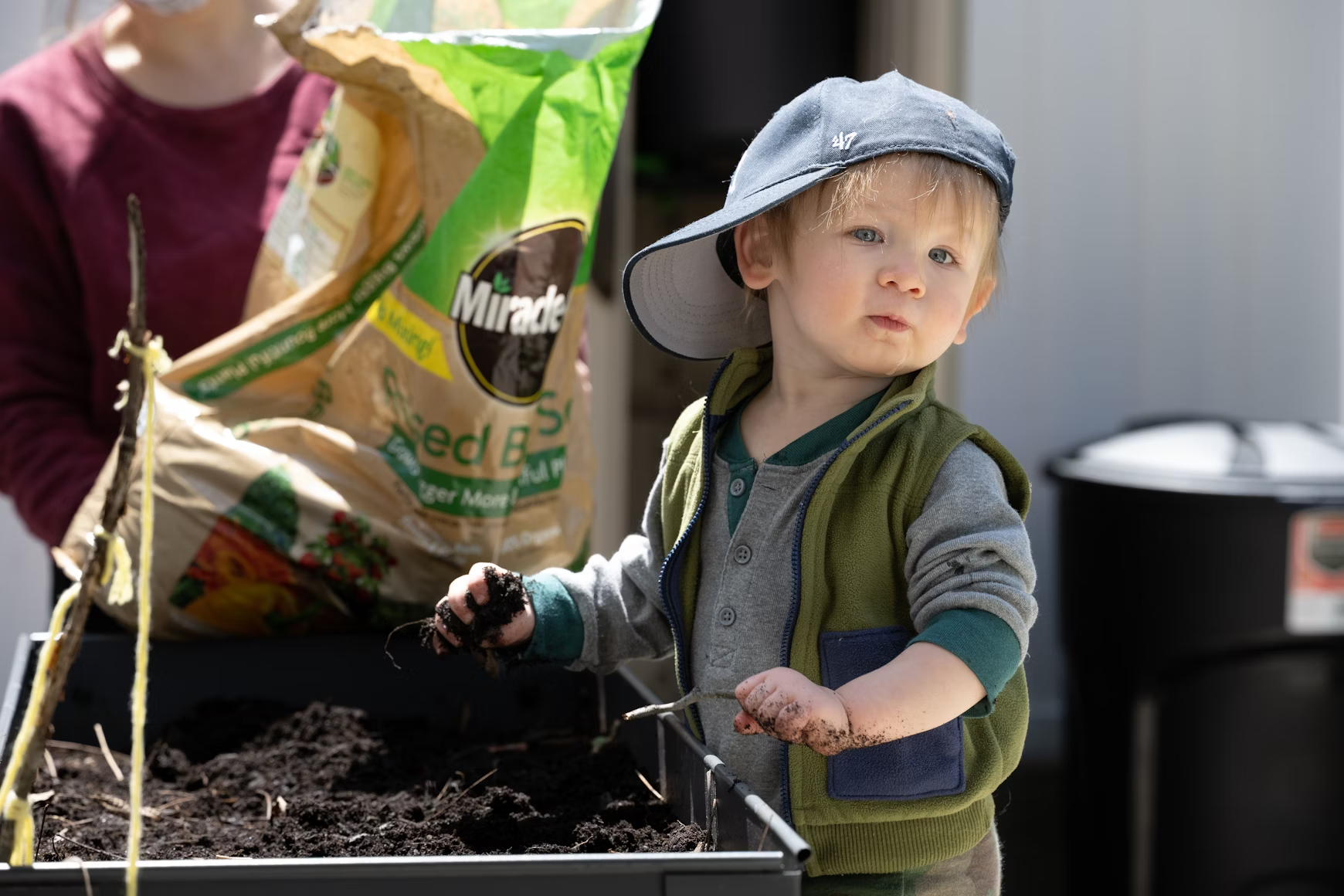
child is helping
Image Source: Unsplash

For most kids, childhood should be a time of learning, growing, and being cared for. But if you were regularly expected to act like the adult, keeping siblings fed, managing a parent’s emotions, or smoothing over family chaos, you may have been a parentified child.

And here’s the tough part: many of those responsibilities don’t just disappear when you grow up. Without even realizing it, you might still be carrying that heavy emotional load. Recognizing the signs is the first step toward setting healthier boundaries and giving your inner child the care they always needed.

What Is Parentification?

Parentification happens when a child takes on roles and responsibilities meant for a caregiver. Sometimes it’s practical—cooking dinner, paying bills—other times it’s emotional, like becoming a parent’s confidant. Kids aren’t equipped for adult duties, no matter how “mature” they appear.

Over time, these expectations shape how we attach, communicate, and love—especially if they go unacknowledged. A concise overview from Psychology Today explains the two main types—instrumental and emotional parentification—and their lifelong effects.

Below are eight signs those early roles may still be influencing your adult life.

1. You Missed Out on Just Being a Kid

If you felt like a mini‑adult while peers worried about homework and playground drama, take note. Packing lunches instead of playing outside, or calming a parent instead of hearing bedtime stories, robs kids of crucial developmental experiences. Experts emphasize that losing childhood freedom often leaves a void that lingers well into adulthood.

2. You Feel Overwhelming Responsibility for Others

Caring is great—feeling endlessly accountable for everyone’s happiness is not. Parentified kids often grow into adults who panic or feel guilty when someone they love struggles. Chronic anxiety or burnout can follow because you’re still wearing an invisible superhero cape.

3. You Take the Caregiver Role in Every Relationship

Are you the partner who organizes everything, the friend everyone leans on, or the colleague who picks up extra tasks? Constantly taking responsibility for others’ emotions creates one‑sided dynamics and leaves your own needs unmet.

4. You Struggle to Say “No”

If refusal sparks guilt or fear, it may trace back to times when saying “no” meant conflict or rejection at home. This “ever‑yes” reflex drains energy and makes boundary‑setting feel impossible.
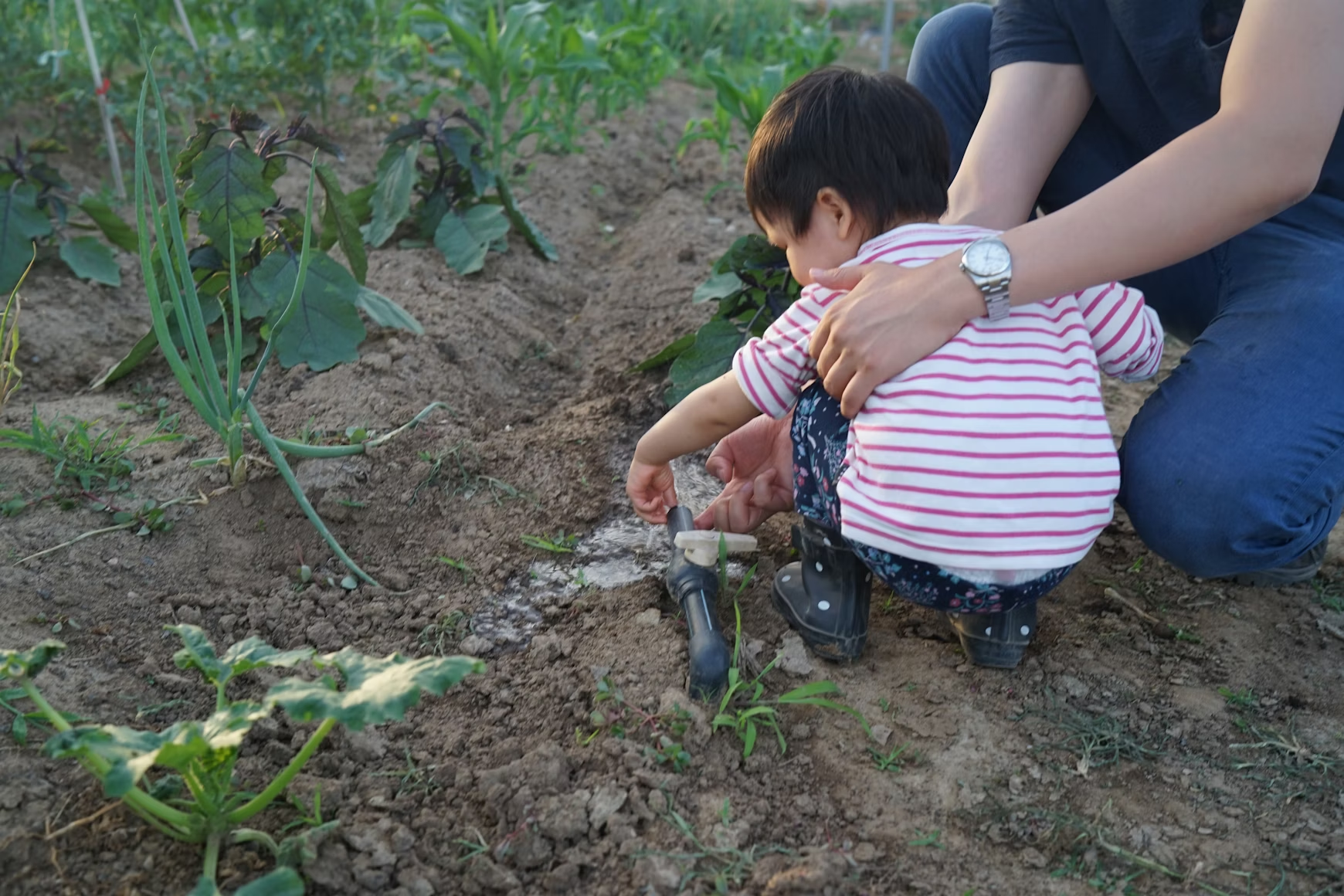
Child helping an adult with care
Image Source: Unsplash

5. You Equate Love With Helping or Fixing

When worth is tied to fixing problems, you may mistake over‑functioning for care. While dependable, this pattern can leave you depleted and prevent mutual emotional reciprocity.

6. You Fear Abandonment and Rejection

Love that felt conditional—shown only when you were useful—can create a lifelong fear of being cast aside. Insecure attachments, separation anxiety, or clinging to unhealthy relationships often stem from this early lesson.

7. You Have Trouble Trusting Others to Lead

Micromanaging, avoiding vulnerability, or reluctance to ask for help may signal a survival strategy from childhood. Being the strong one 24/7 leaves little room for rest or shared responsibility.

8. You Struggle With Emotional Regulation

If you had to suppress feelings or absorb others’ emotions, expressing your own can feel risky. Suppression often leads to depression, anxiety, or emotional shutdowns.

A helpful guide from Verywell Mind offers practical exercises for rebuilding healthy emotional skills.

You’re Allowed to Put Yourself First Now

If these signs resonate, remember: you’re not broken—you adapted to survive. Today, you no longer have to live in survival mode.

Therapy, journaling, mindfulness, and supportive relationships can help you unlearn old patterns and reclaim your own needs. Your worth has never depended on how much you carry for others.

What’s been the hardest part of unlearning parentified habits? Share your experience in the comments below—we’d love to hear from you.

Read More

  • 12 Parenting Mistakes You’re Making Right Now: Learn How to Save Your Child’s Happiness Before It’s Too Late
  • Playground Dangers: 8 Pieces of Playground Equipment That Could Seriously Injure Your Child

Samantha Warren
Samantha

Samantha Warren is a holistic marketing strategist with 8+ years of experience partnering with startups, Fortune 500 companies, and everything in between. With an entrepreneurial mindset, she excels at shaping brand narratives through data-driven, creative content. When she’s not working, Samantha loves to travel and draws inspiration from her trips to Thailand, Spain, Costa Rica, and beyond.

Filed Under: Parenting Tagged With: adult children, childhood responsibility, childhood trauma, emotional healing, family roles, parentification, parentified child

10 Signs You’re Holding onto Something That’s Hurting You

March 28, 2025 | Leave a Comment

Red heart in the palm of your hand against the background of a medical card.
Image Source: 123rf.com

We’ve all held onto something too long—whether it’s a relationship, job, habit, or even a belief. Sometimes we stay because it’s familiar. Other times, we convince ourselves we can’t walk away, even when it’s clearly hurting us. But pain doesn’t always show up as screaming chaos—it can quietly settle into your daily life. If something keeps you stuck, drained, or doubting yourself, it may be time to let go.

Here are ten signs that what you’re holding onto is hurting more than it’s helping.

1. You Feel Drained, Not Energized

Your body often knows before your mind does. If you feel emotionally or physically exhausted after engaging with a person, task, or environment, take notice. Healthy things bring energy—even when they’re challenging. Constant tiredness can be a signal that something (or someone) is silently weighing you down. Don’t ignore the fatigue that lingers without a medical explanation.

2. You Keep Replaying the Past

Do you keep mentally revisiting a decision, conversation, or situation over and over? When your mind is stuck in replay mode, it’s often because there’s unresolved pain. It could be guilt, regret, or grief—but living in the past can block your present. If your thoughts are stuck on something that already happened, it may be time to heal and move forward. Peace doesn’t live in rewind.

3. You Make Excuses for Someone’s Behavior

If you find yourself constantly justifying someone else’s actions—especially when they hurt, you—that’s a red flag. Love shouldn’t require ignoring your needs or boundaries. When you minimize your own feelings to make space for theirs, you shrink yourself. You deserve relationships where your voice is heard and respected. Let go of people who only show up halfway.

4. Your Self-Esteem Has Dropped

Toxic situations often erode your self-worth without you realizing it. If you used to feel confident and now question your value, something may be off. Healthy environments lift you up, not break you down. Pay attention to any dynamic that makes you doubt your intelligence, beauty, or capabilities. You’re not the problem—what you’re holding onto might be.

5. You Feel Anxious When You Should Feel at Peace

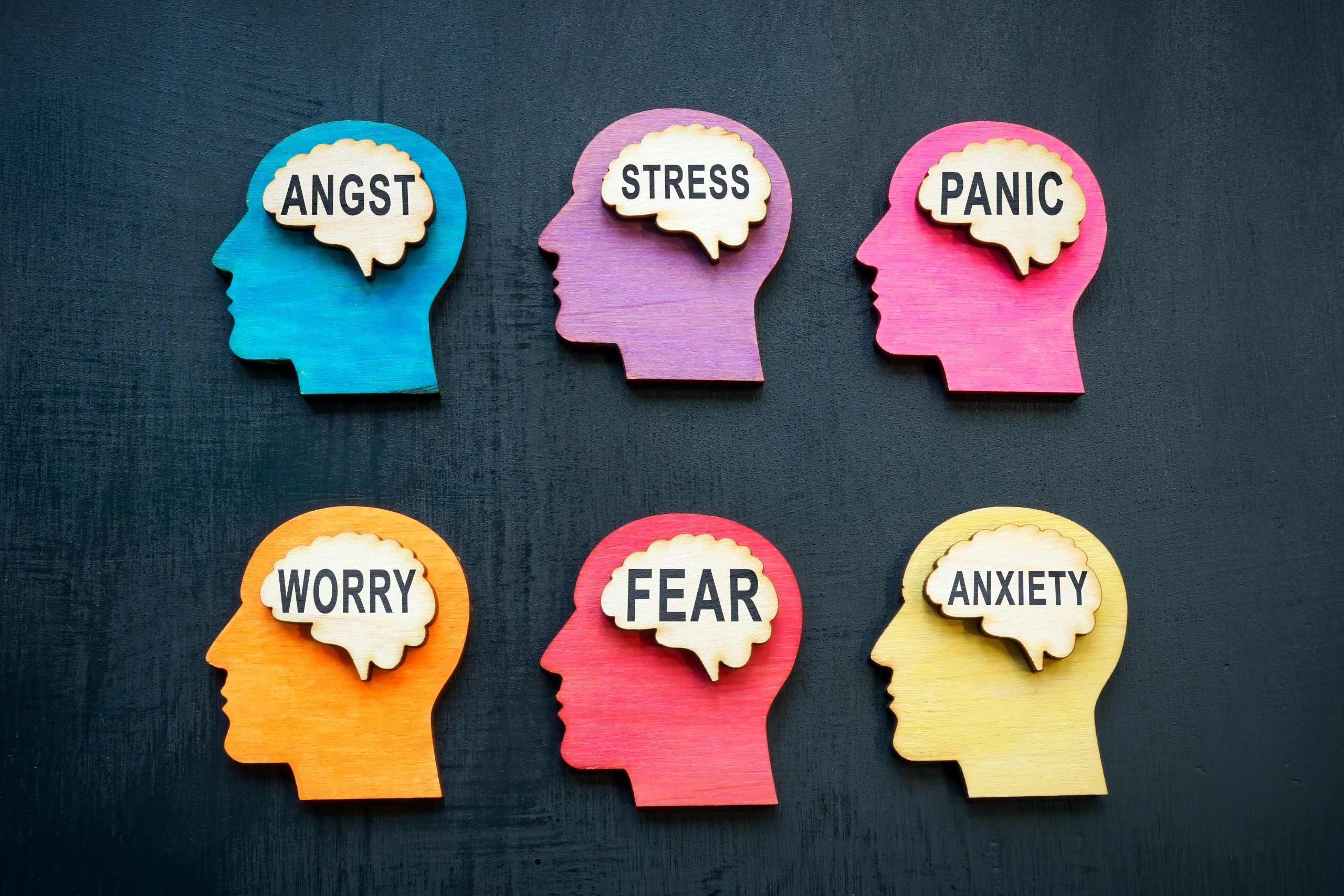
Human brains with words anxiety worry and panic. Stress at work concept.
Image Source: 123rf.com

Your gut never lies. If you get nervous before seeing someone or dread going to work each morning, your inner peace is trying to speak up. Anxiety isn’t always about fear—it’s often about your body resisting what your mind keeps choosing. Don’t ignore the tension. You deserve peace that feels natural, not forced.

6. You’re Always Waiting for Things to Get Better

Holding onto hope can be powerful—but not when it becomes self-neglect. If you keep telling yourself, “It’ll get better when…” over and over with no change in sight, that’s a pattern. Sometimes we use hope to avoid hard decisions. But waiting too long can keep you in pain. Growth happens when you take action, not just when you wish things would change.

7. You’ve Stopped Growing

If you feel stuck, stagnant, or uninspired, your environment might be stunting your growth. Growth doesn’t mean constant success—but it does mean you’re learning, evolving, and becoming more of who you are. When something you’re holding onto stops you from expanding, it becomes a cage. You were never meant to shrink yourself to fit a space you’ve outgrown.

8. You Feel Isolated or Alone

Sometimes, what you’re holding onto actually distances you from the people who care. Toxic relationships or environments can make you feel cut off from your support system. You might not talk about your pain because you’re embarrassed or afraid. But isolation feeds suffering. Pay attention to what makes you feel lonely—even when you’re not alone.

9. You Keep Ignoring Your Intuition

That little voice inside? It’s not just anxiety or overthinking—it’s your intuition. When something doesn’t feel right, your body often knows before you can explain it. If you’re constantly pushing down that inner warning, you’re silencing your own wisdom. Trusting yourself is the first step toward letting go. Your inner voice wants you to be safe and free.

10. You Can’t Picture a Future With It

Close your eyes and imagine your future five years from now. Does this situation, person, or habit fit into the life you want to create? If it’s hard to picture joy, peace, or purpose with it still in your life, that’s a sign. Don’t confuse comfort with alignment. The things meant for you won’t require constant struggle to keep them.

Letting Go Is an Act of Self-Respect

Releasing something that hurts you doesn’t mean you failed—it means you’re finally choosing you. It’s okay to outgrow people, jobs, cities, and versions of yourself. You’re allowed to walk away from anything that costs you your peace. Letting go is brave, healing, and often the first step toward something better. You don’t have to carry what’s breaking you.

Have you ever held on too long to something that wasn’t serving you? Drop a comment and share what helped you finally let go—we might help someone else do the same.

Read More:

Are You a Good Enough Parent or Striving for Impossible Perfection?

7 Reasons Parents Must Enforce Chores

Latrice Perez

Latrice is a dedicated professional with a rich background in social work, complemented by an Associate Degree in the field. Her journey has been uniquely shaped by the rewarding experience of being a stay-at-home mom to her two children, aged 13 and 5. This role has not only been a testament to her commitment to family but has also provided her with invaluable life lessons and insights.  As a mother, Latrice has embraced the opportunity to educate her children on essential life skills, with a special focus on financial literacy.

Filed Under: Mental Health Tagged With: anxiety, emotional healing, intuition, letting go, Mental Health, personal growth, self-care, self-esteem, toxic relationships

  • Facebook
  • Pinterest
  • RSS
  • Twitter

Basic Principles Of Good Parenting

Here some basic principles for good parenting:

  1. What You Do Matters: Your kids are watching you. So, be purposeful about what you want to accomplish.
  2. You Can’t be Too Loving: Don’t replace love with material possessions, lowered expectations or leniency.
  3. Be Involved Your Kids Life: Arrange your priorities to focus on what your kid’s needs. Be there mentally and physically.
  4. Adapt Your Parenting: Children grow quickly, so keep pace with your child’s development.
  5. Establish and Set Rules: The rules you set for children will establish the rules they set for themselves later.  Avoid harsh discipline and be consistent.
  6. Explain Your Decisions: What is obvious to you may not be evident to your child. They don’t have the experience you do.
  7. Be Respectful To Your Child: How you treat your child is how they will treat others.  Be polite, respectful and make an effort to pay attention.
Best Parenting Blogs

Most Popular

Baby Girl

12 “Grandma” Baby Names That Are Suddenly Cool Again

Evan Morgan
Baby

9 Baby Names That Sound Rare Without Being Hard to Spell

Evan Morgan
Target Store

Choking Incident Prompts Recall of 49,000 Target Gigglescape “Under the Sea” Popping Toys

Evan Morgan
Frustrated Girl

Why Some Students on the Spectrum Are Labeled With ODD

Evan Morgan
Coke Bottles

12 Things Kids Took to School in the ’70s That Would Never Be Allowed Today

Evan Morgan

All content on Kids Ain’t Cheap is for entertainment purposes only. By reading this blog, you agree that Kids Ain’t Cheap is not responsible for any actions taken after reading this blog. For the full disclaimer, see our privacy policy.

Please note that Kids Ain’t Cheap has financial relationships with some of the merchants mentioned here. Kids Ain’t Cheap is funded by banner advertising, commission sales and search optimization consulting.

Copyright © 2006–2026 | District Media | All Rights Reserved | Privacy Policy

Copyright © 2026 Runway Pro Theme by Viva la Violette