• Home
  • About Us
  • Toolkit
  • Archives
  • Advertise
  • Privacy Policy

Kids Ain't Cheap

But They Sure Are Worth It

  • Parenting
    • Baby Stuff
    • Books and Reading
      • Aesops Fables
      • Comic Books
    • Education
    • Family Time
    • Green Living
    • Growing Up
    • Healthy Living & Eating
    • Holidays
    • Parenting
    • Random Musings
    • Shopping
    • Stuff to Do
  • Money
  • Product Reviews
    • Books and Magazines
    • Discount Sites
    • Furniture
    • House Keeping
    • Reviews News
    • Toys and Games
  • Contact Us
  • Our Editorial Commitment
  • Search

The Growing Parent Revolt Against School-Issued Devices

June 2, 2026 | Leave a Comment

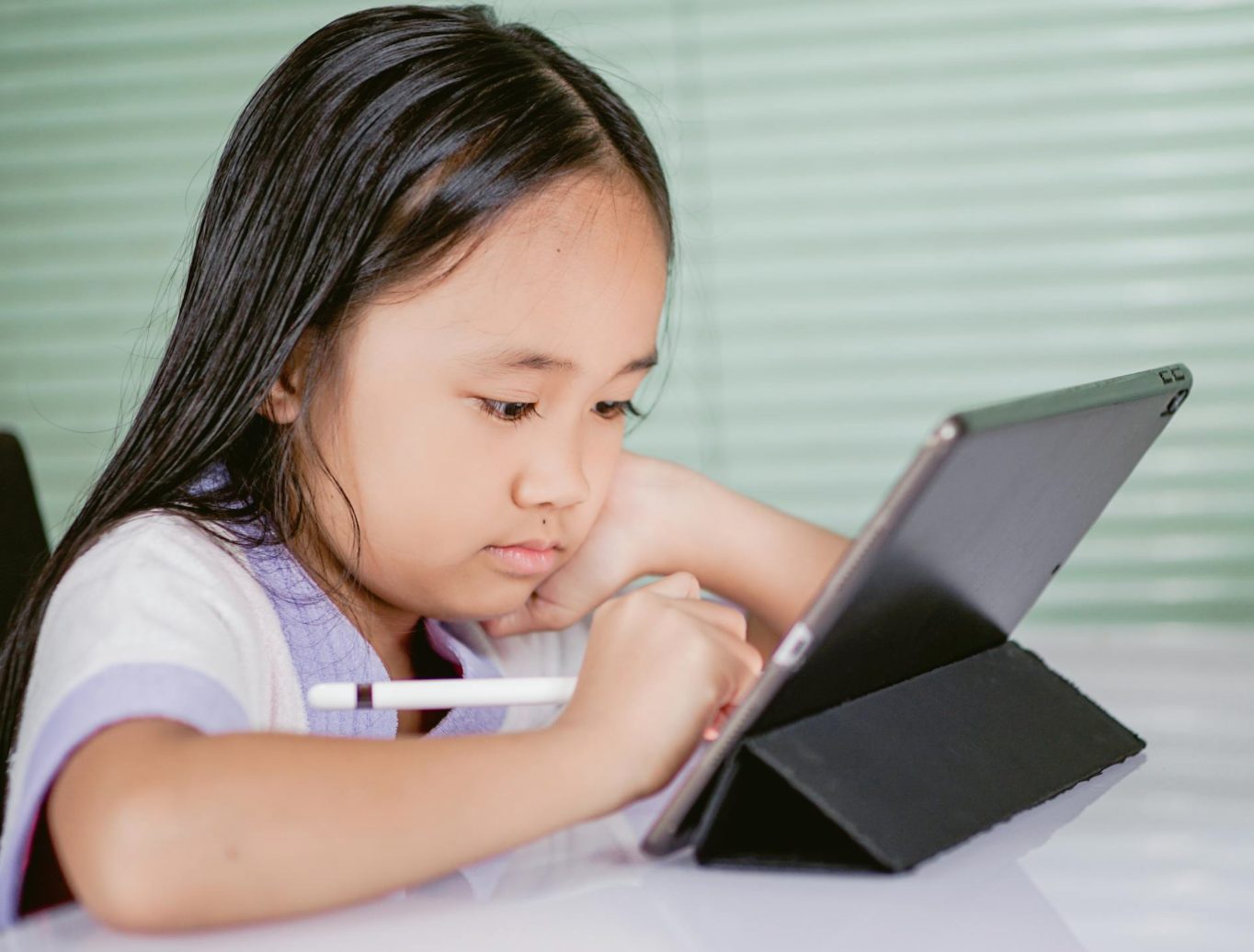
Child Using Tablet
More parents are questioning whether school-issued laptops and tablets are helping or hurting students as concerns grow over excessive screen time, attention problems, sleep disruption, and digital overload. Some schools are now scaling back device programs and reconsidering how much technology children truly need in the classroom. Pexels

For years, schools promoted laptops, tablets, and Chromebooks as essential learning tools. But across the U.S., a growing number of parents are pushing back against school-issued devices, arguing that constant screen exposure is hurting focus, sleep, behavior, and family life. What began as support for digital learning during the pandemic has evolved into a deeper debate about how much technology children actually need in the classroom. Increasingly, parents are asking a once-unthinkable question: Did schools go too far with screens?

Why Parents Are Questioning School-Issued Devices

Many families say school-issued devices have quietly expanded children’s daily screen time beyond what parents intended. A child who already uses screens for homework, entertainment, and communication may now spend six to eight hours using a school laptop before even getting home. Some parents describe a familiar struggle: they enforce screen limits at home, only to discover assignments, quizzes, and even reading time are locked behind digital platforms. The concern is not simply about technology itself but about losing control over how, when, and why children use it. For many households, the classroom screen has become a kitchen conflict.

The Pandemic Changed Everything About Classroom Technology

Before 2020, one-to-one device programs were growing steadily, but the pandemic dramatically accelerated adoption. Schools rushed to distribute laptops and tablets so students could attend virtual classes, submit work, and stay connected. According to the National Center for Education Statistics, by the 2021–2022 school year, 96% of public schools reported providing digital devices to students who needed them. That emergency solution helped millions of children continue learning during lockdowns. Now, however, parents and educators are reexamining whether pandemic-era technology habits should remain the default in traditional classrooms.

Parents Are Raising Concerns About Learning, Attention, and Mental Health

Critics of school-issued devices are not arguing that technology has no educational value. Instead, many question whether heavy daily screen use improves learning outcomes, especially for younger students. Parents report seeing children distracted by games, YouTube, chat functions, and endless browser tabs during lessons that were supposed to be educational. Some also worry about reduced handwriting practice, weaker reading stamina, and growing dependence on digital shortcuts like answer-generating apps. Pediatric experts and researchers have long linked excessive screen use with concerns involving sleep disruption, attention problems, and emotional regulation, making the classroom debate feel more urgent for families already struggling with screen overload.

Some Schools Are Beginning to Pull Back

Interestingly, the backlash is not coming only from parents. Some school districts are starting to scale back school-issued devices for younger grades, limit take-home programs, or return to more paper-based instruction. Other districts have cited rising repair costs, inappropriate device use, and concerns about educational effectiveness when adjusting their policies. These shifts suggest the conversation is moving beyond a simple “technology versus no technology” debate and toward finding a healthier balance. Schools are increasingly under pressure to prove that classroom technology truly supports learning outcomes.

The Bigger Question Parents Want Schools to Answer

The growing parent revolt against school-issued devices reflects a larger concern about childhood, learning, and digital life. Families want evidence that classroom technology genuinely improves education rather than simply replacing paper with pixels. They also want transparency about screen-time expectations, data privacy, and how schools evaluate whether these programs are working. As schools rethink post-pandemic education models, parents are demanding a stronger voice in decisions that affect their children every day. The future of classroom technology may not be less digital, but it will likely face far more scrutiny.

The Real Challenge Is Finding a Smarter Digital Balance

The debate over school-issued devices is not likely to disappear anytime soon. Parents, teachers, and administrators all want students prepared for a digital world, but they may disagree on how much screen exposure is necessary to get there. The strongest solutions will probably combine thoughtful technology use with proven traditional learning methods instead of treating screens as automatic upgrades.

If your child uses school-issued devices every day, do you think they are helping education, hurting focus, or doing a little of both? What changes would you like schools to make regarding classroom technology? Share your thoughts and experiences in the comments — your perspective could help drive an important conversation.

What to Read Next

Why Schools Are Quietly Replacing Librarians with ‘Digital Media Specialists’

6 Ways to Entertain a Toddler for Free Without a Tablet

7 Winter Boredom Busters Under $10 That Teachers Recommend Over Tablets

Evan Morgan

Evan Morgan has been a full-time freelance writer and editor for 10+ years. When not working, he enjoys catching the latest true crime documentary or getting lost in a good book.

Filed Under: Parenting Tagged With: Chromebooks, classroom technology, digital learning, edtech, education, Parenting, school technology, school-issued devices, Screen Time, student mental health

7 Ways Schools Are Secretly Tracking Kids and Parents

August 9, 2025 | Leave a Comment

7 Ways Schools Are Secretly Tracking Kids and Parents
Image source: 123rf.com

Most parents assume that when they drop their child off at school, privacy is still respected. But in today’s tech-driven learning environments, that’s not always the case. From seemingly harmless apps to facial recognition systems, many families are unaware of just how closely schools monitor not just students, but also their parents. Understanding the ways schools are secretly tracking kids and parents is more important than ever, especially if you’re concerned about data privacy, consent, and long-term digital footprints. Here are seven tracking methods parents should know about—because what you don’t know could affect your entire household.

1. Learning Management Systems That Monitor Everything

Digital platforms like Google Classroom, Canvas, and Schoology make virtual learning more accessible, but they also quietly collect large amounts of data. These systems track logins, time spent on assignments, keystroke activity, and even how long students pause between tasks. Some can identify patterns in performance and alert teachers if something seems “off,” but that often means data is constantly analyzed without student awareness. Parents, too, are looped in through access portals, which log when you check grades or respond to messages. While the intent is academic support, the level of monitoring raises real questions about consent and surveillance.

2. RFID Chips in Student IDs

Some schools have embedded RFID (radio-frequency identification) chips into student ID cards. These chips track a student’s location throughout the school day—entering classrooms, leaving the building, even standing in line for lunch. Schools use this to monitor attendance and improve safety, but it also means your child’s movements are constantly logged. Few parents are aware of how granular this tracking really is or how long the data is stored. Privacy advocates warn this kind of surveillance sets a troubling precedent for normalizing constant monitoring from a young age.

3. Surveillance Cameras and Facial Recognition

Cameras in school hallways used to be about preventing fights or vandalism. Now, with the rise of facial recognition software, those cameras are doing a lot more than watching. Some schools use AI-powered systems to identify students by name, analyze body language, and even flag perceived emotional distress. In some cases, these systems are also capable of identifying parents or visitors. If your child’s face is part of a biometric database, it raises big concerns about where that information goes and how securely it’s stored.

4. School-Issued Devices with Built-In Monitoring

Many schools provide students with Chromebooks, tablets, or laptops—but they often come loaded with spyware-like programs. These tools track everything from browsing history to document edits, even outside school hours. Some programs take screenshots, record web usage, or prevent students from accessing certain content. While they’re designed to keep kids on task, parents rarely get a full breakdown of what’s being tracked or when. If your child uses a school-issued device at home, assume you’re being watched, too.

5. Apps That Track Parent Behavior

It’s not just the kids under scrutiny. Many schools now use apps like ClassDojo, Remind, or Bloomz to communicate with parents—but they also log your engagement. These platforms track whether you open messages, how quickly you respond, and how often you interact with teachers or school events. Some systems score parental involvement as a performance metric. While it might seem like a great way to stay informed, the idea that your responsiveness is being measured may feel a bit intrusive. Many parents don’t realize their digital parenting style is part of the school’s data profile.

6. GPS on School Buses and Pick-Up Apps

Real-time tracking tools on school buses help parents know when their child is picked up or dropped off. But these GPS systems also feed location data into broader school databases. In combination with pick-up apps that log your arrival and who you’re with, schools can build detailed location histories for both students and guardians. While it might improve safety, it also creates a persistent log of where you’ve been and when. That’s a lot of information to be stored without explicit permission or clear deletion policies.

7. Online Behavior Monitoring and Social Media Scraping

Some districts now employ third-party services to monitor students’ online activity, even off-campus. These systems scan public social media posts, online forums, and comments for signs of violence, bullying, or depression. While safety is the main goal, these tools can flag content that’s taken out of context or invade what used to be personal time. Some schools even use keywords to track family-related posts involving parents. If your teen vents online about a bad grade or shares family struggles, that post could be silently flagged and sent to administrators.

Awareness Is the First Line of Defense

The many ways schools are secretly tracking kids and parents should give families pause before blindly accepting every new system or tool. While safety and academic success are valid goals, they shouldn’t come at the expense of privacy or trust. The problem isn’t always the technology itself, but how it’s used without full transparency. Ask questions, review data policies, and don’t be afraid to opt out of programs that make you uncomfortable. As technology in education grows, so does the need for families to advocate for clearer boundaries and better protection.

Did any of these surprise you? Which tracking method do you find most concerning—and why? Join the conversation in the comments below.

Read More:

9 Privacy Settings You Didn’t Know Existed for Kids’ Devices

12 Steps to Secure Your Child’s Digital Footprint for Life

Catherine Reed
Catherine Reed

Catherine is a tech-savvy writer who has focused on the personal finance space for more than eight years. She has a Bachelor’s in Information Technology and enjoys showcasing how tech can simplify everyday personal finance tasks like budgeting, spending tracking, and planning for the future. Additionally, she’s explored the ins and outs of the world of side hustles and loves to share what she’s learned along the way. When she’s not working, you can find her relaxing at home in the Pacific Northwest with her two cats or enjoying a cup of coffee at her neighborhood cafe.

Filed Under: Education Tagged With: child safety, digital tracking, education technology, parental rights, privacy concerns, school data collection, school surveillance, school-issued devices, student privacy

  • Facebook
  • Pinterest
  • RSS
  • Twitter

Basic Principles Of Good Parenting

Here some basic principles for good parenting:

  1. What You Do Matters: Your kids are watching you. So, be purposeful about what you want to accomplish.
  2. You Can’t be Too Loving: Don’t replace love with material possessions, lowered expectations or leniency.
  3. Be Involved Your Kids Life: Arrange your priorities to focus on what your kid’s needs. Be there mentally and physically.
  4. Adapt Your Parenting: Children grow quickly, so keep pace with your child’s development.
  5. Establish and Set Rules: The rules you set for children will establish the rules they set for themselves later.  Avoid harsh discipline and be consistent.
  6. Explain Your Decisions: What is obvious to you may not be evident to your child. They don’t have the experience you do.
  7. Be Respectful To Your Child: How you treat your child is how they will treat others.  Be polite, respectful and make an effort to pay attention.
Best Parenting Blogs

Most Popular

Baby

9 Unusual Baby Names That Sound Like They Belong to Future CEOs

Evan Morgan
Baby

10 Baby Names That Were Once Considered “Grandparent Names” but Feel Cool Again

Evan Morgan
Target Store

Choking Incident Prompts Recall of 49,000 Target Gigglescape “Under the Sea” Popping Toys

Evan Morgan
Frustrated Girl

Why Some Students on the Spectrum Are Labeled With ODD

Evan Morgan
Coke Bottles

12 Things Kids Took to School in the ’70s That Would Never Be Allowed Today

Evan Morgan

All content on Kids Ain’t Cheap is for entertainment purposes only. By reading this blog, you agree that Kids Ain’t Cheap is not responsible for any actions taken after reading this blog. For the full disclaimer, see our privacy policy.

Please note that Kids Ain’t Cheap has financial relationships with some of the merchants mentioned here. Kids Ain’t Cheap is funded by banner advertising, commission sales and search optimization consulting.

Copyright © 2006–2026 | District Media | All Rights Reserved | Privacy Policy

Copyright © 2026 Runway Pro Theme by Viva la Violette