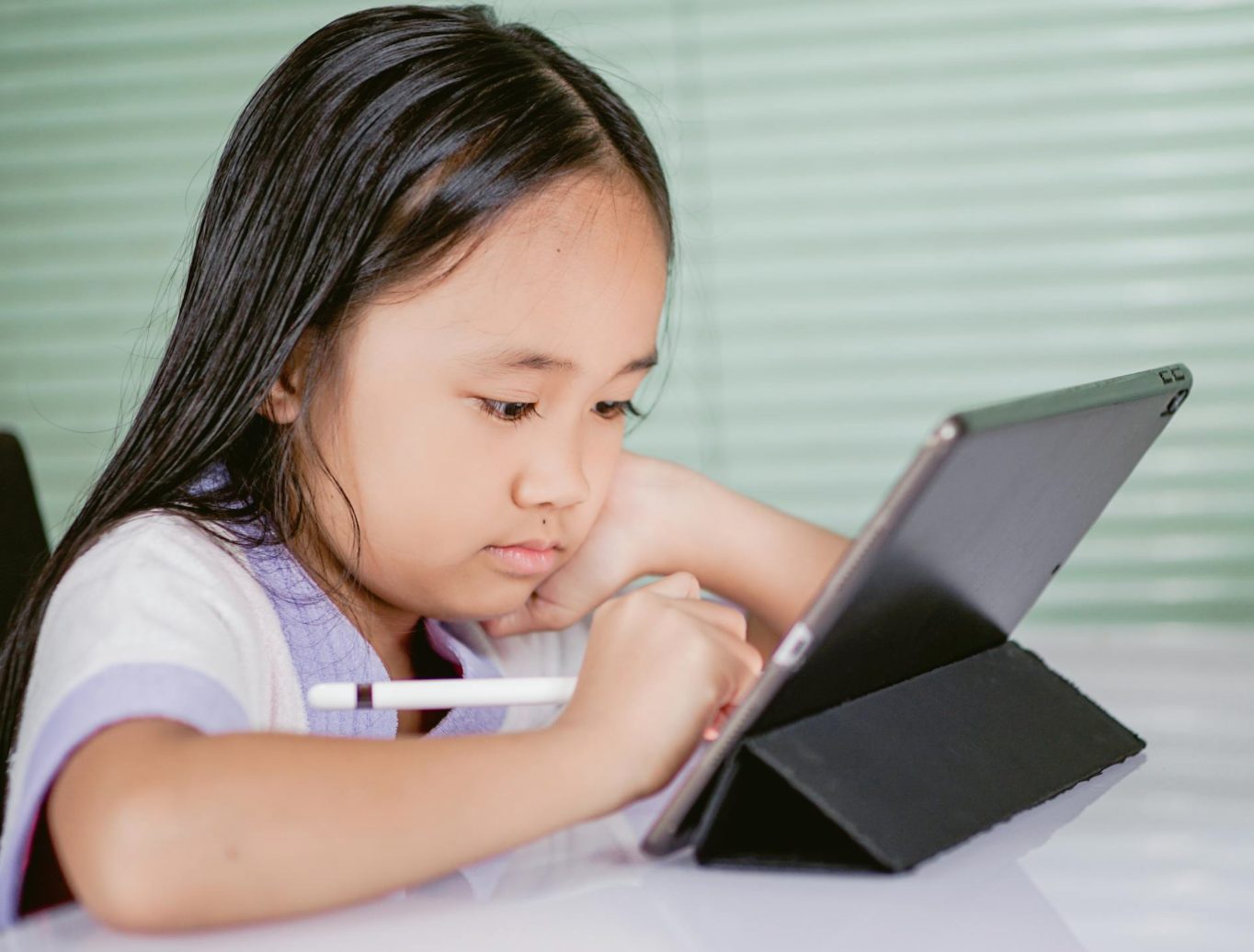
For years, schools promoted laptops, tablets, and Chromebooks as essential learning tools. But across the U.S., a growing number of parents are pushing back against school-issued devices, arguing that constant screen exposure is hurting focus, sleep, behavior, and family life. What began as support for digital learning during the pandemic has evolved into a deeper debate about how much technology children actually need in the classroom. Increasingly, parents are asking a once-unthinkable question: Did schools go too far with screens?
Why Parents Are Questioning School-Issued Devices
Many families say school-issued devices have quietly expanded children’s daily screen time beyond what parents intended. A child who already uses screens for homework, entertainment, and communication may now spend six to eight hours using a school laptop before even getting home. Some parents describe a familiar struggle: they enforce screen limits at home, only to discover assignments, quizzes, and even reading time are locked behind digital platforms. The concern is not simply about technology itself but about losing control over how, when, and why children use it. For many households, the classroom screen has become a kitchen conflict.
The Pandemic Changed Everything About Classroom Technology
Before 2020, one-to-one device programs were growing steadily, but the pandemic dramatically accelerated adoption. Schools rushed to distribute laptops and tablets so students could attend virtual classes, submit work, and stay connected. According to the National Center for Education Statistics, by the 2021–2022 school year, 96% of public schools reported providing digital devices to students who needed them. That emergency solution helped millions of children continue learning during lockdowns. Now, however, parents and educators are reexamining whether pandemic-era technology habits should remain the default in traditional classrooms.
Parents Are Raising Concerns About Learning, Attention, and Mental Health
Critics of school-issued devices are not arguing that technology has no educational value. Instead, many question whether heavy daily screen use improves learning outcomes, especially for younger students. Parents report seeing children distracted by games, YouTube, chat functions, and endless browser tabs during lessons that were supposed to be educational. Some also worry about reduced handwriting practice, weaker reading stamina, and growing dependence on digital shortcuts like answer-generating apps. Pediatric experts and researchers have long linked excessive screen use with concerns involving sleep disruption, attention problems, and emotional regulation, making the classroom debate feel more urgent for families already struggling with screen overload.
Some Schools Are Beginning to Pull Back
Interestingly, the backlash is not coming only from parents. Some school districts are starting to scale back school-issued devices for younger grades, limit take-home programs, or return to more paper-based instruction. Other districts have cited rising repair costs, inappropriate device use, and concerns about educational effectiveness when adjusting their policies. These shifts suggest the conversation is moving beyond a simple “technology versus no technology” debate and toward finding a healthier balance. Schools are increasingly under pressure to prove that classroom technology truly supports learning outcomes.
The Bigger Question Parents Want Schools to Answer
The growing parent revolt against school-issued devices reflects a larger concern about childhood, learning, and digital life. Families want evidence that classroom technology genuinely improves education rather than simply replacing paper with pixels. They also want transparency about screen-time expectations, data privacy, and how schools evaluate whether these programs are working. As schools rethink post-pandemic education models, parents are demanding a stronger voice in decisions that affect their children every day. The future of classroom technology may not be less digital, but it will likely face far more scrutiny.
The Real Challenge Is Finding a Smarter Digital Balance
The debate over school-issued devices is not likely to disappear anytime soon. Parents, teachers, and administrators all want students prepared for a digital world, but they may disagree on how much screen exposure is necessary to get there. The strongest solutions will probably combine thoughtful technology use with proven traditional learning methods instead of treating screens as automatic upgrades.
If your child uses school-issued devices every day, do you think they are helping education, hurting focus, or doing a little of both? What changes would you like schools to make regarding classroom technology? Share your thoughts and experiences in the comments — your perspective could help drive an important conversation.
What to Read Next
Why Schools Are Quietly Replacing Librarians with ‘Digital Media Specialists’
6 Ways to Entertain a Toddler for Free Without a Tablet
7 Winter Boredom Busters Under $10 That Teachers Recommend Over Tablets

Evan Morgan has been a full-time freelance writer and editor for 10+ years. When not working, he enjoys catching the latest true crime documentary or getting lost in a good book.
