• Home
  • About Us
  • Toolkit
  • Archives
  • Advertise
  • Privacy Policy

Kids Ain't Cheap

But They Sure Are Worth It

  • Parenting
    • Baby Stuff
    • Books and Reading
      • Aesops Fables
      • Comic Books
    • Education
    • Family Time
    • Green Living
    • Growing Up
    • Healthy Living & Eating
    • Holidays
    • Parenting
    • Random Musings
    • Shopping
    • Stuff to Do
  • Money
  • Product Reviews
    • Books and Magazines
    • Discount Sites
    • Furniture
    • House Keeping
    • Reviews News
    • Toys and Games
  • Contact Us
  • Our Editorial Commitment
  • Search

The 5 “Educational” Apps That Teachers Say Are Actually Hurting Grades

February 1, 2026 | Leave a Comment

The 5
Image Source: Shutterstock.com

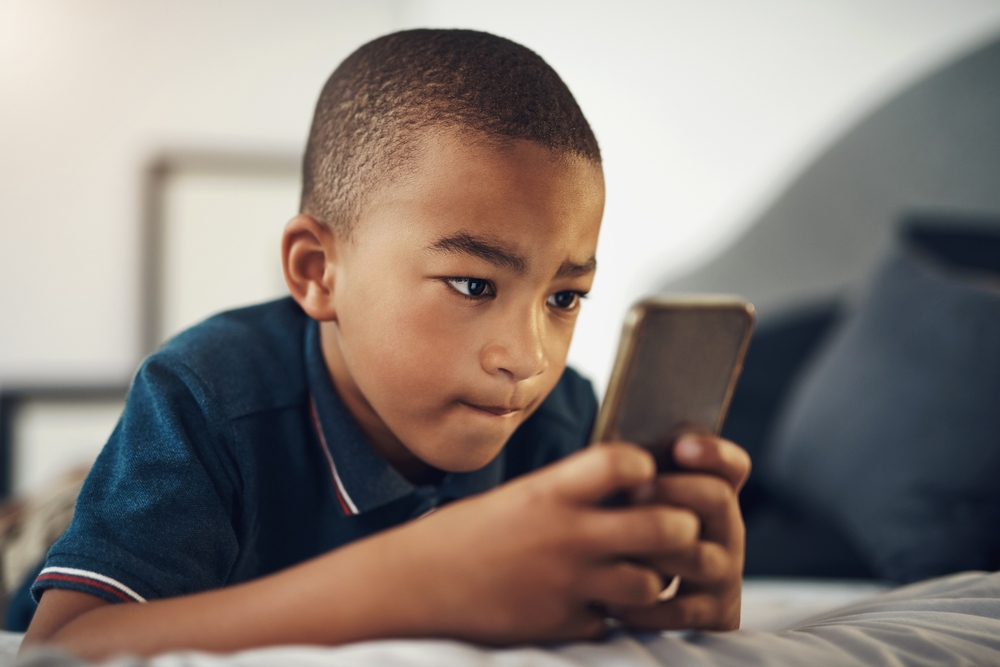
Parents download them with the best intentions, kids love them instantly, and the marketing promises smarter, faster, better learning. The problem? Teachers across classrooms are noticing a growing disconnect between what these “educational” apps promise and what students actually bring into school.

Many of these platforms look productive on the surface, but they quietly train habits that work against real learning—short attention spans, shallow thinking, and dependence on instant feedback. Grades don’t drop overnight, but teachers say the long-term effects show up in focus, effort, and resilience.

1. Gamified Learning Apps That Reward Speed Over Thinking

Gamified learning apps turn education into points, badges, streaks, and dopamine loops, which sounds great until students stop caring about understanding. Teachers say kids often rush through questions just to keep their streaks alive, clicking answers instead of thinking critically.

Over time, students associate learning with speed, not depth, and accuracy becomes secondary to rewards. This creates classroom habits where students expect constant stimulation and instant validation. When real schoolwork requires patience, revision, and struggle, frustration kicks in fast. A healthier approach is using these apps as occasional practice tools, not daily learning replacements, and pairing them with slower, deeper offline learning.

2. Video-Based Learning Platforms That Encourage Passive Watching

Video learning platforms feel productive because students are “watching lessons,” but teachers report a growing problem with passive consumption. Kids often let videos play without processing, pausing, or applying the information.

Learning turns into background noise instead of active engagement. Teachers notice that students who rely heavily on video apps struggle with recall, problem-solving, and independent thinking. Real learning requires interaction, not just exposure to information. Parents can help by encouraging note-taking, discussion, and application after videos instead of treating watching as learning.

3. Homework Helper Apps That Do Too Much Of The Work

Some apps promise help with homework but end up doing the thinking for the student. Teachers see assignments completed correctly but with no understanding behind the answers. This creates a dangerous illusion of learning where grades may look fine temporarily, but skills collapse during tests and in-class work.

Students lose problem-solving confidence because they rely on tools instead of their own thinking. Over time, academic independence disappears. If kids use help apps, they should explain the reasoning out loud or write out the steps, turning help into learning instead of shortcuts.

4. Study Apps Built On Constant Notifications And Alerts

Many “productivity” and study apps flood students with reminders, streak alerts, and achievement pop-ups. Teachers say this trains kids to depend on external prompts instead of building internal discipline. Focus becomes fragmented because students constantly switch attention between tasks and notifications.

This weakens sustained concentration, which is critical for reading, writing, and complex problem-solving. In class, this shows up as restlessness, distraction, and low mental stamina. Turning off notifications and setting specific app usage times helps rebuild attention control.

The 5
Image Source: Shutterstock.com

5. Educational Games That Blur Learning With Entertainment

Some apps blend games and learning so closely that kids engage more with the entertainment than the education. Teachers report students who love the games but can’t explain what they learned. The brain remembers rewards, characters, and animations, not concepts. This creates surface-level familiarity without deep understanding.

When tested on real material, performance drops because the learning never fully formed. Parents can balance this by pairing educational games with real-world application, like discussing concepts or practicing skills offline.

The Real Issue Isn’t Technology—It’s How It Trains The Brain

Teachers don’t hate educational apps, and most don’t want screens banned from learning. The real issue is how certain apps train attention, motivation, and thinking patterns that clash with how real learning works. Apps that reward speed, shortcuts, and constant stimulation make classrooms harder for students to navigate. Learning requires patience, effort, boredom tolerance, and focus—skills that many apps quietly weaken.

Which app does your child love that you’re now questioning—and what changes are you willing to make to protect their focus and learning long-term? Let’s hear about it below.

You May Also Like…

8 Children’s Apps That Are Secretly Tracking More Than Location

5 Ways Bullying Apps Are Operating Without School Oversight

Should Parents Be Tracking Their Teens with AI-Powered Apps?

How Your Child’s Cell Phone Could Now Ruin Them In School

Should You Let Your Child Keep Their Smartphone Overnight?

Brandon Marcus
Brandon Marcus
Brandon Marcus is a writer who has been sharing the written word since a very young age. His interests include sports, history, pop culture, and so much more. When he isn’t writing, he spends his time jogging, drinking coffee, or attempting to read a long book he may never complete.

Filed Under: Education Tagged With: classroom behavior, digital learning, education apps, homework habits, kids and tech, learning technology, parenting tips, school success, Screen Time, student focus, student performance

The Truth About Screens: 9 Apps Your Kids Use That Secretly Collect Data

July 22, 2025 | Leave a Comment

The Truth About Screens 9 Apps Your Kids Use That Secretly Collect Data
Image source: 123rf.com

You’ve probably checked for age ratings, double-checked screen time limits, and made sure your child isn’t exposed to inappropriate content. But there’s a hidden digital threat that flies under most parents’ radar—apps your kids use that secretly collect data. Even harmless-looking games, learning platforms, or creative apps can gather personal information like location, device habits, browsing behavior, or even voice recordings. What’s worse is that this data is often sold, shared, or stored without your knowledge, sometimes violating privacy laws meant to protect children. Here are 9 popular apps parents trust—but should definitely look into more closely.

1. TikTok

While officially recommended for users 13 and older, many younger kids still find their way onto TikTok. The app has faced multiple investigations and fines for tracking user data, including information from minors. Among apps your kids use that secretly collect data, TikTok is a top offender due to how it tracks usage habits, device identifiers, and even location information. Even in “private” mode, the app gathers metadata from video views and interactions. Parents should explore TikTok’s Family Pairing options or consider alternatives with more transparent data practices.

2. YouTube and YouTube Kids

YouTube Kids was created to offer a safer space for young viewers, but that doesn’t mean it’s free from data collection. The platform has been accused of collecting viewing history and device info, even when parental controls are on. For many families, this is one of the most trusted apps your kids use that secretly collect data, simply because it feels child-friendly on the surface. Keep in mind that any personalized recommendations come from data tracking, which may include search terms and watch behavior. Consider using ad-free options or limiting permissions in your child’s profile settings.

3. Roblox

Roblox is wildly popular for its games, avatars, and in-game purchases—but it also collects a lot of data. This includes chat history, location data, friends lists, and how your child interacts within the game. Like many apps your kids use that secretly collect data, it runs targeted ads and stores behavioral profiles to better monetize user activity. While it offers parental controls, it still tracks a surprising amount of behind-the-scenes data. Regularly review your child’s privacy settings and use a restricted account whenever possible.

4. Snapchat

Snapchat is often used by tweens and teens, despite being labeled 13+. The app is known for its disappearing messages, but that doesn’t mean your child’s data disappears with them. Snapchat collects contact lists, device identifiers, usage data, and even geolocation, especially if Snap Map is enabled. It’s one of those apps your kids use that secretly collect data even when they aren’t actively posting. Disable Snap Map, turn off location services, and have a conversation with your child about privacy before allowing use.

5. Zoom

Now commonly used for virtual school or chats with family, Zoom might not strike you as a data risk. But like other platforms, it collects usage logs, device information, and meeting metadata—sometimes more than you realize. For younger users, Zoom’s data handling has faced criticism, especially in education settings where consent isn’t always clearly outlined. Among apps your kids use that secretly collect data, Zoom’s presence in classrooms means parents should understand what’s shared and what’s optional. Check your child’s school settings or personal account privacy policy to see what data is being stored.

6. Duolingo

This popular language-learning app is educational, engaging, and surprisingly aggressive with its data tracking. Duolingo collects device info, user behavior, and performance analytics. While not as flashy as other apps your kids use that secretly collect data, it quietly builds user profiles to improve engagement and advertising. Even if your child is learning French or Spanish, the app may be learning more about them than you’d like. Be sure to review data-sharing permissions in the account settings and avoid logging in with social media accounts.

7. Minecraft (Mobile Version)

Minecraft on mobile devices, especially the Bedrock Edition, is connected to Microsoft accounts and comes with data collection tied to Xbox services. It tracks user activity, session lengths, and online interactions—even in creative mode. Though it’s not malicious, Minecraft remains one of the apps your kids use that secretly collect data, particularly through in-game purchases and online play. Parents should explore Family Safety tools in Microsoft’s dashboard and limit multiplayer access for younger players.

8. Facebook Messenger Kids

Facebook (now Meta) created Messenger Kids as a safer alternative to adult messaging platforms, but data concerns remain. While it’s promoted as COPPA-compliant, the app still gathers usage data, contacts, and interaction metrics. Among apps your kids use that secretly collect data, this one raises eyebrows simply because of its ties to Meta’s larger advertising ecosystem. Although it offers some strong parental controls, be mindful of what’s shared and how it’s stored. Monitor conversations regularly and avoid linking accounts that could expose more family data.

9. Candy Crush and Other “Free” Games

Many free-to-play games, including Candy Crush and similar titles, rely heavily on third-party advertising networks. These games track in-app behavior, device IDs, and location in order to serve personalized ads. Since they’re marketed as harmless and fun, they fall into the category of apps your kids use that secretly collect data without most parents noticing. Avoid logging in with a social media account, decline ad tracking permissions, and keep the games in guest mode when possible.

Knowledge is the Best Parental Control

When it comes to screen time, the real risk isn’t always what your child is watching—it’s what the app is watching them. Many apps your kids use that secretly collect data hide behind colorful graphics and educational content, but still gather information that can be used, shared, or sold. As a parent, you don’t have to avoid screens altogether—you just need to be a little more data-aware. Reviewing app permissions, checking privacy settings, and reading the fine print are small steps that make a big difference in your child’s digital safety.

Were you surprised by how much data these apps collect? Which ones do you monitor or avoid at home? Let’s talk privacy in the comments.

Read More:

6 Legal Protections for Your Child’s Digital Footprint

8 Privacy Concerns with Kids’ Wearables Tracking Them

Catherine Reed
Catherine Reed

Catherine is a tech-savvy writer who has focused on the personal finance space for more than eight years. She has a Bachelor’s in Information Technology and enjoys showcasing how tech can simplify everyday personal finance tasks like budgeting, spending tracking, and planning for the future. Additionally, she’s explored the ins and outs of the world of side hustles and loves to share what she’s learned along the way. When she’s not working, you can find her relaxing at home in the Pacific Northwest with her two cats or enjoying a cup of coffee at her neighborhood cafe.

Filed Under: Parenting Tagged With: app safety, apps your kids use that secretly collect data, child online privacy, data collection in apps, digital parenting, internet safety for kids, kids and tech, screen time safety

The Real Reason: Your Child’s Favorite Toy Is Secretly Spying

July 21, 2025 | Leave a Comment

The Real Reason Your Childs Favorite Toy Is Secretly Spying
Image source: 123rf.com

It talks, it sings, it answers questions—but could your child’s beloved toy be doing more than just entertaining? In today’s tech-driven world, many smart toys are embedded with microphones, cameras, and Wi-Fi connections that parents often overlook. These features can provide fun interactions, but they also open the door to serious privacy risks. The unsettling truth is that your child’s favorite toy might be collecting far more information than you realize. From recording conversations to sharing data with third parties, here’s how innocent playtime may be putting your family’s privacy in jeopardy.

1. Smart Toys Are Listening—Even When You’re Not

Many internet-connected toys come with built-in voice recognition software, allowing them to respond when your child speaks. What’s not always clear is that these toys often record and store conversations to improve performance or send data to manufacturers. That means your child’s favorite toy could be capturing personal information like names, routines, and even background conversations. In some cases, these recordings are saved on external servers for analysis, creating a data trail most parents never intended. If the toy doesn’t clearly state when it’s listening, you may never know how often your privacy is compromised.

2. Weak Security Makes Toys an Easy Target for Hackers

Smart toys aren’t known for top-tier cybersecurity. In fact, many are rushed to market with minimal protection in place, making them an easy entry point for hackers. Once compromised, your child’s favorite toy could allow someone to access audio, video, or even your home’s network. This can turn a playful product into a digital spy that watches and listens without your knowledge. Always research whether a toy uses secure, encrypted connections before bringing it into your home.

3. Toys With Cameras May Be Capturing More Than Smiles

Video-enabled toys, like interactive pets or child-friendly tablets, may offer fun photo features—but they’re also capable of silently snapping or recording video. Some parents don’t realize that your child’s favorite toy can come equipped with facial recognition or motion sensors. When connected to the internet, these tools may upload images to cloud-based storage, often without fully transparent policies on where that data ends up. These toys could unintentionally share photos of your child, your home, or other sensitive areas. It’s important to know exactly what that camera can do and how often it’s active.

4. Apps That Power the Toys Collect Extensive Data

Many toys now connect to companion apps that let kids unlock new features, earn points, or interact with friends. But those apps often require permissions to access microphones, location, contact lists, or even calendars. In some cases, your child’s favorite toy becomes a tool to funnel personal information from your phone or tablet to data brokers. While the app may be fun, it’s critical to review the privacy settings, read the fine print, and decline any unnecessary permissions. The toy might seem harmless, but the app behind it could be the real privacy risk.

5. Manufacturers Aren’t Always Upfront About What They Collect

Transparency is not a given when it comes to toy manufacturers. Some bury their data collection practices in lengthy privacy policies filled with vague or confusing language. Others may claim to anonymize data, but still collect enough information to build user profiles or behavior patterns. In the case of your child’s favorite toy, even age, gender, speech patterns, and location may be gathered to fine-tune advertising or development strategies. If the brand can’t clearly tell you what it collects and how it uses it, that’s a red flag.

6. Third Parties Are Often Involved Without You Knowing

Toys that collect data don’t always keep it in-house. Many companies share or sell data to third parties—such as advertisers, analytics firms, or product developers—without clearly informing consumers. This means your child’s favorite toy could be helping build marketing profiles used to target your family with ads or push specific content. Worse, you may have unknowingly agreed to this by accepting the toy’s terms and conditions during setup. Always be cautious with toys that require you to create an account or sign in, as this often opens the door to broader data sharing.

7. Past Cases Show Just How Vulnerable These Toys Can Be

Several high-profile recalls and warnings have already shown how serious this issue is. In 2017, Germany even banned a popular talking doll after regulators deemed it an illegal surveillance device. That’s right—your child’s favorite toy can cross into spy territory if it transmits data without your knowledge or consent. In other instances, millions of voice recordings from kids were leaked due to poorly secured servers. These cases are reminders that it’s not just theoretical—it’s already happening.

What You Can Do to Protect Your Child’s Privacy

The key to keeping your child’s favorite toy from becoming a spy lies in informed purchasing and careful usage. Choose toys from reputable brands that offer transparent privacy practices and regular security updates. Avoid giving toys permanent Wi-Fi access or leaving them powered on when not in use. Routinely check apps and permissions and consider disabling microphones or cameras where possible. Playtime should be safe and joyful, not another avenue for digital surveillance.

Have you ever checked the privacy settings on your child’s smart toy? Share your experience or concerns with us in the comments below.

Read More:

11 Online Safety Risks Your Preschooler Faces

8 Parenting Trends That Sound Great (But Might Be Hurting You Kids)

Catherine Reed
Catherine Reed

Catherine is a tech-savvy writer who has focused on the personal finance space for more than eight years. She has a Bachelor’s in Information Technology and enjoys showcasing how tech can simplify everyday personal finance tasks like budgeting, spending tracking, and planning for the future. Additionally, she’s explored the ins and outs of the world of side hustles and loves to share what she’s learned along the way. When she’s not working, you can find her relaxing at home in the Pacific Northwest with her two cats or enjoying a cup of coffee at her neighborhood cafe.

Filed Under: Parenting Tagged With: child data privacy, internet-connected toys, kids and tech, parenting safety, smart toys, toy privacy risks, toy surveillance, your child’s favorite toy

Other Kids’ Privacy: 7 Things Never to Post About Other Kids Online

July 20, 2025 | Leave a Comment

Other Kids Privacy 7 Things Never to Post About Other Kids Online
Image source: 123rf.com

Snapping a cute photo of your child at a birthday party or school play might feel innocent enough—but what about the other kids in the picture? In our hyper-connected world, it’s easy to forget that not all parents are comfortable with their child’s image or personal details being shared online. Even well-meaning posts can accidentally cross the line and compromise other kids’ privacy. Whether you’re sharing on social media, in parenting groups, or through a blog, it’s important to pause and think before you hit “post.” Protecting every child’s digital footprint is part of being a respectful and responsible adult in the age of constant sharing.

1. Full Names Paired with Photos

Including both a child’s face and full name in a post can put them at risk, especially when shared on public accounts. This makes it easier for strangers to find, identify, or even contact that child. Protecting other kids’ privacy means thinking beyond your own comfort level with sharing. Even if you’re friends with their parents, you should ask before tagging or naming any child online. First names only—or better yet, no names at all—help reduce digital exposure.

2. School or Location Details

Posts that include school names, team names, or specific location tags make it easy for others to track where a child spends their time. Even something as simple as a school T-shirt or a sign in the background can reveal more than intended. Respecting other kids’ privacy means keeping identifiable details out of your posts, especially if they involve regular routines. It’s also wise to avoid checking in at school events or group gatherings in real time. Post after the fact, and skip the geotags.

3. Discipline or Meltdowns

No matter how relatable a tantrum or awkward moment may seem, sharing a photo or story about another child’s meltdown crosses a line. These posts can be embarrassing for the child and upsetting for their parents. Other kids’ privacy should include the right to have their tough moments kept private, not made public for a laugh or sympathy. What feels like a funny anecdote to you could be humiliating to someone else’s family. Keep sensitive stories offline, especially if the child involved isn’t your own.

4. Medical or Developmental Information

Even with good intentions, sharing information about another child’s allergies, diagnosis, or developmental challenges is a major breach of trust. That information belongs to the child and their family, not the internet. Other kids’ privacy extends to health and learning differences, whether you’re posting to educate, vent, or celebrate. If it’s not your story to tell, it’s best left unsaid. Support others quietly and privately without risking their child’s confidentiality.

5. Group Photos Without Permission

It’s easy to take a group shot at a birthday party or school event and want to share it to celebrate the fun. But unless every parent has given the okay, that picture could violate someone else’s boundaries. Other kids’ privacy is especially vulnerable in group photos because even background faces can be easily identified. A safer approach is to crop the photo, blur faces, or only post pictures of your own child. Better yet, ask parents beforehand or offer to share pictures privately.

6. Personal Comments or Comparisons

Making comments like “Emma always finishes first in class, unlike some of the others” may seem harmless, but it can hurt feelings or stir up tension. Public comparisons and critiques—whether direct or subtle—can undermine another child’s confidence. Respecting other kids’ privacy includes how you talk about their abilities, behavior, or place in a group. Keep your focus on your own child’s accomplishments without dragging others into the mix. Encouragement should never come at someone else’s expense.

7. Birthday, Address, or Event Info

Sharing invitations, party plans, or “see you at Jake’s house at 2!” posts might feel convenient, but they expose details that others might prefer to keep private. Other kids’ privacy includes keeping their personal schedule and home life off your timeline. Even RSVPs or tagged stories at private events should be handled carefully. It’s always better to communicate privately when it comes to party plans or gatherings. Be the parent who protects the moment, not the one who overshares it.

Privacy is a Shared Responsibility

Respecting other kids’ privacy doesn’t mean you have to stop posting about your family—it just means being more mindful of who else might be affected. Every child deserves to grow up with a clean digital slate and the chance to control their own story later. By pausing before you share and choosing privacy over publicity, you’re modeling the kind of thoughtfulness we all hope our kids will one day show, too. A little extra care today can prevent hurt feelings, broken trust, or long-term digital regrets tomorrow. Let’s make the online world safer for every child, not just our own.

What rules do you follow when posting photos or stories that include other kids? Share your tips or experiences in the comments!

Read More:

Privacy Violation: 7 Things Never to Post About Your Kids Online

9 Privacy Settings You Didn’t Know Existed for Kids’ Devices

Catherine Reed
Catherine Reed

Catherine is a tech-savvy writer who has focused on the personal finance space for more than eight years. She has a Bachelor’s in Information Technology and enjoys showcasing how tech can simplify everyday personal finance tasks like budgeting, spending tracking, and planning for the future. Additionally, she’s explored the ins and outs of the world of side hustles and loves to share what she’s learned along the way. When she’s not working, you can find her relaxing at home in the Pacific Northwest with her two cats or enjoying a cup of coffee at her neighborhood cafe.

Filed Under: Parenting Tagged With: child protection, digital parenting, kids and tech, online privacy, other kids' privacy, parenting tips, respectful parenting, social media safety

  • Facebook
  • Pinterest
  • RSS
  • Twitter

Basic Principles Of Good Parenting

Here some basic principles for good parenting:

  1. What You Do Matters: Your kids are watching you. So, be purposeful about what you want to accomplish.
  2. You Can’t be Too Loving: Don’t replace love with material possessions, lowered expectations or leniency.
  3. Be Involved Your Kids Life: Arrange your priorities to focus on what your kid’s needs. Be there mentally and physically.
  4. Adapt Your Parenting: Children grow quickly, so keep pace with your child’s development.
  5. Establish and Set Rules: The rules you set for children will establish the rules they set for themselves later.  Avoid harsh discipline and be consistent.
  6. Explain Your Decisions: What is obvious to you may not be evident to your child. They don’t have the experience you do.
  7. Be Respectful To Your Child: How you treat your child is how they will treat others.  Be polite, respectful and make an effort to pay attention.
Best Parenting Blogs

Most Popular

Baby

9 Baby Names That Sound Rare Without Being Hard to Spell

Evan Morgan
Baby

9 Unusual Baby Names That Sound Like They Belong to Future CEOs

Evan Morgan
Target Store

Choking Incident Prompts Recall of 49,000 Target Gigglescape “Under the Sea” Popping Toys

Evan Morgan
Frustrated Girl

Why Some Students on the Spectrum Are Labeled With ODD

Evan Morgan
Coke Bottles

12 Things Kids Took to School in the ’70s That Would Never Be Allowed Today

Evan Morgan

All content on Kids Ain’t Cheap is for entertainment purposes only. By reading this blog, you agree that Kids Ain’t Cheap is not responsible for any actions taken after reading this blog. For the full disclaimer, see our privacy policy.

Please note that Kids Ain’t Cheap has financial relationships with some of the merchants mentioned here. Kids Ain’t Cheap is funded by banner advertising, commission sales and search optimization consulting.

Copyright © 2006–2026 | District Media | All Rights Reserved | Privacy Policy

Copyright © 2026 Runway Pro Theme by Viva la Violette