• Home
  • About Us
  • Toolkit
  • Archives
  • Advertise
  • Privacy Policy

Kids Ain't Cheap

But They Sure Are Worth It

  • Parenting
    • Baby Stuff
    • Books and Reading
      • Aesops Fables
      • Comic Books
    • Education
    • Family Time
    • Green Living
    • Growing Up
    • Healthy Living & Eating
    • Holidays
    • Parenting
    • Random Musings
    • Shopping
    • Stuff to Do
  • Money
  • Product Reviews
    • Books and Magazines
    • Discount Sites
    • Furniture
    • House Keeping
    • Reviews News
    • Toys and Games
  • Contact Us
  • Our Editorial Commitment
  • Search

7 Digital Toys That Let Strangers Communicate With Your Kids

October 28, 2025 | Leave a Comment

7 Digital Toys That Let Strangers Communicate With Your Kids
Image source: shutterstock.com

Parents often assume that the toys they buy have been carefully vetted for safety—but in today’s connected world, that safety doesn’t always extend to the internet. A growing number of digital toys that let strangers communicate with children have raised serious concerns about privacy, hacking, and hidden chat features. These toys often include microphones, cameras, or Bluetooth capabilities that seem harmless at first but can open dangerous pathways for outsiders. The risks are real, and many families have no idea that the gadgets sitting in their living room can be digitally compromised. Here are seven popular types of digital toys that let strangers communicate with kids and how parents can stay vigilant.

1. Smart Dolls That Record and Transmit Conversations

Among the most troubling digital toys that let strangers communicate with children are “smart” dolls equipped with Wi-Fi and voice recognition. These toys record what a child says and send the audio to servers for processing—sometimes even storing it indefinitely. Hackers have exploited these connections to access private conversations or even communicate through the doll’s speaker. One well-known example involved a talking doll that was eventually banned in several countries for privacy violations. What seemed like an educational companion became a listening device for outsiders.

2. Internet-Connected Plush Toys With Hidden Chat Features

Several plush toys now allow children to send and receive voice messages through companion apps. While this sounds adorable, many of these digital toys that let strangers communicate have weak encryption or shared login credentials. Once compromised, a hacker could send messages or listen in on conversations disguised as a friendly voice. Parents may not realize that these features rely on open communication channels accessible through the internet. Even a toy designed for family bonding can become a gateway for unwanted contact.

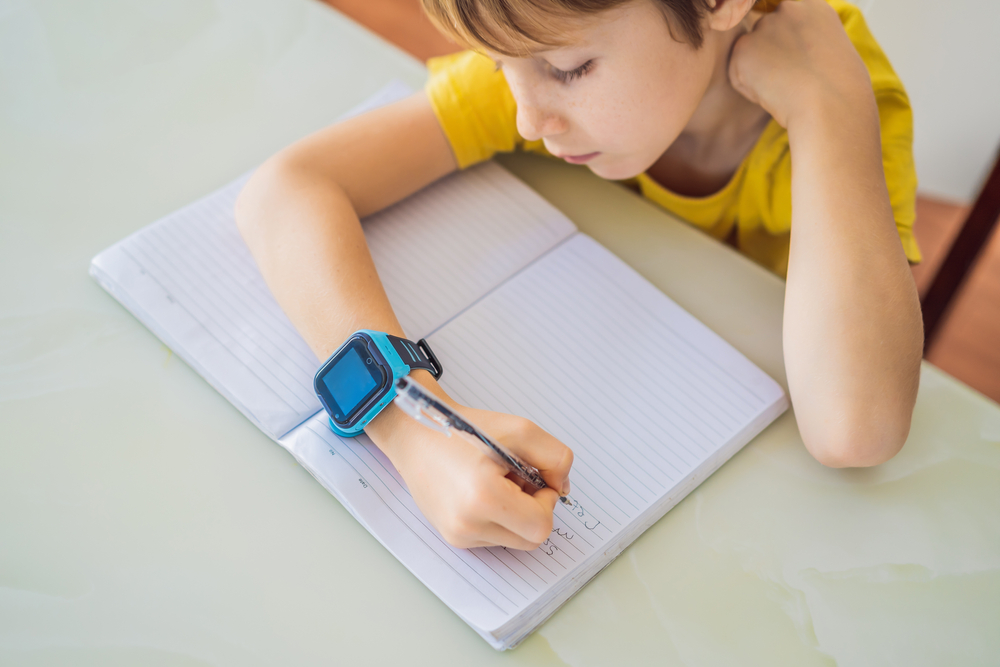
3. Smartwatches Marketed to Kids but Prone to Tracking Risks

Children’s smartwatches have become one of the most popular digital toys that let strangers communicate indirectly. Many models include GPS tracking, calling, and messaging—features designed to help parents stay connected. Unfortunately, poor security design can expose a child’s real-time location and allow outsiders to contact them through spoofed numbers or hacked apps. Some recalled models were found to broadcast unencrypted location data accessible to anyone online. Without strong privacy protections, these “safety” devices can make kids easier to find, not safer.

4. Toy Cameras That Store and Share Photos in the Cloud

Digital cameras designed for children often connect automatically to online photo platforms, and many parents don’t realize how exposed that data can be. Some of these digital toys that let strangers communicate or view content store photos on unsecured servers. Hackers can potentially access uploaded images or even activate connected cameras remotely. This risk grows when the device is linked to a shared family account with weak passwords. What should be an innocent photography tool can unintentionally reveal a child’s identity, home, or routine.

5. Voice-Activated Assistants in Kids’ Playrooms

Smart speakers and voice-activated assistants like Alexa and Google Home may not seem like toys, but they’re increasingly integrated into children’s playtime through interactive storytelling or trivia games. However, these devices belong on any list of digital toys that let strangers communicate with kids. Because they constantly listen for voice commands, they can inadvertently record private conversations or respond to outside commands if hacked. Some security experts have demonstrated how easily these devices can be manipulated through hidden prompts or remote signals. Parents should think twice before treating smart assistants as digital babysitters.

6. App-Based Gaming Consoles With Open Chat Options

Handheld gaming devices and app-based consoles often include online multiplayer modes where chat is unrestricted. That means strangers can message, talk, or send friend requests to children during gameplay. Many of these digital toys that let strangers communicate have minimal moderation, allowing inappropriate or predatory behavior to slip through. Even games labeled “child-friendly” sometimes have backdoor chat functions buried in menus. Parents should always enable parental controls and disable public chat options before letting kids play online.

7. Educational Robots With Cloud-Controlled AI

Many high-tech educational robots connect to the cloud for updates and interactivity. However, they also rank among the digital toys that let strangers communicate if not properly secured. These robots rely on Wi-Fi, microphones, and companion apps that can be compromised. Some have been shown to stream live audio or video feeds without encryption, leaving children vulnerable to eavesdropping. While these devices may inspire learning, they also remind parents that not every “smart” toy is a smart choice.

Protecting Kids in a World of Smart Toys

The rise of digital toys that let strangers communicate with children highlights how convenience and connectivity can come at a cost. Parents must treat internet-enabled toys like any other online device—with caution, updated passwords, and restricted access. It’s worth reviewing a toy’s privacy policy before purchase and turning off connectivity features when not in use. Ultimately, the safest toys are the ones that keep playtime offline and private. Technology can be fun, but childhood should never come with a data trail.

Have you ever discovered a toy with hidden online features you didn’t expect? Share your experience and thoughts in the comments below.

What to Read Next…

8 Toys That Were Approved—Then Quietly Recalled

The Digital Footprint: 12 Steps To Secure Your Child’s Digital Footprint For Life

7 Kids’ Apps That Can Silently Access Your Camera or Microphone

6 Things That Can Happen When Parents Overshare About Their Kids Online

6 Popular Family Apps That Have Leaked Children’s Data

Catherine Reed
Catherine Reed

Catherine is a tech-savvy writer who has focused on the personal finance space for more than eight years. She has a Bachelor’s in Information Technology and enjoys showcasing how tech can simplify everyday personal finance tasks like budgeting, spending tracking, and planning for the future. Additionally, she’s explored the ins and outs of the world of side hustles and loves to share what she’s learned along the way. When she’s not working, you can find her relaxing at home in the Pacific Northwest with her two cats or enjoying a cup of coffee at her neighborhood cafe.


Filed Under: Technology Tagged With: child privacy, cybersecurity, digital safety, family technology, Online Safety, parenting tips, smart toys

Are They Listening? 7 Kid Gadgets Secretly Recording Your Family

July 23, 2025 | Leave a Comment

Are They Listening 7 Kid Gadgets Secretly Recording Your Family
Image source: 123rf.com

Your child’s toys may be adorable and high-tech, but some of them could be doing more than just playing music or answering questions. Many modern devices marketed to kids come equipped with microphones, cameras, and internet connectivity that quietly capture what’s going on around them. Without proper settings or awareness, you might be welcoming devices into your home that collect data, record conversations, and even transmit audio to third parties. And it’s not just what your child says—your entire family may be part of the background. Let’s take a closer look at seven kid gadgets secretly recording your family and what you can do to protect your privacy.

1. Smart Speakers and Kids’ Voice Assistants

Devices like Amazon Echo Dot Kids and Google Nest with child-friendly features can listen 24/7 if not properly configured. These smart speakers are designed to respond to voice commands, but they may also pick up conversations in the background and store recordings in the cloud. Parents often assume the child version is safer, but the basic function remains the same. Unless privacy settings are reviewed and history is regularly deleted, your family’s daily chatter could be logged and analyzed. These speakers are some of the most well-known kid gadgets secretly recording your family, even if unintentionally.

2. Interactive Dolls and Plush Toys

Several smart toys like talking teddy bears or dolls with built-in microphones are capable of recording and transmitting audio. Some have been flagged in the past for collecting data without proper encryption, making them vulnerable to hacking. These toys may store recordings or send data back to manufacturers for “product improvement,” often buried in the fine print of user agreements. Your child thinks they’re just talking to a friend, but in reality, the toy could be listening to everything nearby. This puts cuddly toys high on the list of kid gadgets secretly recording your family without you knowing it.

3. Smartwatches for Kids

Kids’ smartwatches often include GPS tracking, voice calling, and recording functions to keep parents informed. But these features can backfire when the watch records more than it should or when conversations are stored by the manufacturer. In some cases, parents can remotely activate microphones without the child knowing, raising privacy concerns for everyone in earshot. If a child is wearing the watch during family conversations or school, unintended recordings may occur. These wearables are growing in popularity but are often kid gadgets secretly recording your family through everyday use.

4. Educational Tablets and Apps

Tablets like Amazon Fire Kids Edition or iPads with learning apps are a staple in many homes, but some apps request microphone or camera access without needing it for gameplay. If permissions are granted, these apps can access your child’s voice or camera feed during playtime. Some even collect data on how your child speaks or reacts, labeling it as behavioral tracking. This kind of data can be sold or used to fine-tune ad targeting, all without your knowledge. That’s why tablets and learning apps are quiet contributors to the list of kid gadgets secretly recording your family.

5. Smart Baby Monitors and Cameras

Monitors with voice command, app access, or video streaming features are meant to give parents peace of mind, but they often come at a cost to privacy. Many have built-in microphones that stream audio through cloud services, making them vulnerable to breaches or unwanted surveillance. If improperly secured, some models have even allowed strangers to speak through them or access live feeds. This risk extends beyond the baby’s room when monitors are portable or moved into play spaces. Baby monitors are one of the most overlooked kid gadgets secretly recording your family, especially if you skip regular firmware updates.

6. Bluetooth-Connected Toys

From remote control cars to coding robots, Bluetooth-connected toys often use microphones to enhance interactive play. However, unsecured Bluetooth connections can be intercepted, and the devices themselves can store voice data depending on their features. Since these toys are often used in living rooms or shared areas, they can easily record background noise, conversations, or commands. Most parents don’t think to check for a microphone when buying a toy that doesn’t “talk.” Bluetooth toys quietly fall into the category of kid gadgets secretly recording your family just by being left on or forgotten.

7. Video Game Consoles with Chat or Voice Features

Gaming consoles like the Nintendo Switch, PlayStation, or Xbox sometimes include voice chat capabilities or motion-sensitive cameras. While these features are intended for gameplay or social interaction, they can also be used to capture voice data. Some games request mic access to enhance the experience, even when offline. Kids may unknowingly leave these features running while playing, turning the system into a passive listener. These game systems round out the list of kid gadgets secretly recording your family, especially in households where gaming is a regular part of downtime.

Stay Playful, But Stay Private

You don’t have to ditch every device to protect your family’s privacy. The key is awareness and control—know which gadgets have mics or cameras, double-check app permissions, and use privacy settings to limit unnecessary access. Regularly clear audio histories, disable unused features, and have conversations with your kids about safe tech habits. As tech becomes more embedded in toys, being informed is your best line of defense. Once you know which kid gadgets secretly recording your family to monitor, you can make smarter decisions without taking the fun out of playtime.

Have you checked your child’s devices for microphone or camera access recently? What changes have you made to protect your family’s privacy? Share your tips in the comments!

Read More:

The Real Reason: Your Child’s Favorite Toy Is Secretly Spying

Preschooler Risk: 11 Online Safety Risks Your Preschooler Faces

Catherine Reed
Catherine Reed

Catherine is a tech-savvy writer who has focused on the personal finance space for more than eight years. She has a Bachelor’s in Information Technology and enjoys showcasing how tech can simplify everyday personal finance tasks like budgeting, spending tracking, and planning for the future. Additionally, she’s explored the ins and outs of the world of side hustles and loves to share what she’s learned along the way. When she’s not working, you can find her relaxing at home in the Pacific Northwest with her two cats or enjoying a cup of coffee at her neighborhood cafe.

Filed Under: Parenting Tagged With: child privacy, digital parenting, home security, kid tech safety, kids and technology, smart toy risks, smart toys, spying gadgets, voice assistant safety

The Real Reason: Your Child’s Favorite Toy Is Secretly Spying

July 21, 2025 | Leave a Comment

The Real Reason Your Childs Favorite Toy Is Secretly Spying
Image source: 123rf.com

It talks, it sings, it answers questions—but could your child’s beloved toy be doing more than just entertaining? In today’s tech-driven world, many smart toys are embedded with microphones, cameras, and Wi-Fi connections that parents often overlook. These features can provide fun interactions, but they also open the door to serious privacy risks. The unsettling truth is that your child’s favorite toy might be collecting far more information than you realize. From recording conversations to sharing data with third parties, here’s how innocent playtime may be putting your family’s privacy in jeopardy.

1. Smart Toys Are Listening—Even When You’re Not

Many internet-connected toys come with built-in voice recognition software, allowing them to respond when your child speaks. What’s not always clear is that these toys often record and store conversations to improve performance or send data to manufacturers. That means your child’s favorite toy could be capturing personal information like names, routines, and even background conversations. In some cases, these recordings are saved on external servers for analysis, creating a data trail most parents never intended. If the toy doesn’t clearly state when it’s listening, you may never know how often your privacy is compromised.

2. Weak Security Makes Toys an Easy Target for Hackers

Smart toys aren’t known for top-tier cybersecurity. In fact, many are rushed to market with minimal protection in place, making them an easy entry point for hackers. Once compromised, your child’s favorite toy could allow someone to access audio, video, or even your home’s network. This can turn a playful product into a digital spy that watches and listens without your knowledge. Always research whether a toy uses secure, encrypted connections before bringing it into your home.

3. Toys With Cameras May Be Capturing More Than Smiles

Video-enabled toys, like interactive pets or child-friendly tablets, may offer fun photo features—but they’re also capable of silently snapping or recording video. Some parents don’t realize that your child’s favorite toy can come equipped with facial recognition or motion sensors. When connected to the internet, these tools may upload images to cloud-based storage, often without fully transparent policies on where that data ends up. These toys could unintentionally share photos of your child, your home, or other sensitive areas. It’s important to know exactly what that camera can do and how often it’s active.

4. Apps That Power the Toys Collect Extensive Data

Many toys now connect to companion apps that let kids unlock new features, earn points, or interact with friends. But those apps often require permissions to access microphones, location, contact lists, or even calendars. In some cases, your child’s favorite toy becomes a tool to funnel personal information from your phone or tablet to data brokers. While the app may be fun, it’s critical to review the privacy settings, read the fine print, and decline any unnecessary permissions. The toy might seem harmless, but the app behind it could be the real privacy risk.

5. Manufacturers Aren’t Always Upfront About What They Collect

Transparency is not a given when it comes to toy manufacturers. Some bury their data collection practices in lengthy privacy policies filled with vague or confusing language. Others may claim to anonymize data, but still collect enough information to build user profiles or behavior patterns. In the case of your child’s favorite toy, even age, gender, speech patterns, and location may be gathered to fine-tune advertising or development strategies. If the brand can’t clearly tell you what it collects and how it uses it, that’s a red flag.

6. Third Parties Are Often Involved Without You Knowing

Toys that collect data don’t always keep it in-house. Many companies share or sell data to third parties—such as advertisers, analytics firms, or product developers—without clearly informing consumers. This means your child’s favorite toy could be helping build marketing profiles used to target your family with ads or push specific content. Worse, you may have unknowingly agreed to this by accepting the toy’s terms and conditions during setup. Always be cautious with toys that require you to create an account or sign in, as this often opens the door to broader data sharing.

7. Past Cases Show Just How Vulnerable These Toys Can Be

Several high-profile recalls and warnings have already shown how serious this issue is. In 2017, Germany even banned a popular talking doll after regulators deemed it an illegal surveillance device. That’s right—your child’s favorite toy can cross into spy territory if it transmits data without your knowledge or consent. In other instances, millions of voice recordings from kids were leaked due to poorly secured servers. These cases are reminders that it’s not just theoretical—it’s already happening.

What You Can Do to Protect Your Child’s Privacy

The key to keeping your child’s favorite toy from becoming a spy lies in informed purchasing and careful usage. Choose toys from reputable brands that offer transparent privacy practices and regular security updates. Avoid giving toys permanent Wi-Fi access or leaving them powered on when not in use. Routinely check apps and permissions and consider disabling microphones or cameras where possible. Playtime should be safe and joyful, not another avenue for digital surveillance.

Have you ever checked the privacy settings on your child’s smart toy? Share your experience or concerns with us in the comments below.

Read More:

11 Online Safety Risks Your Preschooler Faces

8 Parenting Trends That Sound Great (But Might Be Hurting You Kids)

Catherine Reed
Catherine Reed

Catherine is a tech-savvy writer who has focused on the personal finance space for more than eight years. She has a Bachelor’s in Information Technology and enjoys showcasing how tech can simplify everyday personal finance tasks like budgeting, spending tracking, and planning for the future. Additionally, she’s explored the ins and outs of the world of side hustles and loves to share what she’s learned along the way. When she’s not working, you can find her relaxing at home in the Pacific Northwest with her two cats or enjoying a cup of coffee at her neighborhood cafe.

Filed Under: Parenting Tagged With: child data privacy, internet-connected toys, kids and tech, parenting safety, smart toys, toy privacy risks, toy surveillance, your child’s favorite toy

Listening In: 7 Kid Gadgets That Listen to Your Family

July 16, 2025 | Leave a Comment

Listening In 7 Kid Gadgets That Listen to Your Family
123rf.com

You might think the toys and devices your kids use are all fun and games, but many are quietly listening—and not just to your child. From interactive dolls to smart speakers made for kids, today’s kid gadgets often come with built-in microphones and voice recognition features that collect more than you might expect. Some record conversations, send data to companies, or even stay active when you think they’re off. While many of these gadgets are designed to enhance learning or play, they can also pose serious privacy concerns. If your home is filled with tech-savvy toys, it’s time to learn which ones might be tuning in to more than just your child’s voice.

1. Smart Speakers Designed for Kids

Popular voice assistants like Amazon Echo Dot Kids Edition and Google Nest Mini can be fun for learning and entertainment. However, these kid gadgets are always listening for a wake word, which means they constantly scan for sounds—even if they’re not actively in use. Once activated, they can record and store voice data on servers. While companies offer parental controls and claim to protect children’s privacy, concerns remain over how long this data is kept and who can access it. It’s important to check privacy settings and routinely delete stored recordings if you choose to use them.

2. Interactive Dolls and Plush Toys

Some dolls and talking plush toys come equipped with microphones and Bluetooth technology, making them capable of holding conversations or responding to questions. These kid gadgets may store audio files or send recordings to cloud-based services for processing. One infamous example, “My Friend Cayla,” was banned in some countries for violating privacy laws after it was discovered to be transmitting conversations. While toy makers may argue these features are harmless, they often lack robust security or transparency. Always read the fine print and research the toy’s data practices before bringing it home.

3. Wearable Smartwatches for Kids

Smartwatches made for children offer GPS tracking, calling features, and emergency alerts—but many also include built-in microphones. These kid gadgets are often marketed as safety tools, but they can raise concerns about who else might be listening in. In some cases, vulnerabilities in device security have allowed hackers to tap into the audio features. Parents should choose models with strong encryption and avoid any device that doesn’t clearly explain its privacy policies. Keep firmware up to date and use the minimal settings necessary for your needs.

4. Kid-Friendly Tablets and Educational Devices

Tablets made for kids often come preloaded with apps that require voice interaction, especially for reading or language learning. While helpful for skill-building, these features also involve live microphones and sometimes internet connectivity. These kid gadgets may collect audio to improve functionality or personalize the user experience, but they also risk sending sensitive household conversations to third parties. Reviewing app permissions, disabling microphone access when not needed, and setting up strong parental controls can reduce the risk. Be selective about which apps are allowed to access audio features.

5. Talking Robots and AI Learning Buddies

Interactive robots designed for young learners often include voice recognition to answer questions, teach new skills, or offer conversation practice. These advanced kid gadgets may use cloud-based AI, meaning anything said to the robot could be processed offsite. While they seem like digital companions, they are also data collectors by design. Parents should be aware of what’s being stored, whether it’s encrypted, and how long it remains accessible. Choosing offline options when available can reduce unnecessary data exposure.

6. Smart Monitors and Baby Cams with Voice Features

Devices like baby monitors, room cameras, and smart nursery systems increasingly offer two-way audio. These kid gadgets allow parents to listen in and even talk to their child remotely—but in doing so, they are also streaming live audio across networks. If not properly secured, these feeds can be accessed by unauthorized users, posing a major safety and privacy risk. Always use encrypted Wi-Fi networks, change default passwords, and regularly update device firmware. Turning off features when not needed adds another layer of safety.

7. Gaming Consoles with Voice Chat and Assistants

Modern gaming consoles often support voice assistants or include built-in mics for chatting with friends online. For kids, this can feel like an extension of playtime, but it can also expose them to strangers, inappropriate language, or unwanted surveillance. Some consoles record snippets to improve functionality or for moderation purposes. These kid gadgets require parental supervision to manage privacy settings and limit who your child can communicate with. Encourage your child to use headphones with mute buttons and never share personal details through voice chat.

Tune In to What’s Listening

In a world full of smart devices, it’s easy to forget just how many of them are quietly listening in the background. From cuddly toys to high-tech wearables, kid gadgets are collecting more data than ever before—and not all of it is necessary or safe. By understanding how these devices work and setting firm boundaries, you can strike a better balance between tech convenience and family privacy. The key isn’t avoiding technology altogether, but using it wisely and with awareness. A little vigilance today can go a long way in protecting your child’s future digital footprint.

Which kid gadgets have you discovered are listening in your home? Share your experiences or questions in the comments!

Read More

9 Screen Time Rules You Need to Change Now

School Spies: 8 Privacy Risks of School Apps Collecting Data

Catherine Reed
Catherine Reed

Catherine is a tech-savvy writer who has focused on the personal finance space for more than eight years. She has a Bachelor’s in Information Technology and enjoys showcasing how tech can simplify everyday personal finance tasks like budgeting, spending tracking, and planning for the future. Additionally, she’s explored the ins and outs of the world of side hustles and loves to share what she’s learned along the way. When she’s not working, you can find her relaxing at home in the Pacific Northwest with her two cats or enjoying a cup of coffee at her neighborhood cafe.

Filed Under: Parenting Tagged With: child tech safety, family digital safety, kid gadgets, listening devices, parenting and technology, privacy and kids, smart toys

Data Harvested: 7 Ways Your Child’s Data Is Collected

July 12, 2025 | Leave a Comment

Data Harvested 7 Ways Your Childs Data Is Collected
123rf.com

Think your child is just watching cartoons or playing a harmless game online? Think again. From apps to schools to toys, there are hidden systems constantly gathering information, often without parents realizing just how much is at stake. Understanding how your child’s data is collected is the first step toward protecting their digital footprint and safeguarding their privacy. Let’s uncover the seven most common and often overlooked ways your child’s data is harvested so you can take back control.

1. Educational Apps Aren’t Always Just for Learning

Many educational apps collect more than just quiz scores or reading progress. They often gather device information, geolocation, browsing habits, and even voice recordings. Some apps also require unnecessary permissions, like access to the microphone or camera, which opens the door for deeper data harvesting. While these platforms may claim the data is used to “improve user experience,” much of it is sold or shared with third-party advertisers. Always read the fine print before clicking “I agree”—especially when your child’s data is involved.

2. Smart Toys Are Smarter Than You Think

Your child’s data can be collected right in your living room through smart toys with built-in microphones, cameras, or Wi-Fi connectivity. These toys may record conversations, track usage, and upload that information to cloud servers. Some have even been found to store data insecurely or transmit it without encryption. While these toys can offer interactive learning, they also raise serious concerns about privacy and surveillance. Parents should research brands thoroughly and consider disabling features that require internet connectivity.

3. Streaming Services and Video Platforms Track Viewing Behavior

Streaming platforms geared toward kids, like YouTube Kids or Netflix, are often optimized to track what your child watches, how long they watch it, and what they click on next. This data is used to build personalized content feeds, but it’s also valuable to marketers looking to target young viewers. Even seemingly innocent autoplay suggestions can be based on a profile built using your child’s data. Limiting screen time won’t stop the tracking, but adjusting privacy settings and using ad-free versions might help reduce data collection. Teaching kids to navigate digital spaces mindfully is a powerful tool in your corner.

4. Public Wi-Fi and School Networks Can Log Their Activity

Many kids access public or school Wi-Fi without knowing the risks. These networks often log visited websites, login times, and device information, and in some cases, even keystrokes. While schools claim to monitor activity for safety reasons, this data can be stored for extended periods and shared with educational tech partners. Public Wi-Fi is even riskier because there’s no way to know what kind of tracking software is in use. Encourage your child to use cellular data or a VPN when privacy matters, especially on unsecured networks.

5. Games and Apps with In-App Purchases Often Spy More Than You Expect

Free games are rarely free when it comes to your child’s data. Many use aggressive tracking software to collect data on how users interact with ads, how long they play, and what items they click. Even before an in-app purchase is made, the game may already be building a behavioral profile. These profiles are often used to manipulate engagement and spending. Make it a rule to only download apps after reviewing their privacy policy together and turning off unnecessary permissions.

6. Schools and Educational Software Providers Collect Data in Bulk

Many schools use digital learning platforms that collect attendance, grades, test results, and behavioral records. This data can follow students for years and is sometimes sold or shared with third-party vendors. Some school platforms even collect biometric data like fingerprints or facial scans for identification or cafeteria purchases. Federal laws like COPPA and FERPA exist, but enforcement is spotty, and many parents are unaware of what’s being stored. Ask your child’s school for a list of tech providers and what data they collect.

7. Social Media and Messaging Apps Encourage Oversharing

Even if your child doesn’t have their own account, they might be featured in posts, group chats, or family videos shared online. These platforms track engagement and use image recognition software to log faces and surroundings. Data collected here can include photos, names, birthdays, and locations—all tied to your child’s digital identity. Over time, this information can be pieced together to create a detailed profile. Teach your kids not just what to share, but why privacy matters from a young age.

Keep Watch, Stay Informed, and Advocate Loudly

Your child’s data is valuable, and many companies are eager to collect, analyze, and profit from it. While some data collection is inevitable in today’s digital world, awareness is a powerful defense. Equip yourself with knowledge, take control of privacy settings, and speak up when schools or companies fail to protect young users. The more proactive you are, the better your chances of keeping your child’s digital footprint safe and minimal. After all, protecting your child’s data is just another form of protecting their future.

Have you discovered surprising ways your child’s data is being collected? Share your experiences and tips in the comments below!

Read More:

School Spies: 8 Privacy Risks of School Apps Collecting Data

Privacy Violation: 7 Things Never to Post About Your Kids Online

Catherine Reed
Catherine Reed

Catherine is a tech-savvy writer who has focused on the personal finance space for more than eight years. She has a Bachelor’s in Information Technology and enjoys showcasing how tech can simplify everyday personal finance tasks like budgeting, spending tracking, and planning for the future. Additionally, she’s explored the ins and outs of the world of side hustles and loves to share what she’s learned along the way. When she’s not working, you can find her relaxing at home in the Pacific Northwest with her two cats or enjoying a cup of coffee at her neighborhood cafe.

Filed Under: Parenting Tagged With: child data protection, educational tech, kids privacy, Online Safety, parental controls, smart toys, your child’s data

  • Facebook
  • Pinterest
  • RSS
  • Twitter

Basic Principles Of Good Parenting

Here some basic principles for good parenting:

  1. What You Do Matters: Your kids are watching you. So, be purposeful about what you want to accomplish.
  2. You Can’t be Too Loving: Don’t replace love with material possessions, lowered expectations or leniency.
  3. Be Involved Your Kids Life: Arrange your priorities to focus on what your kid’s needs. Be there mentally and physically.
  4. Adapt Your Parenting: Children grow quickly, so keep pace with your child’s development.
  5. Establish and Set Rules: The rules you set for children will establish the rules they set for themselves later.  Avoid harsh discipline and be consistent.
  6. Explain Your Decisions: What is obvious to you may not be evident to your child. They don’t have the experience you do.
  7. Be Respectful To Your Child: How you treat your child is how they will treat others.  Be polite, respectful and make an effort to pay attention.
Best Parenting Blogs

Most Popular

Baby names

Teachers Admit: These 6 Baby Names Create Instant Bias in the Classroom

Latrice Perez
11 Ways Kids Are Outsmarting Parental Controls 1. Using Alternate Devices One common trick is simply turning to another device. If a child’s main phone or tablet is restricted, they may borrow a sibling’s, friend’s, or even a school laptop. This instantly gives them access to content outside of parental oversight. Parents often focus on one device, forgetting that others in the household can serve as loopholes. Knowing this tactic helps families tighten controls across all electronics. 2. Clearing Browsing Histories Many kids quickly learn that clearing browsing history hides evidence of restricted activity. With just a few clicks, they can erase any trace of websites visited. This makes it harder for parents to notice when rules are being broken. Parents may assume no history means no browsing, but the reality is often the opposite. Kids are outsmarting parental controls by making it seem like nothing happened at all. 3. Using Private Browsing Modes Most browsers offer “incognito” or private browsing features. Kids use this mode to access websites without leaving a record in the history. To parents checking later, everything looks clean and safe. This simple trick is often one of the first ways kids discover how to bypass restrictions. Conversations about private browsing can help close this gap. 4. Guessing or Resetting Passwords Children who are persistent may try to guess passwords to parental control apps or accounts. Others may find ways to reset them through email prompts or security questions. Once inside, they can disable restrictions entirely. Parents may not even realize controls have been altered until much later. Stronger, less predictable passwords can make this more difficult. 5. Using VPNs to Hide Activity Virtual private networks, or VPNs, let kids disguise their online locations. With one downloaded app, they can bypass geographic or parental restrictions. Some children learn about VPNs through friends or even social media. This makes it easy for them to reach content that should be blocked. Parents often underestimate just how simple it is for kids to use these tools. 6. Creating Fake Accounts When parents monitor social media, kids may create hidden accounts. These “finstas” or fake profiles allow them to interact freely without parental oversight. While their main account appears harmless, the secondary one tells a different story. Kids are outsmarting parental controls by playing both sides at once. Checking for duplicate accounts can help parents stay more aware. 7. Exploiting Time Zone Settings Some kids change the time zone on their devices to bypass screen time limits. This trick allows them to gain extra hours of usage undetected. Parents may assume controls are working, but in reality, the child is bending the clock. It’s a clever loophole that highlights just how resourceful kids can be. Monitoring device settings regularly can catch this tactic. 8. Disabling or Uninstalling Apps Parental control apps can be deleted or disabled with surprising ease. Some kids even reinstall them before a parent checks, making it seem like nothing changed. Others may simply restrict permissions to prevent apps from functioning properly. When apps aren’t monitored closely, parents may not notice they’ve been tampered with. This shows the importance of consistent follow-up. 9. Turning to Friends for Access If a child can’t get past restrictions on their own, they may rely on friends. Visiting a friend’s house or borrowing their phone can give them a free pass. Parents often forget that peer environments can override restrictions set at home. This kind of social workaround is especially common with gaming or social media. Open conversations about trust and responsibility are essential. 10. Hiding Apps in Plain Sight Kids sometimes download apps that look innocent but serve as gateways to hidden activity. These apps may disguise themselves as calculators or utilities. In reality, they allow file storage, private messaging, or browser access. Parents glancing at a home screen may overlook them entirely. Learning to recognize these disguised apps can help parents stay informed. 11. Outpacing Parents’ Tech Knowledge Finally, kids often know more about devices than their parents do. Whether through YouTube tutorials, TikTok hacks, or peer groups, they quickly learn advanced workarounds. This knowledge gap means controls can be bypassed before parents even realize the loophole exists. Staying informed and continually learning about new technology is the best defense. Kids are outsmarting parental controls because they adapt faster than most adults. The Real Solution Lies Beyond Restrictions While controls and filters are important, no system is perfect. Kids will always find creative ways around barriers, making communication the strongest safeguard. Setting clear expectations, building trust, and having ongoing conversations about online behavior matter more than apps alone. Parents who combine technology with open dialogue create a safer digital environment. The goal isn’t to win a battle of wits but to build a relationship that keeps kids both safe and honest. Do you think kids are outsmarting parental controls faster than parents can keep up? Share your experiences in the comments below. What to Read Next... 6 Parenting Tech Shortcuts That Can Expose Your Child to Strangers How Much Screen Time Is Too Much—Legally Speaking? Is Your Child’s School Quietly Tracking Their Location Without Your Consent? How Much Screen Time Is Quietly Reshaping Childhood Behavior? Why Some Parents Are Being Investigated Over Homeschooling Records

11 Ways Kids Are Outsmarting Parental Controls

Catherine Reed
Smiling grandfather holding a happy baby indoors.

Why Grandparents Shouldn’t Babysit Their Grandkids Every Week – The Unspoken Issue

Samantha
Girl getting makeup done, referencing psychologist-approved age.

Wearing Makeup: Here Is the Age That Psychologists Agree It’s Okay for Girls to Wear Makeup

Samantha
birthday gifts

7 Birthday Gifts Your Child Should Never Bring to a Party

Latrice Perez

All content on Kids Ain’t Cheap is for entertainment purposes only. By reading this blog, you agree that Kids Ain’t Cheap is not responsible for any actions taken after reading this blog. For the full disclaimer, see our privacy policy.

Please note that Kids Ain’t Cheap has financial relationships with some of the merchants mentioned here. Kids Ain’t Cheap is funded by banner advertising, commission sales and search optimization consulting.

Copyright © 2006–2026 | District Media | All Rights Reserved | Privacy Policy

Copyright © 2026 Runway Pro Theme by Viva la Violette