• Home
  • About Us
  • Toolkit
  • Archives
  • Advertise
  • Privacy Policy

Kids Ain't Cheap

But They Sure Are Worth It

  • Parenting
    • Baby Stuff
    • Books and Reading
      • Aesops Fables
      • Comic Books
    • Education
    • Family Time
    • Green Living
    • Growing Up
    • Healthy Living & Eating
    • Holidays
    • Parenting
    • Random Musings
    • Shopping
    • Stuff to Do
  • Money
  • Product Reviews
    • Books and Magazines
    • Discount Sites
    • Furniture
    • House Keeping
    • Reviews News
    • Toys and Games
  • Contact Us
  • Our Editorial Commitment
  • Search

7 Digital Toys That Let Strangers Communicate With Your Kids

October 28, 2025 | Leave a Comment

7 Digital Toys That Let Strangers Communicate With Your Kids
Image source: shutterstock.com

Parents often assume that the toys they buy have been carefully vetted for safety—but in today’s connected world, that safety doesn’t always extend to the internet. A growing number of digital toys that let strangers communicate with children have raised serious concerns about privacy, hacking, and hidden chat features. These toys often include microphones, cameras, or Bluetooth capabilities that seem harmless at first but can open dangerous pathways for outsiders. The risks are real, and many families have no idea that the gadgets sitting in their living room can be digitally compromised. Here are seven popular types of digital toys that let strangers communicate with kids and how parents can stay vigilant.

1. Smart Dolls That Record and Transmit Conversations

Among the most troubling digital toys that let strangers communicate with children are “smart” dolls equipped with Wi-Fi and voice recognition. These toys record what a child says and send the audio to servers for processing—sometimes even storing it indefinitely. Hackers have exploited these connections to access private conversations or even communicate through the doll’s speaker. One well-known example involved a talking doll that was eventually banned in several countries for privacy violations. What seemed like an educational companion became a listening device for outsiders.

2. Internet-Connected Plush Toys With Hidden Chat Features

Several plush toys now allow children to send and receive voice messages through companion apps. While this sounds adorable, many of these digital toys that let strangers communicate have weak encryption or shared login credentials. Once compromised, a hacker could send messages or listen in on conversations disguised as a friendly voice. Parents may not realize that these features rely on open communication channels accessible through the internet. Even a toy designed for family bonding can become a gateway for unwanted contact.

3. Smartwatches Marketed to Kids but Prone to Tracking Risks

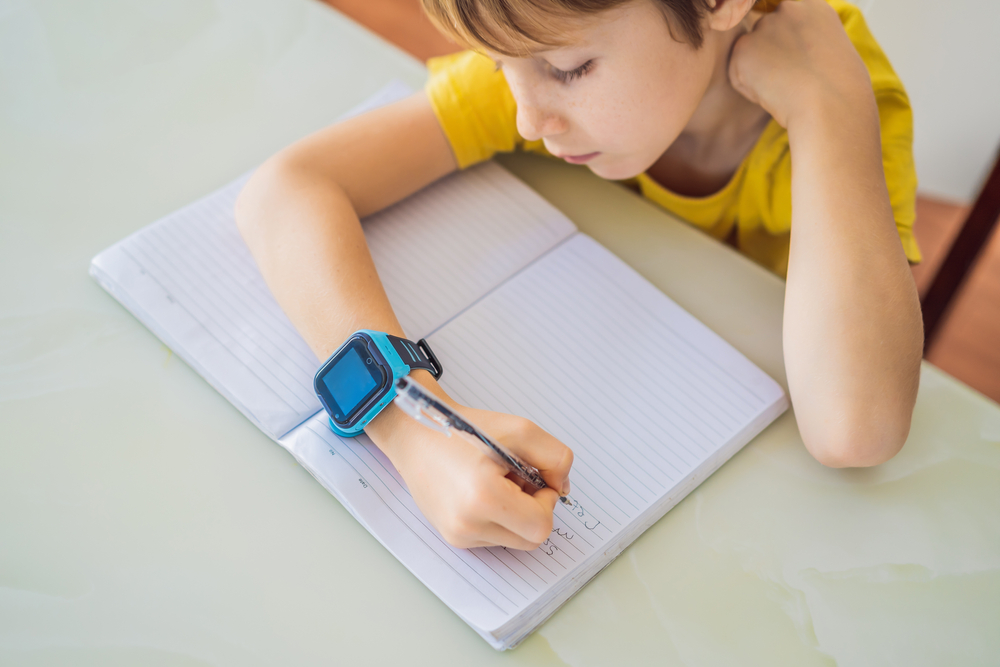
Children’s smartwatches have become one of the most popular digital toys that let strangers communicate indirectly. Many models include GPS tracking, calling, and messaging—features designed to help parents stay connected. Unfortunately, poor security design can expose a child’s real-time location and allow outsiders to contact them through spoofed numbers or hacked apps. Some recalled models were found to broadcast unencrypted location data accessible to anyone online. Without strong privacy protections, these “safety” devices can make kids easier to find, not safer.

4. Toy Cameras That Store and Share Photos in the Cloud

Digital cameras designed for children often connect automatically to online photo platforms, and many parents don’t realize how exposed that data can be. Some of these digital toys that let strangers communicate or view content store photos on unsecured servers. Hackers can potentially access uploaded images or even activate connected cameras remotely. This risk grows when the device is linked to a shared family account with weak passwords. What should be an innocent photography tool can unintentionally reveal a child’s identity, home, or routine.

5. Voice-Activated Assistants in Kids’ Playrooms

Smart speakers and voice-activated assistants like Alexa and Google Home may not seem like toys, but they’re increasingly integrated into children’s playtime through interactive storytelling or trivia games. However, these devices belong on any list of digital toys that let strangers communicate with kids. Because they constantly listen for voice commands, they can inadvertently record private conversations or respond to outside commands if hacked. Some security experts have demonstrated how easily these devices can be manipulated through hidden prompts or remote signals. Parents should think twice before treating smart assistants as digital babysitters.

6. App-Based Gaming Consoles With Open Chat Options

Handheld gaming devices and app-based consoles often include online multiplayer modes where chat is unrestricted. That means strangers can message, talk, or send friend requests to children during gameplay. Many of these digital toys that let strangers communicate have minimal moderation, allowing inappropriate or predatory behavior to slip through. Even games labeled “child-friendly” sometimes have backdoor chat functions buried in menus. Parents should always enable parental controls and disable public chat options before letting kids play online.

7. Educational Robots With Cloud-Controlled AI

Many high-tech educational robots connect to the cloud for updates and interactivity. However, they also rank among the digital toys that let strangers communicate if not properly secured. These robots rely on Wi-Fi, microphones, and companion apps that can be compromised. Some have been shown to stream live audio or video feeds without encryption, leaving children vulnerable to eavesdropping. While these devices may inspire learning, they also remind parents that not every “smart” toy is a smart choice.

Protecting Kids in a World of Smart Toys

The rise of digital toys that let strangers communicate with children highlights how convenience and connectivity can come at a cost. Parents must treat internet-enabled toys like any other online device—with caution, updated passwords, and restricted access. It’s worth reviewing a toy’s privacy policy before purchase and turning off connectivity features when not in use. Ultimately, the safest toys are the ones that keep playtime offline and private. Technology can be fun, but childhood should never come with a data trail.

Have you ever discovered a toy with hidden online features you didn’t expect? Share your experience and thoughts in the comments below.

What to Read Next…

8 Toys That Were Approved—Then Quietly Recalled

The Digital Footprint: 12 Steps To Secure Your Child’s Digital Footprint For Life

7 Kids’ Apps That Can Silently Access Your Camera or Microphone

6 Things That Can Happen When Parents Overshare About Their Kids Online

6 Popular Family Apps That Have Leaked Children’s Data

Catherine Reed
Catherine Reed

Catherine is a tech-savvy writer who has focused on the personal finance space for more than eight years. She has a Bachelor’s in Information Technology and enjoys showcasing how tech can simplify everyday personal finance tasks like budgeting, spending tracking, and planning for the future. Additionally, she’s explored the ins and outs of the world of side hustles and loves to share what she’s learned along the way. When she’s not working, you can find her relaxing at home in the Pacific Northwest with her two cats or enjoying a cup of coffee at her neighborhood cafe.


Filed Under: Technology Tagged With: child privacy, cybersecurity, digital safety, family technology, Online Safety, parenting tips, smart toys

6 Things That Can Happen When Parents Overshare About Their Kids Online

October 15, 2025 | Leave a Comment

6 Things That Can Happen When Parents Overshare About Their Kids Online
Image source: shutterstock.com

Social media has made it easier than ever for parents to document every milestone, from a baby’s first steps to a teen’s graduation. But sometimes, those innocent posts cross a line, revealing more about children than they might want shared. When parents overshare, they may unintentionally expose their kids to emotional, social, and even financial risks. Understanding the consequences can help families make smarter, safer choices about what to post. Here are six real-world outcomes that can happen when parents overshare about their kids online.

1. Loss of Privacy for the Child

When parents overshare, they often post details that seem small in the moment but create a long-term digital footprint. Photos, names, birthdays, and locations all build a profile that strangers can easily access. Over time, this can make children vulnerable to data tracking or identity theft. Even if the parent’s account is private, screenshots and shares can spread far beyond the intended audience. Protecting your child’s privacy means recognizing that not every special moment needs to live online forever.

2. Emotional Embarrassment Later in Life

One of the biggest emotional consequences of when parents overshare is embarrassment that surfaces years later. Imagine a teen discovering that their awkward potty-training photo or childhood tantrum was shared with hundreds of people. Those posts can damage a young person’s confidence and sense of autonomy. Kids deserve the chance to control their own stories, especially as they mature and develop self-identity. Respecting their dignity now helps build trust that lasts through adolescence and beyond.

3. Digital Footprints That Can’t Be Erased

Even if a parent deletes a post, the content often remains in backups, archives, or other users’ screenshots. This means that once something is online, it’s rarely gone for good. When parents overshare, they may unknowingly create lasting digital records that follow their children into adulthood. College admissions officers, future employers, and even peers can uncover these traces. Teaching kids about digital responsibility starts with modeling it yourself and understanding that online posts are rarely temporary.

4. Risks of Exploitation or Misuse

Another troubling outcome of when parents overshare involves malicious misuse of shared images or videos. Unfortunately, child photos are sometimes stolen from public platforms and repurposed by strangers for disturbing or exploitative purposes. Some hackers even use seemingly innocent details to guess passwords or access personal accounts. Oversharing personal family routines, school names, or travel plans can also alert potential predators. Keeping profiles limited and watermarking images are simple ways to add layers of protection.

5. Strained Parent-Child Relationships

Even when done with love, oversharing can create tension between parents and children. Many kids feel uncomfortable when private family moments become public content. Older children may begin hiding things or withdrawing emotionally to avoid unwanted exposure. When parents overshare repeatedly, kids can feel unheard or disrespected, which may erode trust. Creating boundaries together—like asking for permission before posting—can strengthen mutual respect and help prevent resentment later on.

6. Long-Term Reputational Impact

When parents overshare, they don’t just share cute photos—they also shape how others see their child. A lighthearted post about bad grades, tantrums, or messy habits might seem funny now but could affect how teachers, classmates, or even future employers perceive them. Children deserve the freedom to reinvent themselves without their parents’ digital past defining them. Once a post circulates, it can take on a life of its own, often resurfacing years later. Thinking twice before posting gives kids room to grow without the weight of online history.

Finding the Balance Between Sharing and Protecting

Social media can be a wonderful way to celebrate your family and connect with loved ones—but it requires balance. Before posting, parents should ask whether the content benefits the child or simply entertains others. Limiting identifying details, adjusting privacy settings, and seeking your child’s consent can make a big difference. When parents overshare less, they send a powerful message about respect, boundaries, and digital safety. The goal isn’t to stop sharing—it’s to share wisely, with your child’s long-term well-being in mind.

Do you think today’s parents overshare too much online? How do you decide what’s safe to post about your family? Share your thoughts in the comments below.

What to Read Next…

Is Your Child Safe? 9 Red Flags That Your Child Is Being Targeted Online

The Hidden Message: 9 Online Threats That Use Deepfakes Of Kids

Think Before You Post: 7 Types of Photos You Should Never Post of Your Kids Online

Beyond The Game: 9 Online Games Kids Are Playing That Expose Them To Predators

Digital Safety: 6 Steps to Safeguard Your Child’s Online Identity

Catherine Reed
Catherine Reed

Catherine is a tech-savvy writer who has focused on the personal finance space for more than eight years. She has a Bachelor’s in Information Technology and enjoys showcasing how tech can simplify everyday personal finance tasks like budgeting, spending tracking, and planning for the future. Additionally, she’s explored the ins and outs of the world of side hustles and loves to share what she’s learned along the way. When she’s not working, you can find her relaxing at home in the Pacific Northwest with her two cats or enjoying a cup of coffee at her neighborhood cafe.

Filed Under: Parenting Tagged With: child privacy, digital footprint, family boundaries, Online Safety, parenting advice, parenting tips, parents overshare, Social Media

Is Your Child’s School Quietly Tracking Their Location Without Your Consent?

August 30, 2025 | Leave a Comment

Is Your Child’s School Quietly Tracking Their Location Without Your Consent?
Image source: 123rf.com

As technology becomes more integrated into daily learning, parents may not realize just how much information schools collect on students. One growing concern is whether a child’s school is tracking their location without parents knowing. While administrators often argue these tools increase safety and efficiency, the hidden costs include privacy erosion and potential misuse of sensitive data. Parents need to ask hard questions because the issue isn’t just about technology but about who controls a child’s personal information.

Why Schools Are Turning to Location Tracking

Many schools argue that tracking helps maintain student safety in emergencies, manage attendance, and streamline transportation systems. Some campuses use ID cards with embedded chips or mobile apps tied to student accounts. These tools allow administrators to see where students are throughout the day. While this might sound practical, it also raises serious questions about oversight. Parents often have no idea such systems are in place, and transparency is lacking.

The Hidden Risks of Digital Surveillance

When a child’s school tracks their location, it introduces risks that extend beyond the classroom. Sensitive data about daily routines can be hacked, leaked, or misused. If student information falls into the wrong hands, it can create long-lasting consequences. In addition, normalizing surveillance at such a young age teaches kids to accept being constantly monitored. That kind of lesson may not align with the values parents want to instill.

Are Parents Being Informed?

In many districts, location tracking policies exist in fine print buried within handbooks or enrollment forms. Parents might technically be giving consent, but only because the information is hard to find or poorly explained. Some schools fail to provide clear opt-out procedures, leaving families with little control. When parents do find out, it is often after the system is already running. This lack of communication can create mistrust between families and school officials.

Financial Motivations Behind the Push

Technology vendors market tracking tools aggressively, promising improved attendance records and funding opportunities tied to accurate data. For schools, these systems can look like a quick way to secure additional resources. However, the financial incentives don’t always consider privacy trade-offs. Parents need to understand that when a child’s school tracks their location, it is framed as “cost-saving,” but it might actually come at the cost of their child’s digital safety. The question is whether the budget benefit outweighs the risk to students.

How to Protect Your Child’s Privacy

Parents can take steps to safeguard their child’s information and push for more accountability. First, review all enrollment documents for fine print about digital monitoring. Second, ask administrators directly about whether location tracking is being used, and if so, what safeguards are in place. Third, demand clear opt-out policies and written explanations about how the data will be stored and shared. By staying proactive, parents can ensure they are not left in the dark.

What Lawmakers Are Doing About It

Privacy advocates are calling for stronger protections at both the state and federal levels. Some states have introduced laws requiring schools to disclose the use of digital tracking systems. However, enforcement varies widely, and many districts still operate without meaningful oversight. Without consistent rules, families are left to navigate a confusing mix of policies. Until legislation catches up, parents must remain their child’s first line of defense.

The Bigger Lesson for Families

Beyond the technology itself, this trend opens the door to a larger conversation about privacy. Children should learn the value of boundaries, both online and offline. If parents model questioning authority and asking how data is used, kids will adopt those habits too. A school’s tracking system can serve as a teaching moment about digital literacy and rights. Protecting privacy is not just about today’s school day but about preparing kids for tomorrow’s world.

Protecting Your Child’s Future Starts with Awareness

The idea of a child’s school tracking their location may seem harmless at first glance, but unchecked surveillance erodes trust and puts personal data at risk. Parents need to know what’s happening, ask the right questions, and push for stronger transparency. Schools have a responsibility to keep students safe, but that should never come at the expense of privacy. Awareness and advocacy can ensure children are protected both inside and outside the classroom.

How would you feel if you found out your child’s school was quietly tracking their location? Share your thoughts in the comments below.

What to Read Next…

8 School Rules That Should’ve Changed Decades Ago

Here’s Why School Supplies Continue to Cost More and More Every Year

7 Reasons You Shouldn’t Waste Money on Private Schools

10 School Supply Lists That Now Feel Financially Impossible

12 Reasons Why Your Kids are Behind Academically

Catherine Reed
Catherine Reed

Catherine is a tech-savvy writer who has focused on the personal finance space for more than eight years. She has a Bachelor’s in Information Technology and enjoys showcasing how tech can simplify everyday personal finance tasks like budgeting, spending tracking, and planning for the future. Additionally, she’s explored the ins and outs of the world of side hustles and loves to share what she’s learned along the way. When she’s not working, you can find her relaxing at home in the Pacific Northwest with her two cats or enjoying a cup of coffee at her neighborhood cafe.

Filed Under: Education Tagged With: child privacy, digital privacy, education technology, location tracking, parental rights, school surveillance, student safety

The Unseen Risk: 8 Smart Toys With Privacy Risks

July 28, 2025 | Leave a Comment

The Unseen Risk 8 Smart Toys With Privacy Risks
Image source: 123rf.com

They talk, they learn, they connect to the internet—and they’re in your child’s toy bin right now. Smart toys have become some of the most popular gifts for kids, promising entertainment, education, and even companionship. But behind the blinking lights and friendly voices lie serious concerns many parents don’t realize. Some smart toys collect data, record conversations, or connect to networks with weak security protections. If you’re not careful, you might be inviting more than fun into your home—so here are eight smart toys with privacy risks every parent should know about.

1. Smart Speakers with Voice Assistants

Devices like Amazon Echo Dot Kids and Google Nest Mini seem harmless and even helpful, but they’re always listening. Even when not actively being used, smart speakers often record snippets of background conversation that may include sensitive information. While companies claim this data improves their service, it can also be stored, analyzed, or shared. These smart toys with privacy risks can accidentally pick up voices of your child, guests, or other family members without consent. Always review privacy settings and disable unnecessary voice recording features.

2. Wi-Fi Connected Baby Monitors

Baby monitors have come a long way—but the newer ones with camera access, two-way talk, and smartphone apps can be vulnerable to hacking. Some have been reported to allow outsiders to view live feeds or speak to children through the monitor. If the monitor’s app or firmware isn’t regularly updated or password protected, it becomes an easy entry point for digital intruders. Many of these devices also collect data on sleep patterns and audio, storing it in the cloud. For privacy peace of mind, choose baby monitors with strong encryption and turn off cloud features when not needed.

3. Internet-Connected Dolls

Some dolls, like earlier versions of “My Friend Cayla,” connect to Bluetooth and use AI to have real conversations with kids. While engaging, these toys can also record what your child says and transmit that data to external servers. Security researchers have flagged multiple smart dolls with privacy risks for exposing personal information, including location data. In some cases, anyone within Bluetooth range can access the device without authorization. That’s a major concern for families who value security over novelty.

4. Educational Tablets and Apps

Devices like Leapfrog and VTech tablets are designed to teach kids math, reading, and more—but they also collect a surprising amount of user data. These tablets often store information such as name, age, usage history, and even keystrokes. Without strong password settings and careful monitoring of permissions, this data can be vulnerable to leaks or misuse. Additionally, some educational apps include ads or links that open browsers, exposing children to online tracking. These are among the more common smart toys with privacy risks found in homes and classrooms.

5. Smartwatches for Kids

Kids’ smartwatches with GPS tracking, calling, and texting functions sound like a great way to stay in touch. However, many of these devices have had serious security flaws—including the ability for strangers to track, listen to, or contact children. In several studies, researchers found that some models transmitted data without encryption or stored it on servers with poor protection. That means a seemingly helpful gadget could become a privacy nightmare. When buying a smartwatch, research the manufacturer’s reputation and look for devices with end-to-end encryption.

6. Interactive Plush Toys

Plush toys that respond to touch, talk back, or interact with mobile apps are often marketed as safe and cuddly companions. But many of these toys contain microphones and Bluetooth connections that can collect data or be remotely accessed. If the toy connects to a smartphone without a PIN or code, nearby devices can potentially pair with it without permission. In 2017, a data breach exposed the personal data of over 800,000 users from a popular smart plush toy app. That’s proof that even the softest toys can come with hard risks.

7. Augmented Reality (AR) Games and Headsets

AR games that use smartphone cameras to blend digital play with the real world are rising in popularity. But these games often collect images of your home, surroundings, and even faces. The concern is that this data can be stored or used for facial recognition training or location mapping. Some AR headsets or toys also include microphones and may not clearly disclose when they’re recording. These immersive experiences often come with hidden trade-offs, making them smart toys with privacy risks worth reviewing carefully.

8. Drone Toys with Cameras

Mini drones are popular among tweens and teens for their fun flying features and built-in cameras. But when connected to Wi-Fi or Bluetooth, they can collect video footage and transmit it through unsecured apps. Some models automatically upload footage to cloud servers, and others come with poorly protected companion apps. Kids might not realize they’re recording people or places without consent, raising privacy and legal concerns. Always monitor how these devices are used and ensure footage isn’t shared unintentionally.

Toy Time Shouldn’t Come with a Surveillance Side Effect

Smart toys bring joy, learning, and convenience—but they also open digital doors that many families didn’t know existed. As technology becomes more embedded in our children’s play, it’s essential to stay ahead of potential risks. The smart toys with privacy risks listed here aren’t meant to scare you away from innovation—they’re meant to help you ask the right questions. Is this device secure? What data does it collect? And who else can access it? The more you know, the better you can protect your child while still letting them enjoy the magic of play.

Have you come across a smart toy with unexpected privacy settings or risks? What steps do you take to keep your child’s data safe? Share in the comments below!

Read More:

Before You Buy: 10 Popular Kids’ Toys With Cancer-Causing Materials

8 Hidden Dangers Lurking in Your Child’s Toys

Catherine Reed
Catherine Reed

Catherine is a tech-savvy writer who has focused on the personal finance space for more than eight years. She has a Bachelor’s in Information Technology and enjoys showcasing how tech can simplify everyday personal finance tasks like budgeting, spending tracking, and planning for the future. Additionally, she’s explored the ins and outs of the world of side hustles and loves to share what she’s learned along the way. When she’s not working, you can find her relaxing at home in the Pacific Northwest with her two cats or enjoying a cup of coffee at her neighborhood cafe.

Filed Under: Parenting Tagged With: child privacy, data protection for families, Internet Safety, kids and technology, parenting tips, smart toys with privacy risks, tech toys, toy safety

The Hidden Message: 9 Online Threats That Use Deepfakes Of Kids

July 27, 2025 | Leave a Comment

The Hidden Message 9 Online Threats That Use Deepfakes Of Kids
Image source: 123rf.com

The internet has always had its dark corners, but deepfake technology has opened an alarming new chapter—especially when it comes to kids. What once seemed like science fiction is now disturbingly real: videos, images, and even voices of children can be manipulated with shocking accuracy. These online threats that use deepfakes of kids aren’t just creepy—they’re dangerous, deceptive, and growing more common. As parents, it’s crucial to understand how this technology is being misused and what you can do to protect your child. The sooner we spot the hidden message behind these threats, the better prepared we’ll be to fight them.

1. Cyberbullying Through Fake Content

Deepfakes are being used in cyberbullying by creating fake videos of kids saying or doing things they never actually did. These clips can be shared at school or online to humiliate, harass, or isolate a child. The targets often have no idea how their face or voice was used until the damage is done. Because deepfakes can look incredibly convincing, it’s hard for others to tell the video is fake—making the impact even more severe. Among all online threats that use deepfakes of kids, this one spreads the fastest and hits the hardest.

2. Exploitation and Grooming Setups

Predators have begun using deepfakes to create fake “peer” accounts with manipulated child images to lure real kids into online conversations. These accounts appear to be kids of a similar age but are actually run by adults using deepfake avatars to build trust. Once a connection is made, grooming tactics begin—often leading to requests for inappropriate content or in-person meetings. Parents may never suspect that the new “friend” their child is chatting with isn’t real. This is one of the most dangerous online threats that use deepfakes of kids because it hides predators behind innocent-looking digital masks.

3. Revenge Content or “Punishment” Videos

Sometimes, deepfakes are used by peers or even ex-friends to shame or threaten a child. Videos might show a child in embarrassing or compromising scenarios they never actually experienced. These can be sent privately to intimidate them or posted publicly to damage their reputation. The goal is to control, embarrass, or socially punish the child using fake content that looks all too real. It’s emotional blackmail disguised as entertainment.

4. Political or Ideological Manipulation

Believe it or not, some groups use deepfakes of kids to make bold political statements or spread propaganda. Videos may show children promoting harmful ideologies, reacting to staged events, or acting in ways that support controversial agendas. These fake videos can go viral and stir outrage, but the featured child often has no connection to the content at all. This misuse not only violates their rights but can also put them in danger from people who believe the fake narrative. It’s one of the more calculated online threats that use deepfakes of kids for manipulation.

5. Targeted Scams Using Child Avatars

Scammers are getting creative by using deepfake versions of children in video calls or messages to trick people into giving money or information. For example, someone might impersonate a child claiming to be in danger or in need of urgent help. The fake emotional plea tugs at heartstrings and prompts fast action before the truth is questioned. Because the face and voice seem real, the scam becomes incredibly convincing. These tactics turn innocent images into tools of exploitation.

6. Unauthorized Product Ads

Some deepfakes are created to insert a child’s likeness into product ads or promotional content without parental permission. Whether it’s a fake toy review or an ad showing the child using a product, these are often made to look like organic, user-generated content. This violates the child’s privacy and uses their image for profit without consent. Even worse, it teaches kids that their identity can be used and sold without their control. As one of the commercial online threats that use deepfakes of kids, this trend is growing quickly on social platforms.

7. Fake “Missing Child” Campaigns

In a disturbing twist, scammers are using deepfake videos or photos to create fake missing child posters or donation campaigns. These emotional pleas are designed to pull on people’s heartstrings and prompt donations to fraudulent causes. Sometimes, real children’s names and faces are used, pulled from public accounts or school websites. Other times, entirely fake personas are generated using deepfakes to appear more legitimate. This tactic not only scams people out of money but also undermines trust in real missing child alerts.

8. Manipulated Academic Content

Deepfakes are also being used to frame students for cheating or inappropriate behavior during virtual classes. A manipulated video might show a child with their eyes wandering during a test or saying something they didn’t. This can lead to disciplinary action before anyone realizes the footage isn’t real. The technology’s believability means students can be unfairly punished based on faked content. It’s a silent yet serious academic threat.

9. Emotional Manipulation in Digital Games or Stories

Some apps and games now use AI-generated children in emotionally charged stories that seem real. These digital characters may look like real kids and even use the names and faces of actual children scraped from social media. The goal is often to manipulate viewers emotionally—usually to push content, views, or downloads. It blurs the line between fiction and reality, sometimes pulling kids into creepy or unsettling experiences. This soft yet invasive form of manipulation is one of the lesser-known online threats that use deepfakes of kids to influence emotions.

Deepfakes May Be Digital, But the Damage Is Real

We can’t stop technology from evolving, but we can demand better protections and stay alert. The rise of online threats that use deepfakes of kids is a wake-up call for every parent, school, and platform. It starts with limiting what personal content is shared online and educating kids on the risks of digital manipulation. It also means pushing for better regulations and transparency from the platforms that allow these deepfakes to spread. Awareness isn’t optional—it’s essential.

Have you seen any deepfake content online involving children? What steps are you taking to protect your family? Share your thoughts in the comments below.

Read More:

6 Legal Protections for Your Child’s Digital Footprint

9 Privacy Settings You Didn’t Know Existed for Kids’ Devices

Catherine Reed
Catherine Reed

Catherine is a tech-savvy writer who has focused on the personal finance space for more than eight years. She has a Bachelor’s in Information Technology and enjoys showcasing how tech can simplify everyday personal finance tasks like budgeting, spending tracking, and planning for the future. Additionally, she’s explored the ins and outs of the world of side hustles and loves to share what she’s learned along the way. When she’s not working, you can find her relaxing at home in the Pacific Northwest with her two cats or enjoying a cup of coffee at her neighborhood cafe.

Filed Under: Parenting Tagged With: child exploitation, child privacy, deepfake dangers, deepfake technology, digital parenting, Internet Safety, online safety tips, online threats that use deepfakes of kids

Think Before You Post: 7 Types of Photos You Should Never Post of Your Kids Online

July 27, 2025 | Leave a Comment

Think Before You Post 7 Types of Photos You Should Never Post of Your Kids Online
Image source: 123rf.com

We live in a world where sharing cute photos of our kids is second nature—but just because we can share something doesn’t mean we always should. Some pictures may seem harmless or funny, but they can actually put your child’s privacy, safety, and future at risk. Whether it’s for likes, laughs, or memories, it’s worth thinking twice about what you upload. The internet is forever, and your child can’t undo what you’ve already shared. To help you protect them now and later, here are seven types of photos you should never post of your kids online.

1. Anything Involving Nudity or Partial Undress

Even innocent moments like bath time, potty training, or kids running around in diapers should stay offline. What’s funny to us might be embarrassing or inappropriate in the eyes of others—and unfortunately, there are people online who exploit these images. Once uploaded, these photos can be downloaded, altered, or shared without your knowledge. It also sets up a digital trail your child may not want when they’re older. If there’s one category of photos you should never post of your kids online, it’s anything that shows them undressed.

2. First Day of School With Personal Details

That adorable first-day-of-school photo may include more information than you realize. Backpacks, lunchboxes, or signs often reveal your child’s full name, school, teacher, or even grade level. Combined with geotags or location settings, strangers can easily figure out where your child will be on a daily basis. This can make your child a target for scams or worse. To stay safe, crop or blur out identifying details and turn off location tagging before sharing.

3. Medical Situations or Injuries

Photos of your child in a hospital bed or recovering from an injury may seem like an update for concerned friends, but they can quickly cross into oversharing. These moments are deeply personal and can affect how your child feels about themselves later on. It also exposes sensitive health information that your child may want to keep private. You might also unintentionally create long-term digital records about their health that could be misused. Respect their dignity and choose a private update instead of a public post.

4. Tantrums or Embarrassing Moments

It might feel relatable to share your toddler’s grocery store meltdown or a cringeworthy moment from your teen’s life, but it’s rarely worth the laughs. Kids deserve to be treated with the same respect we expect for ourselves. These types of photos can be humiliating and even contribute to bullying if they spread. What seems like harmless fun to you might deeply embarrass your child or damage their trust in you. This is one of the clearest examples of photos you should never post of your kids online.

5. Group Photos Without Parental Permission

It’s tempting to snap and share pictures of your child’s soccer team, birthday party, or school play—but have you considered the privacy of the other children in the photo? Not all parents are comfortable with their child’s image being shared online, especially if there are custody or safety concerns involved. Always ask for permission before posting pictures of other children. Better yet, share group photos in private family albums or messaging apps instead of on public platforms. Being respectful of others’ boundaries helps build a more mindful online culture.

6. Pictures With Location Clues

Even if you’re not tagging a location, background details in a photo can reveal a lot. Street signs, house numbers, school names, or recognizable landmarks can all give away your child’s whereabouts. This can unintentionally expose them to risk, especially if the photo includes a regular routine like walking to school or playing in the yard. Always scan your background for identifying features before sharing. The more you limit location clues, the harder it is for someone to misuse your content.

7. Milestones That Aren’t Theirs to Share Yet

Some life moments—like losing a first tooth, starting puberty, or wearing their first bra—are milestones your child may prefer to keep private. These moments are special, but they’re also deeply personal. Posting about them may make your child feel embarrassed, especially if classmates or extended family see the post without their consent. Children deserve the chance to control their own stories as they grow. If you’re unsure, ask your child how they feel about sharing the moment first.

Online Posts Last Longer Than Childhood

The digital world moves fast, but posts last forever—even when you think they’re gone. The photos you should never post of your kids online aren’t just about safety today; they also impact their privacy, self-image, and digital reputation in the future. It’s not about guilt or fear—it’s about mindful sharing. Before you hit “post,” ask yourself if your child would want this photo online ten years from now. Protecting their future starts with thoughtful choices in the present.

Have you ever regretted posting a photo of your child online? What’s your personal rule for sharing? Let’s talk about it in the comments!

Read More:

Privacy Violation: 7 Things Never to Post About Your Kids Online

12 Steps to Secure Your Child’s Digital Footprint for Life

Catherine Reed
Catherine Reed

Catherine is a tech-savvy writer who has focused on the personal finance space for more than eight years. She has a Bachelor’s in Information Technology and enjoys showcasing how tech can simplify everyday personal finance tasks like budgeting, spending tracking, and planning for the future. Additionally, she’s explored the ins and outs of the world of side hustles and loves to share what she’s learned along the way. When she’s not working, you can find her relaxing at home in the Pacific Northwest with her two cats or enjoying a cup of coffee at her neighborhood cafe.

Filed Under: Parenting Tagged With: child privacy, digital safety, Internet Safety, online sharing, parenting tips, photos you should never post of your kids online, protecting kids online, social media parenting

Are They Listening? 7 Kid Gadgets Secretly Recording Your Family

July 23, 2025 | Leave a Comment

Are They Listening 7 Kid Gadgets Secretly Recording Your Family
Image source: 123rf.com

Your child’s toys may be adorable and high-tech, but some of them could be doing more than just playing music or answering questions. Many modern devices marketed to kids come equipped with microphones, cameras, and internet connectivity that quietly capture what’s going on around them. Without proper settings or awareness, you might be welcoming devices into your home that collect data, record conversations, and even transmit audio to third parties. And it’s not just what your child says—your entire family may be part of the background. Let’s take a closer look at seven kid gadgets secretly recording your family and what you can do to protect your privacy.

1. Smart Speakers and Kids’ Voice Assistants

Devices like Amazon Echo Dot Kids and Google Nest with child-friendly features can listen 24/7 if not properly configured. These smart speakers are designed to respond to voice commands, but they may also pick up conversations in the background and store recordings in the cloud. Parents often assume the child version is safer, but the basic function remains the same. Unless privacy settings are reviewed and history is regularly deleted, your family’s daily chatter could be logged and analyzed. These speakers are some of the most well-known kid gadgets secretly recording your family, even if unintentionally.

2. Interactive Dolls and Plush Toys

Several smart toys like talking teddy bears or dolls with built-in microphones are capable of recording and transmitting audio. Some have been flagged in the past for collecting data without proper encryption, making them vulnerable to hacking. These toys may store recordings or send data back to manufacturers for “product improvement,” often buried in the fine print of user agreements. Your child thinks they’re just talking to a friend, but in reality, the toy could be listening to everything nearby. This puts cuddly toys high on the list of kid gadgets secretly recording your family without you knowing it.

3. Smartwatches for Kids

Kids’ smartwatches often include GPS tracking, voice calling, and recording functions to keep parents informed. But these features can backfire when the watch records more than it should or when conversations are stored by the manufacturer. In some cases, parents can remotely activate microphones without the child knowing, raising privacy concerns for everyone in earshot. If a child is wearing the watch during family conversations or school, unintended recordings may occur. These wearables are growing in popularity but are often kid gadgets secretly recording your family through everyday use.

4. Educational Tablets and Apps

Tablets like Amazon Fire Kids Edition or iPads with learning apps are a staple in many homes, but some apps request microphone or camera access without needing it for gameplay. If permissions are granted, these apps can access your child’s voice or camera feed during playtime. Some even collect data on how your child speaks or reacts, labeling it as behavioral tracking. This kind of data can be sold or used to fine-tune ad targeting, all without your knowledge. That’s why tablets and learning apps are quiet contributors to the list of kid gadgets secretly recording your family.

5. Smart Baby Monitors and Cameras

Monitors with voice command, app access, or video streaming features are meant to give parents peace of mind, but they often come at a cost to privacy. Many have built-in microphones that stream audio through cloud services, making them vulnerable to breaches or unwanted surveillance. If improperly secured, some models have even allowed strangers to speak through them or access live feeds. This risk extends beyond the baby’s room when monitors are portable or moved into play spaces. Baby monitors are one of the most overlooked kid gadgets secretly recording your family, especially if you skip regular firmware updates.

6. Bluetooth-Connected Toys

From remote control cars to coding robots, Bluetooth-connected toys often use microphones to enhance interactive play. However, unsecured Bluetooth connections can be intercepted, and the devices themselves can store voice data depending on their features. Since these toys are often used in living rooms or shared areas, they can easily record background noise, conversations, or commands. Most parents don’t think to check for a microphone when buying a toy that doesn’t “talk.” Bluetooth toys quietly fall into the category of kid gadgets secretly recording your family just by being left on or forgotten.

7. Video Game Consoles with Chat or Voice Features

Gaming consoles like the Nintendo Switch, PlayStation, or Xbox sometimes include voice chat capabilities or motion-sensitive cameras. While these features are intended for gameplay or social interaction, they can also be used to capture voice data. Some games request mic access to enhance the experience, even when offline. Kids may unknowingly leave these features running while playing, turning the system into a passive listener. These game systems round out the list of kid gadgets secretly recording your family, especially in households where gaming is a regular part of downtime.

Stay Playful, But Stay Private

You don’t have to ditch every device to protect your family’s privacy. The key is awareness and control—know which gadgets have mics or cameras, double-check app permissions, and use privacy settings to limit unnecessary access. Regularly clear audio histories, disable unused features, and have conversations with your kids about safe tech habits. As tech becomes more embedded in toys, being informed is your best line of defense. Once you know which kid gadgets secretly recording your family to monitor, you can make smarter decisions without taking the fun out of playtime.

Have you checked your child’s devices for microphone or camera access recently? What changes have you made to protect your family’s privacy? Share your tips in the comments!

Read More:

The Real Reason: Your Child’s Favorite Toy Is Secretly Spying

Preschooler Risk: 11 Online Safety Risks Your Preschooler Faces

Catherine Reed
Catherine Reed

Catherine is a tech-savvy writer who has focused on the personal finance space for more than eight years. She has a Bachelor’s in Information Technology and enjoys showcasing how tech can simplify everyday personal finance tasks like budgeting, spending tracking, and planning for the future. Additionally, she’s explored the ins and outs of the world of side hustles and loves to share what she’s learned along the way. When she’s not working, you can find her relaxing at home in the Pacific Northwest with her two cats or enjoying a cup of coffee at her neighborhood cafe.

Filed Under: Parenting Tagged With: child privacy, digital parenting, home security, kid tech safety, kids and technology, smart toy risks, smart toys, spying gadgets, voice assistant safety

Your Baby’s Identity: How 7 Online Actions Are Secretly Putting Them At Risk

July 22, 2025 | Leave a Comment

Your Babys Identity How 7 Online Actions Are Secretly Putting Them At Risk
Image source: 123rf.com

From birth announcements to cute milestones, many parents are eager to share their baby’s journey online. But what starts as a harmless post can quietly open the door to long-term risks. Hackers and scammers aren’t just after adult information anymore—your baby’s identity is increasingly becoming a target for fraud, and most parents don’t realize how easy it is to expose personal data. A single post can contain everything needed to start building a fake profile in your child’s name. Here are seven common online habits that could be putting your baby’s future privacy at serious risk.

1. Sharing Full Birth Announcements on Social Media

Announcing your baby’s birth online is a joyful moment, but including too many details can be dangerous. Posts that include your baby’s full name, date of birth, and hospital location give identity thieves a head start. These key pieces of personal information are often enough to begin creating fake documents or apply for benefits. Since your baby won’t use their credit or identity for years, the fraud can go undetected until much later. Keeping your announcement short and sweet—without full names or birthdates—helps protect your baby’s identity.

2. Posting Photos with Personal Info in the Background

You may think twice before sharing a close-up of your baby’s birth certificate, but what about that photo of them lying on a hospital bed with a bracelet showing? Or a snapshot of a birthday party with a banner that includes their full name and age? These background details often go unnoticed by parents but are gold mines for scammers. This is one of the easiest ways your baby’s identity becomes vulnerable through everyday images. Before sharing, always scan your photos for visible names, addresses, or identifying numbers.

3. Using Location Tags or Check-Ins

Tagging your location when you’re out with your baby might seem fun or harmless, but it can lead to unintended tracking. When you tag your home, favorite park, daycare, or pediatrician’s office, you’re quietly building a digital map of your child’s life. This information can be scraped and stored, even if you delete it later. Over time, it becomes easier for someone to gather context about your child’s routines or physical whereabouts. To help shield your baby’s identity and safety, turn off location sharing on social platforms.

4. Entering Baby Photo Contests or Giveaways Without Checking Privacy Terms

Online baby photo contests or free baby gear giveaways can be tempting—but they often come with hidden data collection. You might be required to submit your child’s name, birthday, and photos, which can be stored, shared, or even sold to third-party marketers. Many of these platforms lack strong privacy protection, putting your baby’s identity at risk of exposure or misuse. Always read the terms and conditions and avoid contests that don’t clearly state how your data will be used. When in doubt, skip the entry.

5. Using Weak Passwords on Baby Monitoring Apps

Baby monitors, sleep tracking apps, and parenting platforms often require accounts that store sensitive data like names, birthdates, and photos. If you’re using the same password across apps or haven’t changed it since setup, you’re creating an easy entry point for hackers. Breaches of parenting platforms have occurred in the past, exposing data about young children and their families. This is another way your baby’s identity could end up in the wrong hands without you realizing it. Use strong, unique passwords and enable two-factor authentication whenever possible.

6. Publicly Sharing Milestone Cards or First Day of School Signs

First smiles, first steps, and first days of preschool are all worth celebrating—but be careful about what’s visible in milestone posts. Many parents love to share photos with signs showing the child’s name, age, birthday, favorite things, or school name. These details seem adorable but can help build a detailed profile of your baby’s identity over time. That information can be gathered by bots or data scrapers and used in phishing schemes or fraud. Keep milestone updates fun by limiting details and sharing them privately with trusted circles.

7. Forgetting to Review Privacy Settings

You may assume that only close friends see your baby’s photos, but default privacy settings often tell a different story. Many social media accounts are set to public or “friends of friends,” which means people you don’t know may be seeing your posts. This wide visibility increases the chances that someone can collect and misuse pieces of your baby’s identity. Review your privacy settings regularly, limit your audience, and consider creating a private photo album or messaging group just for close family. This extra step helps ensure that your child’s personal details stay within your trusted circle.

Digital Footprints Start Earlier Than You Think

Long before your child creates their first social account or signs up for school, their digital identity may already be taking shape—because of your choices. The online actions you take today shape the footprint they’ll carry into the future, and unfortunately, your baby’s identity can be compromised long before they even understand what privacy means. By staying cautious, limiting personal data shared online, and understanding how digital platforms work, you’re taking essential steps to protect them from identity theft and data misuse. You don’t have to go offline completely—just share with care.

Do you think social media is creating risks we didn’t have to worry about before? How do you protect your child’s digital footprint? Let’s talk in the comments.

Read More:

Are You Wasting Money? 6 Baby Items New Parents Regret Buying

The Quiet Killer: 8 Hidden Hazards In Your Nursery You’re Not Checking

Catherine Reed
Catherine Reed

Catherine is a tech-savvy writer who has focused on the personal finance space for more than eight years. She has a Bachelor’s in Information Technology and enjoys showcasing how tech can simplify everyday personal finance tasks like budgeting, spending tracking, and planning for the future. Additionally, she’s explored the ins and outs of the world of side hustles and loves to share what she’s learned along the way. When she’s not working, you can find her relaxing at home in the Pacific Northwest with her two cats or enjoying a cup of coffee at her neighborhood cafe.

Filed Under: Parenting Tagged With: baby gear and tech, baby photo privacy, child identity theft, child privacy, digital parenting tips, Internet Safety, parenting online safety, your baby’s identity

Safety Shred: 10 Documents to Shred for Child Safety

July 19, 2025 | Leave a Comment

Safety Shred 10 Documents to Shred for Child Safety
Image source: 123rf.com

You might lock your doors, monitor screen time, and teach your child about stranger danger, but have you looked at the paperwork piling up around your home? Identity thieves and scammers don’t need much to put your child’s information at risk. In fact, some of the biggest threats to child safety can be sitting right in your recycling bin. That’s where a good safety shred routine comes in. Knowing which documents to shred can prevent serious issues like identity theft, fraud, and even unwanted online exposure.

1. School Records and Report Cards

Old report cards or school registration documents might seem harmless, but they often contain your child’s full name, student ID, and school information. Combined with other bits of data, this can help someone impersonate your child or gain access to school portals. It’s best to scan what you need for records and safety, shred the rest. If a document isn’t needed for transcripts or educational planning, it shouldn’t sit in a drawer—or worse, the trash. Shredding these papers keeps your child’s academic identity safe.

2. Medical Statements and Insurance Info

Explanation of benefits (EOBs), appointment summaries, or insurance ID cards may include your child’s full name, date of birth, and medical record numbers. These are gold for identity thieves looking to commit medical fraud. Children are especially vulnerable because their credit isn’t monitored regularly. Don’t just toss these papers—use a safety shred approach and destroy them as soon as they’re no longer needed. Keeping a digital copy in a secure folder is safer than letting physical copies pile up.

3. Birthday Cards with Personal Messages

It’s sweet to keep every card your child receives, but many of them include names, birthdates, locations, or nicknames that could help someone build a profile. While a few sentimental favorites can be saved, the rest should go through a safety shred. This protects your child’s privacy while still allowing you to keep a memory box or photo of the special ones. Cards are often overlooked as sources of sensitive data, but they’re surprisingly useful to someone trying to guess passwords or security questions.

4. Camp and Sports Registrations

Forms for camps, clubs, or sports often contain addresses, emergency contacts, health details, and even payment info. If not stored securely or shredded, these forms can leave a trail of useful data behind. Many families forget about them once the season ends, but criminals know where to look. Safety shred any past registration forms that don’t need to be kept for legal or medical reasons. It’s a quick task that makes a big impact.

5. Travel Documents for Minors

Boarding passes, travel authorizations, and passport application copies should never be tossed in the trash. These documents often contain exact birthdates, travel habits, and even passport numbers. Scammers or traffickers can use them to piece together your child’s travel history or impersonate them. Once the trip is over and documents are no longer needed, run them through a safety shred to eliminate the risk. Keep only official government documents stored securely in a locked drawer or safe.

6. School Photos and Yearbook Order Forms

Yearbook forms and photo packages may contain your child’s name, school, grade, and a photo—everything someone needs to start building a fake profile or online identity. These forms often go unnoticed, but they can easily be collected from trash or recycling bins. If you’ve already received the photo or yearbook, shred the paperwork. It’s a smart move to prevent accidental overexposure.

7. Digital Printouts with Personal Info

Sometimes we print things without realizing how much information is on the page—email confirmations, online forms, or even birthday party invitations. If these include your child’s name, email, school, or address, they’re worth shredding. A safety shred policy means thinking before tossing any printout with identifiable information. Digital clutter becomes a risk when it lands in the wrong hands in paper form.

8. Old Homework and Class Projects

While you might want to keep a few adorable spelling tests, most schoolwork contains your child’s full name, school name, and sometimes their schedule or teacher’s name. These details can be enough to pose a risk, especially if combined with other leaked information. Choose a few keepsakes, then shred the rest after each semester. It’s a small habit that pays off in privacy protection.

9. Copies of Legal Documents

Custody paperwork, guardianship forms, or Social Security-related documents can contain extremely sensitive data about both children and their families. If old copies are no longer valid or have been replaced, they should be safely shredded. Don’t leave these in filing cabinets where they could be found during a break-in or move. A good safety shred habit includes purging outdated legal records that don’t need to be kept.

10. Junk Mail Addressed to Your Child

Yes, even junk mail can be a risk. Pre-approved credit offers, magazine samples, or promotional materials often contain partial identifiers and reinforce that your child exists as a data point. Shredding them avoids giving marketers—or thieves—more fuel. If your child receives a surprising amount of junk mail, consider opting out at DMAchoice.org or checking your credit report for any signs of identity misuse. Then, shred everything that hits the mailbox with their name on it.

Shredding Is a Small Step with Big Benefits

Your child’s identity is valuable—and surprisingly easy to compromise if you’re not careful about the paper trail you leave behind. Implementing a regular safety shred habit is a quick, inexpensive way to block access to the kind of information predators and fraudsters love. From school documents to holiday cards, knowing what to shred and when can make all the difference in long-term protection. Stay one step ahead by turning your shredder into a regular part of your child safety routine.

Do you already have a safety shred routine in place at home? What documents surprised you most on this list? Share your thoughts in the comments!

Read More:

When Parenting Gets Tough: 6 Documents That Help You Stay in Control

Financial Review: 4 Critical Financial Documents for Kids

Catherine Reed
Catherine Reed

Catherine is a tech-savvy writer who has focused on the personal finance space for more than eight years. She has a Bachelor’s in Information Technology and enjoys showcasing how tech can simplify everyday personal finance tasks like budgeting, spending tracking, and planning for the future. Additionally, she’s explored the ins and outs of the world of side hustles and loves to share what she’s learned along the way. When she’s not working, you can find her relaxing at home in the Pacific Northwest with her two cats or enjoying a cup of coffee at her neighborhood cafe.
Filed Under: Parenting Tagged With: child identity theft, child privacy, document shredding tips, home security for families, parenting safety habits, protecting kids, safe paper disposal, safety shred

Mail Exposure: 6 Ways Your Child’s Mail Gives Them Away

July 17, 2025 | Leave a Comment

Mail Exposure 6 Ways Your Childs Mail Gives Them Away
Image source: 123rf.com

Getting mail can feel exciting for a child, but not all of it is harmless. In fact, some pieces of mail can unintentionally reveal sensitive information about your child to strangers, marketers, and even scammers. From innocent birthday club sign-ups to magazine subscriptions, the things addressed to your child can tell others more than you’d like them to know. Mail exposure is a growing privacy concern, especially in a world where data collection starts younger than ever. If your child is receiving their own mail, here are six ways it might be putting their identity—and safety—at risk.

1. Their Full Name and Age Are Easily Revealed

Many pieces of children’s mail include not just a first name but the full name, often paired with age-specific promotions or birthday greetings. This makes it easy for someone to figure out how old your child is, which can be a goldmine for marketers or a starting point for identity theft. Mail exposure like this is especially risky if the envelope or postcard is visible to neighbors, postal workers, or even strangers in shared housing. It also gives scammers an opportunity to craft more believable messages targeted at your child’s age group. Limiting how often your child’s full name is shared during sign-ups or online purchases can reduce this kind of exposure.

2. Brands Use Mail to Track Your Child’s Interests

From kids’ book clubs to toy catalogs, direct mail can reveal a lot about your child’s preferences. These interests might seem harmless, but they’re often used to build detailed marketing profiles. Once your child is added to a mailing list, they may start receiving ads for related products—or even get added to databases shared between companies. This kind of mail exposure starts to shape how companies view your child as a consumer long before they even have purchasing power. Be mindful about who you share your child’s information with when entering contests, loyalty clubs, or giveaways.

3. Mail Invites Scams and Phishing Attempts

Some deceptive companies send mail designed to look like prizes, urgent account notifications, or educational offers aimed at kids. These letters or postcards can manipulate a child into asking parents to respond or provide personal info. While children usually don’t open scam mail themselves, even just having it arrive with their name on it can make it seem more legitimate. Mail exposure of this kind opens the door to financial traps, fake charities, or subscription scams disguised as school programs. Teach your child to always bring mail to you before opening it, especially if it looks unusual or too good to be true.

4. It Signals a Child Lives at Your Address

When mail consistently arrives addressed to a child, it sends a clear message to anyone who sees your mailbox or mail pile: a child lives here. That might not seem alarming, but in the wrong hands, this kind of information can be exploited. Mail exposure in this way can increase the chances of receiving targeted ads, scam attempts, or worse, becoming a focus of more personal safety concerns. In shared living spaces, apartment buildings, or mailrooms, it’s a vulnerability worth noticing. Using a parent’s name as the recipient whenever possible is a safer option.

5. Educational and Activity Mail Creates Predictable Patterns

If your child receives regular mail from camps, schools, tutoring centers, or sports leagues, it reveals not just their interests—but also their habits. Predictable mail patterns can show what times of year your child is active in certain programs, hinting at their location, schedule, or social activities. While it may seem far-fetched, mail exposure like this can contribute to larger data sets that make profiling easier. To help protect your family’s routines, try opting into digital communications when available and avoid sharing mailing addresses unless necessary.

6. Their Information Can Be Resold Without You Knowing

Many mailing lists are compiled and then quietly sold to other companies, especially if you didn’t read the fine print when signing up for a “freebie.” What starts as a coloring club or sticker subscription could result in your child’s name and address being circulated to dozens of other businesses. This form of mail exposure is subtle but long-lasting, often leading to years of unsolicited offers. The younger the child, the more valuable their profile is for certain industries looking to build lifetime customers. Always look for opt-out options and privacy statements before submitting your child’s info anywhere.

Think Before You Share That Mailing Address

As innocent as it seems, your child’s mail can be a surprisingly rich source of information for marketers, scammers, and even strangers. Mail exposure isn’t just about annoying catalogs or junk mail—it’s about how that information is gathered, used, and passed along without your full awareness. By paying attention to what’s arriving in your mailbox and making careful decisions about how your child’s info is shared, you can protect their identity, habits, and future digital footprint. It all starts with a simple question: does my child really need to receive this?

Have you ever been surprised by the kind of mail your child received? Share your experience and tips for managing mail exposure in the comments!

Read More:

School Spies: 8 Privacy Risks of School Apps Collecting Data

Worsening Threat: 9 Cybersecurity Risks Worsening for Kids

Catherine Reed
Catherine Reed

Catherine is a tech-savvy writer who has focused on the personal finance space for more than eight years. She has a Bachelor’s in Information Technology and enjoys showcasing how tech can simplify everyday personal finance tasks like budgeting, spending tracking, and planning for the future. Additionally, she’s explored the ins and outs of the world of side hustles and loves to share what she’s learned along the way. When she’s not working, you can find her relaxing at home in the Pacific Northwest with her two cats or enjoying a cup of coffee at her neighborhood cafe.

Filed Under: Parenting Tagged With: child identity protection, child privacy, direct mail risks, family data safety, junk mail for kids, mail exposure, parenting safety tips

Government Spies: 8 Privacy Concerns with Government Databases of Kids

July 14, 2025 | Leave a Comment

Government Spies 8 Privacy Concerns with Government Databases of Kids
123rf.com

Most parents understand the importance of sharing some personal information with schools and health agencies to access services for their kids. But what happens when that data is stored, tracked, and shared without your full understanding—or your permission? The rise of government databases of kids means more information is being collected than ever before, from test scores and immunizations to social behavior and disciplinary records. While some of it may seem harmless, the long-term consequences can raise serious privacy concerns. If you’ve never thought twice about where your child’s data goes, these eight issues might change your perspective.

1. Data Sharing Between Agencies Without Consent

One major concern with government databases of kids is the sharing of personal data across agencies without explicit parental approval. Information collected by schools can be passed to health departments, law enforcement, or social services without you even knowing. While some of this sharing is meant to coordinate services, it opens the door to overreach and misuse. Parents may lose control over how their child’s private information is interpreted or used. Transparency and clear opt-in policies should be the standard, but they often aren’t.

2. Inaccurate or Outdated Records

Government databases of kids are only as reliable as the information they contain. If data is entered incorrectly or not updated, it can follow your child for years and impact future decisions. An old disciplinary report, mistaken identity, or incorrect health detail could paint an unfair picture. Unlike adults, kids don’t get a say in what’s stored or how errors are corrected. This creates a permanent record that may not reflect your child’s actual behavior, achievements, or needs.

3. Lack of Parental Access and Oversight

You might assume you can review any data the government holds on your child, but that’s not always true. Many government databases of kids are not easily accessible to parents, making it difficult to verify accuracy or understand what’s being collected. In some cases, you may need to jump through legal hoops to even view the information. This lack of transparency prevents families from advocating effectively for their children. It also increases the risk of misuse or misinterpretation by others.

4. Use of Predictive Analytics on Children

One unsettling trend is the use of predictive tools that analyze a child’s data to forecast future behavior or outcomes. These algorithms use information from government databases of kids to make assumptions about potential learning disabilities, dropout risks, or even criminal behavior. While marketed as helpful, these tools can reinforce bias and limit opportunities. A child might be unfairly labeled or tracked based on data-driven predictions rather than their actual potential. Decisions about a child’s future should involve humans, not just numbers.

5. Potential Security Breaches

Every digital database carries the risk of being hacked or breached, and government databases of kids are no exception. A breach could expose everything from Social Security numbers and addresses to mental health diagnoses and school performance. Children’s identities are especially vulnerable to theft because the fraud often goes undetected for years. Parents assume these systems are secure, but government agencies are frequent targets for cyberattacks. A single breach can affect thousands of kids and create lasting consequences.

6. Long-Term Tracking Without a Clear Purpose

Once data is collected, how long is it kept? And for what purpose? In many cases, government databases of kids don’t have a clear data retention policy. Records may follow children into adulthood, shaping how they’re treated in education, employment, or even the justice system. It’s one thing to track trends on a broad level, but permanent records tied to an individual child raise ethical concerns about surveillance and autonomy.

7. Biometric Data Collection Is on the Rise

Some schools and government programs are beginning to collect biometric data from children, such as fingerprints, facial recognition scans, or voiceprints. This might be for attendance tracking, cafeteria purchases, or security—but it’s often done without fully explaining the risks. Once biometric data is stored, it can’t be changed if compromised. Government databases of kids with this kind of information pose serious privacy risks that extend well into adulthood. Biometric details are deeply personal and should require high levels of consent and protection.

8. Targeting or Profiling Based on Data

Perhaps the most alarming concern is how data from government databases of kids could be used to profile or target certain children. Students from marginalized communities are often disproportionately represented in these systems, and their data may be used to justify increased surveillance or reduced services. Instead of supporting children, these profiles can deepen inequalities. The line between helpful intervention and harmful labeling is thin—and too often crossed without parents even realizing it.

Don’t Let Data Make the Decisions for You

As a parent, you have the right to ask questions about how your child’s information is collected, stored, and used. The growing use of government databases of kids shouldn’t mean giving up your family’s privacy or your child’s future autonomy. By staying informed and speaking up, you help protect not just your own child but all children from systems that can too easily go unchecked. It’s not about fearing technology—it’s about making sure it serves your child, not the other way around.

Have you ever questioned how your child’s data is being used by schools or government programs? Share your thoughts and concerns in the comments!

Read More:

Data Risk: 9 Data Breaches Still Threatening Your Kids’ Info

School Spies: 8 Privacy Risks of School Apps Collecting Data

Catherine Reed
Catherine Reed

Catherine is a tech-savvy writer who has focused on the personal finance space for more than eight years. She has a Bachelor’s in Information Technology and enjoys showcasing how tech can simplify everyday personal finance tasks like budgeting, spending tracking, and planning for the future. Additionally, she’s explored the ins and outs of the world of side hustles and loves to share what she’s learned along the way. When she’s not working, you can find her relaxing at home in the Pacific Northwest with her two cats or enjoying a cup of coffee at her neighborhood cafe.

Filed Under: Parenting Tagged With: child privacy, child surveillance, data protection, digital safety for children, government databases of kids, parenting tips, school records, student data concerns

8 Legal Battles That Arise From Posting About Your Kids Online

May 27, 2025 | Leave a Comment

8 Legal Battles That Arise From Posting About Your Kids Online

It may feel harmless to share your child’s latest milestone, funny quote, or vacation photo on social media—but the legal consequences of posting about your kids online are often overlooked until it’s too late. As technology evolves and children grow up with a digital footprint they didn’t consent to, families are increasingly facing legal battles related to privacy, consent, and custody. Whether you’re snapping a quick video for likes or posting a heartfelt parenting moment, those shares can snowball into something far more serious. Legal experts and lawmakers alike are taking a closer look at how parental oversharing affects children’s rights. If you’re a parent who shares online, these are the legal landmines worth knowing.

1. Custody Disputes Fueled by Social Media Posts

In contentious custody cases, what one parent posts online can be used as evidence against them. Posting about your kids online without the other parent’s consent may be seen as a breach of joint decision-making rights. If one parent objects to the child’s image or name being shared, it could escalate into a court battle. Judges may view oversharing as a sign of poor judgment or disregard for the child’s privacy. Family courts are beginning to weigh a parent’s online behavior when deciding custody outcomes.

2. Child Privacy Laws and Future Litigation

More states are adopting laws aimed at protecting children’s online privacy—even from their own parents. Posting about your kids online can inadvertently violate these privacy laws, especially if personal data like names, schools, or health information is included. As children grow older, some may pursue legal action against their parents for breaching their right to privacy. These cases are already popping up in Europe and could become more common in the U.S. It’s no longer unthinkable that a child might sue over something a parent posted years earlier.

3. Defamation Claims by Family or Friends

It’s not just strangers you need to be careful about—what you post about your kids can impact others in your social circle. Parents sometimes share stories that involve teachers, classmates, or even extended family, and those people may see the content as defamatory. A well-meaning anecdote can spiral into a lawsuit if someone believes their reputation was harmed. Even if the post is quickly deleted, screenshots can linger and serve as digital evidence. Posting about your kids online without considering others’ perspectives may come with expensive consequences.

4. Exploitation Concerns from Monetized Content

If your family has a YouTube channel, TikTok following, or influencer status, posting about your kids online for profit enters an entirely different legal realm. Labor laws in many places don’t yet cover children featured in monetized content, leaving them without financial protection. Some states are moving toward legislation that requires earnings to be set aside for the child, much like child actors. Parents who fail to follow these rules could face lawsuits or intervention from child protection services. The blurred line between family fun and financial exploitation is under legal scrutiny.

5. Right to Be Forgotten: A Growing Movement

As children mature, many want control over their digital footprint—and that includes posts from their early years. The “right to be forgotten” is a legal concept gaining traction, especially in countries with stronger data protection laws. Teens may request removal of content, only to find their parents unwilling or unaware of how to comply. Refusal to take down posts can lead to strained relationships or legal pressure. Posting about your kids online might feel innocent now, but it could lead to future battles over control and consent.

6. Cybersecurity Risks That Lead to Liability

Sharing birthdays, schools, or locations can open the door to cybercriminals. If a parent’s post leads to identity theft or exploitation, there could be legal repercussions for not protecting the child’s digital security. Even a photo with a school logo in the background can create vulnerabilities. In worst-case scenarios, this can escalate into investigations about parental negligence. Courts may hold parents accountable for endangering their children by oversharing online.

7. Copyright Conflicts Over Digital Content

Who owns the rights to a child’s photo or video when it’s posted online? It might seem like a silly question—until someone else reuses the content for their own purposes. From memes to marketing campaigns, a child’s image can go viral in ways no parent intended. Some parents have even found their children’s faces on products, ads, or accounts they never authorized. Without clear protections in place, posting about your kids online can lead to lengthy copyright and image rights disputes.

8. International Law Conflicts During Travel

Parents who post about their kids while traveling abroad may unknowingly violate local laws. Some countries have strict rules about photographing or sharing content involving minors, even your own. Posting a cute beach photo in another country could lead to fines or legal action if it breaches local child protection policies. Additionally, different laws apply to content created overseas but stored or shared on U.S.-based platforms. The global nature of the internet makes posting about your kids online a legally complicated endeavor.

Think Before You Post: Is It Worth the Risk?

Every post paints a picture of your child’s life—and that picture can come back to haunt your family in unexpected ways. What starts as a cute moment shared with friends can spiral into custody drama, legal threats, or serious breaches of privacy. As laws evolve and digital awareness grows, parents need to think long-term about what their children will inherit: not just memories, but a searchable archive of their childhood. The safest bet? Always ask yourself whether the post serves your child—or just your followers.

Have you ever hesitated before posting about your kids online? What boundaries do you think parents should set? Share your thoughts in the comments.

Read More:

7 Reasons You Shouldn’t Post Pictures of Your Young Children Online

Are We Oversharing Our Kids Online? Inside the Sharenting Controversy

Catherine Reed
Catherine Reed

Catherine is a tech-savvy writer who has focused on the personal finance space for more than eight years. She has a Bachelor’s in Information Technology and enjoys showcasing how tech can simplify everyday personal finance tasks like budgeting, spending tracking, and planning for the future. Additionally, she’s explored the ins and outs of the world of side hustles and loves to share what she’s learned along the way. When she’s not working, you can find her relaxing at home in the Pacific Northwest with her two cats or enjoying a cup of coffee at her neighborhood cafe.

Filed Under: Parenting Tagged With: child privacy, custody disputes, digital parenting, family law, Online Safety, parenting boundaries, sharenting, social media risks

Next Page »
  • Facebook
  • Pinterest
  • RSS
  • Twitter

Basic Principles Of Good Parenting

Here some basic principles for good parenting:

  1. What You Do Matters: Your kids are watching you. So, be purposeful about what you want to accomplish.
  2. You Can’t be Too Loving: Don’t replace love with material possessions, lowered expectations or leniency.
  3. Be Involved Your Kids Life: Arrange your priorities to focus on what your kid’s needs. Be there mentally and physically.
  4. Adapt Your Parenting: Children grow quickly, so keep pace with your child’s development.
  5. Establish and Set Rules: The rules you set for children will establish the rules they set for themselves later.  Avoid harsh discipline and be consistent.
  6. Explain Your Decisions: What is obvious to you may not be evident to your child. They don’t have the experience you do.
  7. Be Respectful To Your Child: How you treat your child is how they will treat others.  Be polite, respectful and make an effort to pay attention.
Best Parenting Blogs

Most Popular

Baby names

Teachers Admit: These 6 Baby Names Create Instant Bias in the Classroom

Latrice Perez
6 Baby Names That Sound Cute Now but Cause Problems Later

6 Baby Names That Sound Cute Now but Cause Problems Later

Brandon Marcus
11 Ways Kids Are Outsmarting Parental Controls 1. Using Alternate Devices One common trick is simply turning to another device. If a child’s main phone or tablet is restricted, they may borrow a sibling’s, friend’s, or even a school laptop. This instantly gives them access to content outside of parental oversight. Parents often focus on one device, forgetting that others in the household can serve as loopholes. Knowing this tactic helps families tighten controls across all electronics. 2. Clearing Browsing Histories Many kids quickly learn that clearing browsing history hides evidence of restricted activity. With just a few clicks, they can erase any trace of websites visited. This makes it harder for parents to notice when rules are being broken. Parents may assume no history means no browsing, but the reality is often the opposite. Kids are outsmarting parental controls by making it seem like nothing happened at all. 3. Using Private Browsing Modes Most browsers offer “incognito” or private browsing features. Kids use this mode to access websites without leaving a record in the history. To parents checking later, everything looks clean and safe. This simple trick is often one of the first ways kids discover how to bypass restrictions. Conversations about private browsing can help close this gap. 4. Guessing or Resetting Passwords Children who are persistent may try to guess passwords to parental control apps or accounts. Others may find ways to reset them through email prompts or security questions. Once inside, they can disable restrictions entirely. Parents may not even realize controls have been altered until much later. Stronger, less predictable passwords can make this more difficult. 5. Using VPNs to Hide Activity Virtual private networks, or VPNs, let kids disguise their online locations. With one downloaded app, they can bypass geographic or parental restrictions. Some children learn about VPNs through friends or even social media. This makes it easy for them to reach content that should be blocked. Parents often underestimate just how simple it is for kids to use these tools. 6. Creating Fake Accounts When parents monitor social media, kids may create hidden accounts. These “finstas” or fake profiles allow them to interact freely without parental oversight. While their main account appears harmless, the secondary one tells a different story. Kids are outsmarting parental controls by playing both sides at once. Checking for duplicate accounts can help parents stay more aware. 7. Exploiting Time Zone Settings Some kids change the time zone on their devices to bypass screen time limits. This trick allows them to gain extra hours of usage undetected. Parents may assume controls are working, but in reality, the child is bending the clock. It’s a clever loophole that highlights just how resourceful kids can be. Monitoring device settings regularly can catch this tactic. 8. Disabling or Uninstalling Apps Parental control apps can be deleted or disabled with surprising ease. Some kids even reinstall them before a parent checks, making it seem like nothing changed. Others may simply restrict permissions to prevent apps from functioning properly. When apps aren’t monitored closely, parents may not notice they’ve been tampered with. This shows the importance of consistent follow-up. 9. Turning to Friends for Access If a child can’t get past restrictions on their own, they may rely on friends. Visiting a friend’s house or borrowing their phone can give them a free pass. Parents often forget that peer environments can override restrictions set at home. This kind of social workaround is especially common with gaming or social media. Open conversations about trust and responsibility are essential. 10. Hiding Apps in Plain Sight Kids sometimes download apps that look innocent but serve as gateways to hidden activity. These apps may disguise themselves as calculators or utilities. In reality, they allow file storage, private messaging, or browser access. Parents glancing at a home screen may overlook them entirely. Learning to recognize these disguised apps can help parents stay informed. 11. Outpacing Parents’ Tech Knowledge Finally, kids often know more about devices than their parents do. Whether through YouTube tutorials, TikTok hacks, or peer groups, they quickly learn advanced workarounds. This knowledge gap means controls can be bypassed before parents even realize the loophole exists. Staying informed and continually learning about new technology is the best defense. Kids are outsmarting parental controls because they adapt faster than most adults. The Real Solution Lies Beyond Restrictions While controls and filters are important, no system is perfect. Kids will always find creative ways around barriers, making communication the strongest safeguard. Setting clear expectations, building trust, and having ongoing conversations about online behavior matter more than apps alone. Parents who combine technology with open dialogue create a safer digital environment. The goal isn’t to win a battle of wits but to build a relationship that keeps kids both safe and honest. Do you think kids are outsmarting parental controls faster than parents can keep up? Share your experiences in the comments below. What to Read Next... 6 Parenting Tech Shortcuts That Can Expose Your Child to Strangers How Much Screen Time Is Too Much—Legally Speaking? Is Your Child’s School Quietly Tracking Their Location Without Your Consent? How Much Screen Time Is Quietly Reshaping Childhood Behavior? Why Some Parents Are Being Investigated Over Homeschooling Records

11 Ways Kids Are Outsmarting Parental Controls

Catherine Reed
Smiling grandfather holding a happy baby indoors.

Why Grandparents Shouldn’t Babysit Their Grandkids Every Week – The Unspoken Issue

Samantha
birthday gifts

7 Birthday Gifts Your Child Should Never Bring to a Party

Latrice Perez

All content on Kids Ain’t Cheap is for entertainment purposes only. By reading this blog, you agree that Kids Ain’t Cheap is not responsible for any actions taken after reading this blog. For the full disclaimer, see our privacy policy.

Please note that Kids Ain’t Cheap has financial relationships with some of the merchants mentioned here. Kids Ain’t Cheap is funded by banner advertising, commission sales and search optimization consulting.

Copyright © 2006–2026 | District Media | All Rights Reserved | Privacy Policy

Copyright © 2026 Runway Pro Theme by Viva la Violette