
• Home
  • About Us
  • Toolkit
  • Archives
  • Advertise
  • Privacy Policy

Kids Ain't Cheap

But They Sure Are Worth It

  • Parenting
    • Baby Stuff
    • Books and Reading
      • Aesops Fables
      • Comic Books
    • Education
    • Family Time
    • Green Living
    • Growing Up
    • Healthy Living & Eating
    • Holidays
    • Parenting
    • Random Musings
    • Shopping
    • Stuff to Do
  • Money
  • Product Reviews
    • Books and Magazines
    • Discount Sites
    • Furniture
    • House Keeping
    • Reviews News
    • Toys and Games
  • Contact Us
  • Our Editorial Commitment
  • Search

What IEP Records Should Parents Save After Every Meeting?

August 6, 2026 | Leave a Comment

Mom And Son
An organized binder filled with IEPs, evaluations, meeting notes, and school correspondence can help parents track progress and confidently advocate for their child’s educational needs. (Pexels).

Every Individualized Education Program (IEP) meeting can shape a child’s educational future, but what happens after the meeting matters just as much. The documents parents save often become the strongest evidence of what was discussed, promised, and agreed upon over time. Whether your child is starting special education services or preparing for a transition to middle school or beyond, keeping organized records can prevent confusion and strengthen communication with the school. Knowing which documents deserve a permanent place in your files helps you advocate with confidence while reducing stress if questions arise later.

Why Every IEP Document Matters

The most valuable IEP records parents should keep are the ones that tell the story of a child’s educational progress over multiple school years. A finalized IEP, meeting notes, evaluation reports, progress updates, and written communication with the school all provide important context that may not appear in future meetings. For example, a parent who notices that a reading accommodation disappeared from a new IEP can quickly compare it with previous versions and ask why the change occurred. Education advocates consistently recommend maintaining organized files because schools, teachers, and administrators can change, while your child’s documented history remains essential. These records support informed discussions and stronger advocacy.

Build a Complete Timeline Instead of Saving Only the Latest IEP

Many families mistakenly discard older paperwork once a new IEP is approved, but those historical records often become invaluable. Previous IEPs show how goals, accommodations, and services have evolved and can reveal whether meaningful progress has occurred or if the same challenges continue year after year. Keeping evaluation reports, eligibility determinations, therapy recommendations, and progress reports alongside each IEP creates a complete educational timeline. This documentation can also help when changing school districts, requesting an independent educational evaluation, or consulting an advocate. Having a complete history often leads to better decisions during future meetings.

Save Every Written Communication Connected to the Meeting

The paperwork handed out during an IEP meeting is only part of the record. Emails confirming agreed-upon services, meeting invitations, follow-up summaries, and letters discussing accommodations can clarify misunderstandings if questions arise months later. Imagine a teacher verbally agreeing to provide weekly communication but that commitment never appears in the final IEP; an email documenting the discussion may help resolve the issue quickly. Maintaining these communications in chronological order creates a reliable paper trail that supports productive conversations rather than relying solely on memory. Consistent documentation protects everyone involved.

Don’t Forget Your Own Notes and Supporting Documents

Parents sometimes overlook the value of their personal notes, yet they can become one of the most useful IEP records parents should keep. Notes taken during meetings can capture questions, concerns, and verbal discussions that may not appear in the school’s official summary. It is also helpful to save report cards, work samples, behavior logs, private evaluations, and therapy reports because they provide additional evidence of academic or developmental progress. If you choose to record an IEP meeting, remember that recording rules vary by state, so verify your state’s requirements beforehand. Your own records often fill important gaps between official meetings.

Organizing Records Makes Future Meetings Easier

An organized filing system saves time and reduces stress when preparing for the next annual review. Many parents use a three-ring binder with dividers for IEPs, evaluations, correspondence, progress reports, and meeting notes, while others prefer secure digital folders backed up in cloud storage. Whatever method you choose, making sure every document is dated and storing records in chronological order makes information much easier to locate. A well-organized file allows parents to focus on discussing solutions during meetings instead of searching through stacks of paperwork. Good organization also makes transitions between schools much smoother.

The Records You Save Today Can Protect Tomorrow

Saving the right documents after every IEP meeting is about far more than staying organized. The most important IEP records parents should keep create a clear history of services, goals, evaluations, and communication that supports better educational decisions over time. Families who maintain complete records are often better prepared to ask informed questions, identify changes, and collaborate effectively with school teams. Small organizational habits today can make a significant difference years later.

Which record has been the most valuable in helping your child succeed, or what organization tip would you share with another parent? Leave a comment below and join the conversation.

What to Read Next

How to Tell If a Child’s IEP Goals May Be Too Vague to Measure

What to Know About IEP Details Parents Should Recheck Before the First Day of School

IEP Reporting Rules: What Schools Must Document vs. What They Don’t

Evan Morgan

Evan Morgan has been a full-time freelance writer and editor for 10+ years. When not working, he enjoys catching the latest true crime documentary or getting lost in a good book.

Filed Under: Parenting Tagged With: child development, disability resources, education, IEP, IEP meetings, IEP records parents should keep, Parenting, school advocacy, school records, special education

IEP Reporting Rules: What Schools Must Document vs. What They Don’t

July 14, 2026 | Leave a Comment

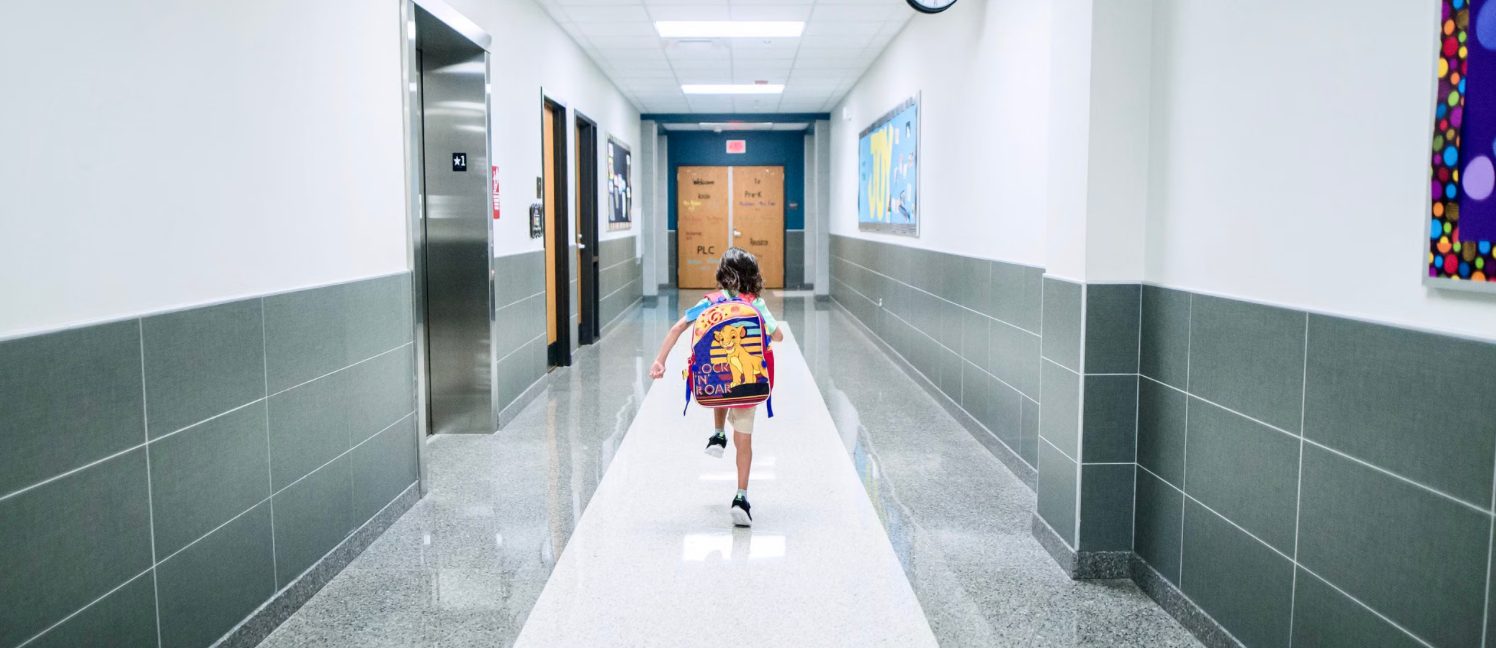
Child In School Hallway
Educators should review an Individualized Education Program with a parent, highlighting required progress reports, measurable goals, and the documentation schools must legally maintain. (Pexels).

Parents often assume every classroom note, teacher observation, or conversation about their child must appear in an Individualized Education Program (IEP) record. In reality, federal law draws a clear line between information schools are required to document and information they may keep as informal working notes.

Under the Individuals with Disabilities Education Act (IDEA), an Individualized Education Program (IEP) is a legally required document that must include specific information about a student’s services, goals, accommodations, and progress monitoring. However, not every classroom observation or teacher note is required to become part of the official record.

What Schools Are Legally Required to Document

An IEP must include a student’s current academic and functional performance levels, measurable annual goals, special education services, accommodations, and how progress toward those goals will be measured. Schools must also specify when parents will receive progress reports, which often coincide with report cards but can follow another schedule if the IEP states it. If services change, those changes must be reflected in the IEP after the proper team process. These requirements exist because the IEP is a legally binding document, not simply a collection of classroom notes. Understanding these core IEP reporting rules helps parents recognize whether essential information is missing from their child’s records.

What Schools Usually Do Not Have to Document

Not every interaction between a teacher and student belongs in the official IEP file. Casual classroom reminders, brief conversations, informal observations, and personal memory aids used only by a teacher generally are not required parts of the student’s educational record. Likewise, schools are not obligated to record every daily instructional adjustment unless it affects the student’s documented services or progress monitoring. Parents sometimes worry that missing informal notes indicate wrongdoing, but that is not automatically the case. Knowing what falls outside official IEP reporting rules can prevent unnecessary misunderstandings while keeping attention on legally required documentation.

Progress Reports Should Show Meaningful Data

One of the most overlooked requirements involves documenting progress toward annual IEP goals. Federal regulations require schools to explain how progress will be measured and when those updates will be shared with families. For example, if a reading goal calls for achieving 90 words per minute with 95% accuracy, progress reports should include measurable data rather than vague statements. Specific numbers, percentages, or frequency counts help parents determine whether interventions are working.

Parents should also expect updates that show how their child is progressing toward each annual goal using the measurement method described in the IEP. Depending on the goal, that may include percentages, reading fluency rates, behavior frequency counts, work samples, or other objective data—not simply statements such as “making progress” or “improving.” IDEA also requires the IEP to specify when those reports will be provided.

Parents have the right under the Family Educational Rights and Privacy Act (FERPA) to inspect and review their child’s education records. If you believe important records are missing or inaccurate, you can request to review the student’s file and discuss concerns with the school.

Common Misunderstandings Parents Should Know

Many parents believe report cards and IEP progress reports serve the same purpose, but they measure different things. A report card reflects classroom performance, while an IEP progress report measures advancement toward individualized goals established by the IEP team. While report cards may reference IEP progress when communicating with parents, schools should be careful about unnecessarily disclosing disability status on transcripts that may be shared with colleges, employers, or other third parties. Federal disability and privacy laws are designed to prevent unnecessary disclosure of a student’s disability.

Questions to Ask at Your Next IEP Meeting

  • How is each goal being measured?
  • Can you show me the data used for the progress report?
  • When will I receive future progress reports?
  • What happens if my child isn’t making expected progress?
  • How are accommodations being documented?
  • Has anything changed since the last IEP meeting?

Knowing What Belongs in an IEP Helps Parents Advocate More Effectively

Understanding IEP reporting rules empowers parents to focus on the records that truly matter instead of worrying about every informal classroom interaction. If progress reports lack measurable data or required services are missing from documentation, those concerns deserve immediate discussion with the IEP team. Keeping organized copies of evaluations, IEPs, progress reports, and meeting notes also makes future conversations far more productive. Families who understand the documentation process are often better equipped to advocate effectively while maintaining positive relationships with educators.

What questions do you still have about IEP reporting rules, and has your child’s school explained its documentation process clearly? Share your experience in the comments to help other families navigate the special education process.

What to Read Next

When an IEP Fails: 4 Steps Parents Can Take Before Filing a Complaint

The “Quiet” IEP Denials: 5 Phrases Schools Use to Delay Services

What Families Lose When Moving From Public School IEPs to Private Voucher Schools

Evan Morgan

Evan Morgan has been a full-time freelance writer and editor for 10+ years. When not working, he enjoys catching the latest true crime documentary or getting lost in a good book.

Filed Under: Education Tagged With: advocacy, disability services, Education Law, IDEA, IEP, IEP reporting rules, Parents, school records, special education, student progress

Why Some Parents Are Being Investigated Over Homeschooling Records

September 8, 2025 | Leave a Comment

Why Some Parents Are Being Investigated Over Homeschooling Records
Image source: 123rf.com

Homeschooling has become increasingly popular, offering parents flexibility and control over their children’s education. But with that freedom comes responsibility, particularly when it comes to maintaining proper documentation. Across the country, more families are finding themselves investigated over homeschooling records due to lapses, misunderstandings, or inconsistent compliance with state laws. These investigations can be stressful and sometimes intimidating, leaving parents worried about how to prove they’re providing a proper education. Knowing the reasons behind these investigations can help families avoid unnecessary scrutiny and keep homeschooling on the right track.

1. Incomplete Attendance Logs

Many states require parents to track and report attendance as part of homeschooling compliance. When those records are missing, incomplete, or inconsistent, families may be investigated over homeschooling records. Authorities want to ensure children are receiving the legally required amount of instruction time. Even if the child is learning effectively, a lack of documented proof can raise red flags. Keeping detailed logs, whether on paper or through a digital tracker, can help families stay compliant and avoid misunderstandings.

2. Missing Curriculum Documentation

Some states expect homeschooling parents to provide a clear outline of what subjects are being taught and which materials are used. When parents fail to submit or update this information, they may be investigated over homeschooling records. Officials are looking for reassurance that children are receiving instruction in core areas like math, science, reading, and social studies. Without clear documentation, even well-educated children can trigger unnecessary concerns. Parents can protect themselves by creating organized curriculum binders or digital files with lesson plans and learning objectives.

3. Gaps in Academic Progress Reports

Progress reports, test scores, or work samples are often required to demonstrate a child’s learning over time. If parents neglect to keep these records or fail to submit them on time, they risk being investigated over homeschooling records. Authorities are not necessarily expecting straight-A results but want evidence that children are making reasonable academic progress. A lack of records may lead to assumptions of neglect, even when learning is happening. Regularly updating files with test results, essays, and projects can provide the necessary proof if questions arise.

4. Late or Nonexistent Notifications

In many states, parents must formally notify their school district or state education office that they intend to homeschool. When parents skip this step or fail to renew their notice annually, they could be investigated over homeschooling records. From the state’s perspective, this helps prevent children from falling through the cracks of the education system. Even if families are providing quality instruction, failing to notify can create unnecessary legal trouble. Parents should always double-check deadlines and requirements in their state to stay ahead of paperwork obligations.

5. Misunderstanding State-Specific Laws

Homeschooling regulations vary widely across the United States, which often leads to confusion. A family moving from one state to another may not realize that new rules apply, leaving them at risk of being investigated over homeschooling records. What works in one state might not be acceptable in another, especially when it comes to standardized testing or subject requirements. Without proper awareness, even diligent parents can accidentally fall out of compliance. Researching state-specific laws and joining local homeschooling associations can help families stay informed and prepared.

6. Lack of Proper Testing Records

Some states require homeschooled children to take standardized tests at specific grade levels. Failing to administer or submit these results can lead to parents being investigated over homeschooling records. Testing provides a measurable way for states to ensure educational progress is on track. Even if children are thriving in daily lessons, missing official test results may look suspicious to authorities. Parents should mark testing deadlines on calendars and keep copies of results in case there ever requested.

7. Allegations Triggered by Outside Reports

Sometimes, investigations are not about missing paperwork but about concerns raised by others. A neighbor, teacher, or family member may question whether a child is receiving an adequate education. When this happens, parents are often investigated over homeschooling records as part of the inquiry. Even if the allegation proves unfounded, lack of organized records can make the process more stressful. Keeping thorough documentation ensures parents can quickly address questions and demonstrate compliance.

Turning Compliance into Confidence

For many families, homeschooling is a rewarding choice that allows for a personalized and flexible education. However, the risk of being investigated over homeschooling records is real when documentation is incomplete or requirements are misunderstood. The good news is that maintaining organized records not only satisfies state laws but also builds parental confidence. By treating compliance as part of the educational process, families can avoid unnecessary scrutiny and focus on what truly matters: helping their children learn and thrive. Staying proactive ensures homeschooling remains a positive and stress-free experience.

Have you or someone you know ever faced challenges with homeschooling paperwork? Share your experiences and tips in the comments below!

What to Read Next…

5 Harsh Truths About Being the Only Parent Who Sets Rules

8 Reasons Why “Free‑Range Parenting” Might Be Endangering Your Child

Should Parents Be Fined for Posting About Their Kids on Social Media?

Are Parental Rights Being Ignored in Public School Curriculums?

8 Legal Battles That Can Tear Apart a Co-Parenting Agreement

Catherine Reed
Catherine Reed

Catherine is a tech-savvy writer who has focused on the personal finance space for more than eight years. She has a Bachelor’s in Information Technology and enjoys showcasing how tech can simplify everyday personal finance tasks like budgeting, spending tracking, and planning for the future. Additionally, she’s explored the ins and outs of the world of side hustles and loves to share what she’s learned along the way. When she’s not working, you can find her relaxing at home in the Pacific Northwest with her two cats or enjoying a cup of coffee at her neighborhood cafe.

Filed Under: Education Tagged With: academic progress, compliance, education laws, family education choices, homeschooling, parenting tips, school records

Government Spies: 8 Privacy Concerns with Government Databases of Kids

July 14, 2025 | Leave a Comment

Government Spies 8 Privacy Concerns with Government Databases of Kids
123rf.com

Most parents understand the importance of sharing some personal information with schools and health agencies to access services for their kids. But what happens when that data is stored, tracked, and shared without your full understanding—or your permission? The rise of government databases of kids means more information is being collected than ever before, from test scores and immunizations to social behavior and disciplinary records. While some of it may seem harmless, the long-term consequences can raise serious privacy concerns. If you’ve never thought twice about where your child’s data goes, these eight issues might change your perspective.

1. Data Sharing Between Agencies Without Consent

One major concern with government databases of kids is the sharing of personal data across agencies without explicit parental approval. Information collected by schools can be passed to health departments, law enforcement, or social services without you even knowing. While some of this sharing is meant to coordinate services, it opens the door to overreach and misuse. Parents may lose control over how their child’s private information is interpreted or used. Transparency and clear opt-in policies should be the standard, but they often aren’t.

2. Inaccurate or Outdated Records

Government databases of kids are only as reliable as the information they contain. If data is entered incorrectly or not updated, it can follow your child for years and impact future decisions. An old disciplinary report, mistaken identity, or incorrect health detail could paint an unfair picture. Unlike adults, kids don’t get a say in what’s stored or how errors are corrected. This creates a permanent record that may not reflect your child’s actual behavior, achievements, or needs.

3. Lack of Parental Access and Oversight

You might assume you can review any data the government holds on your child, but that’s not always true. Many government databases of kids are not easily accessible to parents, making it difficult to verify accuracy or understand what’s being collected. In some cases, you may need to jump through legal hoops to even view the information. This lack of transparency prevents families from advocating effectively for their children. It also increases the risk of misuse or misinterpretation by others.

4. Use of Predictive Analytics on Children

One unsettling trend is the use of predictive tools that analyze a child’s data to forecast future behavior or outcomes. These algorithms use information from government databases of kids to make assumptions about potential learning disabilities, dropout risks, or even criminal behavior. While marketed as helpful, these tools can reinforce bias and limit opportunities. A child might be unfairly labeled or tracked based on data-driven predictions rather than their actual potential. Decisions about a child’s future should involve humans, not just numbers.

5. Potential Security Breaches

Every digital database carries the risk of being hacked or breached, and government databases of kids are no exception. A breach could expose everything from Social Security numbers and addresses to mental health diagnoses and school performance. Children’s identities are especially vulnerable to theft because the fraud often goes undetected for years. Parents assume these systems are secure, but government agencies are frequent targets for cyberattacks. A single breach can affect thousands of kids and create lasting consequences.

6. Long-Term Tracking Without a Clear Purpose

Once data is collected, how long is it kept? And for what purpose? In many cases, government databases of kids don’t have a clear data retention policy. Records may follow children into adulthood, shaping how they’re treated in education, employment, or even the justice system. It’s one thing to track trends on a broad level, but permanent records tied to an individual child raise ethical concerns about surveillance and autonomy.

7. Biometric Data Collection Is on the Rise

Some schools and government programs are beginning to collect biometric data from children, such as fingerprints, facial recognition scans, or voiceprints. This might be for attendance tracking, cafeteria purchases, or security—but it’s often done without fully explaining the risks. Once biometric data is stored, it can’t be changed if compromised. Government databases of kids with this kind of information pose serious privacy risks that extend well into adulthood. Biometric details are deeply personal and should require high levels of consent and protection.

8. Targeting or Profiling Based on Data

Perhaps the most alarming concern is how data from government databases of kids could be used to profile or target certain children. Students from marginalized communities are often disproportionately represented in these systems, and their data may be used to justify increased surveillance or reduced services. Instead of supporting children, these profiles can deepen inequalities. The line between helpful intervention and harmful labeling is thin—and too often crossed without parents even realizing it.

Don’t Let Data Make the Decisions for You

As a parent, you have the right to ask questions about how your child’s information is collected, stored, and used. The growing use of government databases of kids shouldn’t mean giving up your family’s privacy or your child’s future autonomy. By staying informed and speaking up, you help protect not just your own child but all children from systems that can too easily go unchecked. It’s not about fearing technology—it’s about making sure it serves your child, not the other way around.

Have you ever questioned how your child’s data is being used by schools or government programs? Share your thoughts and concerns in the comments!

Read More:

Data Risk: 9 Data Breaches Still Threatening Your Kids’ Info

School Spies: 8 Privacy Risks of School Apps Collecting Data

Catherine Reed
Catherine Reed

Catherine is a tech-savvy writer who has focused on the personal finance space for more than eight years. She has a Bachelor’s in Information Technology and enjoys showcasing how tech can simplify everyday personal finance tasks like budgeting, spending tracking, and planning for the future. Additionally, she’s explored the ins and outs of the world of side hustles and loves to share what she’s learned along the way. When she’s not working, you can find her relaxing at home in the Pacific Northwest with her two cats or enjoying a cup of coffee at her neighborhood cafe.

Filed Under: Parenting Tagged With: child privacy, child surveillance, data protection, digital safety for children, government databases of kids, parenting tips, school records, student data concerns

  • Facebook
  • Pinterest
  • RSS
  • Twitter

Basic Principles Of Good Parenting

Here some basic principles for good parenting:

  1. What You Do Matters: Your kids are watching you. So, be purposeful about what you want to accomplish.
  2. You Can’t be Too Loving: Don’t replace love with material possessions, lowered expectations or leniency.
  3. Be Involved Your Kids Life: Arrange your priorities to focus on what your kid’s needs. Be there mentally and physically.
  4. Adapt Your Parenting: Children grow quickly, so keep pace with your child’s development.
  5. Establish and Set Rules: The rules you set for children will establish the rules they set for themselves later.  Avoid harsh discipline and be consistent.
  6. Explain Your Decisions: What is obvious to you may not be evident to your child. They don’t have the experience you do.
  7. Be Respectful To Your Child: How you treat your child is how they will treat others.  Be polite, respectful and make an effort to pay attention.
Best Parenting Blogs

Most Popular

Baby

9 Unusual Baby Names That Sound Like They Belong to Future CEOs

Evan Morgan
Baby

10 Baby Names That Were Once Considered “Grandparent Names” but Feel Cool Again

Evan Morgan
Target Store

Choking Incident Prompts Recall of 49,000 Target Gigglescape “Under the Sea” Popping Toys

Evan Morgan
Frustrated Girl

Why Some Students on the Spectrum Are Labeled With ODD

Evan Morgan
Coke Bottles

12 Things Kids Took to School in the ’70s That Would Never Be Allowed Today

Evan Morgan

All content on Kids Ain’t Cheap is for entertainment purposes only. By reading this blog, you agree that Kids Ain’t Cheap is not responsible for any actions taken after reading this blog. For the full disclaimer, see our privacy policy.

Please note that Kids Ain’t Cheap has financial relationships with some of the merchants mentioned here. Kids Ain’t Cheap is funded by banner advertising, commission sales and search optimization consulting.

Copyright © 2006–2026 | District Media | All Rights Reserved | Privacy Policy

Copyright © 2026 Runway Pro Theme by Viva la Violette