• Home
  • About Us
  • Toolkit
  • Archives
  • Advertise
  • Privacy Policy

Kids Ain't Cheap

But They Sure Are Worth It

  • Parenting
    • Baby Stuff
    • Books and Reading
      • Aesops Fables
      • Comic Books
    • Education
    • Family Time
    • Green Living
    • Growing Up
    • Healthy Living & Eating
    • Holidays
    • Parenting
    • Random Musings
    • Shopping
    • Stuff to Do
  • Money
  • Product Reviews
    • Books and Magazines
    • Discount Sites
    • Furniture
    • House Keeping
    • Reviews News
    • Toys and Games
  • Contact Us
  • Our Editorial Commitment
  • Search

Government Spies: 8 Privacy Concerns with Government Databases of Kids

July 14, 2025 | Leave a Comment

Government Spies 8 Privacy Concerns with Government Databases of Kids
123rf.com

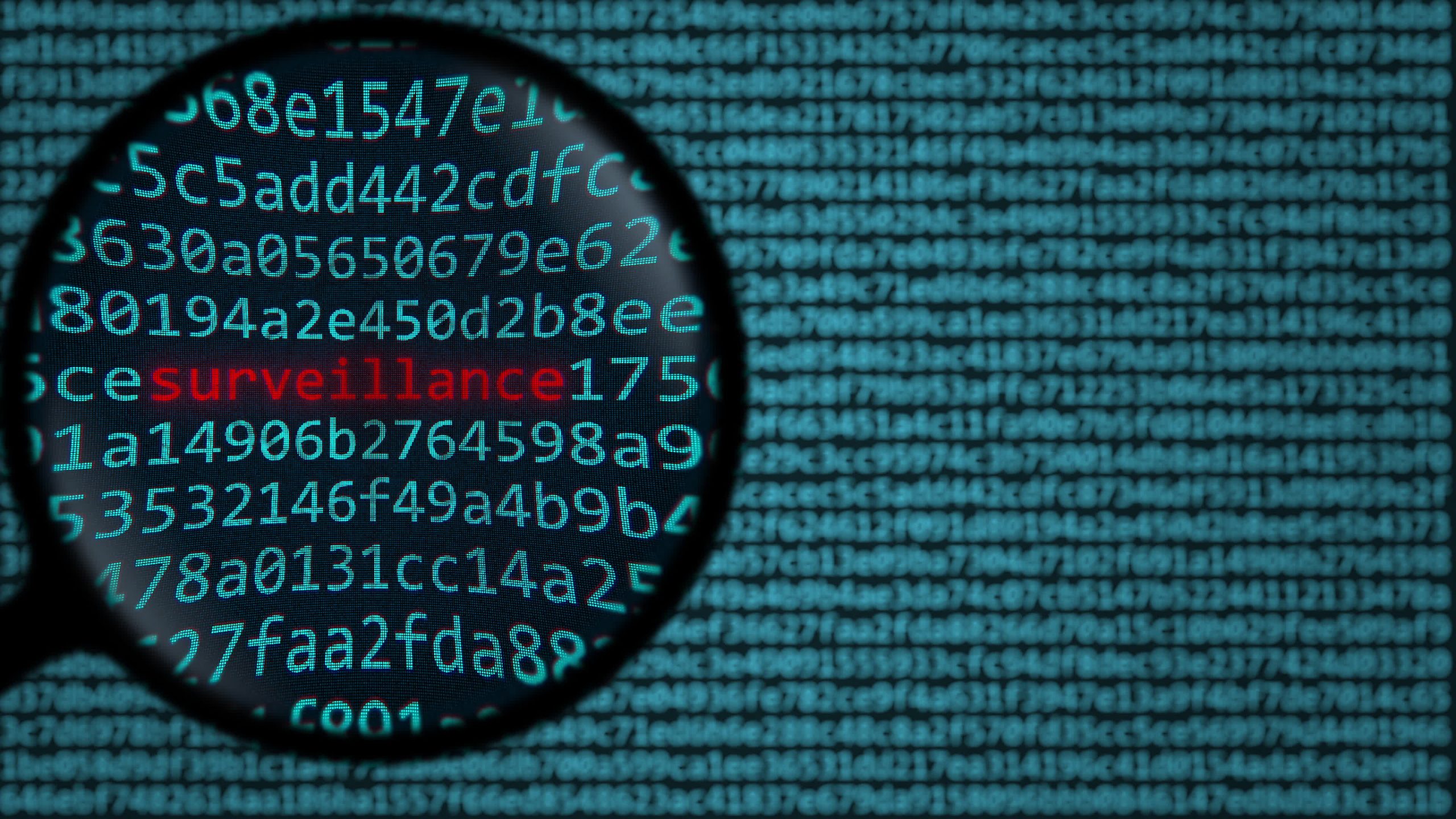
Most parents understand the importance of sharing some personal information with schools and health agencies to access services for their kids. But what happens when that data is stored, tracked, and shared without your full understanding—or your permission? The rise of government databases of kids means more information is being collected than ever before, from test scores and immunizations to social behavior and disciplinary records. While some of it may seem harmless, the long-term consequences can raise serious privacy concerns. If you’ve never thought twice about where your child’s data goes, these eight issues might change your perspective.

1. Data Sharing Between Agencies Without Consent

One major concern with government databases of kids is the sharing of personal data across agencies without explicit parental approval. Information collected by schools can be passed to health departments, law enforcement, or social services without you even knowing. While some of this sharing is meant to coordinate services, it opens the door to overreach and misuse. Parents may lose control over how their child’s private information is interpreted or used. Transparency and clear opt-in policies should be the standard, but they often aren’t.

2. Inaccurate or Outdated Records

Government databases of kids are only as reliable as the information they contain. If data is entered incorrectly or not updated, it can follow your child for years and impact future decisions. An old disciplinary report, mistaken identity, or incorrect health detail could paint an unfair picture. Unlike adults, kids don’t get a say in what’s stored or how errors are corrected. This creates a permanent record that may not reflect your child’s actual behavior, achievements, or needs.

3. Lack of Parental Access and Oversight

You might assume you can review any data the government holds on your child, but that’s not always true. Many government databases of kids are not easily accessible to parents, making it difficult to verify accuracy or understand what’s being collected. In some cases, you may need to jump through legal hoops to even view the information. This lack of transparency prevents families from advocating effectively for their children. It also increases the risk of misuse or misinterpretation by others.

4. Use of Predictive Analytics on Children

One unsettling trend is the use of predictive tools that analyze a child’s data to forecast future behavior or outcomes. These algorithms use information from government databases of kids to make assumptions about potential learning disabilities, dropout risks, or even criminal behavior. While marketed as helpful, these tools can reinforce bias and limit opportunities. A child might be unfairly labeled or tracked based on data-driven predictions rather than their actual potential. Decisions about a child’s future should involve humans, not just numbers.

5. Potential Security Breaches

Every digital database carries the risk of being hacked or breached, and government databases of kids are no exception. A breach could expose everything from Social Security numbers and addresses to mental health diagnoses and school performance. Children’s identities are especially vulnerable to theft because the fraud often goes undetected for years. Parents assume these systems are secure, but government agencies are frequent targets for cyberattacks. A single breach can affect thousands of kids and create lasting consequences.

6. Long-Term Tracking Without a Clear Purpose

Once data is collected, how long is it kept? And for what purpose? In many cases, government databases of kids don’t have a clear data retention policy. Records may follow children into adulthood, shaping how they’re treated in education, employment, or even the justice system. It’s one thing to track trends on a broad level, but permanent records tied to an individual child raise ethical concerns about surveillance and autonomy.

7. Biometric Data Collection Is on the Rise

Some schools and government programs are beginning to collect biometric data from children, such as fingerprints, facial recognition scans, or voiceprints. This might be for attendance tracking, cafeteria purchases, or security—but it’s often done without fully explaining the risks. Once biometric data is stored, it can’t be changed if compromised. Government databases of kids with this kind of information pose serious privacy risks that extend well into adulthood. Biometric details are deeply personal and should require high levels of consent and protection.

8. Targeting or Profiling Based on Data

Perhaps the most alarming concern is how data from government databases of kids could be used to profile or target certain children. Students from marginalized communities are often disproportionately represented in these systems, and their data may be used to justify increased surveillance or reduced services. Instead of supporting children, these profiles can deepen inequalities. The line between helpful intervention and harmful labeling is thin—and too often crossed without parents even realizing it.

Don’t Let Data Make the Decisions for You

As a parent, you have the right to ask questions about how your child’s information is collected, stored, and used. The growing use of government databases of kids shouldn’t mean giving up your family’s privacy or your child’s future autonomy. By staying informed and speaking up, you help protect not just your own child but all children from systems that can too easily go unchecked. It’s not about fearing technology—it’s about making sure it serves your child, not the other way around.

Have you ever questioned how your child’s data is being used by schools or government programs? Share your thoughts and concerns in the comments!

Read More:

Data Risk: 9 Data Breaches Still Threatening Your Kids’ Info

School Spies: 8 Privacy Risks of School Apps Collecting Data

Catherine Reed
Catherine Reed

Catherine is a tech-savvy writer who has focused on the personal finance space for more than eight years. She has a Bachelor’s in Information Technology and enjoys showcasing how tech can simplify everyday personal finance tasks like budgeting, spending tracking, and planning for the future. Additionally, she’s explored the ins and outs of the world of side hustles and loves to share what she’s learned along the way. When she’s not working, you can find her relaxing at home in the Pacific Northwest with her two cats or enjoying a cup of coffee at her neighborhood cafe.

Filed Under: Parenting Tagged With: child privacy, child surveillance, data protection, digital safety for children, government databases of kids, parenting tips, school records, student data concerns

Alone and Safe: 6 Urgent Safety Tips for Kids Home Alone

July 13, 2025 | Leave a Comment

Alone and Safe 6 Urgent Safety Tips for Kids Home Alone
123rf.com

Letting your child stay home alone is a major milestone—for them and for you. Whether it’s for 15 minutes while you run an errand or a couple of hours after school, it’s natural to feel a mix of pride and panic. The key to peace of mind? Preparation. Kids home alone need more than just snacks and screen time—they need to know how to respond in a variety of situations. These six urgent safety tips will help ensure your child feels confident and secure when they’re on their own.

1. Set Clear Check-In Rules

When it comes to kids home alone, one of the first and most effective safety tips is setting a consistent check-in system. Ask your child to call or text you as soon as they walk in the door, and consider having them check in at regular intervals if you’ll be gone a while. This gives you peace of mind and ensures they know someone’s aware of their well-being. For younger children, set reminders on their devices or write the steps on a whiteboard. Don’t forget to discuss who they can call if they can’t reach you—trusted neighbors, grandparents, or another designated adult.

2. Review Door and Phone Safety

Make sure your child knows never to open the door to strangers, no matter how friendly or official someone might seem. It’s also smart to instruct them not to answer the phone unless they recognize the caller ID. Kids home alone can be easy targets for scams or unwanted attention if they reveal they’re unsupervised. Practice scripts like “My parent can’t come to the phone right now, can I take a message?” and teach them to ignore anyone at the door entirely. Reinforcing these rules builds instinctual safety habits over time.

3. Lock Down Internet Access

The digital world can be just as risky as the real one when kids are home alone and don’t have guidance. Use parental controls to limit access to certain websites, apps, and games, especially if your child is still learning to navigate the internet responsibly. Remind them not to chat with strangers online, share personal information, or post on social media that they’re home alone. Talk about which shows, games, or platforms are OK while you’re away and which ones are off-limits. A quick digital cleanup can protect their safety while giving them entertainment options you trust.

4. Go Over Emergency Scenarios

Reviewing what to do in case of fire, injury, or other emergencies is essential before leaving kids home alone. Teach your child how to call 911 and what information they’ll need to provide. Role-play common scenarios, like smelling smoke, someone trying to break in, or feeling sick. Keep emergency contact numbers posted in an easy-to-find spot and make sure your child knows your home address and phone number by heart. The more you practice together, the more confidently your child will respond if something ever goes wrong.

5. Establish Safe Zones and Off-Limits Areas

Designate specific rooms or areas in the house as safe zones where your child can spend their time—ideally spaces close to a phone and away from potential hazards. At the same time, identify off-limits zones like the kitchen, garage, or backyard, especially for younger kids. Kids home alone should avoid cooking with appliances, using sharp tools, or doing any activities that could put them at risk without adult supervision. Clear boundaries help reduce the chance of accidents and make it easier for your child to focus on what they can safely do.

6. Create a Simple Routine for Alone Time

Having a plan helps kids home alone feel more confident and less anxious. Create a checklist or timeline that outlines their time alone, such as when to lock the door, when to start homework, or what shows they can watch. You can even leave a fun note with snacks or a puzzle to give them something to look forward to. A predictable routine minimizes boredom (and rule-breaking) and reinforces structure in your absence. Keep it simple, age-appropriate, and consistent every time they’re left on their own.

Safety Builds Independence, One Step at a Time

Giving your child the freedom to stay home alone—even for short stretches—teaches responsibility and builds confidence. With the right rules, a bit of practice, and ongoing conversations, kids home alone can stay safe and even thrive in their independence. Every tip above isn’t just about protection—it’s about preparation. By being proactive, you’re giving your child the tools they need to handle being alone with calm and confidence. And that’s a win for everyone.

What safety strategies have worked best for your kids at home alone? Have you discovered any clever tools or rules that made things easier? Share in the comments below!

Read More:

The “Safe Sleepover Talk” Every Parent Should Have (But Most Don’t)

6 Seemingly Safe Places That Could Actually Be Dangerous for Kids

Catherine Reed
Catherine Reed

Catherine is a tech-savvy writer who has focused on the personal finance space for more than eight years. She has a Bachelor’s in Information Technology and enjoys showcasing how tech can simplify everyday personal finance tasks like budgeting, spending tracking, and planning for the future. Additionally, she’s explored the ins and outs of the world of side hustles and loves to share what she’s learned along the way. When she’s not working, you can find her relaxing at home in the Pacific Northwest with her two cats or enjoying a cup of coffee at her neighborhood cafe.

Filed Under: Parenting Tagged With: child independence, child safety tips, digital safety for children, emergency prep for kids, home security for kids, kids home alone, parenting safety

  • Facebook
  • Pinterest
  • RSS
  • Twitter

Basic Principles Of Good Parenting

Here some basic principles for good parenting:

  1. What You Do Matters: Your kids are watching you. So, be purposeful about what you want to accomplish.
  2. You Can’t be Too Loving: Don’t replace love with material possessions, lowered expectations or leniency.
  3. Be Involved Your Kids Life: Arrange your priorities to focus on what your kid’s needs. Be there mentally and physically.
  4. Adapt Your Parenting: Children grow quickly, so keep pace with your child’s development.
  5. Establish and Set Rules: The rules you set for children will establish the rules they set for themselves later.  Avoid harsh discipline and be consistent.
  6. Explain Your Decisions: What is obvious to you may not be evident to your child. They don’t have the experience you do.
  7. Be Respectful To Your Child: How you treat your child is how they will treat others.  Be polite, respectful and make an effort to pay attention.
Best Parenting Blogs

Most Popular

Baby Girl

12 “Grandma” Baby Names That Are Suddenly Cool Again

Evan Morgan
Baby

9 Baby Names That Sound Rare Without Being Hard to Spell

Evan Morgan
Target Store

Choking Incident Prompts Recall of 49,000 Target Gigglescape “Under the Sea” Popping Toys

Evan Morgan
Frustrated Girl

Why Some Students on the Spectrum Are Labeled With ODD

Evan Morgan
Coke Bottles

12 Things Kids Took to School in the ’70s That Would Never Be Allowed Today

Evan Morgan

All content on Kids Ain’t Cheap is for entertainment purposes only. By reading this blog, you agree that Kids Ain’t Cheap is not responsible for any actions taken after reading this blog. For the full disclaimer, see our privacy policy.

Please note that Kids Ain’t Cheap has financial relationships with some of the merchants mentioned here. Kids Ain’t Cheap is funded by banner advertising, commission sales and search optimization consulting.

Copyright © 2006–2026 | District Media | All Rights Reserved | Privacy Policy

Copyright © 2026 Runway Pro Theme by Viva la Violette