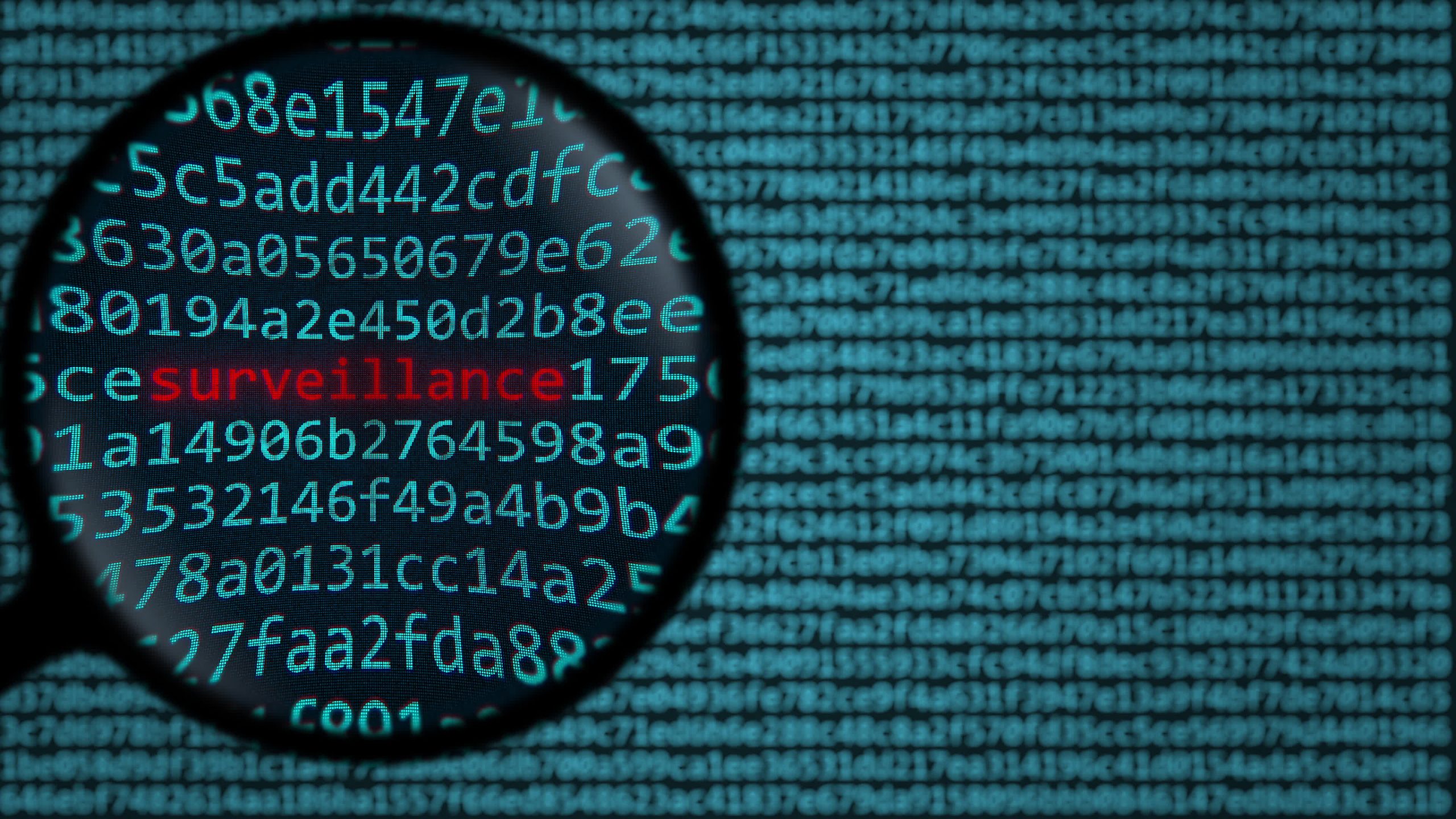
Most parents understand the importance of sharing some personal information with schools and health agencies to access services for their kids. But what happens when that data is stored, tracked, and shared without your full understanding—or your permission? The rise of government databases of kids means more information is being collected than ever before, from test scores and immunizations to social behavior and disciplinary records. While some of it may seem harmless, the long-term consequences can raise serious privacy concerns. If you’ve never thought twice about where your child’s data goes, these eight issues might change your perspective.
1. Data Sharing Between Agencies Without Consent
One major concern with government databases of kids is the sharing of personal data across agencies without explicit parental approval. Information collected by schools can be passed to health departments, law enforcement, or social services without you even knowing. While some of this sharing is meant to coordinate services, it opens the door to overreach and misuse. Parents may lose control over how their child’s private information is interpreted or used. Transparency and clear opt-in policies should be the standard, but they often aren’t.
2. Inaccurate or Outdated Records
Government databases of kids are only as reliable as the information they contain. If data is entered incorrectly or not updated, it can follow your child for years and impact future decisions. An old disciplinary report, mistaken identity, or incorrect health detail could paint an unfair picture. Unlike adults, kids don’t get a say in what’s stored or how errors are corrected. This creates a permanent record that may not reflect your child’s actual behavior, achievements, or needs.
3. Lack of Parental Access and Oversight
You might assume you can review any data the government holds on your child, but that’s not always true. Many government databases of kids are not easily accessible to parents, making it difficult to verify accuracy or understand what’s being collected. In some cases, you may need to jump through legal hoops to even view the information. This lack of transparency prevents families from advocating effectively for their children. It also increases the risk of misuse or misinterpretation by others.
4. Use of Predictive Analytics on Children
One unsettling trend is the use of predictive tools that analyze a child’s data to forecast future behavior or outcomes. These algorithms use information from government databases of kids to make assumptions about potential learning disabilities, dropout risks, or even criminal behavior. While marketed as helpful, these tools can reinforce bias and limit opportunities. A child might be unfairly labeled or tracked based on data-driven predictions rather than their actual potential. Decisions about a child’s future should involve humans, not just numbers.
5. Potential Security Breaches
Every digital database carries the risk of being hacked or breached, and government databases of kids are no exception. A breach could expose everything from Social Security numbers and addresses to mental health diagnoses and school performance. Children’s identities are especially vulnerable to theft because the fraud often goes undetected for years. Parents assume these systems are secure, but government agencies are frequent targets for cyberattacks. A single breach can affect thousands of kids and create lasting consequences.
6. Long-Term Tracking Without a Clear Purpose
Once data is collected, how long is it kept? And for what purpose? In many cases, government databases of kids don’t have a clear data retention policy. Records may follow children into adulthood, shaping how they’re treated in education, employment, or even the justice system. It’s one thing to track trends on a broad level, but permanent records tied to an individual child raise ethical concerns about surveillance and autonomy.
7. Biometric Data Collection Is on the Rise
Some schools and government programs are beginning to collect biometric data from children, such as fingerprints, facial recognition scans, or voiceprints. This might be for attendance tracking, cafeteria purchases, or security—but it’s often done without fully explaining the risks. Once biometric data is stored, it can’t be changed if compromised. Government databases of kids with this kind of information pose serious privacy risks that extend well into adulthood. Biometric details are deeply personal and should require high levels of consent and protection.
8. Targeting or Profiling Based on Data
Perhaps the most alarming concern is how data from government databases of kids could be used to profile or target certain children. Students from marginalized communities are often disproportionately represented in these systems, and their data may be used to justify increased surveillance or reduced services. Instead of supporting children, these profiles can deepen inequalities. The line between helpful intervention and harmful labeling is thin—and too often crossed without parents even realizing it.
Don’t Let Data Make the Decisions for You
As a parent, you have the right to ask questions about how your child’s information is collected, stored, and used. The growing use of government databases of kids shouldn’t mean giving up your family’s privacy or your child’s future autonomy. By staying informed and speaking up, you help protect not just your own child but all children from systems that can too easily go unchecked. It’s not about fearing technology—it’s about making sure it serves your child, not the other way around.
Have you ever questioned how your child’s data is being used by schools or government programs? Share your thoughts and concerns in the comments!
Read More:
Data Risk: 9 Data Breaches Still Threatening Your Kids’ Info
School Spies: 8 Privacy Risks of School Apps Collecting Data

Catherine is a tech-savvy writer who has focused on the personal finance space for more than eight years. She has a Bachelor’s in Information Technology and enjoys showcasing how tech can simplify everyday personal finance tasks like budgeting, spending tracking, and planning for the future. Additionally, she’s explored the ins and outs of the world of side hustles and loves to share what she’s learned along the way. When she’s not working, you can find her relaxing at home in the Pacific Northwest with her two cats or enjoying a cup of coffee at her neighborhood cafe.
Read More
Did you know about the Association for Library Service to Children? Don’t worry, I didn’t…
As far as my kids are concerned, it's not Christmas until the tree is setup…
Summer is ending and school is beginning. Some kids have already started school. There is…

Ever feel like some things from the past should make a comeback? Older generations often…


The early years of parenting are filled with unforgettable milestones—and a mountain of unexpected expenses.…

The bathroom is one of the most frequently used spaces in any home. Despite its…


Leave a Reply