• Home
  • About Us
  • Toolkit
  • Archives
  • Advertise
  • Privacy Policy

Kids Ain't Cheap

But They Sure Are Worth It

  • Parenting
    • Baby Stuff
    • Books and Reading
      • Aesops Fables
      • Comic Books
    • Education
    • Family Time
    • Green Living
    • Growing Up
    • Healthy Living & Eating
    • Holidays
    • Parenting
    • Random Musings
    • Shopping
    • Stuff to Do
  • Money
  • Product Reviews
    • Books and Magazines
    • Discount Sites
    • Furniture
    • House Keeping
    • Reviews News
    • Toys and Games
  • Contact Us
  • Our Editorial Commitment
  • Search

IEP Reporting Rules: What Schools Must Document vs. What They Don’t

July 14, 2026 | Leave a Comment

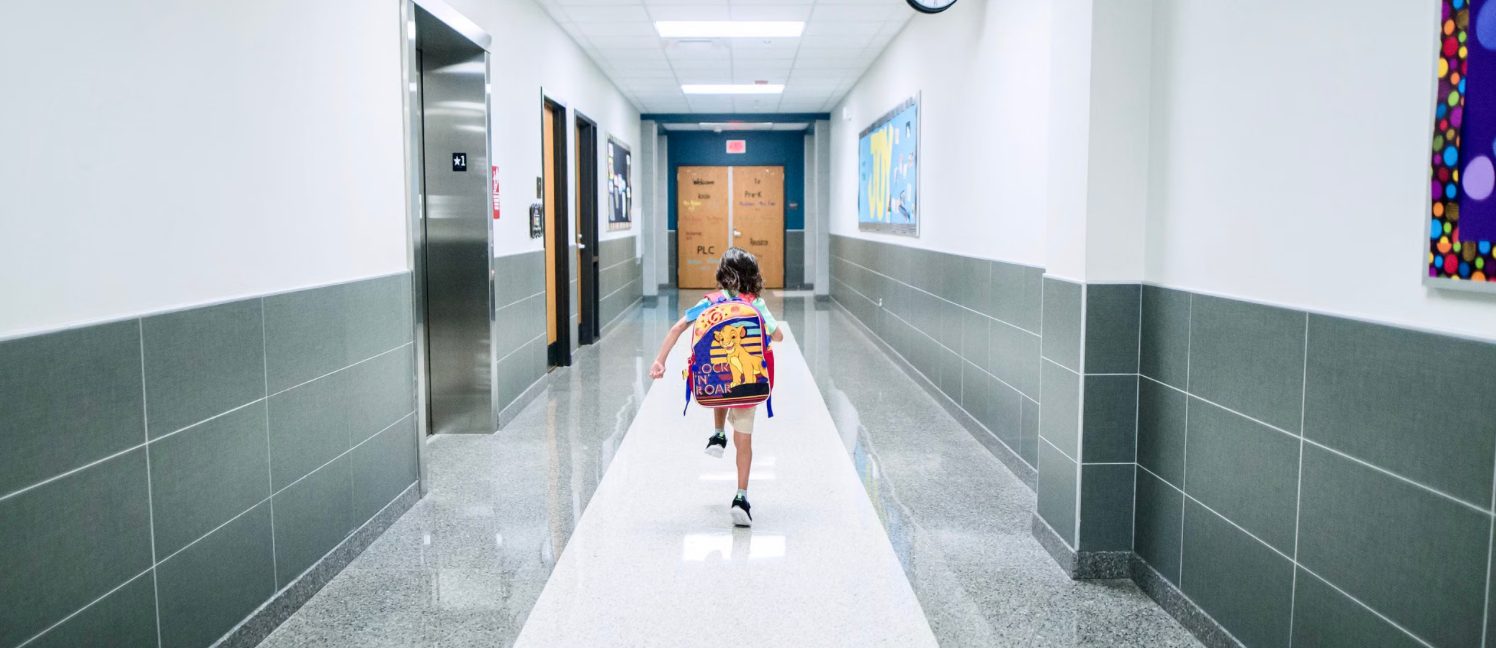
Child In School Hallway
Educators should review an Individualized Education Program with a parent, highlighting required progress reports, measurable goals, and the documentation schools must legally maintain. (Pexels).

Parents often assume every classroom note, teacher observation, or conversation about their child must appear in an Individualized Education Program (IEP) record. In reality, federal law draws a clear line between information schools are required to document and information they may keep as informal working notes.

Under the Individuals with Disabilities Education Act (IDEA), an Individualized Education Program (IEP) is a legally required document that must include specific information about a student’s services, goals, accommodations, and progress monitoring. However, not every classroom observation or teacher note is required to become part of the official record.

What Schools Are Legally Required to Document

An IEP must include a student’s current academic and functional performance levels, measurable annual goals, special education services, accommodations, and how progress toward those goals will be measured. Schools must also specify when parents will receive progress reports, which often coincide with report cards but can follow another schedule if the IEP states it. If services change, those changes must be reflected in the IEP after the proper team process. These requirements exist because the IEP is a legally binding document, not simply a collection of classroom notes. Understanding these core IEP reporting rules helps parents recognize whether essential information is missing from their child’s records.

What Schools Usually Do Not Have to Document

Not every interaction between a teacher and student belongs in the official IEP file. Casual classroom reminders, brief conversations, informal observations, and personal memory aids used only by a teacher generally are not required parts of the student’s educational record. Likewise, schools are not obligated to record every daily instructional adjustment unless it affects the student’s documented services or progress monitoring. Parents sometimes worry that missing informal notes indicate wrongdoing, but that is not automatically the case. Knowing what falls outside official IEP reporting rules can prevent unnecessary misunderstandings while keeping attention on legally required documentation.

Progress Reports Should Show Meaningful Data

One of the most overlooked requirements involves documenting progress toward annual IEP goals. Federal regulations require schools to explain how progress will be measured and when those updates will be shared with families. For example, if a reading goal calls for achieving 90 words per minute with 95% accuracy, progress reports should include measurable data rather than vague statements. Specific numbers, percentages, or frequency counts help parents determine whether interventions are working.

Parents should also expect updates that show how their child is progressing toward each annual goal using the measurement method described in the IEP. Depending on the goal, that may include percentages, reading fluency rates, behavior frequency counts, work samples, or other objective data—not simply statements such as “making progress” or “improving.” IDEA also requires the IEP to specify when those reports will be provided.

Parents have the right under the Family Educational Rights and Privacy Act (FERPA) to inspect and review their child’s education records. If you believe important records are missing or inaccurate, you can request to review the student’s file and discuss concerns with the school.

Common Misunderstandings Parents Should Know

Many parents believe report cards and IEP progress reports serve the same purpose, but they measure different things. A report card reflects classroom performance, while an IEP progress report measures advancement toward individualized goals established by the IEP team. While report cards may reference IEP progress when communicating with parents, schools should be careful about unnecessarily disclosing disability status on transcripts that may be shared with colleges, employers, or other third parties. Federal disability and privacy laws are designed to prevent unnecessary disclosure of a student’s disability.

Questions to Ask at Your Next IEP Meeting

  • How is each goal being measured?
  • Can you show me the data used for the progress report?
  • When will I receive future progress reports?
  • What happens if my child isn’t making expected progress?
  • How are accommodations being documented?
  • Has anything changed since the last IEP meeting?

Knowing What Belongs in an IEP Helps Parents Advocate More Effectively

Understanding IEP reporting rules empowers parents to focus on the records that truly matter instead of worrying about every informal classroom interaction. If progress reports lack measurable data or required services are missing from documentation, those concerns deserve immediate discussion with the IEP team. Keeping organized copies of evaluations, IEPs, progress reports, and meeting notes also makes future conversations far more productive. Families who understand the documentation process are often better equipped to advocate effectively while maintaining positive relationships with educators.

What questions do you still have about IEP reporting rules, and has your child’s school explained its documentation process clearly? Share your experience in the comments to help other families navigate the special education process.

What to Read Next

When an IEP Fails: 4 Steps Parents Can Take Before Filing a Complaint

The “Quiet” IEP Denials: 5 Phrases Schools Use to Delay Services

What Families Lose When Moving From Public School IEPs to Private Voucher Schools

Evan Morgan

Evan Morgan has been a full-time freelance writer and editor for 10+ years. When not working, he enjoys catching the latest true crime documentary or getting lost in a good book.

Filed Under: Education Tagged With: advocacy, disability services, Education Law, IDEA, IEP, IEP reporting rules, Parents, school records, special education, student progress

  • Facebook
  • Pinterest
  • RSS
  • Twitter

Basic Principles Of Good Parenting

Here some basic principles for good parenting:

  1. What You Do Matters: Your kids are watching you. So, be purposeful about what you want to accomplish.
  2. You Can’t be Too Loving: Don’t replace love with material possessions, lowered expectations or leniency.
  3. Be Involved Your Kids Life: Arrange your priorities to focus on what your kid’s needs. Be there mentally and physically.
  4. Adapt Your Parenting: Children grow quickly, so keep pace with your child’s development.
  5. Establish and Set Rules: The rules you set for children will establish the rules they set for themselves later.  Avoid harsh discipline and be consistent.
  6. Explain Your Decisions: What is obvious to you may not be evident to your child. They don’t have the experience you do.
  7. Be Respectful To Your Child: How you treat your child is how they will treat others.  Be polite, respectful and make an effort to pay attention.
Best Parenting Blogs

Most Popular

11 Ways Kids Are Outsmarting Parental Controls 1. Using Alternate Devices One common trick is simply turning to another device. If a child’s main phone or tablet is restricted, they may borrow a sibling’s, friend’s, or even a school laptop. This instantly gives them access to content outside of parental oversight. Parents often focus on one device, forgetting that others in the household can serve as loopholes. Knowing this tactic helps families tighten controls across all electronics. 2. Clearing Browsing Histories Many kids quickly learn that clearing browsing history hides evidence of restricted activity. With just a few clicks, they can erase any trace of websites visited. This makes it harder for parents to notice when rules are being broken. Parents may assume no history means no browsing, but the reality is often the opposite. Kids are outsmarting parental controls by making it seem like nothing happened at all. 3. Using Private Browsing Modes Most browsers offer “incognito” or private browsing features. Kids use this mode to access websites without leaving a record in the history. To parents checking later, everything looks clean and safe. This simple trick is often one of the first ways kids discover how to bypass restrictions. Conversations about private browsing can help close this gap. 4. Guessing or Resetting Passwords Children who are persistent may try to guess passwords to parental control apps or accounts. Others may find ways to reset them through email prompts or security questions. Once inside, they can disable restrictions entirely. Parents may not even realize controls have been altered until much later. Stronger, less predictable passwords can make this more difficult. 5. Using VPNs to Hide Activity Virtual private networks, or VPNs, let kids disguise their online locations. With one downloaded app, they can bypass geographic or parental restrictions. Some children learn about VPNs through friends or even social media. This makes it easy for them to reach content that should be blocked. Parents often underestimate just how simple it is for kids to use these tools. 6. Creating Fake Accounts When parents monitor social media, kids may create hidden accounts. These “finstas” or fake profiles allow them to interact freely without parental oversight. While their main account appears harmless, the secondary one tells a different story. Kids are outsmarting parental controls by playing both sides at once. Checking for duplicate accounts can help parents stay more aware. 7. Exploiting Time Zone Settings Some kids change the time zone on their devices to bypass screen time limits. This trick allows them to gain extra hours of usage undetected. Parents may assume controls are working, but in reality, the child is bending the clock. It’s a clever loophole that highlights just how resourceful kids can be. Monitoring device settings regularly can catch this tactic. 8. Disabling or Uninstalling Apps Parental control apps can be deleted or disabled with surprising ease. Some kids even reinstall them before a parent checks, making it seem like nothing changed. Others may simply restrict permissions to prevent apps from functioning properly. When apps aren’t monitored closely, parents may not notice they’ve been tampered with. This shows the importance of consistent follow-up. 9. Turning to Friends for Access If a child can’t get past restrictions on their own, they may rely on friends. Visiting a friend’s house or borrowing their phone can give them a free pass. Parents often forget that peer environments can override restrictions set at home. This kind of social workaround is especially common with gaming or social media. Open conversations about trust and responsibility are essential. 10. Hiding Apps in Plain Sight Kids sometimes download apps that look innocent but serve as gateways to hidden activity. These apps may disguise themselves as calculators or utilities. In reality, they allow file storage, private messaging, or browser access. Parents glancing at a home screen may overlook them entirely. Learning to recognize these disguised apps can help parents stay informed. 11. Outpacing Parents’ Tech Knowledge Finally, kids often know more about devices than their parents do. Whether through YouTube tutorials, TikTok hacks, or peer groups, they quickly learn advanced workarounds. This knowledge gap means controls can be bypassed before parents even realize the loophole exists. Staying informed and continually learning about new technology is the best defense. Kids are outsmarting parental controls because they adapt faster than most adults. The Real Solution Lies Beyond Restrictions While controls and filters are important, no system is perfect. Kids will always find creative ways around barriers, making communication the strongest safeguard. Setting clear expectations, building trust, and having ongoing conversations about online behavior matter more than apps alone. Parents who combine technology with open dialogue create a safer digital environment. The goal isn’t to win a battle of wits but to build a relationship that keeps kids both safe and honest. Do you think kids are outsmarting parental controls faster than parents can keep up? Share your experiences in the comments below. What to Read Next... 6 Parenting Tech Shortcuts That Can Expose Your Child to Strangers How Much Screen Time Is Too Much—Legally Speaking? Is Your Child’s School Quietly Tracking Their Location Without Your Consent? How Much Screen Time Is Quietly Reshaping Childhood Behavior? Why Some Parents Are Being Investigated Over Homeschooling Records

11 Ways Kids Are Outsmarting Parental Controls

Catherine Reed
Smiling grandfather holding a happy baby indoors.

Why Grandparents Shouldn’t Babysit Their Grandkids Every Week – The Unspoken Issue

Samantha
Girl getting makeup done, referencing psychologist-approved age.

Wearing Makeup: Here Is the Age That Psychologists Agree It’s Okay for Girls to Wear Makeup

Samantha
birthday gifts

7 Birthday Gifts Your Child Should Never Bring to a Party

Latrice Perez

Babysitting Without Cash: 10 Ways to Barter Your Way Out of Childcare Costs

Ashleigh Clyde

All content on Kids Ain’t Cheap is for entertainment purposes only. By reading this blog, you agree that Kids Ain’t Cheap is not responsible for any actions taken after reading this blog. For the full disclaimer, see our privacy policy.

Please note that Kids Ain’t Cheap has financial relationships with some of the merchants mentioned here. Kids Ain’t Cheap is funded by banner advertising, commission sales and search optimization consulting.

Copyright © 2006–2026 | District Media | All Rights Reserved | Privacy Policy

Copyright © 2026 Runway Pro Theme by Viva la Violette