• Home
  • About Us
  • Toolkit
  • Archives
  • Advertise
  • Privacy Policy

Kids Ain't Cheap

But They Sure Are Worth It

  • Parenting
    • Baby Stuff
    • Books and Reading
      • Aesops Fables
      • Comic Books
    • Education
    • Family Time
    • Green Living
    • Growing Up
    • Healthy Living & Eating
    • Holidays
    • Parenting
    • Random Musings
    • Shopping
    • Stuff to Do
  • Money
  • Product Reviews
    • Books and Magazines
    • Discount Sites
    • Furniture
    • House Keeping
    • Reviews News
    • Toys and Games
  • Contact Us
  • Our Editorial Commitment
  • Search

IEP Reporting Rules: What Schools Must Document vs. What They Don’t

July 14, 2026 | Leave a Comment

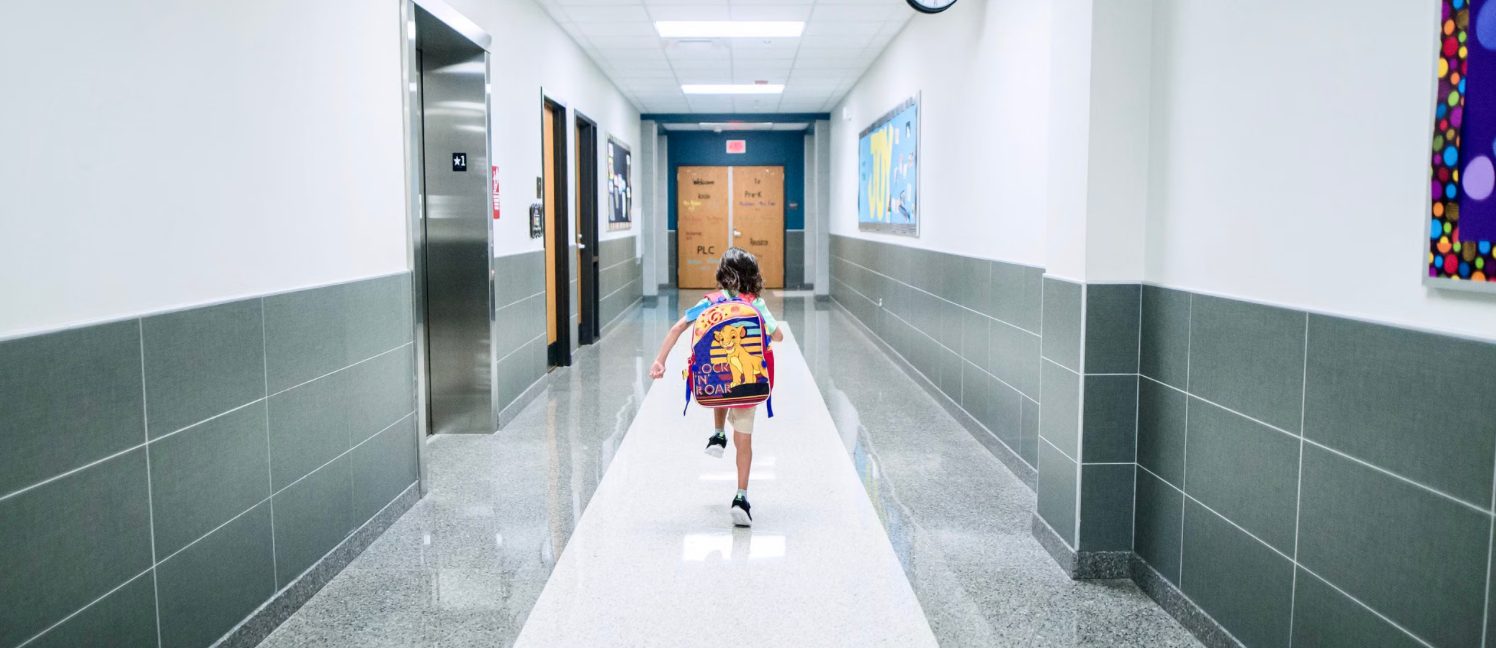
Child In School Hallway
Educators should review an Individualized Education Program with a parent, highlighting required progress reports, measurable goals, and the documentation schools must legally maintain. (Pexels).

Parents often assume every classroom note, teacher observation, or conversation about their child must appear in an Individualized Education Program (IEP) record. In reality, federal law draws a clear line between information schools are required to document and information they may keep as informal working notes.

Under the Individuals with Disabilities Education Act (IDEA), an Individualized Education Program (IEP) is a legally required document that must include specific information about a student’s services, goals, accommodations, and progress monitoring. However, not every classroom observation or teacher note is required to become part of the official record.

What Schools Are Legally Required to Document

An IEP must include a student’s current academic and functional performance levels, measurable annual goals, special education services, accommodations, and how progress toward those goals will be measured. Schools must also specify when parents will receive progress reports, which often coincide with report cards but can follow another schedule if the IEP states it. If services change, those changes must be reflected in the IEP after the proper team process. These requirements exist because the IEP is a legally binding document, not simply a collection of classroom notes. Understanding these core IEP reporting rules helps parents recognize whether essential information is missing from their child’s records.

What Schools Usually Do Not Have to Document

Not every interaction between a teacher and student belongs in the official IEP file. Casual classroom reminders, brief conversations, informal observations, and personal memory aids used only by a teacher generally are not required parts of the student’s educational record. Likewise, schools are not obligated to record every daily instructional adjustment unless it affects the student’s documented services or progress monitoring. Parents sometimes worry that missing informal notes indicate wrongdoing, but that is not automatically the case. Knowing what falls outside official IEP reporting rules can prevent unnecessary misunderstandings while keeping attention on legally required documentation.

Progress Reports Should Show Meaningful Data

One of the most overlooked requirements involves documenting progress toward annual IEP goals. Federal regulations require schools to explain how progress will be measured and when those updates will be shared with families. For example, if a reading goal calls for achieving 90 words per minute with 95% accuracy, progress reports should include measurable data rather than vague statements. Specific numbers, percentages, or frequency counts help parents determine whether interventions are working.

Parents should also expect updates that show how their child is progressing toward each annual goal using the measurement method described in the IEP. Depending on the goal, that may include percentages, reading fluency rates, behavior frequency counts, work samples, or other objective data—not simply statements such as “making progress” or “improving.” IDEA also requires the IEP to specify when those reports will be provided.

Parents have the right under the Family Educational Rights and Privacy Act (FERPA) to inspect and review their child’s education records. If you believe important records are missing or inaccurate, you can request to review the student’s file and discuss concerns with the school.

Common Misunderstandings Parents Should Know

Many parents believe report cards and IEP progress reports serve the same purpose, but they measure different things. A report card reflects classroom performance, while an IEP progress report measures advancement toward individualized goals established by the IEP team. While report cards may reference IEP progress when communicating with parents, schools should be careful about unnecessarily disclosing disability status on transcripts that may be shared with colleges, employers, or other third parties. Federal disability and privacy laws are designed to prevent unnecessary disclosure of a student’s disability.

Questions to Ask at Your Next IEP Meeting

  • How is each goal being measured?
  • Can you show me the data used for the progress report?
  • When will I receive future progress reports?
  • What happens if my child isn’t making expected progress?
  • How are accommodations being documented?
  • Has anything changed since the last IEP meeting?

Knowing What Belongs in an IEP Helps Parents Advocate More Effectively

Understanding IEP reporting rules empowers parents to focus on the records that truly matter instead of worrying about every informal classroom interaction. If progress reports lack measurable data or required services are missing from documentation, those concerns deserve immediate discussion with the IEP team. Keeping organized copies of evaluations, IEPs, progress reports, and meeting notes also makes future conversations far more productive. Families who understand the documentation process are often better equipped to advocate effectively while maintaining positive relationships with educators.

What questions do you still have about IEP reporting rules, and has your child’s school explained its documentation process clearly? Share your experience in the comments to help other families navigate the special education process.

What to Read Next

When an IEP Fails: 4 Steps Parents Can Take Before Filing a Complaint

The “Quiet” IEP Denials: 5 Phrases Schools Use to Delay Services

What Families Lose When Moving From Public School IEPs to Private Voucher Schools

Evan Morgan

Evan Morgan has been a full-time freelance writer and editor for 10+ years. When not working, he enjoys catching the latest true crime documentary or getting lost in a good book.
Filed Under: Education Tagged With: advocacy, disability services, Education Law, IDEA, IEP, IEP reporting rules, Parents, school records, special education, student progress

Florida Families Report Longer Delays for School-Based Autism Services

May 23, 2026 | Leave a Comment

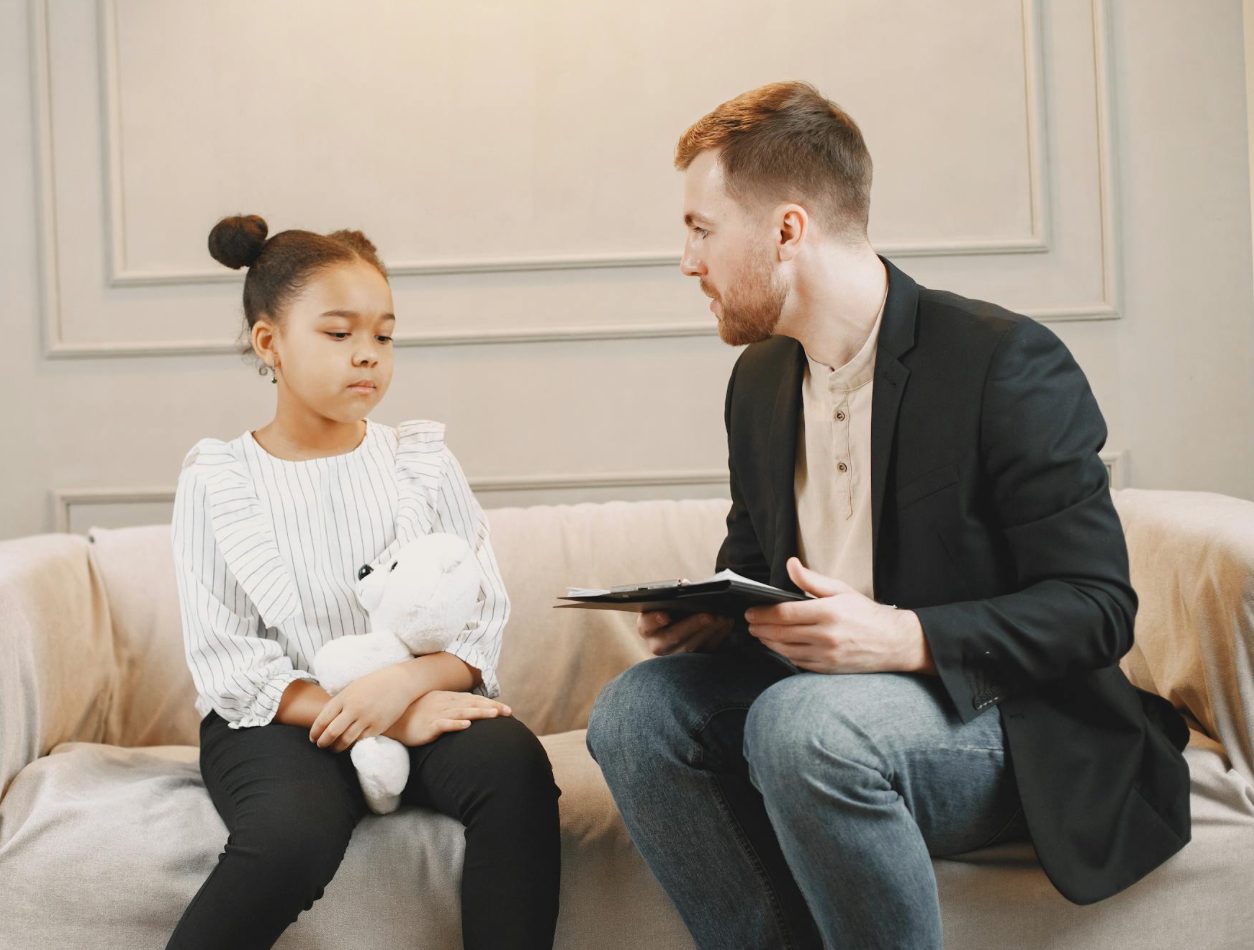
Child With Therapist
Florida families are reporting delays of autism services – Pexels

For many Florida parents, getting school-based autism services is no longer just a paperwork challenge — it is becoming a waiting game. Families across the state say delays involving evaluations, therapy support, classroom accommodations, and staffing shortages are stretching longer than expected. When services are delayed, children can miss critical developmental windows that affect communication, learning, and social skills. That growing concern is putting a spotlight on school-based autism services and whether families are receiving the timely support they were promised.

Why School-Based Autism Services Matter So Much

School-based autism services often include speech therapy, occupational therapy, behavioral support, classroom accommodations, and individualized education programs, commonly called IEPs. For many families, these services are not optional extras but essential tools that help children succeed academically and socially. A missed therapy session or delayed evaluation can mean a child struggles longer with communication, emotional regulation, or classroom participation. Under federal education law, eligible students are entitled to appropriate educational support tailored to their needs. Yet parents and advocates say access is becoming harder to secure in some Florida districts.

Families Say Delays Are Creating Stress at Home and in Classrooms

Imagine a parent whose child was recommended for behavioral therapy at school in the fall but does not receive consistent support until months later. During that gap, classroom frustrations can escalate, academic progress can slow, and families may feel pressured to pay for private services they cannot easily afford. Some parents report longer timelines for evaluations, therapist shortages, or difficulty getting IEP meetings scheduled quickly. These experiences vary by district, but the emotional toll is often similar: uncertainty, stress, and concern that a child is falling behind. When school-based autism services are delayed, families frequently become full-time advocates navigating a complicated system.

Staffing Shortages and Growing Demand May Be Driving the Problem

Experts point to several factors that may be contributing to longer delays. Schools nationwide continue facing shortages of speech-language pathologists, behavioral specialists, school psychologists, and special education staff. At the same time, demand for special education support has increased, with millions of U.S. students receiving services under federal disability education programs. Florida families are also navigating broader disability-service backlogs outside the classroom, adding another layer of strain for households already managing complex care needs. These pressures can make timely school-based autism services harder to deliver consistently.

What Parents Can Do If Services Are Delayed

Families often worry they have no options when delays occur, but advocacy experts say documentation matters. Parents should keep written records of evaluation requests, missed timelines, meeting notes, and communication with schools. Understanding IEP rights, asking for progress updates in writing, and requesting clarification on staffing or scheduling concerns can help create a clearer path forward. Advocacy organizations recommend approaching schools collaboratively when possible while remaining informed about educational protections and dispute-resolution options. Knowing your rights does not guarantee an immediate fix, but it can help families respond confidently instead of feeling stuck.

Florida’s Autism Support Conversation Is Still Evolving

Florida lawmakers and advocacy groups continue discussing ways to strengthen autism support, improve coordination between healthcare and education systems, and expand access to early intervention programs. Recent policy discussions have included stronger transition planning and improved coordination of autism-related services for families. Still, many parents argue that policy conversations must translate into faster, more reliable school-based autism services in everyday classrooms. Families are not just asking for compliance on paper; they want dependable support that arrives when children actually need it. That distinction matters because developmental progress rarely waits for administrative delays.

The Question Florida Families Are Asking

Longer delays for school-based autism services are raising difficult questions about equity, staffing, accountability, and educational access in Florida schools. For families, the issue is deeply personal because every postponed evaluation or interrupted therapy plan affects a real child’s daily life. Parents want timely communication, qualified support professionals, and systems that respond before small challenges become bigger setbacks. As demand grows, communities, educators, and policymakers may need to rethink how autism support is delivered and sustained.

What has your experience been with school-based autism services in Florida or elsewhere? Share your thoughts and join the conversation in the comments.

What to Read Next

School Counselors Say More Children Are Masking Autism Symptoms Until Burnout Hits

Experts Say Girls With Autism Are Still Being Missed at Alarming Rates

7 Things Insurance Still Refuses to Cover for Many Autistic Children

Evan Morgan

Evan Morgan has been a full-time freelance writer and editor for 10+ years. When not working, he enjoys catching the latest true crime documentary or getting lost in a good book.

Filed Under: Health Tagged With: autism support, child development, disability services, Education News, Florida autism, Florida families, IEP, school-based autism services, special education

  • Facebook
  • Pinterest
  • RSS
  • Twitter

Basic Principles Of Good Parenting

Here some basic principles for good parenting:

  1. What You Do Matters: Your kids are watching you. So, be purposeful about what you want to accomplish.
  2. You Can’t be Too Loving: Don’t replace love with material possessions, lowered expectations or leniency.
  3. Be Involved Your Kids Life: Arrange your priorities to focus on what your kid’s needs. Be there mentally and physically.
  4. Adapt Your Parenting: Children grow quickly, so keep pace with your child’s development.
  5. Establish and Set Rules: The rules you set for children will establish the rules they set for themselves later.  Avoid harsh discipline and be consistent.
  6. Explain Your Decisions: What is obvious to you may not be evident to your child. They don’t have the experience you do.
  7. Be Respectful To Your Child: How you treat your child is how they will treat others.  Be polite, respectful and make an effort to pay attention.
Best Parenting Blogs

Most Popular

Baby

9 Unusual Baby Names That Sound Like They Belong to Future CEOs

Evan Morgan
Baby

10 Baby Names That Were Once Considered “Grandparent Names” but Feel Cool Again

Evan Morgan
Target Store

Choking Incident Prompts Recall of 49,000 Target Gigglescape “Under the Sea” Popping Toys

Evan Morgan
Frustrated Girl

Why Some Students on the Spectrum Are Labeled With ODD

Evan Morgan
Coke Bottles

12 Things Kids Took to School in the ’70s That Would Never Be Allowed Today

Evan Morgan

All content on Kids Ain’t Cheap is for entertainment purposes only. By reading this blog, you agree that Kids Ain’t Cheap is not responsible for any actions taken after reading this blog. For the full disclaimer, see our privacy policy.

Please note that Kids Ain’t Cheap has financial relationships with some of the merchants mentioned here. Kids Ain’t Cheap is funded by banner advertising, commission sales and search optimization consulting.

Copyright © 2006–2026 | District Media | All Rights Reserved | Privacy Policy

Copyright © 2026 Runway Pro Theme by Viva la Violette