
• Home
  • About Us
  • Toolkit
  • Archives
  • Advertise
  • Privacy Policy

Kids Ain't Cheap

But They Sure Are Worth It

  • Parenting
    • Baby Stuff
    • Books and Reading
      • Aesops Fables
      • Comic Books
    • Education
    • Family Time
    • Green Living
    • Growing Up
    • Healthy Living & Eating
    • Holidays
    • Parenting
    • Random Musings
    • Shopping
    • Stuff to Do
  • Money
  • Product Reviews
    • Books and Magazines
    • Discount Sites
    • Furniture
    • House Keeping
    • Reviews News
    • Toys and Games
  • Contact Us
  • Our Editorial Commitment
  • Search

How to Prepare an Autistic Child for a New School Routine

August 8, 2026 | Leave a Comment

Kids In School
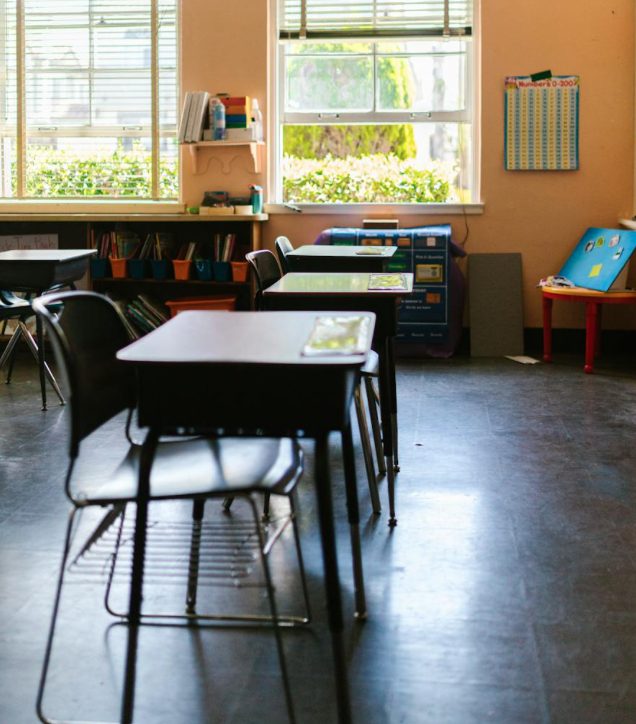
A parent should review a visual schedule with their autistic child before the first day of school, helping make the new routine feel familiar and predictable. (Pexels).

Starting a new school routine can be exciting, but it can also feel overwhelming for an autistic child. New classrooms, unfamiliar teachers, different expectations, and changes to daily schedules may increase anxiety, especially when routines suddenly shift. The good news is that thoughtful preparation can make the transition much smoother while helping children feel more secure and confident. Learning how to prepare an autistic child for school before the first day gives families practical ways to reduce stress and build positive experiences from the very beginning.

Build Familiarity Before the First Day

One of the most effective ways to prepare an autistic child for school is by making the new environment feel familiar before classes begin. If possible, visit the school several times, walk through the hallways, locate the classroom, and practice arriving at the entrance your child will use each morning. Taking photos of important locations, such as the classroom, cafeteria, playground, and restroom, allows you to review them together at home. Many children benefit from simple visual schedules or social stories that explain what will happen throughout the school day. According to the American Academy of Pediatrics, predictable routines and gradual preparation can reduce uncertainty and improve a child’s comfort with major transitions.

Practice the School Routine at Home

Children often respond better when a new routine has already been rehearsed several times. Begin waking up, getting dressed, eating breakfast, and leaving the house at the same time the school schedule will require about one to two weeks before classes begin. Practice packing a backpack, putting on shoes, and following each step in the same order every morning. Even a short “pretend school day” can help children understand what to expect while making unfamiliar tasks feel more predictable. This simple rehearsal is an excellent strategy to prepare an autistic child for school because repetition builds confidence instead of uncertainty.

Work Closely With Teachers and Support Staff

Open communication between families and educators creates a stronger support system for every child. Before school starts, share information about your child’s communication style, sensory sensitivities, calming strategies, favorite interests, and potential triggers. If your child has an Individualized Education Program (IEP) or a Section 504 Plan, review accommodations with the school team to ensure everyone understands their responsibilities. The Centers for Disease Control and Prevention notes that educational supports can significantly improve participation and success in school settings when they match a child’s individual needs. A collaborative approach helps teachers respond consistently while giving parents confidence that their child is understood.

Prepare for Sensory Challenges Before They Happen

A busy classroom introduces sounds, lights, smells, and social interactions that can overwhelm some autistic children. Rather than waiting until problems occur, discuss sensory situations ahead of time and develop simple coping strategies together. For example, if loud cafeterias or fire drills are difficult, ask whether your child can use noise-reducing headphones or access a quiet space when needed. Practice calming techniques such as deep breathing, squeezing a sensory toy, or asking for a break using words, pictures, or a communication device. Planning ahead helps children feel more in control because they already know what to do when situations become challenging.

Celebrate Progress Instead of Expecting Perfection

The first few weeks of school rarely go perfectly, and that’s completely normal for both children and parents. Celebrate small victories, whether it’s successfully entering the classroom, completing the morning routine, or making a new friend during recess. If a difficult day happens, treat it as information rather than failure by identifying what worked and what may need adjusting tomorrow. Research consistently shows that autistic children thrive when support is individualized because every child’s strengths, challenges, and learning style are different. Focusing on steady progress rather than perfection creates a positive foundation for long-term success while reinforcing your efforts to prepare an autistic child for school.

Every Small Step Builds a Stronger School Experience

Preparing for a new school routine is a process, not a single event, and every child will adjust at their own pace. By creating predictable routines, practicing everyday skills, communicating with educators, and planning for sensory needs, families can make the transition far less stressful. Patience, consistency, and flexibility often matter more than achieving a perfect first week. When children feel supported and understood, they are more likely to develop confidence that carries throughout the school year.

How have you helped your child adjust to a new school routine, and what advice would you share with other families? Leave a comment below and join the conversation.

What to Read Next

7 Classroom Changes That Can Trigger More Stress for Some Autistic Students

A Closer Look at School-Bus Details Parents of Autistic Children Should Confirm in Writing

What Happens to Autism Accommodations When a Child Changes Schools?

Evan Morgan

Evan Morgan has been a full-time freelance writer and editor for 10+ years. When not working, he enjoys catching the latest true crime documentary or getting lost in a good book.


Filed Under: Parenting Tagged With: autism, autism support, autistic child, Back to School, child development, Family, Parenting, school routine, school transition, special education

What Happens to Autism Accommodations When a Child Changes Schools?

August 1, 2026 | Leave a Comment

Kids In School
A parent should meet with school staff to review an autistic student’s educational supports before the first day, helping ensure a smoother transition and appropriate accommodations. (Pexels).

Changing schools can be stressful for any family, but it often brings added uncertainty when a child with autism depends on classroom accommodations to succeed. Many parents worry that an Individualized Education Program (IEP) or 504 Plan will automatically transfer without interruption, only to discover the process is more nuanced. The good news is that federal protections remain in place, but eligibility and services are individualized rather than guaranteed to stay exactly the same. Understanding how autism accommodations school transfer works can help families prepare, reduce delays, and advocate effectively for their child.

Understanding What Transfers and What May Change

When a child changes public schools, the new district must review existing educational records and determine how to provide appropriate support. If a student already has an IEP, the new school generally provides services comparable to the previous plan while reviewing records and deciding whether to adopt the existing IEP or develop a new one. That does not mean every accommodation automatically carries over unchanged because eligibility and services are individualized based on the student’s current needs. Students with a 504 Plan also remain protected, but the receiving school may review documentation before finalizing accommodations. Knowing this distinction helps families avoid the common misconception that every support follows a child unchanged from one school to another.

Why Early Communication Makes a Difference

One of the most effective ways to avoid service interruptions is to contact the new school before the first day of classes. Sharing copies of evaluations, the current IEP or 504 Plan, therapy reports, and recent progress updates gives staff time to prepare. For example, a child who benefits from sensory breaks, visual schedules, or a quiet testing environment is more likely to have those supports available quickly when teachers receive information early. Parents should also ask for a meeting with the special education team soon after enrollment to discuss expectations and answer questions. Strong communication often prevents confusion and helps everyone focus on the child’s successful transition instead of paperwork.

Preparing Your Child for a New Learning Environment

Moving to a different school means adjusting to new routines, teachers, classmates, and sensory experiences that can be overwhelming for autistic students. Visiting the campus before school starts, practicing the daily schedule, and showing photos of important locations can reduce anxiety. Some families create simple social stories that explain what the new school day will look like, making unfamiliar situations easier to understand. Teachers can also help by introducing classroom expectations gradually and identifying a trusted adult the student can approach when feeling overwhelmed. These practical steps often improve confidence while complementing formal accommodations already being discussed.

Advocating Without Assuming Every Support Will Stay the Same

Parents are their child’s strongest advocates, but effective advocacy begins with understanding that educational decisions are individualized. If a previous accommodation addressed a documented need and continues to be appropriate, families should explain why it remains important using recent examples from home, school, or therapy. For instance, if noise-canceling headphones consistently helped prevent sensory overload during independent work, sharing that evidence can strengthen the conversation with the new team. At the same time, parents should remain open to discussing different strategies that may meet the same educational goal. Collaboration usually produces better outcomes than assuming every detail of the previous plan will remain identical.

Moving Forward With Confidence

Changing schools does not erase a child’s educational rights, but it does begin a new review process focused on individual needs. Families who stay organized, communicate early, and understand how autism accommodations school transfer works are often better positioned to minimize disruptions. Every child deserves support that reflects their current strengths, challenges, and learning environment rather than a one-size-fits-all approach. With thoughtful planning and ongoing collaboration, school transitions can become opportunities for growth instead of sources of unnecessary stress. The goal is not simply preserving paperwork but ensuring each child receives meaningful accommodations that help them learn and thrive.

Have you navigated an autism accommodations school transfer, and what advice would you offer? Were there any surprises or strategies that made the transition easier? Share your thoughts and experiences in the comments below to help other families prepare for a smoother school change.

What to Read Next

How State Budget Changes Are Impacting Autism Support in Classrooms

The Screen-Time Paradox: How Digital Isolation Masks Early Autism Signs

Insurance Denials Are Rising for Key Autism Therapies

Evan Morgan

Evan Morgan has been a full-time freelance writer and editor for 10+ years. When not working, he enjoys catching the latest true crime documentary or getting lost in a good book.

Filed Under: Parenting Tagged With: 504 plan, autism, autism accommodations, autism accommodations school transfer, autism support, education, IEP, Parenting, school transfer, special education

Why Children With Autism Often Struggle With Summer Transitions

June 13, 2026 | Leave a Comment

Kid In Class
A child with autism can benefit from following a visual schedule during summer break, helping reduce anxiety and create a sense of predictability during seasonal routine changes. (Pexels).

Summer break is often associated with freedom, family vacations, and a break from school routines. However, for many families raising children with autism, the season can bring unexpected challenges instead of relaxation. The abrupt shift from structured school days to less predictable schedules can create anxiety, emotional distress, and behavioral difficulties. Understanding why autism summer transitions can be difficult is the first step toward helping children navigate the season with greater confidence and stability.

The Loss of Predictable Daily Routines

One of the biggest reasons autism summer transitions are challenging is the sudden loss of structure. During the school year, children typically follow consistent schedules that include classes, meals, therapy sessions, and bedtime routines. Research and clinical experts consistently note that predictable routines help reduce anxiety and provide a sense of security for many autistic children. When summer arrives and those routines disappear, some children may feel overwhelmed because they no longer know what to expect each day. This uncertainty can lead to increased stress, irritability, or resistance to change.

Changes in Social Connections and Support Systems

School provides more than academics for children with autism. It also offers daily interaction with teachers, therapists, aides, and classmates who form part of a child’s support network. When summer break begins, those familiar relationships may suddenly be interrupted for weeks or months. Some children struggle to understand why they no longer see the same people every day, which can create feelings of confusion or isolation. Parents may notice increased withdrawal, sadness, or frustration as children adjust to the absence of these regular social connections.

New Sensory Experiences Can Feel Overwhelming

Summer often introduces sensory experiences that are very different from the school year. Bright sunlight, crowded pools, loud camps, family gatherings, and travel can create sensory overload for children who are sensitive to environmental changes. A child who comfortably manages classroom noise may become distressed by the unpredictability of a busy amusement park or community event. Even seemingly minor factors such as sunscreen textures, different clothing fabrics, or higher temperatures can contribute to discomfort. These sensory challenges often make autism summer transitions more difficult than many people realize.

Emotional Regulation Becomes More Difficult

Many children with autism rely on routine and predictability to help regulate their emotions. When daily expectations change, managing frustration, anxiety, and disappointment can become significantly harder. For example, a child who expects a planned outing may struggle if weather conditions force a last-minute change. Parents may notice more meltdowns, emotional outbursts, or periods of withdrawal during the first few weeks of summer. These reactions are not signs of poor behavior but often reflect the child’s effort to cope with a rapidly changing environment.

Practical Ways Families Can Ease Summer Transitions

Fortunately, there are several evidence-based strategies that can make autism summer transitions smoother. Visual schedules, countdown calendars, and social stories can help children understand upcoming changes before they happen. Maintaining consistent wake-up times, meal schedules, and bedtime routines can also provide valuable stability throughout the summer months. Some families find success by introducing new activities gradually instead of making multiple changes at once. Creating a balance between structured activities and downtime can help children feel secure while still enjoying the flexibility that summer offers..

The Bigger Picture for Families Navigating Summer

Summer does not have to be a season of constant stress for families affected by autism. While autism summer transitions can present unique challenges, understanding the reasons behind those struggles helps parents respond with patience and effective support. Consistent routines, sensory accommodations, and thoughtful preparation can make a significant difference in a child’s comfort and confidence. The goal is not to eliminate every challenge but to create an environment where children feel safe and supported as they adapt to change. With the right strategies, summer can become an opportunity for growth, enjoyment, and meaningful family experiences.

What strategies have helped your family manage autism summer transitions? Have you found routines, visual schedules, or sensory accommodations that make the season easier? Every family’s experience is unique, and sharing practical ideas can help others facing similar challenges. Leave a comment below and join the conversation with other parents and caregivers. Your experience could make a meaningful difference for another family this summer.

What to Read Next

Why Some Families Are Paying Thousands for Autism-Friendly Summer Care

SUN Bucks 2026: How Families of Special Needs Students Can Claim Summer EBT Grocery Benefits

7 Skills Autism Parents Say Their Children Lose Over Summer Vacation

Evan Morgan

Evan Morgan has been a full-time freelance writer and editor for 10+ years. When not working, he enjoys catching the latest true crime documentary or getting lost in a good book.

Filed Under: Parenting Tagged With: autism, autism awareness, autism summer transitions, autism support, child development, family health, Parenting, parenting tips, special needs, summer routines

7 Skills Autism Parents Say Their Children Lose Over Summer Vacation

June 10, 2026 | Leave a Comment

Girl In School
A consistent summer routine can help children with autism maintain communication, social, academic, and self-care skills during school breaks. Small daily activities often make a big difference in preventing autism summer regression. (Pexels).

Summer break is a welcome change for many families, but for parents of children with autism, it can also bring unique challenges. When structured school schedules, therapy sessions, and daily routines pause, some children experience what experts call autism summer regression. Research shows that children with autism are more vulnerable to skill loss during long breaks because many developmental gains depend on consistent practice and reinforcement. While every child is different, many parents report seeing similar patterns emerge by the end of summer. Understanding these challenges can help families create simple strategies that keep progress moving forward.

1. Communication Skills

One of the most commonly reported areas affected by autism summer regression is communication. Children who regularly practice speech and language skills at school or in therapy may have fewer opportunities to use those skills during vacation. Parents often notice shorter conversations, reduced vocabulary use, or less frequent verbal requests. Even children who communicate well may need extra prompting after several weeks away from structured learning environments. Consistent conversations, reading together, and encouraging daily communication can help maintain these important skills.

2. Social Interaction Abilities

Social skills are another area where parents frequently notice setbacks during summer break. School provides daily opportunities to practice sharing, taking turns, reading social cues, and interacting with peers. Without those regular interactions, some children become less comfortable initiating conversations or participating in group activities. Parents may notice increased social anxiety when school resumes in the fall. Scheduling playdates, community activities, or structured camps can help children continue practicing social engagement throughout the summer.

3. Following Daily Routines

Many children on the autism spectrum thrive on predictable schedules and routines. When summer arrives, bedtimes, meal schedules, and daily activities often become less structured. While flexibility can be enjoyable, sudden changes sometimes create confusion and anxiety for children who depend on consistency. Parents frequently report that routine-related skills become harder to maintain after weeks of unstructured days. Using visual schedules or maintaining a predictable daily rhythm can reduce the effects of autism summer regression.

4. Academic Skills

Academic learning is often one of the most visible areas affected during summer vacation. Studies on summer learning loss suggest that students can lose weeks or even months of academic progress without ongoing practice. For children with autism, these losses may be more pronounced because many academic skills require repetition and reinforcement. Parents commonly notice declines in reading fluency, writing abilities, or math problem-solving. Short daily learning sessions can help preserve academic gains while still allowing children to enjoy their break.

5. Self-Care and Independence Skills

Many schools and therapy programs help children practice everyday life skills such as dressing, brushing teeth, preparing simple snacks, and organizing personal belongings. During summer, parents sometimes take over tasks to save time or avoid frustration. While understandable, this can reduce opportunities for children to practice independence. Some families notice that self-care routines become more difficult after several weeks without consistent expectations. Encouraging children to continue performing age-appropriate tasks helps reinforce long-term independence.

6. Emotional Regulation

Managing emotions is a skill that often requires ongoing support and practice. During the school year, children may have access to counselors, therapists, teachers, and structured coping strategies that help them navigate frustration and stress. Summer schedule changes can increase uncertainty, which may lead to more emotional outbursts or difficulty handling transitions. Parents frequently report increased meltdowns or anxiety during extended breaks. Maintaining familiar coping tools and preparing children for schedule changes can make emotional regulation easier throughout the summer months.

7. Behavioral Expectations and Flexibility

Behavioral skills that improve during the school year can sometimes weaken when expectations become less consistent. Children who successfully follow directions, complete tasks, or transition between activities at school may struggle when routines become more relaxed at home. This does not mean progress has been lost permanently, but it often requires extra time to rebuild those habits. Many parents report that the first few weeks back at school involve relearning behavioral expectations. Consistent rules and positive reinforcement throughout the summer can help prevent significant autism regression.

The Bigger Picture for Families

Autism summer regression is a real concern for many families, but it is also manageable with planning and consistency. The skills most commonly affected include communication, social interaction, routines, academics, independence, emotional regulation, and behavioral expectations. By recognizing these vulnerable areas early, parents can create simple opportunities for practice that fit naturally into daily life. Every child develops at a different pace, and occasional setbacks do not erase hard-earned progress.

What strategies have helped your child maintain skills during summer vacation? Share your experiences and advice in the comments to help other families navigate the season with confidence.

What to Read Next

5 Questions Parents Should Ask Before Enrolling a Child With Autism in Camp

Parents Fear This Summer Break Could Undo Months of Autism Progress

11 Expenses Autism Parents Say Nobody Warned Them About

Evan Morgan

Evan Morgan has been a full-time freelance writer and editor for 10+ years. When not working, he enjoys catching the latest true crime documentary or getting lost in a good book.

Filed Under: Parenting Tagged With: autism, autism awareness, autism summer regression, autism support, child development, education, family life, Parenting, special needs, Summer Learning Loss

Parents Fear This Summer Break Could Undo Months of Autism Progress

June 8, 2026 | Leave a Comment

Parent And Child
Consistent routines, structured activities, and continued support can help children with autism maintain important skills during summer break. Many parents are taking proactive steps to protect their children’s autism progress while still allowing them to enjoy the season. (Pexels).

For many families, summer break is a welcome change of pace filled with vacations, outdoor activities, and a break from school routines. But for parents of children with autism, the long stretch away from structured learning can bring a different emotion: concern. Many worry that autism progress achieved through months of therapy, school support, and daily practice could stall or even regress during the summer months. While every child is different, experts agree that maintaining consistency can play a critical role in preserving skills and confidence. Understanding the risks and taking proactive steps can help families turn summer into a season of growth rather than a setback.

Why Summer Can Be Challenging for Children With Autism

Children with autism often thrive on predictable schedules and structured environments. During the school year, many receive regular support through specialized instruction, speech therapy, occupational therapy, and social interaction opportunities. When summer arrives, those routines can change dramatically, creating uncertainty and stress. Research has shown that some children with autism may be more vulnerable to skill regression when structured support is interrupted. This can affect communication, social engagement, emotional regulation, and daily living skills.

The Skills Parents Fear Losing Most

Parents frequently report concerns about communication skills, social interactions, and behavioral progress during summer break. A child who has worked hard to improve conversation skills or follow classroom routines may struggle when those opportunities become less frequent. Some families also notice increased anxiety, difficulty with transitions, or the return of behaviors that had previously improved. While regression does not happen to every child, the possibility is significant enough that many schools offer Extended School Year services for eligible students. These services are specifically designed to help prevent substantial losses in critical developmental areas.

The Importance of Maintaining a Predictable Routine

One of the most effective ways to support autism progress during the summer is by maintaining a consistent daily routine. Experts recommend keeping regular wake-up times, meal schedules, and bedtime routines even when school is not in session. Visual schedules, calendars, and reminders can help children understand what to expect each day. Consistency provides a sense of security and reduces stress that may arise from sudden changes. Even simple routines can help reinforce the structure many children with autism rely on to succeed.

Small Daily Activities Can Make a Big Difference

Summer learning does not have to look like a traditional classroom experience. Reading together, practicing conversation skills during outings, helping with cooking, or completing simple chores can reinforce important developmental skills. Community activities such as library programs, swimming lessons, or supervised camps can also provide valuable opportunities for social interaction. Many specialists encourage families to incorporate learning naturally into everyday activities rather than creating a rigid academic schedule. The goal is to keep skills active while still allowing children to enjoy their summer break.

When Additional Support May Be Needed

Some children benefit from continuing therapy sessions or participating in structured summer programs. Research examining students with autism suggests that access to summer programming can help maintain cognitive, behavioral, and social skills more effectively than having no structured support at all. Parents should discuss options with therapists, educators, and healthcare providers before summer begins. Early planning can help identify services that match a child’s specific needs and goals. The right support system can make a meaningful difference in preventing setbacks and promoting continued development.

A Summer Strategy That Focuses on Progress, Not Perfection

Parents should remember that a few difficult days do not necessarily indicate regression. Children with autism can experience fluctuations in behavior and skill performance for many reasons, including changes in environment, sleep patterns, and sensory experiences. Rather than focusing on perfection, families may find it more helpful to concentrate on maintaining engagement and celebrating small victories. Summer can provide unique opportunities for practicing real-world skills that may not be available during the school year. With thoughtful planning and realistic expectations, progress can continue even when classroom routines pause.

What Families Can Learn From This Summer Challenge

The fear of losing autism progress during summer break is real for many parents, but it does not have to become a reality. Maintaining routines, encouraging meaningful activities, and seeking additional support when necessary can help children stay on track. Families who prepare ahead of time often find that summer offers opportunities for growth that look different from classroom success. Every child’s journey is unique, and progress may happen in unexpected ways.

What strategies have helped your child maintain progress during school breaks, and what challenges do you expect this summer? Share your experiences and thoughts in the comments below.

What to Read Next

11 Expenses Autism Parents Say Nobody Warned Them About

Why Some Parents Are Pulling Autistic Children Out of Traditional Classrooms

Illinois Parents Say School Behavior Policies Are Disproportionately Impacting Autistic Kids

Evan Morgan

Evan Morgan has been a full-time freelance writer and editor for 10+ years. When not working, he enjoys catching the latest true crime documentary or getting lost in a good book.

Filed Under: Health Tagged With: ABA therapy, autism, autism progress, autism support, child development, education, family health, Parenting, special education, summer break

Parents Are Shocked by the Cost of Special Needs Summer Camps in 2026

June 7, 2026 | Leave a Comment

American Money
Summer camp costs in 2026 are already high, especially for many parents with special needs children. Pexels.

Summer camp has long been a cherished tradition for children, offering opportunities to build friendships, gain independence, and create lasting memories. For families of children with disabilities, however, finding a camp that provides appropriate support often comes with a significantly higher price tag. In 2026, many parents are reporting sticker shock as they explore special needs summer camps, with some programs costing hundreds of dollars per week and others reaching several thousand dollars for extended sessions. While these camps offer specialized staffing, therapy-informed programming, and enhanced safety measures, the rising costs are forcing many families to rethink their summer plans. The growing financial burden has sparked conversations about accessibility, affordability, and the need for additional support for families.

Why Special Needs Summer Camp Costs Are Rising

One of the primary reasons special needs summer camp costs have increased is the need for specialized staffing and training. Many camps maintain lower camper-to-staff ratios to ensure children receive individualized attention, which significantly raises operating expenses. Programs serving children with autism, developmental disabilities, or complex medical needs often require trained counselors, therapists, nurses, or behavioral specialists. Insurance, transportation accommodations, adaptive equipment, and safety protocols also add to the overall cost structure. As labor and operational expenses continue to rise nationwide, camp operators are passing some of those costs on to families.

What Parents Are Paying in 2026

The price range for special needs summer camp costs in 2026 varies dramatically depending on location, program length, and support services. Some day camps charge around $450 to $650 per week, while specialized overnight programs can cost $1,200 to more than $8,000 for multi-week sessions. For example, some autism-focused camps report tuition ranging from $4,250 to $8,650 depending on session length and accommodations. Other specialized programs charge approximately $850 to $1,395 for week-long experiences, while some community-based camps remain under $500 per week. These wide disparities often leave parents struggling to compare options and determine which programs provide the best value.

Families Are Facing Difficult Financial Choices

Many parents describe the decision as a balancing act between their child’s developmental needs and household finances. A family with two children may spend several thousand dollars on traditional camps, but a single child requiring specialized support can sometimes cost even more. Some parents choose shorter camp sessions to reduce expenses, while others rely on family members for childcare during part of the summer. In households where both parents work, losing access to an appropriate camp can create additional challenges related to employment and caregiving responsibilities. For families already managing therapy, medical, and educational expenses throughout the year, summer camp costs can feel overwhelming.

The Hidden Value Behind the Price Tag

Despite the financial strain, many families say specialized camps provide benefits that extend far beyond recreation. Children often receive opportunities to practice social skills, communication strategies, emotional regulation, and independent living skills in real-world settings. Specialized staff understand sensory sensitivities, behavioral challenges, and learning differences, creating environments where children can thrive. Parents frequently report improvements in confidence, friendships, and self-esteem after camp participation. While the upfront expense can be substantial, many families view these programs as valuable developmental investments rather than simply summer childcare.

How Families Can Reduce Special Needs Summer Camp Costs

Fortunately, there are several ways families can lower special needs summer camp costs without sacrificing quality. Many nonprofit camps offer scholarships, payment plans, grants, or financial assistance programs for qualifying families. Some camps accept waiver funding, insurance benefits, self-determination program funds, or community support resources. Parents are also encouraged to register early, as many camps provide discounts for early enrollment or multiple-week registrations. Taking time to research these resources can make camp more affordable than families initially expect.

The Bigger Question Families Are Asking

As special needs summer camp costs continue climbing in 2026, many parents are questioning whether quality programs should be more accessible to all families. The specialized services provided by these camps are undeniably valuable, but affordability remains a significant barrier for many households. Families are increasingly seeking scholarships, community partnerships, and alternative funding sources to ensure their children can participate. Experts and advocates continue to emphasize that inclusive recreational opportunities play an important role in child development and social growth. As demand grows, the challenge will be finding ways to expand access without compromising the specialized support that makes these programs effective.

Have you experienced sticker shock while researching summer camps for your child this year? Do you believe more financial assistance should be available for families seeking specialized summer programs? Share your thoughts and experiences in the comments below.

What to Read Next

5 Free Summer Camps In The U.S.: Here’s How You Qualify

11 Expenses Autism Parents Say Nobody Warned Them About

Surprising Costs: 11 Costs of Raising a Special Needs Child You Didn’t Plan For

Evan Morgan

Evan Morgan has been a full-time freelance writer and editor for 10+ years. When not working, he enjoys catching the latest true crime documentary or getting lost in a good book.

Filed Under: Parenting Tagged With: autism summer camps, autism support, camp scholarships, child development, disability support, education, Family Budgeting, family finances, inclusive recreation, Parenting, special education, special needs parenting, special needs summer camp costs, summer camps 2026, summer programs

11 Expenses Autism Parents Say Nobody Warned Them About

June 1, 2026 | Leave a Comment

American Money
Many parents are surprised by the hidden costs of autism – Pexels

Many families expect medical bills when raising a child with autism, but parents often discover a long list of hidden costs nobody mentioned upfront. From therapy gaps to sensory-friendly clothing, the financial reality can be surprising and emotionally draining. Recent estimates from autism advocacy groups and healthcare researchers show families can face thousands of dollars in extra annual costs depending on care needs and insurance coverage. These overlooked autism parenting expenses can affect budgets, careers, and everyday decisions in ways outsiders rarely see.

1. Therapy Costs Insurance Doesn’t Fully Cover

Speech, occupational, and behavioral therapy can become one of the biggest autism parenting expenses. Even families with insurance often face copays, denied claims, or strict visit limits. A parent may discover their child needs three therapy sessions weekly, but coverage only allows one. Waiting lists for lower-cost programs can stretch for months. Many parents end up paying out of pocket because delaying support does not feel like a real option.

2. Specialized Childcare and Respite Care

Finding a babysitter comfortable with autism-related needs is not always easy. Some families pay premium rates for caregivers trained in sensory regulation, communication tools, or behavioral support. Respite care can protect parental mental health, but availability is inconsistent and often expensive. Parents frequently describe feeling trapped between burnout and unaffordable help. This becomes one of the hidden autism parenting expenses people rarely discuss openly.

3. Lost Income From Career Changes

One parent cutting work hours is common in autism households. Frequent appointments, school meetings, and therapy schedules can make traditional employment difficult. Some caregivers leave careers entirely to manage daily care demands. The lost salary, retirement contributions, and missed promotions create long-term financial consequences. This expense may never appear on a receipt, but families feel it deeply.

4. Sensory-Friendly Clothing, Food, and Everyday Items

Sensory sensitivities can turn ordinary shopping into a specialized mission. Certain fabrics, shoe styles, toothpaste textures, or food brands may be the only acceptable options. Parents often buy multiple replacements after trial-and-error failures. These repeated purchases quietly increase monthly spending. What looks picky from the outside can actually be a legitimate sensory need.

5. Educational Support Beyond School Services

Some families hire tutors, advocates, or private specialists when school support falls short. Navigating IEP meetings and accommodation disputes can be overwhelming without expert guidance. Educational advocates sometimes charge hundreds of dollars per consultation. Parents frequently pay because they believe stronger support can improve long-term outcomes. These autism parenting expenses often arrive during already stressful school years.

6. Transportation and Travel Costs

Driving to therapy appointments adds up faster than many people expect. Gas, parking fees, tolls, and vehicle wear can become recurring expenses. Rural families may travel hours for specialized services unavailable locally. Missing work for appointments can add another financial layer. The cost of simply accessing care is a major burden for many households.

7. Home Modifications and Safety Equipment

Some children need locks, fencing, alarms, sensory rooms, or adaptive furniture for safety and regulation. Wandering behavior, sleep issues, or sensory overload can make standard homes harder to manage. These modifications may improve daily life dramatically, but they are rarely cheap. Insurance does not always cover equipment families genuinely need. Parents often piece together solutions through savings, fundraising, or community help.

8. Alternative Therapies and Supplements

Many parents explore dietary changes, supplements, or complementary therapies after hearing success stories from other families. While some approaches may help certain individuals, evidence varies widely depending on the intervention. Families can spend substantial amounts testing products that insurance does not cover. Experts regularly advise parents to evaluate claims carefully and discuss health choices with qualified providers. The desire to help a child can make these autism parenting expenses emotionally complicated.

9. Social Activities That Require Extra Planning

Birthday parties, camps, and extracurricular programs may require accommodations or one-on-one assistance. Some families pay for private lessons or smaller programs because large groups are overwhelming for their child. Inclusive activities are improving, but accessibility gaps still exist in many communities. Parents often spend more simply to create positive social experiences. Those added costs can feel invisible to people outside the autism world.

10. Parent Mental Health Support

Caring for a child with complex needs can affect sleep, stress levels, and emotional well-being. Therapy, support groups, coaching, or stress-management resources sometimes become necessary for caregivers themselves. Yet many parents delay seeking help because they are focused on everyone else’s needs. Ignoring mental health can increase burnout and strain family relationships. Support for caregivers is not a luxury; it is part of sustainable care.

11. Future Planning and Long-Term Financial Preparation

Many parents worry about adulthood, housing, employment, and future support systems. Financial planning may include special needs trusts, legal guidance, or long-term savings strategies. These services can be costly but important for families thinking decades ahead. Planning early can reduce uncertainty, though the process often feels overwhelming. Long-range autism parenting expenses rarely get enough attention during early diagnosis conversations.

The Financial Reality Families Wish More People Understood

Autism parenting expenses extend far beyond medical appointments and therapy invoices. Many families are balancing hidden costs tied to education, employment, daily living, and future planning while trying to support their child’s growth and well-being. Understanding these realities can reduce stigma and encourage more honest conversations about what families truly face.

If you’re raising a child with autism, which expense caught you off guard the most? Leave a comment and share your experience — your story could help another parent feel less alone.

What to Read Next

Why Some Parents Are Pulling Autistic Children Out of Traditional Classrooms

School Counselors Say More Children Are Masking Autism Symptoms Until Burnout Hits

7 Things Insurance Still Refuses to Cover for Many Autistic Children

Evan Morgan

Evan Morgan has been a full-time freelance writer and editor for 10+ years. When not working, he enjoys catching the latest true crime documentary or getting lost in a good book.

Filed Under: Parenting Tagged With: autism, autism parenting expenses, autism support, Childcare, family finances, neurodiversity, Parenting, parenting challenges, special needs parenting, therapy costs

8 Hidden Costs Parents of Children With Autism Say Nobody Warned Them About

May 30, 2026 | Leave a Comment

Young Child
Many parents are not prepared for the hidden costs of raising a child with autism – Pexels

When parents first hear an autism diagnosis, most conversations focus on therapies, school support, and next steps. What many families say they were not prepared for were the hidden expenses that quietly pile up over months and years. Beyond medical bills, autism parenting costs can reshape careers, routines, relationships, and household budgets. With autism now affecting roughly 1 in 31 children in the United States, more families are discovering these realities firsthand.

1. Lost Income Can Hurt More Than Therapy Bills

One of the biggest hidden autism parenting costs is reduced earning power. Many parents cut work hours, turn down promotions, switch to flexible jobs, or leave the workforce entirely to manage appointments, school meetings, and caregiving. A parent working full-time may suddenly juggle speech therapy on Tuesday, occupational therapy on Thursday, and behavior consultations on Friday. Families often describe the financial strain as a constant series of scheduling conflicts rather than one massive bill. The long-term impact on retirement savings and career growth can be substantial.

2. Insurance Coverage Does Not Always Mean Affordable Care

Parents are often shocked to learn that insurance approval does not guarantee manageable costs. Deductibles, copays, out-of-network specialists, and denied claims can create major financial pressure. ABA therapy alone can cost hundreds of dollars per week or more depending on location, provider availability, and insurance rules. Even families with strong health plans say autism parenting costs rise quickly when recommended services exceed what policies fully cover. Understanding policy limitations early can help families avoid unexpected financial setbacks.

3. The Transportation Bill Nobody Talks About

Therapy centers, developmental specialists, and autism-friendly programs are not always close to home. Some parents drive several times a week, sometimes across counties or state lines, to reach qualified providers. Gas, parking fees, vehicle maintenance, hotel stays, and unpaid travel time add up quietly. For families in rural communities, access challenges can become a major recurring expense. These transportation demands can also create stress and fatigue for caregivers.

4. Home Life Often Needs Expensive Adjustments

Many households make changes that outsiders never see. That may include sensory-friendly lighting, noise-canceling headphones, visual schedules, safety locks, weighted blankets, or calm spaces designed to reduce overstimulation. None of these purchases seem overwhelming individually, but together they can significantly increase autism parenting costs. Parents often explain that these adjustments are not luxury upgrades but practical tools for daily safety and emotional regulation. Small environmental changes can make a meaningful difference in a child’s comfort and well-being.

5. School Support Sometimes Comes With Extra Spending

Public schools provide valuable services, but many families still spend heavily outside the classroom. Tutoring, social skills groups, private evaluations, educational advocates, or supplemental therapies may become necessary when school resources are limited. Some parents hire specialists to help navigate Individualized Education Program meetings and ensure accommodations are implemented correctly. These costs can surprise families who assumed educational support would be fully covered. Navigating the education system often requires persistence, preparation, and added financial investment.

6. Siblings and Relationships Can Carry Financial Ripple Effects

Hidden costs are not always direct medical expenses. Some parents pay for childcare for siblings during appointments or seek counseling support for family stress and relationship challenges. Vacations, social outings, and family routines may require additional planning, cancellations, or accommodations that increase expenses. Families often report that autism parenting costs extend beyond healthcare into the emotional and practical economics of everyday life. Maintaining balance within the household can become a complex and ongoing challenge.

7. Waitlists Can Create Costly Delays

Long waitlists create a hidden financial problem many parents never expect. Families may wait months for evaluations, therapy openings, or specialist appointments, forcing them to seek private assessments or temporary alternatives. Parents frequently describe paying extra not because they want premium services but because waiting is not realistic for a child needing immediate support. Delayed care can also increase anxiety for families already navigating uncertainty. Access barriers remain a major concern in autism care across many regions.

8. Planning for Adulthood Starts Earlier Than Expected

Many parents assume financial planning becomes urgent during the teenage years, but experts increasingly encourage earlier preparation. Future housing, employment support, transition planning, and legal considerations can introduce significant financial questions long before graduation. For many households, autism parenting costs evolve rather than disappear over time. Planning ahead can help reduce future uncertainty and create more sustainable support systems. Early preparation gives families more options and greater peace of mind.

What Families Wish More People Understood About Autism Parenting Costs

The hidden reality of autism parenting costs is that they are rarely limited to medical invoices. They appear in missed work opportunities, long drives, home modifications, school advocacy, and the daily balancing act of supporting a child’s needs while protecting family stability. Knowing these challenges ahead of time does not eliminate them, but it can help parents ask better questions, prepare financially, and seek support earlier. Every family’s journey is different, yet many share similar financial and emotional pressures.

What hidden cost has surprised you most as a parent, caregiver, or family member? Share your experience in the comments because your story could help another family feel less alone.

What to Read Next

Illinois Parents Say School Behavior Policies Are Disproportionately Impacting Autistic Kids

Florida Families Report Longer Delays for School-Based Autism Services

School Counselors Say More Children Are Masking Autism Symptoms Until Burnout Hits

Evan Morgan

Evan Morgan has been a full-time freelance writer and editor for 10+ years. When not working, he enjoys catching the latest true crime documentary or getting lost in a good book.
Filed Under: Parenting Tagged With: autism, autism awareness, autism parenting costs, autism support, family finances, Healthcare Costs, Parenting, special needs parenting

Why Some Parents Are Pulling Autistic Children Out of Traditional Classrooms

May 29, 2026 | Leave a Comment

Girl At Home
Many parents today are pulling their autistic children out of traditional classrooms – Pexels

For many families, enrolling a child in public school feels like the default path. But a growing number of parents are reconsidering whether autistic children in traditional classrooms are truly getting the support they need. Some are choosing homeschooling, micro-schools, specialized programs, or hybrid learning models instead. The decision is rarely simple, emotional, or impulsive. It usually comes after months—or years—of struggling with sensory overload, unmet learning needs, or repeated school conflicts.

When the Classroom Environment Stops Working

Many autistic students face challenges that go beyond academics. Bright fluorescent lights, loud cafeterias, crowded hallways, and rapid classroom transitions can create constant sensory stress. A child who appears “disruptive” may actually be overwhelmed, anxious, or exhausted from masking their needs throughout the school day. Research on inclusive education shows that classroom success often depends on individualized supports, teacher training, and environmental adjustments, which can vary widely between schools. Parents often describe a painful pattern: their child begins school excited, then slowly develops anxiety, meltdowns, school refusal, or declining self-esteem.

Why More Families Are Exploring Non-traditional Learning Options

Choosing a different educational path does not necessarily mean rejecting public education. Many parents say they are seeking flexibility, not isolation. Homeschooling, online programs, and autism-focused learning environments can allow for customized pacing, sensory-friendly spaces, and individualized teaching methods. Families who homeschool autistic children often cite reduced stress, improved emotional regulation, and more opportunities to learn through special interests or hands-on activities. Critics worry about missed socialization opportunities, but many alternative education families build social learning through clubs, therapies, sports, or community groups.

The Debate Around Inclusion and Specialized Support

The conversation about autistic children in traditional classrooms is not black and white. Inclusion can offer meaningful benefits, including peer relationships, exposure to grade-level content, and opportunities for social development. Many autistic students thrive in general education settings when teachers receive proper support and classrooms use evidence-based strategies. At the same time, inclusion without adequate resources can backfire. Parents sometimes report classrooms where one teacher is managing 25 students with limited special education support.

Concerns Parents Wish Schools Took More Seriously

One misconception is that parents who remove children from school are “giving up” on education. In reality, many families make the decision after exhausting meetings, evaluations, therapy coordination, and advocacy efforts. Safety concerns can also play a role, especially for children who experience bullying, wandering behaviors, severe anxiety, or repeated disciplinary actions tied to communication differences. Another growing concern involves mental health, as educators and specialists increasingly report rising behavioral and emotional support needs across special education settings. For some parents, the question becomes less about academic rankings and more about whether their child feels safe, understood, and emotionally stable enough to learn.

The Bigger Question Families Are Asking

The growing conversation around autistic children in traditional classrooms reflects a broader shift in how families view education. Parents are asking whether “successful schooling” should be measured only by grades and attendance—or also by emotional well-being, communication growth, and long-term independence. There is no universal solution because autism presents differently in every child. Some autistic students flourish in mainstream classrooms with strong accommodations. Others may benefit from smaller settings, hybrid programs, or learning models built around sensory and communication needs.

What Would Real Educational Flexibility Look Like?

As more parents reconsider autistic children in traditional classrooms, the conversation is shifting from blame to problem-solving. Families, educators, and clinicians increasingly agree that one-size-fits-all education rarely works for neurodivergent learners. The challenge is creating systems flexible enough to support different learning styles without forcing families into crisis-mode decisions. What many parents want is not a perfect system but genuine flexibility, individualized support, and a seat at the decision-making table.

Have you seen schools successfully support autistic learners—or do you think education still has a long way to go? Share your thoughts in the comments and join the conversation.

What to Read Next

Experts Say Girls With Autism Are Still Being Missed at Alarming Rates

Illinois Parents Say School Behavior Policies Are Disproportionately Impacting Autistic Kids

School Counselors Say More Children Are Masking Autism Symptoms Until Burnout Hits

Evan Morgan

Evan Morgan has been a full-time freelance writer and editor for 10+ years. When not working, he enjoys catching the latest true crime documentary or getting lost in a good book.

Filed Under: Parenting Tagged With: autism, autism support, autistic children, classroom learning, education, homeschooling, inclusive education, neurodiversity, Parenting, special education

Arizona Families Report More Disputes Over Classroom Accommodations

May 24, 2026 | Leave a Comment

Classroom
More Arizona families report disputes over classroom accommodations – Pexels

Parents across Arizona are reporting more disagreements with schools over classroom accommodations, turning what used to be quiet meetings into emotionally charged disputes. For many families, the issue centers on whether students with ADHD, autism, learning disabilities, anxiety, or medical conditions are receiving the classroom support they were promised. Special education advocates say confusion over staffing shortages, behavioral expectations, and legal requirements is fueling tension. As Arizona schools continue navigating post-pandemic learning challenges, classroom accommodations have become a growing flashpoint for families and educators alike.

Why Classroom Accommodations Are Becoming a Bigger Battleground

Classroom accommodations are designed to help students access learning without changing academic standards, but families often say implementation is inconsistent. A child may be approved for extra testing time, sensory breaks, preferential seating, or speech support, yet parents report those supports are not always delivered consistently. In Arizona, growing class sizes and educator burnout have added pressure to already strained special education systems. Families describe situations where teachers rotate, substitute coverage increases, or communication breaks down, leaving accommodations overlooked. When parents believe their child is falling behind despite a formal plan, disputes over classroom accommodations can escalate quickly.

Parents Say Communication Gaps Are Driving Conflict

Many Arizona parents say the biggest problem is not paperwork but communication. A family may assume an accommodation plan is being followed, only to discover months later that classroom supports were applied differently from teacher to teacher. In realistic scenarios shared by advocates, a student with ADHD might lose access to movement breaks during testing weeks, while a child with sensory challenges struggles in a noisy classroom without agreed-upon adjustments. These misunderstandings can damage trust between schools and families. Experts in special education stress that regular check-ins, written documentation, and clearer expectations often prevent small concerns from becoming formal disputes.

Schools Face Real Pressures Behind Accommodation Challenges

Educators point out that schools are balancing legal obligations with staffing realities and rising student needs. Arizona schools, like districts nationwide, continue dealing with teacher shortages that affect special education services, counseling availability, and classroom support staffing. Teachers may manage large classrooms while trying to individualize learning plans for multiple students with different needs. That does not eliminate the responsibility to provide classroom accommodations, but it helps explain why implementation can vary from campus to campus. Parents concerned about support gaps are often encouraged to request documentation, schedule meetings early, and ask specific questions about how accommodations work in daily classroom settings.

Families Need to Know Their Rights and Practical Next Steps

Parents navigating classroom accommodations often worry about sounding confrontational, but experts recommend approaching concerns with organized documentation and clear goals. Keeping emails, progress reports, behavior notes, and examples of missed supports can make conversations more productive. Families may also benefit from asking for practical clarification, such as how extended test time is monitored or who ensures sensory accommodations are consistently available. Advocacy organizations frequently advise parents to seek collaborative solutions before conflicts become adversarial. Knowing the difference between an accommodation, a modification, and a formal support plan can also reduce confusion and improve outcomes.

The Lesson for Arizona Families and Schools

The rise in disputes over classroom accommodations reflects a larger challenge facing modern education: balancing student needs, educator capacity, and family expectations. Most parents and teachers ultimately want the same outcome — a classroom environment where students can learn safely and successfully. Building trust requires transparency, realistic problem-solving, and consistent follow-through from everyone involved. Arizona families facing these concerns are not alone, and early communication often makes a measurable difference before frustration turns into conflict.

Have you experienced challenges with classroom accommodations in your child’s school, and what solutions actually worked? Share your thoughts in the comments and join the conversation.

What to Read Next

Georgia Families Say Classroom Support for Neurodivergent Students Is Shrinking

Parents Say These ‘Sensory-Friendly’ Classrooms Aren’t Actually Working

Teachers Admit These Classroom Changes Are Hurting Neurodivergent Students

Evan Morgan

Evan Morgan has been a full-time freelance writer and editor for 10+ years. When not working, he enjoys catching the latest true crime documentary or getting lost in a good book.

Filed Under: Education Tagged With: ADHD students, Arizona families, Arizona schools, autism support, classroom accommodations, education policy, parents and schools, school disputes, special education, student learning

Florida Families Report Longer Delays for School-Based Autism Services

May 23, 2026 | Leave a Comment

Child With Therapist
Florida families are reporting delays of autism services – Pexels

For many Florida parents, getting school-based autism services is no longer just a paperwork challenge — it is becoming a waiting game. Families across the state say delays involving evaluations, therapy support, classroom accommodations, and staffing shortages are stretching longer than expected. When services are delayed, children can miss critical developmental windows that affect communication, learning, and social skills. That growing concern is putting a spotlight on school-based autism services and whether families are receiving the timely support they were promised.

Why School-Based Autism Services Matter So Much

School-based autism services often include speech therapy, occupational therapy, behavioral support, classroom accommodations, and individualized education programs, commonly called IEPs. For many families, these services are not optional extras but essential tools that help children succeed academically and socially. A missed therapy session or delayed evaluation can mean a child struggles longer with communication, emotional regulation, or classroom participation. Under federal education law, eligible students are entitled to appropriate educational support tailored to their needs. Yet parents and advocates say access is becoming harder to secure in some Florida districts.

Families Say Delays Are Creating Stress at Home and in Classrooms

Imagine a parent whose child was recommended for behavioral therapy at school in the fall but does not receive consistent support until months later. During that gap, classroom frustrations can escalate, academic progress can slow, and families may feel pressured to pay for private services they cannot easily afford. Some parents report longer timelines for evaluations, therapist shortages, or difficulty getting IEP meetings scheduled quickly. These experiences vary by district, but the emotional toll is often similar: uncertainty, stress, and concern that a child is falling behind. When school-based autism services are delayed, families frequently become full-time advocates navigating a complicated system.

Staffing Shortages and Growing Demand May Be Driving the Problem

Experts point to several factors that may be contributing to longer delays. Schools nationwide continue facing shortages of speech-language pathologists, behavioral specialists, school psychologists, and special education staff. At the same time, demand for special education support has increased, with millions of U.S. students receiving services under federal disability education programs. Florida families are also navigating broader disability-service backlogs outside the classroom, adding another layer of strain for households already managing complex care needs. These pressures can make timely school-based autism services harder to deliver consistently.

What Parents Can Do If Services Are Delayed

Families often worry they have no options when delays occur, but advocacy experts say documentation matters. Parents should keep written records of evaluation requests, missed timelines, meeting notes, and communication with schools. Understanding IEP rights, asking for progress updates in writing, and requesting clarification on staffing or scheduling concerns can help create a clearer path forward. Advocacy organizations recommend approaching schools collaboratively when possible while remaining informed about educational protections and dispute-resolution options. Knowing your rights does not guarantee an immediate fix, but it can help families respond confidently instead of feeling stuck.

Florida’s Autism Support Conversation Is Still Evolving

Florida lawmakers and advocacy groups continue discussing ways to strengthen autism support, improve coordination between healthcare and education systems, and expand access to early intervention programs. Recent policy discussions have included stronger transition planning and improved coordination of autism-related services for families. Still, many parents argue that policy conversations must translate into faster, more reliable school-based autism services in everyday classrooms. Families are not just asking for compliance on paper; they want dependable support that arrives when children actually need it. That distinction matters because developmental progress rarely waits for administrative delays.

The Question Florida Families Are Asking

Longer delays for school-based autism services are raising difficult questions about equity, staffing, accountability, and educational access in Florida schools. For families, the issue is deeply personal because every postponed evaluation or interrupted therapy plan affects a real child’s daily life. Parents want timely communication, qualified support professionals, and systems that respond before small challenges become bigger setbacks. As demand grows, communities, educators, and policymakers may need to rethink how autism support is delivered and sustained.

What has your experience been with school-based autism services in Florida or elsewhere? Share your thoughts and join the conversation in the comments.

What to Read Next

School Counselors Say More Children Are Masking Autism Symptoms Until Burnout Hits

Experts Say Girls With Autism Are Still Being Missed at Alarming Rates

7 Things Insurance Still Refuses to Cover for Many Autistic Children

Evan Morgan

Evan Morgan has been a full-time freelance writer and editor for 10+ years. When not working, he enjoys catching the latest true crime documentary or getting lost in a good book.

Filed Under: Health Tagged With: autism support, child development, disability services, Education News, Florida autism, Florida families, IEP, school-based autism services, special education

5 Red Flags That Your Child’s IEP Is Being Quietly Reduced

May 16, 2026 | Leave a Comment

Red Flag
A red flag waving in the wind – Pexels

Parents often assume that once an Individualized Education Program is in place, the agreed-upon supports will stay consistent unless a formal meeting says otherwise. In reality, many families discover too late that services have slowly been scaled back through staffing changes, scheduling shifts, or vague progress updates. These reductions are not always announced clearly, and they can happen gradually over a school year. For children who rely on accommodations, even small changes can affect academic progress, emotional regulation, and confidence. Knowing the warning signs early can help families protect their child’s educational rights before bigger problems develop.

1. Therapy Sessions Suddenly Become “Flexible”

One of the first warning signs of IEP reduction is when speech, occupational therapy, or behavioral support becomes inconsistent. Parents may hear phrases like “services will be integrated naturally into the classroom” instead of receiving direct support minutes. While collaborative classroom support can sometimes help students, it should never quietly replace services specifically listed in an IEP without team approval. Families often notice their child mentioning fewer pull-out sessions or therapists becoming harder to reach during the school year. If service minutes start shifting without documented changes, it is important to request written clarification immediately because IDEA protections require schools to follow the IEP exactly.

2. Progress Reports Become Vague or Generic

Clear progress tracking is essential for monitoring whether an IEP is working effectively. A major red flag appears when updates suddenly become short, repetitive, or filled with broad statements like “making satisfactory progress” without measurable data. Parents should expect specific examples tied directly to goals, including percentages, benchmarks, reading levels, or behavioral improvements. When schools reduce support, they sometimes provide less detailed reporting to avoid drawing attention to stalled progress. If your child previously received detailed updates and now receives generic comments with little evidence, it may signal that services are no longer being implemented consistently.

3. Classroom Accommodations Start Disappearing

Accommodations are often reduced quietly because they happen during everyday classroom routines rather than formal therapy sessions. A child who once received extended testing time may suddenly finish exams with the class, or preferential seating may no longer be enforced. Some students stop receiving assistive technology, sensory breaks, or modified assignments because staff turnover or scheduling changes disrupt consistency. Teachers may not intentionally ignore accommodations, but implementation gaps still violate the IEP if supports are missing regularly. Parents should pay attention when homework difficulty changes dramatically, anxiety increases, or grades suddenly decline despite previous stability.

4. The School Pushes More Independence Too Quickly

Building independence is an important long-term goal for many students with disabilities, but it should happen gradually and based on documented readiness. Some schools begin removing paraprofessional support or reducing intervention time by saying a child is “doing much better now.” While growth is encouraging, support decisions should rely on evaluations and team discussions rather than budget pressures or staffing shortages. Parents may notice their child struggling emotionally, becoming overwhelmed, or losing skills after supports are reduced prematurely. A sudden push toward independence without updated assessments or clear transition planning can be a sign the IEP is quietly shrinking behind the scenes.

5. Meetings Focus More on Budget or Staffing Challenges

Many districts nationwide are facing staffing shortages and financial strain in special education programs. Parents should become cautious when conversations repeatedly center on limited resources rather than student needs. Statements such as “we no longer have that specialist,” “everyone is sharing support staff,” or “this program has changed district-wide” can signal service reductions happening systemically. Recent controversies in multiple districts have highlighted growing parent concerns about service restructuring and access to least restrictive environments. Even when schools face real operational challenges, federal law still requires students to receive the services outlined in their legally binding IEPs.

What Parents Can Do Before Problems Escalate

Families do not need to wait until major academic decline occurs before taking action. Keeping organized records of emails, progress reports, report cards, and communication logs can help identify patterns early. Parents should request copies of service logs and ask specific questions about how accommodations are being implemented daily. If concerns continue, requesting an IEP meeting in writing creates a formal record and often encourages clearer communication from the district. Advocacy becomes far more effective when families rely on documentation, measurable examples, and consistent follow-up rather than verbal assurances alone.

Why Quiet IEP Reductions Matter More Than Parents Realize

Small service reductions may seem minor at first, but they can create long-term setbacks for children who rely on structured support. Missed therapy sessions, inconsistent accommodations, and vague progress tracking often snowball into academic struggles and emotional frustration. Many students begin internalizing these challenges, believing they are failing rather than recognizing their supports have changed. Parents who stay informed, ask detailed questions, and monitor implementation closely are often the first line of protection for their child’s educational rights. The earlier concerns are addressed, the easier it becomes to restore services before significant regression occurs.

What changes have you noticed in your child’s school support recently, and do you feel schools are being transparent enough about IEP changes? Share your thoughts, experiences, and advice in the comments below because your story may help another family recognize important warning signs before services are reduced further.

What to Read Next

What IEP Documents Can Help Strengthen an SSI Claim for Autism

Parents Say IEP Meetings Feel More Hostile in 2026 — Here’s Why

Colorado Schools: New Policies Strengthen IEP Enforcement

Evan Morgan

Evan Morgan has been a full-time freelance writer and editor for 10+ years. When not working, he enjoys catching the latest true crime documentary or getting lost in a good book.

Filed Under: Parenting Tagged With: ADHD accommodations, autism support, disability advocacy, education rights, IEP accommodations, IEP reduction, Parenting, school support services, special education, special needs students

Next Page »
  • Facebook
  • Pinterest
  • RSS
  • Twitter

Basic Principles Of Good Parenting

Here some basic principles for good parenting:

  1. What You Do Matters: Your kids are watching you. So, be purposeful about what you want to accomplish.
  2. You Can’t be Too Loving: Don’t replace love with material possessions, lowered expectations or leniency.
  3. Be Involved Your Kids Life: Arrange your priorities to focus on what your kid’s needs. Be there mentally and physically.
  4. Adapt Your Parenting: Children grow quickly, so keep pace with your child’s development.
  5. Establish and Set Rules: The rules you set for children will establish the rules they set for themselves later.  Avoid harsh discipline and be consistent.
  6. Explain Your Decisions: What is obvious to you may not be evident to your child. They don’t have the experience you do.
  7. Be Respectful To Your Child: How you treat your child is how they will treat others.  Be polite, respectful and make an effort to pay attention.
Best Parenting Blogs

Most Popular

Baby

9 Unusual Baby Names That Sound Like They Belong to Future CEOs

Evan Morgan
Baby

10 Baby Names That Were Once Considered “Grandparent Names” but Feel Cool Again

Evan Morgan
Target Store

Choking Incident Prompts Recall of 49,000 Target Gigglescape “Under the Sea” Popping Toys

Evan Morgan
Frustrated Girl

Why Some Students on the Spectrum Are Labeled With ODD

Evan Morgan
Coke Bottles

12 Things Kids Took to School in the ’70s That Would Never Be Allowed Today

Evan Morgan

All content on Kids Ain’t Cheap is for entertainment purposes only. By reading this blog, you agree that Kids Ain’t Cheap is not responsible for any actions taken after reading this blog. For the full disclaimer, see our privacy policy.

Please note that Kids Ain’t Cheap has financial relationships with some of the merchants mentioned here. Kids Ain’t Cheap is funded by banner advertising, commission sales and search optimization consulting.

Copyright © 2006–2026 | District Media | All Rights Reserved | Privacy Policy

Copyright © 2026 Runway Pro Theme by Viva la Violette