• Home
  • About Us
  • Toolkit
  • Archives
  • Advertise
  • Privacy Policy

Kids Ain't Cheap

But They Sure Are Worth It

  • Parenting
    • Baby Stuff
    • Books and Reading
      • Aesops Fables
      • Comic Books
    • Education
    • Family Time
    • Green Living
    • Growing Up
    • Healthy Living & Eating
    • Holidays
    • Parenting
    • Random Musings
    • Shopping
    • Stuff to Do
  • Money
  • Product Reviews
    • Books and Magazines
    • Discount Sites
    • Furniture
    • House Keeping
    • Reviews News
    • Toys and Games
  • Contact Us
  • Our Editorial Commitment
  • Search

Arizona Families Report More Disputes Over Classroom Accommodations

May 24, 2026 | Leave a Comment

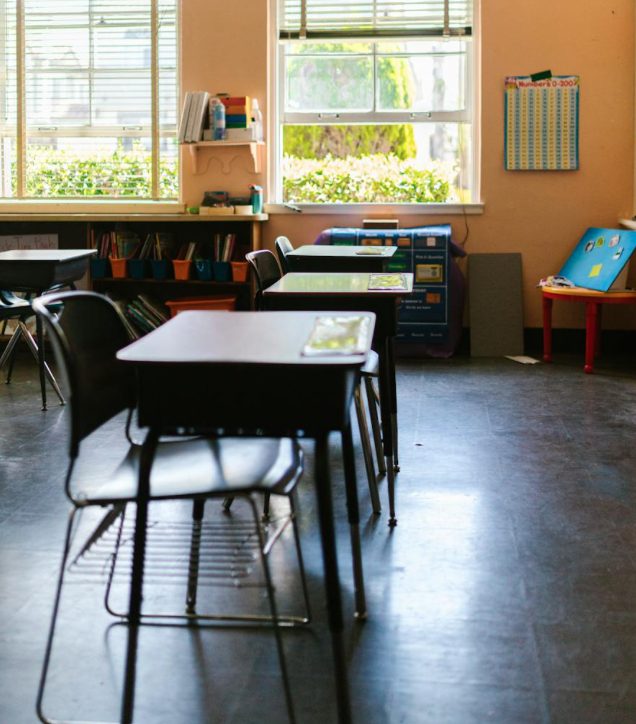
Classroom
More Arizona families report disputes over classroom accommodations – Pexels

Parents across Arizona are reporting more disagreements with schools over classroom accommodations, turning what used to be quiet meetings into emotionally charged disputes. For many families, the issue centers on whether students with ADHD, autism, learning disabilities, anxiety, or medical conditions are receiving the classroom support they were promised. Special education advocates say confusion over staffing shortages, behavioral expectations, and legal requirements is fueling tension. As Arizona schools continue navigating post-pandemic learning challenges, classroom accommodations have become a growing flashpoint for families and educators alike.

Why Classroom Accommodations Are Becoming a Bigger Battleground

Classroom accommodations are designed to help students access learning without changing academic standards, but families often say implementation is inconsistent. A child may be approved for extra testing time, sensory breaks, preferential seating, or speech support, yet parents report those supports are not always delivered consistently. In Arizona, growing class sizes and educator burnout have added pressure to already strained special education systems. Families describe situations where teachers rotate, substitute coverage increases, or communication breaks down, leaving accommodations overlooked. When parents believe their child is falling behind despite a formal plan, disputes over classroom accommodations can escalate quickly.

Parents Say Communication Gaps Are Driving Conflict

Many Arizona parents say the biggest problem is not paperwork but communication. A family may assume an accommodation plan is being followed, only to discover months later that classroom supports were applied differently from teacher to teacher. In realistic scenarios shared by advocates, a student with ADHD might lose access to movement breaks during testing weeks, while a child with sensory challenges struggles in a noisy classroom without agreed-upon adjustments. These misunderstandings can damage trust between schools and families. Experts in special education stress that regular check-ins, written documentation, and clearer expectations often prevent small concerns from becoming formal disputes.

Schools Face Real Pressures Behind Accommodation Challenges

Educators point out that schools are balancing legal obligations with staffing realities and rising student needs. Arizona schools, like districts nationwide, continue dealing with teacher shortages that affect special education services, counseling availability, and classroom support staffing. Teachers may manage large classrooms while trying to individualize learning plans for multiple students with different needs. That does not eliminate the responsibility to provide classroom accommodations, but it helps explain why implementation can vary from campus to campus. Parents concerned about support gaps are often encouraged to request documentation, schedule meetings early, and ask specific questions about how accommodations work in daily classroom settings.

Families Need to Know Their Rights and Practical Next Steps

Parents navigating classroom accommodations often worry about sounding confrontational, but experts recommend approaching concerns with organized documentation and clear goals. Keeping emails, progress reports, behavior notes, and examples of missed supports can make conversations more productive. Families may also benefit from asking for practical clarification, such as how extended test time is monitored or who ensures sensory accommodations are consistently available. Advocacy organizations frequently advise parents to seek collaborative solutions before conflicts become adversarial. Knowing the difference between an accommodation, a modification, and a formal support plan can also reduce confusion and improve outcomes.

The Lesson for Arizona Families and Schools

The rise in disputes over classroom accommodations reflects a larger challenge facing modern education: balancing student needs, educator capacity, and family expectations. Most parents and teachers ultimately want the same outcome — a classroom environment where students can learn safely and successfully. Building trust requires transparency, realistic problem-solving, and consistent follow-through from everyone involved. Arizona families facing these concerns are not alone, and early communication often makes a measurable difference before frustration turns into conflict.

Have you experienced challenges with classroom accommodations in your child’s school, and what solutions actually worked? Share your thoughts in the comments and join the conversation.

What to Read Next

Georgia Families Say Classroom Support for Neurodivergent Students Is Shrinking

Parents Say These ‘Sensory-Friendly’ Classrooms Aren’t Actually Working

Teachers Admit These Classroom Changes Are Hurting Neurodivergent Students

Evan Morgan

Evan Morgan has been a full-time freelance writer and editor for 10+ years. When not working, he enjoys catching the latest true crime documentary or getting lost in a good book.


Filed Under: Education Tagged With: ADHD students, Arizona families, Arizona schools, autism support, classroom accommodations, education policy, parents and schools, school disputes, special education, student learning

8 Classroom Accommodations That Help Children With Learning Disabilities Succeed

April 17, 2026 | Leave a Comment

Kids In Classroom
Image Source: Pexels

Children with learning disabilities often face challenges that go beyond simply “keeping up” in school, and without the right support, those challenges can affect confidence, motivation, and long-term success. As classrooms become more inclusive, educators and parents are working together to find practical ways to help every child thrive. Classroom accommodations are not about giving students an unfair advantage—they are about leveling the playing field. From my experience working with families and educators, even small adjustments can lead to meaningful progress. Understanding which strategies truly work can make a lasting difference in a child’s academic journey.

1. Extended Time on Assignments and Tests

One of the most effective classroom accommodations for students with learning disabilities is providing extended time on assignments and tests. Many children process information more slowly, especially those with dyslexia or processing disorders, and rushing can lead to unnecessary mistakes. For example, a student who understands the material may still score poorly simply because they cannot finish in time. Teachers who allow additional time often see improved accuracy and reduced anxiety. This simple change supports both performance and emotional well-being without altering academic expectations.

2. Preferential Seating for Better Focus

Seating a student closer to the teacher or away from distractions can significantly improve attention and comprehension. Children with ADHD or auditory processing challenges often struggle in noisy or visually busy environments. By placing them near instruction areas, teachers can provide subtle guidance and redirection when needed. Students can become more engaged simply by moving them away from high-traffic areas like doors or windows. This adjustment is low-cost but highly impactful in supporting consistent focus.

3. Use of Assistive Technology

Assistive technology has transformed how students with learning disabilities access information and express their ideas. Tools like text-to-speech software, speech-to-text programs, and audiobooks can help bridge gaps in reading and writing skills. For instance, a student who struggles with handwriting may produce stronger essays using voice dictation. These tools allow students to demonstrate their knowledge without being limited by their disability. When used correctly, technology can empower independence and build academic confidence.

4. Breaking Tasks Into Smaller Steps

Large assignments can feel overwhelming, especially for students who struggle with executive functioning. Breaking tasks into smaller, manageable steps helps students stay organized and reduces the likelihood of procrastination. Teachers can provide checklists or timelines that guide students through each stage of a project. In real classroom settings, this approach often leads to higher completion rates and better-quality work. It also teaches valuable planning skills that benefit students beyond school.

5. Visual Aids and Graphic Organizers

Visual supports like charts, diagrams, and graphic organizers can make complex information easier to understand. Many children with learning disabilities are visual learners and benefit from seeing relationships between ideas. For example, a mind map can help a student organize thoughts before writing an essay. Teachers who incorporate visual tools often notice improved comprehension and retention. This strategy also encourages students to develop their own systems for organizing information.

6. Flexible Instruction Methods

Not all students learn the same way, and flexible teaching methods can make lessons more accessible. Incorporating a mix of visual, auditory, and hands-on activities allows students to engage with material in ways that suit their strengths. For instance, a science concept might be taught through a video, a discussion, and a hands-on experiment. This approach ensures that students with different learning needs can fully participate. It also keeps lessons dynamic and engaging for the entire class.

7. Frequent Check-Ins and Feedback

Regular check-ins help teachers identify when a student is struggling before problems escalate. Short, informal conversations can clarify instructions and provide reassurance. Students with learning disabilities often benefit from immediate feedback rather than waiting for graded assignments. In my experience, this builds trust and encourages students to ask for help when needed. Consistent communication also allows teachers to adjust strategies in real time.

8. Modified Instructions Without Lowering Standards

Clear, simplified instructions can make a significant difference in how well students understand assignments. This does not mean lowering academic expectations but rather presenting information in a more accessible way. For example, breaking down directions into bullet points or providing examples can reduce confusion. Many students perform better when they clearly understand what is expected of them. This accommodation ensures that assessments measure knowledge, not the ability to interpret complex instructions.

Why These Classroom Accommodations Matter More Than Ever

Classroom accommodations are essential for helping children with learning disabilities succeed in today’s educational environment. With increasing academic demands, students who lack support are at greater risk of falling behind. Research shows that early intervention and consistent accommodations can improve both academic outcomes and self-esteem. Parents and teachers who collaborate to implement these strategies create a more supportive learning environment. Ultimately, these adjustments help students build skills that extend far beyond the classroom.

The Real Takeaway: Small Changes Create Lasting Impact

The most important takeaway is that effective classroom accommodations do not require drastic changes—just thoughtful ones. When educators understand a child’s unique needs, they can make targeted adjustments that lead to meaningful progress. These strategies not only support academic success but also help students develop confidence and independence. If you are a parent or educator, consider which of these approaches could make a difference in your own setting.

What has worked for you or your child, and what challenges are you still facing? Share your thoughts in the comments and join the conversation.

What to Read Next

Teachers Admit: These 6 Classroom Habits are Making 2026 Students More Anxious

Teachers Say This Common Parent Habit Is Making Classrooms Harder to Manage

NYC’s Class Size Law Deadline Is Getting Closer — Here’s Why Parents May See Staffing Disruptions

Evan Morgan

Evan Morgan has been a full-time freelance writer and editor for 10+ years. When not working, he enjoys catching the latest true crime documentary or getting lost in a good book.

Filed Under: Parenting Tagged With: classroom accommodations, inclusive education, learning disabilities, special education, student success

7 Things Parents With ADHD Kids Say Schools Still Don’t Understand

March 7, 2026 | Leave a Comment

ADHD kids in schools
Image source: shutterstock.com

If you are the parent of a child with ADHD, you have likely spent countless hours in meetings feeling like you speak a language the school refuses to learn. Despite many awareness campaigns, the 2026 education system remains largely built for neurotypical brains. This structure leaves our kids feeling like square pegs being forced into round holes. It is not your fault that your child struggles to sit still for six hours. The failure lies within a rigid system that prioritizes compliance over actual learning. Honestly, your frustration is about more than grades. It is about watching your child’s spark dim because they are judged by an unfair standard. We will reveal the seven core truths that parents wish every educator truly understood.

1. The Difference Between Won’t and Can’t

The biggest barrier in the classroom is the assumption that ADHD behaviors are a choice. When a student fails to start an assignment, it is often labeled as defiance or laziness. This behavior is almost always a breakdown in executive function. The child literally cannot find the starting point in their brain. To a teacher, it looks like “won’t,” but to the child, it is a paralyzing “can’t.” The ADHD Evidence Project confirms that these are neurobiological deficits, not character flaws. Validating this distinction would move the disciplinary landscape away from punishment and toward support.

2. The Exhaustion of Masking All Day

Many parents see a total collapse the moment their child walks through the front door. Schools often use good behavior in class as evidence that the child can perform when they want to. This is a dangerous misunderstanding of “masking.” Your child spends every ounce of mental energy to act “normal” and stay quiet during school hours. By the time they get home, their battery is at 0%. Schools often view this home-life turbulence as a parenting issue. In reality, it is a direct result of school-day strain. Understanding ADHD masking and burnout is vital for educators.

3. Hyperfocus Is Not a Selective Choice

We have all heard the claim that if a child can play video games for hours, they can focus on anything. This is the most misunderstood aspect of the ADHD brain. Hyperfocus is an involuntary state that occurs when a task provides enough dopamine to engage the brain’s wiring. It is not something a child can switch on for a dry history lecture or repetitive math. The same brain that builds a complex digital world can lose a pencil sitting right in front of them. Focus is a fluctuating resource, not a faucet the child chooses to turn off.

4. The Physical Necessity of Movement

In 2026, many still treat fidgeting as a distraction to eliminate rather than a tool for regulation. For a child with ADHD, movement is how they keep their brain awake enough to listen. Taking away recess as a punishment is the most counterproductive thing a school can do. It is like taking away a person’s glasses and being mad they cannot see. When we force these kids to stay perfectly still, we make it harder for them to learn. A wiggle stool is not a toy; it is medical equipment for the mind. CHADD’s educational resources explain why these accommodations are necessary for success.

5. Feedback Sensitivity and the Shame Cycle

Children with ADHD receive significantly more negative feedback than their peers. This creates a hidden system of shame where the child believes they are fundamentally broken. When a teacher calls them out in front of the class, it does not motivate them. Instead, it triggers a shut-down response. Positive reinforcement is not “coddling.” It is the only way to keep an ADHD child’s self-esteem intact long enough for them to learn. Educators can learn more about Rejection Sensitive Dysphoria to see how criticism affects these students.

6. The Impact of Time Blindness

Most ADHD students struggle with “time blindness,” meaning they cannot accurately sense the passage of time. Telling a child they have ten minutes left is often meaningless because their brain does not process that window the same way yours does. This leads to panic when transitions happen suddenly or assignments go unfinished. Schools should use visual timers and clear, incremental check-ins. This guide on executive dysfunction helps parents and teachers understand how to bridge this gap.

7. Consistency Is Not the Goal

The ADHD brain is defined by inconsistency. A child might master a concept on Tuesday and have no memory of it on Wednesday. Teachers often interpret this as a lack of effort or “playing games.” In reality, it is a symptom of how their brain retrieves information. The goal should be flexibility and mastery over time, rather than perfect day-to-day performance. When we stop demanding perfect consistency, we allow the child’s actual intelligence to shine through the fog of their symptoms.

Building a bridge between home and school requires relentless awareness. You have the power to advocate for these truths to ensure your child’s environment matches their potential. What has been your biggest struggle with the school system this year? Leave a comment below and let us advocate together.

What To Read Next…

  • 7 Old-School Parenting Habits That Still Save Families Money
  • 10 Mistakes Parents Make When Talking About Money With Kids
  • Are We Over‑Diagnosing Kids With ADHD Just to Keep Them in Line?
Latrice Perez

Latrice is a dedicated professional with a rich background in social work, complemented by an Associate Degree in the field. Her journey has been uniquely shaped by the rewarding experience of being a stay-at-home mom to her two children, aged 13 and 5. This role has not only been a testament to her commitment to family but has also provided her with invaluable life lessons and insights.  As a mother, Latrice has embraced the opportunity to educate her children on essential life skills, with a special focus on financial literacy.

Filed Under: Parenting Tagged With: ADHD in school, ADHD parenting, classroom accommodations, executive function, IEP tips, neurodiversity, school advocacy, special education

  • Facebook
  • Pinterest
  • RSS
  • Twitter

Basic Principles Of Good Parenting

Here some basic principles for good parenting:

  1. What You Do Matters: Your kids are watching you. So, be purposeful about what you want to accomplish.
  2. You Can’t be Too Loving: Don’t replace love with material possessions, lowered expectations or leniency.
  3. Be Involved Your Kids Life: Arrange your priorities to focus on what your kid’s needs. Be there mentally and physically.
  4. Adapt Your Parenting: Children grow quickly, so keep pace with your child’s development.
  5. Establish and Set Rules: The rules you set for children will establish the rules they set for themselves later.  Avoid harsh discipline and be consistent.
  6. Explain Your Decisions: What is obvious to you may not be evident to your child. They don’t have the experience you do.
  7. Be Respectful To Your Child: How you treat your child is how they will treat others.  Be polite, respectful and make an effort to pay attention.
Best Parenting Blogs

Most Popular

Baby

9 Unusual Baby Names That Sound Like They Belong to Future CEOs

Evan Morgan
Baby

10 Baby Names That Were Once Considered “Grandparent Names” but Feel Cool Again

Evan Morgan
Target Store

Choking Incident Prompts Recall of 49,000 Target Gigglescape “Under the Sea” Popping Toys

Evan Morgan
Frustrated Girl

Why Some Students on the Spectrum Are Labeled With ODD

Evan Morgan
Coke Bottles

12 Things Kids Took to School in the ’70s That Would Never Be Allowed Today

Evan Morgan

All content on Kids Ain’t Cheap is for entertainment purposes only. By reading this blog, you agree that Kids Ain’t Cheap is not responsible for any actions taken after reading this blog. For the full disclaimer, see our privacy policy.

Please note that Kids Ain’t Cheap has financial relationships with some of the merchants mentioned here. Kids Ain’t Cheap is funded by banner advertising, commission sales and search optimization consulting.

Copyright © 2006–2026 | District Media | All Rights Reserved | Privacy Policy

Copyright © 2026 Runway Pro Theme by Viva la Violette