
• Home
  • About Us
  • Toolkit
  • Archives
  • Advertise
  • Privacy Policy

Kids Ain't Cheap

But They Sure Are Worth It

  • Parenting
    • Baby Stuff
    • Books and Reading
      • Aesops Fables
      • Comic Books
    • Education
    • Family Time
    • Green Living
    • Growing Up
    • Healthy Living & Eating
    • Holidays
    • Parenting
    • Random Musings
    • Shopping
    • Stuff to Do
  • Money
  • Product Reviews
    • Books and Magazines
    • Discount Sites
    • Furniture
    • House Keeping
    • Reviews News
    • Toys and Games
  • Contact Us
  • Our Editorial Commitment
  • Search

Teachers Say Mainstreaming Is Straining Classrooms

June 20, 2026 | Leave a Comment

Teacher And Student
A teacher works with students in an inclusive classroom, highlighting the growing need for specialized support, smaller class sizes, and additional staff to make mainstreaming successful. (Pexels).

Teachers across the United States are raising concerns that mainstreaming in classrooms is becoming increasingly difficult to manage without additional support, funding, and specialized staff. While educating students with disabilities alongside their peers remains an important goal, many educators say the current reality often falls short of the vision. Instead of questioning inclusion itself, teachers are pointing to overcrowded classrooms, staffing shortages, and growing behavioral and academic challenges that make it harder to meet every student’s needs. As schools continue expanding inclusive practices, the debate has shifted from whether mainstreaming matters to whether schools have the resources to make it successful.

Why More Teachers Are Speaking Out

Mainstreaming in classrooms has become standard practice in many school districts, with most students receiving special education services spending a significant portion of their day in general education settings. Supporters say inclusive classrooms promote stronger social skills, improve peer relationships, and reduce stigma for students with disabilities. However, many teachers argue that inclusion only works when schools provide adequate support staff, co-teachers, and specialized training. Recent education research has also questioned whether academic outcomes consistently improve without those supports, adding new complexity to the conversation. Rather than opposing inclusion, many educators say they want policymakers to focus on building the infrastructure needed for success.

Classroom Demands Continue to Grow

A typical classroom today may include students working at several different academic levels, along with children who require individualized accommodations, behavioral interventions, or speech and occupational services. Teachers often balance lesson planning, classroom management, and documentation while trying to ensure every student remains engaged. For example, one teacher may spend several minutes helping a student experiencing sensory overload while simultaneously keeping twenty-five other students focused on a math lesson. Those interruptions are understandable and necessary, but they also illustrate why teachers frequently report feeling overwhelmed. As student needs become more diverse, the demands on classroom educators continue to increase.

Research Highlights Both Benefits and Challenges

Research on mainstreaming in classrooms presents a more nuanced picture than many headlines suggest. Some studies have found meaningful social and emotional benefits for students learning alongside their peers, while recent reviews question whether academic gains are as clear when specialized instruction is limited. A major review published in 2025 concluded that decades of research have not definitively settled which educational setting consistently produces the strongest academic outcomes for every student. Experts increasingly agree that successful inclusion depends less on placement alone and more on providing intensive interventions, collaboration, and individualized support. That distinction is becoming central to today’s discussion about improving special education services.

Resources Often Determine Success

Teachers consistently say the biggest issue is not mainstreaming in classrooms itself but the shortage of resources that accompany it. Many districts continue struggling to hire special education teachers, classroom aides, school psychologists, and behavioral specialists, leaving general education teachers to shoulder additional responsibilities. Large class sizes can also make individualized instruction significantly more difficult, particularly when several students require intensive support at the same time. Schools that invest in co-teaching models, ongoing professional development, and smaller student-to-teacher ratios often report stronger outcomes for both general and special education students. These examples suggest that successful inclusion depends heavily on adequate staffing rather than policy alone.

The Real Conversation Schools Need to Have

Parents sometimes worry that acknowledging classroom challenges means opposing inclusion, but that is not necessarily the case. Most educators support providing students with disabilities access to their peers whenever appropriate, while also recognizing that every child learns differently. The goal is to ensure each student receives instruction in an environment where they can make meaningful academic and social progress. Honest conversations about staffing shortages, teacher burnout, and individualized learning plans can strengthen inclusive education rather than weaken it. Addressing those issues may help schools deliver the quality education every student deserves.

Looking Beyond the Debate

The discussion surrounding mainstreaming in classrooms is unlikely to disappear anytime soon because it touches students, families, teachers, and entire school communities. The growing consensus among many education experts is that inclusion succeeds when schools invest in people, training, and evidence-based supports instead of relying on classroom placement alone. Teachers are not asking schools to abandon inclusion; they are asking for the tools needed to make it work effectively for every learner. As enrollment and student needs continue evolving, those investments may become more important than ever.

What do you think schools should prioritize to make inclusive education more successful? Share your thoughts in the comments and join the conversation.

What to Read Next

Teachers Admit These Classroom Changes Are Hurting Neurodivergent Students

5 Red Flags Teachers Look for in Children With Learning Disabilities

7 Things Your Child’s Teacher is Legally Required to Report to the State

Evan Morgan

Evan Morgan has been a full-time freelance writer and editor for 10+ years. When not working, he enjoys catching the latest true crime documentary or getting lost in a good book.

Filed Under: Education Tagged With: classroom management, education, inclusive education, K-12 education, mainstreaming in classrooms, Schools, special education, student learning, teacher shortage, teachers

Parents Are Spending Thousands on Services Schools Won’t Provide

June 4, 2026 | Leave a Comment

Money
A growing number of families are paying for academic support outside the classroom. Rising demand for private tutoring reflects concerns about personalized learning and educational gaps. Pexels.

For many families, the school day no longer feels like enough. Parents across the United States are spending thousands of dollars each year on private tutoring, educational therapy, test preparation, executive functioning coaching, and specialized learning support that schools either cannot provide or offer only in limited ways. What was once considered an occasional academic boost has become a regular household expense for many middle-class families. As competition increases and concerns about academic performance grow, parents are increasingly turning to outside services to fill gaps they believe schools are unable to address. The growing demand highlights broader concerns about educational support and student success.

The Growing Cost of Academic Support

The demand for private tutoring has surged in recent years as families seek personalized academic help for their children. The U.S. online private tutoring market was valued at more than $4.3 billion in 2024 and is projected to continue growing rapidly through the decade. Parents are paying anywhere from $30 to $200 per hour for tutors, depending on the subject and level of expertise required. For a student receiving weekly sessions throughout the school year, annual costs can easily exceed several thousand dollars. Many families view the expense as necessary rather than optional, especially when they believe their child is falling behind or needs enrichment beyond the classroom.

Why Parents Are Looking Beyond Schools

Public schools are tasked with educating large numbers of students with varying academic needs, making individualized support difficult to provide consistently. While many schools offer intervention programs, staffing shortages and budget limitations often restrict how much one-on-one attention students receive. Some districts have also scaled back tutoring programs as pandemic-era funding expired, leaving families searching for alternatives. Research continues to show that consistent, high-quality private tutoring can improve literacy and math outcomes when it complements classroom instruction. As a result, parents who can afford it increasingly seek private tutoring to ensure their children receive additional support before small struggles become larger problems.

The Rise of Specialized Educational Services

Private tutoring is only one piece of a much larger educational support industry. Many parents now hire executive functioning coaches to help children manage assignments, organization, and time management skills. Others invest in educational therapists who specialize in learning differences such as dyslexia, ADHD, or processing challenges. Test preparation services for college entrance exams remain popular, particularly among families focused on competitive admissions. These specialized services can cost hundreds or even thousands of dollars per month, creating a growing divide between families who can afford them and those who cannot.

What Families Are Really Paying For

Parents are not simply purchasing academic instruction; they are often paying for personalization. A classroom teacher may work with 25 or more students at once, while a private tutor can focus exclusively on one child’s strengths and weaknesses. Families frequently report that their children gain confidence when lessons are tailored to their learning style and pace. In many cases, parents describe outside support as addressing needs that are difficult to accommodate within traditional classroom settings. The appeal lies in the customized attention, immediate feedback, and flexibility that private tutoring services can provide.

The Bigger Picture for Families and Schools

The rapid growth of private tutoring reflects a larger reality in modern education. Families increasingly feel responsible for supplementing their children’s learning outside the classroom, even when they already pay taxes that support public schools. While many educators work tirelessly to meet student needs, limited resources make it difficult for schools to provide every service families want. As the tutoring industry expands into a market worth billions of dollars, the conversation is shifting from whether supplemental education is helpful to whether all students should have equal access to it. Finding solutions that balance personalization, affordability, and equity will likely remain one of education’s biggest challenges in the years ahead.

What This Trend Means for the Future of Education

The increasing reliance on private tutoring and specialized educational services reflects a growing gap between what schools can provide and what families believe their children need. While these services can offer meaningful academic benefits, their costs place them out of reach for many households. Policymakers, educators, and parents continue to debate how to expand access to individualized learning support without deepening educational inequality. The challenge will be finding ways to deliver effective interventions while keeping them affordable and widely available. The future of educational success may depend on how communities address these growing disparities.

What educational services have you paid for that your child’s school didn’t provide, and do you think those costs were worth it? Have you used private tutoring, educational therapy, or coaching services to help your child succeed? Share your experiences and opinions in the comments below.

What to Read Next

What Happens When a School Says Your Child No Longer Qualifies for Services?

7 IEP Accommodations Schools Push Back On Most Often

School Staff Quietly Flag These 7 Signs a Child May Need Additional Support


Evan Morgan

Evan Morgan has been a full-time freelance writer and editor for 10+ years. When not working, he enjoys catching the latest true crime documentary or getting lost in a good book.

Filed Under: Education Tagged With: academic support, education costs, education trends, family finances, K-12 education, Parenting, private tutoring, school funding, student learning, tutoring services

Arizona Families Report More Disputes Over Classroom Accommodations

May 24, 2026 | Leave a Comment

Classroom
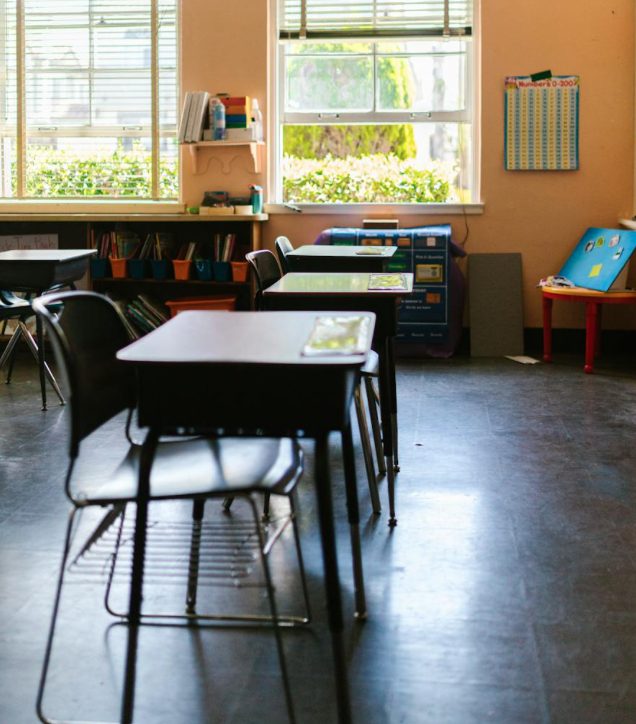
More Arizona families report disputes over classroom accommodations – Pexels

Parents across Arizona are reporting more disagreements with schools over classroom accommodations, turning what used to be quiet meetings into emotionally charged disputes. For many families, the issue centers on whether students with ADHD, autism, learning disabilities, anxiety, or medical conditions are receiving the classroom support they were promised. Special education advocates say confusion over staffing shortages, behavioral expectations, and legal requirements is fueling tension. As Arizona schools continue navigating post-pandemic learning challenges, classroom accommodations have become a growing flashpoint for families and educators alike.

Why Classroom Accommodations Are Becoming a Bigger Battleground

Classroom accommodations are designed to help students access learning without changing academic standards, but families often say implementation is inconsistent. A child may be approved for extra testing time, sensory breaks, preferential seating, or speech support, yet parents report those supports are not always delivered consistently. In Arizona, growing class sizes and educator burnout have added pressure to already strained special education systems. Families describe situations where teachers rotate, substitute coverage increases, or communication breaks down, leaving accommodations overlooked. When parents believe their child is falling behind despite a formal plan, disputes over classroom accommodations can escalate quickly.

Parents Say Communication Gaps Are Driving Conflict

Many Arizona parents say the biggest problem is not paperwork but communication. A family may assume an accommodation plan is being followed, only to discover months later that classroom supports were applied differently from teacher to teacher. In realistic scenarios shared by advocates, a student with ADHD might lose access to movement breaks during testing weeks, while a child with sensory challenges struggles in a noisy classroom without agreed-upon adjustments. These misunderstandings can damage trust between schools and families. Experts in special education stress that regular check-ins, written documentation, and clearer expectations often prevent small concerns from becoming formal disputes.

Schools Face Real Pressures Behind Accommodation Challenges

Educators point out that schools are balancing legal obligations with staffing realities and rising student needs. Arizona schools, like districts nationwide, continue dealing with teacher shortages that affect special education services, counseling availability, and classroom support staffing. Teachers may manage large classrooms while trying to individualize learning plans for multiple students with different needs. That does not eliminate the responsibility to provide classroom accommodations, but it helps explain why implementation can vary from campus to campus. Parents concerned about support gaps are often encouraged to request documentation, schedule meetings early, and ask specific questions about how accommodations work in daily classroom settings.

Families Need to Know Their Rights and Practical Next Steps

Parents navigating classroom accommodations often worry about sounding confrontational, but experts recommend approaching concerns with organized documentation and clear goals. Keeping emails, progress reports, behavior notes, and examples of missed supports can make conversations more productive. Families may also benefit from asking for practical clarification, such as how extended test time is monitored or who ensures sensory accommodations are consistently available. Advocacy organizations frequently advise parents to seek collaborative solutions before conflicts become adversarial. Knowing the difference between an accommodation, a modification, and a formal support plan can also reduce confusion and improve outcomes.

The Lesson for Arizona Families and Schools

The rise in disputes over classroom accommodations reflects a larger challenge facing modern education: balancing student needs, educator capacity, and family expectations. Most parents and teachers ultimately want the same outcome — a classroom environment where students can learn safely and successfully. Building trust requires transparency, realistic problem-solving, and consistent follow-through from everyone involved. Arizona families facing these concerns are not alone, and early communication often makes a measurable difference before frustration turns into conflict.

Have you experienced challenges with classroom accommodations in your child’s school, and what solutions actually worked? Share your thoughts in the comments and join the conversation.

What to Read Next

Georgia Families Say Classroom Support for Neurodivergent Students Is Shrinking

Parents Say These ‘Sensory-Friendly’ Classrooms Aren’t Actually Working

Teachers Admit These Classroom Changes Are Hurting Neurodivergent Students

Evan Morgan

Evan Morgan has been a full-time freelance writer and editor for 10+ years. When not working, he enjoys catching the latest true crime documentary or getting lost in a good book.

Filed Under: Education Tagged With: ADHD students, Arizona families, Arizona schools, autism support, classroom accommodations, education policy, parents and schools, school disputes, special education, student learning

7 Things Teachers Wish Parents Would Stop Believing

October 12, 2025 | Leave a Comment

7 Things Teachers Wish Parents Would Stop Believing
Image source: shutterstock.com

Every school year, teachers encounter a mix of encouragement, confusion, and misconceptions from well-meaning parents. While most parents want the best for their children, certain beliefs can unintentionally create stress for both educators and students. Understanding what teachers wish parents would stop believing can help strengthen home–school partnerships, reduce friction, and make learning environments more supportive for everyone involved.

1. “If My Child Is Struggling, It’s the Teacher’s Fault”

One of the biggest misconceptions teachers wish parents would stop believing is that every academic challenge stems from classroom instruction. Learning is a shared responsibility between teachers, students, and families. A child’s struggles can result from a wide variety of factors—sleep, attention span, motivation, or even stress outside of school. Teachers work tirelessly to adapt lessons and offer individualized support, but they can’t fix everything alone. When parents and teachers collaborate rather than assign blame, students make far greater progress.

2. “Homework Is Just Busywork”

Another myth teachers wish parents would stop believing is that homework serves no real purpose. While not every assignment may seem exciting, homework often reinforces concepts, builds discipline, and helps teachers assess comprehension. It also teaches responsibility—something students need for long-term success. When parents encourage consistent homework habits instead of questioning their value, children develop stronger study skills that carry them through college and adulthood.

3. “Good Grades Mean Everything”

Academic performance is important, but grades don’t tell the whole story. Teachers wish parents would stop believing that an A equals mastery or that a lower grade means failure. True learning involves curiosity, persistence, and critical thinking—qualities that may not always show up on a report card. By focusing on growth and effort instead of perfection, parents can help children feel more confident and resilient, which ultimately leads to better results.

4. “My Child Would Never Lie About School”

Even the most honest kids sometimes bend the truth to avoid getting in trouble or disappointing their parents. Teachers wish parents would stop believing every version of a story told at home without checking both sides. A misunderstanding between student and teacher can easily escalate if parents assume the worst. Open communication is key—teachers appreciate it when parents ask for clarification before reacting. This mutual respect fosters trust and helps children learn accountability.

5. “Technology Will Solve Every Learning Problem”

With so many apps, devices, and digital programs available, it’s easy to believe technology can replace traditional learning methods. However, teachers wish parents would stop believing that screens alone lead to better performance. Technology can enhance learning, but it’s not a cure-all. Students still need face-to-face instruction, discussion, and critical thinking exercises that technology can’t replicate. Parents who balance digital tools with hands-on learning set their children up for a richer educational experience.

6. “Teachers Have All the Answers”

Even the most skilled educators are human—they don’t have a magic formula for every child’s needs. Teachers wish parents would stop believing that educators can fix behavior issues, emotional challenges, or social struggles overnight. Many of these issues extend beyond the classroom and require teamwork between parents, counselors, and teachers. When families view teachers as partners rather than miracle workers, solutions come faster and children benefit most.

7. “More Pressure Leads to Better Results”

Finally, teachers wish parents would stop believing that pushing harder automatically produces success. Constant pressure to excel can cause anxiety, burnout, and even a fear of failure in students. Teachers see firsthand how children thrive when learning feels safe and supported—not when it’s tied to unrealistic expectations. Encouraging balance, self-care, and steady improvement helps students stay motivated and engaged for the long run.

Building a Better Understanding Together

When parents let go of the misconceptions teachers wish parents would stop believing, schools become healthier, more cooperative spaces. Mutual respect and honest communication make all the difference in helping students thrive both academically and emotionally. Teachers don’t expect perfection from families—just partnership, patience, and a willingness to see education as a shared journey.

What’s one belief about schooling that you think parents and teachers should discuss more openly? Share your thoughts in the comments below!

What to Read Next…

  • Are Parent-Teacher Text Chains Making School Drama Worse?
  • 11 Parent Email Mistakes That Infuriate Teachers
  • 10 Things Kids Confess to Their Teachers That Parents Never Hear
  • Here’s What to Do When The Teacher Calls About Your Child’s Behavior
  • Should Teachers Be Paid More For Helping to Raise Our Children? The Answer Might Surprise You
Catherine Reed
Catherine Reed

Catherine is a tech-savvy writer who has focused on the personal finance space for more than eight years. She has a Bachelor’s in Information Technology and enjoys showcasing how tech can simplify everyday personal finance tasks like budgeting, spending tracking, and planning for the future. Additionally, she’s explored the ins and outs of the world of side hustles and loves to share what she’s learned along the way. When she’s not working, you can find her relaxing at home in the Pacific Northwest with her two cats or enjoying a cup of coffee at her neighborhood cafe.

Filed Under: Education Tagged With: education, family communication, parenting tips, school success, student learning, teacher relationships, teachers wish parents

  • Facebook
  • Pinterest
  • RSS
  • Twitter

Basic Principles Of Good Parenting

Here some basic principles for good parenting:

  1. What You Do Matters: Your kids are watching you. So, be purposeful about what you want to accomplish.
  2. You Can’t be Too Loving: Don’t replace love with material possessions, lowered expectations or leniency.
  3. Be Involved Your Kids Life: Arrange your priorities to focus on what your kid’s needs. Be there mentally and physically.
  4. Adapt Your Parenting: Children grow quickly, so keep pace with your child’s development.
  5. Establish and Set Rules: The rules you set for children will establish the rules they set for themselves later.  Avoid harsh discipline and be consistent.
  6. Explain Your Decisions: What is obvious to you may not be evident to your child. They don’t have the experience you do.
  7. Be Respectful To Your Child: How you treat your child is how they will treat others.  Be polite, respectful and make an effort to pay attention.
Best Parenting Blogs

Most Popular

Baby

9 Unusual Baby Names That Sound Like They Belong to Future CEOs

Evan Morgan
Baby

10 Baby Names That Were Once Considered “Grandparent Names” but Feel Cool Again

Evan Morgan
Target Store

Choking Incident Prompts Recall of 49,000 Target Gigglescape “Under the Sea” Popping Toys

Evan Morgan
Frustrated Girl

Why Some Students on the Spectrum Are Labeled With ODD

Evan Morgan
Coke Bottles

12 Things Kids Took to School in the ’70s That Would Never Be Allowed Today

Evan Morgan

All content on Kids Ain’t Cheap is for entertainment purposes only. By reading this blog, you agree that Kids Ain’t Cheap is not responsible for any actions taken after reading this blog. For the full disclaimer, see our privacy policy.

Please note that Kids Ain’t Cheap has financial relationships with some of the merchants mentioned here. Kids Ain’t Cheap is funded by banner advertising, commission sales and search optimization consulting.

Copyright © 2006–2026 | District Media | All Rights Reserved | Privacy Policy

Copyright © 2026 Runway Pro Theme by Viva la Violette