• Home
  • About Us
  • Toolkit
  • Archives
  • Advertise
  • Privacy Policy

Kids Ain't Cheap

But They Sure Are Worth It

  • Parenting
    • Baby Stuff
    • Books and Reading
      • Aesops Fables
      • Comic Books
    • Education
    • Family Time
    • Green Living
    • Growing Up
    • Healthy Living & Eating
    • Holidays
    • Parenting
    • Random Musings
    • Shopping
    • Stuff to Do
  • Money
  • Product Reviews
    • Books and Magazines
    • Discount Sites
    • Furniture
    • House Keeping
    • Reviews News
    • Toys and Games
  • Contact Us
  • Our Editorial Commitment
  • Search

7 Digital Toys That Let Strangers Communicate With Your Kids

October 28, 2025 | Leave a Comment

7 Digital Toys That Let Strangers Communicate With Your Kids
Image source: shutterstock.com

Parents often assume that the toys they buy have been carefully vetted for safety—but in today’s connected world, that safety doesn’t always extend to the internet. A growing number of digital toys that let strangers communicate with children have raised serious concerns about privacy, hacking, and hidden chat features. These toys often include microphones, cameras, or Bluetooth capabilities that seem harmless at first but can open dangerous pathways for outsiders. The risks are real, and many families have no idea that the gadgets sitting in their living room can be digitally compromised. Here are seven popular types of digital toys that let strangers communicate with kids and how parents can stay vigilant.

1. Smart Dolls That Record and Transmit Conversations

Among the most troubling digital toys that let strangers communicate with children are “smart” dolls equipped with Wi-Fi and voice recognition. These toys record what a child says and send the audio to servers for processing—sometimes even storing it indefinitely. Hackers have exploited these connections to access private conversations or even communicate through the doll’s speaker. One well-known example involved a talking doll that was eventually banned in several countries for privacy violations. What seemed like an educational companion became a listening device for outsiders.

2. Internet-Connected Plush Toys With Hidden Chat Features

Several plush toys now allow children to send and receive voice messages through companion apps. While this sounds adorable, many of these digital toys that let strangers communicate have weak encryption or shared login credentials. Once compromised, a hacker could send messages or listen in on conversations disguised as a friendly voice. Parents may not realize that these features rely on open communication channels accessible through the internet. Even a toy designed for family bonding can become a gateway for unwanted contact.

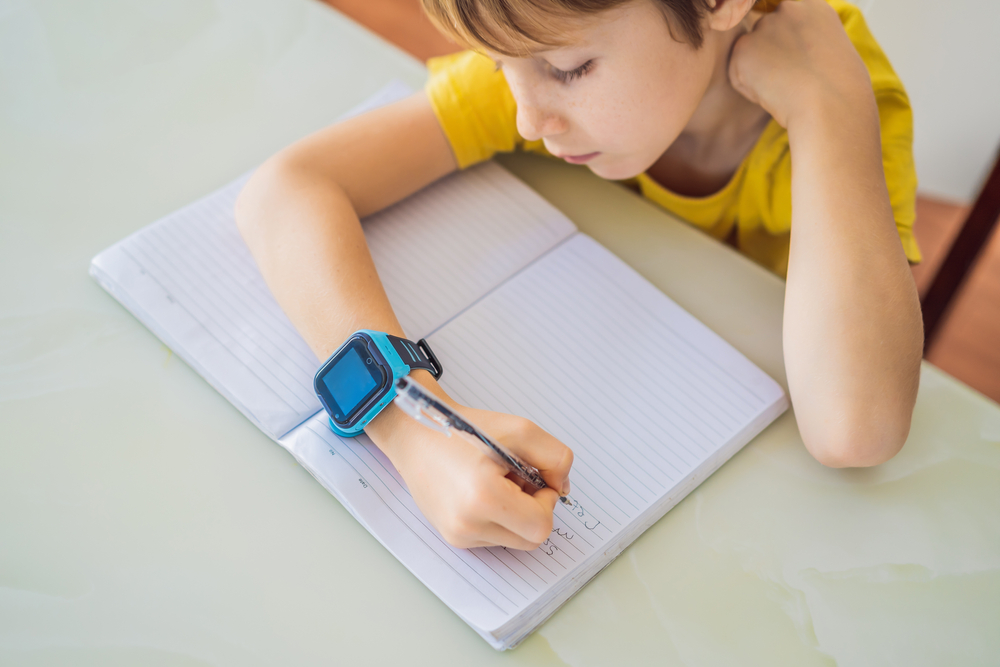
3. Smartwatches Marketed to Kids but Prone to Tracking Risks

Children’s smartwatches have become one of the most popular digital toys that let strangers communicate indirectly. Many models include GPS tracking, calling, and messaging—features designed to help parents stay connected. Unfortunately, poor security design can expose a child’s real-time location and allow outsiders to contact them through spoofed numbers or hacked apps. Some recalled models were found to broadcast unencrypted location data accessible to anyone online. Without strong privacy protections, these “safety” devices can make kids easier to find, not safer.

4. Toy Cameras That Store and Share Photos in the Cloud

Digital cameras designed for children often connect automatically to online photo platforms, and many parents don’t realize how exposed that data can be. Some of these digital toys that let strangers communicate or view content store photos on unsecured servers. Hackers can potentially access uploaded images or even activate connected cameras remotely. This risk grows when the device is linked to a shared family account with weak passwords. What should be an innocent photography tool can unintentionally reveal a child’s identity, home, or routine.

5. Voice-Activated Assistants in Kids’ Playrooms

Smart speakers and voice-activated assistants like Alexa and Google Home may not seem like toys, but they’re increasingly integrated into children’s playtime through interactive storytelling or trivia games. However, these devices belong on any list of digital toys that let strangers communicate with kids. Because they constantly listen for voice commands, they can inadvertently record private conversations or respond to outside commands if hacked. Some security experts have demonstrated how easily these devices can be manipulated through hidden prompts or remote signals. Parents should think twice before treating smart assistants as digital babysitters.

6. App-Based Gaming Consoles With Open Chat Options

Handheld gaming devices and app-based consoles often include online multiplayer modes where chat is unrestricted. That means strangers can message, talk, or send friend requests to children during gameplay. Many of these digital toys that let strangers communicate have minimal moderation, allowing inappropriate or predatory behavior to slip through. Even games labeled “child-friendly” sometimes have backdoor chat functions buried in menus. Parents should always enable parental controls and disable public chat options before letting kids play online.

7. Educational Robots With Cloud-Controlled AI

Many high-tech educational robots connect to the cloud for updates and interactivity. However, they also rank among the digital toys that let strangers communicate if not properly secured. These robots rely on Wi-Fi, microphones, and companion apps that can be compromised. Some have been shown to stream live audio or video feeds without encryption, leaving children vulnerable to eavesdropping. While these devices may inspire learning, they also remind parents that not every “smart” toy is a smart choice.

Protecting Kids in a World of Smart Toys

The rise of digital toys that let strangers communicate with children highlights how convenience and connectivity can come at a cost. Parents must treat internet-enabled toys like any other online device—with caution, updated passwords, and restricted access. It’s worth reviewing a toy’s privacy policy before purchase and turning off connectivity features when not in use. Ultimately, the safest toys are the ones that keep playtime offline and private. Technology can be fun, but childhood should never come with a data trail.

Have you ever discovered a toy with hidden online features you didn’t expect? Share your experience and thoughts in the comments below.

What to Read Next…

8 Toys That Were Approved—Then Quietly Recalled

The Digital Footprint: 12 Steps To Secure Your Child’s Digital Footprint For Life

7 Kids’ Apps That Can Silently Access Your Camera or Microphone

6 Things That Can Happen When Parents Overshare About Their Kids Online

6 Popular Family Apps That Have Leaked Children’s Data

Catherine Reed
Catherine Reed

Catherine is a tech-savvy writer who has focused on the personal finance space for more than eight years. She has a Bachelor’s in Information Technology and enjoys showcasing how tech can simplify everyday personal finance tasks like budgeting, spending tracking, and planning for the future. Additionally, she’s explored the ins and outs of the world of side hustles and loves to share what she’s learned along the way. When she’s not working, you can find her relaxing at home in the Pacific Northwest with her two cats or enjoying a cup of coffee at her neighborhood cafe.

Filed Under: Technology Tagged With: child privacy, cybersecurity, digital safety, family technology, Online Safety, parenting tips, smart toys

7 Kids’ Apps That Can Silently Access Your Camera or Microphone

October 21, 2025 | Leave a Comment

7 Kids' Apps That Can Silently Access Your Camera or Microphone
Image source: shutterstock.com

Most parents assume that popular children’s apps are harmless fun, but many have permissions that go far beyond games and learning tools. Hidden within terms and settings, some apps request—or even automatically gain—access to your child’s camera or microphone without clearly explaining why. These permissions can open the door to privacy risks, data collection, and even third-party tracking. Knowing which apps to watch out for and how to protect your child’s digital privacy has become essential in a world where playtime and technology are deeply intertwined.

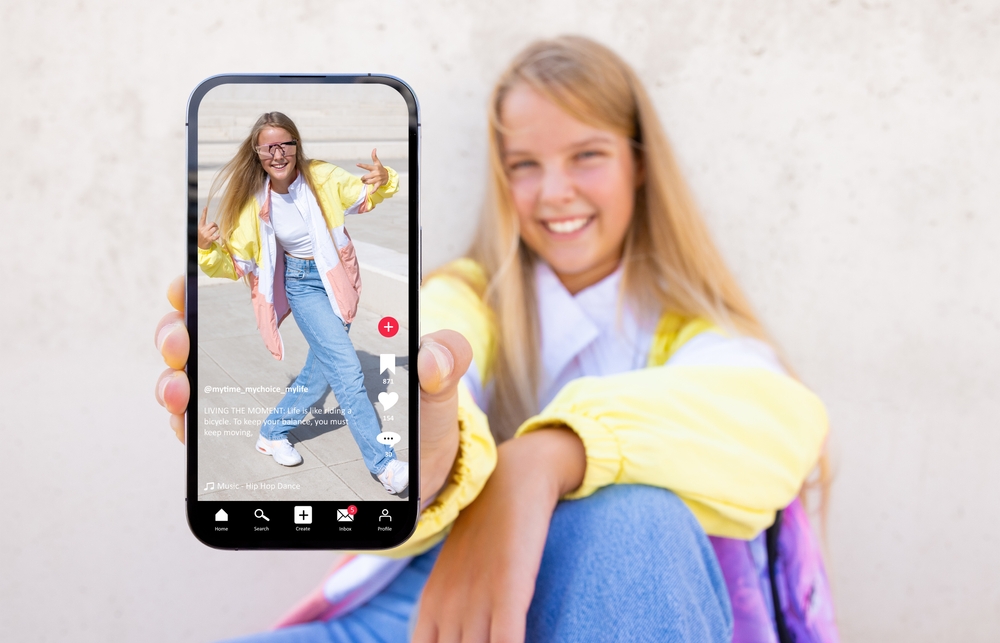
1. TikTok

Though technically restricted to older users, TikTok remains one of the most downloaded apps among kids. Privacy experts have repeatedly raised concerns about how it accesses device cameras and microphones, even when the app isn’t actively recording. The platform’s algorithm thrives on user engagement, meaning it often gathers data on sounds, visuals, and facial expressions. While TikTok claims these features help personalize content, the data collection practices make it one of the top kids’ apps that can silently access your camera or microphone. Parents are encouraged to use “Family Pairing” mode to limit permissions and visibility.

2. Roblox

Roblox is a massive online gaming platform popular among children, but its permissions extend beyond gameplay. Some experiences within Roblox prompt camera and microphone use for voice chat or avatar interaction. However, once enabled, these permissions can remain active across sessions. This has led cybersecurity experts to include Roblox on lists of kids’ apps that can silently access your camera or microphone, especially when settings are not closely monitored. Parents can mitigate risks by disabling voice chat and reviewing privacy controls regularly.

3. Snapchat

Snapchat markets itself as a fun, creative messaging tool, but it requires near-constant access to a user’s camera and microphone. Even when a child isn’t actively taking pictures, the app may retain background permissions that allow ongoing data collection. The “Snap Map” feature also tracks location, further amplifying privacy concerns. For parents worried about kids’ apps that can silently access your camera or microphone, Snapchat poses multiple risks. Turning off location sharing and limiting friend lists can help reduce potential exposure.

4. YouTube Kids

YouTube Kids was designed to create a safe video experience, yet it’s not immune to privacy criticism. The app’s voice search feature requires microphone access, and in some cases, that access remains enabled even after closing the app. Critics argue that this could expose children to unnecessary data collection or unintentional listening. Though Google states that permissions are used strictly for functionality, YouTube Kids still appears on several cybersecurity lists of kids’ apps that can silently access your camera or microphone. Parents can adjust app permissions in device settings to improve security.

5. Zoom

Zoom became a staple of remote learning, but it also introduced new privacy risks. The app automatically requests access to the camera and microphone and may continue using them in the background during active sessions. For children attending virtual classes or social hangouts, this could mean unintended recording or observation. Security researchers have flagged Zoom as one of the kids’ apps that can silently access your camera or microphone when settings aren’t properly configured. Parents should always monitor when Zoom is active and ensure permissions are turned off once sessions end.

6. Facebook Messenger Kids

Messenger Kids was created to let children communicate under parental supervision, but the app still has broad access to cameras and microphones. Because it’s tied to Meta’s data ecosystem, the app may collect voice and video data to enhance filters or “safety” features. Unfortunately, that same access can leave open windows for potential misuse or data mining. Privacy advocates have cited it among the kids’ apps that can silently access your camera or microphone, especially if parents don’t frequently review permissions. Turning off certain features can help maintain tighter control.

7. Talking Tom and Friends

Talking Tom may seem like harmless entertainment, but the app has long faced controversy over how it records and stores audio. The app requires microphone access to mimic speech, but past security reviews revealed that data storage wasn’t always clearly managed or protected. Some versions also asked for camera access, raising eyebrows among privacy advocates. Because of these issues, Talking Tom and similar games are often mentioned in reports about kids’ apps that can silently access your camera or microphone. Experts recommend disabling microphone access entirely for nonessential entertainment apps.

Protecting Your Child’s Digital Privacy Starts with Awareness

Understanding how kids’ apps that can silently access your camera or microphone operate is the first step toward protecting your family’s privacy. Parents should regularly check app permissions, disable unnecessary features, and discuss with children why privacy matters. Tools like parental controls and privacy dashboards make it easier than ever to monitor access. Most importantly, choosing apps that clearly disclose how data is collected builds better digital habits from a young age. Vigilance today can prevent privacy problems tomorrow—and give parents peace of mind in an increasingly connected world.

Have you ever checked which apps have access to your child’s camera or microphone? What steps do you take to protect their privacy online? Share your thoughts in the comments.

What to Read Next…

6 Popular Family Apps That Have Leaked Children’s Data

The Truth About Screens: 9 Apps Your Kids Use That Secretly Collect Data

Government Spies: 8 Privacy Concerns with Government Databases of Kids

Data Harvested: 7 Ways Your Child’s Data Is Collected

Data Risk: 9 Data Breaches Still Threatening Your Kids’ Info

Catherine Reed
Catherine Reed

Catherine is a tech-savvy writer who has focused on the personal finance space for more than eight years. She has a Bachelor’s in Information Technology and enjoys showcasing how tech can simplify everyday personal finance tasks like budgeting, spending tracking, and planning for the future. Additionally, she’s explored the ins and outs of the world of side hustles and loves to share what she’s learned along the way. When she’s not working, you can find her relaxing at home in the Pacific Northwest with her two cats or enjoying a cup of coffee at her neighborhood cafe.

Filed Under: Technology Tagged With: app permissions, child safety, cybersecurity, digital parenting, family technology, Internet Safety, kids apps, online privacy, Parenting

Is Your Teen’s Social Media Putting Your Entire Family at Risk?

September 9, 2025 | Leave a Comment

Is Your Teen’s Social Media Putting Your Entire Family at Risk?
Image source: 123rf.com

The digital world has become a second home for teenagers, but what happens when their online habits spill over into real-world dangers for the entire household? From oversharing personal details to engaging with strangers, your teen’s social media activities may be putting more at risk than just their own reputation. Families who overlook this reality can face serious consequences like financial fraud, identity theft, or even physical security threats. Understanding these hidden risks is the first step toward protecting not only your teen but everyone under your roof.

1. Oversharing Can Expose Your Family’s Private Life

One of the most common dangers with teen’s social media activity is oversharing personal information. Teens often post pictures of their rooms, homes, or even family vehicles without realizing how much data those images give away. A simple background detail like a mailbox, street sign, or recognizable landmark can make it easy for strangers to locate where you live. Combine that with frequent updates about when the family is on vacation, and criminals may see your house as an open target. Teaching your teen the risks of posting too much information is essential to keeping the family safe.

2. Location Tracking Puts Everyone on the Map

Many social platforms automatically tag a user’s location, which can create a major safety issue for the entire household. When a teen’s social media post shows they are at the local mall, it might also signal that no one is home. This unintentional disclosure can encourage burglars or predators who monitor these platforms for opportunities. Even more concerning, location data can reveal daily patterns such as school routes, after-school activities, or family routines. Encouraging your teen to disable location services helps limit exposure to these hidden risks.

3. Scammers Use Teens to Access Parents’ Finances

Your financial stability could be at risk if scammers target your child’s online presence. Hackers often see teens as easy entry points into a household’s digital life since they may reuse weak passwords or fall for phishing attempts. Once a teen’s account is compromised, cybercriminals can try to access saved credit cards, online banking apps, or family email accounts. That breach could lead to identity theft or unauthorized purchases that impact the entire family’s finances. Helping teens understand basic cybersecurity practices is a practical way to close this door.

4. Online Strangers Can Threaten Household Safety

A teen’s social media connections often include people they do not know personally, which can put your family at risk. Strangers who gain trust online may eventually try to move conversations offline, creating potential dangers for everyone. Sometimes, these individuals manipulate teens into sharing sensitive family information like addresses, work schedules, or alarm codes. Even if your teen doesn’t realize it, predators can piece together enough details to exploit vulnerabilities at home. Encouraging open communication about who your teen interacts with online is key to reducing these risks.

5. Cyberbullying Can Spill Over Into Real Life

Cyberbullying isn’t just a problem for teens; it can affect the entire family. If your child is targeted online, the harassment may include threats or exposure of personal details about parents or siblings. Families sometimes face embarrassing situations when private information gets shared across platforms. These incidents can also lead to stress, legal concerns, or unwanted attention from strangers. Taking bullying seriously and knowing how to report abusive behavior is an important part of safeguarding the household.

6. Photos and Videos Can Create Long-Term Damage

What may seem like harmless fun to a teenager could have long-lasting consequences for the family. Teens who post photos of expensive gadgets, new cars, or inside views of your home may unintentionally advertise wealth to criminals. Likewise, inappropriate videos or jokes can harm the reputation of not just the teen but also the parents, especially if they hold positions of trust in the community. Once content is online, it can spread far beyond the original audience and remain searchable for years. Setting family rules about what is acceptable to post helps reduce the chance of long-term fallout.

7. Weak Privacy Settings Leave Doors Wide Open

Most social media platforms offer privacy settings, but teens often fail to use them correctly. A public account can be a goldmine for strangers who want to collect personal details about your family. Without restrictions, photos, friends lists, and even private messages can be exploited. Parents should regularly review these settings with their teen and adjust them for maximum protection. Taking this proactive step ensures that personal information stays within trusted circles.

The Takeaway: Protecting the Whole Family Starts with Awareness

A teen’s social media use doesn’t just affect them, it impacts everyone living under the same roof. By understanding the risks of oversharing, location tracking, scams, and weak privacy habits, families can build stronger defenses against digital threats. Talking openly with your teen about responsible online behavior sets the foundation for safer internet use. With consistent guidance and practical rules, you can transform social media from a family risk into a safer space. Protecting your household begins with awareness, and awareness begins with you.

Do you think parents should have stricter rules around teen social media use, or is open conversation enough? Share your thoughts in the comments!

What to Read Next…

6 Parenting Tech Shortcuts That Can Expose Your Child to Strangers

Should You Let Your Child Keep Their Smartphone Overnight?

9 Childhood Milestones That Are Happening Later Than Ever

12 Ways to Encourage Reading in a Digital Age

Are We Giving Our Kids Too Much Freedom Too Soon? Here’s Why You Might Be Wrong

Catherine Reed
Catherine Reed

Catherine is a tech-savvy writer who has focused on the personal finance space for more than eight years. She has a Bachelor’s in Information Technology and enjoys showcasing how tech can simplify everyday personal finance tasks like budgeting, spending tracking, and planning for the future. Additionally, she’s explored the ins and outs of the world of side hustles and loves to share what she’s learned along the way. When she’s not working, you can find her relaxing at home in the Pacific Northwest with her two cats or enjoying a cup of coffee at her neighborhood cafe.

Filed Under: Parenting Tagged With: cybersecurity, digital privacy, family security, financial fraud, Online Safety, parenting tips, social media risks, teen’s social media

  • Facebook
  • Pinterest
  • RSS
  • Twitter

Basic Principles Of Good Parenting

Here some basic principles for good parenting:

  1. What You Do Matters: Your kids are watching you. So, be purposeful about what you want to accomplish.
  2. You Can’t be Too Loving: Don’t replace love with material possessions, lowered expectations or leniency.
  3. Be Involved Your Kids Life: Arrange your priorities to focus on what your kid’s needs. Be there mentally and physically.
  4. Adapt Your Parenting: Children grow quickly, so keep pace with your child’s development.
  5. Establish and Set Rules: The rules you set for children will establish the rules they set for themselves later.  Avoid harsh discipline and be consistent.
  6. Explain Your Decisions: What is obvious to you may not be evident to your child. They don’t have the experience you do.
  7. Be Respectful To Your Child: How you treat your child is how they will treat others.  Be polite, respectful and make an effort to pay attention.
Best Parenting Blogs

Most Popular

Baby

9 Baby Names That Sound Rare Without Being Hard to Spell

Evan Morgan
Baby

9 Unusual Baby Names That Sound Like They Belong to Future CEOs

Evan Morgan
Target Store

Choking Incident Prompts Recall of 49,000 Target Gigglescape “Under the Sea” Popping Toys

Evan Morgan
Frustrated Girl

Why Some Students on the Spectrum Are Labeled With ODD

Evan Morgan
Coke Bottles

12 Things Kids Took to School in the ’70s That Would Never Be Allowed Today

Evan Morgan

All content on Kids Ain’t Cheap is for entertainment purposes only. By reading this blog, you agree that Kids Ain’t Cheap is not responsible for any actions taken after reading this blog. For the full disclaimer, see our privacy policy.

Please note that Kids Ain’t Cheap has financial relationships with some of the merchants mentioned here. Kids Ain’t Cheap is funded by banner advertising, commission sales and search optimization consulting.

Copyright © 2006–2026 | District Media | All Rights Reserved | Privacy Policy

Copyright © 2026 Runway Pro Theme by Viva la Violette