
• Home
  • About Us
  • Toolkit
  • Archives
  • Advertise
  • Privacy Policy

Kids Ain't Cheap

But They Sure Are Worth It

  • Parenting
    • Baby Stuff
    • Books and Reading
      • Aesops Fables
      • Comic Books
    • Education
    • Family Time
    • Green Living
    • Growing Up
    • Healthy Living & Eating
    • Holidays
    • Parenting
    • Random Musings
    • Shopping
    • Stuff to Do
  • Money
  • Product Reviews
    • Books and Magazines
    • Discount Sites
    • Furniture
    • House Keeping
    • Reviews News
    • Toys and Games
  • Contact Us
  • Our Editorial Commitment
  • Search

Your Baby’s Identity: How 7 Online Actions Are Secretly Putting Them At Risk

July 22, 2025 | Leave a Comment

Your Babys Identity How 7 Online Actions Are Secretly Putting Them At Risk
Image source: 123rf.com

From birth announcements to cute milestones, many parents are eager to share their baby’s journey online. But what starts as a harmless post can quietly open the door to long-term risks. Hackers and scammers aren’t just after adult information anymore—your baby’s identity is increasingly becoming a target for fraud, and most parents don’t realize how easy it is to expose personal data. A single post can contain everything needed to start building a fake profile in your child’s name. Here are seven common online habits that could be putting your baby’s future privacy at serious risk.

1. Sharing Full Birth Announcements on Social Media

Announcing your baby’s birth online is a joyful moment, but including too many details can be dangerous. Posts that include your baby’s full name, date of birth, and hospital location give identity thieves a head start. These key pieces of personal information are often enough to begin creating fake documents or apply for benefits. Since your baby won’t use their credit or identity for years, the fraud can go undetected until much later. Keeping your announcement short and sweet—without full names or birthdates—helps protect your baby’s identity.

2. Posting Photos with Personal Info in the Background

You may think twice before sharing a close-up of your baby’s birth certificate, but what about that photo of them lying on a hospital bed with a bracelet showing? Or a snapshot of a birthday party with a banner that includes their full name and age? These background details often go unnoticed by parents but are gold mines for scammers. This is one of the easiest ways your baby’s identity becomes vulnerable through everyday images. Before sharing, always scan your photos for visible names, addresses, or identifying numbers.

3. Using Location Tags or Check-Ins

Tagging your location when you’re out with your baby might seem fun or harmless, but it can lead to unintended tracking. When you tag your home, favorite park, daycare, or pediatrician’s office, you’re quietly building a digital map of your child’s life. This information can be scraped and stored, even if you delete it later. Over time, it becomes easier for someone to gather context about your child’s routines or physical whereabouts. To help shield your baby’s identity and safety, turn off location sharing on social platforms.

4. Entering Baby Photo Contests or Giveaways Without Checking Privacy Terms

Online baby photo contests or free baby gear giveaways can be tempting—but they often come with hidden data collection. You might be required to submit your child’s name, birthday, and photos, which can be stored, shared, or even sold to third-party marketers. Many of these platforms lack strong privacy protection, putting your baby’s identity at risk of exposure or misuse. Always read the terms and conditions and avoid contests that don’t clearly state how your data will be used. When in doubt, skip the entry.

5. Using Weak Passwords on Baby Monitoring Apps

Baby monitors, sleep tracking apps, and parenting platforms often require accounts that store sensitive data like names, birthdates, and photos. If you’re using the same password across apps or haven’t changed it since setup, you’re creating an easy entry point for hackers. Breaches of parenting platforms have occurred in the past, exposing data about young children and their families. This is another way your baby’s identity could end up in the wrong hands without you realizing it. Use strong, unique passwords and enable two-factor authentication whenever possible.

6. Publicly Sharing Milestone Cards or First Day of School Signs

First smiles, first steps, and first days of preschool are all worth celebrating—but be careful about what’s visible in milestone posts. Many parents love to share photos with signs showing the child’s name, age, birthday, favorite things, or school name. These details seem adorable but can help build a detailed profile of your baby’s identity over time. That information can be gathered by bots or data scrapers and used in phishing schemes or fraud. Keep milestone updates fun by limiting details and sharing them privately with trusted circles.

7. Forgetting to Review Privacy Settings

You may assume that only close friends see your baby’s photos, but default privacy settings often tell a different story. Many social media accounts are set to public or “friends of friends,” which means people you don’t know may be seeing your posts. This wide visibility increases the chances that someone can collect and misuse pieces of your baby’s identity. Review your privacy settings regularly, limit your audience, and consider creating a private photo album or messaging group just for close family. This extra step helps ensure that your child’s personal details stay within your trusted circle.

Digital Footprints Start Earlier Than You Think

Long before your child creates their first social account or signs up for school, their digital identity may already be taking shape—because of your choices. The online actions you take today shape the footprint they’ll carry into the future, and unfortunately, your baby’s identity can be compromised long before they even understand what privacy means. By staying cautious, limiting personal data shared online, and understanding how digital platforms work, you’re taking essential steps to protect them from identity theft and data misuse. You don’t have to go offline completely—just share with care.

Do you think social media is creating risks we didn’t have to worry about before? How do you protect your child’s digital footprint? Let’s talk in the comments.

Read More:

Are You Wasting Money? 6 Baby Items New Parents Regret Buying

The Quiet Killer: 8 Hidden Hazards In Your Nursery You’re Not Checking

Catherine Reed
Catherine Reed

Catherine is a tech-savvy writer who has focused on the personal finance space for more than eight years. She has a Bachelor’s in Information Technology and enjoys showcasing how tech can simplify everyday personal finance tasks like budgeting, spending tracking, and planning for the future. Additionally, she’s explored the ins and outs of the world of side hustles and loves to share what she’s learned along the way. When she’s not working, you can find her relaxing at home in the Pacific Northwest with her two cats or enjoying a cup of coffee at her neighborhood cafe.

Filed Under: Parenting Tagged With: baby gear and tech, baby photo privacy, child identity theft, child privacy, digital parenting tips, Internet Safety, parenting online safety, your baby’s identity

Kid Privacy: 9 Privacy Settings You Didn’t Know Existed for Kids’ Devices

July 18, 2025 | Leave a Comment

Kid Privacy 9 Privacy Settings You Didn't Know Existed for Kids Devices
Image source: 123rf.com

We all want our kids to be tech-savvy—but safe. Today’s devices offer a world of entertainment, education, and connection, but they also carry risks that aren’t always obvious. While most parents know how to set screen time limits or block explicit content, there are lesser-known privacy settings that can make a big difference in keeping your child’s digital world protected. These hidden tools are often buried under layers of menus or labeled in vague tech language that’s easy to overlook. Let’s dig into nine privacy settings that deserve your attention—because your child’s safety is too important to leave to default options.

1. Disable Location Sharing in Game Apps

Many mobile games collect location data by default, even if it doesn’t seem relevant to gameplay. Disabling location sharing in individual app settings prevents strangers from seeing where your child is while playing. This setting is often tucked away under each app’s permissions or privacy section. Some platforms also allow you to turn off location access for all games at once in the device settings. Taking the time to disable location tracking adds a strong layer of safety for kids who love mobile gaming.

2. Turn Off Personalized Ad Tracking

Most parents don’t realize that their child’s device might be gathering data to target them with ads. By diving into the privacy settings on both Android and iOS, you can limit ad tracking or reset the advertising ID. This step stops platforms from building a detailed profile on your child’s behavior and interests. While it won’t eliminate all ads, it greatly reduces the creep factor and helps maintain their digital privacy. It’s a small adjustment with a big impact.

3. Disable Microphone Access for Non-Essential Apps

Some apps request microphone access without a clear need, which can be a red flag. Go through your child’s installed apps and manually revoke microphone permissions for those that don’t need it to function. This ensures no apps are passively listening in or collecting audio data. You’ll usually find this under “App Permissions” in your device’s settings menu. Controlling mic access is one of the smartest privacy settings you can use.

4. Hide Sensitive Content from Search Results

Whether your child uses Google, YouTube, or a smart assistant, sensitive content can still pop up even with parental controls in place. Look for SafeSearch or restricted mode settings to filter results and limit explicit or suggestive material. You can also lock these preferences with a passcode so your child can’t turn them off later. These settings are especially useful for kids doing homework or exploring new topics online. It’s an extra step that can protect them from stumbling across something they weren’t ready to see.

5. Limit Who Can See Their Activity on Shared Platforms

If your child is on shared platforms like Xbox Live, Roblox, or YouTube Kids, privacy settings often allow you to control who can view their profile or activity. You can usually make their account private, restrict friend requests, or hide their online status. This reduces exposure to strangers and helps keep your child’s online presence as minimal as possible. Each platform will have its own path to these options, so it’s worth exploring them thoroughly. Think of it as digital crowd control for your child’s online world.

6. Disable Auto-Join for Public Wi-Fi

Kids may not think twice about joining any Wi-Fi network their device suggests, but public networks can be risky. Most devices allow you to turn off the auto-join feature for unsecured networks. This prevents your child from accidentally connecting to unprotected or malicious Wi-Fi. If your child needs Wi-Fi access on the go, consider setting up a secure hotspot through your own phone instead. This setting protects their data before they even open a browser.

7. Restrict App Store Permissions

It’s easy for kids to stumble into downloads you didn’t approve of. In the privacy settings of both iOS and Android, you can limit access to the app store, require your permission for downloads, or block in-app purchases. This keeps surprise charges and inappropriate apps off your credit card and out of your child’s hands. Some devices also offer content filters by age rating right in the app store settings. Locking down the app store gives you a say in what your child installs and interacts with.

8. Block Access to Camera When Not in Use

Much like microphone access, camera access should be reserved for apps that truly need it. By restricting camera permissions, you reduce the risk of unwanted image capturing or video streaming. Devices let you control this individually per app, often through privacy settings or app permissions. Some parental control apps also allow you to lock the camera entirely during certain hours. It’s a key move for privacy, especially with kids who are still learning boundaries around selfies and video calls.

9. Use a Child’s Apple ID or Google Account with Family Settings

Instead of using your own login or a generic account, set up a child-specific Apple ID or Google account. These offer more detailed privacy settings and better oversight of usage, downloads, and screen time. You’ll also receive notifications for new logins or security changes. Family settings make it easier to monitor your child’s activity while keeping their data secure and age-appropriate. It’s one of the best all-in-one solutions for digital parenting.

The Hidden Settings That Keep Kids Safe

The default settings on most kids’ devices aren’t designed with maximum protection in mind—they’re built for convenience. But with a little digging, you can uncover privacy settings that give you far more control and peace of mind. Whether it’s locking down location sharing or limiting ad tracking, each step adds up to a safer digital experience. As technology evolves, staying informed about these lesser-known tools is key to protecting your child online. Take the time to explore these features now—it could prevent a whole lot of problems later.

Have you discovered any surprising privacy settings on your child’s device? Share your tips with other parents in the comments!

Read More:

12 Steps to Secure Your Child’s Digital Footprint for Life

11 Online Safety Risks Your Preschooler Faces

Catherine Reed
Catherine Reed

Catherine is a tech-savvy writer who has focused on the personal finance space for more than eight years. She has a Bachelor’s in Information Technology and enjoys showcasing how tech can simplify everyday personal finance tasks like budgeting, spending tracking, and planning for the future. Additionally, she’s explored the ins and outs of the world of side hustles and loves to share what she’s learned along the way. When she’s not working, you can find her relaxing at home in the Pacific Northwest with her two cats or enjoying a cup of coffee at her neighborhood cafe.

Filed Under: Parenting Tagged With: child device security, child privacy rights, digital parenting tips, kids online safety, parental controls, privacy settings, safe tech for kids

Secure Their Future: 12 Steps to Secure Your Child’s Digital Footprint for Life

July 17, 2025 | Leave a Comment

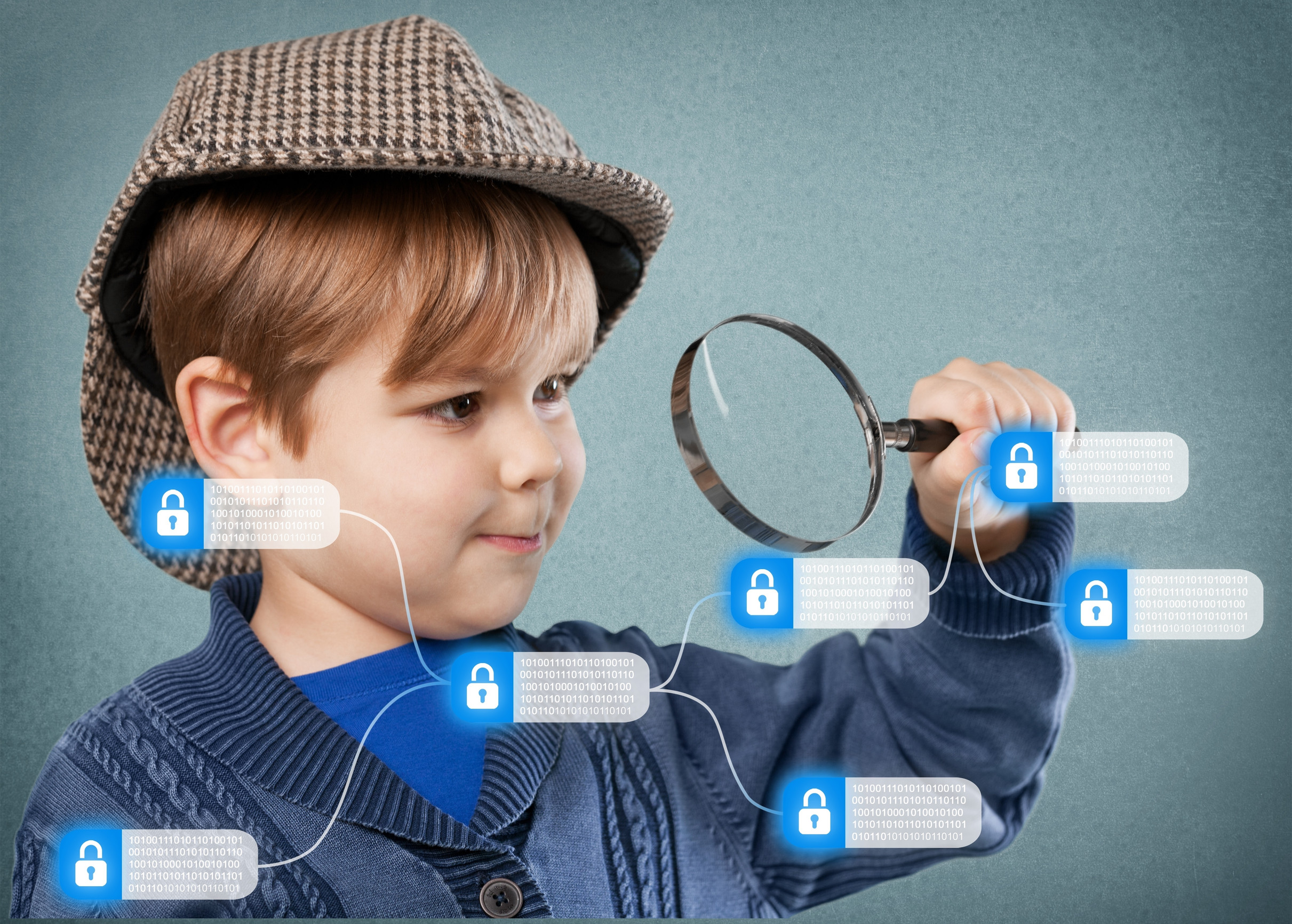
Secure Their Future 12 Steps to Secure Your Childs Digital Footprint for Life
Image source: 123rf.com

Your child’s online identity is forming the moment you share that first baby photo—and every app, profile, and device they touch adds another layer. While the internet offers convenience and learning opportunities, it also carries long-term risks that many families don’t think about until it’s too late. A careless post, weak password, or unchecked app permission today could affect your child’s college acceptance, job application, or privacy years down the line. Securing your child’s digital footprint early is one of the most powerful ways to protect their reputation, safety, and future. Here are 12 simple but essential steps you can take now to lock down their online presence for life.

1. Start With a Clean Slate

Before your child begins using any new device or account, take a moment to set things up intentionally. Avoid using their full name, birthdate, or address in usernames or email handles. This helps keep personal information private and reduces the risk of identity theft. A clean, anonymous start is the best foundation for a secure digital footprint. Be mindful of the information you provide during app sign-ups or device registrations.

2. Use Privacy-Focused Email Addresses

Create a dedicated email address for your child’s online use that doesn’t reveal personal details. Avoid using their name or school in the email, and opt for a private, secure provider. This helps shield their identity and cuts down on spam and marketing emails. Email is often the gateway to password resets and sensitive accounts, so treat it with care. Keep login credentials stored securely and monitor the account periodically.

3. Turn Off Location Sharing by Default

Many apps request access to location data, but most preschoolers and kids don’t need this feature enabled. Turn off location services for any apps that don’t require it to function. This reduces the chance of tracking, targeting, or accidental sharing of your child’s whereabouts. It also helps protect your child’s routine from being mapped by third parties. Always check settings after updates, as permissions can change.

4. Set Strong Parental Controls

Whether it’s a tablet, smart TV, or game console, use built-in parental controls to restrict content and limit access. These settings help you control what your child sees, who they can interact with, and how much time they spend online. A strong digital footprint starts with boundaries that reflect your family’s values and expectations. Revisit these settings regularly as your child grows. Parental controls aren’t foolproof, but they’re a vital layer of defense.

5. Limit Public Sharing of Photos

It’s tempting to share milestones online, but every post adds to your child’s digital footprint. Avoid posting identifying photos like school uniforms, address numbers, or birthday banners. Once an image is online, you lose control over where it ends up. If you do share, adjust your privacy settings and avoid public profiles. Respect your child’s digital dignity, even when they’re too young to understand it yet.

6. Teach Password Security Early

Kids don’t need to know everything about cybersecurity, but they can learn the basics of strong passwords. Encourage using phrases, symbols, and combinations rather than names or birthdays. Help them create and remember passwords for games or learning apps as a habit. Good password hygiene is one of the best protections against future breaches. Reinforce the idea that passwords are private—even from friends.

7. Use Two-Factor Authentication

Wherever possible, enable two-factor authentication (2FA) on accounts tied to your child. This adds an extra layer of protection beyond the password. You’ll usually get a code via text or an authentication app before access is granted. It’s a small step that makes hacking or unauthorized access much more difficult. As your child gets older, teach them how and why this safeguard matters.

8. Avoid Linking Accounts

Many apps and services offer to log in with Google, Facebook, or Apple credentials. While convenient, this can connect multiple accounts and expand your child’s digital footprint rapidly. It also means a security breach in one account can affect several others. Use standalone logins with unique credentials instead. This keeps your child’s digital activity more compartmentalized and secure.

9. Monitor App Permissions

Every app asks for permissions—but not all requests are necessary. Check which apps are asking to access the camera, microphone, contacts, or location. Disable anything that isn’t essential to the app’s function. This step reduces data collection and gives you more control over how much information is being shared. Make reviewing permissions part of your regular digital housekeeping.

10. Minimize Data Shared with Schools and Programs

Some schools, sports teams, or camps collect more personal info than they truly need. Be cautious about what you provide and ask how the data will be stored or shared. A smaller digital footprint reduces the chance of information leaks or misuse. If forms require sensitive data, don’t hesitate to ask why. It’s okay to advocate for your child’s privacy.

11. Delay Social Media Use

Social media is a big contributor to a permanent digital footprint. The longer you can delay your child’s entrance into these platforms, the more time you have to teach safe, thoughtful sharing. When the time does come, start with private accounts and limit who they can interact with. Emphasize quality over quantity when it comes to posts and followers. This delay also gives you more time to model healthy digital habits.

12. Talk About Their Digital Legacy

Even young kids can understand that what they put online lasts. Framing the idea of a digital footprint in age-appropriate terms helps them build awareness. As they grow, involve them in choices about privacy, sharing, and online behavior. Your goal is to raise a child who can manage their own online presence with intention and care. A strong foundation now makes them safer and smarter in the digital world ahead.

Lifelong Safety Starts with Today’s Habits

Your child’s digital footprint will follow them for life—but how it takes shape is largely in your hands. The steps you take now can protect their privacy, identity, and reputation long before they’re old enough to navigate it themselves. Think of it as building a digital safety net that grows with them, providing freedom and protection at every stage. When privacy is the priority, your child gets a safer start and a more secure future.

Which of these digital footprint tips do you already use at home—and which ones surprised you? Share your thoughts in the comments!

Read More:

9 Digital Attacks Experts Say Are Imminent for Kids

Privacy Violation: 7 Things Never to Post About Your Kids Online

Catherine Reed
Catherine Reed

Catherine is a tech-savvy writer who has focused on the personal finance space for more than eight years. She has a Bachelor’s in Information Technology and enjoys showcasing how tech can simplify everyday personal finance tasks like budgeting, spending tracking, and planning for the future. Additionally, she’s explored the ins and outs of the world of side hustles and loves to share what she’s learned along the way. When she’s not working, you can find her relaxing at home in the Pacific Northwest with her two cats or enjoying a cup of coffee at her neighborhood cafe.

Filed Under: Parenting Tagged With: child data protection, child internet safety, digital footprint, digital parenting tips, online privacy for kids, parenting and technology, secure kids online

  • Facebook
  • Pinterest
  • RSS
  • Twitter

Basic Principles Of Good Parenting

Here some basic principles for good parenting:

  1. What You Do Matters: Your kids are watching you. So, be purposeful about what you want to accomplish.
  2. You Can’t be Too Loving: Don’t replace love with material possessions, lowered expectations or leniency.
  3. Be Involved Your Kids Life: Arrange your priorities to focus on what your kid’s needs. Be there mentally and physically.
  4. Adapt Your Parenting: Children grow quickly, so keep pace with your child’s development.
  5. Establish and Set Rules: The rules you set for children will establish the rules they set for themselves later.  Avoid harsh discipline and be consistent.
  6. Explain Your Decisions: What is obvious to you may not be evident to your child. They don’t have the experience you do.
  7. Be Respectful To Your Child: How you treat your child is how they will treat others.  Be polite, respectful and make an effort to pay attention.
Best Parenting Blogs

Most Popular

Baby names

Teachers Admit: These 6 Baby Names Create Instant Bias in the Classroom

Latrice Perez
11 Ways Kids Are Outsmarting Parental Controls 1. Using Alternate Devices One common trick is simply turning to another device. If a child’s main phone or tablet is restricted, they may borrow a sibling’s, friend’s, or even a school laptop. This instantly gives them access to content outside of parental oversight. Parents often focus on one device, forgetting that others in the household can serve as loopholes. Knowing this tactic helps families tighten controls across all electronics. 2. Clearing Browsing Histories Many kids quickly learn that clearing browsing history hides evidence of restricted activity. With just a few clicks, they can erase any trace of websites visited. This makes it harder for parents to notice when rules are being broken. Parents may assume no history means no browsing, but the reality is often the opposite. Kids are outsmarting parental controls by making it seem like nothing happened at all. 3. Using Private Browsing Modes Most browsers offer “incognito” or private browsing features. Kids use this mode to access websites without leaving a record in the history. To parents checking later, everything looks clean and safe. This simple trick is often one of the first ways kids discover how to bypass restrictions. Conversations about private browsing can help close this gap. 4. Guessing or Resetting Passwords Children who are persistent may try to guess passwords to parental control apps or accounts. Others may find ways to reset them through email prompts or security questions. Once inside, they can disable restrictions entirely. Parents may not even realize controls have been altered until much later. Stronger, less predictable passwords can make this more difficult. 5. Using VPNs to Hide Activity Virtual private networks, or VPNs, let kids disguise their online locations. With one downloaded app, they can bypass geographic or parental restrictions. Some children learn about VPNs through friends or even social media. This makes it easy for them to reach content that should be blocked. Parents often underestimate just how simple it is for kids to use these tools. 6. Creating Fake Accounts When parents monitor social media, kids may create hidden accounts. These “finstas” or fake profiles allow them to interact freely without parental oversight. While their main account appears harmless, the secondary one tells a different story. Kids are outsmarting parental controls by playing both sides at once. Checking for duplicate accounts can help parents stay more aware. 7. Exploiting Time Zone Settings Some kids change the time zone on their devices to bypass screen time limits. This trick allows them to gain extra hours of usage undetected. Parents may assume controls are working, but in reality, the child is bending the clock. It’s a clever loophole that highlights just how resourceful kids can be. Monitoring device settings regularly can catch this tactic. 8. Disabling or Uninstalling Apps Parental control apps can be deleted or disabled with surprising ease. Some kids even reinstall them before a parent checks, making it seem like nothing changed. Others may simply restrict permissions to prevent apps from functioning properly. When apps aren’t monitored closely, parents may not notice they’ve been tampered with. This shows the importance of consistent follow-up. 9. Turning to Friends for Access If a child can’t get past restrictions on their own, they may rely on friends. Visiting a friend’s house or borrowing their phone can give them a free pass. Parents often forget that peer environments can override restrictions set at home. This kind of social workaround is especially common with gaming or social media. Open conversations about trust and responsibility are essential. 10. Hiding Apps in Plain Sight Kids sometimes download apps that look innocent but serve as gateways to hidden activity. These apps may disguise themselves as calculators or utilities. In reality, they allow file storage, private messaging, or browser access. Parents glancing at a home screen may overlook them entirely. Learning to recognize these disguised apps can help parents stay informed. 11. Outpacing Parents’ Tech Knowledge Finally, kids often know more about devices than their parents do. Whether through YouTube tutorials, TikTok hacks, or peer groups, they quickly learn advanced workarounds. This knowledge gap means controls can be bypassed before parents even realize the loophole exists. Staying informed and continually learning about new technology is the best defense. Kids are outsmarting parental controls because they adapt faster than most adults. The Real Solution Lies Beyond Restrictions While controls and filters are important, no system is perfect. Kids will always find creative ways around barriers, making communication the strongest safeguard. Setting clear expectations, building trust, and having ongoing conversations about online behavior matter more than apps alone. Parents who combine technology with open dialogue create a safer digital environment. The goal isn’t to win a battle of wits but to build a relationship that keeps kids both safe and honest. Do you think kids are outsmarting parental controls faster than parents can keep up? Share your experiences in the comments below. What to Read Next... 6 Parenting Tech Shortcuts That Can Expose Your Child to Strangers How Much Screen Time Is Too Much—Legally Speaking? Is Your Child’s School Quietly Tracking Their Location Without Your Consent? How Much Screen Time Is Quietly Reshaping Childhood Behavior? Why Some Parents Are Being Investigated Over Homeschooling Records

11 Ways Kids Are Outsmarting Parental Controls

Catherine Reed
Smiling grandfather holding a happy baby indoors.

Why Grandparents Shouldn’t Babysit Their Grandkids Every Week – The Unspoken Issue

Samantha
birthday gifts

7 Birthday Gifts Your Child Should Never Bring to a Party

Latrice Perez

Babysitting Without Cash: 10 Ways to Barter Your Way Out of Childcare Costs

Ashleigh Clyde

All content on Kids Ain’t Cheap is for entertainment purposes only. By reading this blog, you agree that Kids Ain’t Cheap is not responsible for any actions taken after reading this blog. For the full disclaimer, see our privacy policy.

Please note that Kids Ain’t Cheap has financial relationships with some of the merchants mentioned here. Kids Ain’t Cheap is funded by banner advertising, commission sales and search optimization consulting.

Copyright © 2006–2026 | District Media | All Rights Reserved | Privacy Policy

Copyright © 2026 Runway Pro Theme by Viva la Violette