
• Home
  • About Us
  • Toolkit
  • Archives
  • Advertise
  • Privacy Policy

Kids Ain't Cheap

But They Sure Are Worth It

  • Parenting
    • Baby Stuff
    • Books and Reading
      • Aesops Fables
      • Comic Books
    • Education
    • Family Time
    • Green Living
    • Growing Up
    • Healthy Living & Eating
    • Holidays
    • Parenting
    • Random Musings
    • Shopping
    • Stuff to Do
  • Money
  • Product Reviews
    • Books and Magazines
    • Discount Sites
    • Furniture
    • House Keeping
    • Reviews News
    • Toys and Games
  • Contact Us
  • Our Editorial Commitment
  • Search

6 Things That Can Happen When Parents Overshare About Their Kids Online

October 15, 2025 | Leave a Comment

6 Things That Can Happen When Parents Overshare About Their Kids Online
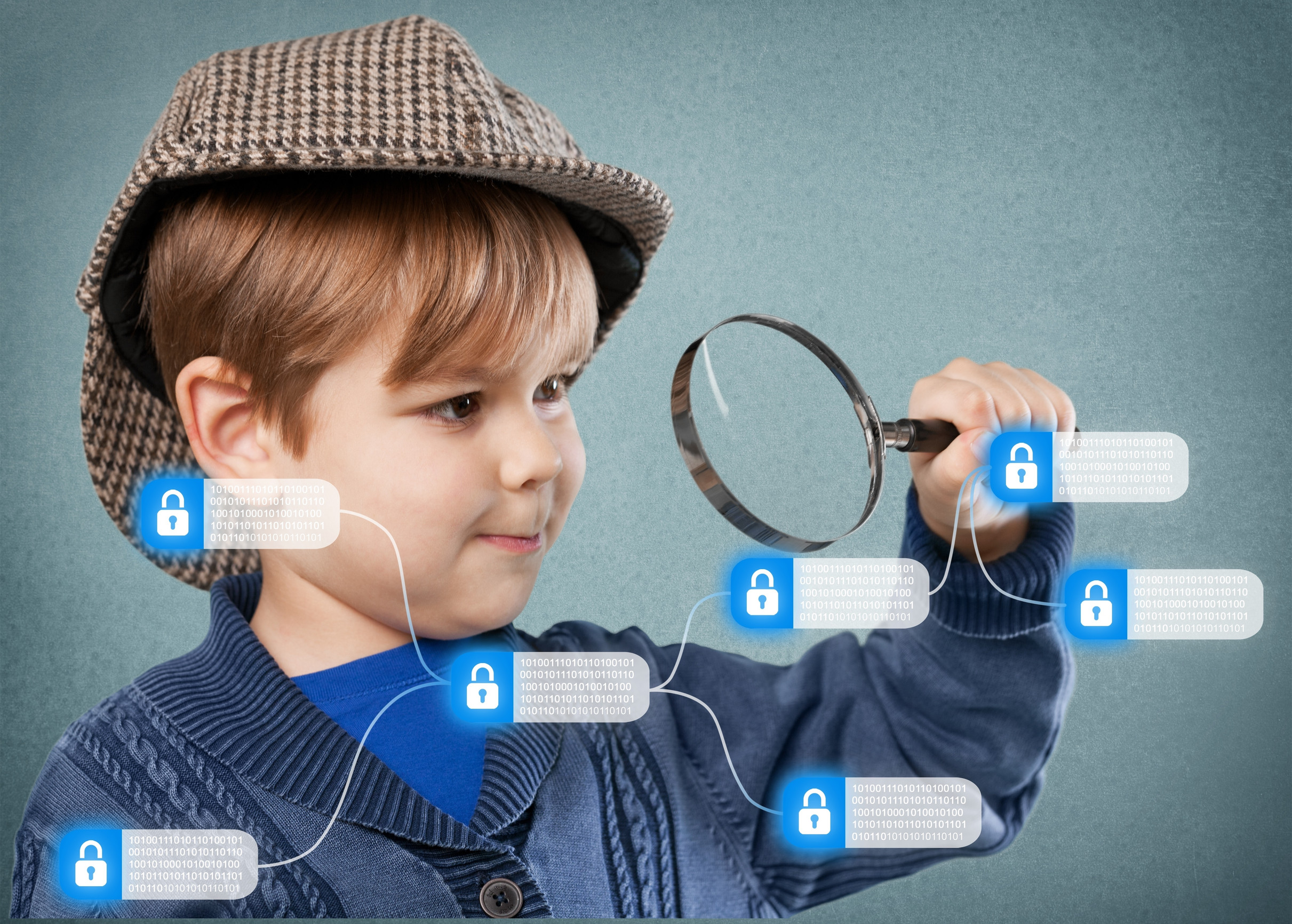
Image source: shutterstock.com

Social media has made it easier than ever for parents to document every milestone, from a baby’s first steps to a teen’s graduation. But sometimes, those innocent posts cross a line, revealing more about children than they might want shared. When parents overshare, they may unintentionally expose their kids to emotional, social, and even financial risks. Understanding the consequences can help families make smarter, safer choices about what to post. Here are six real-world outcomes that can happen when parents overshare about their kids online.

1. Loss of Privacy for the Child

When parents overshare, they often post details that seem small in the moment but create a long-term digital footprint. Photos, names, birthdays, and locations all build a profile that strangers can easily access. Over time, this can make children vulnerable to data tracking or identity theft. Even if the parent’s account is private, screenshots and shares can spread far beyond the intended audience. Protecting your child’s privacy means recognizing that not every special moment needs to live online forever.

2. Emotional Embarrassment Later in Life

One of the biggest emotional consequences of when parents overshare is embarrassment that surfaces years later. Imagine a teen discovering that their awkward potty-training photo or childhood tantrum was shared with hundreds of people. Those posts can damage a young person’s confidence and sense of autonomy. Kids deserve the chance to control their own stories, especially as they mature and develop self-identity. Respecting their dignity now helps build trust that lasts through adolescence and beyond.

3. Digital Footprints That Can’t Be Erased

Even if a parent deletes a post, the content often remains in backups, archives, or other users’ screenshots. This means that once something is online, it’s rarely gone for good. When parents overshare, they may unknowingly create lasting digital records that follow their children into adulthood. College admissions officers, future employers, and even peers can uncover these traces. Teaching kids about digital responsibility starts with modeling it yourself and understanding that online posts are rarely temporary.

4. Risks of Exploitation or Misuse

Another troubling outcome of when parents overshare involves malicious misuse of shared images or videos. Unfortunately, child photos are sometimes stolen from public platforms and repurposed by strangers for disturbing or exploitative purposes. Some hackers even use seemingly innocent details to guess passwords or access personal accounts. Oversharing personal family routines, school names, or travel plans can also alert potential predators. Keeping profiles limited and watermarking images are simple ways to add layers of protection.

5. Strained Parent-Child Relationships

Even when done with love, oversharing can create tension between parents and children. Many kids feel uncomfortable when private family moments become public content. Older children may begin hiding things or withdrawing emotionally to avoid unwanted exposure. When parents overshare repeatedly, kids can feel unheard or disrespected, which may erode trust. Creating boundaries together—like asking for permission before posting—can strengthen mutual respect and help prevent resentment later on.

6. Long-Term Reputational Impact

When parents overshare, they don’t just share cute photos—they also shape how others see their child. A lighthearted post about bad grades, tantrums, or messy habits might seem funny now but could affect how teachers, classmates, or even future employers perceive them. Children deserve the freedom to reinvent themselves without their parents’ digital past defining them. Once a post circulates, it can take on a life of its own, often resurfacing years later. Thinking twice before posting gives kids room to grow without the weight of online history.

Finding the Balance Between Sharing and Protecting

Social media can be a wonderful way to celebrate your family and connect with loved ones—but it requires balance. Before posting, parents should ask whether the content benefits the child or simply entertains others. Limiting identifying details, adjusting privacy settings, and seeking your child’s consent can make a big difference. When parents overshare less, they send a powerful message about respect, boundaries, and digital safety. The goal isn’t to stop sharing—it’s to share wisely, with your child’s long-term well-being in mind.

Do you think today’s parents overshare too much online? How do you decide what’s safe to post about your family? Share your thoughts in the comments below.

What to Read Next…

Is Your Child Safe? 9 Red Flags That Your Child Is Being Targeted Online

The Hidden Message: 9 Online Threats That Use Deepfakes Of Kids

Think Before You Post: 7 Types of Photos You Should Never Post of Your Kids Online

Beyond The Game: 9 Online Games Kids Are Playing That Expose Them To Predators

Digital Safety: 6 Steps to Safeguard Your Child’s Online Identity

Catherine Reed
Catherine Reed

Catherine is a tech-savvy writer who has focused on the personal finance space for more than eight years. She has a Bachelor’s in Information Technology and enjoys showcasing how tech can simplify everyday personal finance tasks like budgeting, spending tracking, and planning for the future. Additionally, she’s explored the ins and outs of the world of side hustles and loves to share what she’s learned along the way. When she’s not working, you can find her relaxing at home in the Pacific Northwest with her two cats or enjoying a cup of coffee at her neighborhood cafe.

Filed Under: Parenting Tagged With: child privacy, digital footprint, family boundaries, Online Safety, parenting advice, parenting tips, parents overshare, Social Media

Secure Their Future: 12 Steps to Secure Your Child’s Digital Footprint for Life

July 17, 2025 | Leave a Comment

Secure Their Future 12 Steps to Secure Your Childs Digital Footprint for Life
Image source: 123rf.com

Your child’s online identity is forming the moment you share that first baby photo—and every app, profile, and device they touch adds another layer. While the internet offers convenience and learning opportunities, it also carries long-term risks that many families don’t think about until it’s too late. A careless post, weak password, or unchecked app permission today could affect your child’s college acceptance, job application, or privacy years down the line. Securing your child’s digital footprint early is one of the most powerful ways to protect their reputation, safety, and future. Here are 12 simple but essential steps you can take now to lock down their online presence for life.

1. Start With a Clean Slate

Before your child begins using any new device or account, take a moment to set things up intentionally. Avoid using their full name, birthdate, or address in usernames or email handles. This helps keep personal information private and reduces the risk of identity theft. A clean, anonymous start is the best foundation for a secure digital footprint. Be mindful of the information you provide during app sign-ups or device registrations.

2. Use Privacy-Focused Email Addresses

Create a dedicated email address for your child’s online use that doesn’t reveal personal details. Avoid using their name or school in the email, and opt for a private, secure provider. This helps shield their identity and cuts down on spam and marketing emails. Email is often the gateway to password resets and sensitive accounts, so treat it with care. Keep login credentials stored securely and monitor the account periodically.

3. Turn Off Location Sharing by Default

Many apps request access to location data, but most preschoolers and kids don’t need this feature enabled. Turn off location services for any apps that don’t require it to function. This reduces the chance of tracking, targeting, or accidental sharing of your child’s whereabouts. It also helps protect your child’s routine from being mapped by third parties. Always check settings after updates, as permissions can change.

4. Set Strong Parental Controls

Whether it’s a tablet, smart TV, or game console, use built-in parental controls to restrict content and limit access. These settings help you control what your child sees, who they can interact with, and how much time they spend online. A strong digital footprint starts with boundaries that reflect your family’s values and expectations. Revisit these settings regularly as your child grows. Parental controls aren’t foolproof, but they’re a vital layer of defense.

5. Limit Public Sharing of Photos

It’s tempting to share milestones online, but every post adds to your child’s digital footprint. Avoid posting identifying photos like school uniforms, address numbers, or birthday banners. Once an image is online, you lose control over where it ends up. If you do share, adjust your privacy settings and avoid public profiles. Respect your child’s digital dignity, even when they’re too young to understand it yet.

6. Teach Password Security Early

Kids don’t need to know everything about cybersecurity, but they can learn the basics of strong passwords. Encourage using phrases, symbols, and combinations rather than names or birthdays. Help them create and remember passwords for games or learning apps as a habit. Good password hygiene is one of the best protections against future breaches. Reinforce the idea that passwords are private—even from friends.

7. Use Two-Factor Authentication

Wherever possible, enable two-factor authentication (2FA) on accounts tied to your child. This adds an extra layer of protection beyond the password. You’ll usually get a code via text or an authentication app before access is granted. It’s a small step that makes hacking or unauthorized access much more difficult. As your child gets older, teach them how and why this safeguard matters.

8. Avoid Linking Accounts

Many apps and services offer to log in with Google, Facebook, or Apple credentials. While convenient, this can connect multiple accounts and expand your child’s digital footprint rapidly. It also means a security breach in one account can affect several others. Use standalone logins with unique credentials instead. This keeps your child’s digital activity more compartmentalized and secure.

9. Monitor App Permissions

Every app asks for permissions—but not all requests are necessary. Check which apps are asking to access the camera, microphone, contacts, or location. Disable anything that isn’t essential to the app’s function. This step reduces data collection and gives you more control over how much information is being shared. Make reviewing permissions part of your regular digital housekeeping.

10. Minimize Data Shared with Schools and Programs

Some schools, sports teams, or camps collect more personal info than they truly need. Be cautious about what you provide and ask how the data will be stored or shared. A smaller digital footprint reduces the chance of information leaks or misuse. If forms require sensitive data, don’t hesitate to ask why. It’s okay to advocate for your child’s privacy.

11. Delay Social Media Use

Social media is a big contributor to a permanent digital footprint. The longer you can delay your child’s entrance into these platforms, the more time you have to teach safe, thoughtful sharing. When the time does come, start with private accounts and limit who they can interact with. Emphasize quality over quantity when it comes to posts and followers. This delay also gives you more time to model healthy digital habits.

12. Talk About Their Digital Legacy

Even young kids can understand that what they put online lasts. Framing the idea of a digital footprint in age-appropriate terms helps them build awareness. As they grow, involve them in choices about privacy, sharing, and online behavior. Your goal is to raise a child who can manage their own online presence with intention and care. A strong foundation now makes them safer and smarter in the digital world ahead.

Lifelong Safety Starts with Today’s Habits

Your child’s digital footprint will follow them for life—but how it takes shape is largely in your hands. The steps you take now can protect their privacy, identity, and reputation long before they’re old enough to navigate it themselves. Think of it as building a digital safety net that grows with them, providing freedom and protection at every stage. When privacy is the priority, your child gets a safer start and a more secure future.

Which of these digital footprint tips do you already use at home—and which ones surprised you? Share your thoughts in the comments!

Read More:

9 Digital Attacks Experts Say Are Imminent for Kids

Privacy Violation: 7 Things Never to Post About Your Kids Online

Catherine Reed
Catherine Reed

Catherine is a tech-savvy writer who has focused on the personal finance space for more than eight years. She has a Bachelor’s in Information Technology and enjoys showcasing how tech can simplify everyday personal finance tasks like budgeting, spending tracking, and planning for the future. Additionally, she’s explored the ins and outs of the world of side hustles and loves to share what she’s learned along the way. When she’s not working, you can find her relaxing at home in the Pacific Northwest with her two cats or enjoying a cup of coffee at her neighborhood cafe.

Filed Under: Parenting Tagged With: child data protection, child internet safety, digital footprint, digital parenting tips, online privacy for kids, parenting and technology, secure kids online

Smart Watch Spies: 8 Privacy Concerns with Kids’ Smart Watches Tracking

July 13, 2025 | Leave a Comment

Smart Watch Spies 8 Privacy Concerns with Kids Smart Watches Tracking
123rf.com

Smart watches for kids can seem like the perfect parenting solution. They offer location tracking, messaging, fitness monitoring, and peace of mind. But behind the convenience of kids’ smart watches tracking your child’s every move are some serious privacy concerns most families aren’t aware of. These devices gather more data than you might expect, and not all companies are transparent about how it’s stored, used, or shared. If your child wears a smart watch, it’s time to understand what might really be happening in the background.

1. Constant GPS Tracking May Go Too Far

GPS tracking helps parents know where their child is, but 24/7 monitoring can cross a line. Some watches ping location data as often as every minute, creating a detailed log of your child’s movements throughout the day. While this might sound reassuring, it’s also a massive amount of sensitive information vulnerable to hacking or unauthorized access. If the watch’s servers are not encrypted or securely managed, that data could be exposed. Kids’ smart watches tracking location should include clear settings for how often and how long data is stored.

2. Insecure Apps and Connections Open Doors to Hackers

Not all kids’ smart watches’ tracking features are built with security in mind. Weak passwords, outdated software, or unencrypted data can leave the device open to cyberattacks. In past years, some popular models were found transmitting data without proper encryption, putting kids at risk. Hackers could intercept messages, spoof locations, or even speak through the device in rare cases. Before buying, check if the manufacturer has a history of data breaches or has released software updates to fix vulnerabilities.

3. Companies May Collect More Than You Realize

Many parents don’t realize that smart watches often collect more than just GPS data. These devices may store audio recordings, activity levels, browsing history, and even emergency contact details. Some companies may sell or share this information with advertisers or third parties. When you sign the user agreement, you might be unknowingly consenting to this data harvesting. Kids’ smart watches tracking more than location need to be questioned and clarified before setting one up.

4. Location Sharing With Third Parties Can Be Unclear

Even if a smart watch claims to keep your child’s location private, the fine print in the terms of service can tell a different story. Some brands may share anonymized location data with marketing firms, app developers, or even government partners. Although the data may be stripped of names, repeated tracking can still identify individuals based on routines. Always read the privacy policy carefully and opt out of third-party sharing if possible. Your child’s daily movements should never be a commodity.

5. Mic and Camera Features Create Eavesdropping Risks

Many kids’ smart watches come equipped with microphones and, in some cases, cameras. While useful for video calling or voice messages, these features can be misused. If a hacker gains access or if the device lacks strong permission settings, these tools can turn into eavesdropping devices. Some parents report their children’s watches randomly turning on without interaction, which raises red flags. If your child’s watch has a mic or camera, check whether you can disable them when not in use.

6. Limited Data Deletion Options Can Trap Your Info

Once your child’s information is uploaded to the cloud, getting rid of it can be a challenge. Many companies do not offer easy ways to delete stored data, even after you stop using the device. Deleting the app or tossing the watch in a drawer doesn’t guarantee the information is erased from servers. This means your child’s early digital footprint could live on indefinitely. Always ask how to fully delete your child’s profile and data from a watch provider’s system.

7. Kids May Not Understand Their Own Privacy

Children aren’t usually thinking about who has access to their data. That’s why kids’ smart watches tracking habits can unintentionally teach kids that constant monitoring is normal. It’s important to talk to your child about what the device tracks, who can see it, and when it’s okay to turn it off. They should feel comfortable asking questions and voicing concerns about how it’s used. Teaching digital boundaries now will serve them well as technology becomes more integrated into daily life.

8. Laws Haven’t Fully Caught Up to the Tech

Many of the regulations designed to protect children’s data online, like COPPA, don’t fully address the scope of wearable tech. Laws vary from state to state, and some smart watch companies operate overseas, further complicating enforcement. While a few major manufacturers follow strict standards, smaller or lesser-known brands might not follow U.S. privacy rules at all. Until laws catch up, it’s up to parents to ask tough questions and choose devices carefully. Never assume that a “kid-friendly” label means it’s fully privacy-safe.

Awareness Is the First Step Toward Safer Use

Kids’ smart watches’ tracking features can absolutely be helpful, but only when paired with informed decision-making. Not all watches are created equal, and some offer better transparency and control than others. Take time to read privacy policies, research the brand, and set boundaries with both your child and the device. When used mindfully, a smart watch can be a useful tool rather than a digital spy. As tech evolves, staying educated is the best way to protect your child’s growing online presence.

Have you run into any privacy concerns with your child’s smart watch? What did you learn from the experience? Share your story in the comments.

Read More:

School Spies: 8 Privacy Risks of School Apps Collecting Data

Data Risk: 9 Data Breaches Still Threatening Your Kids’ Info

Catherine Reed
Catherine Reed

Catherine is a tech-savvy writer who has focused on the personal finance space for more than eight years. She has a Bachelor’s in Information Technology and enjoys showcasing how tech can simplify everyday personal finance tasks like budgeting, spending tracking, and planning for the future. Additionally, she’s explored the ins and outs of the world of side hustles and loves to share what she’s learned along the way. When she’s not working, you can find her relaxing at home in the Pacific Northwest with her two cats or enjoying a cup of coffee at her neighborhood cafe.

Filed Under: Parenting Tagged With: child data privacy, COPPA, digital footprint, kids tech risks, kids' smart watches tracking, parenting and technology, smart watch security, wearable tech safety

Digital Legacy: 6 Legal Protections for Your Child’s Digital Footprint

July 12, 2025 | Leave a Comment

Digital Legacy 6 Legal Protections for Your Childs Digital Footprint
123rf.com

From baby photos shared on social media to school projects uploaded to cloud storage, your child’s digital footprint starts building long before they understand what it is. And as their online presence grows, so does the potential for misuse, identity theft, or long-term consequences tied to information they never consented to share. The digital world is fast-moving, but there are important legal protections in place designed to help you manage your child’s data and safeguard their future. By understanding these rights and how to use them, you can take action now to protect their digital identity down the road. Here are six key legal protections that give you more control over your child’s digital footprint and peace of mind in a data-driven world.

1. The Children’s Online Privacy Protection Act (COPPA)

COPPA is one of the most important federal laws when it comes to protecting a child’s digital footprint. It requires websites, apps, and online services to obtain verifiable parental consent before collecting personal information from kids under 13. This law also limits what data can be collected, how it can be used, and mandates that companies provide a clear privacy policy. If a site or app violates COPPA, the Federal Trade Commission (FTC) can take legal action against it. As a parent, you can use COPPA to request data deletion and restrict certain online activities to reduce your child’s exposure.

2. The Family Educational Rights and Privacy Act (FERPA)

FERPA governs how schools handle your child’s educational records, including any digital information stored or shared electronically. Schools must have written permission before disclosing personally identifiable information to third parties, which includes tech vendors used in online learning platforms. FERPA gives parents the right to inspect, review, and request corrections to their child’s records. If you suspect your child’s data is being mishandled, you can file a complaint with the U.S. Department of Education. This law plays a crucial role in limiting who can access and use your child’s academic digital footprint.

3. State-Level Student Data Privacy Laws

Many states have passed additional laws that offer even stronger protection than federal regulations when it comes to student data privacy. These laws may require that tech companies delete student information after a set period, ban targeted advertising, or prevent data sales altogether. Some states also give parents more detailed rights to opt out of certain data-sharing practices in public schools. Check with your state’s Department of Education or attorney general’s office to see what specific protections are in place. These localized rules help you control how your child’s digital footprint is handled on a state level.

4. The Right to Be Forgotten (International and Emerging Policies)

The “right to be forgotten” is a legal concept allowing individuals to request the deletion of their personal data from online platforms. While this right is more established in the European Union under the General Data Protection Regulation (GDPR), it’s starting to gain traction in some parts of the United States. This concept can help children and teens remove outdated or unwanted online content that may follow them into adulthood. While not yet fully implemented across the U.S., it’s a growing area of digital rights parents should watch. Advocating for similar protections can help shape how your child’s digital footprint is treated in the future.

5. Biometric Data Laws

Some schools and platforms now use biometric data like facial recognition, fingerprints, or voice recordings to identify students or enhance security. However, several states—including Illinois, Texas, and California—have strict laws requiring consent before collecting or storing this sensitive information. Parents have the right to know how their child’s biometric data is being used and to opt out of programs that rely on it. These laws are particularly important since biometric data can’t be changed like a password if it’s compromised. Keeping tabs on biometric use helps ensure your child’s digital footprint includes only what’s necessary and safe.

6. Data Breach Notification Laws

If your child’s personal information is ever exposed in a data breach, state laws require schools, healthcare providers, and other organizations to notify you promptly. These laws often include timelines for notification and may require companies to offer credit monitoring or identity theft protection. Knowing about a breach quickly allows you to act fast to protect your child’s identity. Parents should ask what data protection policies are in place at any institution collecting their child’s information. These legal protections ensure that you’re not left in the dark if your child’s digital footprint is ever compromised.

Building a Smarter Digital Future for Your Kids

You don’t have to be a tech expert to take charge of your child’s digital footprint. By understanding these six legal protections, you’re better equipped to ask the right questions, push back when needed, and make informed choices about your child’s online exposure. Laws alone won’t cover every scenario, but they do give you the power to advocate and take action. As your child grows, teaching them about their rights and digital responsibilities will help them make smarter, safer choices, too. After all, the best way to protect your child’s future is to start with the digital legacy they’re building today.

What steps have you taken to protect your child’s digital footprint? Have you had to lean on any of these legal protections? Share your thoughts in the comments.

Read More:

Your Child’s Digital Mistake Could Destroy Their (and Your) Future

The Great Digital Debate: How Much Screen Time Is Really Okay for Kids Now

Catherine Reed
Catherine Reed

Catherine is a tech-savvy writer who has focused on the personal finance space for more than eight years. She has a Bachelor’s in Information Technology and enjoys showcasing how tech can simplify everyday personal finance tasks like budgeting, spending tracking, and planning for the future. Additionally, she’s explored the ins and outs of the world of side hustles and loves to share what she’s learned along the way. When she’s not working, you can find her relaxing at home in the Pacific Northwest with her two cats or enjoying a cup of coffee at her neighborhood cafe.

Filed Under: Parenting Tagged With: child online privacy, COPPA, digital footprint, digital legacy, internet safety for kids, kids digital safety, parenting tech tips, student data privacy

Are We Oversharing Our Kids Online? Inside the Sharenting Controversy

April 18, 2025 | Leave a Comment

parent and child with camera
Image Source: Unsplash

Within minutes of a child’s birth, proud parents can beam photos to the world with a tap. By age five, the average kid has over 1,000 images online—none of which they posted themselves. Welcome to sharenting, the phenomenon of parents chronicling children’s lives on social platforms.

While sharing milestones connects far‑flung relatives and preserves memories, critics warn it also chips away at privacy, invites exploitation, and constructs digital identities kids may later resent. Let’s unpack the debate so caregivers can post smarter, not louder.

The Joy—And Business—Of Sharing

For many parents, social media functions as a modern baby book. Grandparents comment heart emojis, friends compare tips, and the algorithm delivers dopamine with every like. A smaller but influential subset—family influencers—monetize this content.

Sponsored diaper ads or YouTube toy reviews can fund college savings. Yet when a giggling toddler produces paycheck‑level clicks, lines blur between documentation and labor. In the U.S., child‑labor laws lag behind, leaving “kidfluencers” with few financial protections.

Legal And Ethical Gray Zones

Under the Children’s Online Privacy Protection Act (COPPA), platforms must secure parental consent before collecting data on users under 13. Ironically, the parents themselves often upload location tags, health disclosures, and daily routines, handing over data voluntarily.

European “right‑to‑be‑forgotten” laws offer stronger removal mechanisms, but enforcement is patchy. Ethics professors argue parents act as “data fiduciaries” and must balance a child’s future autonomy against present social gratification.

Real‑World Safety Risks

Posting first‑day‑of‑school photos with visible badges or geotags can map a child’s daily path. Cybercriminals scrape birthdates and middle names for identity theft. Worse, innocent bath‑time images can be downloaded and recirculated on child‑exploitation forums. While these outcomes are rare, cybersecurity experts caution that parents often underestimate strangers’ access.

Real‑World Safety Risks

Oversharing doesn’t just raise theoretical privacy concerns—it can translate into very concrete dangers:

  • Digital Breadcrumbs That Reveal Daily Routines: A single first‑day‑of‑school photo may show a child’s name on a backpack, the school crest on a polo shirt, and a geotag that pinpoints the campus. Add a soccer‑practice Reel, a birthday‑party Facebook check‑in, and a bedtime‑story TikTok, and a determined stranger can piece together a child’s full weekly timetable—when they’re dropped off, which entrance they use, and even who usually picks them up. Law‑enforcement officers warn that this “pattern‑of‑life” data is exactly what predators or would‑be abductors mine when they trawl social platforms.
  • Identity‑Theft Starter Kits: Kids have pristine credit histories, making them prime targets for fraud. Scammers scrape birth announcements, “monthly‑milestone” posts that include full names and dates of birth, and proud‑parent tax‑refund tweets to build dossiers. With only a name, birth date, and address—details many parents post publicly—a cybercriminal can open credit lines that remain undetected until the child applies for a student loan years later.
  • Image Misappropriation in Exploitative Forums: Seemingly harmless photos—toddlers in swimsuits at the beach, toddlers in the tub—are routinely harvested, altered, and redistributed on child‑pornography sites. Facial‑recognition tools and reverse‑image search make it easy for bad actors to trace those pictures back to the parents’ profiles, exposing family addresses and friend networks.
  • Deepfake and AI Manipulation: Emerging threats include AI‑generated deepfakes that splice a shared child’s face onto explicit or violent content. Because these synthetic images look convincing, they can be used for sextortion schemes or bullying. Cybersecurity analysts note that parents posting high‑resolution headshots inadvertently supply the training data criminals need for lifelike forgeries.

While the probability of each risk is statistically low, experts emphasize that the impact can be devastating. A “privacy‑first” approach—blurring school logos, disabling geotags, and limiting audience settings—dramatically lowers exposure without forcing parents to stop sharing altogether.

parent with child
Image Source: Unsplash

Tips For Safer Sharenting

  • Blur personal details. Use stickers over school logos and house numbers.
  • Curate your audience. Private accounts or close‑friends lists limit reach.
  • Ask consent when possible. Children as young as six can voice preferences; honoring them fosters respect.
  • Check platform policies. Instagram allows you to disable resharing of your stories; TikTok offers family‑pairing tools.
  • Model digital humility. Share successes and struggles sparingly to avoid framing kids as content characters.

A balanced approach still celebrates childhood joys but reserves intimate moments for offline memory boxes.

A Future Of Digital Empowerment

As Gen Alpha grows, the children of sharenting will eventually confront their curated selves. By adopting consent‑based habits today—asking “May I post this?”—families teach digital citizenship.

The controversy isn’t a mandate to delete every feed; it’s an invitation to weigh each upload against its lifetime footprint. Posts fade from timelines, but screenshots last forever. If we share with empathy now, our kids will thank us later—online or off.

What are your thoughts on sharing your kids online? Let us know in the comments!

Read More

  • Should Parents Have to Pass a Test Before Having Kids?
  • Should People Be Fined for Having Too Many Kids?
Samantha Warren
Samantha

Samantha Warren is a holistic marketing strategist with 8+ years of experience partnering with startups, Fortune 500 companies, and everything in between. With an entrepreneurial mindset, she excels at shaping brand narratives through data-driven, creative content. When she’s not working, Samantha loves to travel and draws inspiration from her trips to Thailand, Spain, Costa Rica, and beyond.

Filed Under: Parenting Tagged With: child privacy, digital footprint, family blogging, Online Safety, sharenting, social media parenting

  • Facebook
  • Pinterest
  • RSS
  • Twitter

Basic Principles Of Good Parenting

Here some basic principles for good parenting:

  1. What You Do Matters: Your kids are watching you. So, be purposeful about what you want to accomplish.
  2. You Can’t be Too Loving: Don’t replace love with material possessions, lowered expectations or leniency.
  3. Be Involved Your Kids Life: Arrange your priorities to focus on what your kid’s needs. Be there mentally and physically.
  4. Adapt Your Parenting: Children grow quickly, so keep pace with your child’s development.
  5. Establish and Set Rules: The rules you set for children will establish the rules they set for themselves later.  Avoid harsh discipline and be consistent.
  6. Explain Your Decisions: What is obvious to you may not be evident to your child. They don’t have the experience you do.
  7. Be Respectful To Your Child: How you treat your child is how they will treat others.  Be polite, respectful and make an effort to pay attention.
Best Parenting Blogs

Most Popular

Baby names

Teachers Admit: These 6 Baby Names Create Instant Bias in the Classroom

Latrice Perez
11 Ways Kids Are Outsmarting Parental Controls 1. Using Alternate Devices One common trick is simply turning to another device. If a child’s main phone or tablet is restricted, they may borrow a sibling’s, friend’s, or even a school laptop. This instantly gives them access to content outside of parental oversight. Parents often focus on one device, forgetting that others in the household can serve as loopholes. Knowing this tactic helps families tighten controls across all electronics. 2. Clearing Browsing Histories Many kids quickly learn that clearing browsing history hides evidence of restricted activity. With just a few clicks, they can erase any trace of websites visited. This makes it harder for parents to notice when rules are being broken. Parents may assume no history means no browsing, but the reality is often the opposite. Kids are outsmarting parental controls by making it seem like nothing happened at all. 3. Using Private Browsing Modes Most browsers offer “incognito” or private browsing features. Kids use this mode to access websites without leaving a record in the history. To parents checking later, everything looks clean and safe. This simple trick is often one of the first ways kids discover how to bypass restrictions. Conversations about private browsing can help close this gap. 4. Guessing or Resetting Passwords Children who are persistent may try to guess passwords to parental control apps or accounts. Others may find ways to reset them through email prompts or security questions. Once inside, they can disable restrictions entirely. Parents may not even realize controls have been altered until much later. Stronger, less predictable passwords can make this more difficult. 5. Using VPNs to Hide Activity Virtual private networks, or VPNs, let kids disguise their online locations. With one downloaded app, they can bypass geographic or parental restrictions. Some children learn about VPNs through friends or even social media. This makes it easy for them to reach content that should be blocked. Parents often underestimate just how simple it is for kids to use these tools. 6. Creating Fake Accounts When parents monitor social media, kids may create hidden accounts. These “finstas” or fake profiles allow them to interact freely without parental oversight. While their main account appears harmless, the secondary one tells a different story. Kids are outsmarting parental controls by playing both sides at once. Checking for duplicate accounts can help parents stay more aware. 7. Exploiting Time Zone Settings Some kids change the time zone on their devices to bypass screen time limits. This trick allows them to gain extra hours of usage undetected. Parents may assume controls are working, but in reality, the child is bending the clock. It’s a clever loophole that highlights just how resourceful kids can be. Monitoring device settings regularly can catch this tactic. 8. Disabling or Uninstalling Apps Parental control apps can be deleted or disabled with surprising ease. Some kids even reinstall them before a parent checks, making it seem like nothing changed. Others may simply restrict permissions to prevent apps from functioning properly. When apps aren’t monitored closely, parents may not notice they’ve been tampered with. This shows the importance of consistent follow-up. 9. Turning to Friends for Access If a child can’t get past restrictions on their own, they may rely on friends. Visiting a friend’s house or borrowing their phone can give them a free pass. Parents often forget that peer environments can override restrictions set at home. This kind of social workaround is especially common with gaming or social media. Open conversations about trust and responsibility are essential. 10. Hiding Apps in Plain Sight Kids sometimes download apps that look innocent but serve as gateways to hidden activity. These apps may disguise themselves as calculators or utilities. In reality, they allow file storage, private messaging, or browser access. Parents glancing at a home screen may overlook them entirely. Learning to recognize these disguised apps can help parents stay informed. 11. Outpacing Parents’ Tech Knowledge Finally, kids often know more about devices than their parents do. Whether through YouTube tutorials, TikTok hacks, or peer groups, they quickly learn advanced workarounds. This knowledge gap means controls can be bypassed before parents even realize the loophole exists. Staying informed and continually learning about new technology is the best defense. Kids are outsmarting parental controls because they adapt faster than most adults. The Real Solution Lies Beyond Restrictions While controls and filters are important, no system is perfect. Kids will always find creative ways around barriers, making communication the strongest safeguard. Setting clear expectations, building trust, and having ongoing conversations about online behavior matter more than apps alone. Parents who combine technology with open dialogue create a safer digital environment. The goal isn’t to win a battle of wits but to build a relationship that keeps kids both safe and honest. Do you think kids are outsmarting parental controls faster than parents can keep up? Share your experiences in the comments below. What to Read Next... 6 Parenting Tech Shortcuts That Can Expose Your Child to Strangers How Much Screen Time Is Too Much—Legally Speaking? Is Your Child’s School Quietly Tracking Their Location Without Your Consent? How Much Screen Time Is Quietly Reshaping Childhood Behavior? Why Some Parents Are Being Investigated Over Homeschooling Records

11 Ways Kids Are Outsmarting Parental Controls

Catherine Reed
Smiling grandfather holding a happy baby indoors.

Why Grandparents Shouldn’t Babysit Their Grandkids Every Week – The Unspoken Issue

Samantha
Girl getting makeup done, referencing psychologist-approved age.

Wearing Makeup: Here Is the Age That Psychologists Agree It’s Okay for Girls to Wear Makeup

Samantha
birthday gifts

7 Birthday Gifts Your Child Should Never Bring to a Party

Latrice Perez

All content on Kids Ain’t Cheap is for entertainment purposes only. By reading this blog, you agree that Kids Ain’t Cheap is not responsible for any actions taken after reading this blog. For the full disclaimer, see our privacy policy.

Please note that Kids Ain’t Cheap has financial relationships with some of the merchants mentioned here. Kids Ain’t Cheap is funded by banner advertising, commission sales and search optimization consulting.

Copyright © 2006–2026 | District Media | All Rights Reserved | Privacy Policy

Copyright © 2026 Runway Pro Theme by Viva la Violette