• Home
  • About Us
  • Toolkit
  • Archives
  • Advertise
  • Privacy Policy

Kids Ain't Cheap

But They Sure Are Worth It

  • Parenting
    • Baby Stuff
    • Books and Reading
      • Aesops Fables
      • Comic Books
    • Education
    • Family Time
    • Green Living
    • Growing Up
    • Healthy Living & Eating
    • Holidays
    • Parenting
    • Random Musings
    • Shopping
    • Stuff to Do
  • Money
  • Product Reviews
    • Books and Magazines
    • Discount Sites
    • Furniture
    • House Keeping
    • Reviews News
    • Toys and Games
  • Contact Us
  • Our Editorial Commitment
  • Search

Mail Exposure: 6 Ways Your Child’s Mail Gives Them Away

July 17, 2025 | Leave a Comment

Mail Exposure 6 Ways Your Childs Mail Gives Them Away
Image source: 123rf.com

Getting mail can feel exciting for a child, but not all of it is harmless. In fact, some pieces of mail can unintentionally reveal sensitive information about your child to strangers, marketers, and even scammers. From innocent birthday club sign-ups to magazine subscriptions, the things addressed to your child can tell others more than you’d like them to know. Mail exposure is a growing privacy concern, especially in a world where data collection starts younger than ever. If your child is receiving their own mail, here are six ways it might be putting their identity—and safety—at risk.

1. Their Full Name and Age Are Easily Revealed

Many pieces of children’s mail include not just a first name but the full name, often paired with age-specific promotions or birthday greetings. This makes it easy for someone to figure out how old your child is, which can be a goldmine for marketers or a starting point for identity theft. Mail exposure like this is especially risky if the envelope or postcard is visible to neighbors, postal workers, or even strangers in shared housing. It also gives scammers an opportunity to craft more believable messages targeted at your child’s age group. Limiting how often your child’s full name is shared during sign-ups or online purchases can reduce this kind of exposure.

2. Brands Use Mail to Track Your Child’s Interests

From kids’ book clubs to toy catalogs, direct mail can reveal a lot about your child’s preferences. These interests might seem harmless, but they’re often used to build detailed marketing profiles. Once your child is added to a mailing list, they may start receiving ads for related products—or even get added to databases shared between companies. This kind of mail exposure starts to shape how companies view your child as a consumer long before they even have purchasing power. Be mindful about who you share your child’s information with when entering contests, loyalty clubs, or giveaways.

3. Mail Invites Scams and Phishing Attempts

Some deceptive companies send mail designed to look like prizes, urgent account notifications, or educational offers aimed at kids. These letters or postcards can manipulate a child into asking parents to respond or provide personal info. While children usually don’t open scam mail themselves, even just having it arrive with their name on it can make it seem more legitimate. Mail exposure of this kind opens the door to financial traps, fake charities, or subscription scams disguised as school programs. Teach your child to always bring mail to you before opening it, especially if it looks unusual or too good to be true.

4. It Signals a Child Lives at Your Address

When mail consistently arrives addressed to a child, it sends a clear message to anyone who sees your mailbox or mail pile: a child lives here. That might not seem alarming, but in the wrong hands, this kind of information can be exploited. Mail exposure in this way can increase the chances of receiving targeted ads, scam attempts, or worse, becoming a focus of more personal safety concerns. In shared living spaces, apartment buildings, or mailrooms, it’s a vulnerability worth noticing. Using a parent’s name as the recipient whenever possible is a safer option.

5. Educational and Activity Mail Creates Predictable Patterns

If your child receives regular mail from camps, schools, tutoring centers, or sports leagues, it reveals not just their interests—but also their habits. Predictable mail patterns can show what times of year your child is active in certain programs, hinting at their location, schedule, or social activities. While it may seem far-fetched, mail exposure like this can contribute to larger data sets that make profiling easier. To help protect your family’s routines, try opting into digital communications when available and avoid sharing mailing addresses unless necessary.

6. Their Information Can Be Resold Without You Knowing

Many mailing lists are compiled and then quietly sold to other companies, especially if you didn’t read the fine print when signing up for a “freebie.” What starts as a coloring club or sticker subscription could result in your child’s name and address being circulated to dozens of other businesses. This form of mail exposure is subtle but long-lasting, often leading to years of unsolicited offers. The younger the child, the more valuable their profile is for certain industries looking to build lifetime customers. Always look for opt-out options and privacy statements before submitting your child’s info anywhere.

Think Before You Share That Mailing Address

As innocent as it seems, your child’s mail can be a surprisingly rich source of information for marketers, scammers, and even strangers. Mail exposure isn’t just about annoying catalogs or junk mail—it’s about how that information is gathered, used, and passed along without your full awareness. By paying attention to what’s arriving in your mailbox and making careful decisions about how your child’s info is shared, you can protect their identity, habits, and future digital footprint. It all starts with a simple question: does my child really need to receive this?

Have you ever been surprised by the kind of mail your child received? Share your experience and tips for managing mail exposure in the comments!

Read More:

School Spies: 8 Privacy Risks of School Apps Collecting Data

Worsening Threat: 9 Cybersecurity Risks Worsening for Kids

Catherine Reed
Catherine Reed

Catherine is a tech-savvy writer who has focused on the personal finance space for more than eight years. She has a Bachelor’s in Information Technology and enjoys showcasing how tech can simplify everyday personal finance tasks like budgeting, spending tracking, and planning for the future. Additionally, she’s explored the ins and outs of the world of side hustles and loves to share what she’s learned along the way. When she’s not working, you can find her relaxing at home in the Pacific Northwest with her two cats or enjoying a cup of coffee at her neighborhood cafe.

Filed Under: Parenting Tagged With: child identity protection, child privacy, direct mail risks, family data safety, junk mail for kids, mail exposure, parenting safety tips

Mold Hotspots: 5 Home Areas That Are Mold Hotspots for Kids

July 13, 2025 | Leave a Comment

Mold Hotspots 5 Home Areas That Are Mold Hotspots for Kids
123rf.com

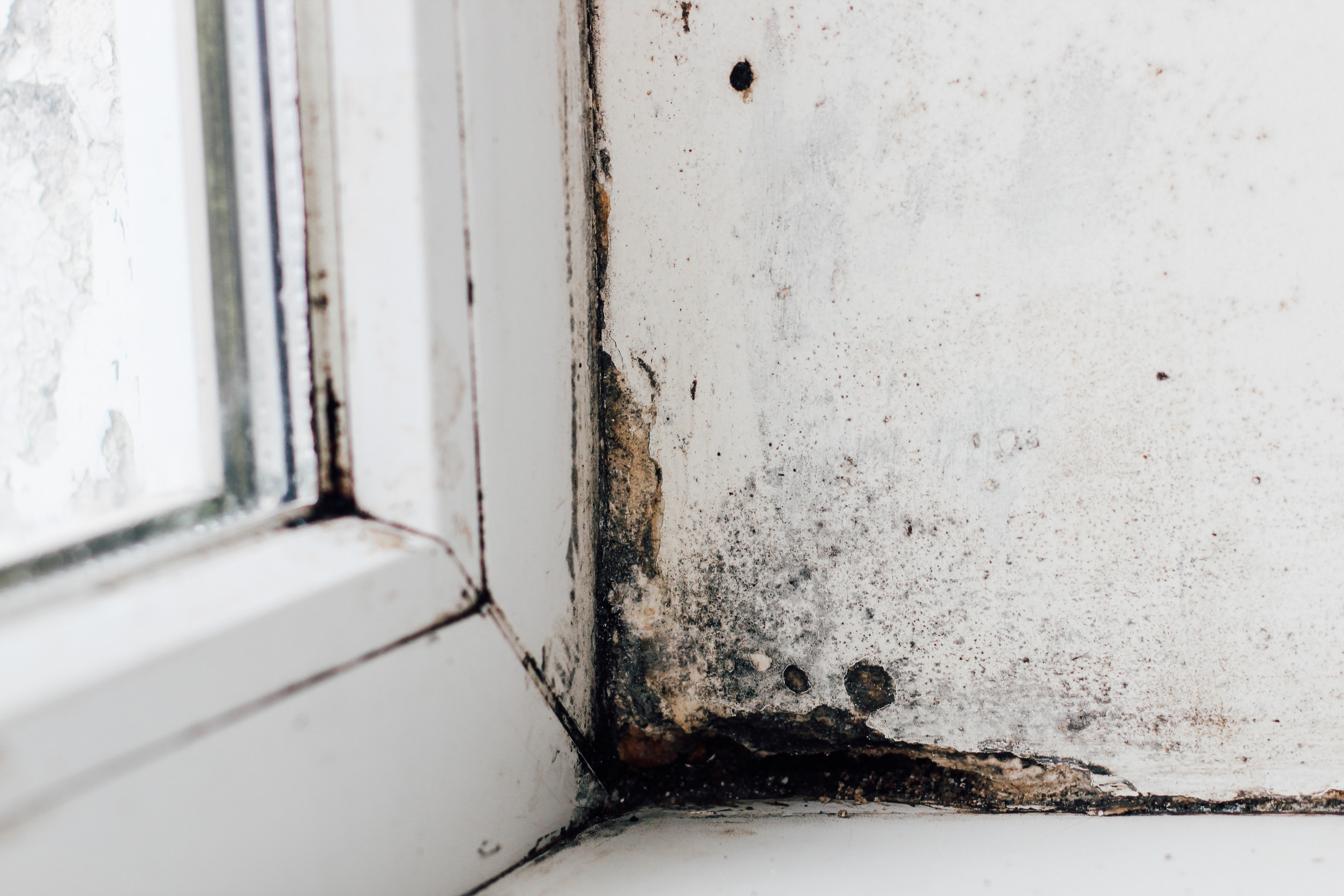
If your child constantly battles sniffles, skin rashes, or unexplained allergies, your home’s air quality could be the culprit. Mold is more than just an unsightly nuisance—it can cause serious health issues, especially in children with developing immune systems or asthma. And the truth is, mold doesn’t just lurk in damp basements. It hides in places we often overlook, turning everyday living spaces into dangerous mold hotspots for kids. Knowing where to look and how to deal with it can make your home a safer, healthier space for your entire family.

1. Bathrooms and Shower Corners

Bathrooms are one of the most common mold hotspots for kids due to their constant exposure to moisture. Poor ventilation, leaky plumbing, or steam from hot showers create the perfect environment for mold to grow quickly on tile grout, under sinks, or behind toilets. Kids who spend time bathing or brushing their teeth in these spaces are exposed to airborne mold spores without even realizing it. Mold can trigger asthma attacks, itchy eyes, or skin irritation, especially for children with sensitivities. Using a dehumidifier, improving airflow, and scrubbing visible mold regularly can make a big difference.

2. Bedrooms with Poor Ventilation

It might surprise you, but bedrooms—especially those with limited airflow—can become mold hotspots for kids. Dampness can sneak in from windows, humidifiers, or even body moisture trapped in bedding and mattresses. Carpeting, stuffed animals, and closets are often the first places where mold appears, especially if the room is dark and doesn’t get much sun. Children spending hours sleeping in these conditions may experience breathing problems or develop chronic allergies. Keeping windows open when weather allows, washing bedding frequently, and monitoring humidity levels can help keep mold at bay.

3. Basements and Play Areas

Basements are notorious for mold buildup, and if your basement doubles as a playroom or storage area for toys, that’s a problem. Basements often suffer from high humidity, water leaks, and limited light—all ideal conditions for mold to thrive. When kids play with moldy toys or spend time in these areas, they can inhale spores or come into direct contact with harmful growth. Even foam mats and upholstered furniture can hold hidden mold. Using waterproof materials, sealing foundation cracks, and running a dehumidifier can reduce these mold hotspots for kids significantly.

4. Kitchens and Under-Sink Cabinets

Kitchens might seem safe, but mold can grow behind appliances and in damp under-sink cabinets where leaks often go unnoticed. These spots may be hidden from sight but still release mold spores into the air, affecting kids who spend time nearby during meals or homework. Crumbs, spills, and food waste can also attract mold and worsen the issue. Because young children are often around during food prep and eating, exposure to airborne spores can increase their risk of digestive or respiratory issues. Regular inspections and quick cleanup of leaks can go a long way in reducing these hidden hazards.

5. Laundry Rooms and Washing Machines

Laundry rooms are another unexpected mold hotspot for kids, especially if you have a front-loading washer. These washers are notorious for trapping moisture in the rubber gasket, creating a breeding ground for mold. Add to that a damp laundry pile, limited ventilation, and hard-to-clean nooks, and you’ve got a recipe for indoor mold. If kids handle dirty clothes or play nearby, they can inhale spores or come into contact with moldy surfaces. Leave washer doors open to dry out after use and clean the drum and seal regularly to prevent buildup.

Keeping Kids Safe Starts with Spot Checks and Smarter Habits

You can’t see every mold spore, but you can be proactive about keeping your home healthier. Start by regularly inspecting the five most common mold hotspots for kids and fixing moisture problems before they get out of hand. Small changes—like improving airflow, investing in a dehumidifier, or switching out mold-prone materials—can have a huge impact on your child’s health and comfort. If your child has asthma or recurring allergy symptoms, a mold inspection may be worth the investment. Remember, cleaner air starts where your kids live, sleep, and play.

Have you discovered a hidden mold hotspot in your home? What changes helped your child feel better? Share your experience in the comments below!

Read More:

Value Killer: 5 Home Renovations Decreasing Kids’ Safety

How to Create a Child-Friendly Home Design During Your Remodel

Catherine Reed
Catherine Reed

Catherine is a tech-savvy writer who has focused on the personal finance space for more than eight years. She has a Bachelor’s in Information Technology and enjoys showcasing how tech can simplify everyday personal finance tasks like budgeting, spending tracking, and planning for the future. Additionally, she’s explored the ins and outs of the world of side hustles and loves to share what she’s learned along the way. When she’s not working, you can find her relaxing at home in the Pacific Northwest with her two cats or enjoying a cup of coffee at her neighborhood cafe.

Filed Under: Home and Living Tagged With: allergy triggers at home, child health and mold, home mold prevention, indoor air quality, mold hotspots for kids, mold in kids' bedrooms, parenting safety tips

Fire Danger: 5 Home Areas That Are Fire Magnets for Kids

July 8, 2025 | Leave a Comment

Fire Danger 5 Home Areas That Are Fire Magnets for Kids
123rf.com

Kids are naturally curious, which is great for learning—but not so great when it comes to fire safety. In fact, some of the most common areas in your home double as fire magnets for kids, creating major hazards when left unchecked. Whether it’s a kitchen drawer packed with lighters or a bedroom crowded with charging devices, your child’s surroundings might be riskier than you think. Fire accidents can happen fast, especially in spots that seem harmless at first glance. Here are five areas in your home that deserve a second look if you want to reduce fire risks for little ones.

1. Kitchen Counters and Stovetops

The kitchen is the heart of the home, but it’s also one of the biggest fire magnets for kids. Stovetops, ovens, and even toasters are hot zones for accidental burns and fires. Kids might reach for a dangling cord, climb on counters, or knock over something flammable like a dish towel. Grease, forgotten pans, or an unattended burner can escalate from a minor slip-up to a major emergency in seconds. Always keep hot surfaces and appliances off-limits, and turn pot handles inward so they can’t be grabbed.

2. Bedrooms Packed with Electronics

Between tablets, nightlights, gaming consoles, and chargers, kids’ bedrooms are often loaded with electronic devices. When outlets are overloaded or cheap chargers are used, these spaces become fire magnets for kids. Add in blankets, curtains, and stuffed animals near a heat source, and you’ve got a recipe for danger. Encourage unplugging devices at night and never let electronics charge under a pillow or blanket. Invest in surge protectors and remind kids not to yank cords or stack plugs.

3. Laundry Room Lint Traps and Heaters

You might not think of the laundry room as a risky space, but dryer lint is one of the most flammable things in your home. If the lint trap isn’t cleaned regularly, heat from the dryer can ignite it. Kids may also be tempted to toss clothing or toys behind the dryer where they can block vents or sit too close to the heater. Some homes have hot water heaters in the same space, creating even more heat exposure. Keep this area clean, off-limits to children, and free from clutter or hanging items.

4. Living Room Candles and Fireplaces

The cozy glow of a candle or fireplace may feel relaxing to adults, but for kids, it’s pure temptation. Candles on low tables or mantelpieces are fire magnets for kids, who may try to touch the flame or knock them over. Fireplaces can also send sparks onto rugs or pajamas if they don’t have a proper screen. Make sure all open flames are out of reach and never left unattended. Battery-powered candles or electric fireplaces offer safer alternatives for homes with young children.

5. Garage or Utility Shelves

Garages are often packed with flammable items like gasoline, paint, lighter fluid, and power tools. These are major fire magnets for kids, especially when stored low or in open containers. One curious moment with a match or battery-powered tool can lead to disaster. Lock up hazardous materials and teach kids that the garage isn’t a play area. You should also keep a fire extinguisher nearby in case something does spark or catch.

Make Fire Safety a Family Habit

The best defense against fire magnets for kids is education and prevention. Walk through your home with fresh eyes and look at each area from a child’s perspective. What might look harmless to you could be an irresistible hazard to them. Make sure your smoke detectors are working, teach kids what to do in case of a fire, and establish a no-play zone around heat sources. Fire safety isn’t a one-time conversation—it’s a habit that protects everyone in the family.

Have you childproofed your home for fire safety? Which area surprised you the most? Share your fire safety tips or stories in the comments!

Read More:

The Silent Danger Lurking in Your Child’s Daily Routine

6 Seemingly Safe Places That Could Actually Be Dangerous for Kids

Catherine Reed
Catherine Reed

Catherine is a tech-savvy writer who has focused on the personal finance space for more than eight years. She has a Bachelor’s in Information Technology and enjoys showcasing how tech can simplify everyday personal finance tasks like budgeting, spending tracking, and planning for the future. Additionally, she’s explored the ins and outs of the world of side hustles and loves to share what she’s learned along the way. When she’s not working, you can find her relaxing at home in the Pacific Northwest with her two cats or enjoying a cup of coffee at her neighborhood cafe.
Filed Under: Parenting Tagged With: child safety, childproofing tips, fire hazards, fire magnets for kids, fire prevention, home fire safety, household dangers, parenting safety tips

5 Silent Red Flags That a Babysitter Isn’t Trustworthy

May 23, 2025 | Leave a Comment

5 Silent Red Flags That a Babysitter Isnt Trustworthy

Leaving your child in someone else’s care is one of the most vulnerable decisions a parent can make. While most babysitters are well-meaning and responsible, not every hire is the right fit—or even safe. The problem is that warning signs don’t always show up in obvious ways. Sometimes, it’s the subtle, quiet cues that reveal a babysitter isn’t trustworthy. Paying attention to the small things can protect your child, your peace of mind, and your ability to walk out the door with confidence.

1. They Avoid Giving Details About the Day

If your babysitter gives vague answers when you ask how things went— “Everything was fine” or “We just played a little”—that’s worth paying attention to. Trustworthy sitters tend to share highlights, challenges, and any minor incidents with transparency. A lack of detail could signal disinterest, forgetfulness, or even an unwillingness to be fully honest. You shouldn’t have to dig for information about naps, meals, or behavior. Communication is key, and a sitter who avoids specifics might be hiding more than a missed snack.

2. Your Child Seems Unusually Anxious or Withdrawn

Kids might not always have the words to explain what’s wrong, but their behavior speaks volumes. If your typically outgoing child suddenly dreads being left with the babysitter, clings to you more than usual, or becomes withdrawn afterward, take it seriously. Emotional changes can be caused by many things, but they’re often early signs that something doesn’t feel safe or comfortable to them. Even small changes in mood or energy level after babysitting sessions can be a silent red flag. Trust your child’s instincts—and your own—if something feels off.

3. They’re Always Glued to Their Phone

Everyone checks their phone occasionally, but a babysitter who’s constantly scrolling, texting, or taking selfies while they’re on the job is showing a major lack of focus. You may not witness it firsthand, but signs like missed messages from you, vague answers about your child’s activities, or your child saying “they were always on their phone” should raise concern. Children need engaged, attentive supervision—not a distracted adult scrolling through social media. If your sitter seems more invested in their screen than your child, they’re not meeting the most basic expectations of care.

4. They’re Too Comfortable Too Soon

It’s great when a babysitter seems relaxed and confident—but if they start acting overly casual too quickly, it might be a red flag. This can show up as dismissing your instructions, being late without apology, or acting like they’re doing you a favor by being there. A trustworthy sitter respects your boundaries, values your expectations, and takes their role seriously. Overfamiliarity early on could indicate poor judgment, entitlement, or a lack of professionalism. The best sitters strike a balance between friendly and responsible.

5. Something Just Doesn’t Sit Right With You

Sometimes the biggest warning sign is the one you can’t put into words. If something feels off, even if you can’t explain why, don’t ignore that gut feeling. Maybe it’s the way they handled a question, how they interacted with your child, or just a subtle shift in your child’s energy after they leave. You don’t need a dramatic incident to reconsider a caregiver’s fit for your family. You’re not being paranoid—you’re being protective, and there’s no harm in pausing to reevaluate.

Trust Is Earned, Not Assumed

A babysitter may come with glowing reviews and a warm smile, but true trust is built over time. By watching for these silent red flags and paying attention to your intuition, you can make more confident choices about who cares for your child. Being proactive doesn’t make you overbearing—it makes you a parent who prioritizes safety over awkwardness or convenience. It’s better to ask one too many questions than to ignore the quiet signs that something’s wrong. Your child’s well-being is always worth the extra effort.

Have you ever had to switch babysitters because something felt off? What signs helped you make that decision? Share your story in the comments.

Read More:

8 Babysitter Safety Tips Every Parent Wishes They Knew Sooner

Is It Ethical to Use Nanny Cams to Monitor Babysitters?

Catherine Reed
Catherine Reed

Catherine is a tech-savvy writer who has focused on the personal finance space for more than eight years. She has a Bachelor’s in Information Technology and enjoys showcasing how tech can simplify everyday personal finance tasks like budgeting, spending tracking, and planning for the future. Additionally, she’s explored the ins and outs of the world of side hustles and loves to share what she’s learned along the way. When she’s not working, you can find her relaxing at home in the Pacific Northwest with her two cats or enjoying a cup of coffee at her neighborhood cafe.
Filed Under: Safety Tagged With: babysitter warning signs, babysitting issues, childcare red flags, choosing a babysitter, parenting safety tips, trustworthy babysitter

10 Places Your Kids Shouldn’t Be Left Alone (Even If They Beg You To)

May 16, 2025 | Leave a Comment

10 Places Your Kids Shouldnt Be Left Alone Even If They Beg You To

Kids crave independence. It’s part of growing up, and hearing “Can I just go by myself?” is almost a rite of passage. But while some requests are reasonable, others are flat-out dangerous. As much as we want to build trust and confidence in our children, it’s still our job to recognize the difference between confidence and recklessness. Certain places are simply not safe for kids to navigate alone, no matter how much they insist they’ll be “totally fine.”

Whether your child is five or fifteen, the world is full of hidden risks that can escalate quickly in the wrong environment. Peer pressure, strangers, confusing situations, or even just a split-second decision can change everything. Even the most mature kid needs boundaries that protect them from what they don’t see coming. Below are ten places kids should never be left unsupervised—even if they’re sure they can handle it.

1. The Public Restroom at a Busy Mall

It might seem harmless to let your child go into a restroom while you wait outside, especially in a public place with lots of people. But restrooms in malls, stadiums, and parks can be isolated and unmonitored, creating a perfect storm for bad situations. Unpredictable individuals can take advantage of that privacy, and kids may not know how to react or get help quickly. It’s always better to go with them or choose family restrooms when available. Digital safety starts offline, in real life, where supervision still matters most.

2. The Neighborhood Park When No One Else Is Around

Even a familiar playground can be dangerous when your child is alone. Without other parents, kids, or trusted adults nearby, there’s no backup if something goes wrong. Falls, injuries, or strangers passing through can turn a quiet park into a risky place fast. It’s not about making kids afraid—it’s about understanding how quickly safety can shift. Stay nearby or send them with a responsible buddy to keep the fun from turning scary.

3. The Changing Room at a Clothing Store

You may think your preteen doesn’t need help trying on clothes, but changing rooms are private spaces with little oversight. Retail employees are not responsible for keeping an eye on who’s coming and going. Kids can feel uncomfortable or unsure in those environments, especially if they’re approached or watched by someone inappropriate. It’s best to wait just outside the curtain or stall, not wander off to another section of the store. Your presence is often enough to prevent unwanted interactions.

4. The Parking Lot (Even Just to Wait in the Car)

Cars get hot. Strangers pass by. And if your child decides to unlock the door or leave the vehicle, the risks multiply. Even with the engine running or the window cracked, parking lots are unpredictable. What seems like a “quick trip inside” for you can be a long, vulnerable wait for a child. If they’re too young to come in with you, they’re too young to be left alone in a parking lot.

5. The Grocery Store “Just for One Thing”

Sending your child into a store alone—even if it’s just for milk—opens the door to a range of risks. They could get lost, followed, or overwhelmed by unexpected questions or situations. If they forget where to pay, run into a stranger, or drop something fragile, they might panic without knowing how to handle it. It’s also easy for adults to mistake them for shoplifters or misbehaving customers. Teaching responsibility is important, but it has to come with supervision, not just independence.

6. Someone Else’s Home Without an Adult Present

Your child might feel completely comfortable at a friend’s house, but if there’s no adult around, that comfort can be a false sense of security. Kids alone together may take risks they wouldn’t otherwise—whether it’s exploring medicine cabinets, watching inappropriate content, or roughhousing that ends in injury. No one is there to mediate if a fight breaks out or something goes wrong. Trust isn’t about the friend; it’s about making sure there’s adult supervision when it’s needed most.

7. School Grounds After Hours

Once the school day ends and staff go home, school grounds are no longer supervised or secure. An empty playground or hallway may look safe, but there’s no one around to help if a problem arises. Kids hanging out unsupervised may get involved in vandalism, peer pressure, or unsafe activities just to pass the time. Without adult eyes, the risks climb quickly. Arrange pick-ups on time and discourage loitering after school ends.

8. Large Public Events or Festivals

The noise, crowds, and chaos of large events can overwhelm even confident kids. It’s incredibly easy to get separated, and predators often target these environments because they know how easily a child can get lost. Cell phones aren’t a foolproof solution—if they lose service or battery, your child is suddenly alone in a sea of strangers. Always have a plan for sticking together and identifying a meeting spot if separated. A visible adult presence lowers the risk dramatically.

9. The Internet, Unmonitored

The digital world may not have walls, but it can be just as dangerous as any physical location. Unmonitored screen time opens the door to predators, scams, explicit content, and cyberbullying. Your child may stumble onto something completely inappropriate or be manipulated into sharing personal information. Parental controls, open conversations, and supervision are essential parts of digital safety. Just like you wouldn’t drop your child off at an unknown party, don’t drop them off online without guidance.

10. A Hotel Room, Pool, or Elevator Alone

Vacation doesn’t mean letting your guard down. Letting your child run back to the hotel room, swim alone, or ride the elevator solo might feel like a small risk—but it’s not. Hotels are full of strangers, unsecured access points, and fast-moving elevators that can trap or isolate a child in seconds. If something goes wrong, help may not be nearby or quick to respond. Vacations should feel safe, not suddenly stressful.

Safety Isn’t About Fear—It’s About Preparation

Saying no to independence can be hard when your child insists they’re ready, but boundaries are what protect them from dangers they can’t yet see. Being overprotective isn’t the goal—being informed and intentional is. The more you explain why a place isn’t safe alone, the more your child will learn to recognize and respect those limits. Independence can come later. Right now, safety comes first.

Which places do you never let your kids go alone? Share your thoughts and experiences in the comments!

Read More:

The ‘Stranger Danger’ Myth: Teaching Kids About Real Safety Risks

9 Creepy Red Flags That a Daycare Isn’t Safe

Catherine Reed
Catherine Reed

Catherine is a tech-savvy writer who has focused on the personal finance space for more than eight years. She has a Bachelor’s in Information Technology and enjoys showcasing how tech can simplify everyday personal finance tasks like budgeting, spending tracking, and planning for the future. Additionally, she’s explored the ins and outs of the world of side hustles and loves to share what she’s learned along the way. When she’s not working, you can find her relaxing at home in the Pacific Northwest with her two cats or enjoying a cup of coffee at her neighborhood cafe.
Filed Under: Safety Tagged With: child safety tips, child supervision, family safety, kids and independence, parenting advice, parenting safety tips, risky places for kids

Sleep Safety: The Best Ways to Prevent SIDS and Sleep-Related Accidents

May 4, 2025 | Leave a Comment

There’s no instinct stronger than a parent’s desire to keep their baby safe, especially during sleep. But despite growing awareness, sudden infant death syndrome (SIDS) and other sleep-related accidents remain a heartbreaking reality for many families. The good news? Many of these tragedies are preventable with the right information and safe sleep practices.

Whether you’re a new parent or a seasoned caregiver, understanding how to create a safe sleep environment can literally be life-saving. This article breaks down the most current, research-backed ways to reduce the risk of SIDS and other sleep-related dangers so you and your baby can rest a little easier.

What Is SIDS?

SIDS, or sudden infant death syndrome, is the unexplained death of a seemingly healthy baby under one year of age, usually during sleep. It’s sometimes referred to as “crib death” because it typically occurs in the crib or bassinet without warning and without a clear cause, even after investigation.

Although the exact cause of SIDS is still not fully understood, medical professionals agree on a combination of risk factors that make certain babies more vulnerable. These include premature birth, exposure to smoke, overheating, and unsafe sleep positions or environments.

Always Put Baby on Their Back to Sleep

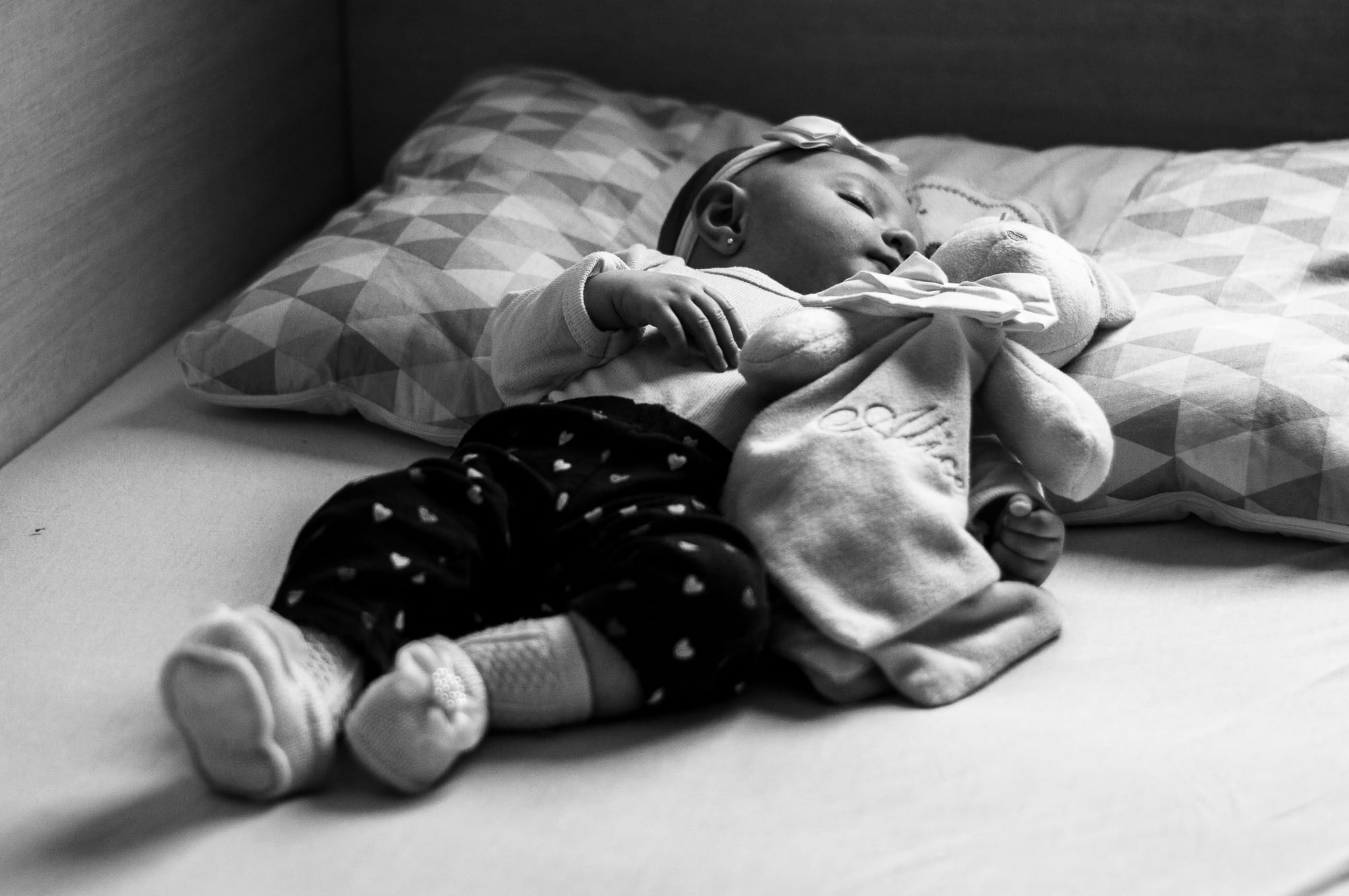
One of the most crucial recommendations is also one of the simplest: always place your baby on their back to sleep for every nap and every bedtime.

Back sleeping keeps the airway open and dramatically reduces the risk of suffocation. Babies who sleep on their stomachs or sides are at a significantly higher risk of SIDS, especially if they are not yet strong enough to roll over on their own.

Use a Firm, Flat Sleep Surface

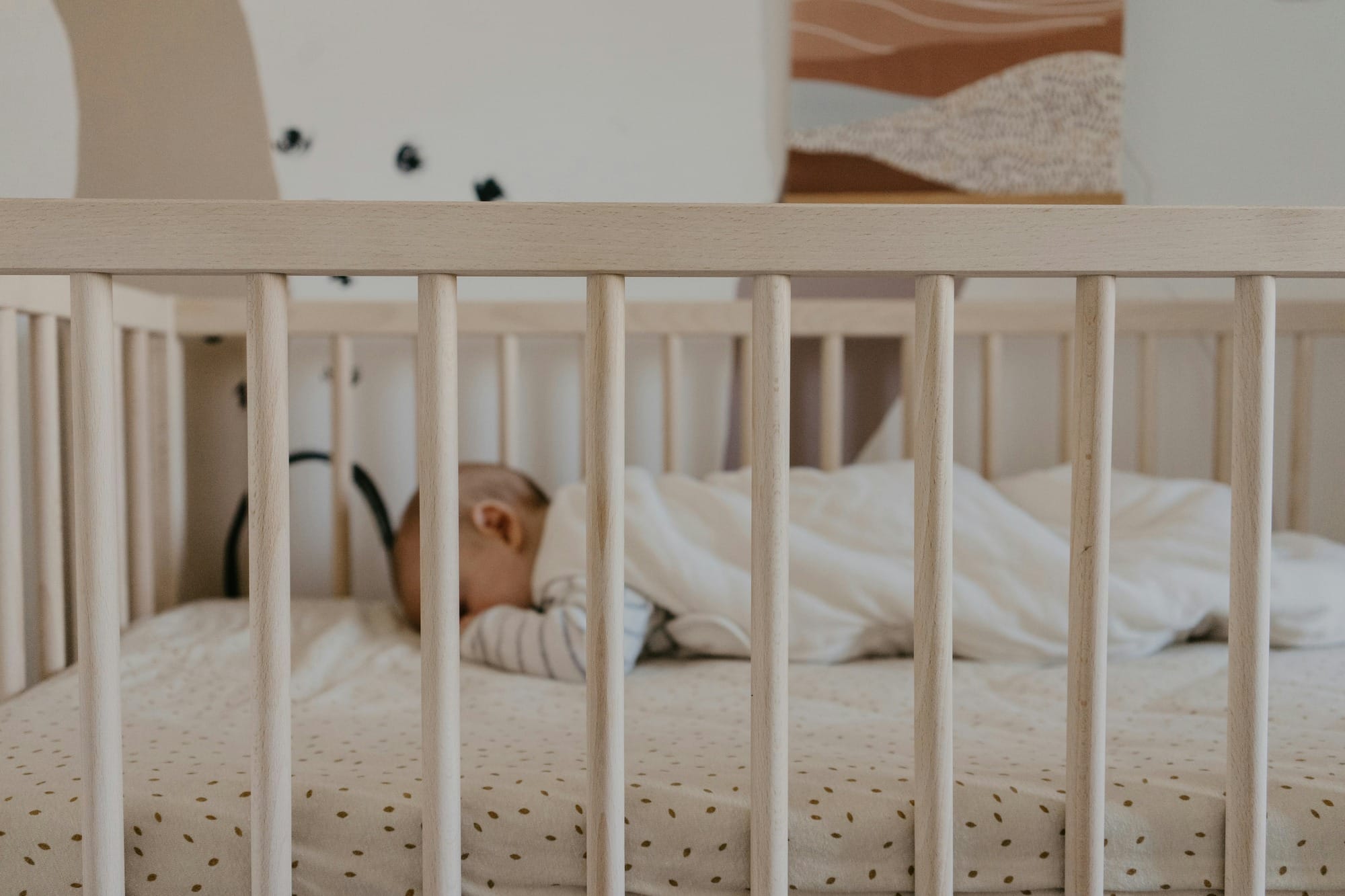
Your baby should always sleep on a firm, flat surface—never on a couch, adult bed, or armchair. Use a crib, bassinet, or play yard that meets current safety standards, and avoid inclined sleepers, which have been linked to multiple infant deaths.

The mattress should fit snugly inside the crib with no gaps, and the fitted sheet should be tight and smooth. Skip the plush bedding, bumpers, and sleep positioners. They not only don’t help but may pose serious risks.

Keep the Crib Clear

The American Academy of Pediatrics (AAP) recommends that cribs remain completely empty aside from a fitted sheet. That means no blankets, pillows, toys, stuffed animals, or crib bumpers.

While it may feel instinctive to want to surround your baby with soft comforts, these items can easily cover a baby’s nose or mouth and increase the risk of suffocation.

Share a Room, Not a Bed

Room-sharing is encouraged for at least the first 6 months, ideally up to 1 year. Keeping your baby in your room and in their own sleep space has been shown to reduce the risk of SIDS by as much as 50%.

Bed-sharing, on the other hand, is not considered safe, especially in the early months when babies are most vulnerable. If you’re nursing or soothing your baby in bed, return them to their sleep space before you fall asleep.

Image by Toa Heftiba

Avoid Overheating and Head Covering

Overheating is a common yet preventable risk factor. Dress your baby in light, breathable sleepwear and keep the room at a comfortable temperature—typically between 68–72°F (20–22°C).

Hats or hooded outfits are not recommended for indoor sleep, as they can slip down and cover your baby’s face. If you’re worried about warmth, a wearable blanket or sleep sack is a much safer option than a loose blanket.

Don’t Rely on Baby Monitors or Devices

While baby monitors and breathing alarms can offer peace of mind, they should never replace safe sleep practices. No consumer device has been proven to prevent SIDS.

Focus on creating a safe environment first. That means following all the guidelines above and staying informed about updates from trusted health sources like the AAP and CDC.

Encourage Tummy Time During the Day

While back sleeping is essential at night, babies still need tummy time during the day to strengthen their neck and shoulder muscles. Daily supervised tummy time helps with physical development and reduces the risk of flat spots on the head.

Make tummy time a part of your routine early on. Just be sure your baby is awake and you’re keeping a close eye on them.

Consider These Additional Precautions

Never smoke around your baby during pregnancy or after birth. Exposure to smoke is a significant risk factor for SIDS. If you or others in your household smoke, do so outside and change clothes before handling your baby.

Also, keep up with your baby’s well visits and vaccinations. Research shows that immunizations can help reduce the risk of SIDS by up to 50%.

Safe Sleep Is an Ongoing Conversation

Preventing SIDS and sleep-related accidents isn’t about paranoia. It’s about preparation. Creating a safe sleep environment doesn’t require expensive gadgets or complicated routines. It just takes consistency, knowledge, and the willingness to prioritize your baby’s safety above all else.

Every safe night is a small step toward peace of mind. And when your baby sleeps safely, you can sleep a little more soundly, too.

What sleep safety tips do you swear by, or what questions still keep you up at night?

Read More:

7 Tools to Use When Your Baby Won’t Sleep Through the Night

Doctors Swear by These 7 Baby Sleep Hacks—And They Actually Work

Filed Under: Parenting Tagged With: baby sleep safety, crib safety, infant sleep environment, newborn sleep tips, parenting safety tips, room sharing safety, safe infant sleep, SIDS prevention, sleep training newborns, sleep-related infant death

Teaching Kids How to Recognize and Escape Dangerous Situations

May 3, 2025 | Leave a Comment

Image by Edwin Hooper 

As much as we want to shield our children from harm, we can’t always be there to protect them. One of the greatest tools we can give them is the ability to recognize danger and take action when something doesn’t feel right. It’s not about making them fearful—it’s about making them aware, prepared, and confident.

Stranger danger is only one piece of the puzzle. Children may face threatening situations from people they know, unsafe environments, or digital threats that aren’t always obvious. The good news? You can teach kids how to identify danger and respond without overwhelming them or creating anxiety.

Start with Age-Appropriate Conversations

Children don’t need to be exposed to every worst-case scenario. Instead, use real-world examples they can relate to. Frame safety as something empowering, not scary. For younger kids, use simple language: “If someone makes you feel uncomfortable or asks you to keep a secret from Mom or Dad, that’s not okay.”

With older kids, you can begin to talk more openly about peer pressure, online grooming, and manipulative behavior. The key is to create an ongoing dialogue. Safety isn’t a one-time talk. It’s a habit of communication.

Teach the “Uh-Oh Feeling”

One of the most effective tools for kids of all ages is helping them recognize their intuition. Teach them to trust their gut—the “uh-oh feeling.” That uncomfortable sense when something doesn’t feel right is their brain warning them.

Encourage them to say no, leave the situation, or get help when they feel this way, even if they’re not sure why. Remind them that they never have to stay in a situation that feels weird, scary, or confusing, even if the person is someone they know.

Introduce the “No, Go, Yell, Tell” Method

This four-step safety strategy gives kids a simple, memorable plan for reacting to danger:

No – Say “No!” loudly and firmly.
Go – Run away from the situation quickly.
Yell – Scream for help to draw attention.
Tell – Find a safe adult and explain what happened.

Practice these steps through role-playing. Pretend scenarios where someone tries to get them to go somewhere or makes them uncomfortable. Make the practice playful, not scary, so the lessons stick.

Identify Safe Adults and Safe Places

Children need to know who they can trust if something goes wrong. Talk about what a “safe adult” looks like—someone in uniform, a teacher, a store clerk, or a parent with kids. Help them understand that not all adults are automatically safe, even if they seem nice.

Also, teach them to look for “safe places” in their environment: the front desk of a store, a neighbor’s house you trust, or the school office. Show them how to spot landmarks or safe exits in unfamiliar areas.

Role-Play Tricky Situations

It’s one thing to tell kids what to do. It’s another to help them practice. Use role-play to walk through different scenarios. For example:

  • What would you do if a stranger offered you a toy or treat to follow them?
  • What if someone you know asks you to keep a secret that makes you uncomfortable?
  • What would you do if you got lost in a store?

These scenarios help reinforce instincts and build confidence in their ability to act quickly and smartly.

Don’t Forget Digital Dangers

The internet presents its own set of risks. Teach kids never to share personal information online, accept friend requests from strangers, or send photos to anyone they don’t know in real life. Emphasize that predators often pretend to be someone else and that no one should ask them to keep online conversations a secret from their parents.

For younger kids, keep devices in shared spaces and use parental controls. For tweens and teens, focus on open communication. You want them to come to you when something feels off, not hide it out of fear of punishment.

Reassure Them That Safety Isn’t the Same as Fear

Some kids may become overly anxious when learning about dangers. That’s why it’s so important to remind them that being prepared doesn’t mean they need to worry. The goal is to give them tools—not nightmares.

Balance every lesson with reassurance. You’re not teaching them that the world is bad; you’re showing them they have the power to handle tough moments and get help when needed.

Empowered kids are safer kids. When we teach our children how to spot danger and trust their instincts, we equip them to navigate the world with more confidence and less fear.

How do you talk to your kids about safety without making them anxious? Let us know in the comments below!

Read More:

8 Safety Measures Parents Often Overlook at Home

7 Ways to Teach Kids to Trust Their Instincts About Safety

Filed Under: Parenting Tagged With: child empowerment, child safety tips, danger prevention, kids self defense, no go yell tell, parenting advice, parenting safety tips, personal safety for children, safety education, teaching kids awareness

Keeping Kids Safe From Household Poisons and Chemicals

April 8, 2025 | Leave a Comment

The image highlights childproofing measures to prevent accidental poisoning in the home.
Image Source: Unsplash

It’s easy to overlook the everyday products sitting in plain view—cleaning sprays under the sink, pain relievers on the counter, colorful dishwasher pods. But for a curious child, these ordinary items can pose a very real danger. According to a caregiver safety plan, thousands of kids each year are accidentally exposed to toxic substances found at home. Small hands move fast, and in the blink of an eye, a typical routine can turn into an emergency. The good news? With a few simple steps, you can make your home significantly safer without overhauling your entire routine.

1. Store Poisons Where Little Hands Can’t Reach

One of the most effective ways to protect kids from dangerous substances is to keep them locked away in high cabinets. Recommendations from various poison prevention resources, including an Australian child safety guide, suggest placing products at least 1.5 meters above ground level. Medications, cleaning solutions, and garden chemicals should be completely out of reach—this includes less obvious items like nail polish remover and laundry pods. As a rule of thumb: if it’s potentially harmful, lock it up.

2. Keep Medications Out of Sight and Out of Reach

From gummy vitamins to prescription pills, medications are among the top causes of accidental poisoning in children. Cook Children’s Health Resources warns that medications often look like candy, making them extra tempting. Always store them in child-resistant containers, well above your child’s eye level. Avoid leaving pills in purses, drawers, or countertops. If you’re visiting friends or family, don’t hesitate to ask how they store their medicines—one brief conversation can prevent a trip to the ER.

3. Talk to Your Kids About What’s Off-Limits

You don’t have to frighten your child to keep them safe, but regular conversations about what’s off-limits can be life-saving. Poison prevention experts emphasize teaching kids that “we only eat or drink things given by a trusted adult.” Even toddlers can grasp the idea that certain items around the house aren’t for touching or tasting. Reinforce this rule casually and consistently, much like you’d remind them not to cross the street without looking. The earlier and more often you have these talks, the better they’ll absorb the message.

Image Source: Unsplash

4. Declutter and Dispose Responsibly

Old cleaning supplies, half-finished paint cans, and expired medicines not only take up space but also increase the risk of accidental poisoning. A child safety overview suggests doing a regular clear-out of potentially dangerous products. Dispose of them properly—rinsing containers before recycling and following local guidelines for chemicals or prescription drugs. This small step reduces confusion about which substances are still active or hazardous, making your home environment less prone to accidents.

5. Be Ready for Emergencies

Despite best efforts, accidents happen. Having emergency numbers handy can make all the difference if your child is exposed to something toxic. In the U.S., the Poison Help line (1-800-222-1222) is accessible 24/7—save it on your phone and post it visibly in your home. According to a poison safety document, quick response is crucial in minimizing harm. When minutes count, you don’t want to waste time hunting for contact info.

A Safer Home Starts with Simple Steps

You don’t need fancy gadgets or a complete home makeover to keep your child safe from everyday toxins. Household poison safety hinges on awareness, secure storage, and open communication. Simple actions—like locking up medications and consistently reminding kids about off-limits items—build a powerful safety net. Parenting already comes with enough unpredictable moments; avoiding preventable poison risks gives you one less worry.

What’s one small change you’ve made to create a safer space for your family? Share it in the comments—we’d love to learn from your experience.

Read More

  • Paying for Extracurriculars Without Breaking the Bank
  • 10 Unexpected Ways to Upgrade Your Wardrobe Without Breaking the Bank
Samantha Warren
Samantha

Samantha Warren is a holistic marketing strategist with 8+ years of experience partnering with startups, Fortune 500 companies, and everything in between. With an entrepreneurial mindset, she excels at shaping brand narratives through data-driven, creative content. When she’s not working, Samantha loves to travel and draws inspiration from her trips to Thailand, Spain, Costa Rica, and beyond.

Filed Under: Parenting Tagged With: childproofing, home safety for children, household poison safety, kids and chemicals, parenting safety tips, poison prevention

  • Facebook
  • Pinterest
  • RSS
  • Twitter

Basic Principles Of Good Parenting

Here some basic principles for good parenting:

  1. What You Do Matters: Your kids are watching you. So, be purposeful about what you want to accomplish.
  2. You Can’t be Too Loving: Don’t replace love with material possessions, lowered expectations or leniency.
  3. Be Involved Your Kids Life: Arrange your priorities to focus on what your kid’s needs. Be there mentally and physically.
  4. Adapt Your Parenting: Children grow quickly, so keep pace with your child’s development.
  5. Establish and Set Rules: The rules you set for children will establish the rules they set for themselves later.  Avoid harsh discipline and be consistent.
  6. Explain Your Decisions: What is obvious to you may not be evident to your child. They don’t have the experience you do.
  7. Be Respectful To Your Child: How you treat your child is how they will treat others.  Be polite, respectful and make an effort to pay attention.
Best Parenting Blogs

Most Popular

Baby names

Teachers Admit: These 6 Baby Names Create Instant Bias in the Classroom

Latrice Perez
6 Baby Names That Sound Cute Now but Cause Problems Later

6 Baby Names That Sound Cute Now but Cause Problems Later

Brandon Marcus
11 Ways Kids Are Outsmarting Parental Controls 1. Using Alternate Devices One common trick is simply turning to another device. If a child’s main phone or tablet is restricted, they may borrow a sibling’s, friend’s, or even a school laptop. This instantly gives them access to content outside of parental oversight. Parents often focus on one device, forgetting that others in the household can serve as loopholes. Knowing this tactic helps families tighten controls across all electronics. 2. Clearing Browsing Histories Many kids quickly learn that clearing browsing history hides evidence of restricted activity. With just a few clicks, they can erase any trace of websites visited. This makes it harder for parents to notice when rules are being broken. Parents may assume no history means no browsing, but the reality is often the opposite. Kids are outsmarting parental controls by making it seem like nothing happened at all. 3. Using Private Browsing Modes Most browsers offer “incognito” or private browsing features. Kids use this mode to access websites without leaving a record in the history. To parents checking later, everything looks clean and safe. This simple trick is often one of the first ways kids discover how to bypass restrictions. Conversations about private browsing can help close this gap. 4. Guessing or Resetting Passwords Children who are persistent may try to guess passwords to parental control apps or accounts. Others may find ways to reset them through email prompts or security questions. Once inside, they can disable restrictions entirely. Parents may not even realize controls have been altered until much later. Stronger, less predictable passwords can make this more difficult. 5. Using VPNs to Hide Activity Virtual private networks, or VPNs, let kids disguise their online locations. With one downloaded app, they can bypass geographic or parental restrictions. Some children learn about VPNs through friends or even social media. This makes it easy for them to reach content that should be blocked. Parents often underestimate just how simple it is for kids to use these tools. 6. Creating Fake Accounts When parents monitor social media, kids may create hidden accounts. These “finstas” or fake profiles allow them to interact freely without parental oversight. While their main account appears harmless, the secondary one tells a different story. Kids are outsmarting parental controls by playing both sides at once. Checking for duplicate accounts can help parents stay more aware. 7. Exploiting Time Zone Settings Some kids change the time zone on their devices to bypass screen time limits. This trick allows them to gain extra hours of usage undetected. Parents may assume controls are working, but in reality, the child is bending the clock. It’s a clever loophole that highlights just how resourceful kids can be. Monitoring device settings regularly can catch this tactic. 8. Disabling or Uninstalling Apps Parental control apps can be deleted or disabled with surprising ease. Some kids even reinstall them before a parent checks, making it seem like nothing changed. Others may simply restrict permissions to prevent apps from functioning properly. When apps aren’t monitored closely, parents may not notice they’ve been tampered with. This shows the importance of consistent follow-up. 9. Turning to Friends for Access If a child can’t get past restrictions on their own, they may rely on friends. Visiting a friend’s house or borrowing their phone can give them a free pass. Parents often forget that peer environments can override restrictions set at home. This kind of social workaround is especially common with gaming or social media. Open conversations about trust and responsibility are essential. 10. Hiding Apps in Plain Sight Kids sometimes download apps that look innocent but serve as gateways to hidden activity. These apps may disguise themselves as calculators or utilities. In reality, they allow file storage, private messaging, or browser access. Parents glancing at a home screen may overlook them entirely. Learning to recognize these disguised apps can help parents stay informed. 11. Outpacing Parents’ Tech Knowledge Finally, kids often know more about devices than their parents do. Whether through YouTube tutorials, TikTok hacks, or peer groups, they quickly learn advanced workarounds. This knowledge gap means controls can be bypassed before parents even realize the loophole exists. Staying informed and continually learning about new technology is the best defense. Kids are outsmarting parental controls because they adapt faster than most adults. The Real Solution Lies Beyond Restrictions While controls and filters are important, no system is perfect. Kids will always find creative ways around barriers, making communication the strongest safeguard. Setting clear expectations, building trust, and having ongoing conversations about online behavior matter more than apps alone. Parents who combine technology with open dialogue create a safer digital environment. The goal isn’t to win a battle of wits but to build a relationship that keeps kids both safe and honest. Do you think kids are outsmarting parental controls faster than parents can keep up? Share your experiences in the comments below. What to Read Next... 6 Parenting Tech Shortcuts That Can Expose Your Child to Strangers How Much Screen Time Is Too Much—Legally Speaking? Is Your Child’s School Quietly Tracking Their Location Without Your Consent? How Much Screen Time Is Quietly Reshaping Childhood Behavior? Why Some Parents Are Being Investigated Over Homeschooling Records

11 Ways Kids Are Outsmarting Parental Controls

Catherine Reed
Smiling grandfather holding a happy baby indoors.

Why Grandparents Shouldn’t Babysit Their Grandkids Every Week – The Unspoken Issue

Samantha
birthday gifts

7 Birthday Gifts Your Child Should Never Bring to a Party

Latrice Perez

All content on Kids Ain’t Cheap is for entertainment purposes only. By reading this blog, you agree that Kids Ain’t Cheap is not responsible for any actions taken after reading this blog. For the full disclaimer, see our privacy policy.

Please note that Kids Ain’t Cheap has financial relationships with some of the merchants mentioned here. Kids Ain’t Cheap is funded by banner advertising, commission sales and search optimization consulting.

Copyright © 2006–2026 | District Media | All Rights Reserved | Privacy Policy

Copyright © 2026 Runway Pro Theme by Viva la Violette