• Home
  • About Us
  • Toolkit
  • Archives
  • Advertise
  • Privacy Policy

Kids Ain't Cheap

But They Sure Are Worth It

  • Parenting
    • Baby Stuff
    • Books and Reading
      • Aesops Fables
      • Comic Books
    • Education
    • Family Time
    • Green Living
    • Growing Up
    • Healthy Living & Eating
    • Holidays
    • Parenting
    • Random Musings
    • Shopping
    • Stuff to Do
  • Money
  • Product Reviews
    • Books and Magazines
    • Discount Sites
    • Furniture
    • House Keeping
    • Reviews News
    • Toys and Games
  • Contact Us
  • Our Editorial Commitment
  • Search

Is Your Home Safe? 5 Home Areas That Are Accident Hotspots For Kids

July 24, 2025 | Leave a Comment

Is Your Home Safe 5 Home Areas That Are Accident Hotspots For Kids
Image source: 123rf.com

Home is supposed to be the safest place for children, but it’s often where most injuries actually happen. Curious little ones move fast, climb high, and touch everything they can reach, sometimes turning everyday objects into hidden hazards. The truth is, many parents overlook accident hotspots for kids simply because they’re part of the daily routine. A coffee table here, an open drawer there, and suddenly a scraped knee or worse is on the horizon. Knowing where these dangers lurk is the first step to making your home safer for the smallest members of the family.

1. The Living Room

While it may be the center of family activity, the living room hides more hazards than you’d think. Coffee tables with sharp corners, top-heavy bookshelves, and wobbly TVs are common causes of bumps, bruises, and head injuries. Kids love to climb and explore, so unsecured furniture can become a tipping danger in seconds. Loose cords from lamps or electronics also pose tripping and strangulation risks. Make this room safer by anchoring large items, using corner guards, and keeping cords out of reach or properly secured.

2. The Kitchen

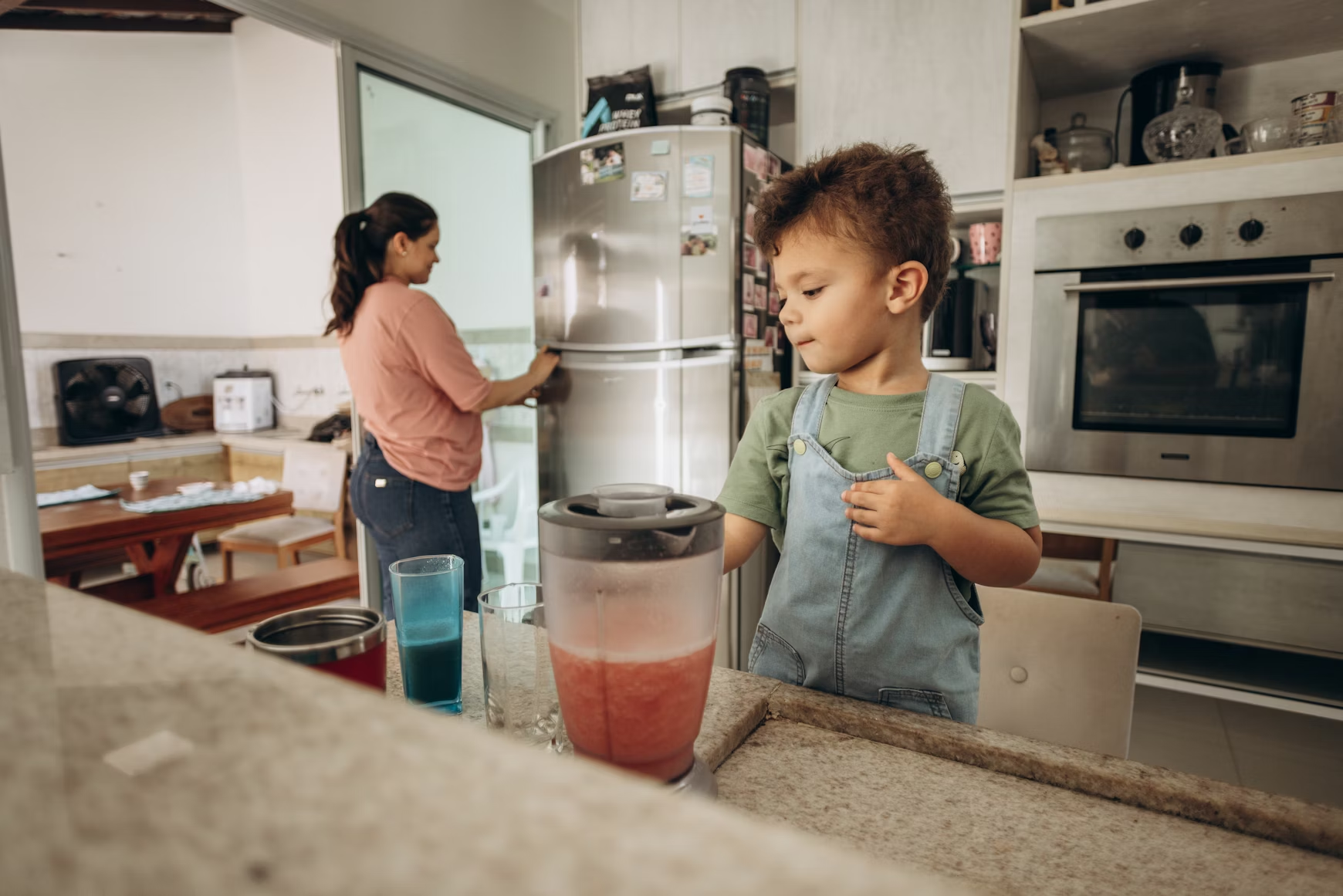
The kitchen is a daily hub, but it’s also packed with accident hotspots for kids. Hot stoves, sharp knives, and low cabinets full of cleaning products are just a few of the potential threats. Children are drawn to the action here and often want to help, which increases the chance of burns, cuts, or poisonings. Even a simple drawer with utensils can become dangerous if left unlocked. Install childproof latches, use stove knob covers, and teach kids early on that the kitchen isn’t a play zone.

3. The Bathroom

Bathrooms might be small, but the dangers are big. Slippery floors, open medicine cabinets, and bathtubs filled with water make this space one of the top accident hotspots for kids. Unattended water—even just a few inches—can be deadly for toddlers. Meanwhile, hair tools like curling irons stay hot long after use and are often left within reach. Make your bathroom safer by using non-slip mats, locking up all medications and cleaners, and never leaving a child alone during bath time.

4. The Stairs

Whether it’s one step or an entire flight, stairs are a major source of injuries in homes with children. Falls can happen quickly, especially when kids try to climb up or slide down without supervision. Baby gates at both the top and bottom of staircases are essential but should also be securely installed. Even older children can trip on cluttered steps or slip on smooth surfaces. Keep stairs clear, use handrails, and teach stair safety as soon as your child starts walking.

5. The Backyard or Patio

Outdoor spaces feel safe and contained, but they’re also full of hidden hazards. Pools, grills, sharp gardening tools, and uneven ground make backyards one of the most underestimated accident hotspots for kids. Even playground equipment can cause injuries if not maintained properly. Gates, locked sheds, and soft play surfaces can significantly reduce the risks. Always supervise outside play, and make sure the yard is as secure as your living room when it comes to your child’s safety.

Awareness Turns Danger Zones Into Safe Spaces

Accident hotspots for kids aren’t always obvious until something goes wrong—but the good news is, most are preventable. By taking a few extra safety steps in the most common risk zones, you can drastically reduce the chance of injury and give your child the freedom to explore safely. Walk through your home with a fresh set of eyes and imagine it from your child’s height and curiosity level. A safer home isn’t about locking everything down, but about smart preparation that helps prevent the “what if” moments before they happen.

Which area of your home surprised you most when it came to safety? Share your experience or favorite childproofing tips in the comments to help other parents.

Read More:

6 Seemingly Safe Places That Could Actually Be Dangerous for Kids

Digital Safety: 6 Steps to Safeguard Your Child’s Online Identity

Catherine Reed
Catherine Reed

Catherine is a tech-savvy writer who has focused on the personal finance space for more than eight years. She has a Bachelor’s in Information Technology and enjoys showcasing how tech can simplify everyday personal finance tasks like budgeting, spending tracking, and planning for the future. Additionally, she’s explored the ins and outs of the world of side hustles and loves to share what she’s learned along the way. When she’s not working, you can find her relaxing at home in the Pacific Northwest with her two cats or enjoying a cup of coffee at her neighborhood cafe.

Filed Under: Home and Living Tagged With: accident hotspots for kids, babyproofing, child injury prevention, childproofing tips, home safety for children, kids and home safety, parenting advice, safe home checklist

Choking Hazards: 8 Everyday Items That Are Choking Hazards for Kids

July 13, 2025 | Leave a Comment

Choking Hazards 8 Everyday Items That Are Choking Hazards for Kids
123rf.com

Choking is one of the leading causes of injury and death in young children, and it often happens faster than anyone expects. What makes it even scarier is that the most dangerous items aren’t sharp or obviously harmful—they’re ordinary objects found in almost every home. As parents, caregivers, and family members, we need to be extra aware of what children have access to, especially toddlers who explore the world by putting everything in their mouths. By knowing which common items pose the biggest risks, you can take steps to prevent a potentially life-threatening emergency. Here are eight everyday items that are surprisingly dangerous choking hazards for kids.

1. Grapes and Grape Tomatoes

These small, round foods may seem harmless, especially since they’re often marketed as healthy snacks for kids. But because of their size and shape, grapes and grape tomatoes can easily get stuck in a child’s throat and block the airway. This is particularly risky for children under age four who haven’t yet developed strong chewing skills. To make these foods safer, always cut grapes and grape tomatoes into quarters lengthwise. It’s a small step that makes a big difference when it comes to avoiding choking hazards for kids.

2. Hot Dogs

Hot dogs are a classic family meal, but they’re also one of the top culprits for choking incidents in young children. Their smooth texture and cylindrical shape can completely block a child’s airway if not properly cut. Slicing them into thin, half-moon pieces or chopping them into small, irregular chunks reduces the risk. Avoid giving whole pieces to children who are still learning to chew thoroughly. When it comes to choking hazards for kids, hot dogs are often underestimated.

3. Balloons (Especially Deflated or Broken Ones)

Latex balloons pose a huge risk if inhaled accidentally, especially when they pop or if children try to inflate them. A deflated or broken balloon can mold perfectly to a child’s throat, making it nearly impossible to remove with traditional first aid methods. Kids may also chew on pieces of balloons or try to blow them up, increasing the risk. It’s best to avoid giving balloons to kids under age eight unless under close supervision. When it comes to party decor, consider foil balloons or safer alternatives instead.

4. Coins

A dropped coin may seem like no big deal, but in the hands of a curious toddler, it becomes a serious hazard. Pennies, nickels, and quarters are among the most commonly swallowed items and can lodge in the throat or digestive tract. Because they’re small, shiny, and often within reach, they’re especially tempting to young kids. Keep loose change in secure containers and avoid leaving coins in couch cushions or on low tables. Reducing clutter helps minimize choking hazards for kids before they even appear.

5. Toys with Small Parts

Toys meant for older children often include small removable parts that pose a danger when younger siblings are around. Buttons, wheels, and detachable accessories can all find their way into a toddler’s mouth. Always check the manufacturer’s age guidelines and inspect toys regularly for loose pieces. If a toy part can fit through a toilet paper tube, it’s a choking hazard for kids under three. Teaching older siblings to keep their toys in a separate space can also prevent accidents.

6. Nuts and Seeds

While nuts and seeds can be part of a healthy diet, they’re not safe for little kids who can’t yet chew thoroughly. Whole peanuts, sunflower seeds, or pumpkin seeds can easily get lodged in the airway. Even softer varieties, like cashews, can pose a risk due to their size and texture. If you want to offer these foods, opt for nut butters spread thinly on toast or crackers instead. Always supervise meals and snacks that include these items.

7. Button Batteries

These small, shiny batteries power everything from watches to toys to remote controls—and they’re extremely dangerous if swallowed. Not only are they choking hazards for kids, but they can also burn through tissue in the esophagus within hours due to the electrical charge. Store electronics with button batteries out of reach, and check that battery compartments are screwed shut. If you suspect your child has swallowed a battery, seek emergency medical attention immediately. This is one household item where prevention is absolutely critical.

8. Raw Carrots and Apple Slices

Fresh fruits and vegetables are great for kids, but raw versions of some can be difficult to chew and break down, especially for toddlers. Hard apple slices and thick chunks of raw carrot can become lodged in the airway if swallowed whole or poorly chewed. Cook these veggies until soft or grate them into smaller pieces to reduce the risk. For apples, cutting thin slices or steaming lightly can make them easier and safer to eat. It’s easy to forget that even healthy snacks can become choking hazards for kids without preparation.

Awareness Is the Best Safety Tool

Many choking accidents happen in just seconds, but preventing them starts with preparation and awareness. By knowing the most common choking hazards for kids and how to modify or store them safely, you’re already taking big steps to protect your child. Always supervise meals and playtime, keep small objects out of reach, and learn basic first aid like the Heimlich maneuver for children. A little vigilance goes a long way in keeping your home safe for curious little hands and mouths.

Have you discovered a surprising choking hazard in your home? What tips or safety changes helped you most? Share your experience in the comments below!

Read More:

The Summer Danger No One Talks About—Until It’s Too Late

The Silent Danger Lurking in Your Child’s Daily Routine

Catherine Reed
Catherine Reed

Catherine is a tech-savvy writer who has focused on the personal finance space for more than eight years. She has a Bachelor’s in Information Technology and enjoys showcasing how tech can simplify everyday personal finance tasks like budgeting, spending tracking, and planning for the future. Additionally, she’s explored the ins and outs of the world of side hustles and loves to share what she’s learned along the way. When she’s not working, you can find her relaxing at home in the Pacific Northwest with her two cats or enjoying a cup of coffee at her neighborhood cafe.
Filed Under: Parenting Tagged With: avoid choking risks, child safety, choking hazards for kids, home safety for children, kids health tips, parenting safety, toddler choking prevention

Keeping Kids Safe From Household Poisons and Chemicals

April 8, 2025 | Leave a Comment

The image highlights childproofing measures to prevent accidental poisoning in the home.
Image Source: Unsplash

It’s easy to overlook the everyday products sitting in plain view—cleaning sprays under the sink, pain relievers on the counter, colorful dishwasher pods. But for a curious child, these ordinary items can pose a very real danger. According to a caregiver safety plan, thousands of kids each year are accidentally exposed to toxic substances found at home. Small hands move fast, and in the blink of an eye, a typical routine can turn into an emergency. The good news? With a few simple steps, you can make your home significantly safer without overhauling your entire routine.

1. Store Poisons Where Little Hands Can’t Reach

One of the most effective ways to protect kids from dangerous substances is to keep them locked away in high cabinets. Recommendations from various poison prevention resources, including an Australian child safety guide, suggest placing products at least 1.5 meters above ground level. Medications, cleaning solutions, and garden chemicals should be completely out of reach—this includes less obvious items like nail polish remover and laundry pods. As a rule of thumb: if it’s potentially harmful, lock it up.

2. Keep Medications Out of Sight and Out of Reach

From gummy vitamins to prescription pills, medications are among the top causes of accidental poisoning in children. Cook Children’s Health Resources warns that medications often look like candy, making them extra tempting. Always store them in child-resistant containers, well above your child’s eye level. Avoid leaving pills in purses, drawers, or countertops. If you’re visiting friends or family, don’t hesitate to ask how they store their medicines—one brief conversation can prevent a trip to the ER.

3. Talk to Your Kids About What’s Off-Limits

You don’t have to frighten your child to keep them safe, but regular conversations about what’s off-limits can be life-saving. Poison prevention experts emphasize teaching kids that “we only eat or drink things given by a trusted adult.” Even toddlers can grasp the idea that certain items around the house aren’t for touching or tasting. Reinforce this rule casually and consistently, much like you’d remind them not to cross the street without looking. The earlier and more often you have these talks, the better they’ll absorb the message.

Image Source: Unsplash

4. Declutter and Dispose Responsibly

Old cleaning supplies, half-finished paint cans, and expired medicines not only take up space but also increase the risk of accidental poisoning. A child safety overview suggests doing a regular clear-out of potentially dangerous products. Dispose of them properly—rinsing containers before recycling and following local guidelines for chemicals or prescription drugs. This small step reduces confusion about which substances are still active or hazardous, making your home environment less prone to accidents.

5. Be Ready for Emergencies

Despite best efforts, accidents happen. Having emergency numbers handy can make all the difference if your child is exposed to something toxic. In the U.S., the Poison Help line (1-800-222-1222) is accessible 24/7—save it on your phone and post it visibly in your home. According to a poison safety document, quick response is crucial in minimizing harm. When minutes count, you don’t want to waste time hunting for contact info.

A Safer Home Starts with Simple Steps

You don’t need fancy gadgets or a complete home makeover to keep your child safe from everyday toxins. Household poison safety hinges on awareness, secure storage, and open communication. Simple actions—like locking up medications and consistently reminding kids about off-limits items—build a powerful safety net. Parenting already comes with enough unpredictable moments; avoiding preventable poison risks gives you one less worry.

What’s one small change you’ve made to create a safer space for your family? Share it in the comments—we’d love to learn from your experience.

Read More

  • Paying for Extracurriculars Without Breaking the Bank
  • 10 Unexpected Ways to Upgrade Your Wardrobe Without Breaking the Bank
Samantha Warren
Samantha

Samantha Warren is a holistic marketing strategist with 8+ years of experience partnering with startups, Fortune 500 companies, and everything in between. With an entrepreneurial mindset, she excels at shaping brand narratives through data-driven, creative content. When she’s not working, Samantha loves to travel and draws inspiration from her trips to Thailand, Spain, Costa Rica, and beyond.

Filed Under: Parenting Tagged With: childproofing, home safety for children, household poison safety, kids and chemicals, parenting safety tips, poison prevention

  • Facebook
  • Pinterest
  • RSS
  • Twitter

Basic Principles Of Good Parenting

Here some basic principles for good parenting:

  1. What You Do Matters: Your kids are watching you. So, be purposeful about what you want to accomplish.
  2. You Can’t be Too Loving: Don’t replace love with material possessions, lowered expectations or leniency.
  3. Be Involved Your Kids Life: Arrange your priorities to focus on what your kid’s needs. Be there mentally and physically.
  4. Adapt Your Parenting: Children grow quickly, so keep pace with your child’s development.
  5. Establish and Set Rules: The rules you set for children will establish the rules they set for themselves later.  Avoid harsh discipline and be consistent.
  6. Explain Your Decisions: What is obvious to you may not be evident to your child. They don’t have the experience you do.
  7. Be Respectful To Your Child: How you treat your child is how they will treat others.  Be polite, respectful and make an effort to pay attention.
Best Parenting Blogs

Most Popular

Baby

9 Baby Names That Sound Rare Without Being Hard to Spell

Evan Morgan
Baby

9 Unusual Baby Names That Sound Like They Belong to Future CEOs

Evan Morgan
Target Store

Choking Incident Prompts Recall of 49,000 Target Gigglescape “Under the Sea” Popping Toys

Evan Morgan
Frustrated Girl

Why Some Students on the Spectrum Are Labeled With ODD

Evan Morgan
Coke Bottles

12 Things Kids Took to School in the ’70s That Would Never Be Allowed Today

Evan Morgan

All content on Kids Ain’t Cheap is for entertainment purposes only. By reading this blog, you agree that Kids Ain’t Cheap is not responsible for any actions taken after reading this blog. For the full disclaimer, see our privacy policy.

Please note that Kids Ain’t Cheap has financial relationships with some of the merchants mentioned here. Kids Ain’t Cheap is funded by banner advertising, commission sales and search optimization consulting.

Copyright © 2006–2026 | District Media | All Rights Reserved | Privacy Policy

Copyright © 2026 Runway Pro Theme by Viva la Violette