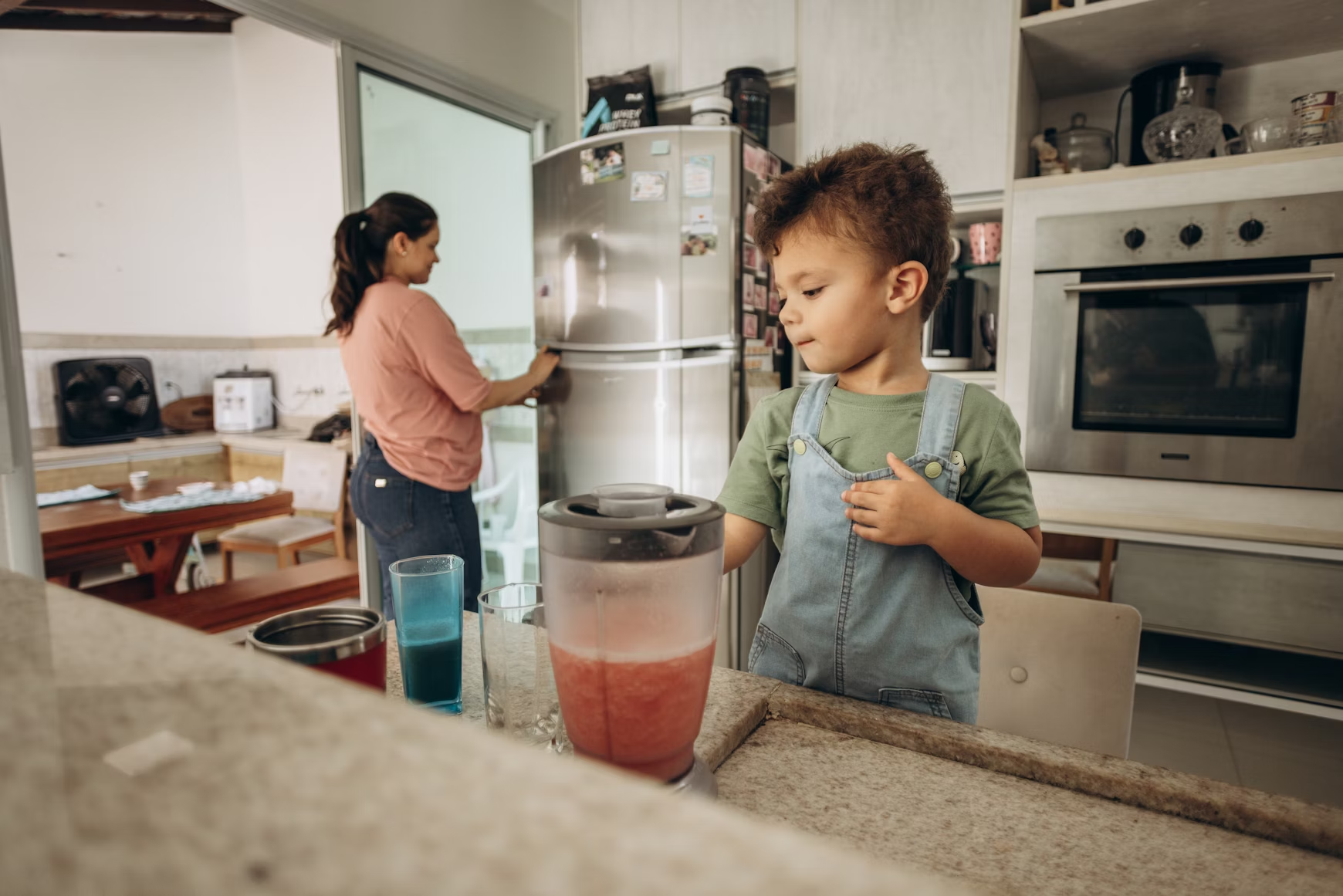
It’s easy to overlook the everyday products sitting in plain view—cleaning sprays under the sink, pain relievers on the counter, colorful dishwasher pods. But for a curious child, these ordinary items can pose a very real danger. According to a caregiver safety plan, thousands of kids each year are accidentally exposed to toxic substances found at home. Small hands move fast, and in the blink of an eye, a typical routine can turn into an emergency. The good news? With a few simple steps, you can make your home significantly safer without overhauling your entire routine.
1. Store Poisons Where Little Hands Can’t Reach
One of the most effective ways to protect kids from dangerous substances is to keep them locked away in high cabinets. Recommendations from various poison prevention resources, including an Australian child safety guide, suggest placing products at least 1.5 meters above ground level. Medications, cleaning solutions, and garden chemicals should be completely out of reach—this includes less obvious items like nail polish remover and laundry pods. As a rule of thumb: if it’s potentially harmful, lock it up.
2. Keep Medications Out of Sight and Out of Reach
From gummy vitamins to prescription pills, medications are among the top causes of accidental poisoning in children. Cook Children’s Health Resources warns that medications often look like candy, making them extra tempting. Always store them in child-resistant containers, well above your child’s eye level. Avoid leaving pills in purses, drawers, or countertops. If you’re visiting friends or family, don’t hesitate to ask how they store their medicines—one brief conversation can prevent a trip to the ER.
3. Talk to Your Kids About What’s Off-Limits
You don’t have to frighten your child to keep them safe, but regular conversations about what’s off-limits can be life-saving. Poison prevention experts emphasize teaching kids that “we only eat or drink things given by a trusted adult.” Even toddlers can grasp the idea that certain items around the house aren’t for touching or tasting. Reinforce this rule casually and consistently, much like you’d remind them not to cross the street without looking. The earlier and more often you have these talks, the better they’ll absorb the message.
4. Declutter and Dispose Responsibly
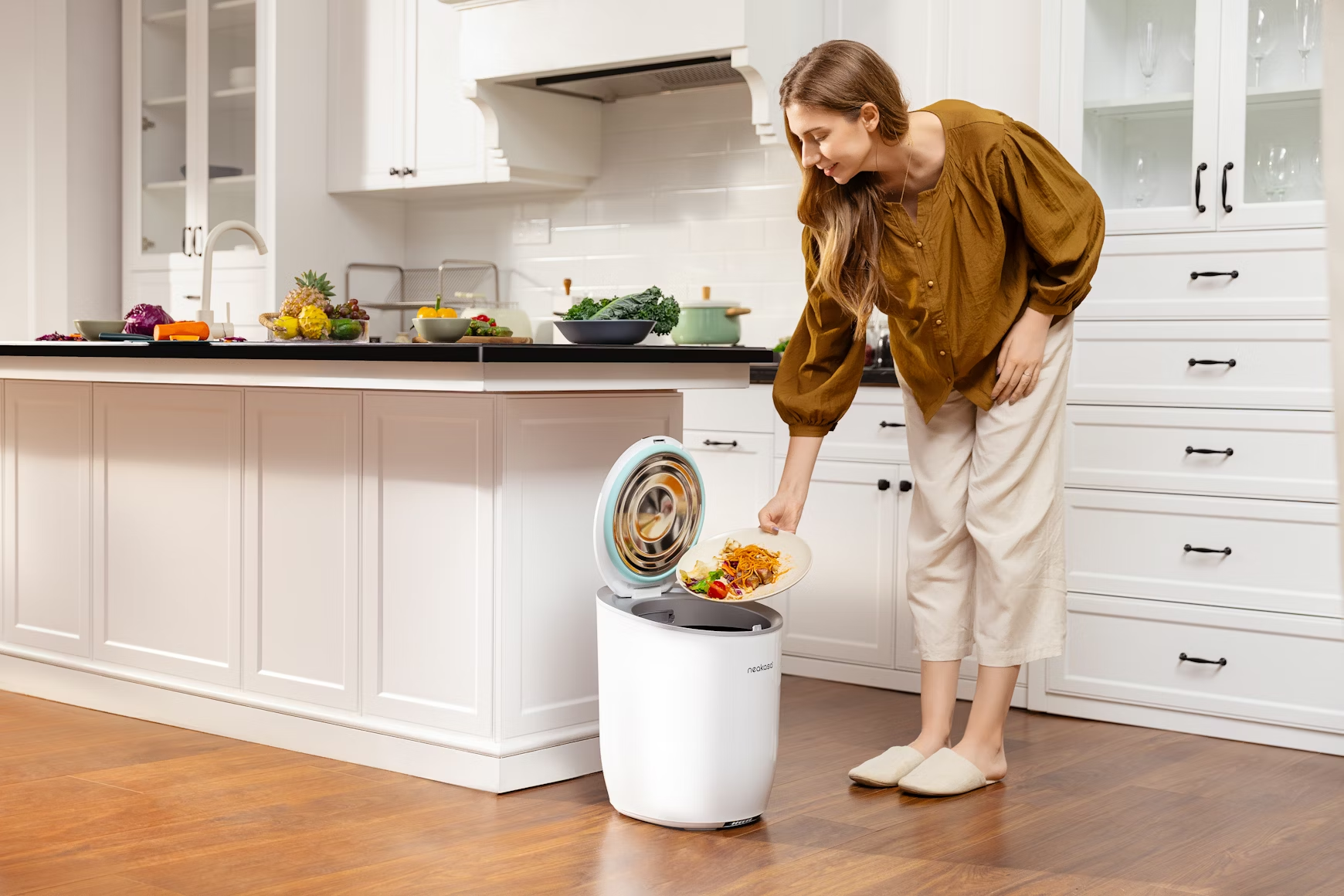
Old cleaning supplies, half-finished paint cans, and expired medicines not only take up space but also increase the risk of accidental poisoning. A child safety overview suggests doing a regular clear-out of potentially dangerous products. Dispose of them properly—rinsing containers before recycling and following local guidelines for chemicals or prescription drugs. This small step reduces confusion about which substances are still active or hazardous, making your home environment less prone to accidents.
5. Be Ready for Emergencies
Despite best efforts, accidents happen. Having emergency numbers handy can make all the difference if your child is exposed to something toxic. In the U.S., the Poison Help line (1-800-222-1222) is accessible 24/7—save it on your phone and post it visibly in your home. According to a poison safety document, quick response is crucial in minimizing harm. When minutes count, you don’t want to waste time hunting for contact info.
A Safer Home Starts with Simple Steps
You don’t need fancy gadgets or a complete home makeover to keep your child safe from everyday toxins. Household poison safety hinges on awareness, secure storage, and open communication. Simple actions—like locking up medications and consistently reminding kids about off-limits items—build a powerful safety net. Parenting already comes with enough unpredictable moments; avoiding preventable poison risks gives you one less worry.
What’s one small change you’ve made to create a safer space for your family? Share it in the comments—we’d love to learn from your experience.
Read More
- Paying for Extracurriculars Without Breaking the Bank
- 10 Unexpected Ways to Upgrade Your Wardrobe Without Breaking the Bank

Samantha Warren is a holistic marketing strategist with 8+ years of experience partnering with startups, Fortune 500 companies, and everything in between. With an entrepreneurial mindset, she excels at shaping brand narratives through data-driven, creative content. When she’s not working, Samantha loves to travel and draws inspiration from her trips to Thailand, Spain, Costa Rica, and beyond.
