• Home
  • About Us
  • Toolkit
  • Archives
  • Advertise
  • Privacy Policy

Kids Ain't Cheap

But They Sure Are Worth It

  • Parenting
    • Baby Stuff
    • Books and Reading
      • Aesops Fables
      • Comic Books
    • Education
    • Family Time
    • Green Living
    • Growing Up
    • Healthy Living & Eating
    • Holidays
    • Parenting
    • Random Musings
    • Shopping
    • Stuff to Do
  • Money
  • Product Reviews
    • Books and Magazines
    • Discount Sites
    • Furniture
    • House Keeping
    • Reviews News
    • Toys and Games
  • Contact Us
  • Our Editorial Commitment
  • Search

The Hidden Truth: 8 Everyday Products Poisonous To Toddlers

July 23, 2025 | Leave a Comment

The Hidden Truth 8 Everyday Products Poisonous To Toddlers
Image source: 123rf.com

Your home may feel safe, but many of the everyday products you use can be surprisingly dangerous to your toddler. Kids explore the world with their hands and mouths, often tasting or touching things you’d never expect. The trouble is, many household items—cleaners, cosmetics, and even plants—can cause serious health issues if swallowed, inhaled, or spilled. And it doesn’t always take a large amount to do damage. Let’s look at eight common products poisonous to toddlers that you may want to move, lock up, or swap out.

1. Laundry Detergent Pods

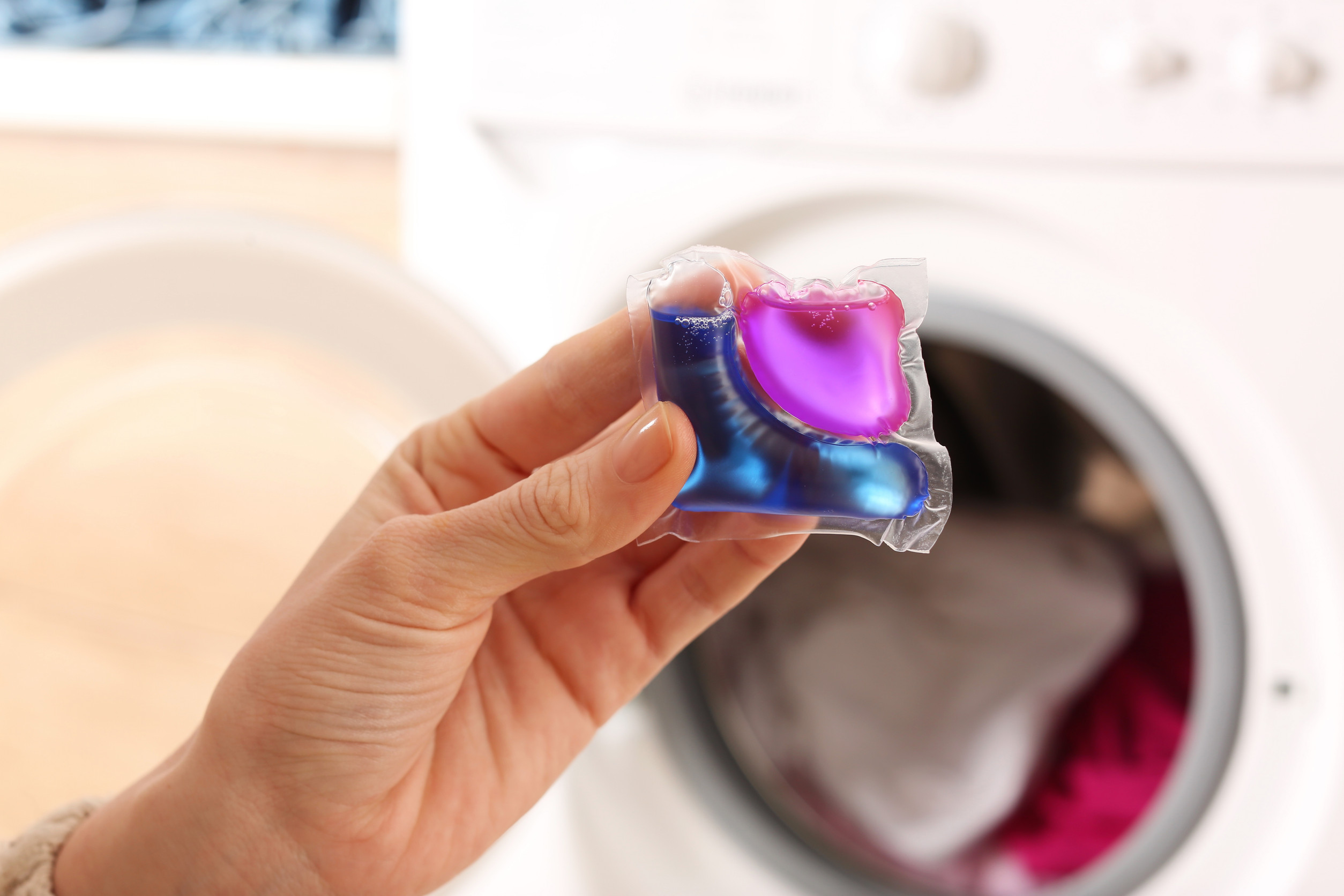
Those colorful, squishy laundry pods may look like candy to a toddler but are packed with concentrated detergent that can cause serious harm. Ingesting even a small amount can lead to vomiting, breathing issues, and chemical burns to the mouth or throat. Some cases have required emergency room visits and even intensive care. Toddlers might also squeeze the pod and get it in their eyes or on their skin. Laundry pods are among the most dangerous products poisonous to toddlers, simply because of how appealing they look.

2. Hand Sanitizer

While useful for stopping the spread of germs, hand sanitizer often contains over 60% alcohol—more than most hard liquors. Just a few squirts swallowed by a small child can cause alcohol poisoning, leading to dizziness, vomiting, or even unconsciousness. Because many bottles are scented or shaped in a fun way, toddlers are drawn to them. Some may try to lick their hands after application or squirt it directly into their mouths. This makes hand sanitizer one of the sneakiest products poisonous to toddlers sitting in plain sight.

3. Mouthwash

Mouthwash may seem harmless, but it contains alcohol and other chemicals that are not meant to be swallowed, especially by kids. Even small amounts can upset a toddler’s stomach, and larger doses may cause more serious symptoms like slowed breathing or seizures. Brightly colored and often minty or fruity, mouthwash can be tempting if left within reach. Always store it high up or in a locked cabinet. Mouthwash is one of the most easily overlooked products poisonous to toddlers, especially in busy bathrooms.

4. Essential Oils

Essential oils like eucalyptus, peppermint, and tea tree are popular in homes, but they can be toxic if ingested or applied directly to a toddler’s skin. These oils are extremely concentrated and may cause confusion, respiratory distress, or liver damage if swallowed. Even diffusing certain oils in the air can cause issues for sensitive children. What smells relaxing to you might be overwhelming or harmful to your child. For this reason, essential oils are on the growing list of products poisonous to toddlers that are often assumed to be “natural and safe.”

5. Adult Vitamins and Supplements

Gummy vitamins or colorful supplements may look like candy to a curious child, but they can pose a major risk if consumed in large amounts. Iron and fat-soluble vitamins like A, D, and E can lead to toxicity if overdosed. A toddler may grab the bottle and eat several without realizing the danger. Many containers lack child-resistant caps or are left open in purses or on counters. Adult vitamins remain one of the most underestimated products poisonous to toddlers, often due to their cheerful appearance.

6. Antifreeze and Automotive Fluids

If you store car supplies in your garage or utility room, make sure they’re far away from any space your toddler can reach. Antifreeze has a sweet taste that makes it especially dangerous, even if it’s only present in small puddles on the floor. Ingesting antifreeze can quickly lead to kidney failure and death if not treated immediately. Brake fluid, windshield washer fluid, and oil are also toxic. These garage staples are definitely products poisonous to toddlers, even if you think your little one never ventures into that space.

7. Houseplants

Several common houseplants are surprisingly toxic if nibbled on by a curious child. Plants like philodendrons, peace lilies, and pothos contain compounds that can cause mouth irritation, swelling, or even more serious issues. Because toddlers love to explore, pulling on leaves or tasting dirt is not out of the question. Make sure you research your plants and place any toxic ones well out of reach. Even a “decorative” green friend can end up on the list of products poisonous to toddlers.

8. Nail Polish Remover

Nail polish remover typically contains acetone, a powerful solvent that can cause nausea, confusion, or respiratory problems if inhaled or swallowed. It’s often stored in bathrooms or vanities within a toddler’s reach. Some removers come in brightly colored bottles or have fruity scents that could attract a child’s attention. Even small spills on the skin can cause irritation or chemical burns. This beauty staple is an often-forgotten example of products poisonous to toddlers that can cause serious harm in seconds.

Safer Choices Start with Awareness

Protecting your toddler doesn’t mean living in fear—it means being aware of what’s around them and taking simple steps to reduce risk. Lock cabinets, move dangerous items up high, and choose child-friendly alternatives whenever possible. If you ever suspect poisoning, call poison control right away, even if you’re unsure. Most accidents happen during moments of distraction, but awareness is the best prevention. By recognizing which products poisonous to toddlers are in your home, you can make safer choices that help your child thrive.

Which of these surprising household dangers have you encountered? Are there any childproofing tips that work especially well for you? Share your thoughts in the comments!

Read More:

Is Your Home Toxic? 8 Everyday Items Poisoning Your Toddler

6 Urgent Steps to Protect Your Home from Kids’ Dangers

Catherine Reed
Catherine Reed

Catherine is a tech-savvy writer who has focused on the personal finance space for more than eight years. She has a Bachelor’s in Information Technology and enjoys showcasing how tech can simplify everyday personal finance tasks like budgeting, spending tracking, and planning for the future. Additionally, she’s explored the ins and outs of the world of side hustles and loves to share what she’s learned along the way. When she’s not working, you can find her relaxing at home in the Pacific Northwest with her two cats or enjoying a cup of coffee at her neighborhood cafe.
Filed Under: Home and Living Tagged With: accidental poisoning, childproofing tips, everyday dangers, parenting hacks, poison prevention, safe home for kids, toddler safety, toxic household products

Keeping Kids Safe From Household Poisons and Chemicals

April 8, 2025 | Leave a Comment

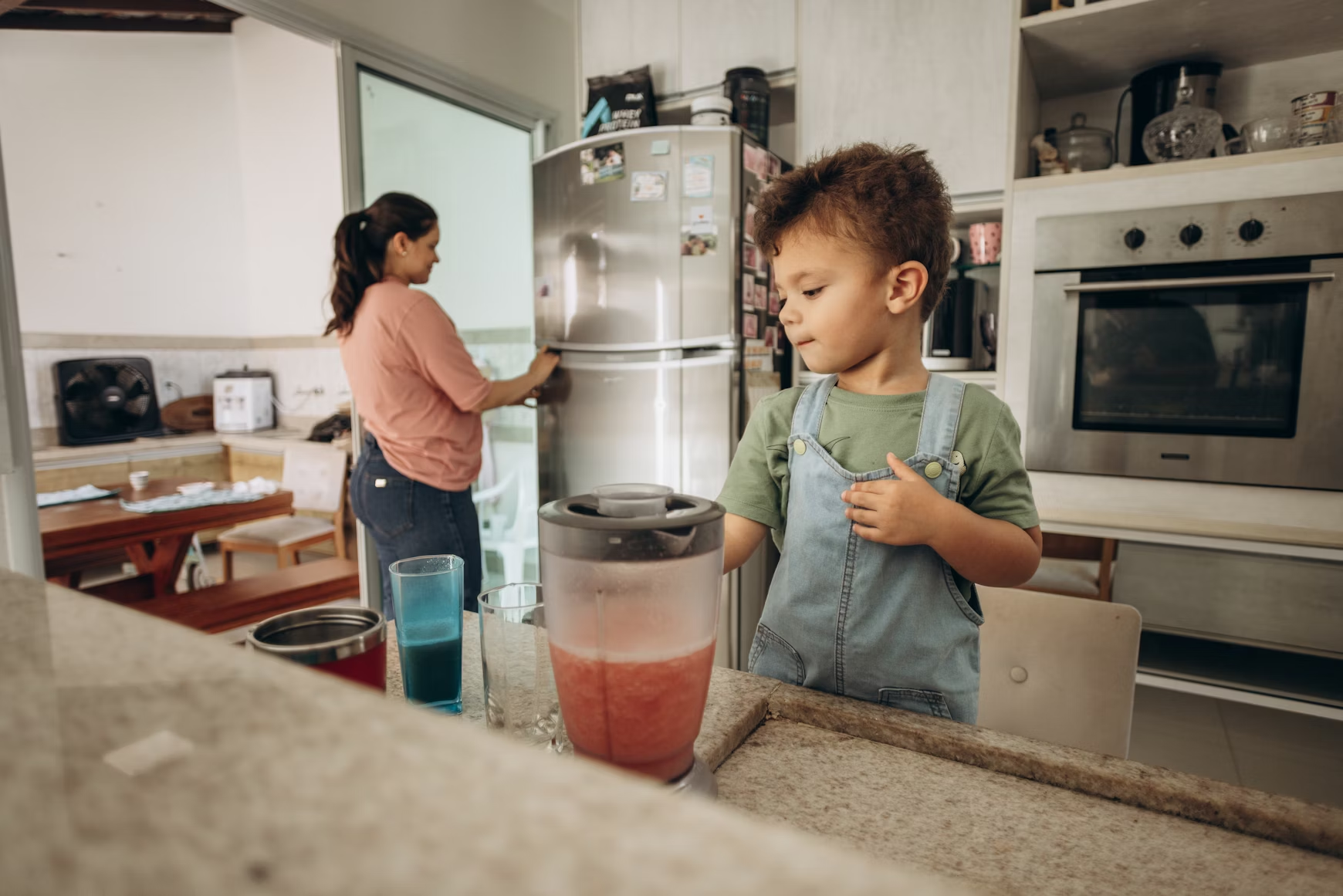
The image highlights childproofing measures to prevent accidental poisoning in the home.
Image Source: Unsplash

It’s easy to overlook the everyday products sitting in plain view—cleaning sprays under the sink, pain relievers on the counter, colorful dishwasher pods. But for a curious child, these ordinary items can pose a very real danger. According to a caregiver safety plan, thousands of kids each year are accidentally exposed to toxic substances found at home. Small hands move fast, and in the blink of an eye, a typical routine can turn into an emergency. The good news? With a few simple steps, you can make your home significantly safer without overhauling your entire routine.

1. Store Poisons Where Little Hands Can’t Reach

One of the most effective ways to protect kids from dangerous substances is to keep them locked away in high cabinets. Recommendations from various poison prevention resources, including an Australian child safety guide, suggest placing products at least 1.5 meters above ground level. Medications, cleaning solutions, and garden chemicals should be completely out of reach—this includes less obvious items like nail polish remover and laundry pods. As a rule of thumb: if it’s potentially harmful, lock it up.

2. Keep Medications Out of Sight and Out of Reach

From gummy vitamins to prescription pills, medications are among the top causes of accidental poisoning in children. Cook Children’s Health Resources warns that medications often look like candy, making them extra tempting. Always store them in child-resistant containers, well above your child’s eye level. Avoid leaving pills in purses, drawers, or countertops. If you’re visiting friends or family, don’t hesitate to ask how they store their medicines—one brief conversation can prevent a trip to the ER.

3. Talk to Your Kids About What’s Off-Limits

You don’t have to frighten your child to keep them safe, but regular conversations about what’s off-limits can be life-saving. Poison prevention experts emphasize teaching kids that “we only eat or drink things given by a trusted adult.” Even toddlers can grasp the idea that certain items around the house aren’t for touching or tasting. Reinforce this rule casually and consistently, much like you’d remind them not to cross the street without looking. The earlier and more often you have these talks, the better they’ll absorb the message.

Image Source: Unsplash

4. Declutter and Dispose Responsibly

Old cleaning supplies, half-finished paint cans, and expired medicines not only take up space but also increase the risk of accidental poisoning. A child safety overview suggests doing a regular clear-out of potentially dangerous products. Dispose of them properly—rinsing containers before recycling and following local guidelines for chemicals or prescription drugs. This small step reduces confusion about which substances are still active or hazardous, making your home environment less prone to accidents.

5. Be Ready for Emergencies

Despite best efforts, accidents happen. Having emergency numbers handy can make all the difference if your child is exposed to something toxic. In the U.S., the Poison Help line (1-800-222-1222) is accessible 24/7—save it on your phone and post it visibly in your home. According to a poison safety document, quick response is crucial in minimizing harm. When minutes count, you don’t want to waste time hunting for contact info.

A Safer Home Starts with Simple Steps

You don’t need fancy gadgets or a complete home makeover to keep your child safe from everyday toxins. Household poison safety hinges on awareness, secure storage, and open communication. Simple actions—like locking up medications and consistently reminding kids about off-limits items—build a powerful safety net. Parenting already comes with enough unpredictable moments; avoiding preventable poison risks gives you one less worry.

What’s one small change you’ve made to create a safer space for your family? Share it in the comments—we’d love to learn from your experience.

Read More

  • Paying for Extracurriculars Without Breaking the Bank
  • 10 Unexpected Ways to Upgrade Your Wardrobe Without Breaking the Bank
Samantha Warren
Samantha

Samantha Warren is a holistic marketing strategist with 8+ years of experience partnering with startups, Fortune 500 companies, and everything in between. With an entrepreneurial mindset, she excels at shaping brand narratives through data-driven, creative content. When she’s not working, Samantha loves to travel and draws inspiration from her trips to Thailand, Spain, Costa Rica, and beyond.

Filed Under: Parenting Tagged With: childproofing, home safety for children, household poison safety, kids and chemicals, parenting safety tips, poison prevention

  • Facebook
  • Pinterest
  • RSS
  • Twitter

Basic Principles Of Good Parenting

Here some basic principles for good parenting:

  1. What You Do Matters: Your kids are watching you. So, be purposeful about what you want to accomplish.
  2. You Can’t be Too Loving: Don’t replace love with material possessions, lowered expectations or leniency.
  3. Be Involved Your Kids Life: Arrange your priorities to focus on what your kid’s needs. Be there mentally and physically.
  4. Adapt Your Parenting: Children grow quickly, so keep pace with your child’s development.
  5. Establish and Set Rules: The rules you set for children will establish the rules they set for themselves later.  Avoid harsh discipline and be consistent.
  6. Explain Your Decisions: What is obvious to you may not be evident to your child. They don’t have the experience you do.
  7. Be Respectful To Your Child: How you treat your child is how they will treat others.  Be polite, respectful and make an effort to pay attention.
Best Parenting Blogs

Most Popular

Baby

9 Unusual Baby Names That Sound Like They Belong to Future CEOs

Evan Morgan
Baby

10 Baby Names That Were Once Considered “Grandparent Names” but Feel Cool Again

Evan Morgan
Target Store

Choking Incident Prompts Recall of 49,000 Target Gigglescape “Under the Sea” Popping Toys

Evan Morgan
Frustrated Girl

Why Some Students on the Spectrum Are Labeled With ODD

Evan Morgan
Coke Bottles

12 Things Kids Took to School in the ’70s That Would Never Be Allowed Today

Evan Morgan

All content on Kids Ain’t Cheap is for entertainment purposes only. By reading this blog, you agree that Kids Ain’t Cheap is not responsible for any actions taken after reading this blog. For the full disclaimer, see our privacy policy.

Please note that Kids Ain’t Cheap has financial relationships with some of the merchants mentioned here. Kids Ain’t Cheap is funded by banner advertising, commission sales and search optimization consulting.

Copyright © 2006–2026 | District Media | All Rights Reserved | Privacy Policy

Copyright © 2026 Runway Pro Theme by Viva la Violette