• Home
  • About Us
  • Toolkit
  • Archives
  • Advertise
  • Privacy Policy

Kids Ain't Cheap

But They Sure Are Worth It

  • Parenting
    • Baby Stuff
    • Books and Reading
      • Aesops Fables
      • Comic Books
    • Education
    • Family Time
    • Green Living
    • Growing Up
    • Healthy Living & Eating
    • Holidays
    • Parenting
    • Random Musings
    • Shopping
    • Stuff to Do
  • Money
  • Product Reviews
    • Books and Magazines
    • Discount Sites
    • Furniture
    • House Keeping
    • Reviews News
    • Toys and Games
  • Contact Us
  • Our Editorial Commitment
  • Search

Is Your Home Safe? 5 Home Areas That Are Accident Hotspots For Kids

July 24, 2025 | Leave a Comment

Is Your Home Safe 5 Home Areas That Are Accident Hotspots For Kids
Image source: 123rf.com

Home is supposed to be the safest place for children, but it’s often where most injuries actually happen. Curious little ones move fast, climb high, and touch everything they can reach, sometimes turning everyday objects into hidden hazards. The truth is, many parents overlook accident hotspots for kids simply because they’re part of the daily routine. A coffee table here, an open drawer there, and suddenly a scraped knee or worse is on the horizon. Knowing where these dangers lurk is the first step to making your home safer for the smallest members of the family.

1. The Living Room

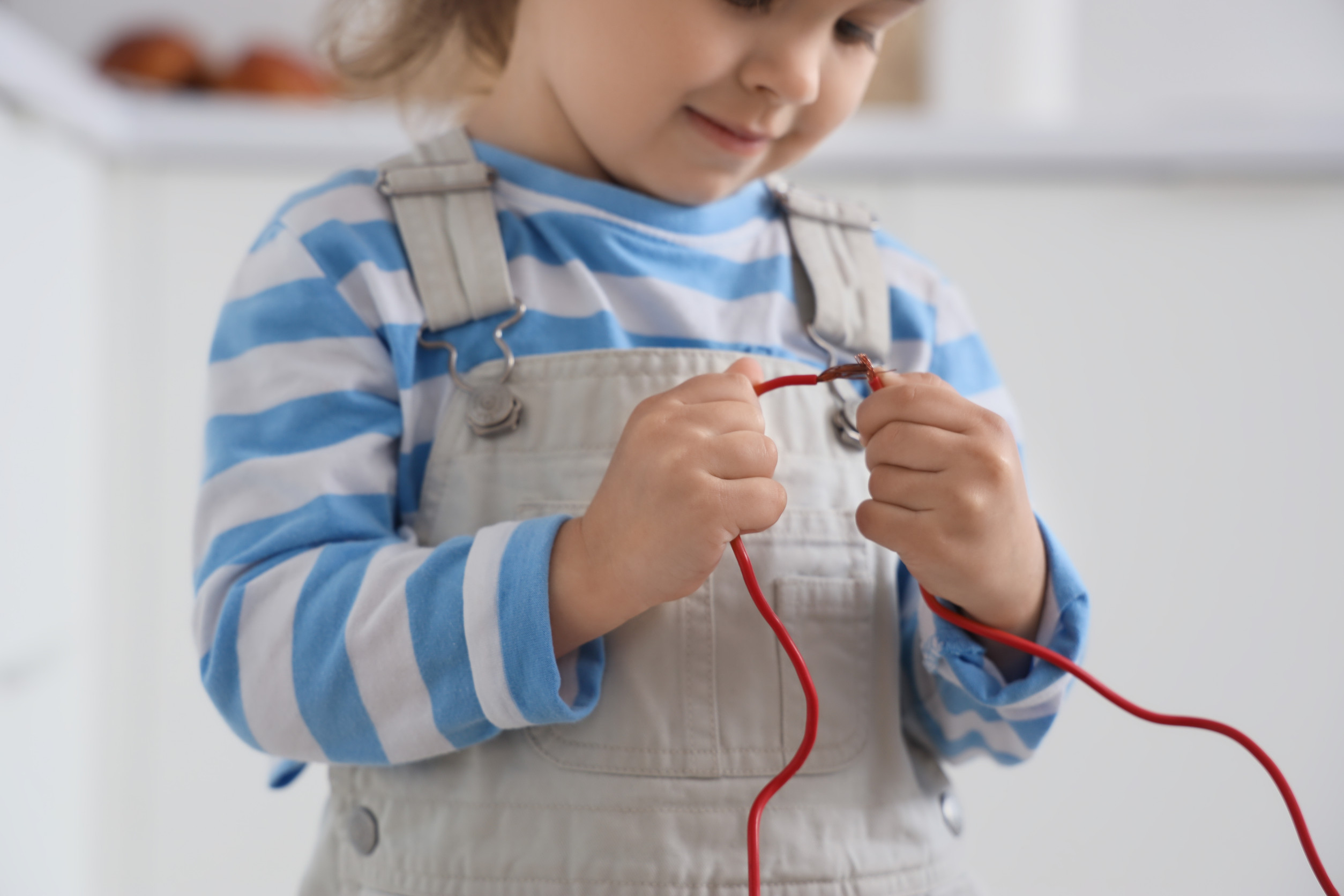
While it may be the center of family activity, the living room hides more hazards than you’d think. Coffee tables with sharp corners, top-heavy bookshelves, and wobbly TVs are common causes of bumps, bruises, and head injuries. Kids love to climb and explore, so unsecured furniture can become a tipping danger in seconds. Loose cords from lamps or electronics also pose tripping and strangulation risks. Make this room safer by anchoring large items, using corner guards, and keeping cords out of reach or properly secured.

2. The Kitchen

The kitchen is a daily hub, but it’s also packed with accident hotspots for kids. Hot stoves, sharp knives, and low cabinets full of cleaning products are just a few of the potential threats. Children are drawn to the action here and often want to help, which increases the chance of burns, cuts, or poisonings. Even a simple drawer with utensils can become dangerous if left unlocked. Install childproof latches, use stove knob covers, and teach kids early on that the kitchen isn’t a play zone.

3. The Bathroom

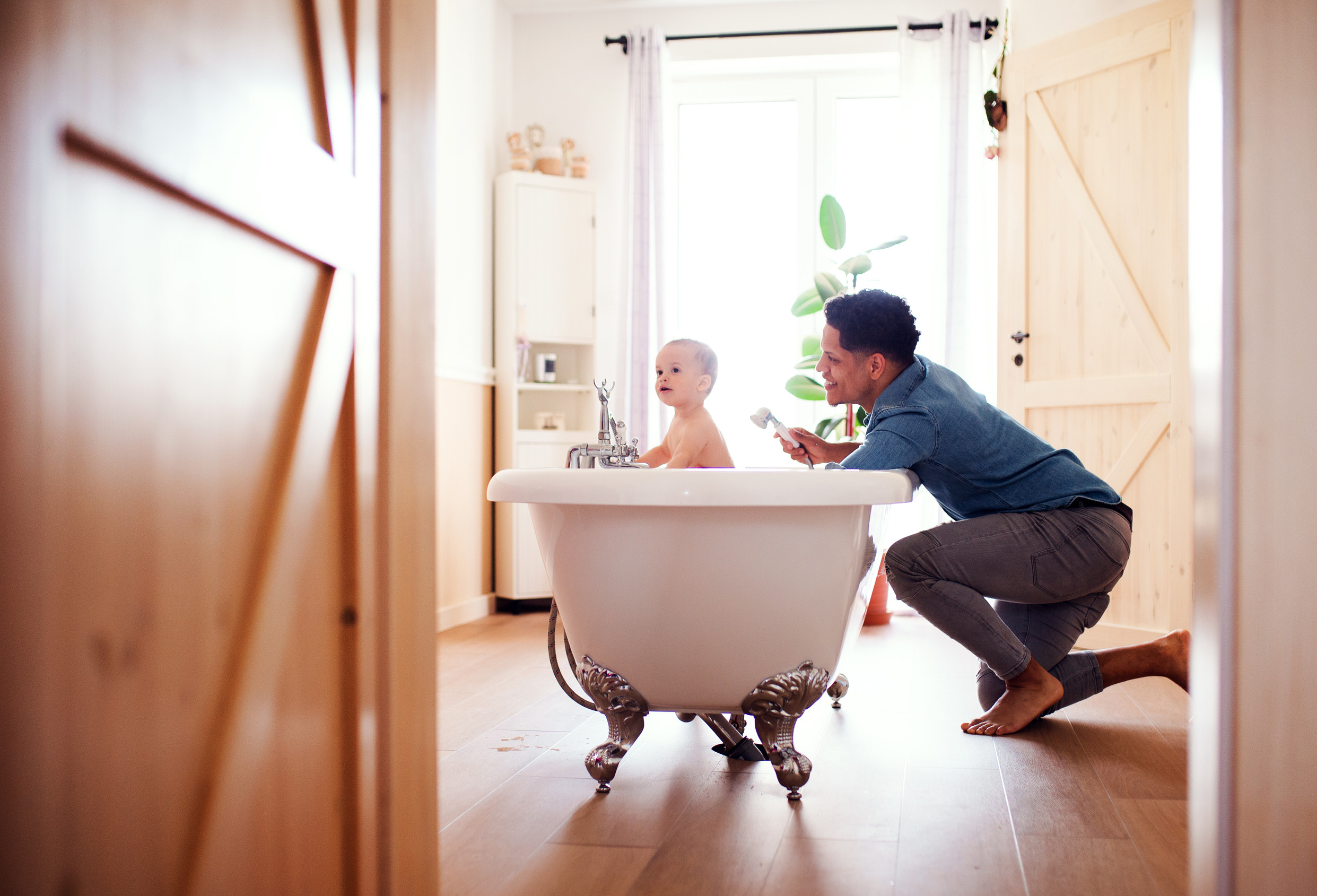
Bathrooms might be small, but the dangers are big. Slippery floors, open medicine cabinets, and bathtubs filled with water make this space one of the top accident hotspots for kids. Unattended water—even just a few inches—can be deadly for toddlers. Meanwhile, hair tools like curling irons stay hot long after use and are often left within reach. Make your bathroom safer by using non-slip mats, locking up all medications and cleaners, and never leaving a child alone during bath time.

4. The Stairs

Whether it’s one step or an entire flight, stairs are a major source of injuries in homes with children. Falls can happen quickly, especially when kids try to climb up or slide down without supervision. Baby gates at both the top and bottom of staircases are essential but should also be securely installed. Even older children can trip on cluttered steps or slip on smooth surfaces. Keep stairs clear, use handrails, and teach stair safety as soon as your child starts walking.

5. The Backyard or Patio

Outdoor spaces feel safe and contained, but they’re also full of hidden hazards. Pools, grills, sharp gardening tools, and uneven ground make backyards one of the most underestimated accident hotspots for kids. Even playground equipment can cause injuries if not maintained properly. Gates, locked sheds, and soft play surfaces can significantly reduce the risks. Always supervise outside play, and make sure the yard is as secure as your living room when it comes to your child’s safety.

Awareness Turns Danger Zones Into Safe Spaces

Accident hotspots for kids aren’t always obvious until something goes wrong—but the good news is, most are preventable. By taking a few extra safety steps in the most common risk zones, you can drastically reduce the chance of injury and give your child the freedom to explore safely. Walk through your home with a fresh set of eyes and imagine it from your child’s height and curiosity level. A safer home isn’t about locking everything down, but about smart preparation that helps prevent the “what if” moments before they happen.

Which area of your home surprised you most when it came to safety? Share your experience or favorite childproofing tips in the comments to help other parents.

Read More:

6 Seemingly Safe Places That Could Actually Be Dangerous for Kids

Digital Safety: 6 Steps to Safeguard Your Child’s Online Identity

Catherine Reed
Catherine Reed

Catherine is a tech-savvy writer who has focused on the personal finance space for more than eight years. She has a Bachelor’s in Information Technology and enjoys showcasing how tech can simplify everyday personal finance tasks like budgeting, spending tracking, and planning for the future. Additionally, she’s explored the ins and outs of the world of side hustles and loves to share what she’s learned along the way. When she’s not working, you can find her relaxing at home in the Pacific Northwest with her two cats or enjoying a cup of coffee at her neighborhood cafe.
Filed Under: Home and Living Tagged With: accident hotspots for kids, babyproofing, child injury prevention, childproofing tips, home safety for children, kids and home safety, parenting advice, safe home checklist

The Hidden Truth: 8 Everyday Products Poisonous To Toddlers

July 23, 2025 | Leave a Comment

The Hidden Truth 8 Everyday Products Poisonous To Toddlers
Image source: 123rf.com

Your home may feel safe, but many of the everyday products you use can be surprisingly dangerous to your toddler. Kids explore the world with their hands and mouths, often tasting or touching things you’d never expect. The trouble is, many household items—cleaners, cosmetics, and even plants—can cause serious health issues if swallowed, inhaled, or spilled. And it doesn’t always take a large amount to do damage. Let’s look at eight common products poisonous to toddlers that you may want to move, lock up, or swap out.

1. Laundry Detergent Pods

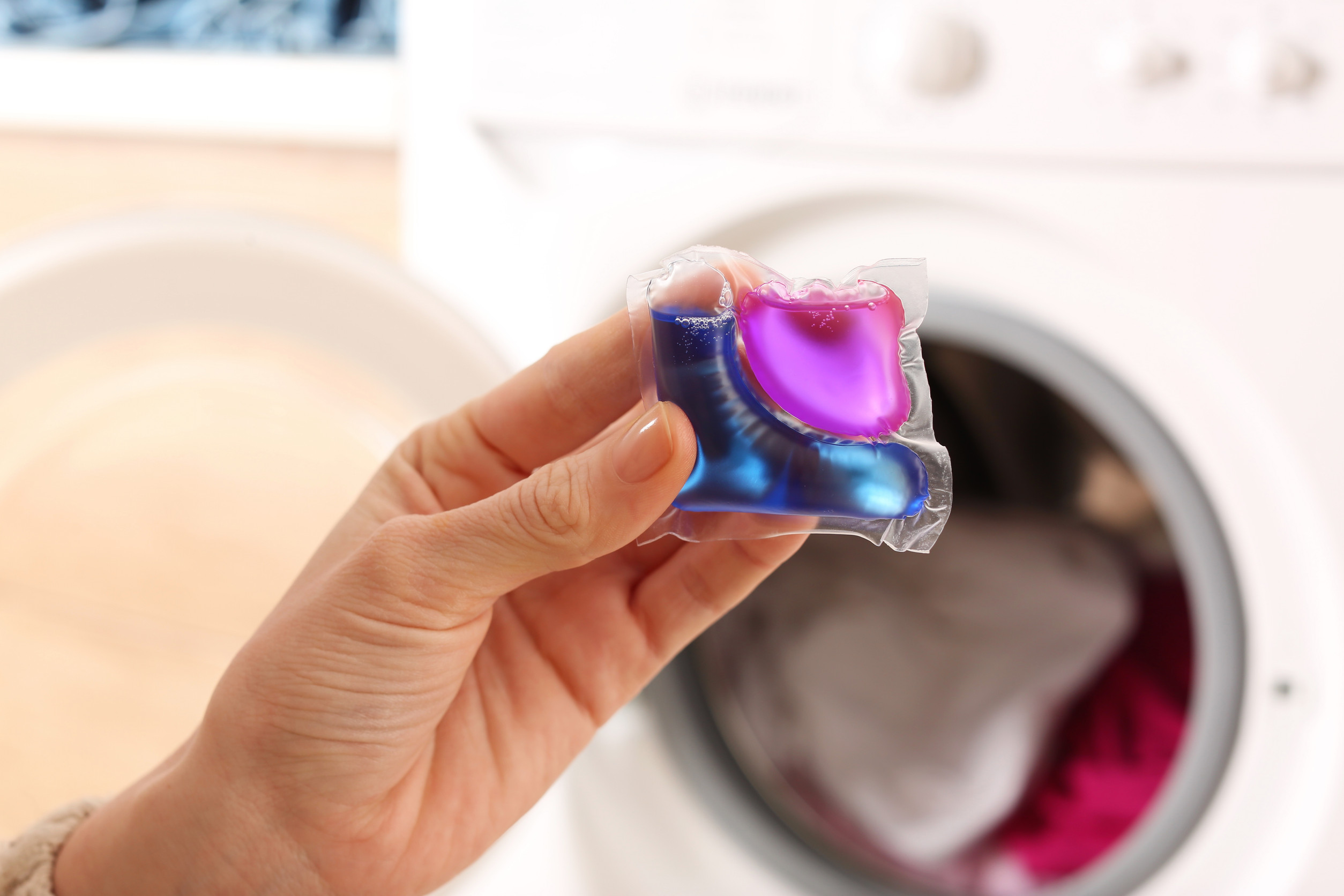
Those colorful, squishy laundry pods may look like candy to a toddler but are packed with concentrated detergent that can cause serious harm. Ingesting even a small amount can lead to vomiting, breathing issues, and chemical burns to the mouth or throat. Some cases have required emergency room visits and even intensive care. Toddlers might also squeeze the pod and get it in their eyes or on their skin. Laundry pods are among the most dangerous products poisonous to toddlers, simply because of how appealing they look.

2. Hand Sanitizer

While useful for stopping the spread of germs, hand sanitizer often contains over 60% alcohol—more than most hard liquors. Just a few squirts swallowed by a small child can cause alcohol poisoning, leading to dizziness, vomiting, or even unconsciousness. Because many bottles are scented or shaped in a fun way, toddlers are drawn to them. Some may try to lick their hands after application or squirt it directly into their mouths. This makes hand sanitizer one of the sneakiest products poisonous to toddlers sitting in plain sight.

3. Mouthwash

Mouthwash may seem harmless, but it contains alcohol and other chemicals that are not meant to be swallowed, especially by kids. Even small amounts can upset a toddler’s stomach, and larger doses may cause more serious symptoms like slowed breathing or seizures. Brightly colored and often minty or fruity, mouthwash can be tempting if left within reach. Always store it high up or in a locked cabinet. Mouthwash is one of the most easily overlooked products poisonous to toddlers, especially in busy bathrooms.

4. Essential Oils

Essential oils like eucalyptus, peppermint, and tea tree are popular in homes, but they can be toxic if ingested or applied directly to a toddler’s skin. These oils are extremely concentrated and may cause confusion, respiratory distress, or liver damage if swallowed. Even diffusing certain oils in the air can cause issues for sensitive children. What smells relaxing to you might be overwhelming or harmful to your child. For this reason, essential oils are on the growing list of products poisonous to toddlers that are often assumed to be “natural and safe.”

5. Adult Vitamins and Supplements

Gummy vitamins or colorful supplements may look like candy to a curious child, but they can pose a major risk if consumed in large amounts. Iron and fat-soluble vitamins like A, D, and E can lead to toxicity if overdosed. A toddler may grab the bottle and eat several without realizing the danger. Many containers lack child-resistant caps or are left open in purses or on counters. Adult vitamins remain one of the most underestimated products poisonous to toddlers, often due to their cheerful appearance.

6. Antifreeze and Automotive Fluids

If you store car supplies in your garage or utility room, make sure they’re far away from any space your toddler can reach. Antifreeze has a sweet taste that makes it especially dangerous, even if it’s only present in small puddles on the floor. Ingesting antifreeze can quickly lead to kidney failure and death if not treated immediately. Brake fluid, windshield washer fluid, and oil are also toxic. These garage staples are definitely products poisonous to toddlers, even if you think your little one never ventures into that space.

7. Houseplants

Several common houseplants are surprisingly toxic if nibbled on by a curious child. Plants like philodendrons, peace lilies, and pothos contain compounds that can cause mouth irritation, swelling, or even more serious issues. Because toddlers love to explore, pulling on leaves or tasting dirt is not out of the question. Make sure you research your plants and place any toxic ones well out of reach. Even a “decorative” green friend can end up on the list of products poisonous to toddlers.

8. Nail Polish Remover

Nail polish remover typically contains acetone, a powerful solvent that can cause nausea, confusion, or respiratory problems if inhaled or swallowed. It’s often stored in bathrooms or vanities within a toddler’s reach. Some removers come in brightly colored bottles or have fruity scents that could attract a child’s attention. Even small spills on the skin can cause irritation or chemical burns. This beauty staple is an often-forgotten example of products poisonous to toddlers that can cause serious harm in seconds.

Safer Choices Start with Awareness

Protecting your toddler doesn’t mean living in fear—it means being aware of what’s around them and taking simple steps to reduce risk. Lock cabinets, move dangerous items up high, and choose child-friendly alternatives whenever possible. If you ever suspect poisoning, call poison control right away, even if you’re unsure. Most accidents happen during moments of distraction, but awareness is the best prevention. By recognizing which products poisonous to toddlers are in your home, you can make safer choices that help your child thrive.

Which of these surprising household dangers have you encountered? Are there any childproofing tips that work especially well for you? Share your thoughts in the comments!

Read More:

Is Your Home Toxic? 8 Everyday Items Poisoning Your Toddler

6 Urgent Steps to Protect Your Home from Kids’ Dangers

Catherine Reed
Catherine Reed

Catherine is a tech-savvy writer who has focused on the personal finance space for more than eight years. She has a Bachelor’s in Information Technology and enjoys showcasing how tech can simplify everyday personal finance tasks like budgeting, spending tracking, and planning for the future. Additionally, she’s explored the ins and outs of the world of side hustles and loves to share what she’s learned along the way. When she’s not working, you can find her relaxing at home in the Pacific Northwest with her two cats or enjoying a cup of coffee at her neighborhood cafe.
Filed Under: Home and Living Tagged With: accidental poisoning, childproofing tips, everyday dangers, parenting hacks, poison prevention, safe home for kids, toddler safety, toxic household products

Is Your Home Toxic? 8 Everyday Items Poisoning Your Toddler

July 21, 2025 | Leave a Comment

Is Your Home Toxic 8 Everyday Items Poisoning Your Toddler
Image source: 123rf.com

Your home should be your toddler’s safest space, but what if the real danger isn’t outside your door—it’s already inside? From everyday cleaning products to cute decor, many common household items contain hidden toxins that can silently impact your child’s health. Toddlers are especially vulnerable because of their size, developing systems, and habit of touching everything and putting it in their mouths. While we can’t wrap our kids in a protective bubble, we can reduce exposure to the worst offenders. Let’s uncover the top items potentially poisoning your toddler so you can take simple, powerful steps to make your home safer today.

1. Air Fresheners and Scented Candles

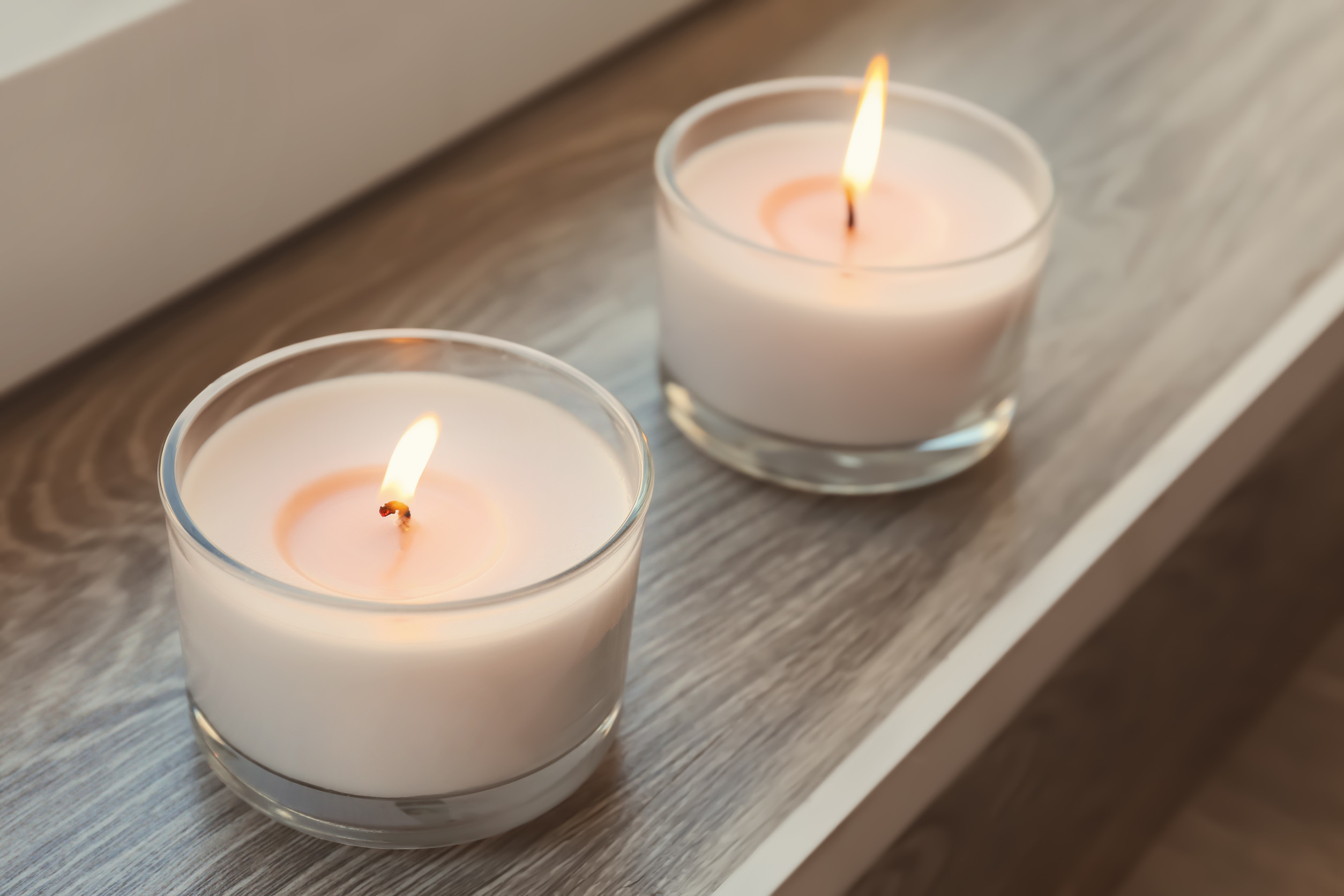
That fresh scent may seem like a comforting touch in your home, but many air fresheners and candles are loaded with phthalates and synthetic fragrances. These chemicals can disrupt hormones, affect breathing, and contribute to long-term health problems, especially in young children. Toddlers inhale these toxins in higher concentrations because they breathe more rapidly than adults. Even “natural” or “green” products often include vague ingredients that aren’t truly safe. Try using essential oils with a diffuser or simply open windows for natural ventilation instead.

2. Vinyl Flooring

Vinyl floors are affordable and easy to clean, but they can release harmful volatile organic compounds (VOCs) into the air. These VOCs are particularly concerning for babies and toddlers who spend a lot of time crawling, sitting, or playing on the floor. Studies show vinyl flooring may also contain lead and phthalates, which have been linked to developmental delays. If replacing flooring isn’t an option, use area rugs made from natural fibers to create a safer play space. Regularly vacuuming and mopping can also help reduce dust-bound toxins.

3. Non-Stick Cookware

That slick, easy-to-clean non-stick pan may contain perfluorinated chemicals (PFCs), which have been associated with hormone disruption and weakened immune systems in children. When overheated, these coatings can break down and release toxic fumes into the air. Tiny developing bodies are more sensitive to these exposures, especially during mealtime prep. If you’re concerned about poisoning your toddler through food exposure, consider switching to cast iron, stainless steel, or ceramic cookware. These safer alternatives last longer and eliminate the risk of harmful coatings altogether.

4. Plastic Food Containers

Many plastic containers, even those labeled “microwave safe,” can leach harmful chemicals like BPA or BPS into food when heated. These substances can mimic hormones and interfere with a toddler’s growth and development. It’s one of the most overlooked ways you might be unintentionally poisoning your toddler during meal prep or snack storage. Swap them out for glass or stainless-steel containers whenever possible. If you must use plastic, avoid heating it and check labels for BPA-free certifications.

5. Flame Retardant Furniture and Bedding

That cozy crib mattress or car seat cover might be laced with flame retardants that pose risks far greater than fire. These chemicals can off-gas into the air or accumulate in household dust, which toddlers then inhale or ingest while playing. Over time, exposure has been linked to behavioral problems, learning difficulties, and hormone disruption. Choose items made with safer, naturally fire-resistant materials like wool or cotton, and look for “free from flame retardants” on product labels. Regularly cleaning soft furniture can also help limit toxic buildup.

6. Cleaning Supplies Under the Sink

Those bright bottles under your kitchen or bathroom sink are some of the most obvious hazards—but they’re also easily overlooked. Harsh cleaners often contain bleach, ammonia, and other corrosive ingredients that can cause serious injury if ingested, inhaled, or even touched. Poisoning your toddler can happen in seconds if these are left unlocked and within reach. Consider switching to safer, plant-based cleaners and always store them in high or locked cabinets. Better yet, make your own cleaners with vinegar, baking soda, and lemon for a toddler-safe clean.

7. Lead-Based Paint or Dust in Older Homes

If your home was built before 1978, there’s a good chance it contains lead-based paint. As paint chips or turns to dust, toddlers can easily ingest or inhale it during everyday play. Lead poisoning is especially dangerous because it builds up slowly and can permanently affect brain development. Have your home tested for lead and keep high-traffic areas well-cleaned to reduce exposure. If renovations are needed, hire certified professionals who follow lead-safe protocols.

8. Cheap Toys and Teething Products

Not all baby toys are created equal, and some inexpensive options still contain harmful chemicals like lead, PVC, and phthalates. When toddlers chew, suck, or play with these toys, they’re exposed to toxic substances that can affect their development over time. Even some teethers and bath toys labeled “safe” may not meet stringent safety standards. Look for toys certified by trusted organizations, made from non-toxic materials like silicone, wood, or organic cotton. Always supervise teething play and clean toys regularly to keep them safe.

Safer Homes Start with Small, Smart Swaps

You don’t have to overhaul your entire house overnight to protect your child. Reducing the risks of poisoning your toddler starts with small changes—like replacing just one item at a time or reading labels more carefully. Awareness is the most powerful tool you have as a parent. By creating a cleaner, safer space today, you support your toddler’s healthy development for years to come. After all, peace of mind is one thing every parent deserves to bring home.

Have you already swapped out any of these toxic household items? Share your tips or questions in the comments—we’d love to hear from you!

Read More:

5 Home Areas Where Toddlers Get Hurt Most (Are Yours Safe?)

6 Urgent Steps to Protect Your Home from Kids’ Dangers

Catherine Reed
Catherine Reed

Catherine is a tech-savvy writer who has focused on the personal finance space for more than eight years. She has a Bachelor’s in Information Technology and enjoys showcasing how tech can simplify everyday personal finance tasks like budgeting, spending tracking, and planning for the future. Additionally, she’s explored the ins and outs of the world of side hustles and loves to share what she’s learned along the way. When she’s not working, you can find her relaxing at home in the Pacific Northwest with her two cats or enjoying a cup of coffee at her neighborhood cafe.
Filed Under: Parenting Tagged With: childproofing tips, eco-friendly parenting, parenting safety, poisoning your toddler, safe home for kids, toddler health, toddler safety, toxic household items

Toddler Danger: 8 Everyday Products Dangerous for Toddlers

July 18, 2025 | Leave a Comment

Toddler Danger 8 Everyday Products Dangerous for Toddlers
Image source: 123rf.com

Toddlers are curious, fearless, and fast—and while that makes for some sweet memories, it also creates real safety concerns. Many of the items sitting around your home right now may seem harmless to you but pose a serious toddler danger. The problem is that everyday products often fly under the radar because they’re not labeled as hazardous or kept out of reach. But toddlers don’t know what’s off-limits, and accidents can happen in seconds. Here are eight common products you’ll want to take a second look at to keep your little one safer.

1. Laundry Pods

Colorful and squishy, laundry pods can look like candy to a toddler. But these highly concentrated detergent packets are extremely toxic if ingested and can also cause burns to the mouth, eyes, or skin. Even a small amount can trigger serious symptoms like vomiting, breathing trouble, or seizures. Store them in a locked cabinet well above eye level and never let your child help with laundry when pods are in reach. Laundry detergent bottles can also pose a toddler danger, so all cleaning products should be secured.

2. Button Batteries

These tiny, shiny batteries are found in remote controls, musical toys, thermometers, and greeting cards. If swallowed, button batteries can burn through a toddler’s esophagus in a matter of hours due to the electrical current they emit. This is one of the most serious hidden dangers in the average household. Always check battery compartments and tape them shut if needed, and keep spare batteries locked away. If you suspect your toddler has swallowed one, it’s an immediate ER visit—don’t wait for symptoms.

3. Cords and Window Blind Strings

Window blind cords, charging cables, and curtain ties can all pose a strangulation hazard. Toddlers often play with anything within their reach, and loose cords can quickly become wrapped around a neck or limb. Cordless blinds are the safest option, but if you have cords, use safety wraps or cord cleats to keep them out of sight and out of mind. Even small cords like headphone wires can be a toddler danger if left dangling. Always take a quick look around to check for hanging hazards.

4. Magnets

While a single magnet might not seem like a big deal, multiple swallowed magnets can attract to one another inside the body. This can cause intestinal blockages, tissue damage, and even life-threatening perforations. Many building toys, jewelry, and novelty items contain small magnets that come loose over time. If you notice toys breaking or pieces missing, toss them immediately. Always check that anything magnetic is toddler-safe and large enough not to be swallowed.

5. Personal Care Products

Toothpaste, makeup, nail polish remover, and mouthwash are easy to access in most bathrooms. But they contain ingredients that can irritate, burn, or poison if your toddler gets into them. Even “natural” or “child-friendly” products are meant for supervised use only. Consider adding childproof locks to bathroom drawers and cabinets, and never leave toiletry bags within reach. Personal care items are one of the most overlooked sources of toddler danger.

6. Houseplants

Believe it or not, many popular houseplants are toxic if chewed on or swallowed. Plants like pothos, philodendron, peace lilies, and even aloe can irritate a toddler’s mouth or cause stomach upset. Since toddlers love exploring with their hands and mouths, these plants need to be placed well out of reach or removed altogether. Do a quick search to check the safety of your indoor greenery. It’s one of the simplest ways to reduce toddler danger inside your home.

7. Medications and Vitamins

A childproof cap doesn’t mean childproof. Toddlers can be shockingly determined when they see something colorful like gummy vitamins or cold medicine. All medications, including over-the-counter pain relievers and supplements, should be stored high up and in locked containers. Even a single adult dose of some medications can be fatal to a toddler. Double-check that purses, backpacks, and nightstands are also free of medication within reach.

8. Furniture and TVs That Aren’t Anchored

Toddlers love to climb, and a heavy dresser or television can easily tip over if pulled on or used as a ladder. Tip-over accidents are more common than many parents realize and can cause head injuries, fractures, or worse. Anchoring furniture to the wall with anti-tip kits is a quick and effective fix. Make sure TVs, bookshelves, and tall furniture pieces are stable and secured. It’s a small task that can prevent a big toddler danger.

Look Again at What’s Hiding in Plain Sight

You don’t need to live in fear, but you do need to stay aware of how quickly normal items can become threats to your toddler. The toddler danger often comes from the everyday things we stop noticing—until something goes wrong. A simple sweep of your home every few weeks can make a huge difference in preventing accidents. Think like a toddler: what can they reach, pull, open, or swallow? The more intentional your setup, the safer your little explorer will be.

What surprising toddler danger did you discover in your home? Share your experience or tips with other parents in the comments!

Read More:

11 Ways You’re Undermining Your Toddler’s Growth

7 Medical Scams Targeting Parents of Toddlers

Catherine Reed
Catherine Reed

Catherine is a tech-savvy writer who has focused on the personal finance space for more than eight years. She has a Bachelor’s in Information Technology and enjoys showcasing how tech can simplify everyday personal finance tasks like budgeting, spending tracking, and planning for the future. Additionally, she’s explored the ins and outs of the world of side hustles and loves to share what she’s learned along the way. When she’s not working, you can find her relaxing at home in the Pacific Northwest with her two cats or enjoying a cup of coffee at her neighborhood cafe.
Filed Under: Parenting Tagged With: babyproofing your home, child safety tips, childproofing tips, household hazards, parenting toddlers, toddler danger, toddler injury prevention, toddler safety

Bathtub Dangers: 8 Hidden Dangers in Your Child’s Bathtub

July 10, 2025 | Leave a Comment

Bathtub Dangers 8 Hidden Dangers in Your Childs Bathtub
123rf.com

Bath time is supposed to be fun, soothing, and safe—but is it as safe as you think? Many parents are surprised to learn that there are hidden dangers in your child’s bathtub that go far beyond slips and splashes. From moldy toys to toxic bath products, what seems like a harmless routine can hide serious risks. The good news is that once you know what to look out for, making bath time safer is easy and completely manageable. Here’s what might be lurking in your child’s tub and what you can do to fix it.

1. Slippery Surfaces

The most obvious but still overlooked hazard is a slick bathtub floor. Kids get wiggly when they play in water, and just one wrong move can result in a painful fall. Bathtubs become dangerously slippery when soap, shampoo, or even plain water builds up on the surface. A non-slip bath mat or textured decals can help provide traction and reduce risk. To lower the chance of slipping, always supervise closely and keep the surface as dry and soap-free as possible.

2. Moldy Bath Toys

Squeeze toys and rubber ducks may seem adorable, but they’re a breeding ground for mold and bacteria. Water gets trapped inside and creates the perfect dark, moist environment for growth. Every time your child squirts or chews on them, they’re potentially exposed to harmful germs. Regularly clean and dry toys, and consider sealing the holes to prevent water from getting in. If a toy smells musty or has visible mold, toss it—it’s not worth the risk.

3. Scalding Hot Water

Many parents don’t realize how quickly hot water can cause burns, especially on sensitive toddler skin. Water over 120°F can cause scalding in a matter of seconds, and many water heaters are set higher than that by default. Installing an anti-scald valve or adjusting your water heater to a safer temperature is one of the simplest ways to eliminate this danger. Always test the water with your wrist before placing your child in the tub. When it comes to hidden dangers in your child’s bathtub, heat is one of the most dangerous and most preventable.

4. Toxic Bath Products

That lavender bubble bath or fruity shampoo may smell great, but many bath products contain ingredients that are too harsh for kids. Some soaps and bath bombs include artificial dyes, fragrances, or preservatives that can irritate skin, trigger allergies, or even cause hormonal disruption. Stick with fragrance-free, hypoallergenic products made specifically for children. Read ingredient labels carefully and avoid anything with parabens, phthalates, or SLS. Just because something is marketed to kids doesn’t mean it’s safe.

5. Unsecured Faucets and Spouts

Metal spouts and temperature knobs aren’t just functional—they’re also head-level hazards for little ones. If a child slips or stands up too fast, they could knock into the faucet and cause bruising or cuts. Protective covers made from soft rubber or foam can cushion sharp edges and reduce injury risk. There are also faucet covers that double as water flow reducers, adding another layer of safety. This small investment can prevent big accidents in a blink.

6. Electrical Devices Nearby

Hairdryers, space heaters, and phone chargers should be nowhere near the tub, even if they’re unplugged. Curious kids may grab cords or try to mimic adult behavior by turning things on. Water and electricity are a deadly mix, and just having a device nearby increases the chances of something going wrong. Keep all electronics far from the bathroom and store cords out of reach. One of the most serious hidden dangers in your child’s bathtub isn’t in the water—it’s outside of it.

7. Overfilled Tubs

It might seem harmless to fill the tub a little higher so your child can “swim” more easily, but this increases the risk of drowning. Even just a few inches of water can be dangerous, especially for toddlers who slip beneath the surface silently. Stick to the recommendation of filling the tub with only a few inches of water. Always keep your eyes and hands on your child, even for a moment. Too much water plus one moment of distraction is a risk no parent should take.

8. Leftover Cleaning Chemicals

If you clean your tub with strong cleaners and then rinse quickly, traces can remain on the surface and irritate your child’s skin. Some cleaners leave behind residue that’s especially harsh on young, sensitive skin. Rinse the tub thoroughly after every scrub-down and give it time to air out before filling it up again. Better yet, switch to non-toxic, child-safe cleaning products whenever possible. What you clean with is just as important as how often you clean when trying to avoid hidden dangers in your child’s bathtub.

Bathtime Should Be Fun, Not Frightening

Bath time is often a bonding experience, but it’s easy to overlook the everyday hazards hiding in plain sight. By being aware of the hidden dangers in your child’s bathtub, you can make small changes that add up to a much safer routine. From watching water temperature to rethinking what toys are safe, it all starts with a closer look and a few smart swaps. With just a little effort, you can turn the tub into a safe and enjoyable space again. After all, kids should leave the bath cleaner—not in danger.

What’s one bathtub safety tip you swear by? Share your go-to strategies in the comments to help other parents keep bath time safe.

Read More:

10 Hidden Fees You Didn’t Know Were in Your Childcare Contract

10 Hidden Dangers of Social Media Every Parent Should Know

Catherine Reed
Catherine Reed

Catherine is a tech-savvy writer who has focused on the personal finance space for more than eight years. She has a Bachelor’s in Information Technology and enjoys showcasing how tech can simplify everyday personal finance tasks like budgeting, spending tracking, and planning for the future. Additionally, she’s explored the ins and outs of the world of side hustles and loves to share what she’s learned along the way. When she’s not working, you can find her relaxing at home in the Pacific Northwest with her two cats or enjoying a cup of coffee at her neighborhood cafe.

Filed Under: Parenting Tagged With: baby safety, bathroom safety, bathtub safety, childproofing tips, household hazards, moldy toys, parenting hacks, toddler bath tips

Fire Danger: 5 Home Areas That Are Fire Magnets for Kids

July 8, 2025 | Leave a Comment

Fire Danger 5 Home Areas That Are Fire Magnets for Kids
123rf.com

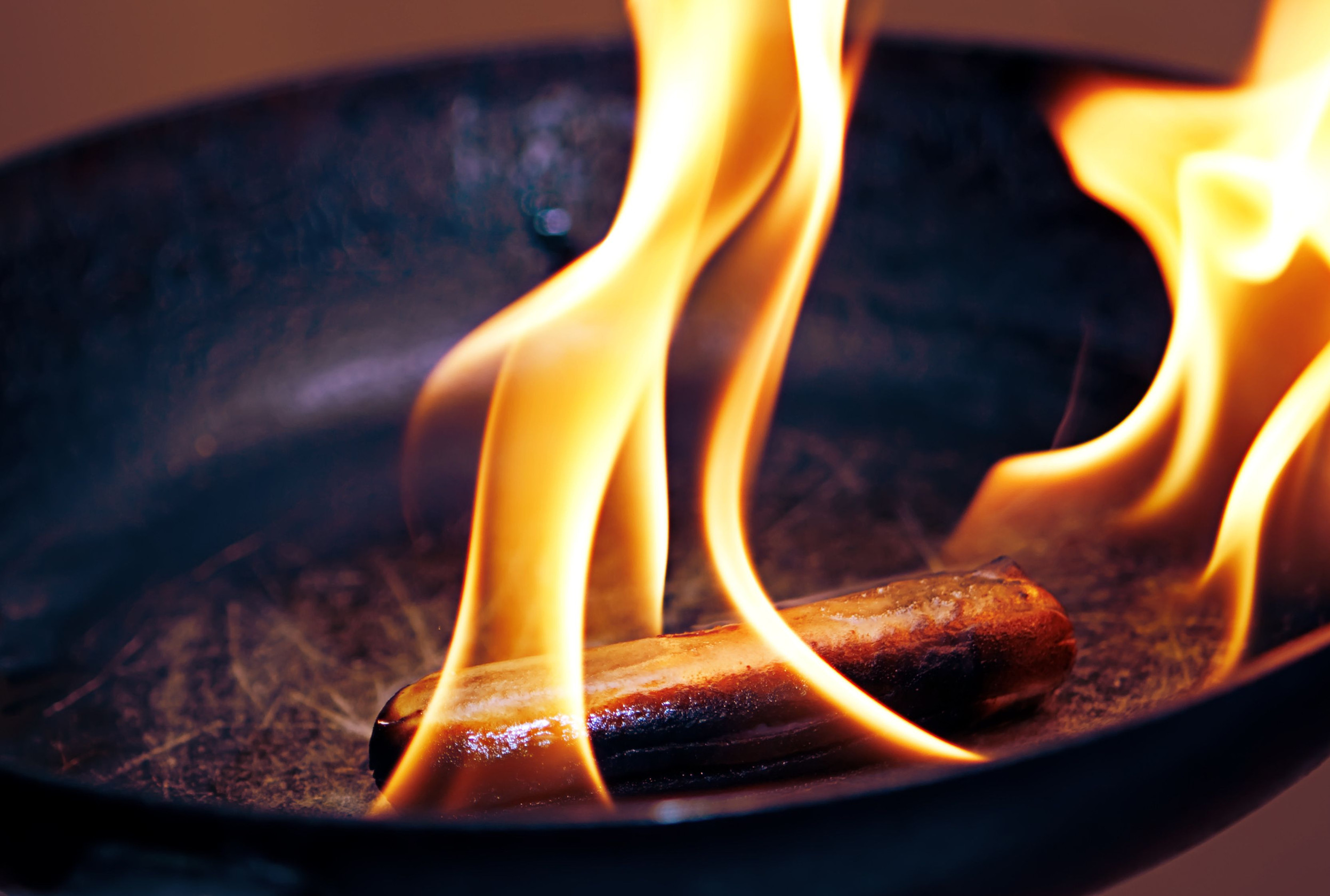
Kids are naturally curious, which is great for learning—but not so great when it comes to fire safety. In fact, some of the most common areas in your home double as fire magnets for kids, creating major hazards when left unchecked. Whether it’s a kitchen drawer packed with lighters or a bedroom crowded with charging devices, your child’s surroundings might be riskier than you think. Fire accidents can happen fast, especially in spots that seem harmless at first glance. Here are five areas in your home that deserve a second look if you want to reduce fire risks for little ones.

1. Kitchen Counters and Stovetops

The kitchen is the heart of the home, but it’s also one of the biggest fire magnets for kids. Stovetops, ovens, and even toasters are hot zones for accidental burns and fires. Kids might reach for a dangling cord, climb on counters, or knock over something flammable like a dish towel. Grease, forgotten pans, or an unattended burner can escalate from a minor slip-up to a major emergency in seconds. Always keep hot surfaces and appliances off-limits, and turn pot handles inward so they can’t be grabbed.

2. Bedrooms Packed with Electronics

Between tablets, nightlights, gaming consoles, and chargers, kids’ bedrooms are often loaded with electronic devices. When outlets are overloaded or cheap chargers are used, these spaces become fire magnets for kids. Add in blankets, curtains, and stuffed animals near a heat source, and you’ve got a recipe for danger. Encourage unplugging devices at night and never let electronics charge under a pillow or blanket. Invest in surge protectors and remind kids not to yank cords or stack plugs.

3. Laundry Room Lint Traps and Heaters

You might not think of the laundry room as a risky space, but dryer lint is one of the most flammable things in your home. If the lint trap isn’t cleaned regularly, heat from the dryer can ignite it. Kids may also be tempted to toss clothing or toys behind the dryer where they can block vents or sit too close to the heater. Some homes have hot water heaters in the same space, creating even more heat exposure. Keep this area clean, off-limits to children, and free from clutter or hanging items.

4. Living Room Candles and Fireplaces

The cozy glow of a candle or fireplace may feel relaxing to adults, but for kids, it’s pure temptation. Candles on low tables or mantelpieces are fire magnets for kids, who may try to touch the flame or knock them over. Fireplaces can also send sparks onto rugs or pajamas if they don’t have a proper screen. Make sure all open flames are out of reach and never left unattended. Battery-powered candles or electric fireplaces offer safer alternatives for homes with young children.

5. Garage or Utility Shelves

Garages are often packed with flammable items like gasoline, paint, lighter fluid, and power tools. These are major fire magnets for kids, especially when stored low or in open containers. One curious moment with a match or battery-powered tool can lead to disaster. Lock up hazardous materials and teach kids that the garage isn’t a play area. You should also keep a fire extinguisher nearby in case something does spark or catch.

Make Fire Safety a Family Habit

The best defense against fire magnets for kids is education and prevention. Walk through your home with fresh eyes and look at each area from a child’s perspective. What might look harmless to you could be an irresistible hazard to them. Make sure your smoke detectors are working, teach kids what to do in case of a fire, and establish a no-play zone around heat sources. Fire safety isn’t a one-time conversation—it’s a habit that protects everyone in the family.

Have you childproofed your home for fire safety? Which area surprised you the most? Share your fire safety tips or stories in the comments!

Read More:

The Silent Danger Lurking in Your Child’s Daily Routine

6 Seemingly Safe Places That Could Actually Be Dangerous for Kids

Catherine Reed
Catherine Reed

Catherine is a tech-savvy writer who has focused on the personal finance space for more than eight years. She has a Bachelor’s in Information Technology and enjoys showcasing how tech can simplify everyday personal finance tasks like budgeting, spending tracking, and planning for the future. Additionally, she’s explored the ins and outs of the world of side hustles and loves to share what she’s learned along the way. When she’s not working, you can find her relaxing at home in the Pacific Northwest with her two cats or enjoying a cup of coffee at her neighborhood cafe.
Filed Under: Parenting Tagged With: child safety, childproofing tips, fire hazards, fire magnets for kids, fire prevention, home fire safety, household dangers, parenting safety tips

7 Terrifying Things Parents Forget That Can Have Devastating Consequences

March 22, 2025 | Leave a Comment

Happy father and mother holding children playing together in park with sunset view, Cheerful family father mother and children enjoying picnic at park, Family with healthy lifestyle, Life insurance
Image Source: 123rf.com

Parents have an endless list of responsibilities, and with so much going on, it’s easy to forget things. While most oversights are harmless, some can have terrifying consequences. A moment of forgetfulness can put a child in danger, sometimes with life-altering results. These mistakes don’t always happen due to negligence—often, they occur simply because parents are overwhelmed, distracted, or running on autopilot.

Here are seven terrifying things parents forget that can lead to serious consequences.

Forgetting a Baby in the Car

Every summer, heartbreaking headlines remind us of the dangers of leaving a baby in a hot car. Many parents assume they could never make this mistake, yet it happens every year, often to loving and responsible caregivers.

Heatstroke can occur within minutes, as temperatures inside a parked car can rise rapidly. Babies and young children are particularly vulnerable because their bodies overheat faster than adults. Some parents forget because of a break in routine—such as a different parent dropping the baby off at daycare—or simply because they are exhausted and distracted.

To prevent this, some experts recommend leaving a purse, phone, or even a shoe in the backseat as a reminder to check before locking the car. Apps and car seat alarms are also available to alert parents if they accidentally leave their child behind.

Forgetting to Secure Furniture and TVs

Many parents take precautions to baby-proof electrical outlets and sharp corners, but one of the most overlooked dangers in a home is unsecured furniture. Dressers, bookshelves, and TVs can become deadly if a child tries to climb on them and they tip over.

Each year, children are seriously injured or killed in furniture-related accidents. It only takes a moment for a child to pull out a drawer, use it as a step, and cause a heavy piece of furniture to fall. Anchoring furniture to the wall with anti-tip straps can prevent these tragedies. Parents often assume it won’t happen to their child—until it does.

Forgetting About Medication and Cleaning Supplies

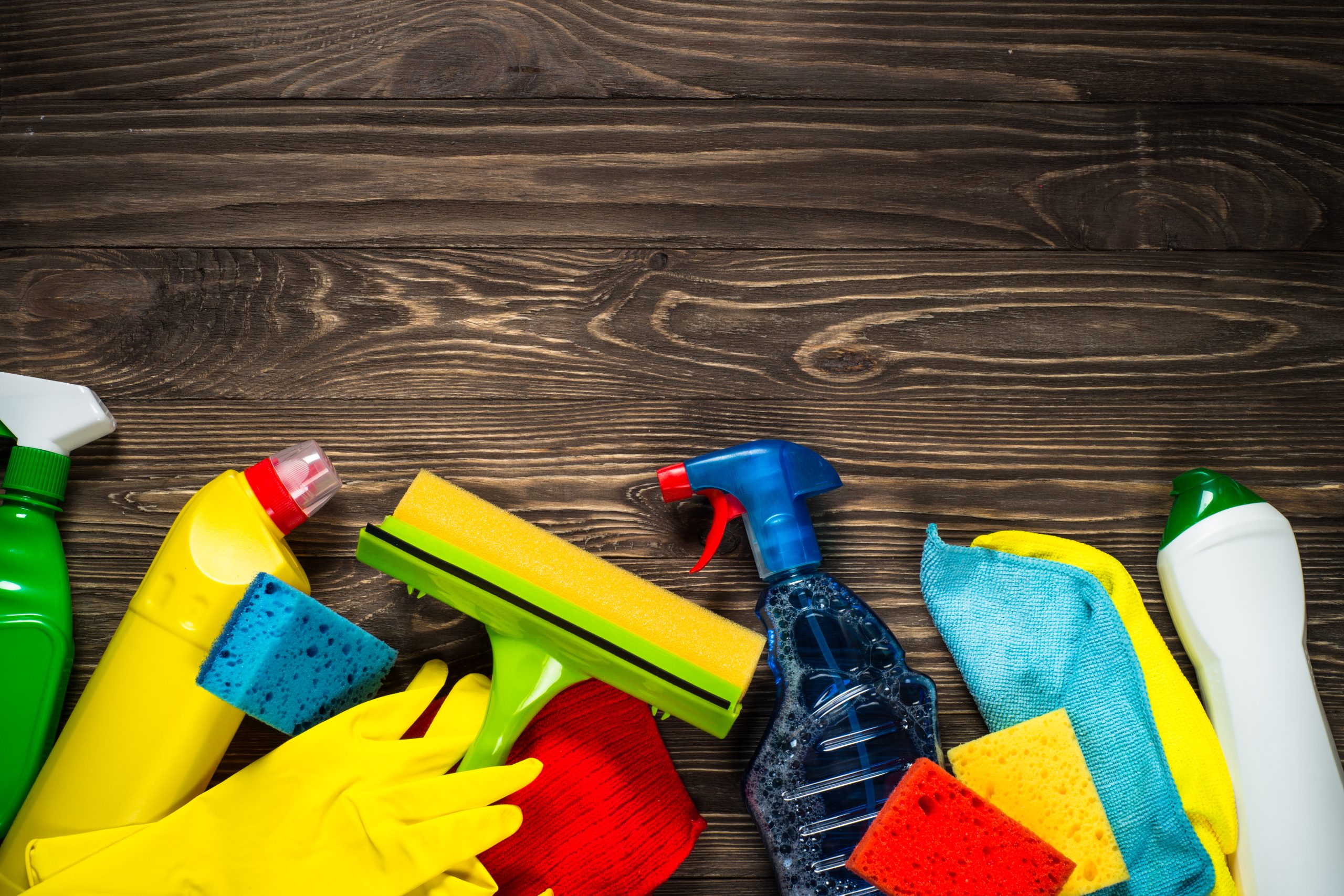
Cleaning product, household, sanitary supplies on wooden table. Top view with copy space.
Image Source: 123rf.com

Most parents keep medication and cleaning products out of reach, but accidents happen when items are left out just for a moment. A bottle of pain relievers on the counter, an open purse with prescription medication inside, or a cleaning spray left near a sink can quickly become accessible to a curious child.

Small children explore with their hands and mouths, and many everyday items can be extremely toxic. Child-resistant packaging helps, but it’s not foolproof. Keeping all medications and household cleaners locked away, even when in use, can prevent life-threatening poisoning incidents.

Forgetting to Check the Bathwater Temperature

A hot bath may seem harmless, but scalding water can cause severe burns in seconds. Young children’s skin is much more sensitive than an adult’s, and they can suffer third-degree burns at temperatures above 120°F (49°C).

Parents sometimes forget to test the water before placing their child in the tub or assume that adjusting the faucet mid-bath will cool things down quickly. A sudden burst of hot water or a slight mistake in temperature control can result in painful injuries. Installing anti-scald devices on faucets and always checking the water with a thermometer or wrist can prevent unnecessary burns.

Forgetting to Lock or Secure Pools and Water Sources

Drowning is one of the leading causes of death for young children, and it happens faster and more silently than most parents realize. Many accidents occur not because parents are unaware of the dangers of water but because they forget to secure it properly.

A backyard pool, an inflatable kiddie pool, or even a bucket of water can pose a serious risk. Children can drown in as little as two inches of water, and it takes just a moment of distraction for an accident to occur. Pool fences with self-latching gates, door alarms, and strict water safety rules can help prevent devastating tragedies.

Forgetting to Check Car Seat Straps and Installations

Car seats are one of the most important safety tools for children, but they only work if used correctly. Many parents make small but dangerous mistakes, such as forgetting to buckle the chest clip at the right level, leaving straps too loose, or not realizing the car seat is improperly installed.

Even in minor car accidents, an improperly secured child can suffer severe injuries. Studies show that a large percentage of car seats are used incorrectly. Double-checking that straps are snug, the chest clip is positioned correctly, and the seat is properly anchored can mean the difference between life and death in a crash.

Forgetting About Small Objects That Can Be Choking Hazards

Young children will put almost anything in their mouths, and small objects can quickly become deadly choking hazards. Parents often baby-proof their homes when their child first starts crawling, but as kids grow, new risks appear.

Coins, small toy parts, batteries, pen caps, and even food that is too large or the wrong shape can cause a choking emergency. Parents sometimes forget to scan the floor or check for small, overlooked items that could be within reach. Learning CPR and keeping a close eye on small objects can help prevent a life-threatening situation.

Awareness Can Prevent Tragedy

No parent is perfect, and forgetting things happens to everyone. But when it comes to child safety, even small mistakes can lead to serious consequences. The best way to prevent these terrifying accidents is to stay aware, build habits that reinforce safety, and use reminders when necessary.

Parenting is exhausting, and distractions are everywhere. A little extra caution and a few simple precautions can go a long way in keeping children safe.

Have you ever caught yourself forgetting something potentially dangerous? Share your thoughts in the comments below.

Read more: 7 Terrifying Things Parents Forget That Can Have Devastating Consequences

Latrice Perez

Latrice is a dedicated professional with a rich background in social work, complemented by an Associate Degree in the field. Her journey has been uniquely shaped by the rewarding experience of being a stay-at-home mom to her two children, aged 13 and 5. This role has not only been a testament to her commitment to family but has also provided her with invaluable life lessons and insights.  As a mother, Latrice has embraced the opportunity to educate her children on essential life skills, with a special focus on financial literacy.

Filed Under: Parenting Tagged With: baby safety, car seat safety, child accidents, childproofing, childproofing tips, drowning prevention, home safety, parenting mistakes, parenting safety

  • Facebook
  • Pinterest
  • RSS
  • Twitter

Basic Principles Of Good Parenting

Here some basic principles for good parenting:

  1. What You Do Matters: Your kids are watching you. So, be purposeful about what you want to accomplish.
  2. You Can’t be Too Loving: Don’t replace love with material possessions, lowered expectations or leniency.
  3. Be Involved Your Kids Life: Arrange your priorities to focus on what your kid’s needs. Be there mentally and physically.
  4. Adapt Your Parenting: Children grow quickly, so keep pace with your child’s development.
  5. Establish and Set Rules: The rules you set for children will establish the rules they set for themselves later.  Avoid harsh discipline and be consistent.
  6. Explain Your Decisions: What is obvious to you may not be evident to your child. They don’t have the experience you do.
  7. Be Respectful To Your Child: How you treat your child is how they will treat others.  Be polite, respectful and make an effort to pay attention.
Best Parenting Blogs

Most Popular

Baby

9 Unusual Baby Names That Sound Like They Belong to Future CEOs

Evan Morgan
Baby

10 Baby Names That Were Once Considered “Grandparent Names” but Feel Cool Again

Evan Morgan
Target Store

Choking Incident Prompts Recall of 49,000 Target Gigglescape “Under the Sea” Popping Toys

Evan Morgan
Frustrated Girl

Why Some Students on the Spectrum Are Labeled With ODD

Evan Morgan
Coke Bottles

12 Things Kids Took to School in the ’70s That Would Never Be Allowed Today

Evan Morgan

All content on Kids Ain’t Cheap is for entertainment purposes only. By reading this blog, you agree that Kids Ain’t Cheap is not responsible for any actions taken after reading this blog. For the full disclaimer, see our privacy policy.

Please note that Kids Ain’t Cheap has financial relationships with some of the merchants mentioned here. Kids Ain’t Cheap is funded by banner advertising, commission sales and search optimization consulting.

Copyright © 2006–2026 | District Media | All Rights Reserved | Privacy Policy

Copyright © 2026 Runway Pro Theme by Viva la Violette